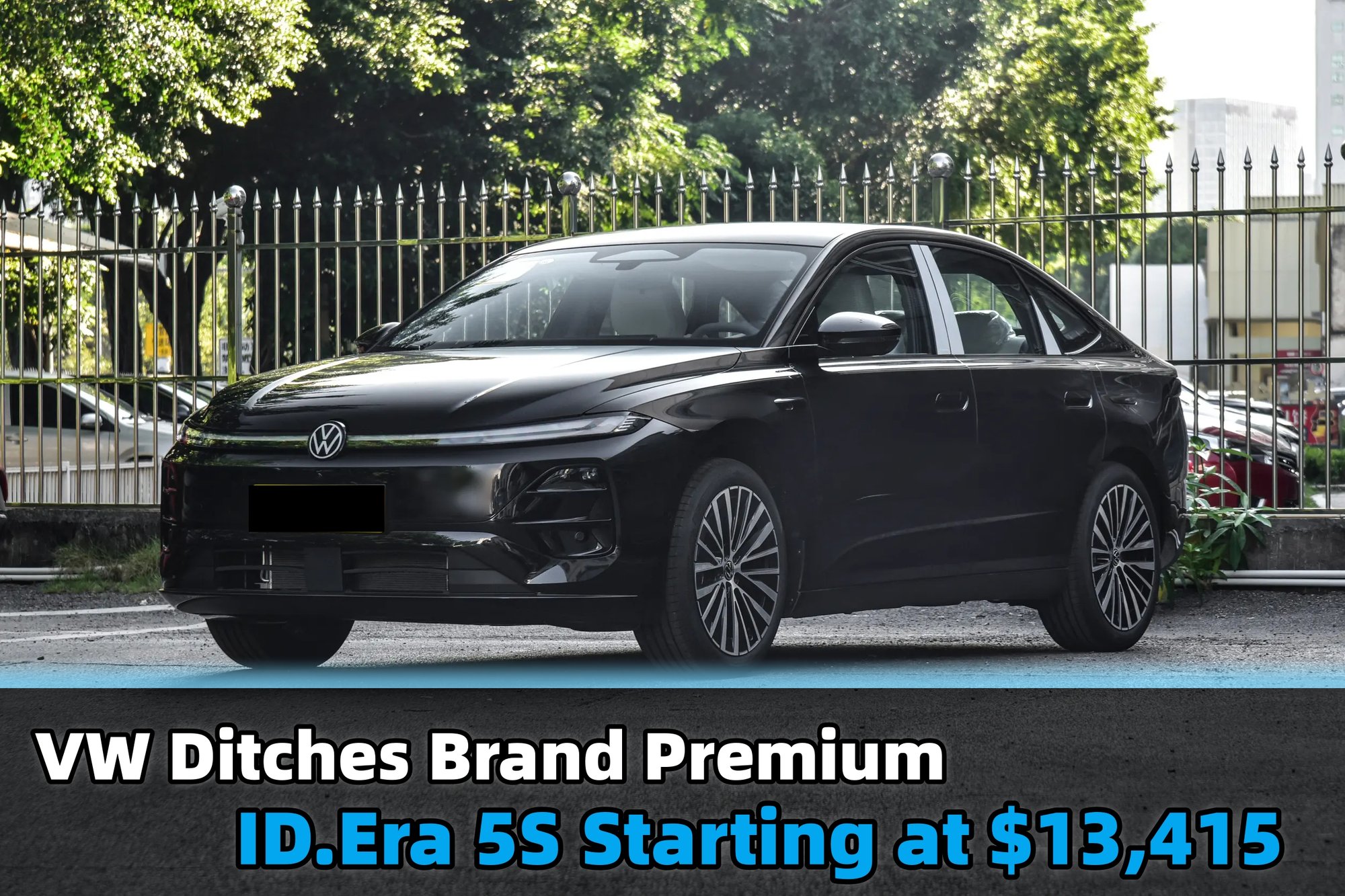
If I say Volkswagen is the fastest-transforming among joint-venture car brands, who agrees, who disagrees? When other joint-venture brands in China were still researching converting oil cars to electric, it was the first to develop the MEB pure electric platform, creating classic products like the ID.3 and ID.4, whose product strength is still remarkable even now.
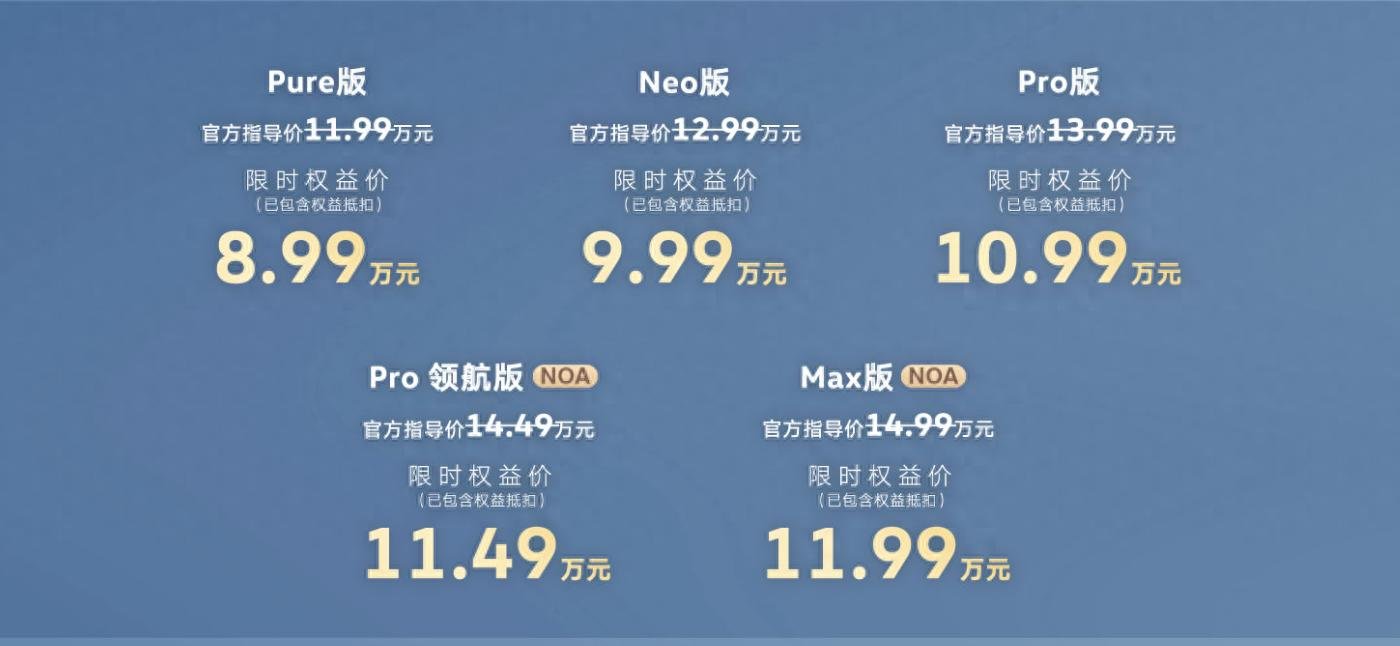
And now Volkswagen has begun to intervene in China's 100,000-yuan-class market, launching the Volkswagen ID. ERA 5S, a mid-size sedan, with a guide price of RMB 119,900-149,900, and RMB 89,900-119,900 after discounts, which converted into US dollars is only starting at 13,400 USD. I wonder if German netizens will also fail to hold it together when they see this price. This is indeed too ruthless.
Price: Volkswagen redefines its position in China's new energy market
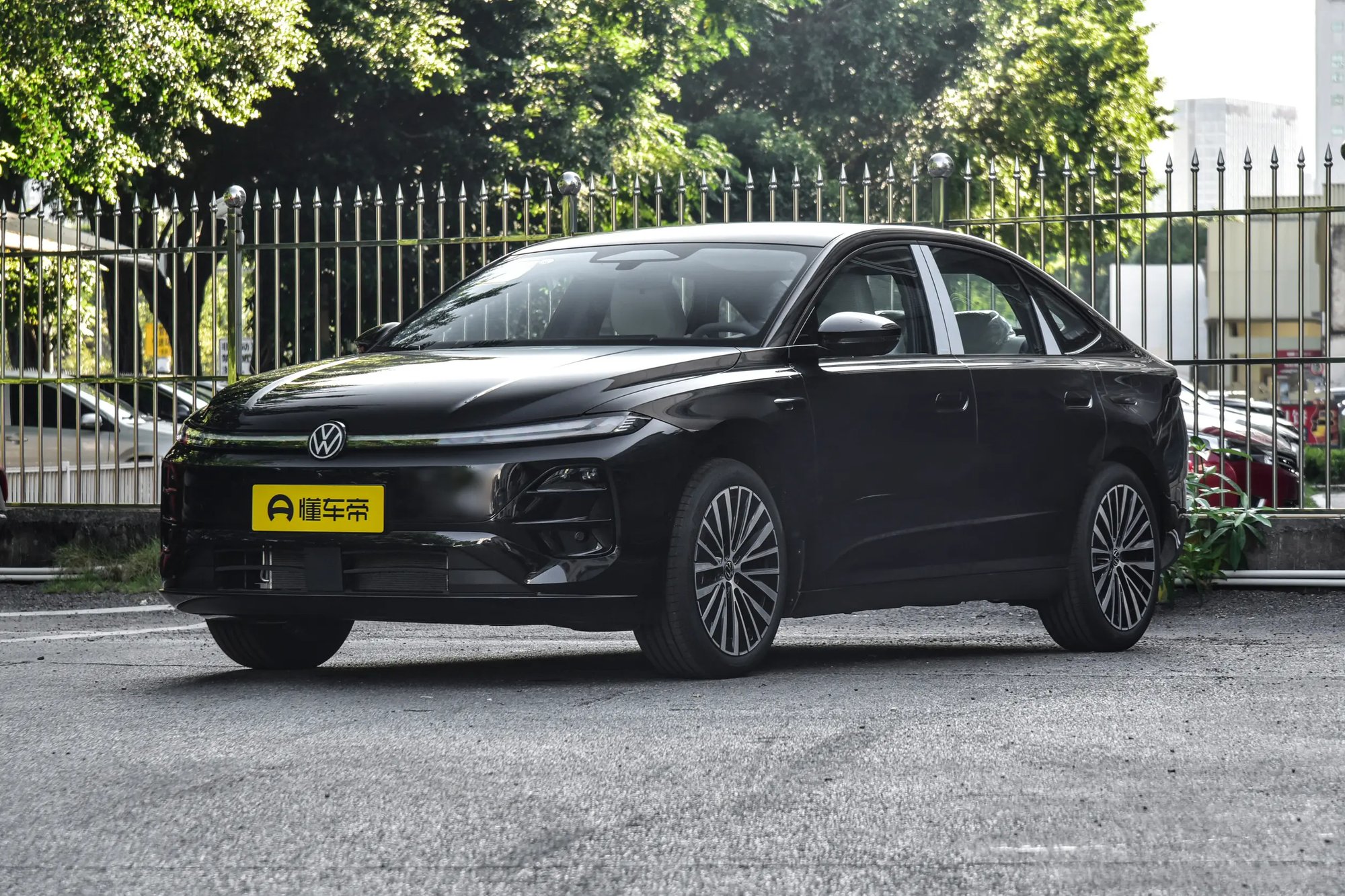
A year ago, it was hard to imagine that a Volkswagen mid-size new energy sedan would sell cheaper than a Chinese brand's compact sedan. More critically, this time Volkswagen is not using a stripped-down base version to fight a price war, but rather cramming things like urban NOA, 2,000 km combined range, and B-segment car space into the RMB 90,000-120,000 price range. This is no longer simply "trading price for volume," but more like Volkswagen redefining its position in China's new energy market.
Three electrics: 2.82L fuel consumption at low battery + over 2,000 km range
The ID.ERA 5S is equipped with a plug-in hybrid system consisting of a 1.5L naturally aspirated engine paired with a P1+P3 dual-motor DHT architecture. The structure is similar to BYD and Geely, but Volkswagen has still made something of its own in terms of efficiency. First look at the parameters: the EA211 engine has 80kW of power, the P3 motor has a peak power of 130kW, the battery is a 19.1kWh lithium iron phosphate unit, CLTC pure electric range is 160km, combined range exceeds 2,000km, and CLTC fuel consumption at low battery is only 2.82L/100km.
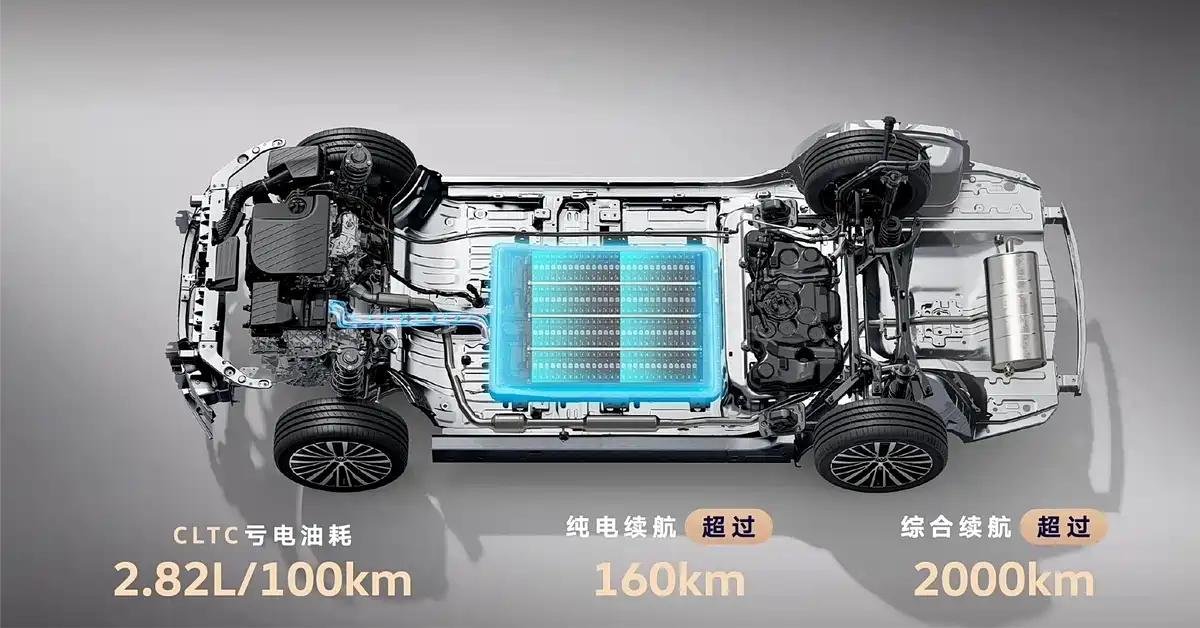
For consumers who understand new energy vehicles, the value of these parameters is self-evident. Most importantly, they are not inflated. The fuel tank capacity is 55L, and in a fully fueled and fully charged state, it ran 2,033.8km in actual testing by the China Automotive Technology and Research Center, with the actual pure electric range achievement rate even exceeding the nominal value. This ability to "reverse-inflate" proves that Volkswagen still has real skills in energy consumption management.
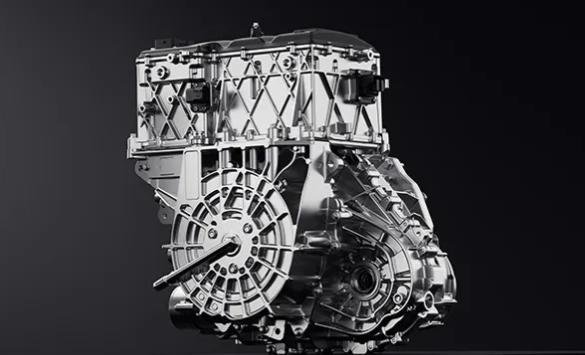
Fast charging from 30% to 80% takes only 15 minutes, a 6.6kW household charging interface is standard, and it also supports 3.5kW external discharge (PS: the original ID pure electric series had no external discharge across the entire lineup). The completeness of these configurations shows that when Volkswagen made this car, its goal was not to make up the numbers with "a Volkswagen that can get a green plate," but to build a product truly meant to go head-to-head with Chinese brands.
Space: removing the inherited big hump, rear-seat experience is not inferior to the Passat
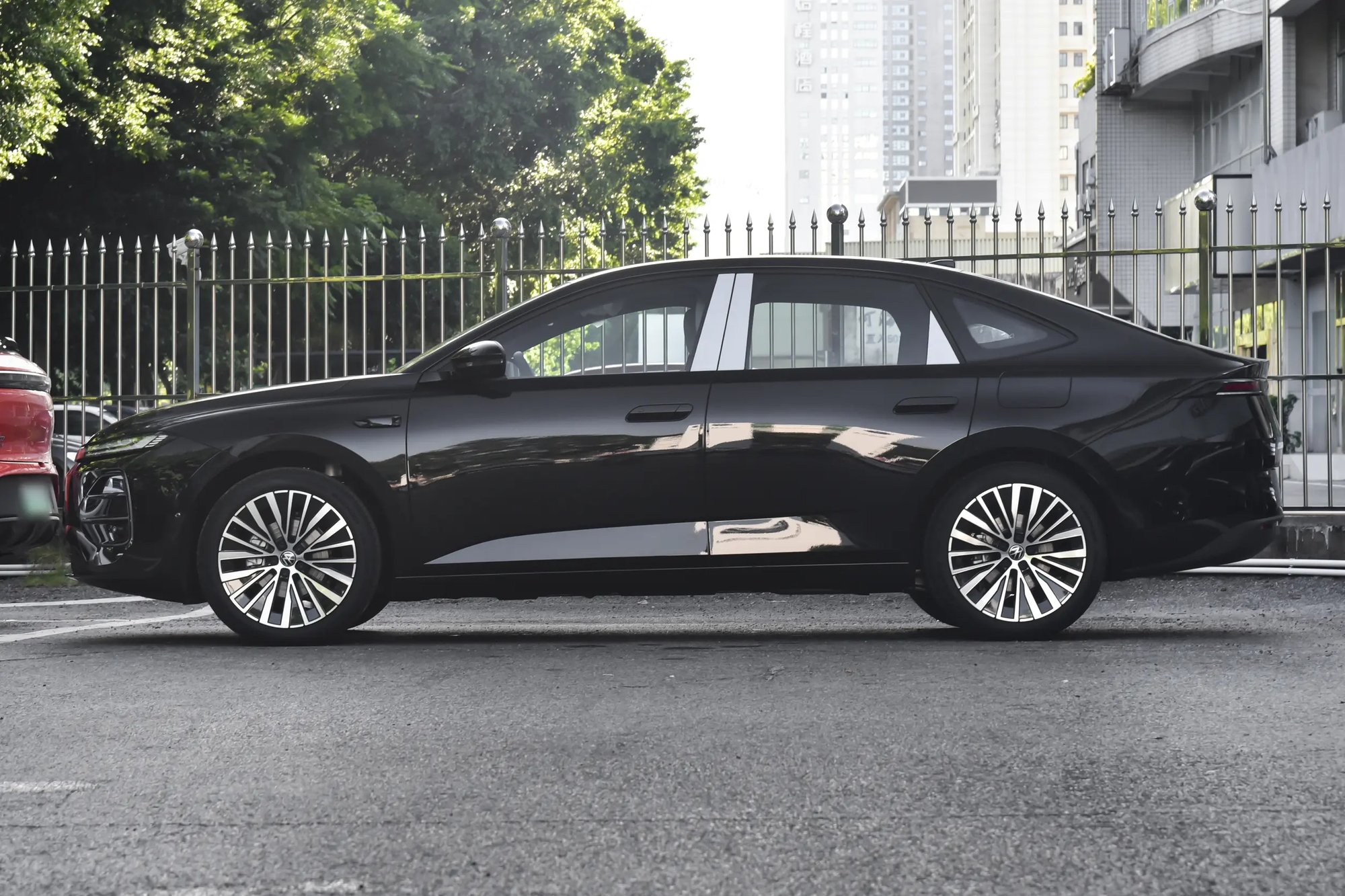
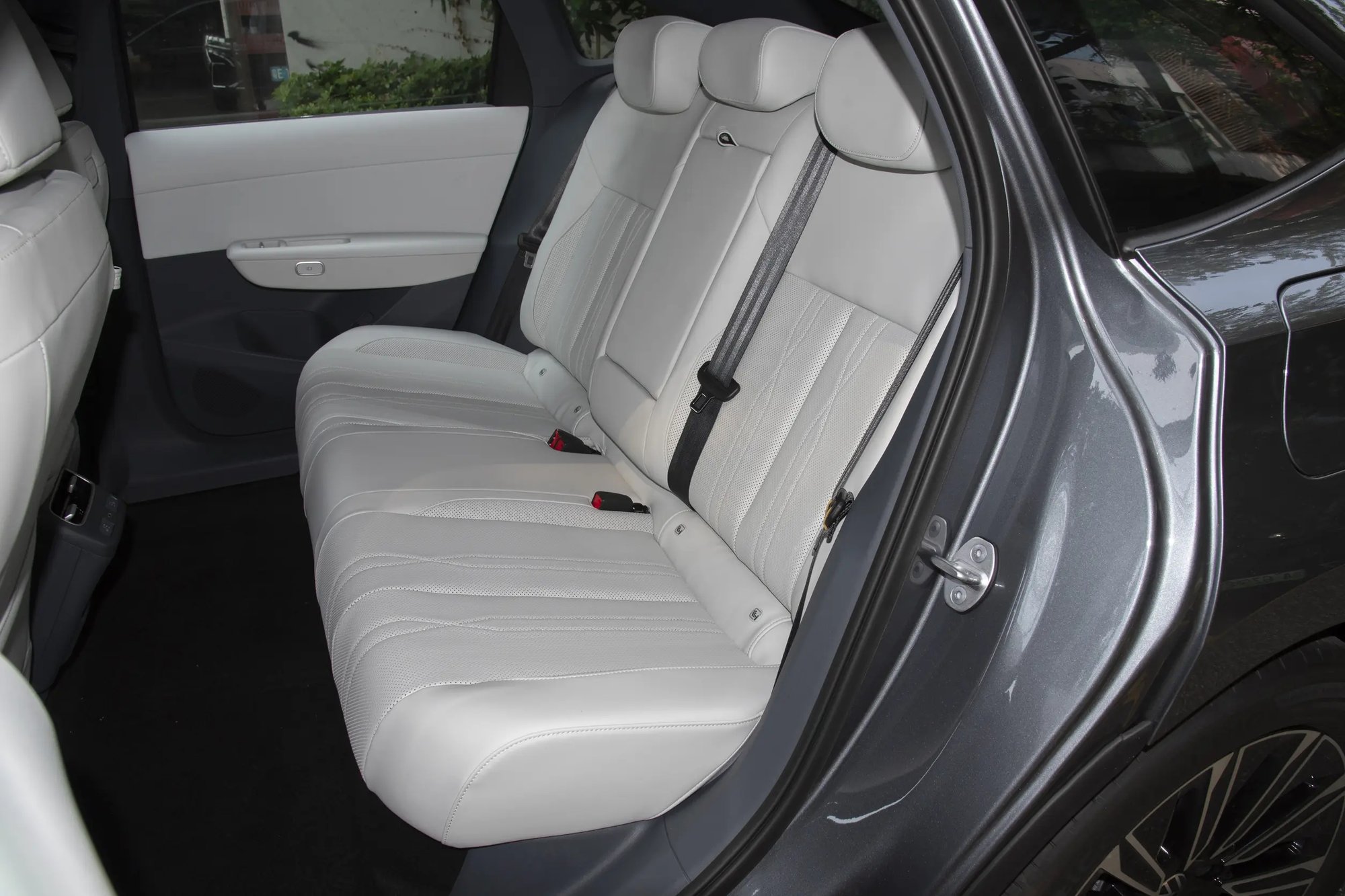
In terms of space, the ID.ERA 5S has a length of 4836mm, a wheelbase of 2766mm, and a width of 1880mm. Its overall size sits between the Passat and the Lamando L. Although a 2766mm wheelbase is not large among mid-size cars, the short front overhang design gives it a very high cabin proportion. Rear knee room is 136mm, and space is already close to the Passat's level, but because there is no Volkswagen inherited large hump, it is more comfortable than the Passat when three people sit in the rear at the same time.
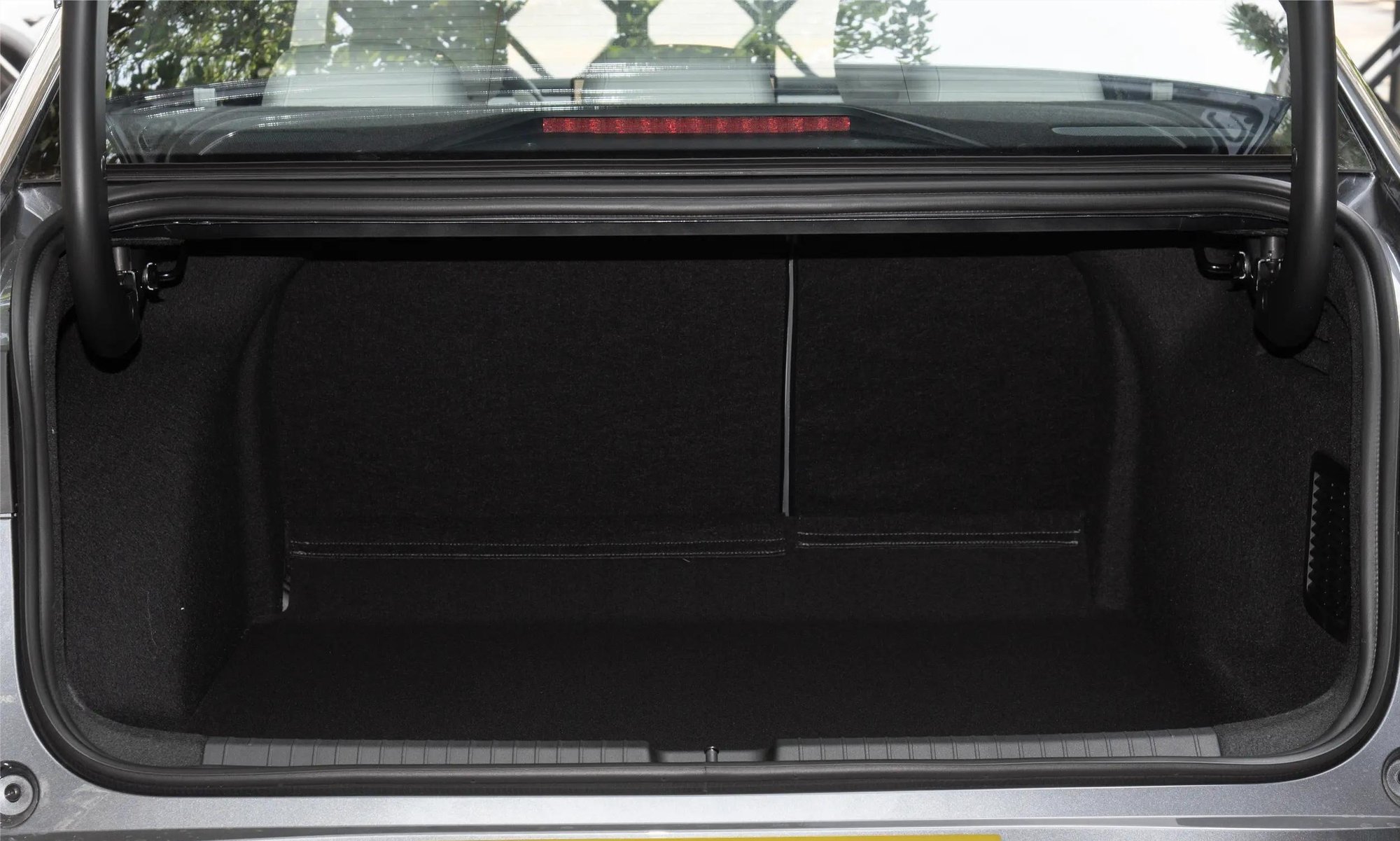
The trunk has a base volume of 486L, which can be expanded to a 2-meter storage space after the seats are folded down, covering both daily family use and long-distance travel loading needs. This approach to optimizing space efficiency shows that the battery layout experience Volkswagen accumulated in the MEB platform era is now feeding back into the development of plug-in hybrid models.
Driver assistance: bringing urban NOA into the 100,000-yuan class
In terms of driver assistance, this is a considerable selling point of the ID.ERA 5S, and it is significantly stronger than the Zhuoyu solution on its own bigger brother, the Passat Pro.
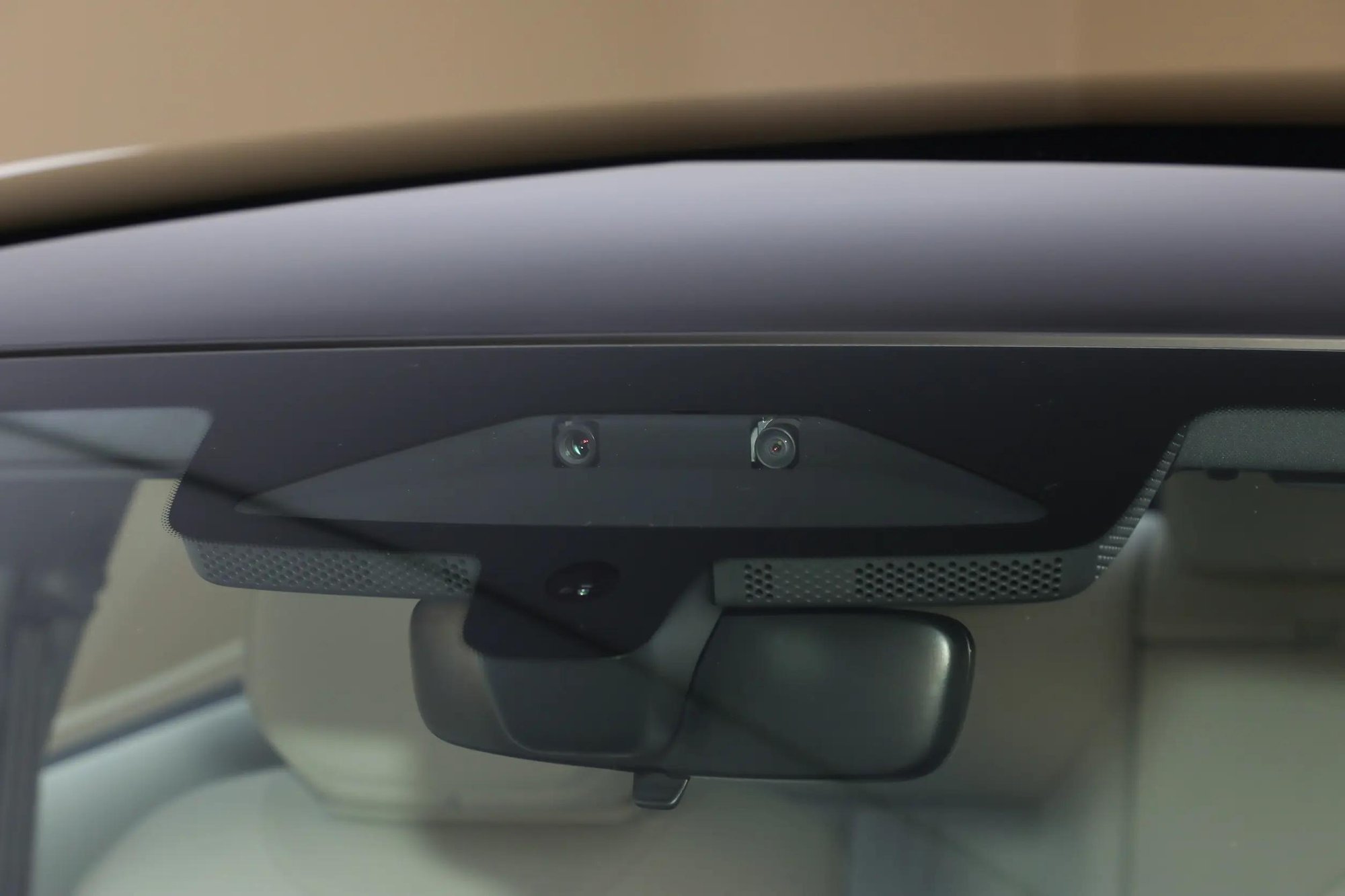
It is one of the few Volkswagen-brand sedans globally equipped with urban NOA. The "Xingyun Zhixing" system equipped on the Max version and Pro Pilot version was custom-developed by SAIC Volkswagen together with Kuiruicheng, based on the Horizon Journey 6M chip and HSD algorithm for deep customization, building an end-to-end large model. On the hardware level, it is equipped with dual cameras and multiple millimeter-wave radars, making it a vision-centric high-level driver assistance system.
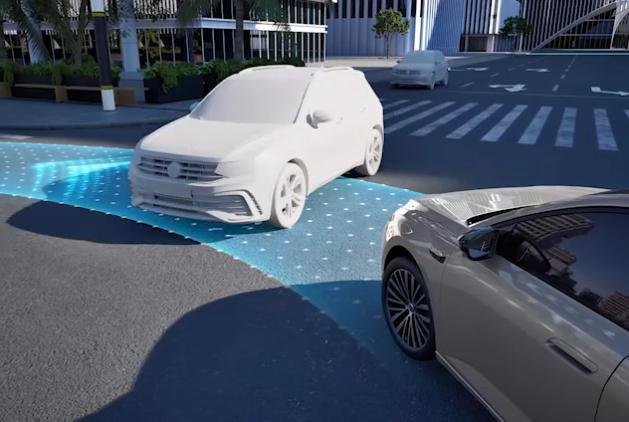
Functionally, it covers urban NOA, highway NOA, automatic parking, cross-floor memory parking, reverse tracking, and AEB emergency braking at up to 140km/h. In actual testing, this system was tested by complex road conditions such as Chongqing's 8D interchanges and Wuxi's cliffside roads, and its performance in scenarios such as narrow-road meetings and sharp curves at night was very stable.
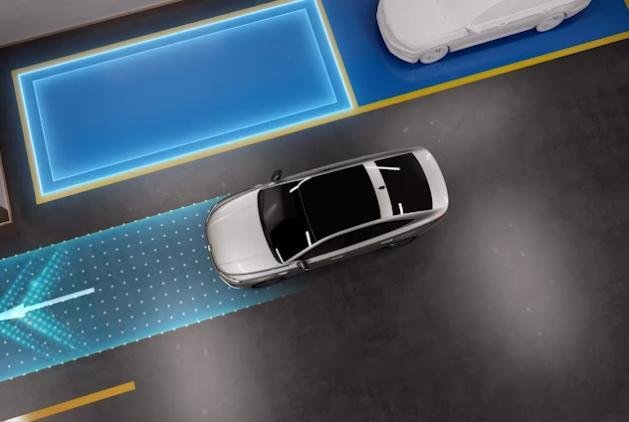
Volkswagen's choice to make urban NOA standard at this price point is not hard to understand. In the 100,000-yuan family sedan market, the gap in range and space is rapidly narrowing, and the difference in driver assistance experience is where product perception can be most differentiated in the next few years.
Infotainment: handing software definition power to the Chinese team
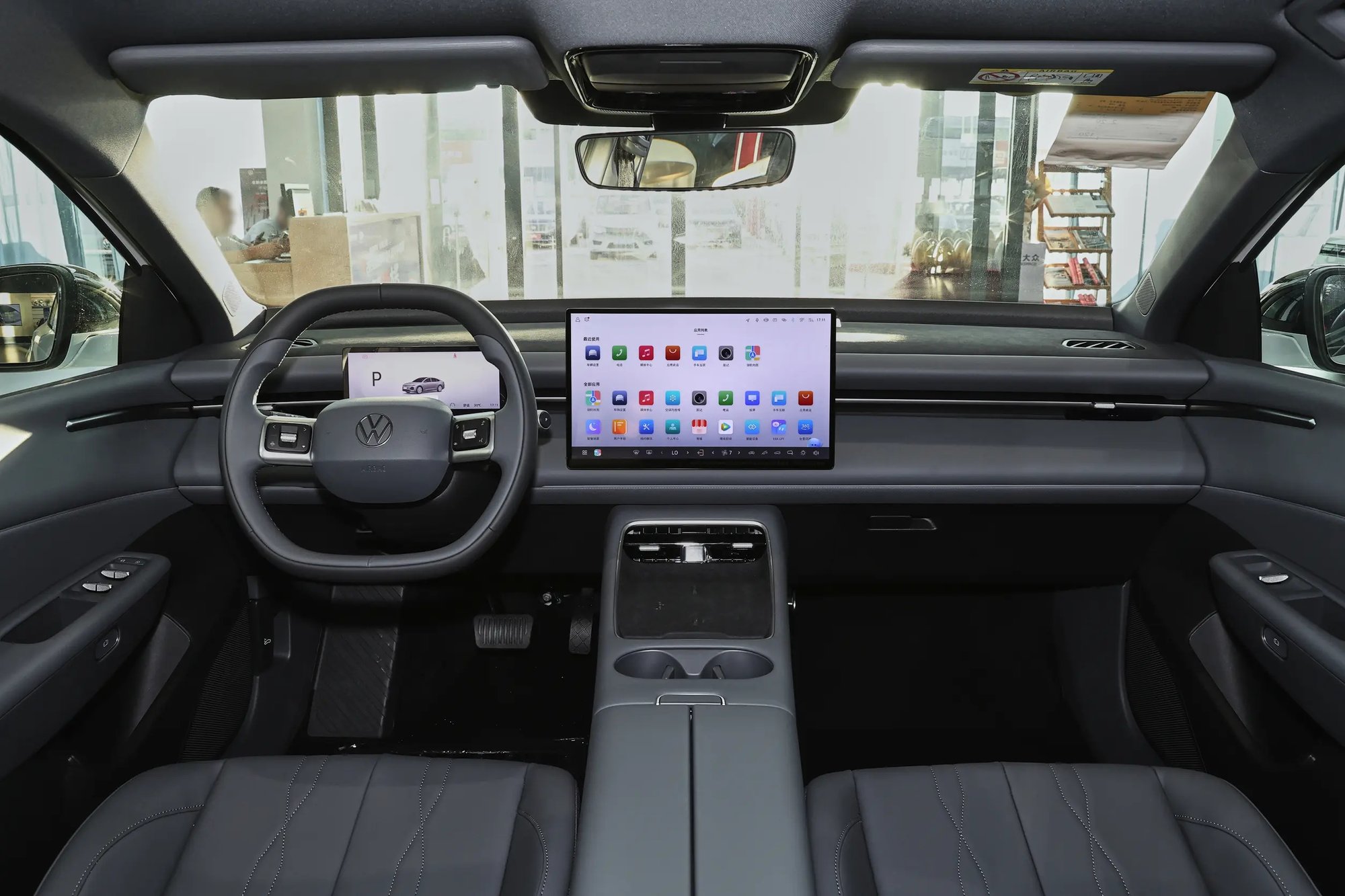
In terms of infotainment, the ID.ERA 5S is equipped with a 15.6-inch 2.5K central control screen and an 8.8-inch LCD instrument cluster. The core chip has not been disclosed officially, and it is guessed to be a "MediaTek" chip. The infotainment system is VW OS, and its openness is still quite good, while also supporting the three major phone connectivity protocols: CarPlay, HiCar, and Carlink.
The voice assistant was jointly developed with iFlytek, supports multi-intent recognition and multimodal interaction, and also integrates ByteDance Volcano Engine's GPT large model, which can use AI to generate desktop wallpapers and preset scene modes. The car also has a Carlog travel journal function, which can record journey images.
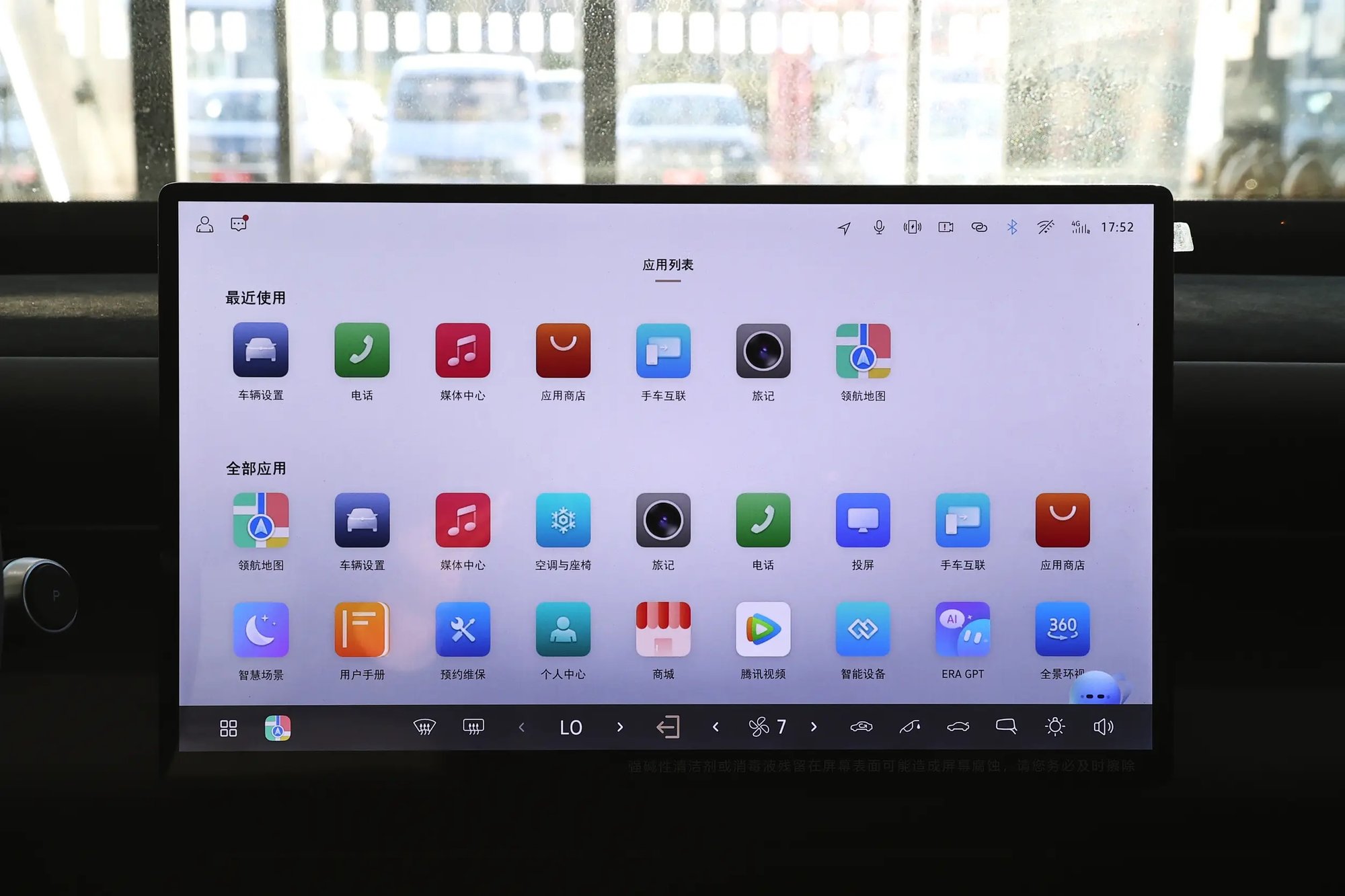
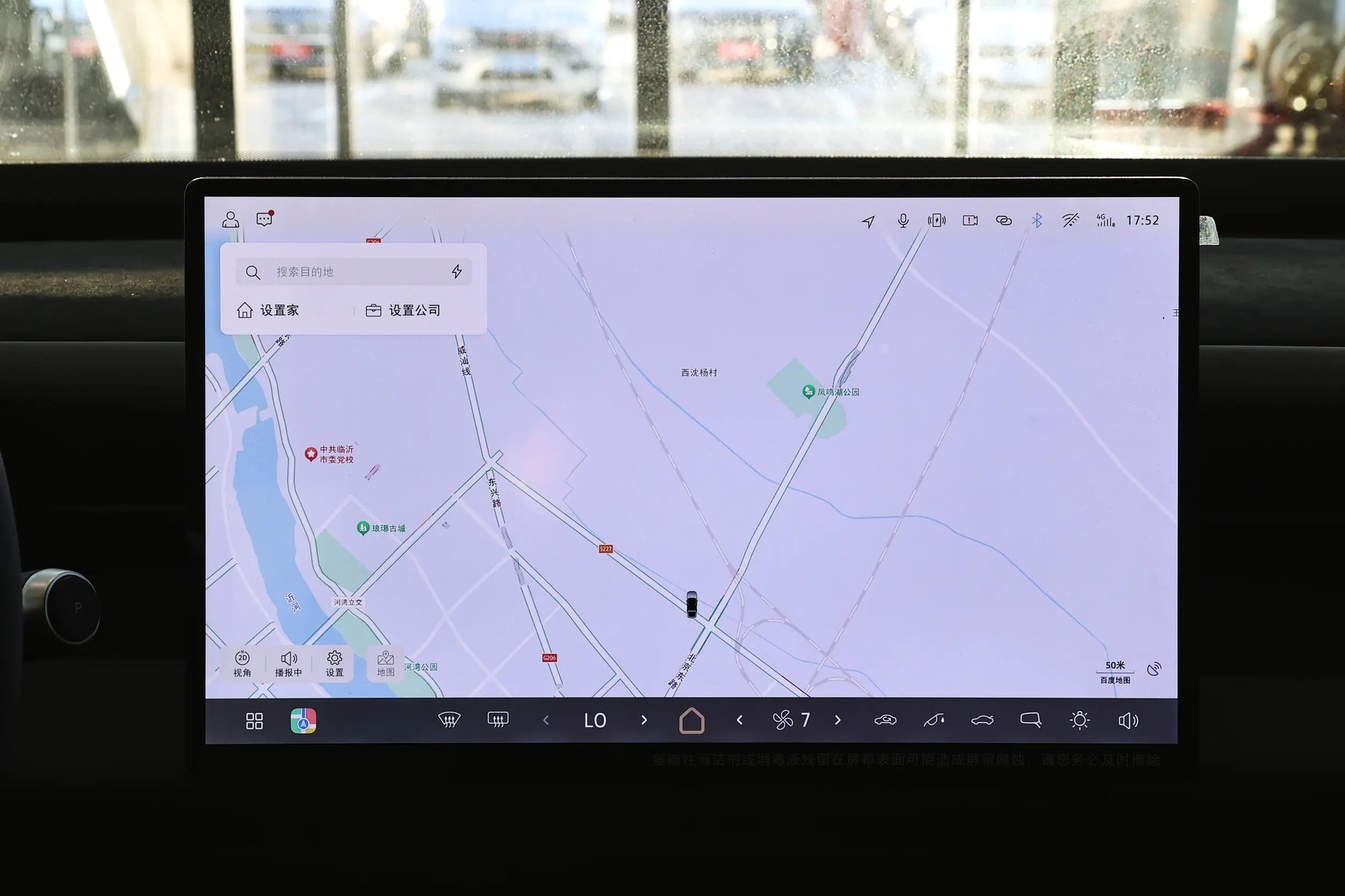
Compared horizontally among joint-venture brands, this infotainment system is already clearly better than the vast majority of products at the same price. Volkswagen's past shortcoming in infotainment was largely because the overseas headquarters' software system permissions were not delegated downward, making it impossible to adapt to Chinese users' interaction habits. The Yunqi smart cabin of the ID.ERA 5S, however, has undergone localized reconstruction from the bottom layer to the application layer. Navigation uses Kuiruicheng's lane-level fusion view, covering 360 cities nationwide, and supports parking-space-level indoor navigation and charging station planning. This approach of "handing software definition power to the Chinese team" is the real sign that Volkswagen has begun to catch up in software experience.
Safety and materials: Volkswagen's signature strength
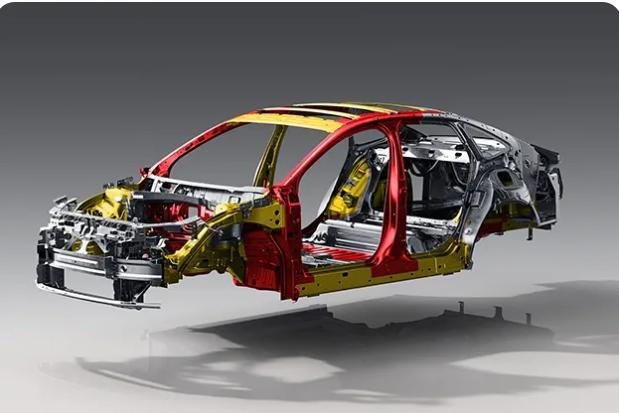
Body-in-white materials are where the ID.ERA 5S spends most generously on safety. The proportion of high-strength steel in the whole vehicle is 86%, and hot-formed steel accounts for 30%. This level is not even inferior to some 200,000-yuan new energy sedans. The front anti-collision beam uses hot-formed material, the rear anti-collision beam is 3mm thick, longitudinal anti-collision tubes and anti-collision hooks are arranged inside the doors, and detachable energy-absorbing boxes are installed front and rear.
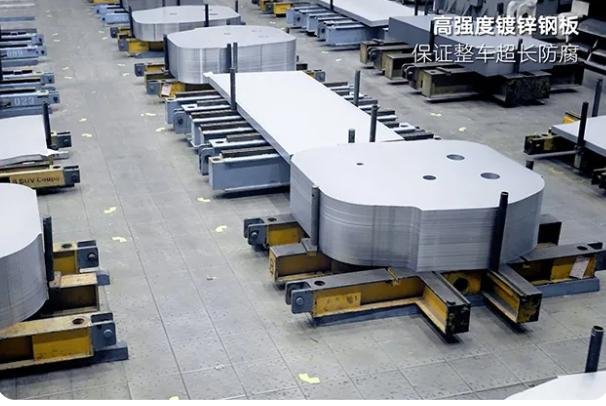
In addition, anti-corrosion processes also continue Volkswagen's usual level. The proportion of coated sheet metal reaches 85.2%, and easily corroded positions such as the front firewall, interior floor, and engine bay strut towers are covered with galvanized steel sheets. Cavity wax injection has been used at SAIC Volkswagen for more than twenty years, and the ID.ERA 5S applies full coverage in humid areas such as the door sills.
Combined with roof laser welding, one-piece door frames, and chassis PVC stone-chip coating, the vehicle's anti-corrosion coating reaches 6 layers. These processes, along with more than 8,000 verification standards, 100,000 km durability testing, 1,008 hours of battery salt spray testing, and 2,000J bottom impact resistance, make the quality of the Volkswagen ID.ERA 5S far beyond what a "quickly built car" can compare with.
Final words
Overall, the limited-time benefit price of RMB 89,900 to 119,900 is not a tentative price, but a precisely calculated price directly aimed at the heartland of Chinese brands. Volkswagen chose to use the platform capability, supply chain efficiency, and bargaining power accumulated in the MEB era to support this price, rather than cutting costs by reducing equipment.
Can this approach help Volkswagen regain the right to speak in the 100,000-yuan family sedan market? What do you overseas friends think? Welcome to exchange views with Keyboard Jun in the comments section.


