Let's look at some data first. In the first half of this year, 42 domestic boxy SUVs sold a combined 447,600 units. Keep in mind that in 2020, the entire boxy SUV category sold just over 130,000 units for the whole year, and by 2025 it reached 1.02 million units annually, nearly eight times growth in five years. The market is scorching hot, yet the Ti 9 insists on waiting until the fourth quarter to launch. So people can't help but ask: entering the game at this point, is it too late?
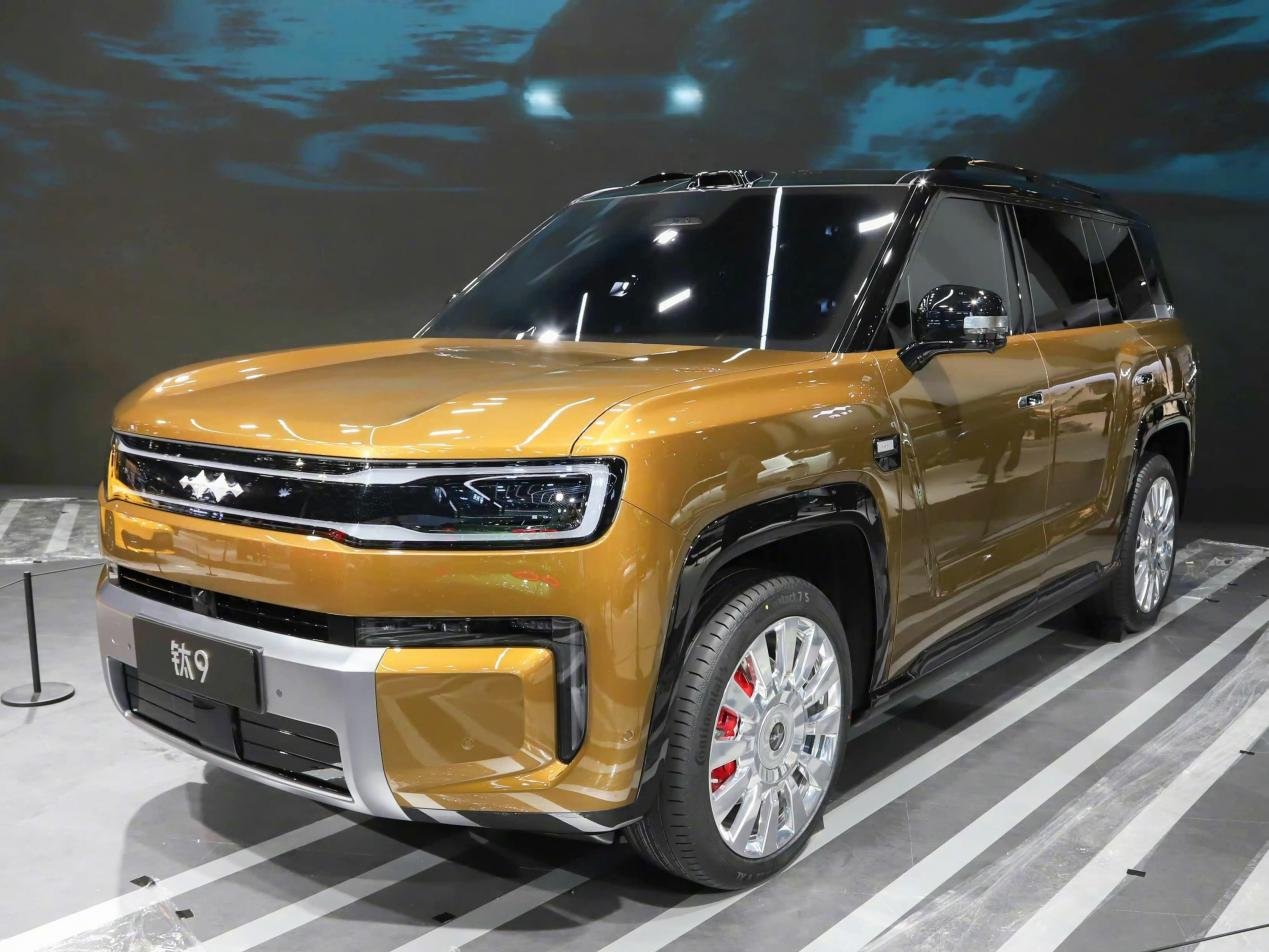
The Ti 9 measures 5270mm long, 1999mm wide, 1850mm tall, with a wheelbase of 3130mm. It's bigger than both the Li L9 and the AITO M9. But the L9 and M9 are both priced above 420,000 yuan, while the Ti 9 presale price ranges from 239,800 to 289,800 yuan, nearly half the difference.
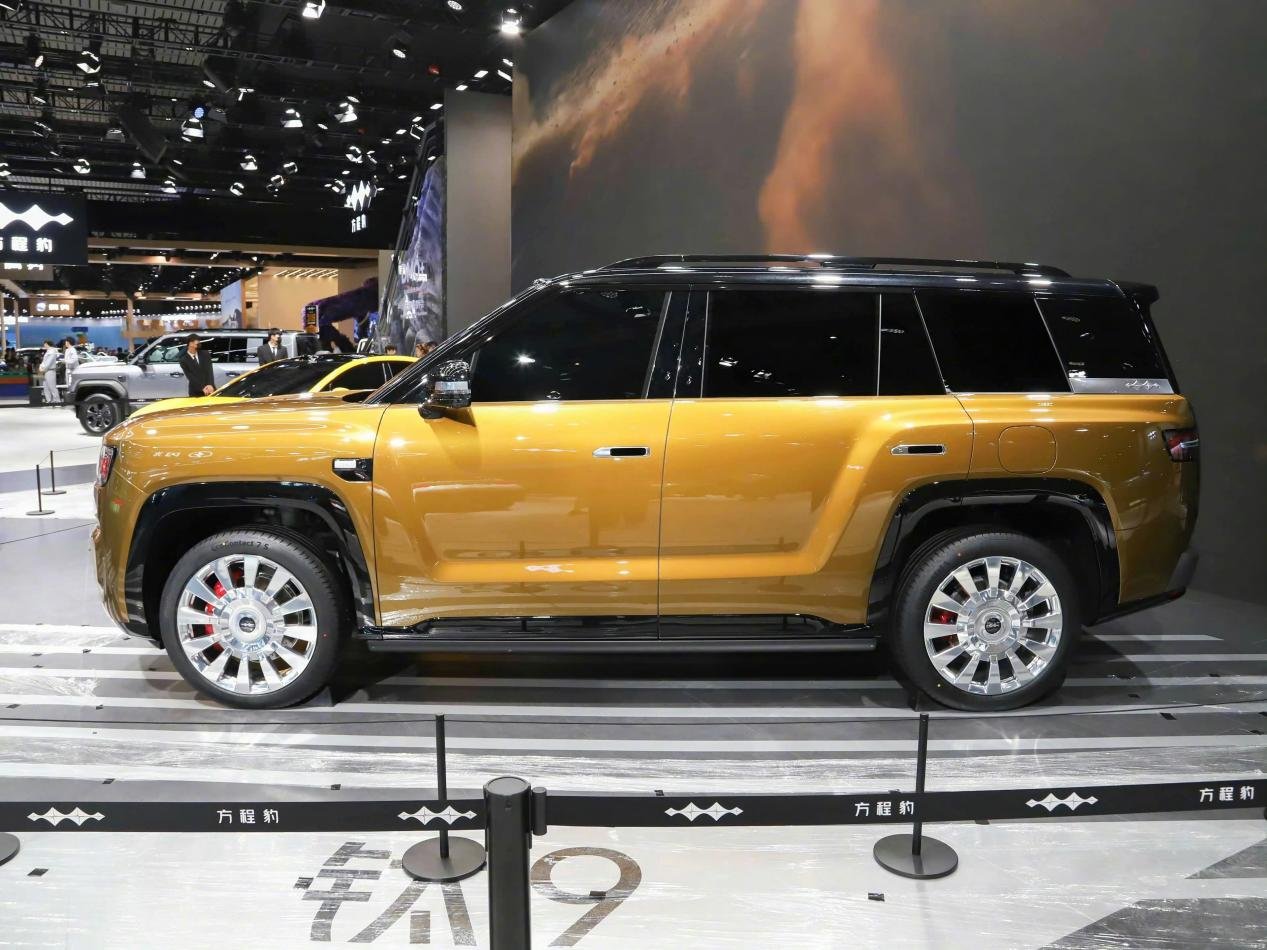
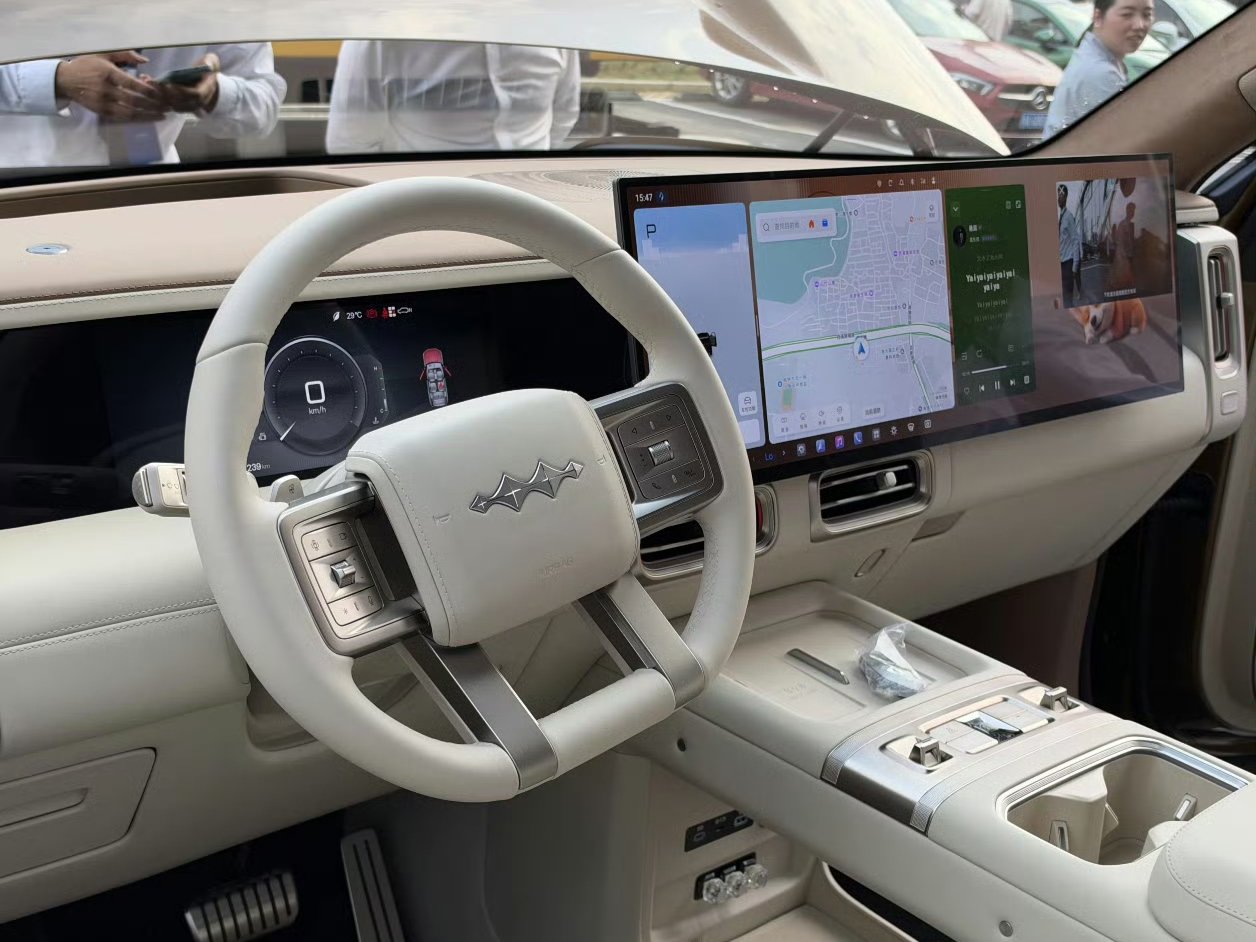
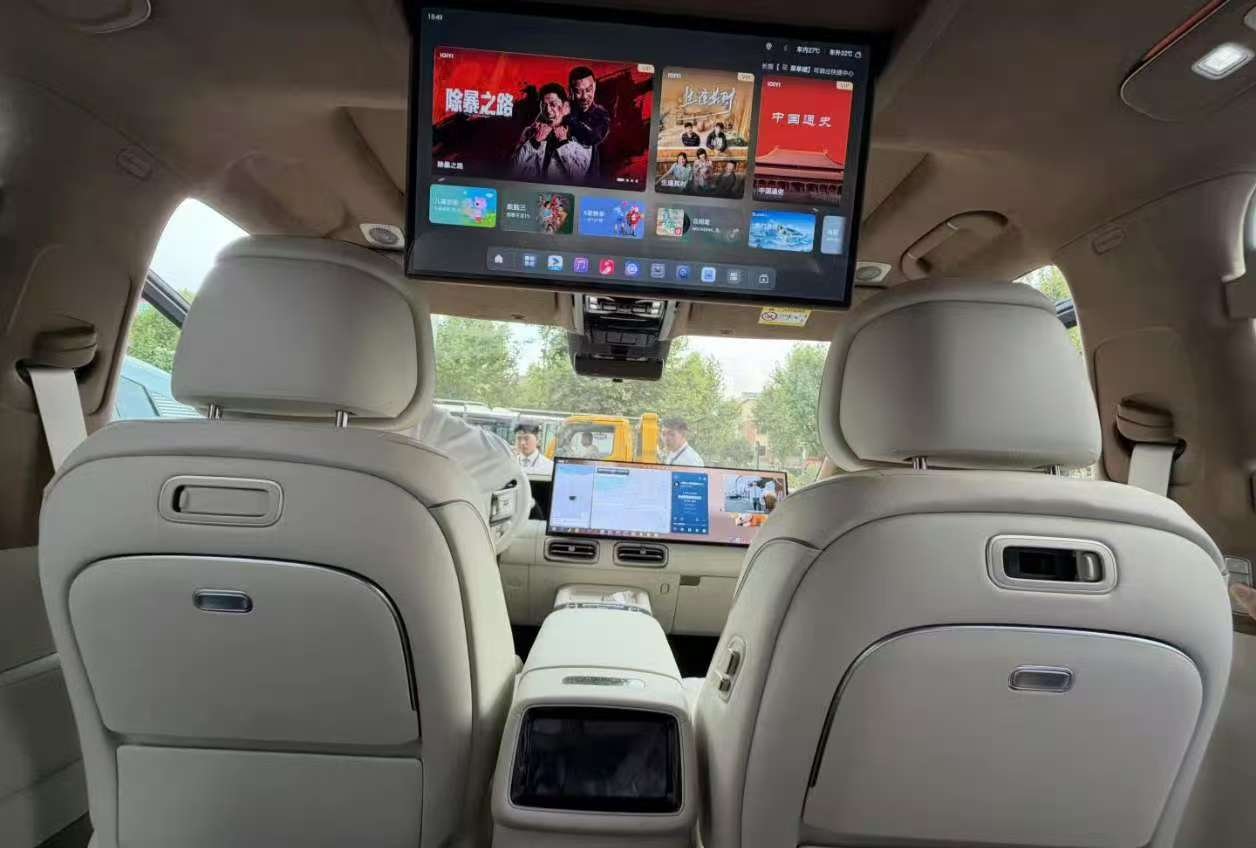
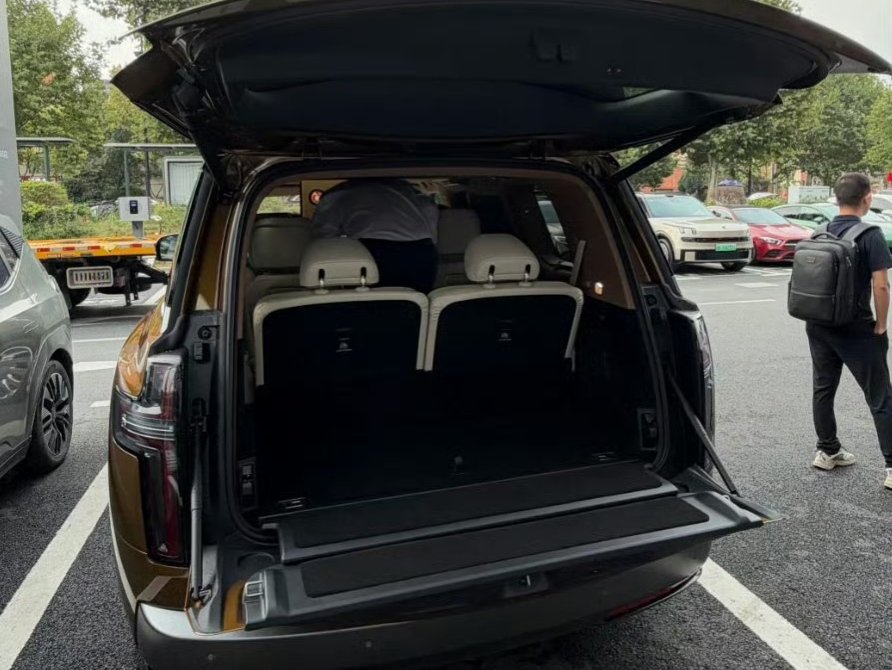
Official interior images were also just released a couple of days ago. I took a look, and the rotating screen is gone, replaced by a long continuous screen stretching from the driver's side across to the passenger side. The second row has two independent seats with powered leg rests, a small table in front, a rear control screen, a built-in refrigerator, and a large folding screen. The side windows come with powered sunshades. It's a 2+2+2 six-seat layout, and the third row can fold completely flat. The tailgate uses a split design, opening top and bottom. The lower half can lie flat to serve as a table, great for camping, placing things on it, or sitting and enjoying the breeze. The roof rack supports an optional external canopy expansion module, and an optional electric tow hook is available too, with a 2000kg towing rating for the vehicle, so towing a small camper is no problem at all.
On the powertrain side, the Ti 9 uses a sixth-generation DM-i plug-in hybrid system, with a 1.5T engine plus front and rear dual motors, producing a combined system output of 400kW. The battery is 66.48kWh, with a WLTC pure electric range of 310km, and a combined range of over 1600km on a full tank and full charge, with fuel consumption of 6.4L per 100km when the battery is depleted. With 310 kilometers of pure electric range, a single weekly charge is enough for daily commuting. On the chassis side, the entire lineup comes standard with the Yunian-P Ultra intelligent hydraulic suspension, plus rear-wheel steering. For a 5.27-meter vehicle to make a U-turn, the turning diameter can be as tight as 10.2 meters, more nimble than many mid-size SUVs.
My take is this: if it's about who entered the market first, then yes, the Ti 9 is indeed late. The Ti 7, Tank 300, Haval Big Dog and others have long since filled up the slots. But if you reframe the question as "at this point in time, is there anyone who needs a full-size plug-in hybrid boxy SUV priced between 250,000 and 300,000 yuan," then the answer is different.
Besides, the Ti 7 has already proven this logic works. With a price range of 179,800 to 239,800 yuan, monthly sales have steadily exceeded 10,000 units, and the Fangchengbao brand's monthly sales have grown from 15,000 to 50,000. What the Ti 9 needs to do now is take the same approach and push it one level higher.
I wonder, for those of you reading this article, do you think this late-arriving boxy flagship still has a chance to break through? If your budget is locked in this range, would you put the Ti 9 on your shortlist? Let's chat in the comments.


