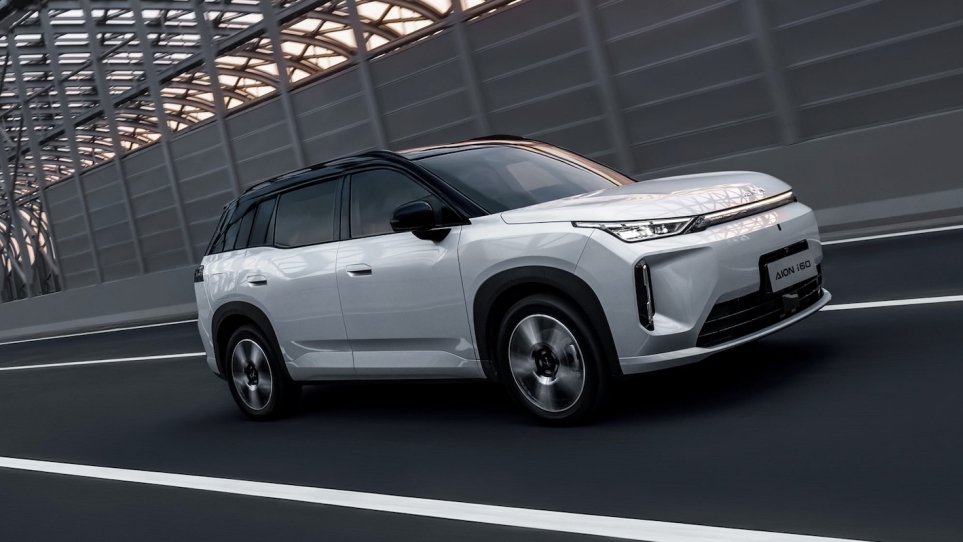
In July, the chill in the auto market was somewhat obvious.
Data from the China Passenger Car Association shows that, affected by the combined impact of the traditional off-season and the market overdraft effect from the first half of the year, retail sales in China's passenger car market in July 2026 are expected to fall 16.8% year-on-year. In many brand showrooms, sales staff may have to worry about foot traffic.
But the scorecard delivered by Hyptec Aion presents a different picture: terminal sales in July reached 34,987 units, up 31.74% year-on-year, achieving double-digit year-on-year growth for five consecutive months. While the broader market moves downward, it surges upward—this contrast deserves a closer look.
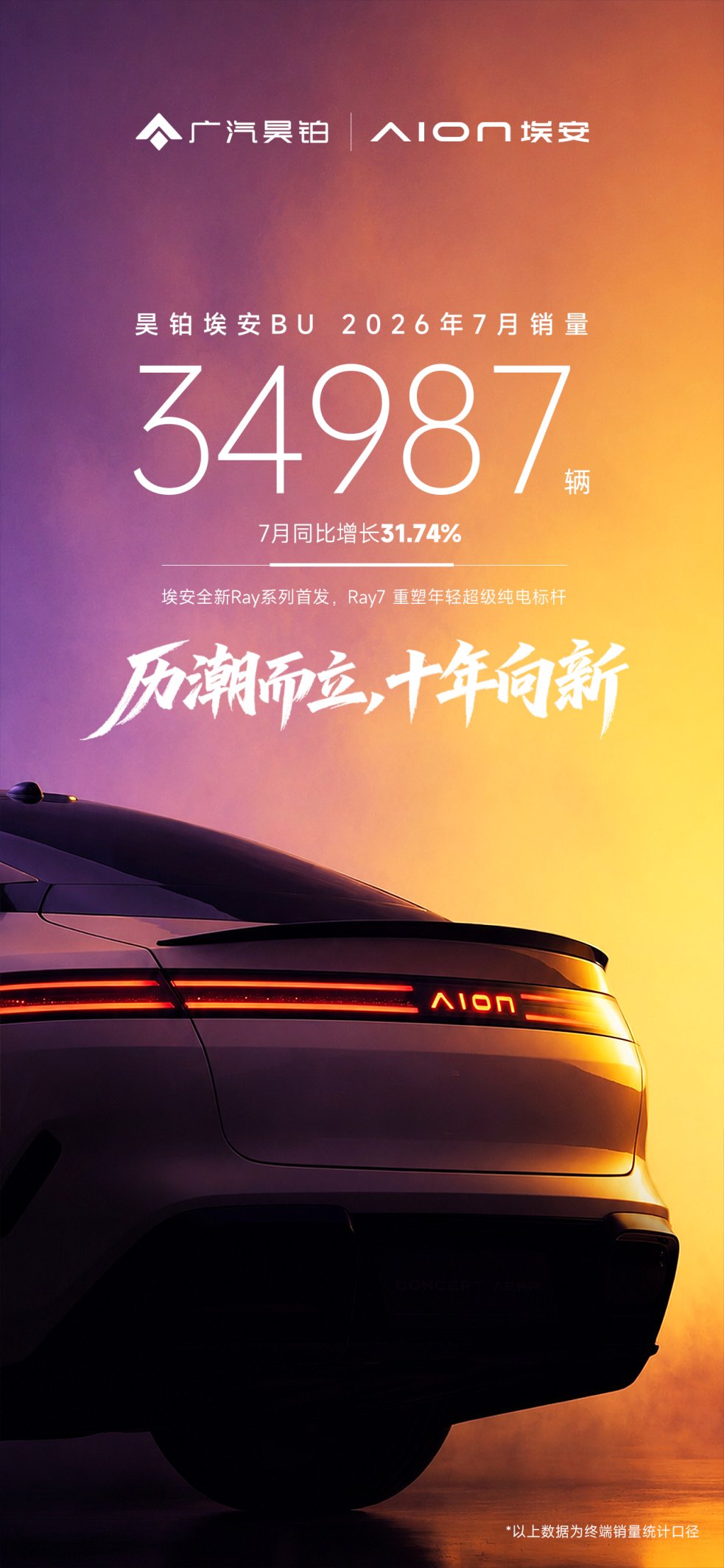
What is even more worth examining is the structural change behind the numbers. In the first half of 2026, the proportion of Hyptec Aion's C-end private users steadily climbed to 81%. Its main models have completely shifted from the former Aion Y and Aion S to new products aimed at private families, such as the Aion i60 and Aion N60, and the brand has also turned toward a steady upward channel driven by genuine consumer demand.
And this transformation did not rely on luck.
After years of running a long race, what enables it to traverse cycles?
On July 28 this year, GAC Aion officially entered its tenth year. Looking back to the early days of the new energy vehicle industry, at its peak there were once more than 400 new energy vehicle brands competing nationwide. After ten years of great waves washing away the sand, many brands rose and fell in an instant, and new energy automakers that can steadily make it through ten years are few and far between.
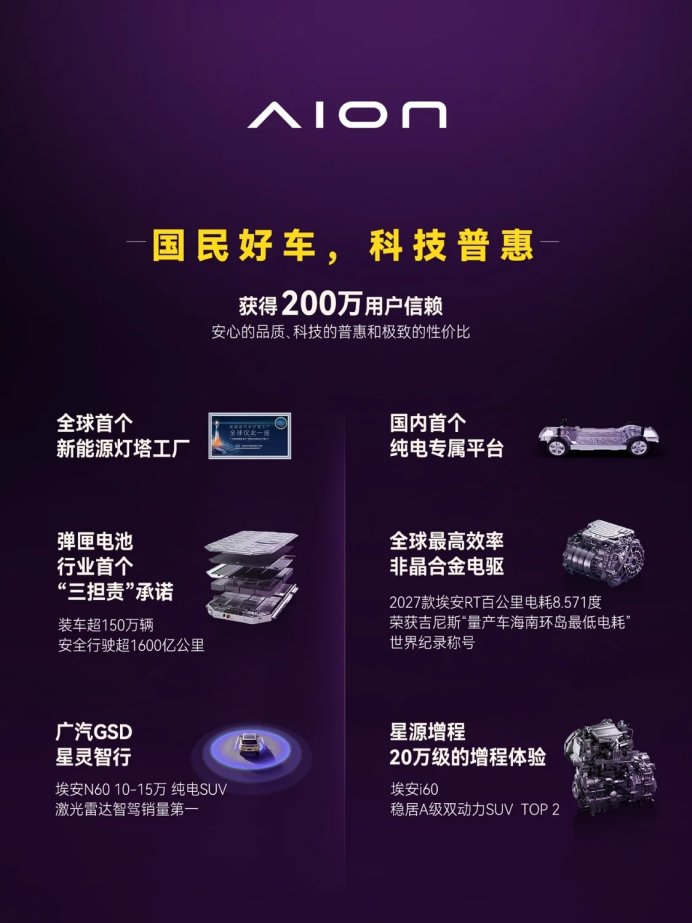
Aion's ability to remain comes from solid accumulation. As early as 2017, GAC Group took the lead in investing 45 billion yuan to build a new energy intelligent connected industrial park. Aion built the world's first new energy vehicle lighthouse factory and was among the first to launch core technologies such as a dedicated pure electric platform, magazine battery, and Quark electric drive. In the field of intelligent driving, Aion also laid out plans early and implemented them practically, completing full coverage of L2-L4 level technologies. These invisible foundational efforts make it hard to create viral marketing topics, but they can genuinely build user reputation. Many referrals from long-time users come because of stable quality and convenient after-sales service.
But accumulation alone is not enough. Facing changes of the times and the continuous evolution of user needs, Aion chose to promote a comprehensive user-centered reform from the inside out.
At the end of 2025, relying on GAC Group's "Panyu Action," the Hyptec Aion BU was among the first to be established, fully implementing the two major systems of IPD and IPMS, and connecting the entire chain of R&D, production, sales, and service. This reform greatly improved decision-making efficiency. For example, launching a car in the past might have required 120 stamps, but now it takes fewer than 40, and product definition has also shifted from "engineer thinking" to "user thinking." Institutional innovation is, in the final analysis, about better understanding users.
Two hit models verify that "users have the final say"
This switch in underlying logic directly gave rise to two hit models that fit real needs.
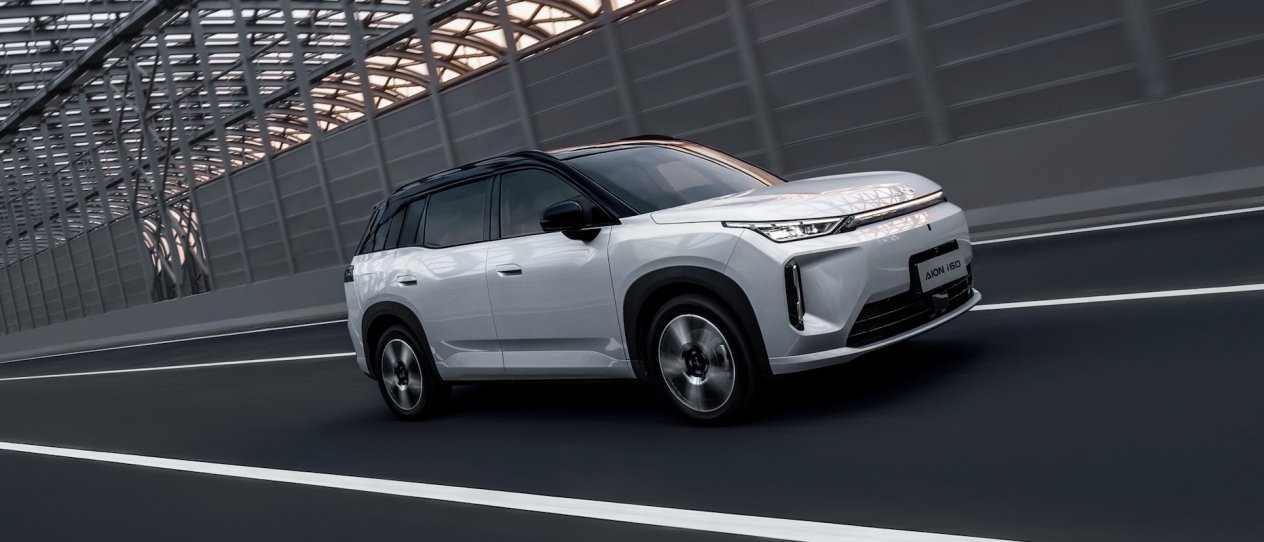
The Aion i60 applies GAC's Xingyuan range-extender technology exclusive to the 200,000-yuan class, continuously iterating with the logic of a "cultivated major single product," precisely grasping Chinese families' needs for space and safety. Users aged 26-35 account for 42%, monthly sales steadily exceed 10,000, and it firmly ranks in the top two on the A-class dual-power SUV sales list.
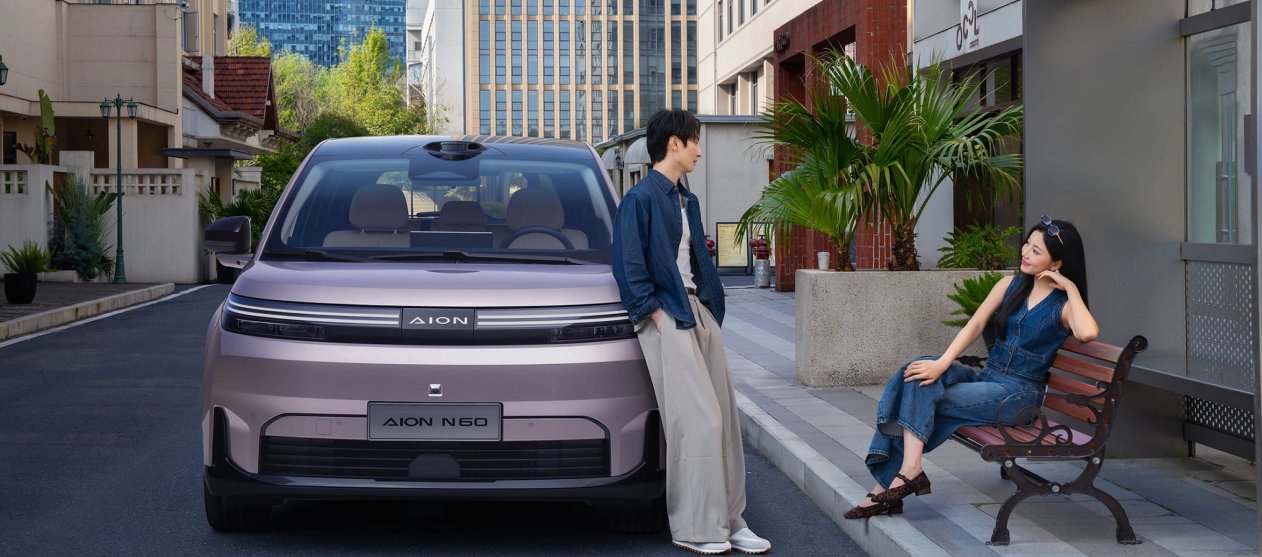
The Aion N60, by contrast, brings L4 same-origin LiDAR intelligent driving down to the 100,000-150,000 yuan price range. Priced in the 100,000-yuan class, it comes standard with a LiDAR + WeRide L4-level Robotaxi same-origin algorithm intelligent driving assistance system. Young people aged 25-35 account for as much as 79.8%, and it captured the sales champion in its segment.
The two models prove one thing: a true hit does not rely on low-price dumping, but on precise user-centered insight.
The tenth year, a new starting point
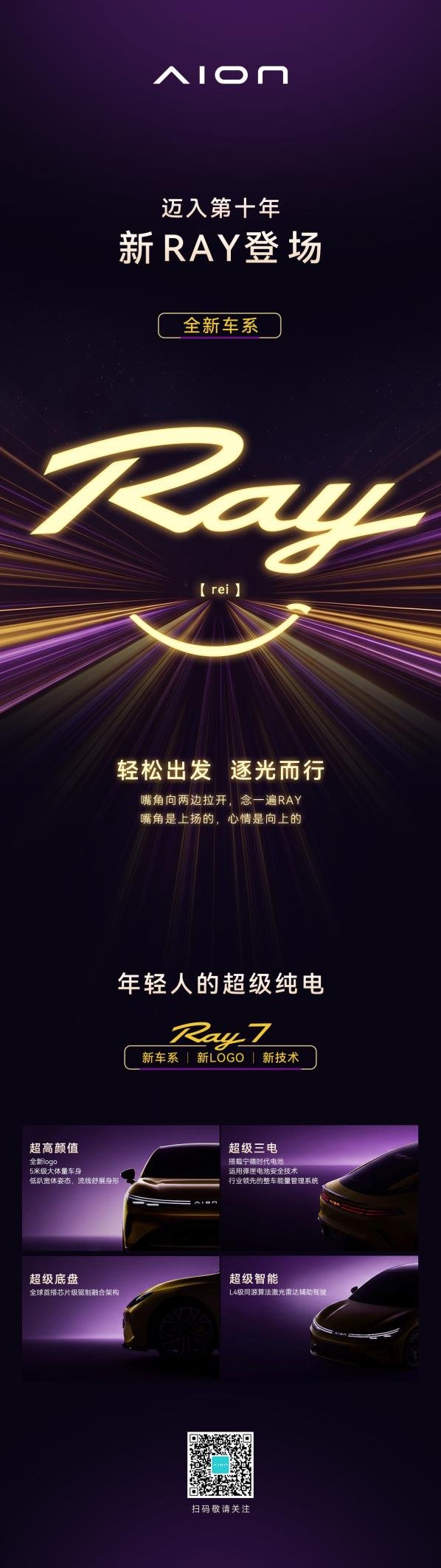
Standing at the milestone of the brand's tenth year, Aion did not hold a grand celebration, but instead released a brand-new independent vehicle series—Ray.
Ray means light. When pronouncing "Ray," the corners of the mouth automatically lift, like a smile. In imagery, Ray is a ray, with a starting point but no endpoint—implying that Aion is setting out refreshed with its tenth year as the starting point.
The first model, Ray 7, is positioned as a mid-to-large super pure electric sedan, featuring a 5-meter-class low-slung wide-body body, a refreshed illuminated logo, the world's first chip-level drive-control integrated super chassis, CATL battery, and L4 same-origin algorithm LiDAR assisted driving. It precisely matches young people's multiple needs for appearance, performance, intelligence, and emotional value.
Some say the second half of new energy depends on young people, and that is true. Users under 30 already account for nearly 40% of new energy vehicle buyers. Aion chose to launch this "new entrepreneurship" aimed at the younger generation in its tenth year—not only building good cars for the nation, but also building cars that young people truly love.
And the confidence supporting this "new entrepreneurship" is the systemic strength accumulated over the past nine years: fully self-developed core three-electric technologies, a complete independent industrial chain, and a solid base of 2 million users. For consumers, when choosing a new energy vehicle, a brand's long-term viability is crucial. Aion has used nine years to prove that it is not the brand that will "disappear."
Standing through the tides, ten years toward the new. While the industry is still mired in involution in the quagmire of price wars, Hyptec Aion has already carved out its own path with five consecutive months of double-digit growth and an 81% C-end share. And Ray's debut has planted new foreshadowing for the next tenth year.


