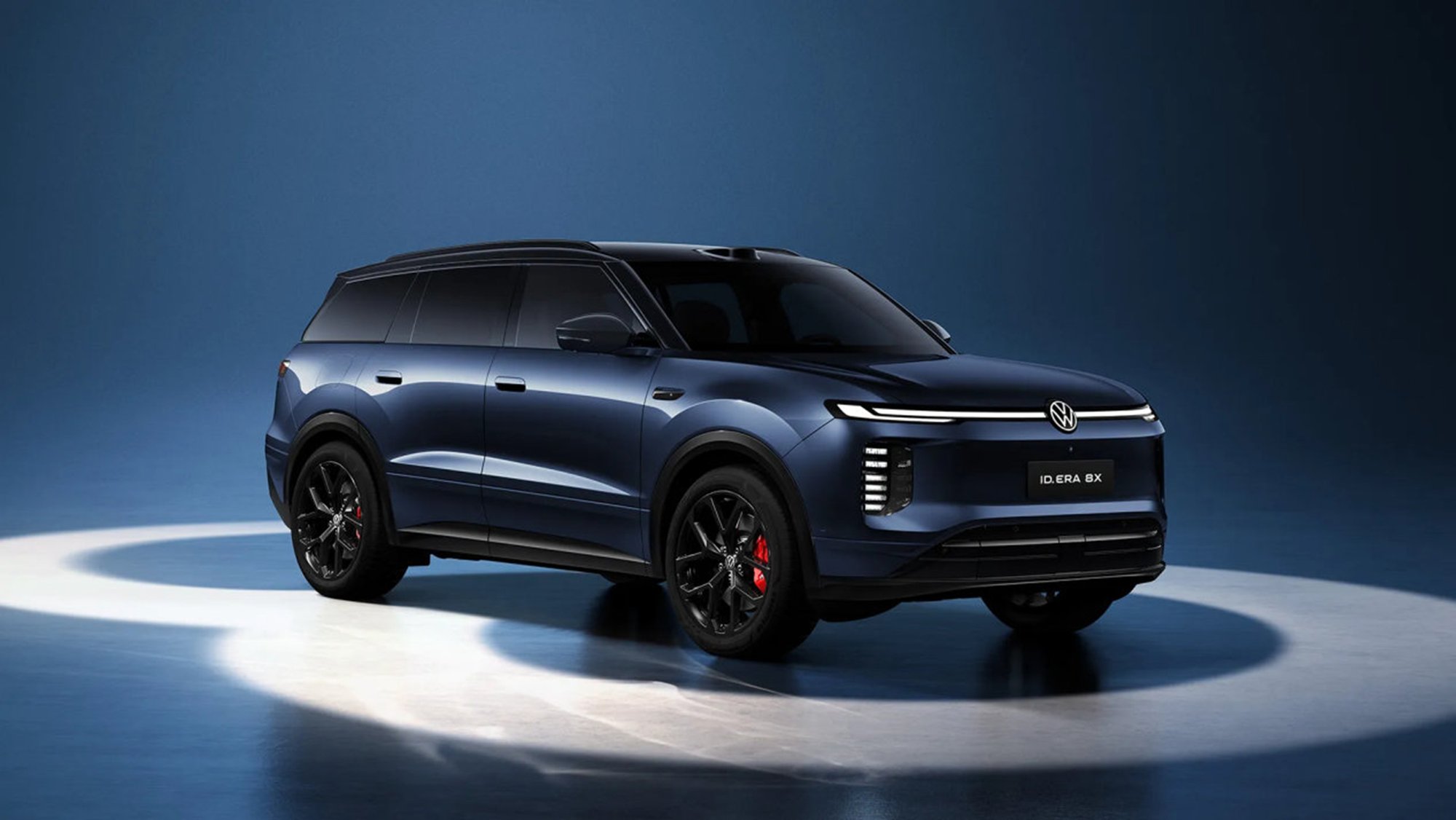
In the 250,000-yuan class of extended-range large five-seat SUVs, the ID.ERA 8X and Li Auto L6 are often compared together. The former just opened reservations on September 28, while the latter has already accumulated nearly 400,000 deliveries. The two cars are similar in size and price, but their product logic follows two different paths. Today, without hype or bias, let's talk clearly using the same dimensions about who is suited to the L6 and who is suited to the 8X.
Size and space: the 8X is slightly larger all around
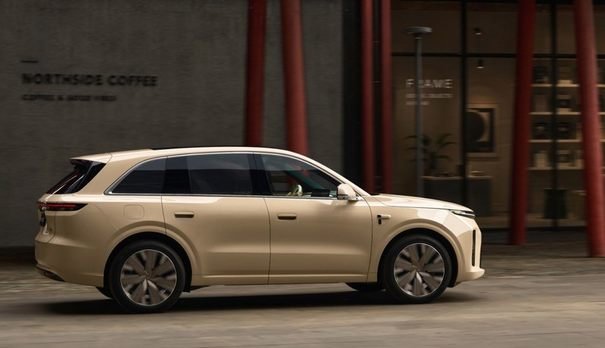
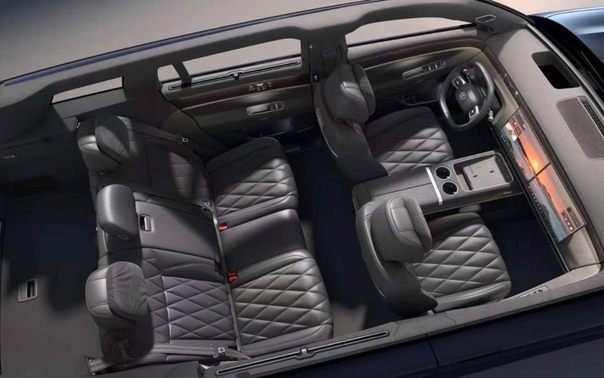
The ID.ERA 8X has body dimensions of 5020×1997×1750mm and a wheelbase of 2970mm. The Li Auto L6 has body dimensions of 4935×1960×1735mm and a wheelbase of 2920mm. The 8X is 85mm longer and has a 50mm longer wheelbase, with slightly more generous second-row legroom, and a 380mm rear center aisle, making it more comfortable for someone to sit in the middle. The 8X's rear seat cushion is 1350mm wide, the backrest is adjustable from 15-43°, and it has an electric leg rest. The L6's rear legroom exceeds 1000mm, the floor is flat, and comfort is also good.
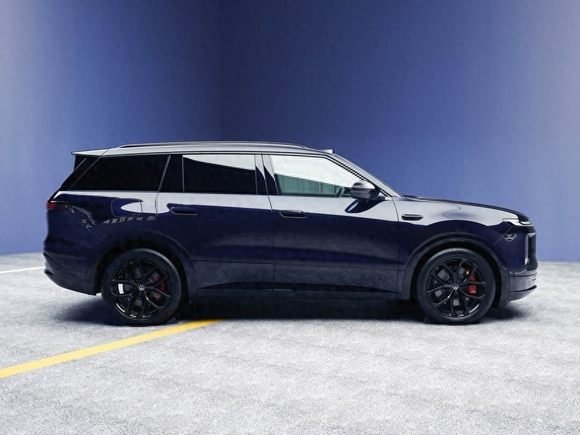
When taking parents and children out on weekends, with two adults and a child seat in the second row, the 8X is wider laterally, and the center aisle makes it easier for children to get in and out. The L6's rear floor is flat, so three people do not feel uncomfortable, but it is slightly tighter laterally. For storage, the 8X has 34 storage compartments throughout the car, with a trunk of 519-1939L; the L6 has a 491L trunk, which becomes a 1.8-meter bed when the seats are folded. Both are sufficient, but the 8X is better for organizing odds and ends.
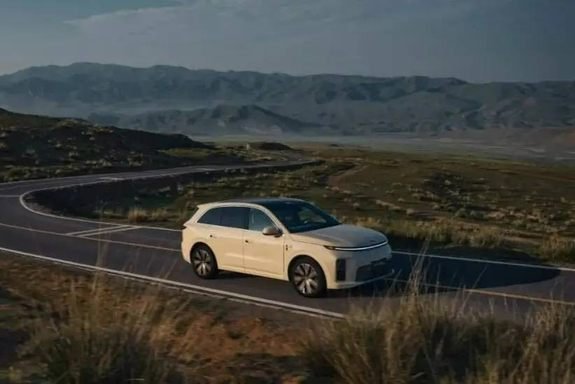
Range and replenishment: the 8X has longer pure electric range
The ID.ERA 8X Max long-range version is equipped with a 65.2kWh CATL Xiaoyao super hybrid battery, with CLTC pure electric range up to 451km and combined range of 1602km. The Li Auto L6 is equipped with a 51kWh battery, with CLTC pure electric range of 300km and combined range of 1250km. The pure electric difference is 151km. For a 40km daily commute, the 8X needs charging about once every week and a half, while the L6 needs it about once a week. The combined range difference is 352km. For cross-province road trips, the 8X does not need to replenish along the way, while the L6 roughly needs one recharge in Shandong.
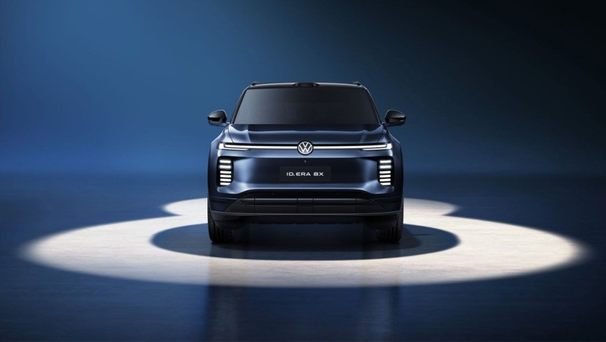
For replenishment, the 8X lineup has 800V high-voltage fast charging, 10%-80% in 16 minutes, and 3.5kW external discharge; the L6 is based on 400V, 20%-80% in about 12 minutes, and also has external discharge. Charging speed is close, but the 8X adds an 800V platform. As for the range extender, the 8X uses the EA211, with measured low-battery fuel consumption of 5.85L/100km, and uses 92-octane fuel; the L6 uses a 1.5T range extender, also uses 92-octane fuel, and its low-battery fuel consumption is subject to the official figures. Running costs for both are within a reasonable range, and the 8X saves slightly on fuel for long trips.
Chassis and driving dynamics: different orientations
The Li Auto L6 has front double wishbones and rear five-link suspension, equipped with CDC 2.0, without air suspension. It is mature on urban paved roads, and CDC damping is sufficient. The ID.ERA 8X Pro version also has front double wishbones and rear five-link suspension, with a chassis that is nearly all aluminum; the Max version adds closed dual-chamber air suspension and DCC, with an adjustment range of 150mm (+80/-70), and is equipped with intelligent predictive magic carpet, anticipating road conditions 15 meters ahead. The VMC chassis intelligent control hub offers 8 driving modes.
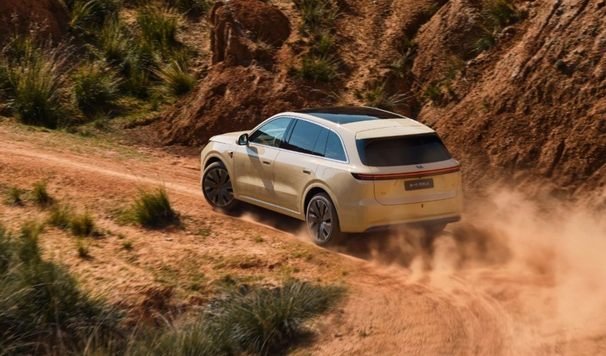
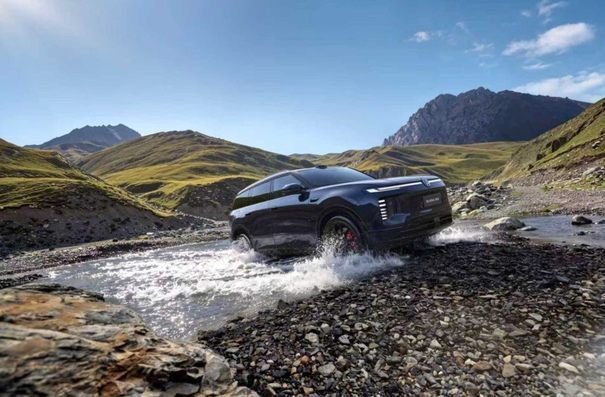
For daily urban expressways, the comfort gap between the two cars is not large. But on weekend gravel roads or potholed dirt roads, the 8X's air suspension provides better passability after raising, and magic carpet preview keeps the rear row from bouncing. The L6 leans toward urban comfort, while the 8X leans toward full-scenario coverage. If you spend 90% of your time on paved roads, the L6 is completely sufficient; if you often drive on bad roads or go camping, the 8X's chassis redundancy is more valuable.
Both are in the first tier for intelligent driving
The Li Auto L6 lineup uses the self-developed Mach M100 chip, with 1280TOPS of computing power, and comes standard with 1 lidar, 7 8-megapixel cameras, 4 3-megapixel surround-view cameras, and 8 UWB high-precision near-field perception radars, supporting highway and urban NOA, with maturity verified by the market.
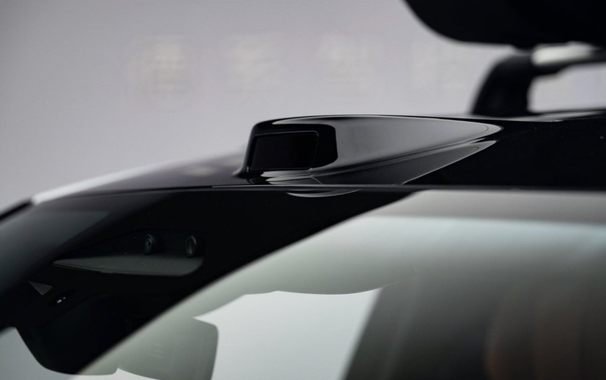
The ID.ERA 8X will natively carry the Momenta R7 world model, with R7 available at delivery, and 9X existing users will receive it via synchronized OTA. It has 26 perception hardware components, including a 192-line lidar. R7 debuts D2D door-to-door navigation, supporting offset passing, three-point turns, roaming cruise, memory parking, and one-shot parking.
For daily commuting, both cars are easy. On narrow roads in old urban areas when meeting oncoming traffic, the 8X can automatically offset and yield. At extremely narrow intersections where a single turn is not enough, it can reverse twice on its own to complete a three-point turn. From the underground garage to the destination, passing barriers, finding a parking space, and parking are basically handled on its own. Some media feedback after experiencing it said: "With cars parked on both sides of a narrow road, when an oncoming car comes, it will move aside on its own, wait for the other side to pass, and then continue. The motion is not stiff." The L6's self-developed chip has high computing power and fast data iteration; the 8X's world model understands complex domestic road conditions in a way that is closer to human habits. Which to choose depends on your preference for the self-developed system versus the world model route.
Cabin styles are different
The Li Auto L6 takes a warm family style, with dual 15.7-inch front screens, Nappa seats, and a rear backrest with 40° electric adjustment. The ID.ERA 8X is positioned as a "German-style mobile finely furnished smart home," with maternal and infant-grade full-grain Nappa plus OEKO-TEX maternal and infant Class 1 certification, a 12L dual-direction refrigerator, SmartSurface magic screen, intelligent gentle-wind air conditioning, ANC noise reduction, VSC double-layer acoustic glass, 540° surround view, and 80° rear doors. The Pro version gives all core items from the entry level.
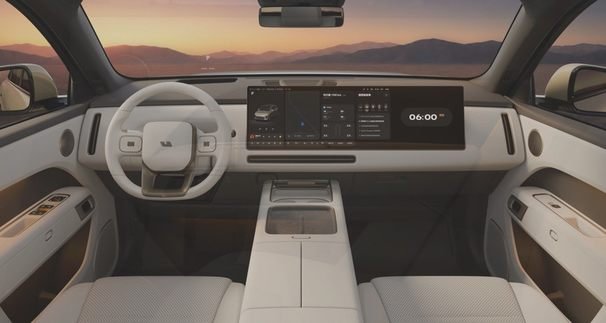
When taking children out, the 8X's OEKO-TEX certification and eco-friendly materials give families with pregnant women or infants more peace of mind. After summer sun exposure, the gentle-wind air conditioning blows softly; when taking children out in winter, the 12L refrigerator can warm milk, and the 80° rear doors make it convenient to carry children in and out. The L6's cabin has a strong warm feel, and the dual large screens and rear entertainment screen are attractive to children. If you already have Li Auto ecosystem products, connectivity is smoother. In style, the L6 leans homey, while the 8X leans German-style refined furnishing, depending on aesthetic preference.
Finally, back to how to choose
Both cars are in the 250,000-yuan class, both are extended-range large five-seat SUVs, and both can meet family travel needs. The difference lies in product orientation. If you value family atmosphere, like a warm homey cabin, do not have high pure electric range requirements, mainly commute in the city, and want a mature user community and relatively high brand recognition, the Li Auto L6 is a choice verified by the market, with cumulative deliveries of nearly 400,000 showing that its product strength has been recognized.
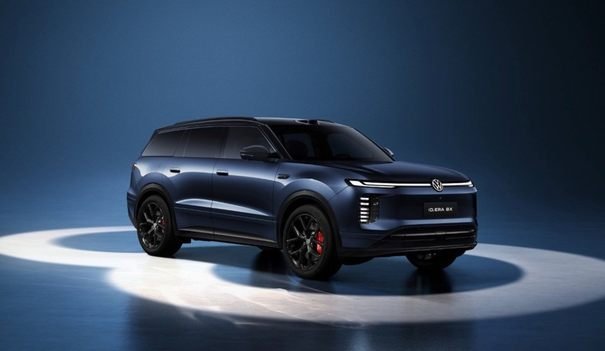
If you want longer pure electric range to reduce charging frequency, need air suspension and magic carpet to handle complex road conditions, value the solid feel of a German chassis and all-scenario passability, want intelligent driving usable at delivery without waiting for OTA, or have higher requirements for cabin health, the ID.ERA 8X provides differentiated options in range, chassis hardware, and cabin health. Neither car is absolutely better; it is only about which is more suitable for your usage scenario. It is recommended to test drive both, because chassis damping, second-row space, and intelligent driving experience cannot be seen from the spec sheet.


