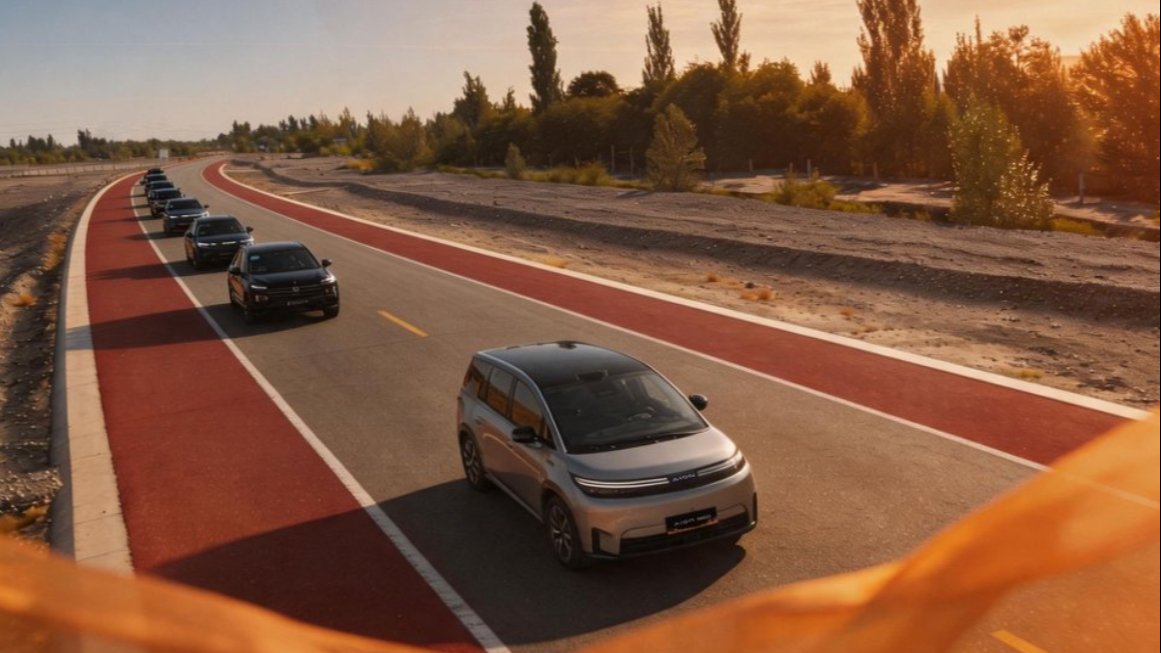
Honestly, when you see an AION on the road these days, what's your first reaction? If it's still those old impressions, then I have to ask, buddy, how long has it been since you paid attention to the AION brand?
Data from the first half of this year shows that the proportion of private C-end users for Hyptec AION has already climbed to 81%. Simply put, out of every 10 new AIONs on the street now, more than 8 are bought with people's own money for family use. This figure is the most important entry point for understanding AION today.
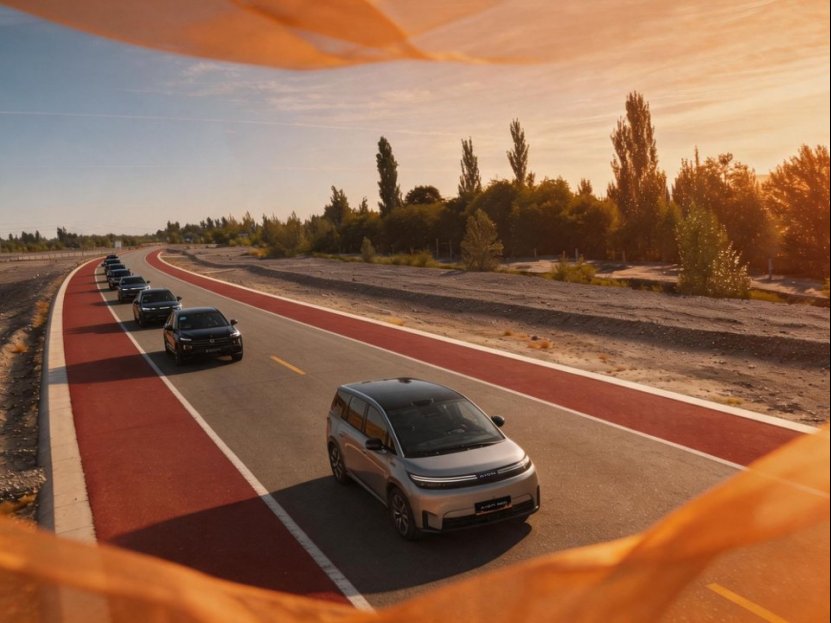
Breaking through 34,000 units in the July off-season against the trend—this growth cannot be explained by the word "luck" alone.
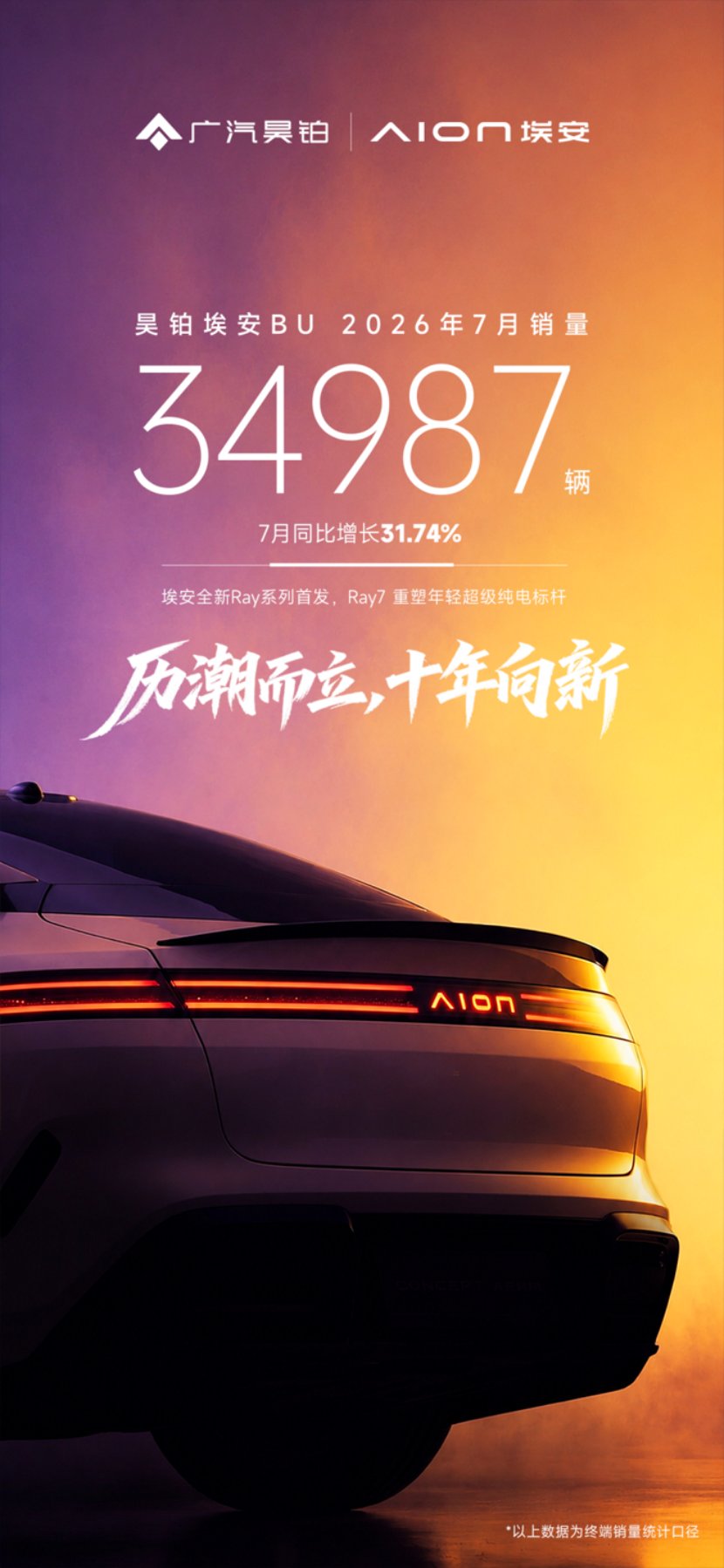
In July 2026, the overall passenger vehicle market fell nearly 17% year-on-year, and many brands simply lay flat during the off-season. But Hyptec AION's terminal sales that month reached 34,987 units, up 31.74% year-on-year and 3.87% month-on-month, maintaining double-digit year-on-year growth for five consecutive months. Placed against the industry backdrop, its value becomes clear: the entire market is declining, yet it has risen for nearly half a year in a row, and the growth is all real private consumption. You have to understand that private users will not pay for brand sentiment; they only look at whether the product is worth it. Getting so many people to vote with real money shows that AION's product definition, technology configuration, and pricing strategy must have hit the mark.
From B-end to C-end, what did AION rely on to complete its market turnaround?
Many people are curious: how did a brand once deeply tied to the ride-hailing market turn around just like that? In fact, its early deep cultivation of the ride-hailing market, in a sense, actually helped AION in reverse.
Ride-hailing can be called the most brutal testing ground for EVs: running hundreds of kilometers a day nonstop, high-temperature fast charging in summer, low-temperature range challenges in winter, and bumpy bad roads all included. A car that can endure this kind of product testing ground without major problems has had its mechanical quality, three-electric reliability, and chassis durability verified through real practice. After many private car owners tried an AION, they automatically treated it in their minds as a benchmark for product strength at the same price point. This is a starting point of trust that cannot be bought with money.
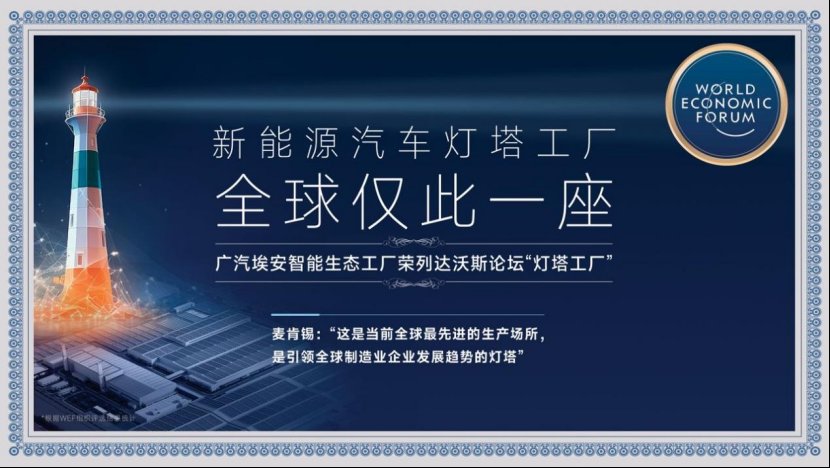
Of course, a solid foundation alone is not enough. What truly reversed the user structure was the systemic transformation that GAC has spent real money building over the past few years. From investing 45 billion yuan in an industrial park in 2017, to advancing the formation of the Hyptec AION BU under the "Panyu Action" in 2025 and fully implementing the IPD and IPMS systems, the chain from R&D to decision-making has been greatly shortened, and the new vehicle development cycle has been compressed from 26 months to 18 to 21 months. Product definition is no longer done behind closed doors. The main models have completely shifted from the early AION Y and AION S to the i60 and N60 aimed at families and young people. Once the main sales force changed, the user profile naturally changed with it.
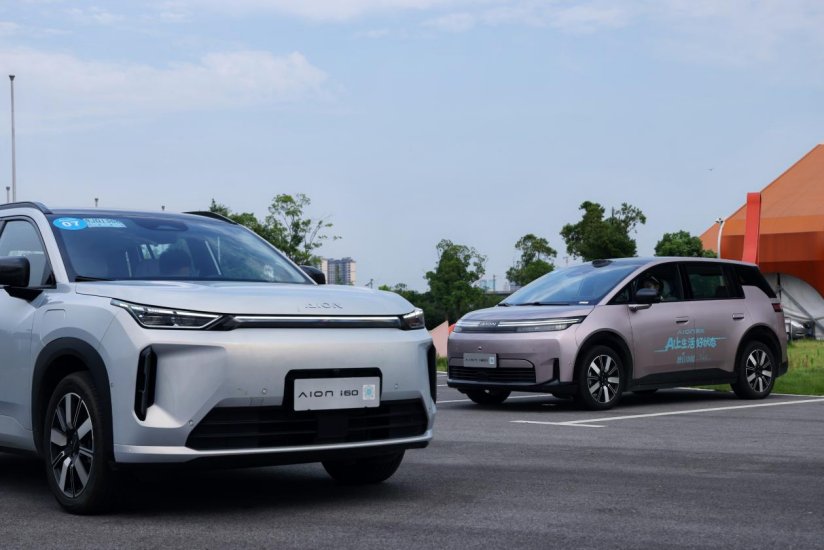
Two hit models make it clear who is paying for AION.
The AION i60 is positioned as the first new energy SUV for ordinary Chinese three-person and four-person families. Users aged 26 to 35 account for 42%, and this age group is full of pragmatic people who want both space and affordability. Monthly sales steadily exceed 10,000, firmly ranking in the top two on the A-class dual-power SUV sales list. AION also gives this car a separate "burn one, compensate three" warranty, plus lifetime warranty for the three electric components. Whether the sincerity is sufficient—consumers have a scale in their hearts.
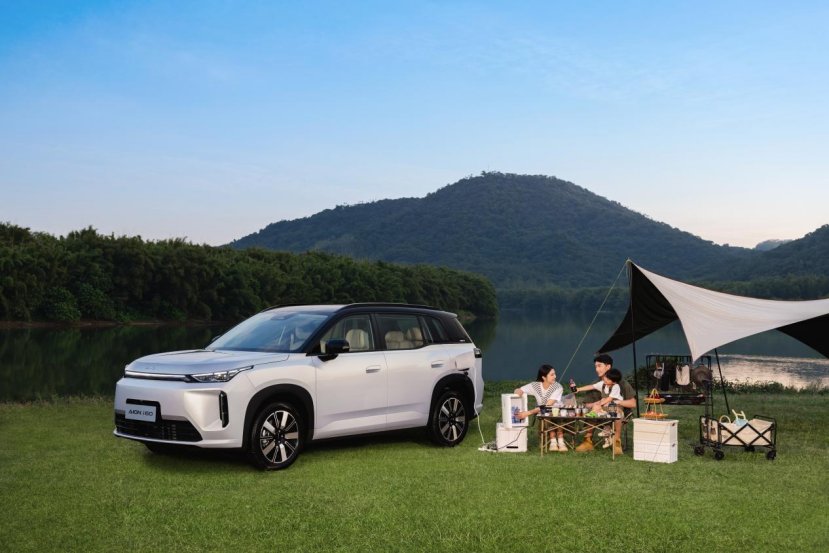
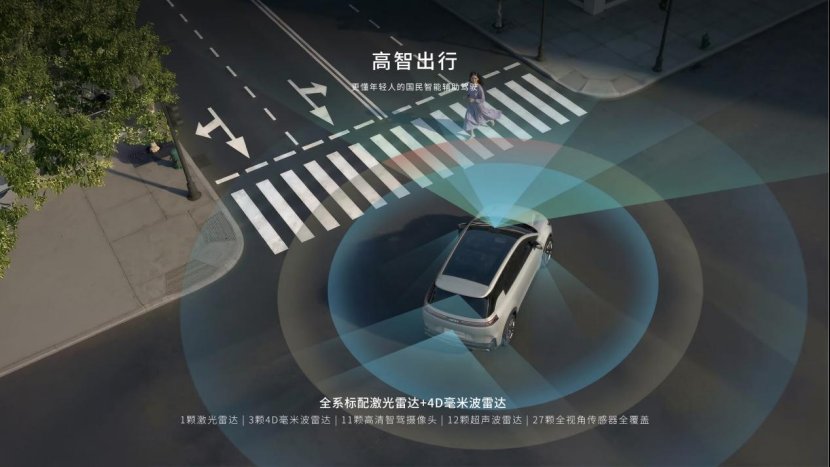
The AION N60, meanwhile, brings L4-equivalent lidar intelligent driving down to the 100,000-150,000 yuan price range, with young users aged 25 to 35 accounting for nearly 80%, taking the sales crown in its segment. So why do young people recognize it? The reason is simple: just a few years into work, with a limited budget, but commuting one or two hours every day, they really do not want to drain their energy in traffic jams. Previously, high-level intelligent driving was something only worth discussing on cars above 250,000 yuan. Now, for just over 100,000, you can use lidar. Is there even a choice to make?
As the waves wash away the sand, what does Hyptec AION use to give consumers peace of mind?
On July 28, 2026, AION officially entered its tenth year. Since the new energy track exploded in 2016, as the waves wash away the sand, very few brands have steadily made it to their tenth year. For ordinary consumers, these ten years mean after-sales outlets can be found, parts can be bought, and the infotainment system has someone maintaining it. The reputation of 2 million car owners plus the backing of GAC's state-owned enterprise background is itself a kind of invisible configuration.
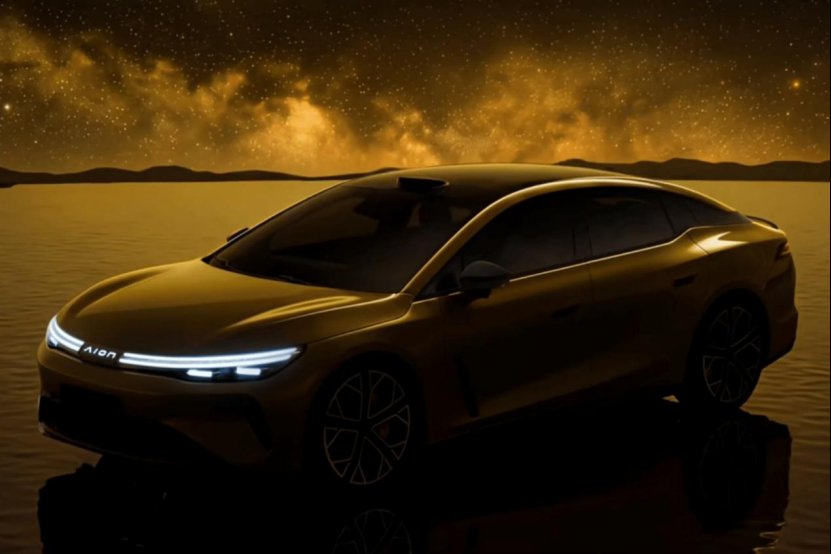
Moreover, as the brand enters its tenth year, AION has launched the all-new Ray series. The first model, Ray 7, is positioned as young people's first super pure electric coupe, showing that after stabilizing its family-use base, it has begun to capture incremental growth among young people.
Data does not lie. From B-end to C-end at 81%, from the past to now with 8 out of 10 for family use, the change in Hyptec AION is not packaged with marketing rhetoric, but piled up order by order in real transactions. Five consecutive months of year-on-year positive growth and two C-end hit models with monthly sales over 10,000 rest on only one simple logic: whether a car is built well or not, consumers will vote with their money.
And Hyptec AION is using a solid report card to redefine its place in users' hearts.


