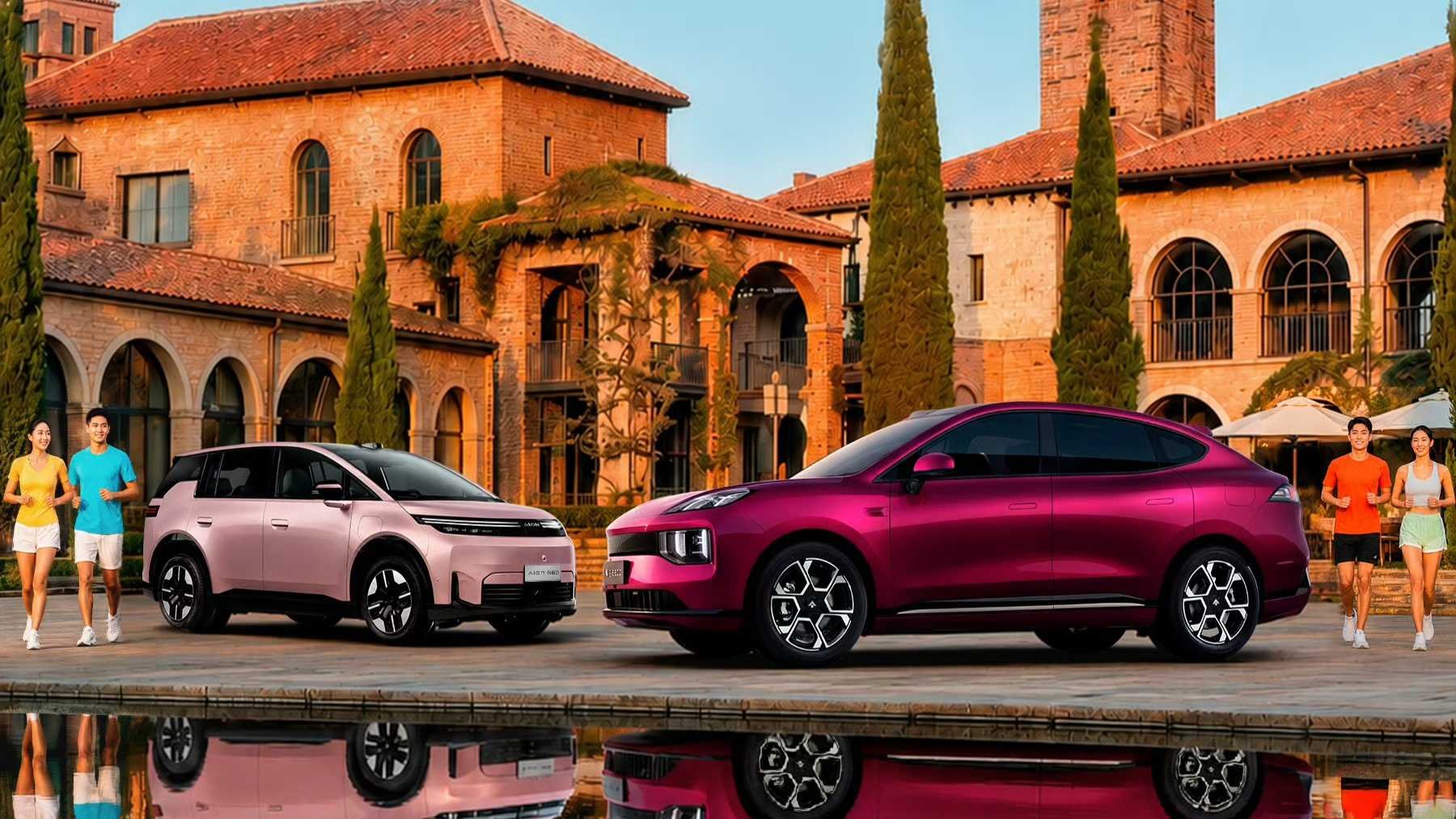
Friends who frequently browse car enthusiast circles and forums surely know an old saying: at the mention of Aion, people immediately associate it with ride-hailing. But today, we really need to update everyone's fixed impression—this brand quietly transformed a long time ago.
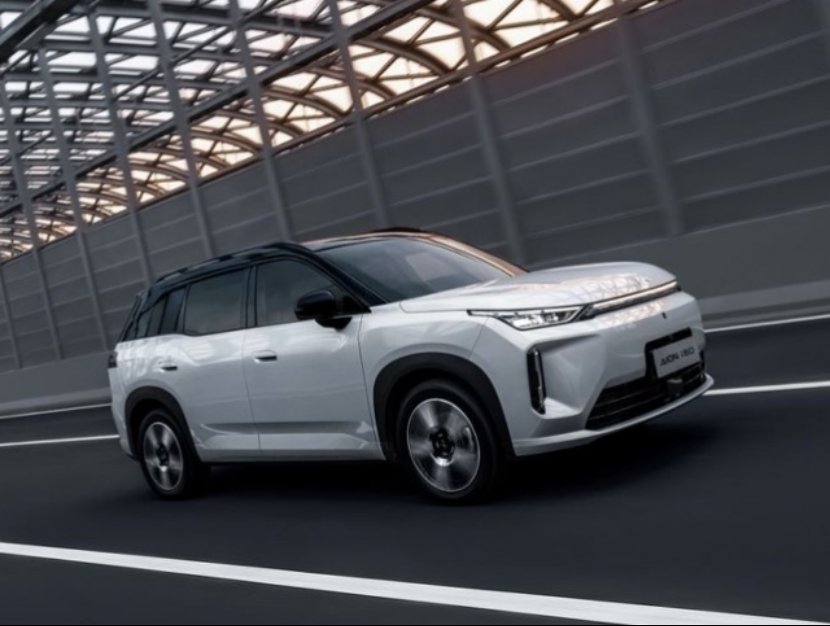
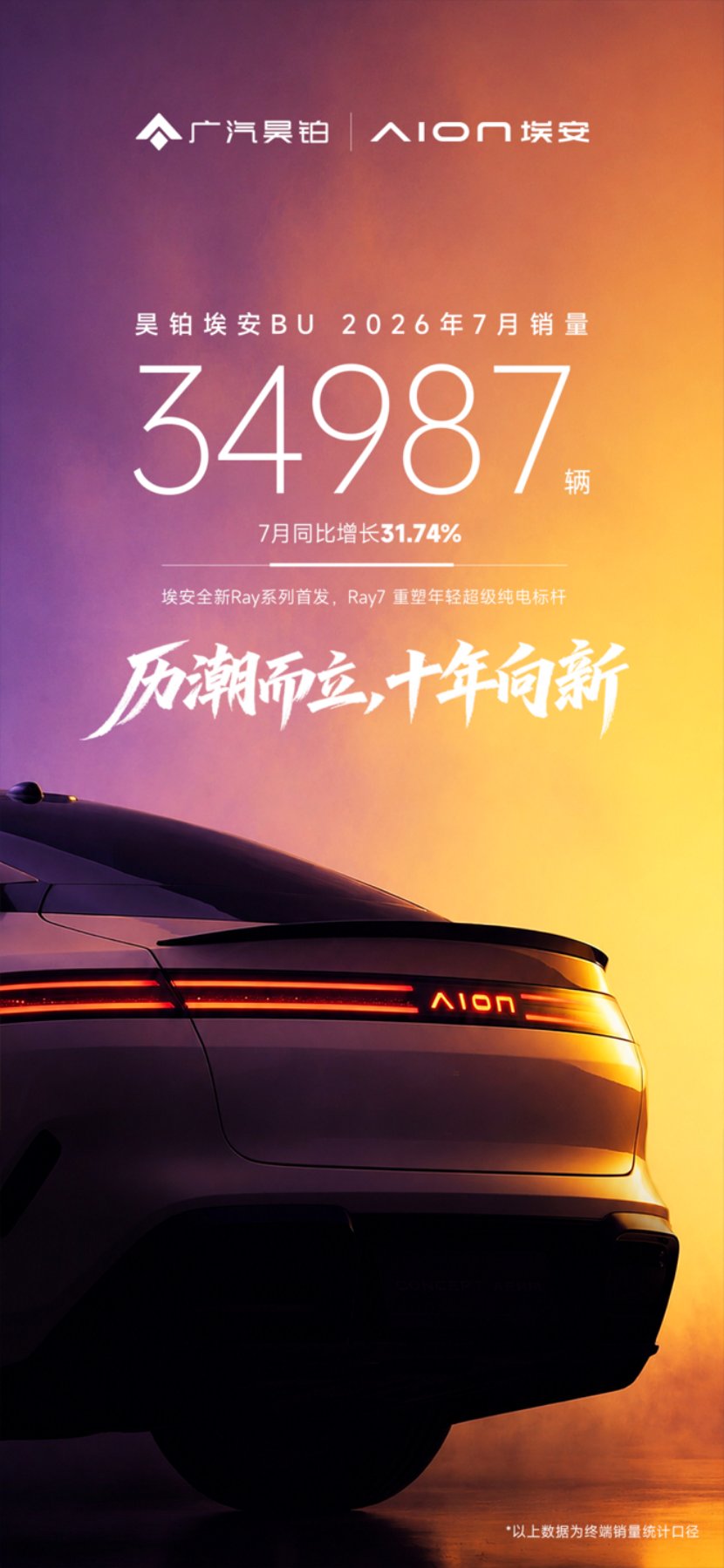
In the just-concluded July, a traditionally slow month for the auto market, many brands saw sluggish sales, but Hyptec Aion still sold 34,987 units, with July sales up 31.74% year-on-year, maintaining double-digit year-on-year growth for five consecutive months. In a July when the broader market fell nearly 17% year-on-year, the value of this result is quite clear, right? Even more impressive is that in the first half of the year, the proportion of Aion's private C-end users had already climbed to 81%. In other words, of every 10 new Aions on the road now, 8 were bought with their owners' own money for picking up kids, commuting, and daily errands. The two older models that everyone previously associated mainly with commercial operation now sell less than 3,000 units combined in a month.
Here I also want to say objectively that Hyptec Aion's ability to quickly capture the C-end user market owes a lot to the experience accumulated from years of deep cultivation in the commercial operation sector.
Ride-hailing can be said to be the most demanding testing ground for EVs—hundreds of kilometers a day running continuously, complex road conditions, inconsistent charging speeds, all of which are extreme tests of a vehicle's durability, energy consumption control, and reliability. It was in this "devil's training camp" that Aion honed its reputation for chassis quality, spatial layout, and power consumption performance. After trying Aion's cars, many users automatically regard Aion as a benchmark for measuring product strength at the same price point.
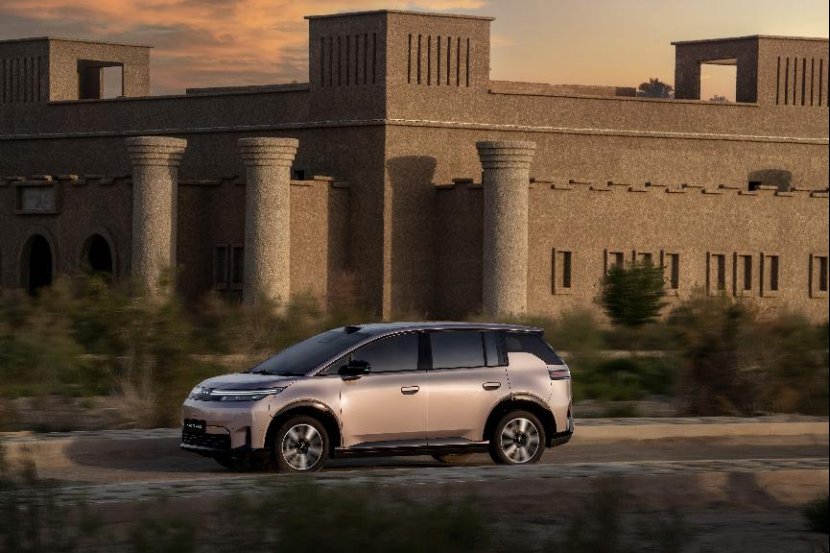
And this reversal in user structure relies on the systemic transformation that GAC has been driving with real money in recent years. From investing 45 billion yuan in 2017 to build an industrial park, to the implementation of the "Panyu Action" in 2025, GAC has treated Hyptec Aion as the core breakthrough for its new energy business, no longer building cars behind closed doors, but rapidly responding closely to user needs. The product line has been completely overhauled, with the main models switched to the i60 and N60.
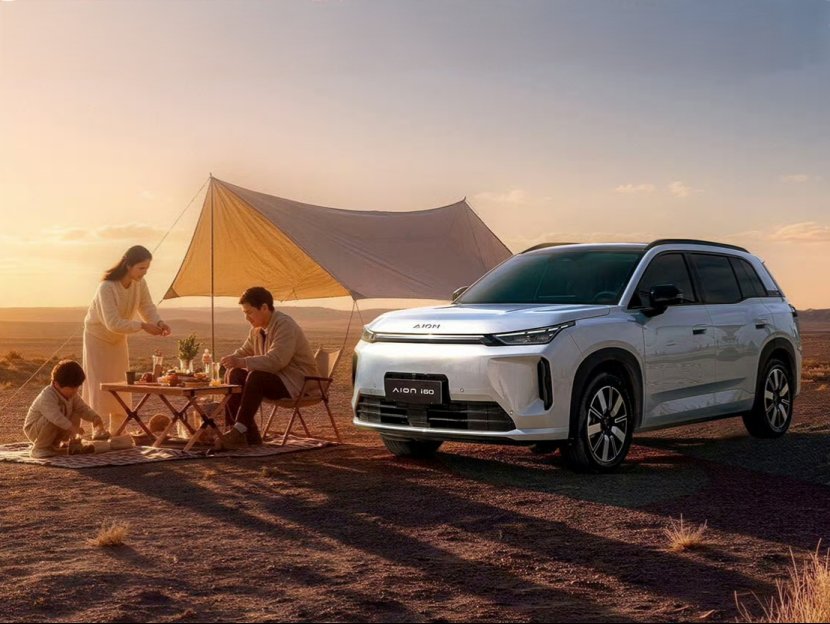
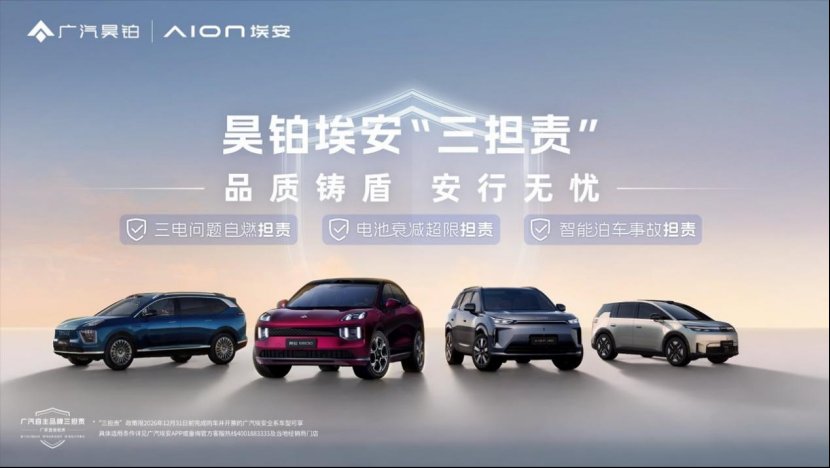
First, look at the Aion i60, positioned directly at China's young three-person and four-person families. Most people who choose it value interior space, daily commuting convenience, and comfort for short weekend trips. It now steadily sells over 10,000 units per month. Aion has also provided this model with a dedicated "burn one, compensate three" warranty policy, plus the "three responsibilities" policy that both hit models originally have. Aion's sincerity and guarantees are delivered very tangibly.
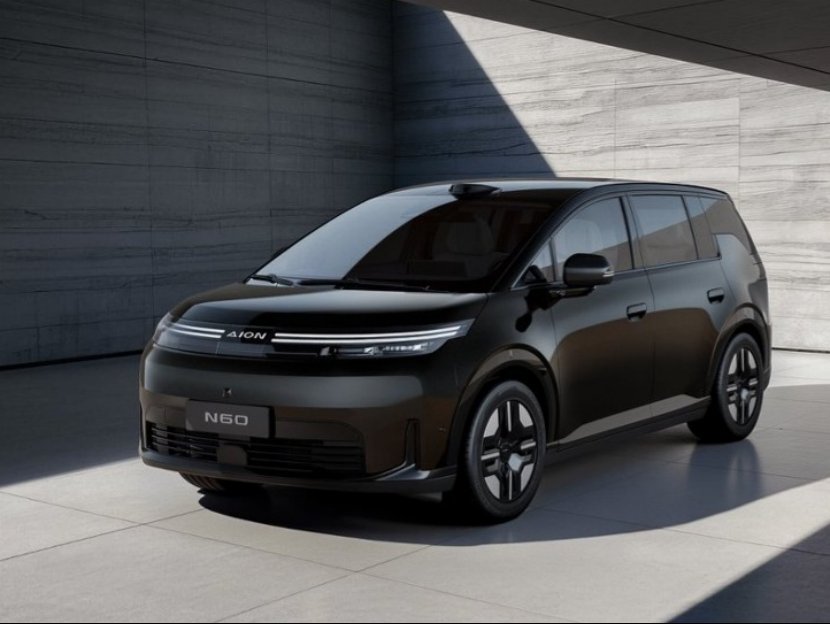
The other volume model, the N60, targets young people who have just started working and have a budget of 100,000 to 150,000 yuan. The most striking thing about this car for young people is that it brings high-level L4-derived lidar intelligent driving down to the 100,000-150,000 yuan price range. Many young people buying a car for the first time neither want to spend extra budget on intelligent driving nor hope to reduce the driving burden during commuting. The N60 precisely hits this need and steadily takes the segment sales crown.
There is also a noteworthy milestone: on July 28, Aion officially entered its 10th year. In the new energy track's development to date, brands that can smoothly pass through a 10-year cycle are few and far between. The technical foundation accumulated over nearly 10 years, plus the word-of-mouth of two million car owners, is itself the strongest endorsement.
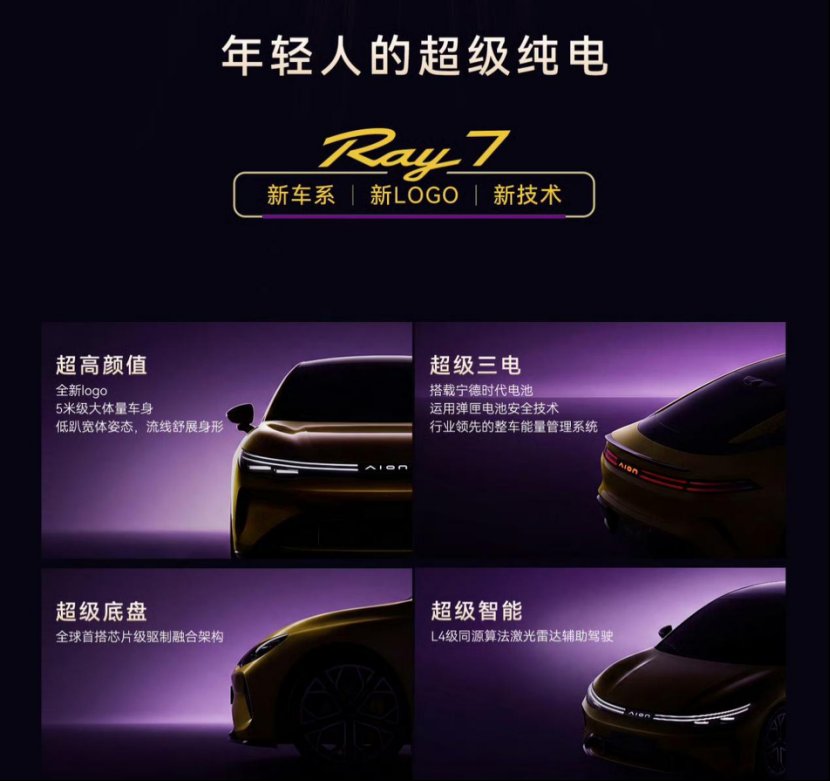
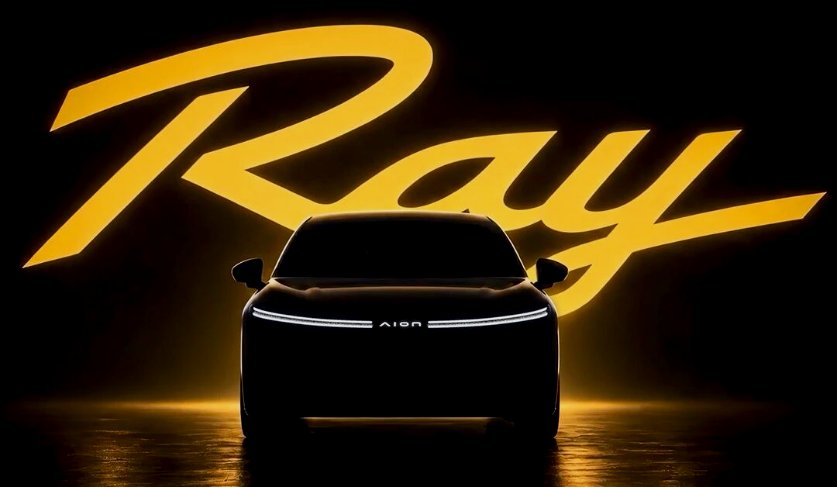
At the end of last month, Aion released another new series, the Ray7, positioned as young people's first super pure electric sedan. Launching a new car at this time is backed by its million-level user scale and full-stack self-development capability. The technology is all its own, and it can even make its own batteries. It does not need to cut specs to lower prices, but has forcibly carved out a new path amid the industry's intense competition.
From B-end to C-end, from pragmatism to youthfulness, the changes in Hyptec Aion over these years are visible to the naked eye. Five consecutive months of positive year-on-year growth and an 81% private user share are recognition given by ordinary consumers with their own real money.
Finally, I want to ask all the car friends: if you are looking at a pure electric car priced between 100,000 and 200,000 yuan, would you consider the i60, N60, or the soon-to-be-released Ray 7? Let's chat in the comments.


