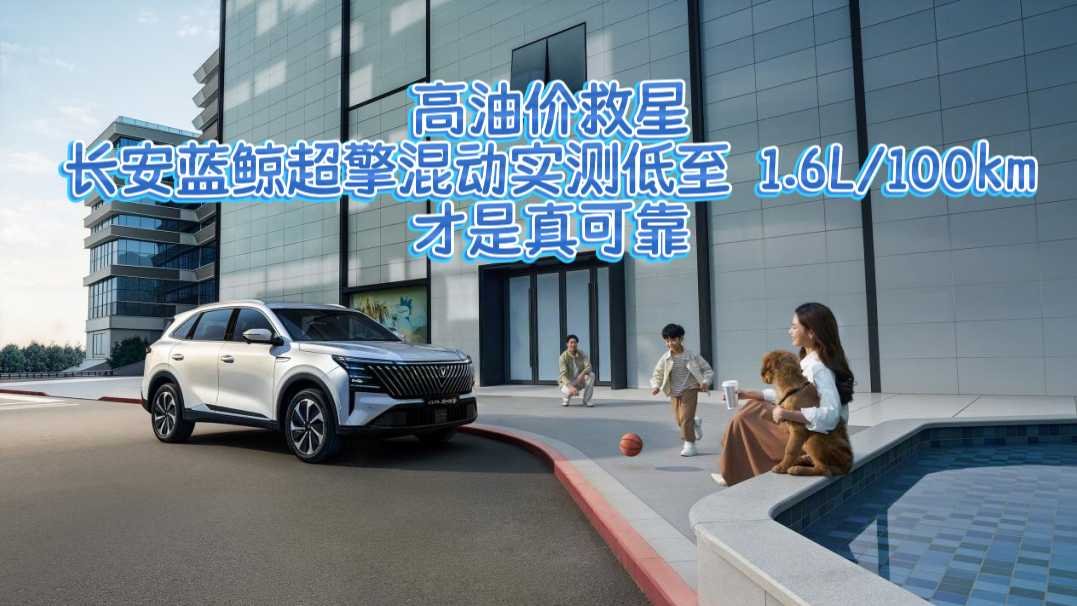
In the era of high oil prices, the "cost-saving anxiety" of family cars has been infinitely amplified: driving a fuel vehicle means monthly fuel costs are a continuous and heavy expense; choosing a pure electric vehicle means inconvenient charging and severe depreciation in resale value, making people uneasy. HEV hybrids, which require no charging and offer high reliability, are inherently the optimal solution best suited to ordinary families today.
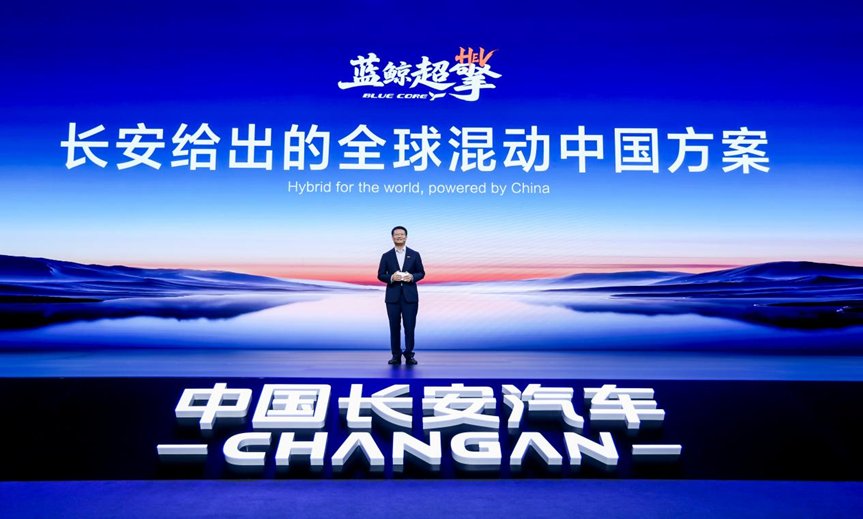
Facing market pain points, Changan Automobile, leveraging China's comprehensive advantages in intelligent technology and electric drive systems, has launched the Blue Whale Super Hybrid System. With a new technical route of "equal emphasis on oil and electricity, electricity driving oil, and intelligent coordination," it offers a solution that better fits Chinese driving habits. Official ratings: blue-plate sedan urban fuel consumption 2.98L/100km, blue-plate SUV urban fuel consumption 3.98L/100km. But words alone are not enough—only by running on real roads can the true performance be demonstrated.
I. 1.6L/100km, A Hardcore Answer on Real Roads
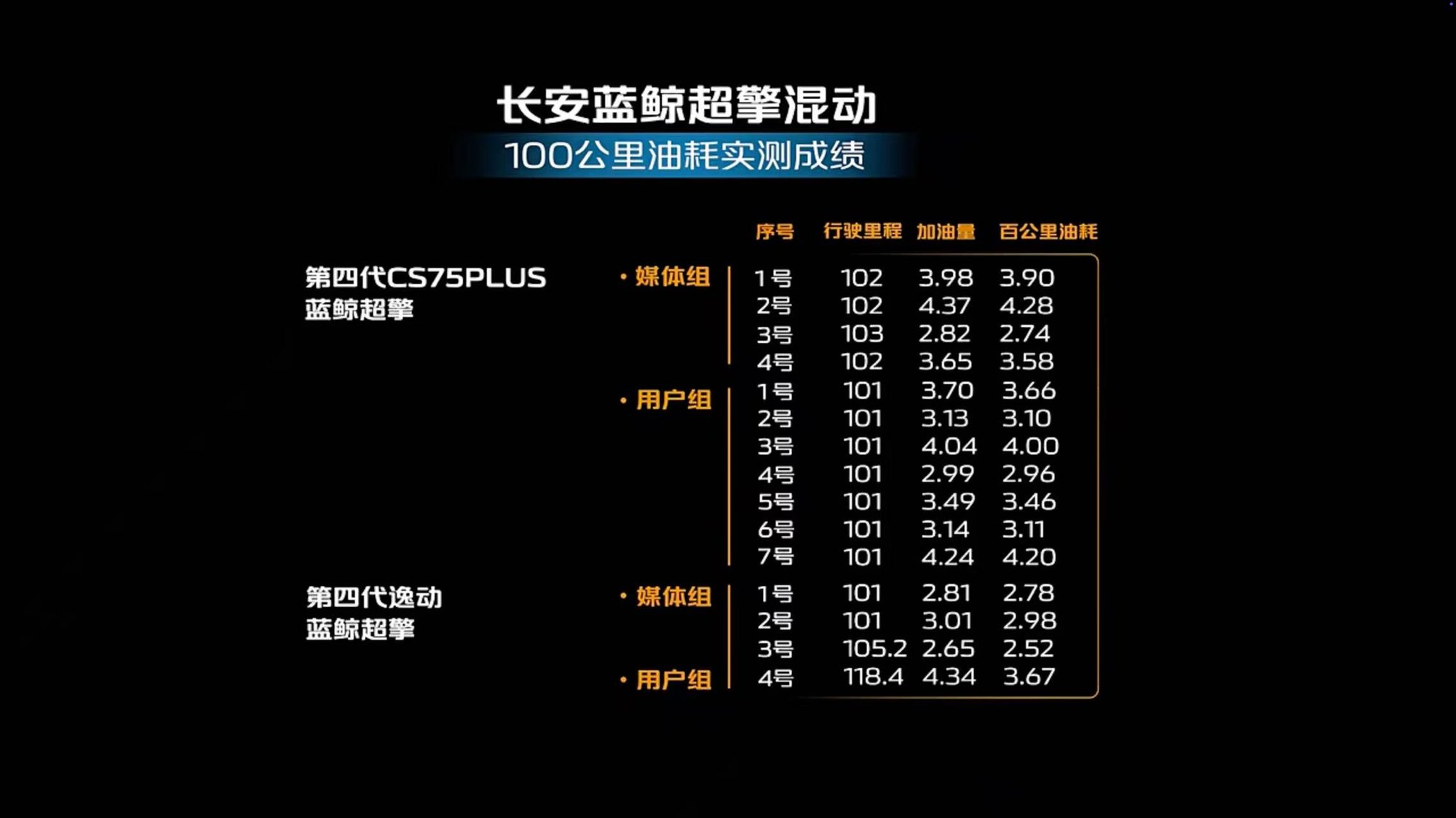
The biggest fear when choosing a hybrid is a disconnect between marketing and reality—no matter how impressive laboratory data looks, if it can't be achieved in daily driving, it's all empty talk. Changan Blue Whale Super Hybrid has refused "PPT car-making" from the very beginning, insisting on bringing the fourth-generation Eado Blue Whale Super Hybrid and the fourth-generation CS75PLUS Blue Whale Super Hybrid into real scenarios—urban morning and evening rush hours, congested roads, slopes and curves, daily commuting—subjecting them to open dynamic real-world testing by national media and a vast number of owners.
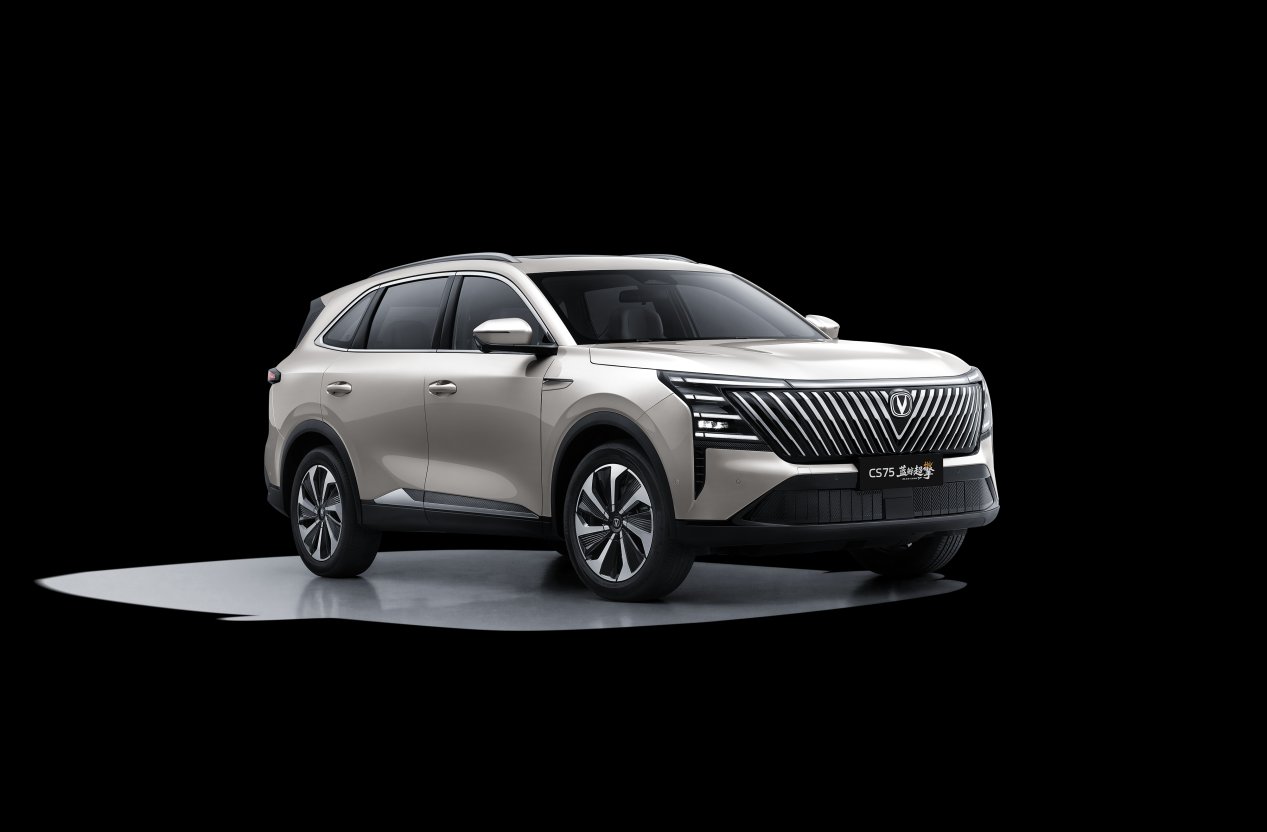
The test results are highly convincing: the fourth-generation Eado Blue Whale Super Hybrid achieved a minimum measured fuel consumption of 1.6L/100km and an average daily fuel consumption of 2.3L/100km; the fourth-generation CS75PLUS Blue Whale Super Hybrid achieved a minimum fuel consumption of 2.3L/100km and an average fuel consumption of 3.0L/100km. Even with air conditioning on, frequent stop-and-go, and normal driving, fuel consumption remains consistently below official ratings. 2.98L and 3.98L are merely the baseline—1.6L is the true capability. This "measured lower than officially claimed" performance completely eliminates user concerns: the low fuel consumption of Blue Whale Super Hybrid is not a numbers game under ideal conditions, but a real, tangible benefit that ordinary people can achieve in their daily commutes.
II. Behind the 1.6L Ultra-Low Fuel Consumption Lies the Strength of Chinese Technology
The ability to achieve the extreme fuel consumption of 1.6L/100km is fundamentally due to the deep synergy between AI Cloud Intelligent Control and the 500Bar ultra-high-pressure direct injection engine—from software to hardware, together supporting the three major advantages of "ultra-economical, great to drive, and quiet."
As the industry-leading "intelligent commander-in-chief," AI Cloud Intelligent Control relies on AI algorithms and cloud big data to sense terrain, road conditions, and traffic status in real time, adaptively adjusting engine operation, motor drive, and energy recovery: pure electric crawling in congestion, maximum kinetic energy recovery on downhill slopes, and pre-emptive power retention before uphill climbs—this single technology alone reduces comprehensive fuel consumption by another 5%~10%. Combined with the segment's only acceleration closed-loop control and driving style self-evolution, overtaking power response is improved by 100%, and accelerator and brake operations in slope and highway scenarios are reduced by 60%, greatly reducing driving burden while saving fuel, balancing smoothness and excitement.
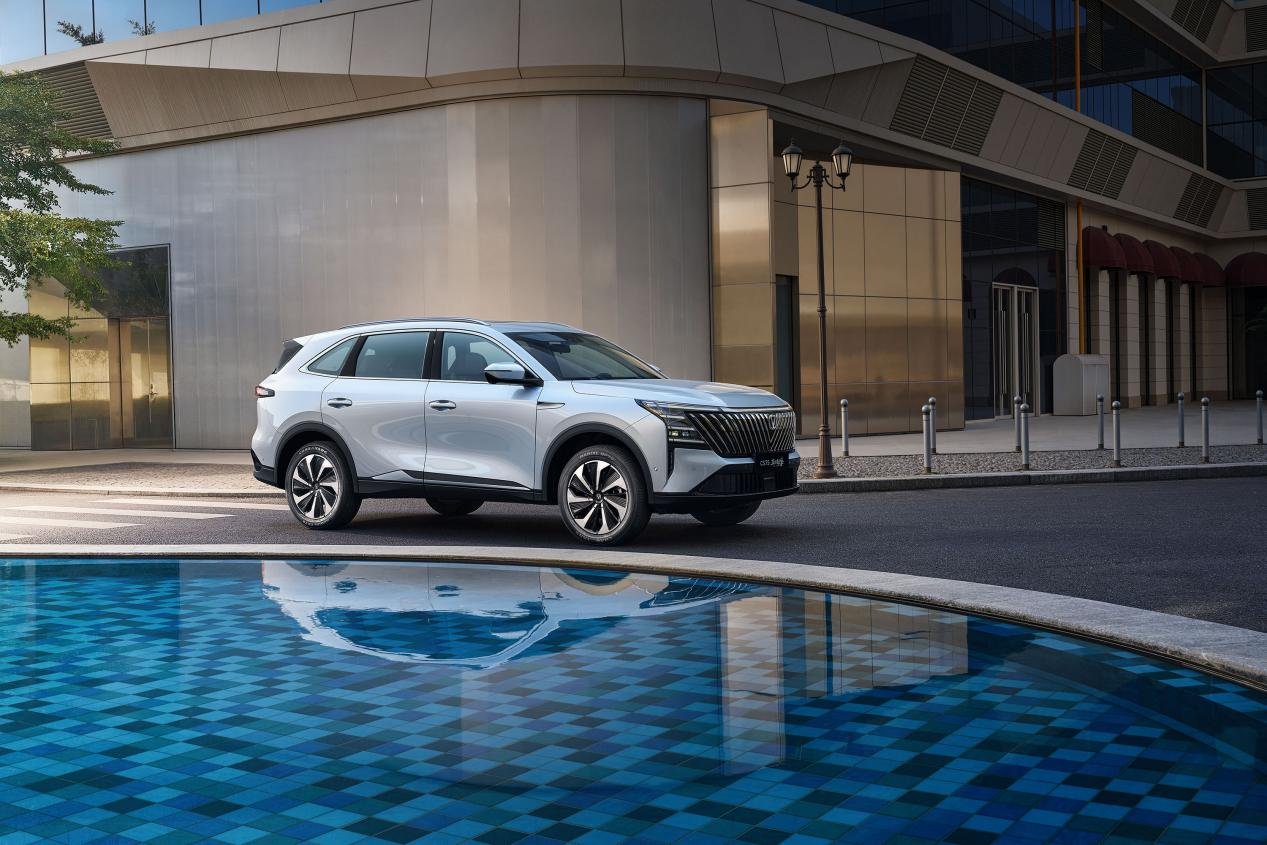
At the hardware level, the 500Bar ultra-high-pressure direct injection hybrid engine atomizes fuel more finely, allowing every drop of fuel to burn more fully. With nearly 45% thermal efficiency, 40.9% average efficiency under operating conditions, and 56.3% high-efficiency zone coverage, the vehicle stays in the efficient and fuel-saving range under the vast majority of daily operating conditions. It also features ANC active noise cancellation and PSC imperceptible start-stop technology, significantly reducing low-frequency engine noise, with seat vibration during startup as low as 0.005g, achieving an imperceptible engine operation experience—quiet, smooth, and fuel-efficient all in one.
III. Don't Fall into Traps When Choosing a Hybrid: Three Major Misconceptions, Clearly Explained by Blue Whale Super Hybrid
Many people get confused by complex parameters when choosing a hybrid, but grasping three key points will keep you on track: for fuel consumption, trust real-world tests, not laboratories; for thermal efficiency, look at the high-efficiency range, not the peak value; for capability, look at the actual vehicle, not the PPT.
Traditional hybrids often use "peak thermal efficiency" as a gimmick, but daily driving mostly falls outside the high-efficiency range—seemingly impressive parameters, yet actual fuel consumption is not low. Blue Whale Super Hybrid starts from real user usage scenarios, using 56.3% high-efficiency zone coverage to cover all scenarios including urban, highway, and congested roads, plus AI Cloud Intelligent Control for real-time intelligent adjustment, fundamentally avoiding the trap of "good-looking parameters, fuel-thirsty driving." It doesn't play with concepts or pile on jargon—it simply lands technology on real fuel consumption and driving experience, proving through real-world testing: fuel savings aren't boasted, they're driven.
Summary:
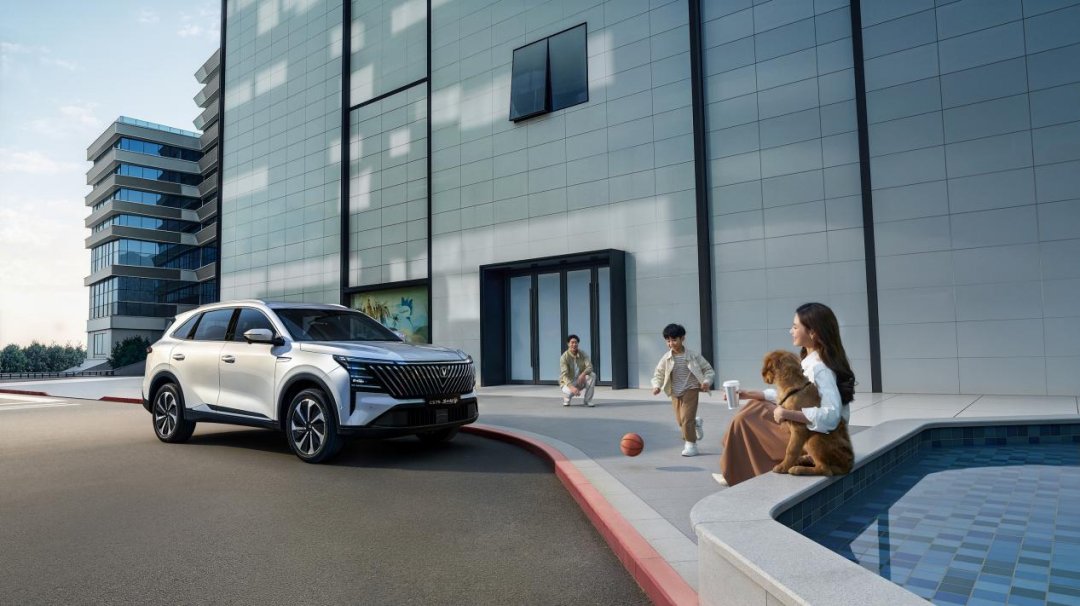
For most families, the needs for buying a car are simple: save fuel and money, drive well and comfortably, no anxiety, no depreciation. Changan Blue Whale Super Hybrid fits perfectly: no charging needed, fill up and go, bidding farewell to charging anxiety; measured fuel consumption as low as 1.6L/100km, dramatically reducing usage costs; smooth and responsive power, crisp overtaking, excellent quietness, balancing family use with young users' driving pleasure; blue-plate road rights, stable resale value, no pressure from the steep depreciation of pure electric vehicles.
Today, with fuel vehicle costs running high and pure electric vehicles fraught with concerns, Blue Whale Super Hybrid, with measured low fuel consumption as its core competitiveness, has become the optimal choice balancing economy and experience. It is not only a technological breakthrough for Changan, but also a declaration of Chinese hybrid technology to the world: for world hybrids, look to China; for Chinese hybrids, look to Blue Whale Super Hybrid—real measured results are the only hard truth.


