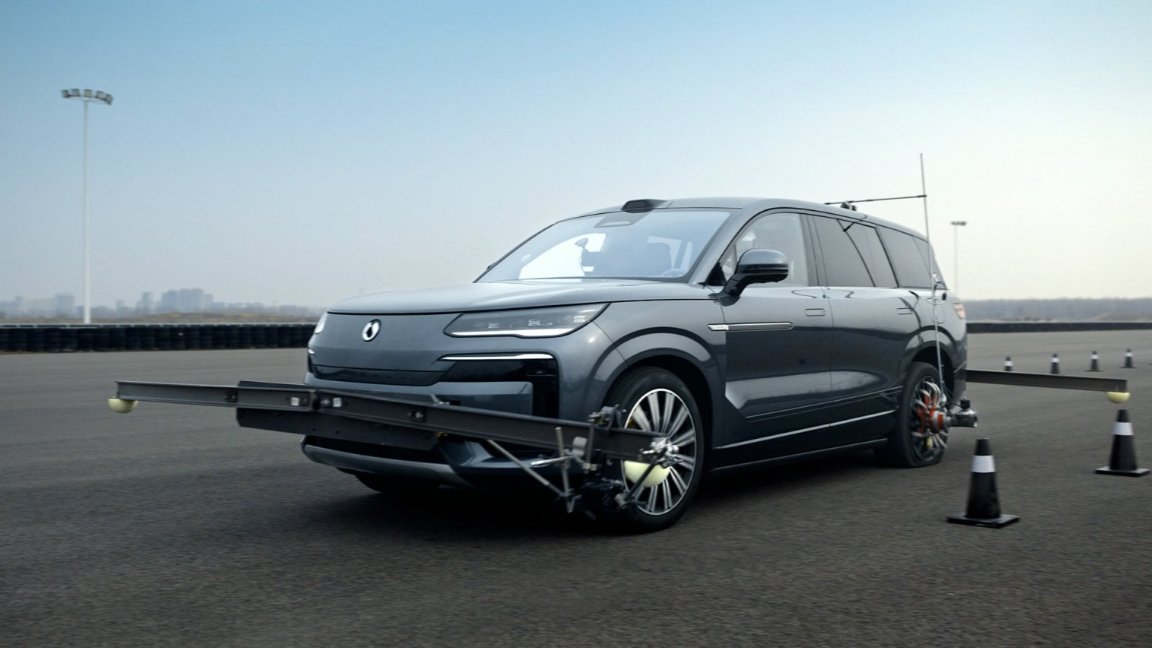
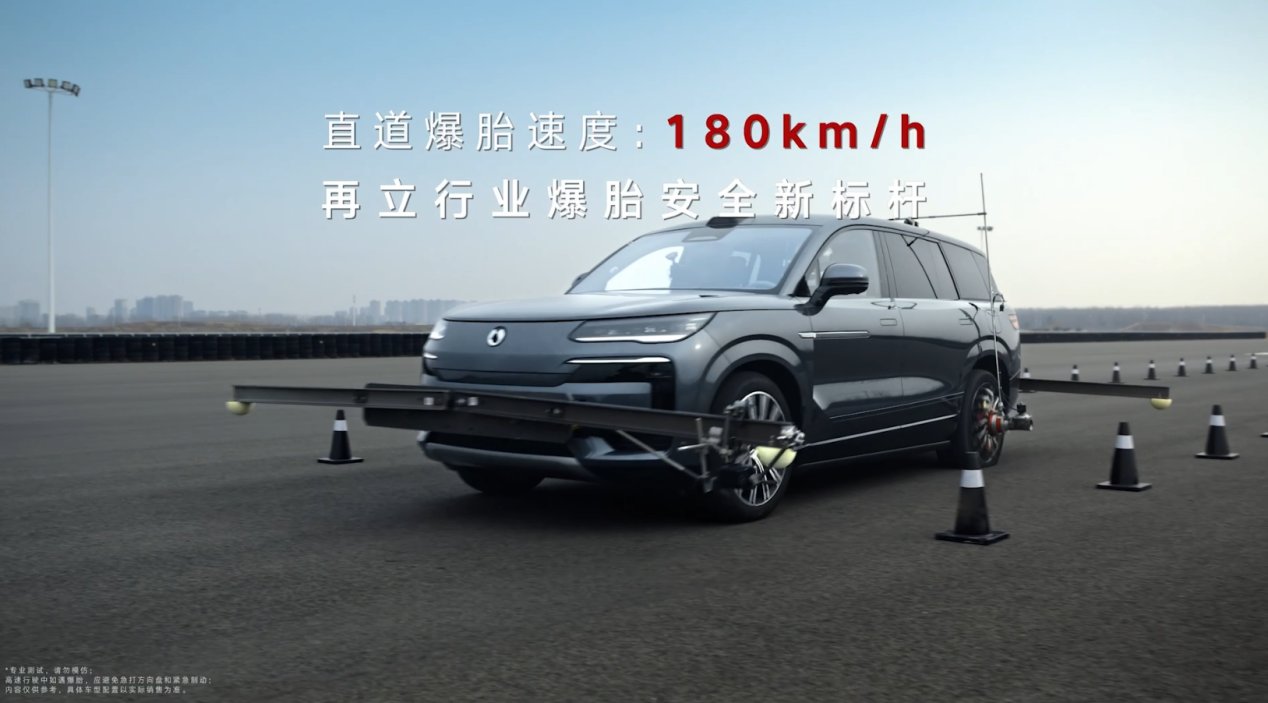
Last month, the Denza N9 passed the fishhook test at a speed of 160 km/h, and in a recent test by CATARC, the vehicle successfully passed the fishhook test at an astonishing speed of 180 km/h, pushing active automotive safety standards to a whole new dimension.
What is its practical application value and significance?
I believe many friends are not very clear about this, so here we will analyze this matter in detail for everyone.
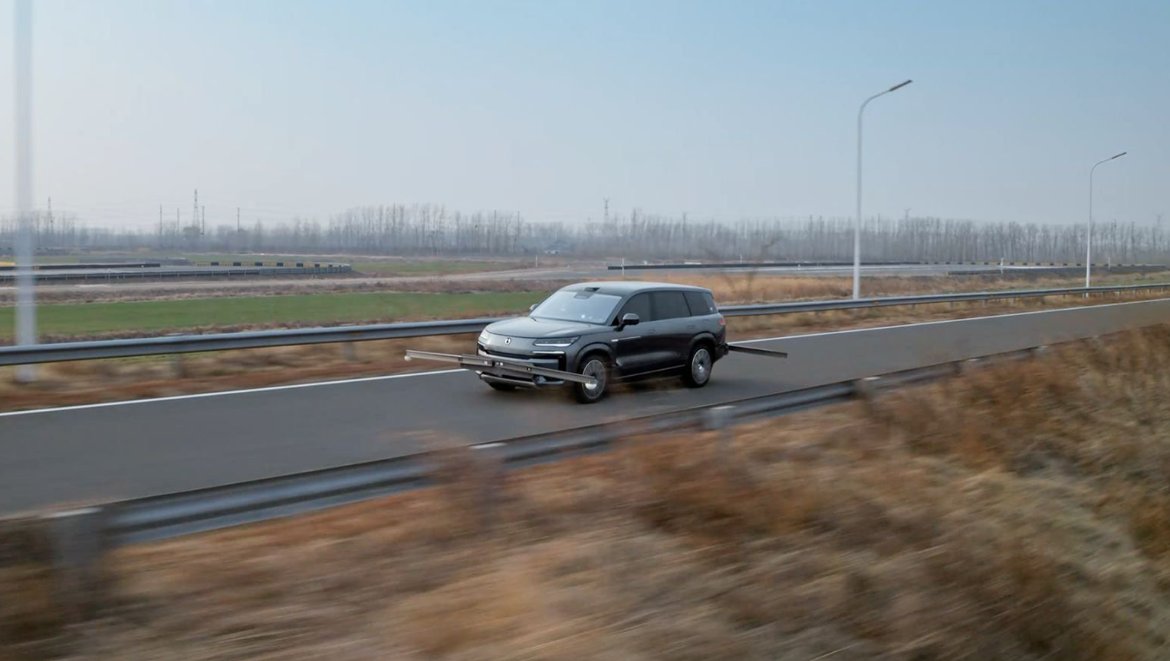
The Denza N9 fishhook test is gripping
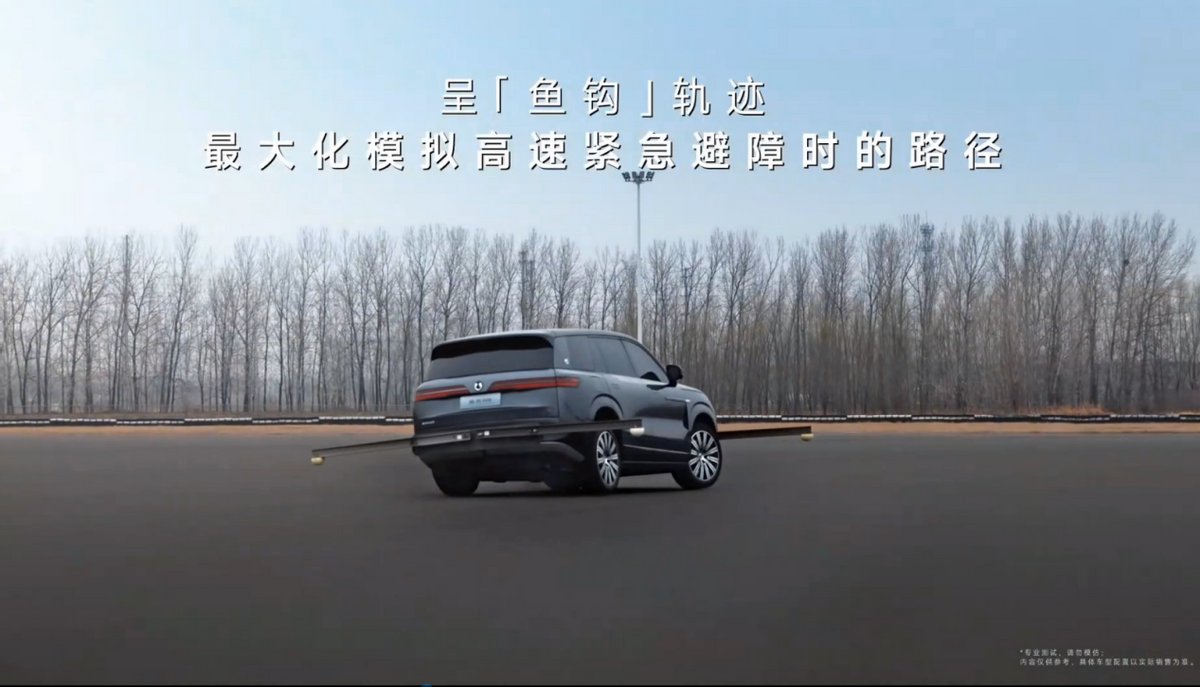
The fishhook test process simulates the driving situation of a high-speed sharp turn. It is designed to test the stability of a car under emergency avoidance and emergency turning. BYD's Denza N9 used the fishhook test to see whether its car, while traveling at high speed, can emergency-avoid or pass through some emergency large-curvature curves without rolling over or having its wheels leave the ground. This ensures that the car drives stably and safely. It is reported that, so far, passing the fishhook test is still one of the important safety requirements that all passenger vehicles sold in the United States need to meet.
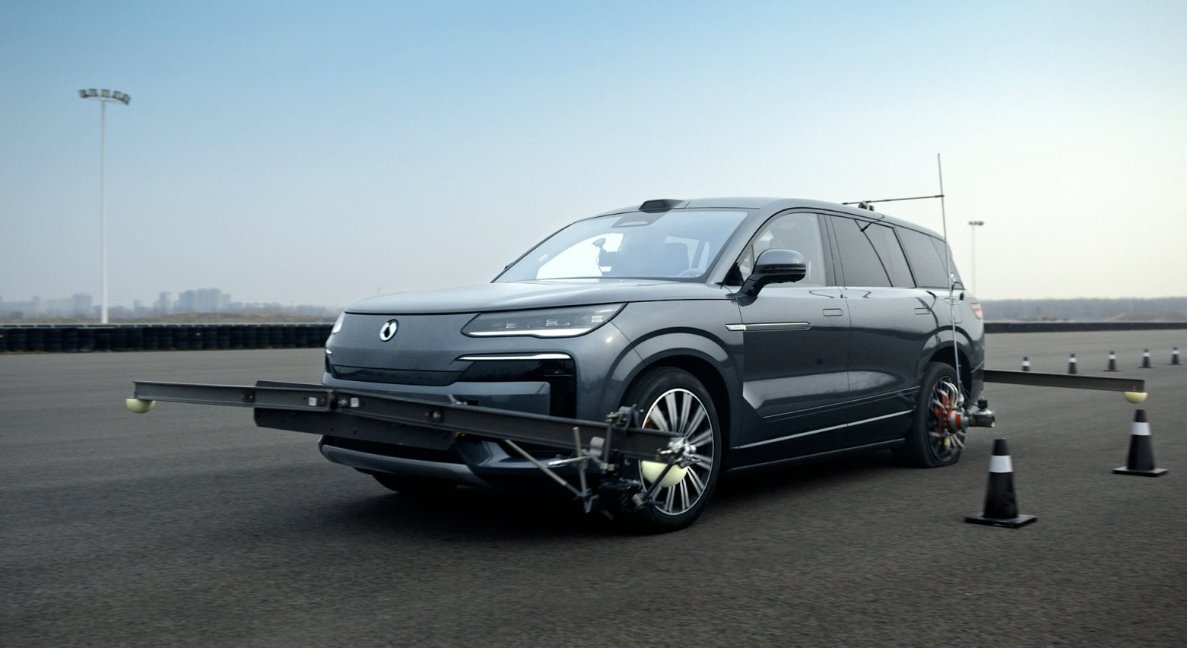
The Denza N9 completed the test at a speed of 180 km/h. During the fishhook test, the steering wheel must be turned 270 degrees to the left and then reversed 540 degrees in the opposite direction within 2 seconds. This is actually making the driving conditions of the test vehicle as harsh as possible, thereby simulating extremely urgent and dangerous road conditions encountered in real driving environments.
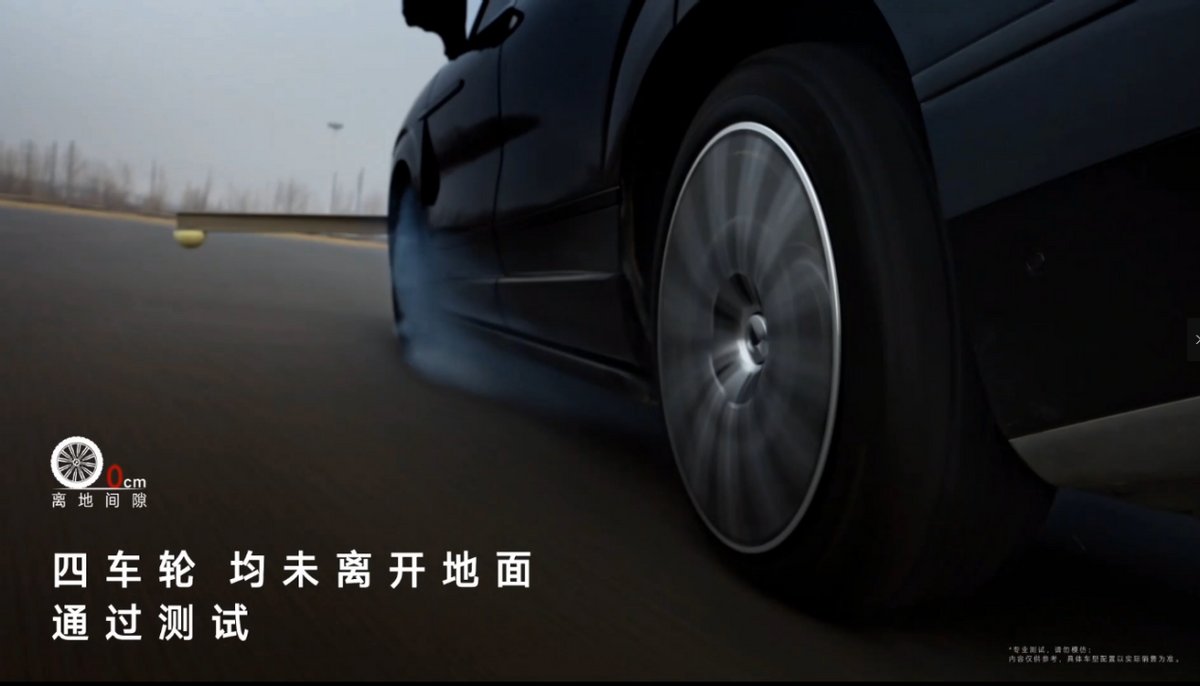
In the earliest test, according to regulations, a large steering input was made, and the test was completed at a speed of 160 km/h. It can be seen that after the steering wheel was sharply turned 540°, the body remained stable, all four wheels completely stayed on the ground, and the body's ground clearance far exceeded the passing standard of 5.08 cm. In plain terms, the body still drove stably, did not roll over, and of course the airbags on both sides did not deploy. Although such a test is severe, it fully demonstrates the vehicle's outstanding handling stability and safety performance, reflecting the careful efforts made by engineers behind the scenes.
Completing the fishhook test relies on Yunnian-A and e-Platform 3.0
Many cars lose control and roll over in emergency situations, causing huge danger. A major reason is that the car enters a high-speed S-shaped route, or what is called an emergency arc state. This is very much like the spiral state that an aircraft in flight fears most; it is a very and especially urgent operating state. To escape, an aircraft must step on the rudder to recover from the spiral. The same is true for a car. Once it enters this emergency arc state, it must also break the huge danger that this arc brings to the car, namely rollover.
The reason the Denza N9 can safely solve this problem is due to two core independently developed technologies:
The Yunian-A intelligent air body control system can adjust the suspension damping and stiffness in real time, optimize the vehicle's support performance, and effectively suppress rollover. The e-Platform 3.0 technology can independently control the torque of each wheel during extreme steering, while combining with rear-wheel active steering to instantly generate reverse yaw force, counteracting the rollover trend with millisecond-level response.
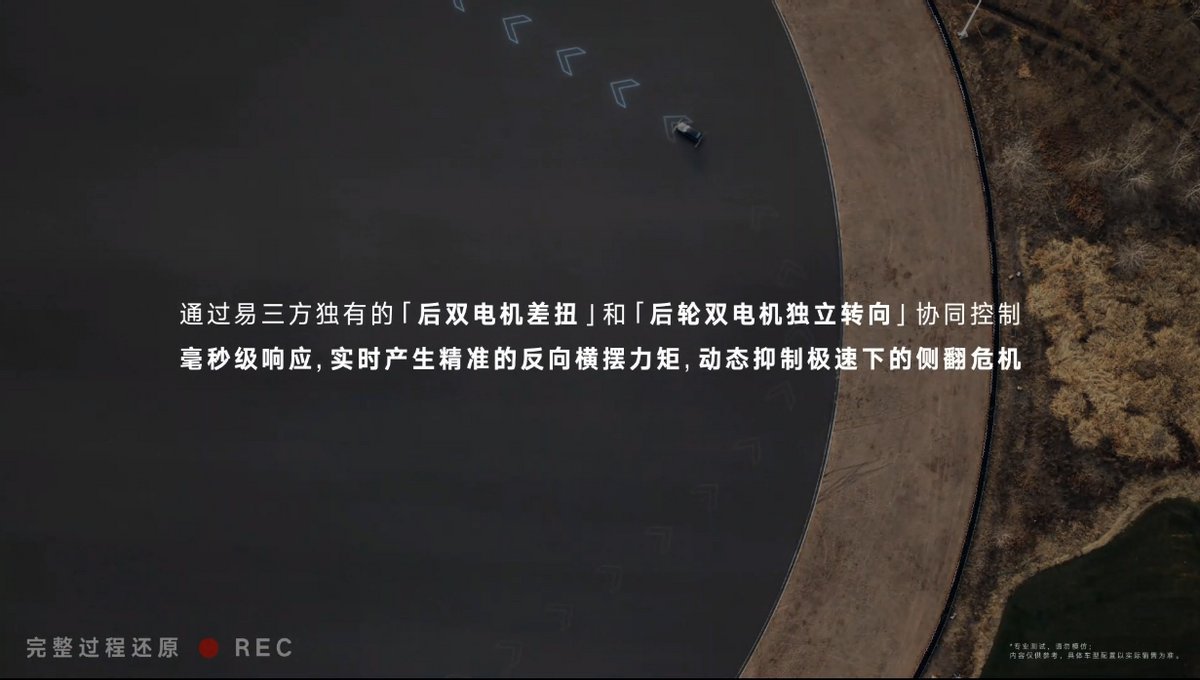
The coordinated operation of the two technologies enables the Denza N9 to still respond precisely at an ultra-high speed of 180 km/h and dissolve rollover risk. This achievement not only reflects Denza's leading position in chassis tuning and electronic control technology, but also redefines the handling safety boundary of large SUVs.
The fishhook test has extraordinary practical application value and significance
The first application is that when encountering large-curvature slippery roads, one can pass safely. A large-curvature slippery road is actually part of the fishhook test. In the process of driving, in fact, we occasionally encounter this kind of slippery road, and the curvature is still very large. Driving the Denza N9 with the support of these two technologies, no accidents will occur when passing through this kind of dangerous road.
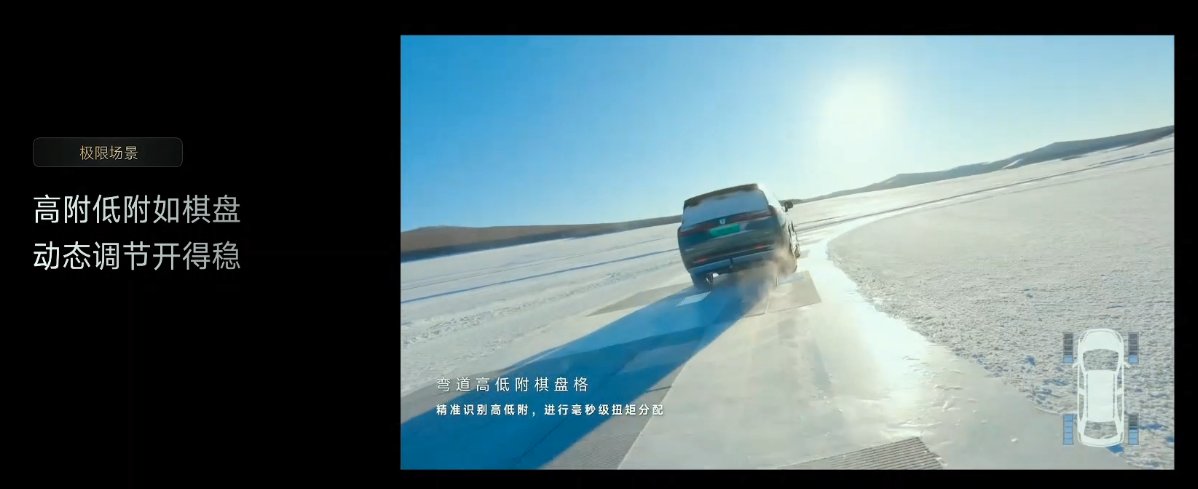
The second application is that when encountering an emergency obstacle ahead, such as goods falling from a large truck or abandoned tire tread on the road, or a large pothole on the highway surface, you need to avoid it urgently. During the avoidance process, you will apply the content of the fishhook test, and thus turn danger into safety!
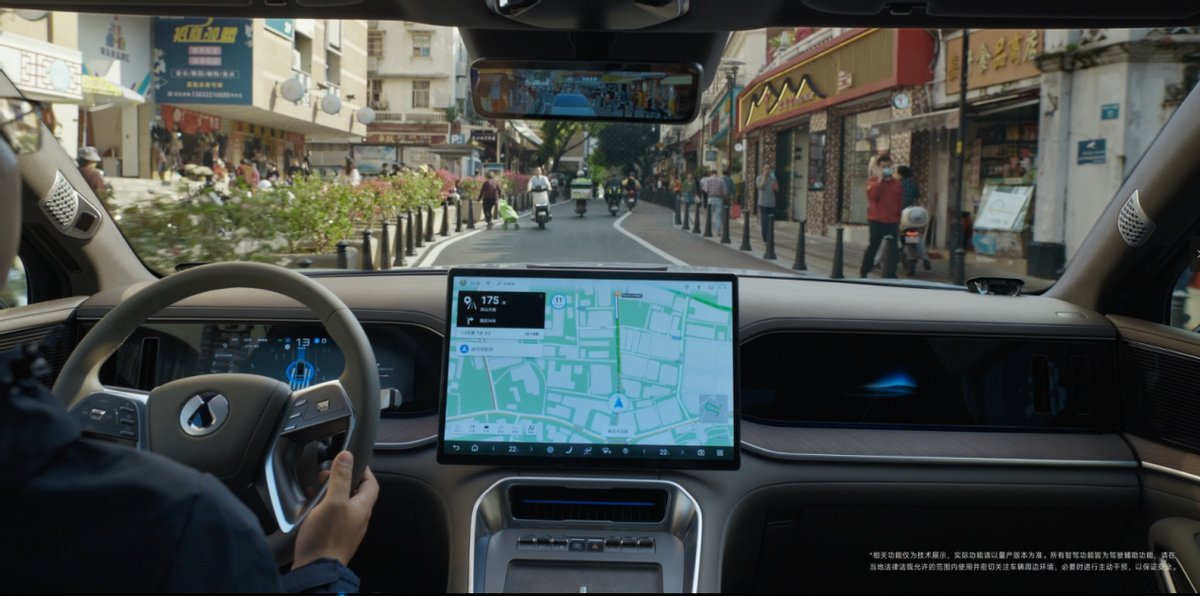
The third application is that when driving on a high-speed road and a car rear-ends you from the side, your vehicle, under high-speed external impact, will inevitably enter an emergency S-shaped sway route. This is actually also entering part of the fishhook test, because two fishhooks connected together form an S-shaped route. A high-speed straight route will make the car sway, and high-speed swaying will cause rollover, which is extremely dangerous. Driving the Denza N9 can avoid this danger!
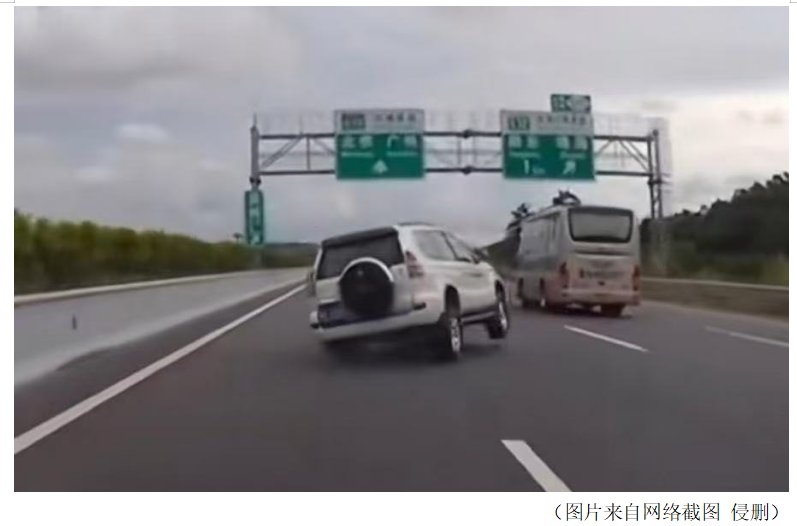
Of course, when encountering emergencies such as a tire blowout or a sideswipe, the Denza N9 will likewise avoid entering an emergency S-shaped route, thereby also ensuring driving safety!
In short, no matter how precise and good high technology is, we still need to drive in accordance with regulations and strictly follow traffic laws during driving. Always remember that old saying: be careful, and you can sail safely for ten thousand years!


