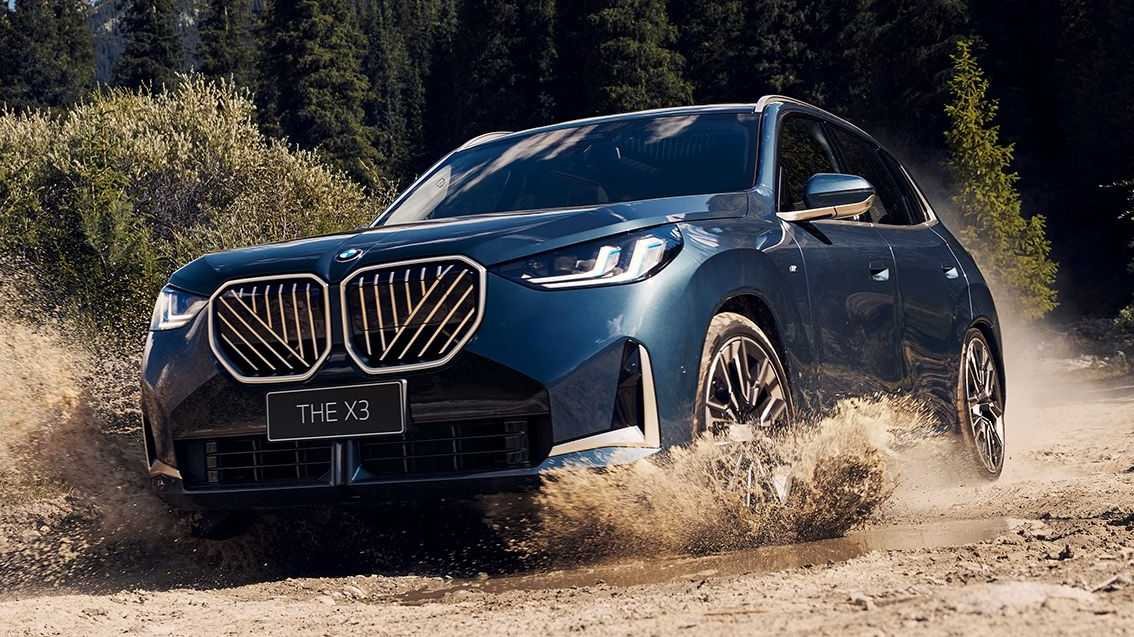

Recently, many people have asked us a question: "Between the new BMW X3 and the old BMW X3, which is more worth buying?"
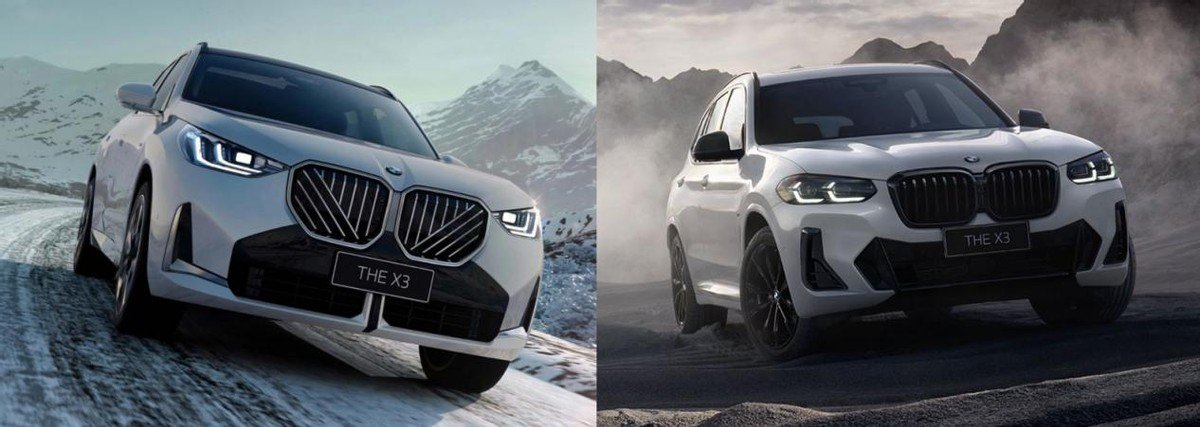
Today, we will stand from the perspective of user needs and the differences between the new and old models to help consumers who are still struggling over which to choose make a relatively more correct choice between the new X3 and the old X3!
Do you understand your own needs?
First of all, before buying any car, everyone must clarify their true needs. Let's take the BMW X3 as an example. Any user who is torn between choosing the new or old model will most likely be somewhat tight on budget, because consumers with sufficient budget will definitely choose the new model without thinking. Since the budget is relatively tight, then what is the point of choosing the new BMW X3? You should know that there is currently a price difference of about 80,000 between the new and old models, and if you add trade-in subsidies, scrappage subsidies, and so on, the price difference will reach about 100,000!
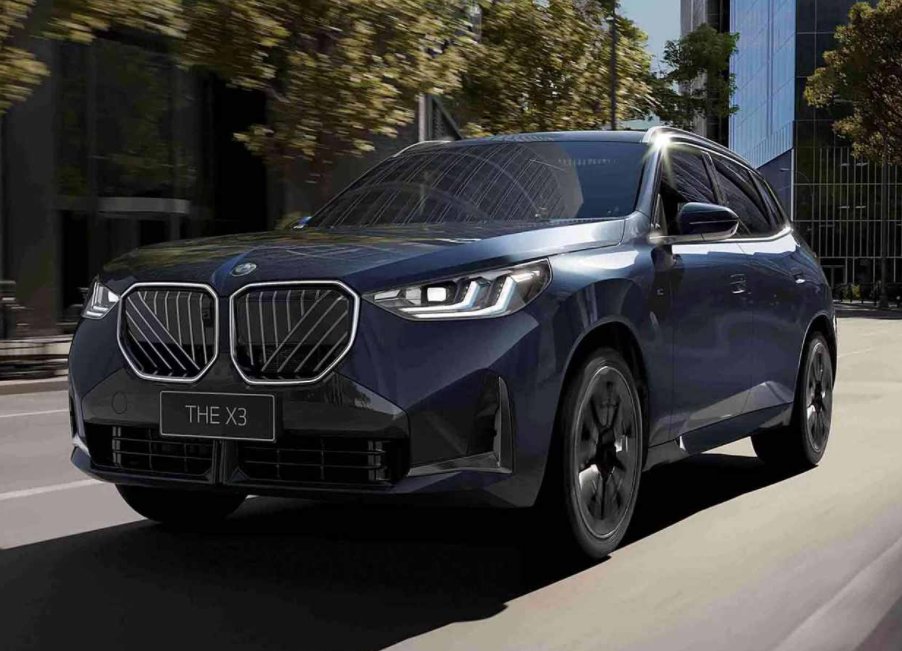
In addition, have you noticed a problem: why did the launch of the new BMW X3 basically cause no ripple? The reason is that most people's attention has already shifted to new energy vehicles, and traditional fuel vehicles are no longer very attractive. This means that in first- and second-tier cities, wanting to attract other people's attention just by driving a BBA under 500,000 has already become unlikely.
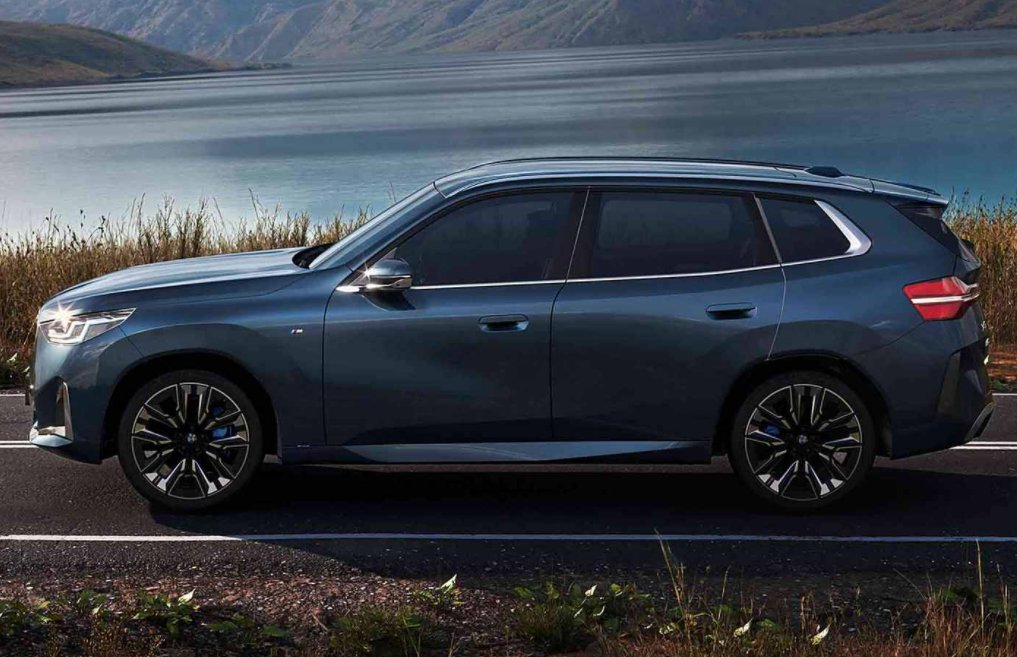
However, from another perspective, if you live in a non-provincial-capital city or a county town, and this is your family's first car or an upgrade car, and you want to enjoy the halo bonus and technical foundation of a traditional luxury brand, then the effect of buying the new BMW X3 and the old BMW X3 will basically not differ much. The difference between the two is nothing more than spending nearly 100,000 more so that others think you bought the new BMW X3. Seeing this, you might as well ask yourself: "Can one look from someone else really be worth 100,000 yuan?"
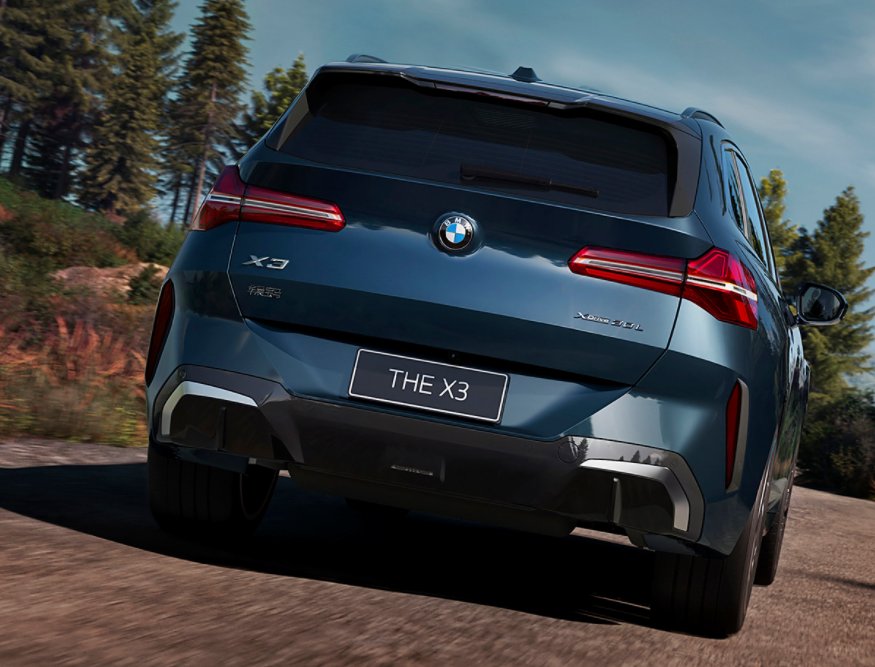
Changes between the new and old BMW X3
Next, let's look at the changes between the new and old BMW X3. There is no need to say much about the vehicle design, as it is a matter of personal taste. Let's go directly to the space performance that everyone cares about more.
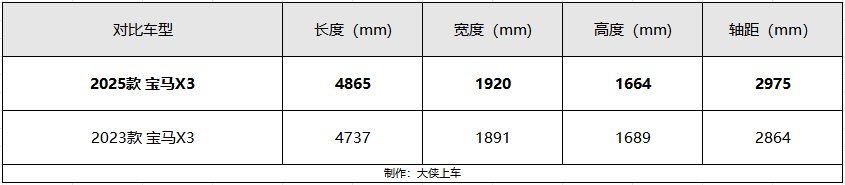
From the comparison of the size data of the new and old models, the overall size of the new BMW X3 is already close to the imported standard-wheelbase BMW X5, and even the wheelbase is already the same as it. This means that the comfort of the new car can already completely outperform the old BMW X3. After all, anyone who has experienced the old model knows one thing: what it is criticized for most is the rear seats. Due to issues such as rear legroom and seat cushion length, the comfort when riding is even worse than the BMW X1, so many people call it a "small bench."
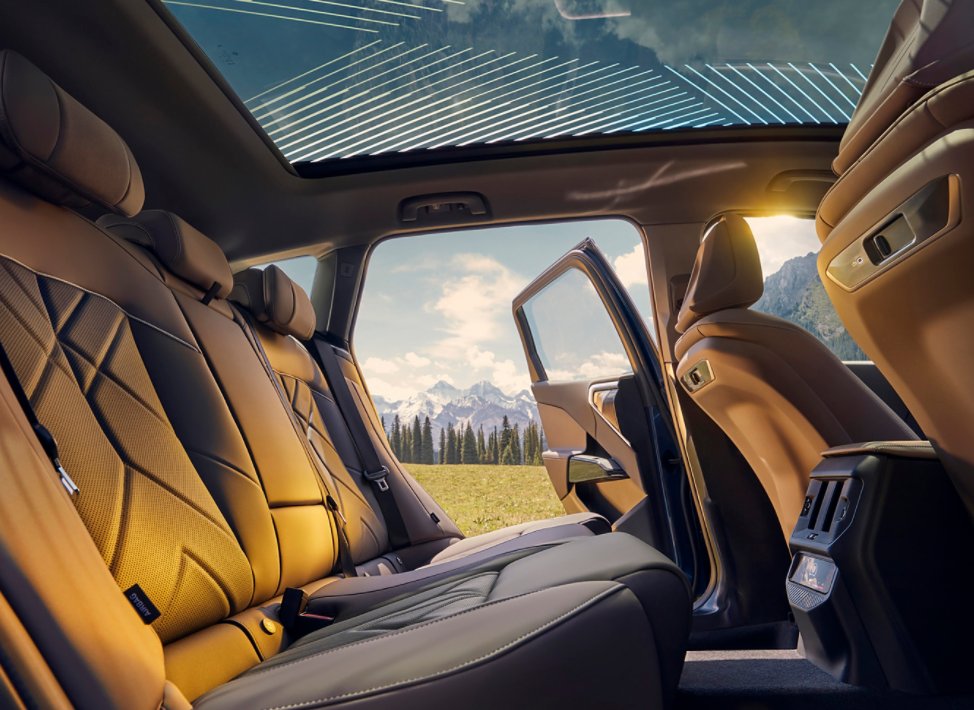
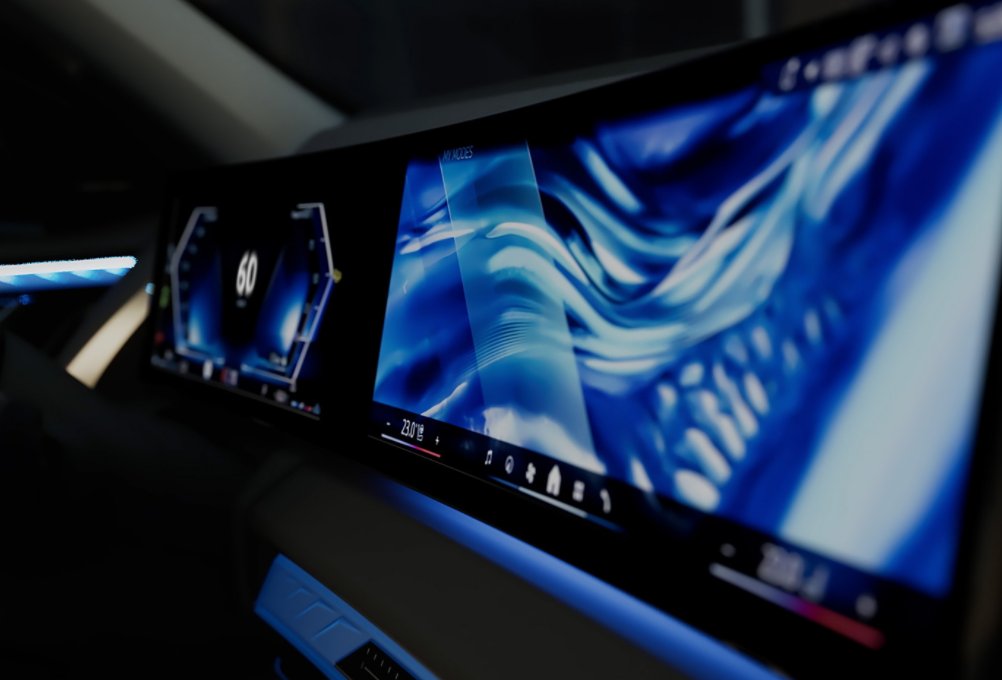
Therefore, for consumers with a higher rear-seat usage rate, the higher comfort presented by the new BMW X3, as well as the upgrades in the intelligent cockpit and intelligent driving system, are indeed more appealing than the old model. However, everything has two sides. If your rear-seat usage rate is not high and most of the time it is only used for personal commuting, then the old BMW X3, which is more affordable in price, is naturally the more cost-effective choice. After all, the rear seats of the old BMW X3 are not that uncomfortable to sit in; they just relatively fail to meet everyone's expectations.
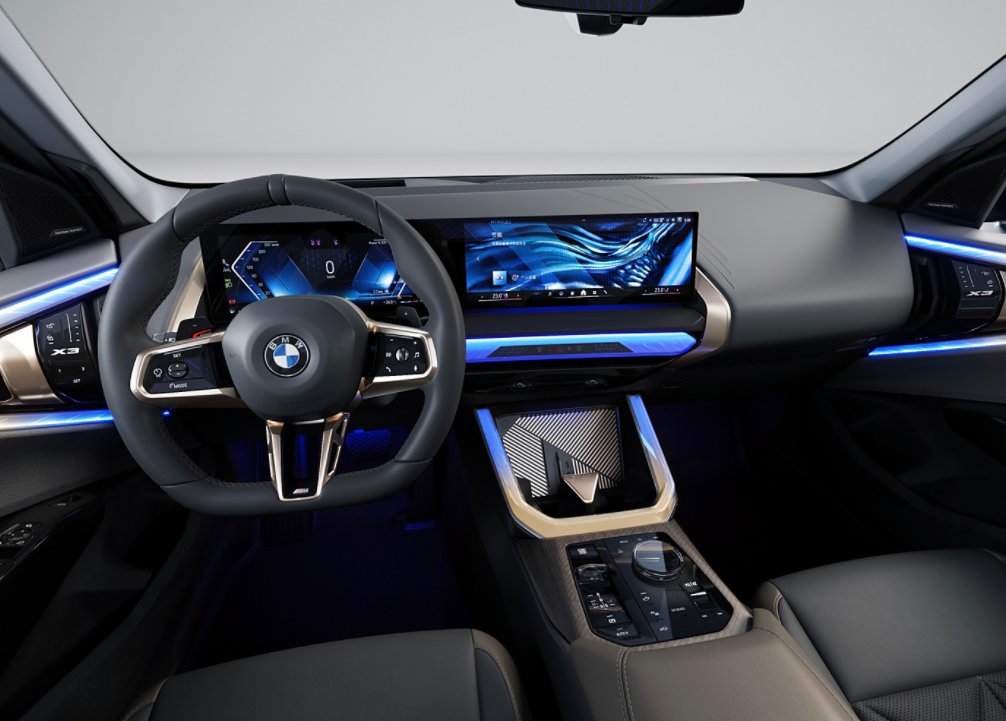
Finally, let's look at the vehicle's powertrain. In fact, on this point, for ordinary consumers, I have always recommended that when buying a fuel vehicle, especially when the budget is not very sufficient, you must give priority to the low-power engine version.
There are two reasons. First, although the performance of the high-power engine is indeed better, for the vast majority of consumers, this extracted power reserve is somewhat excessive. After all, in daily driving environments, the probability of actually using it is close to zero, unless you want to go on a track. Tell me, are there any drivers who take a commuting SUV to the track?
Second, a high-power engine will produce higher energy consumption and temperatures. There is no need to talk about energy consumption. You should know that higher operating temperatures will inevitably increase the wear rate of other vulnerable components in the engine bay, and even greatly test the engine's service life, usage environment, and the level of refinement during daily maintenance. This is also one of the reasons why German cars are more prone to problems than Japanese cars. Moreover, if you really want a high-power engine, it is nothing more than spending a few thousand yuan at a professional modification shop to flash a program. Isn't that more cost-effective than paying tens of thousands more for a high-power engine?
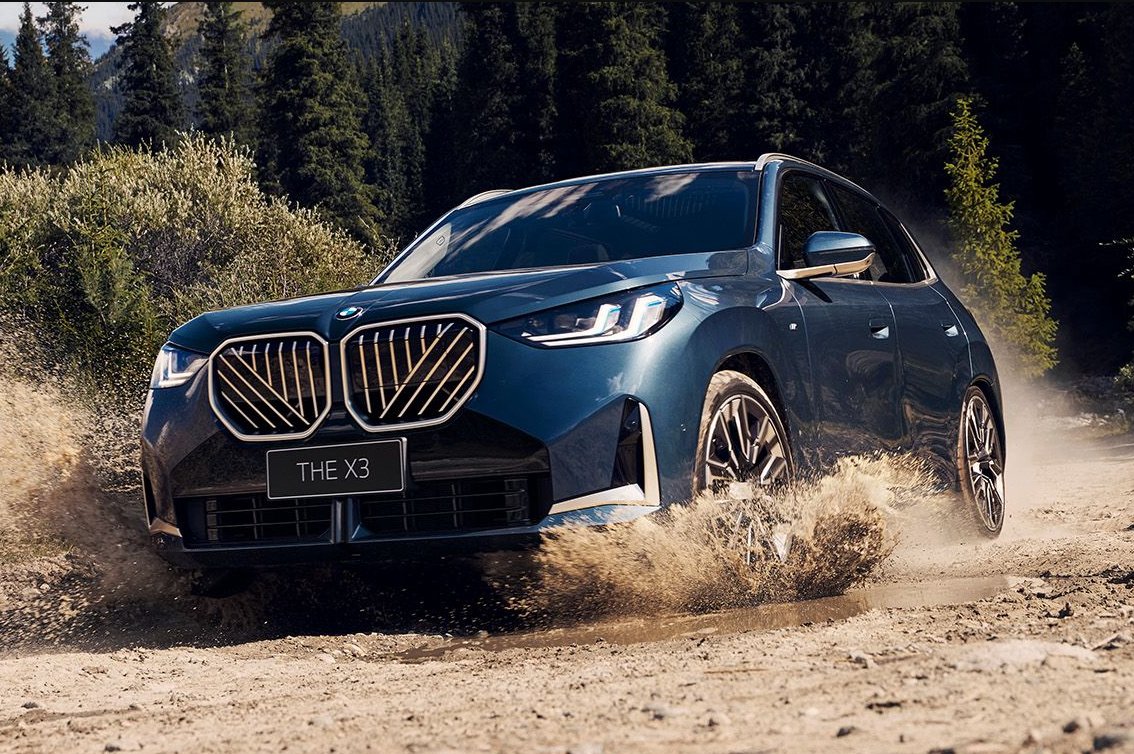
Daxia Car Talk: Overall, if your budget is relatively limited and you also want to experience the brand halo of BBA, then the most worth-buying option at this time is the 25i power version of the old BMW X3. Conversely, for consumers who pursue comfort, intelligence, and higher performance, there is absolutely no need to buy the high-spec version of the old BMW X3. Choosing the new BMW X3 directly is the wise choice, because after all, the price of the high-spec version of the old BMW X3 is not much different from the new BMW X3.


