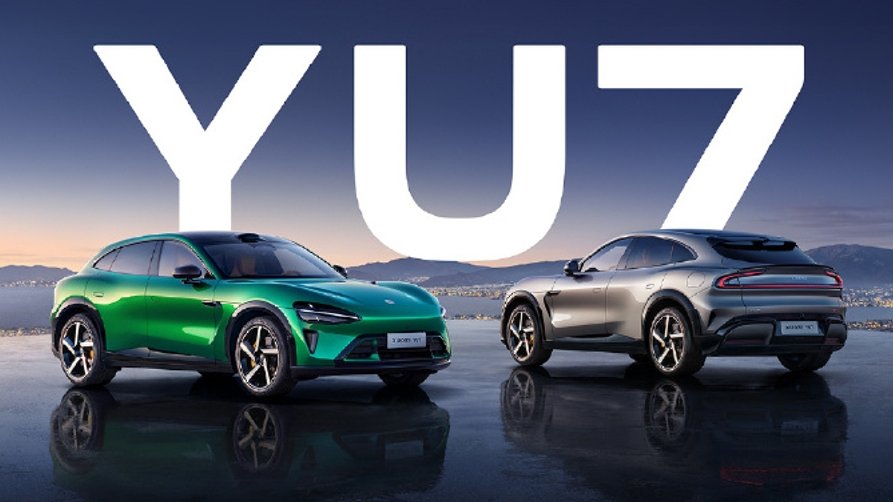

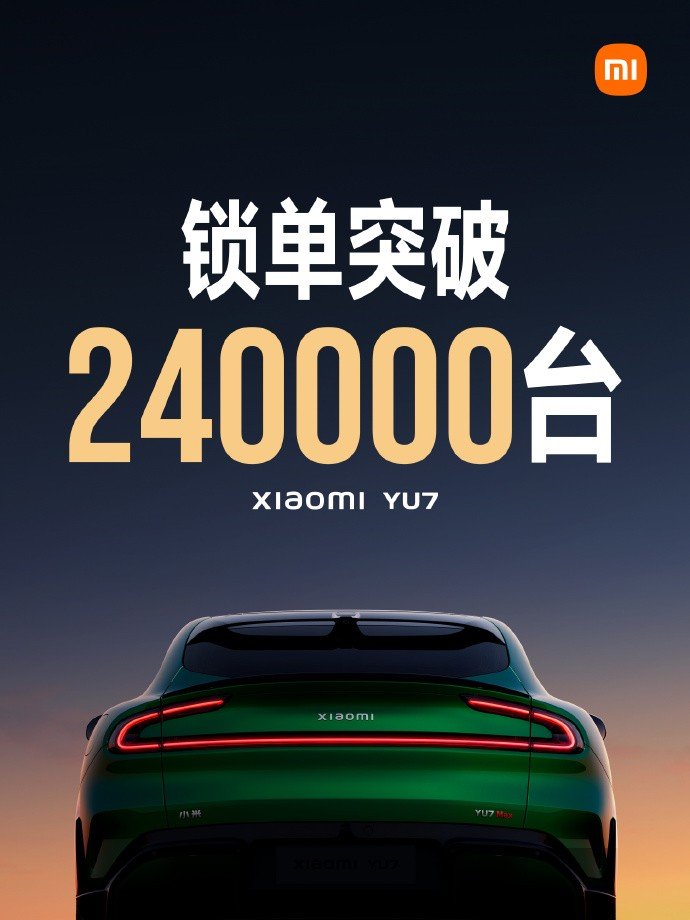
At the launch event, the somewhat reserved Lei Jun and the exaggerated performance of the Xiaomi YU7 formed a sharp contrast. With locked orders exceeding 240,000 in 18 hours on sale, the Xiaomi YU7 shocked the entire industry.
In fact, before its official launch, public attitudes toward the Xiaomi YU7 were not exactly clear.
For Xiaomi, which came from another industry, its first model, the SU7, was undoubtedly a success. After the buzz of a billionaire boss personally opening car doors and treating people to meals, and of flipping reserved cars for big profits, the Xiaomi SU7 still manages to maintain monthly sales of more than 20,000 units.
Apart from the credit of marketing and the support of Mi fans, it is undeniable that the Xiaomi SU7 really does have some strong skills. It looks good enough, has powerful performance, commendable chassis and handling, and also has a certain pricing advantage.
Carrying forward the momentum of the Xiaomi SU7, the Xiaomi YU7, as the second model, naturally became easier to develop after accumulating experience. The pitfalls the Xiaomi SU7 stepped into could be better identified and fixed in the Xiaomi YU7. At the same time, as an SUV model, the Xiaomi YU7 also enjoys the inherent boost of the market's enthusiasm for SUVs.
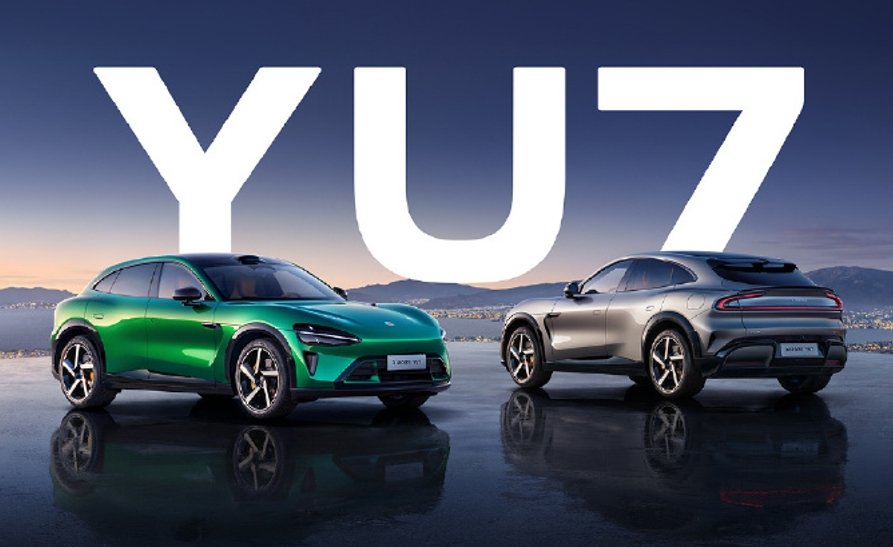
Based on all of the above, many people held a relatively optimistic attitude toward the Xiaomi YU7, believing it would surpass its predecessor.
However, it cannot be ignored that the Xiaomi SU7's high-speed fire and explosion, the hole-drilled hood incident, and frequently reported accidents did bring considerable negative impact to Xiaomi. Xiaomi Auto was lifted to an extremely high level by traffic, and when backlash came, the damage was naturally greater. Even Lei Jun quieted down somewhat.
On the other hand, the Xiaomi YU7 had just appeared when it fell into a controversy over copying Ferrari, which could be described as a bad start.
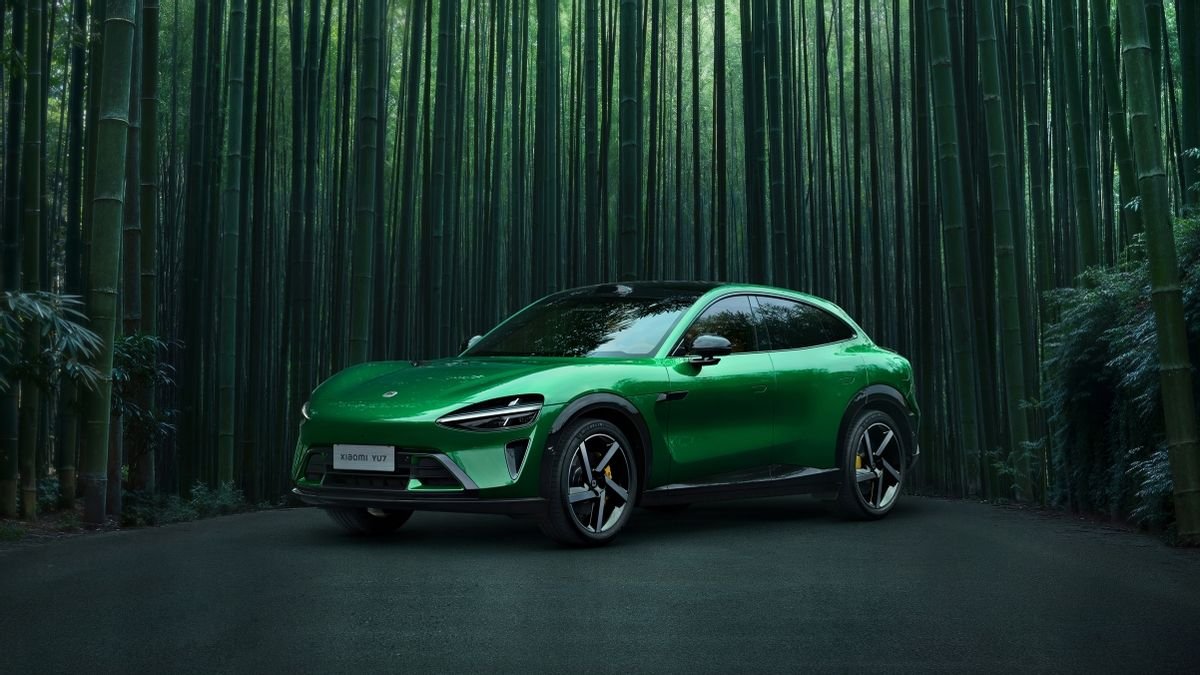
Considering these aspects, the future of the Xiaomi YU7 seemed somewhat uncertain.
However, with the posters after the launch event constantly updating with one exaggerated number after another, all doubts seemed to vanish into thin air.
It is no wonder many people find it hard to believe: more than 240,000 locked orders in 18 hours on sale. You have to know, this is a car costing two to three hundred thousand yuan, not a mobile phone costing a few thousand yuan. Across the entire auto industry, this can be called an explosive result unprecedented and unrepeatable. To put it another way, even if the Xiaomi YU7's final actual conversion rate is only 60 percent or even half of what is shown on the posters, it would still be enough to boast about.
For a "miracle" like the Xiaomi YU7, by all rights it should be hard for us to think about the secret of its success through normal logic. But as auto industry professionals, we still venture to make a guess.
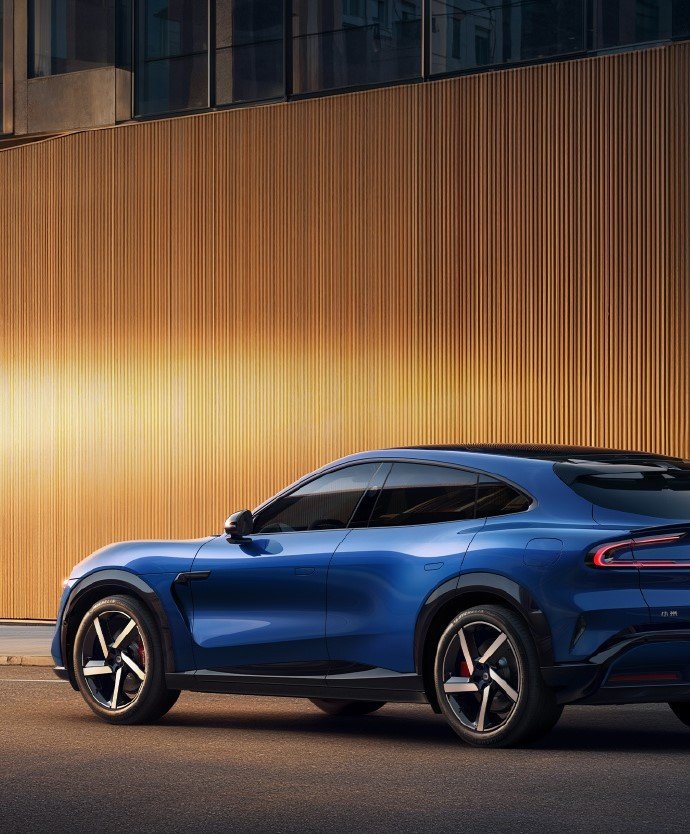
The first is that its looks hold up.
This was already true of the Xiaomi SU7. Although both the SU7 and YU7 have the controversy of "paying tribute to the classics," from a more realistic point of view, as long as users think it looks good and stylish, that is enough; the rest does not matter. Especially today, when the design of new energy vehicles is severely homogenized, Xiaomi's SU7 and YU7 can both be called a breath of fresh air, easily catching people's eyes.
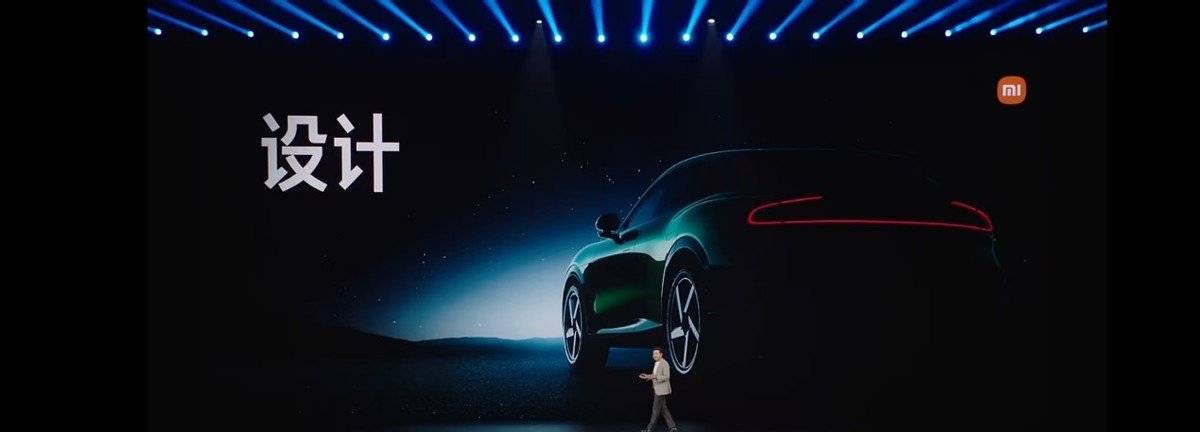
The second is the advantages of the SUV model and the compensation for shortcomings.
From fuel vehicles to new energy vehicles, the market's enthusiasm for SUVs has not diminished. As mentioned earlier, this is the inherent advantage of the Xiaomi YU7 as an SUV model.
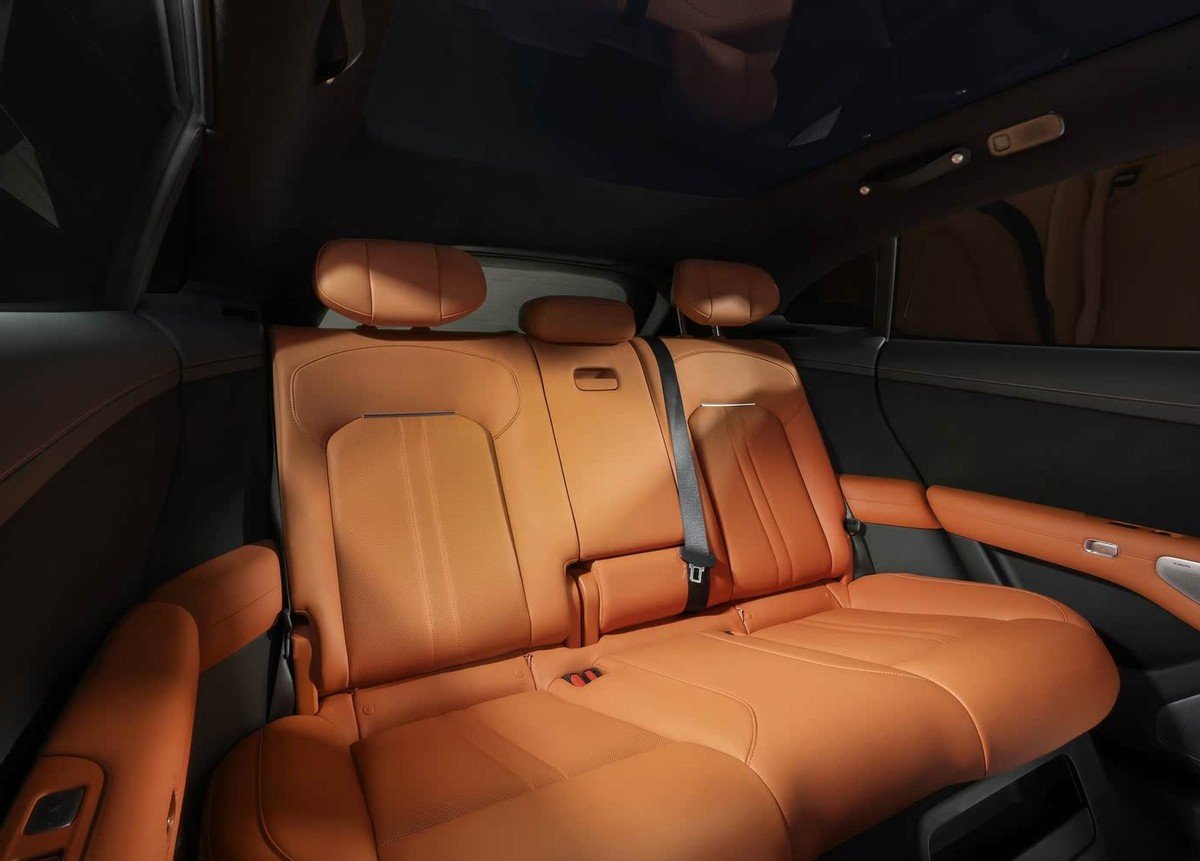
For new energy vehicles, due to the presence of the battery at the bottom, although automakers are all racking their brains to make batteries thinner, adopting CTB battery-body integration technology, and using a panoramic roof overhead to steal space, there is still more or less intrusion into the vertical space of the passenger cabin.
The Xiaomi SU7 was once criticized for this as well. As an SUV model, the Xiaomi YU7's higher vehicle height compensates for this problem to a certain extent. Standing on the shoulders of the SU7, it naturally jumps higher.
The third is that its cost-effectiveness remains.
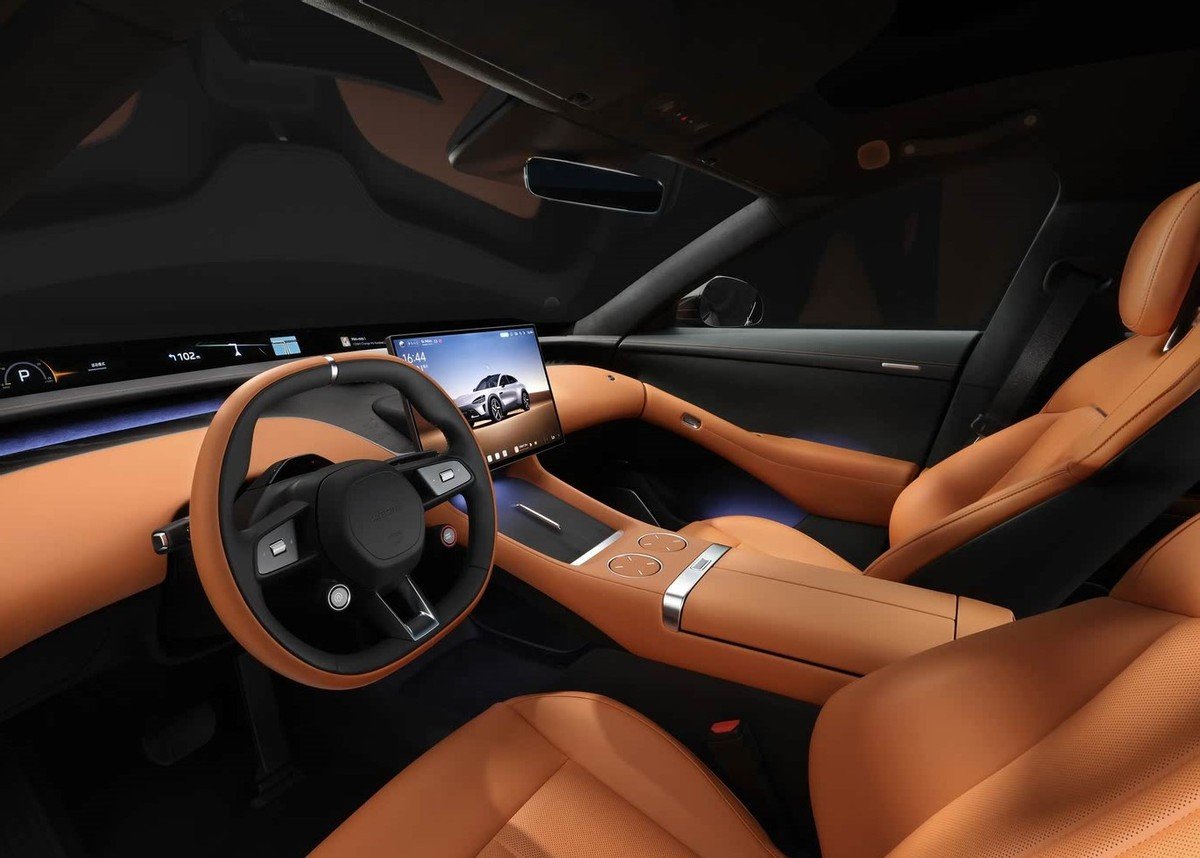
Considering the overall impressive product strength represented by the Xiaomi YU7's powerful performance, its price of 253,500 to 329,900 yuan is still very cost-effective. In particular, Xiaomi is also very good at touching people's hearts with details.
For example, the reserved interfaces on the Xiaomi SU7 that received much praise can also be seen on the Xiaomi YU7. In addition, the Xiaomi YU7 has added many magnetic attachment components. Sometimes do not underestimate these small things. Xiaomi's strategy of considering details for users has always worked repeatedly, from mobile phones to cars.
The fourth is Lei Jun's personal charisma and Xiaomi's brand appeal.
To some extent, Xiaomi is somewhat similar to Huawei. Its fans and users all have a kind of "blindness" that many people may find hard to understand. But in other words, being able to achieve this level is itself a kind of success. In fact, this is also something many brands long for but cannot reach.
Although there is some controversy in public discussion over Lei Jun's marketing methods, you have to admire that he indeed has a kind of "magic" that can make users pay.

However, after the Xiaomi YU7's explosive orders, Lei Jun seems about to fall into the "sweet trouble" of deliveries again.


