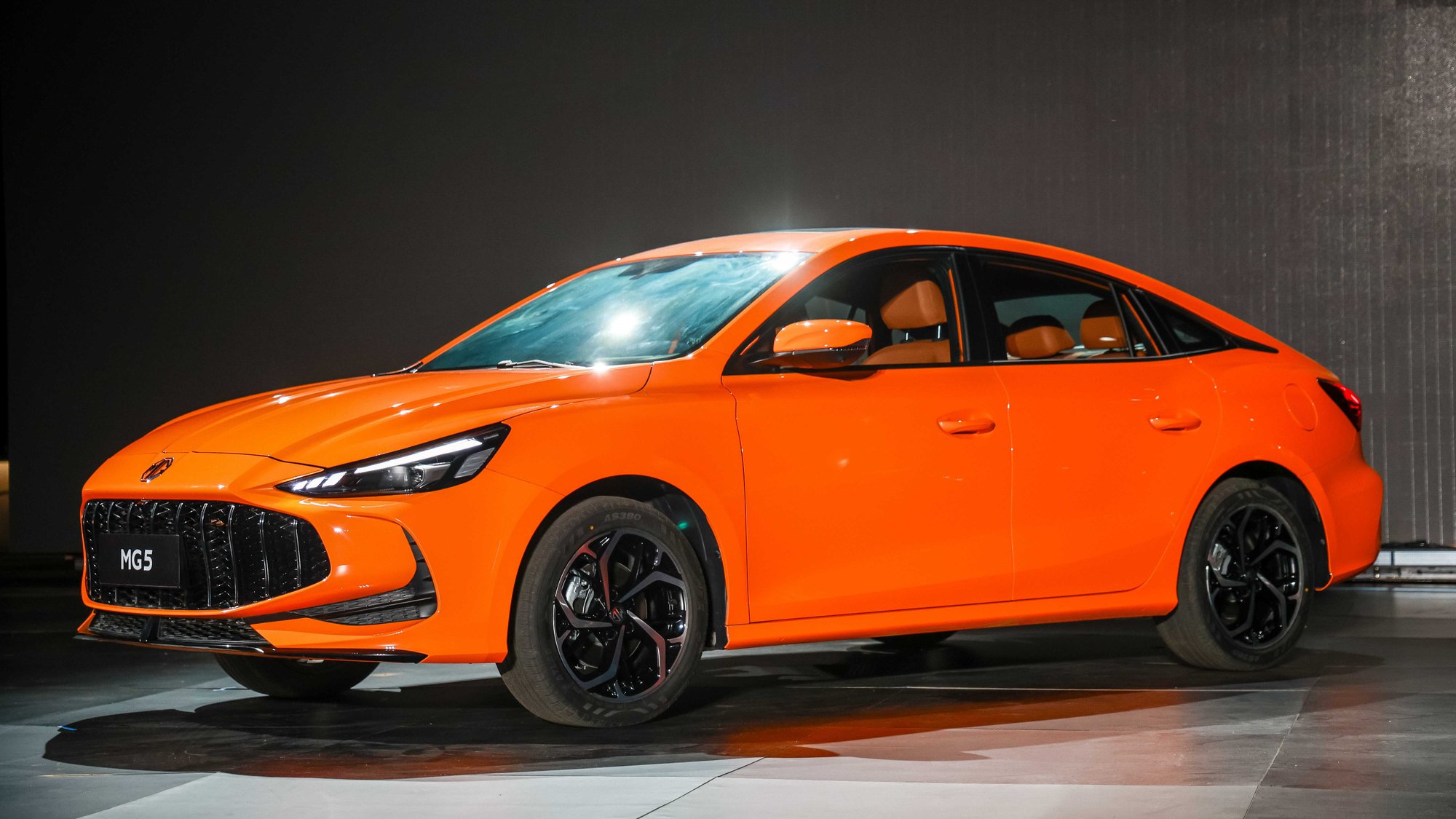

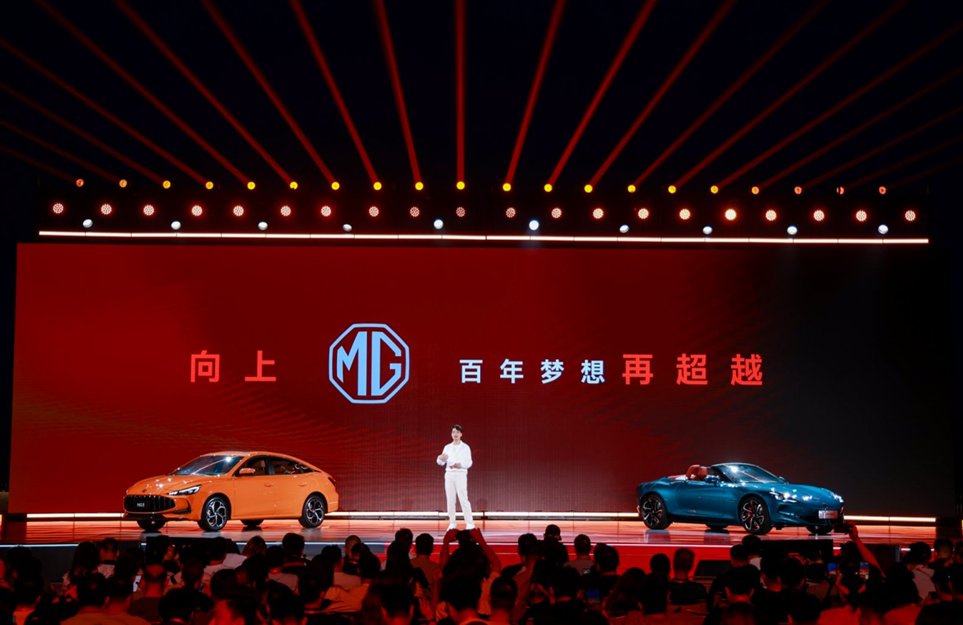
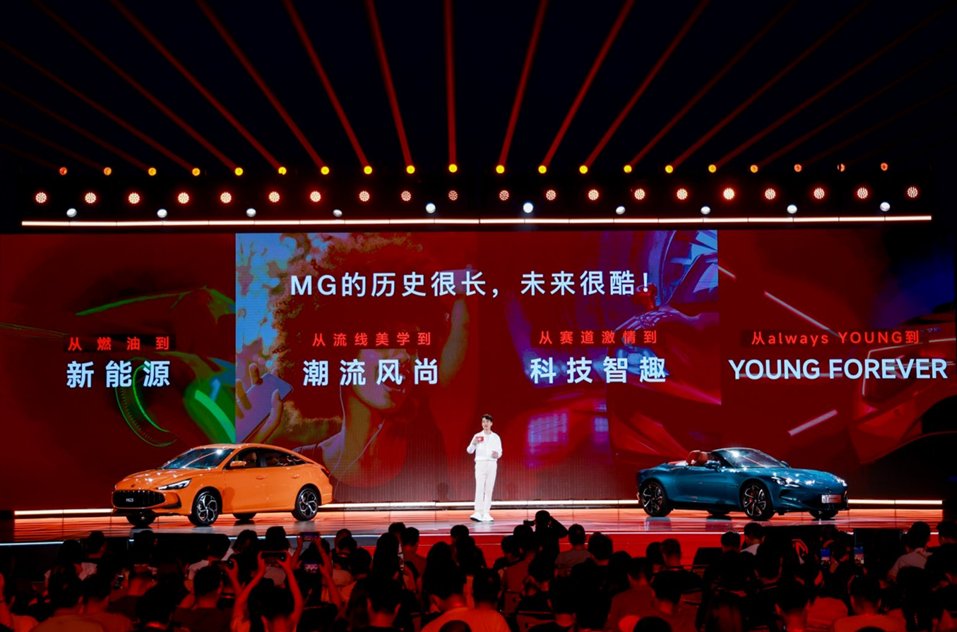
At the "MG Holiday Summer Open Play" launch event, MG Motor dropped a strategic nuclear bomb. MG, with a century-long history, officially announced a full-scale All in on new energy. This is not a gentle turn, but a thorough strategic leap away from the internal combustion engine era.
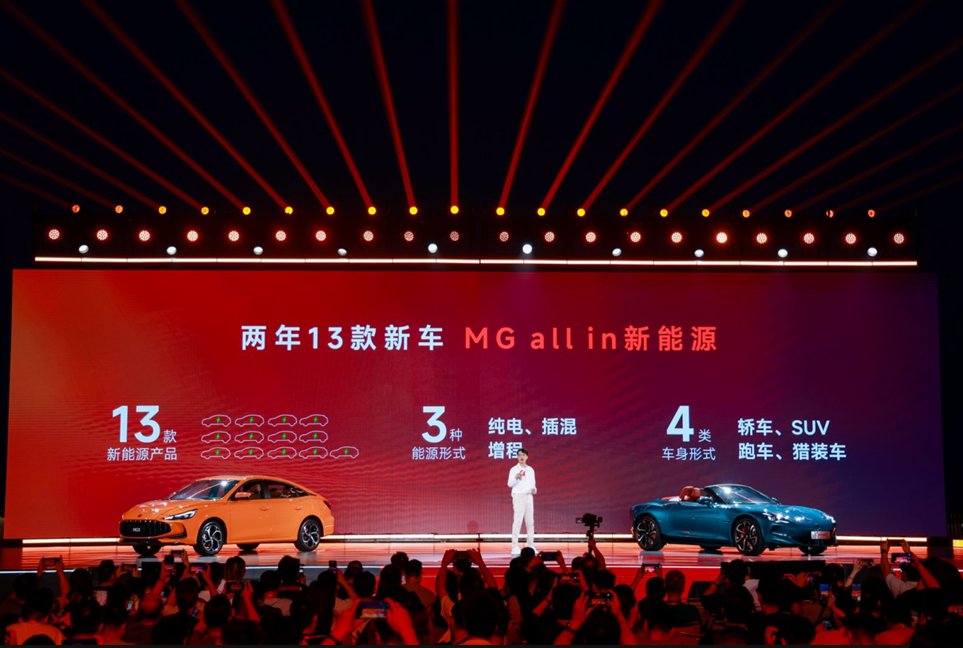
After setting 43 world speed records and achieving a top ground speed of 410.5 km/h, 101-year-old MG has begun its "second century" with a determination to burn its bridges. Backed by SAIC Group's five core technology foundations, MG will密集 launch 13 all-new new energy models over the next two years, covering three major paths—pure electric, plug-in hybrid, and extended range—and spanning four major categories: sedans, SUVs, sports cars, and shooting brakes.
Where does its confidence for transformation come from?
As the saying goes, it is good to cool off under a big tree. Everyone surely knows the "big tree" behind MG—it is SAIC Group—and its technology empowerment has become the key support. For example, semi-solid-state battery technology, which will greatly improve energy density and safety; a new generation of highly efficient, highly integrated motors and the VMS vehicle central controller, which solve key bottlenecks of new energy vehicles; a full-computing-power high-level intelligent assisted driving system, allowing it to remain invincible in intelligent competition; and also the integration of external resources, such as the deeply co-developed intelligent cockpit with OPPO, and so on. It must be said that "being born into the right family is a technical skill."
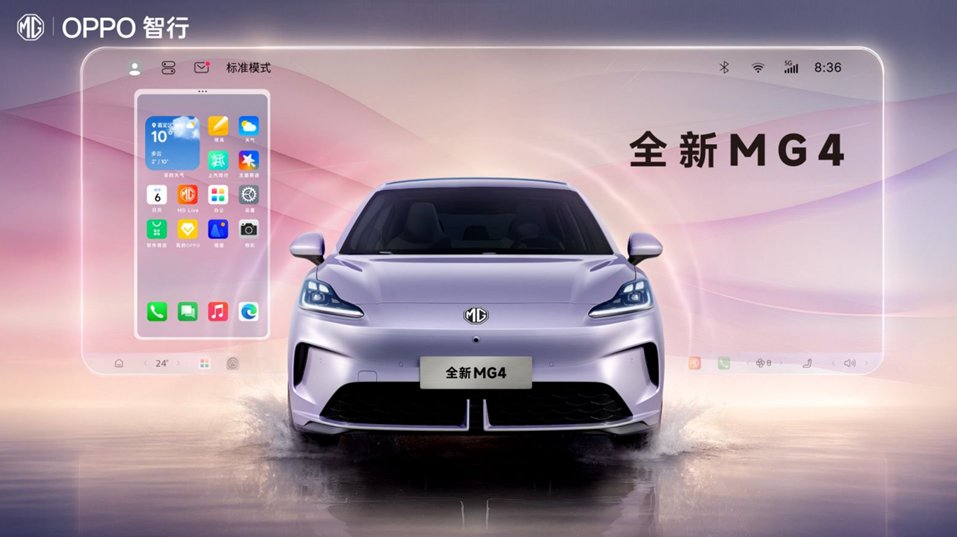
At this launch event, the "phone-vehicle interconnection ecosystem" strategy jointly implemented by MG and OPPO Zhixing was announced with great fanfare. This is not only a cooperation between two brands, but may also be another important milestone in the development of China's intelligent automotive ecosystem.
The ambition to put the "smart cockpit" in your pocket
When a mobile phone giant and a major automaker truly integrate deeply, what kind of sparks will fly? MG and OPPO Zhixing have given the answer. "Phone voice vehicle preparation, integrated desktop, application relay, phone shake navigation, AI intelligent integration..." These are not concept demonstrations, but real functions that will soon be equipped on the all-new MG4. This system is based on the deep mutual integration of SAIC Zero Beam's full-stack self-developed architecture and the OPPO ecosystem, completely breaking down the dimensional wall between the car system and the mobile phone.
Since the strategic signing in 2021, an ecosystem domain joint laboratory has been established and a white paper released; in April this year, cooperation was deepened, with the goal of connecting all scenarios of home, travel, and office, and planning to expand from mobile phones to OPPO's full range of IoT products, and from China to the world. At the launch event, more explosive information was announced, such as forming a professional joint team to achieve deep bundling of brand, communication, and user operations; exploring a new model of "automotive + intelligent terminal," with the all-new MG4 to be stationed in OPPO's national supermarket stores and pop-up stores, and so on. This shows that the cooperation between the two sides has entered deep waters and formed a three-dimensional push. At the same time, it also marks that vehicle-phone interconnection has jumped from "function docking" to "ecosystem integration."
Three arrows fired at once, the vanguard for the implementation of the new strategy
Plan before acting, and act as swiftly as a hare. The strategic blueprint needs product support. MG has simultaneously unveiled three major players, covering different market segments, and all carrying the core elements of the strategy.
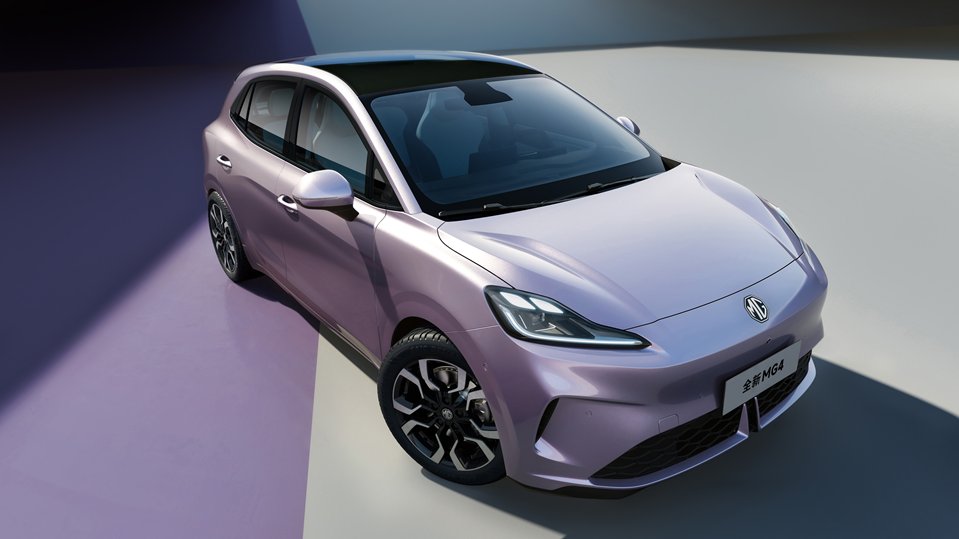
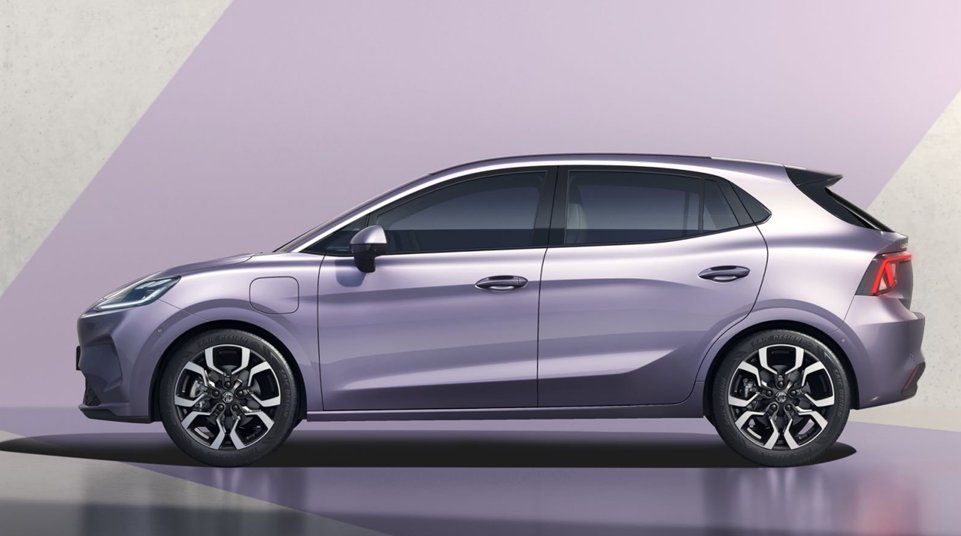
The all-new MG4 is the debut carrier of All in new energy and OPPO smart connectivity. Inheriting the Cyberster design language, it features a sporty wide-body stance, a new energy illuminated LOGO, and track genes with "true air duct design" (optimizing wind resistance and improving braking heat dissipation efficiency), paired with a mysterious "Donglai Purple" body color. Crucially, it is the world's first to carry the complete OPPO Zhixing vehicle-phone interconnection ecosystem, becoming the first product to implement the concept of a "smart cockpit that can be put in your pocket." Its experience will become an important reference for the industry.
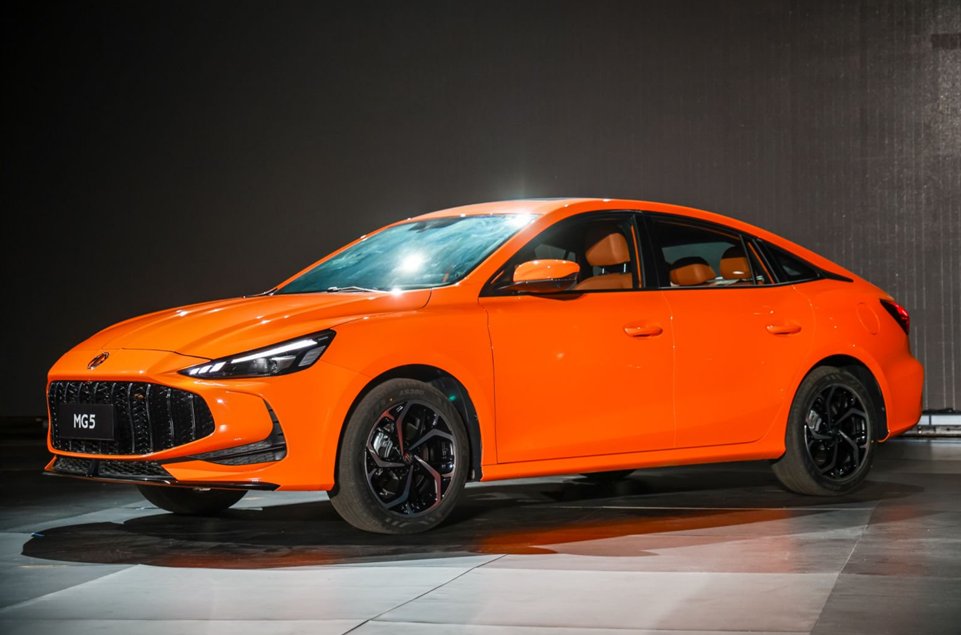
The 2026 MG5 evolves again, adding Bubble Orange and Andes Gray body colors and a two-tone interior, with the largest range of soft-wrapped materials in its class to enhance texture. Continuing the title of "the strongest performance car under 100,000," it has a 1.5T + 7DCT "double top ten" powertrain, accelerates from 0 to 100 km/h in 6.9 seconds, and is the only one in its class with an XDS cornering dynamic control system. It also features 256-color music rhythm ambient lighting, the only 8-speaker Arkamys audio system in its class with an 8-inch physical subwoofer, and a 540° panoramic image. The most core highlight is that the surprise replacement price starts at only 59,900 yuan, making its cost-effectiveness worthy of being called the king of A-segment sports sedans.
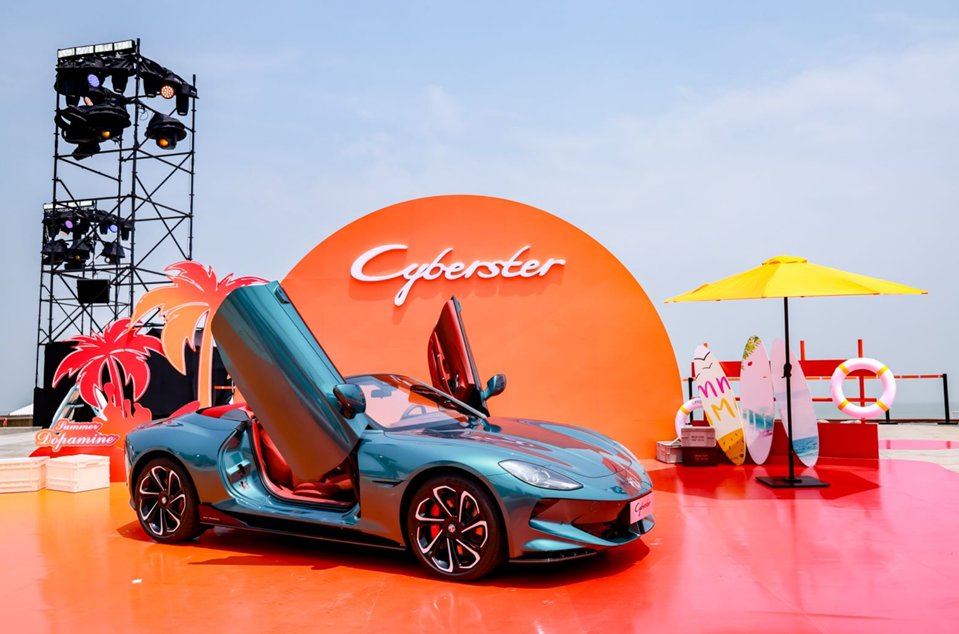
The 2026 MG Cyberster has also undergone ten major upgrades. Tuned by engineers from a former F1 championship team, the chassis has been optimized (rear spring stiffness, shock absorber damping), achieving a perfect balance between sportiness and comfort. New Iris Blue and Andes Gray exterior colors and red-black/gray-white two-tone interiors have been added. It adds electric lumbar support for the driver and front passenger, an in-car wind deflector (easy conversation at 80 km/h with the top down). The trunk has been expanded for improved practicality. It adds exclusive sound effects (startup, track mode, convertible open/close, etc.), new simulated sound waves, and a convertible counter. Range has increased by 17-26 km (existing owners can optimize via OTA upgrade). More for no extra price, starting at 319,800 yuan.
The boundary-breaking and rebirth of a century-old brand
MG's All in on new energy is by no means a simple switch in power form. Its deeper logic is to deeply integrate the century-old driving control genes engraved in its bones with the cutting-edge technologies of the new energy and intelligent era, reshaping the driving pleasure and travel experience belonging to the electric age.
The ecosystem-level cooperation with OPPO is a key fulcrum of this strategy. It goes beyond the scope of traditional vehicle-phone interconnection, pointing to a more open, more seamless, and more user-centered integrated ecosystem of "people-car-home-life." When SAIC's hardcore car-making strength is deeply bound with OPPO's hundred-million-level intelligent terminal ecosystem and software capabilities, the energy released will far exceed simple functional superposition.

Xia Lun: A transformation driven by "technology foundation" and "ecosystem co-integration"
When you are in the all-new MG4 and easily complete voice vehicle preparation and seamless navigation flow with an OPPO phone; when you drive the Cyberster tuned by an F1 team and feel the swagger of the electric scissor doors opening and the pleasure brought by precise chassis handling; when you hold the key priced at 59,900 yuan and sit into the 2026 MG5 with class-transcending performance and configuration, these scenes all interpret one fact: the MG that once rewrote speed records is now, with an All in attitude, sprinting at full strength toward its "second hundred years" on the new track of new energy and intelligence.
MG's century-old turn is a microcosm of the Chinese automotive industry's vigorous leap in the wave of electrification and intelligence. Backed by SAIC Group's full-stack technical reserves in batteries, electric drive, smart cockpit, intelligent driving, chassis, and other fields, and externally connected with ecosystem partners like OPPO, it demonstrates another paradigm of traditional brand transformation: not overturning the past, but letting legendary genes gain new life in the soil of new technology.


