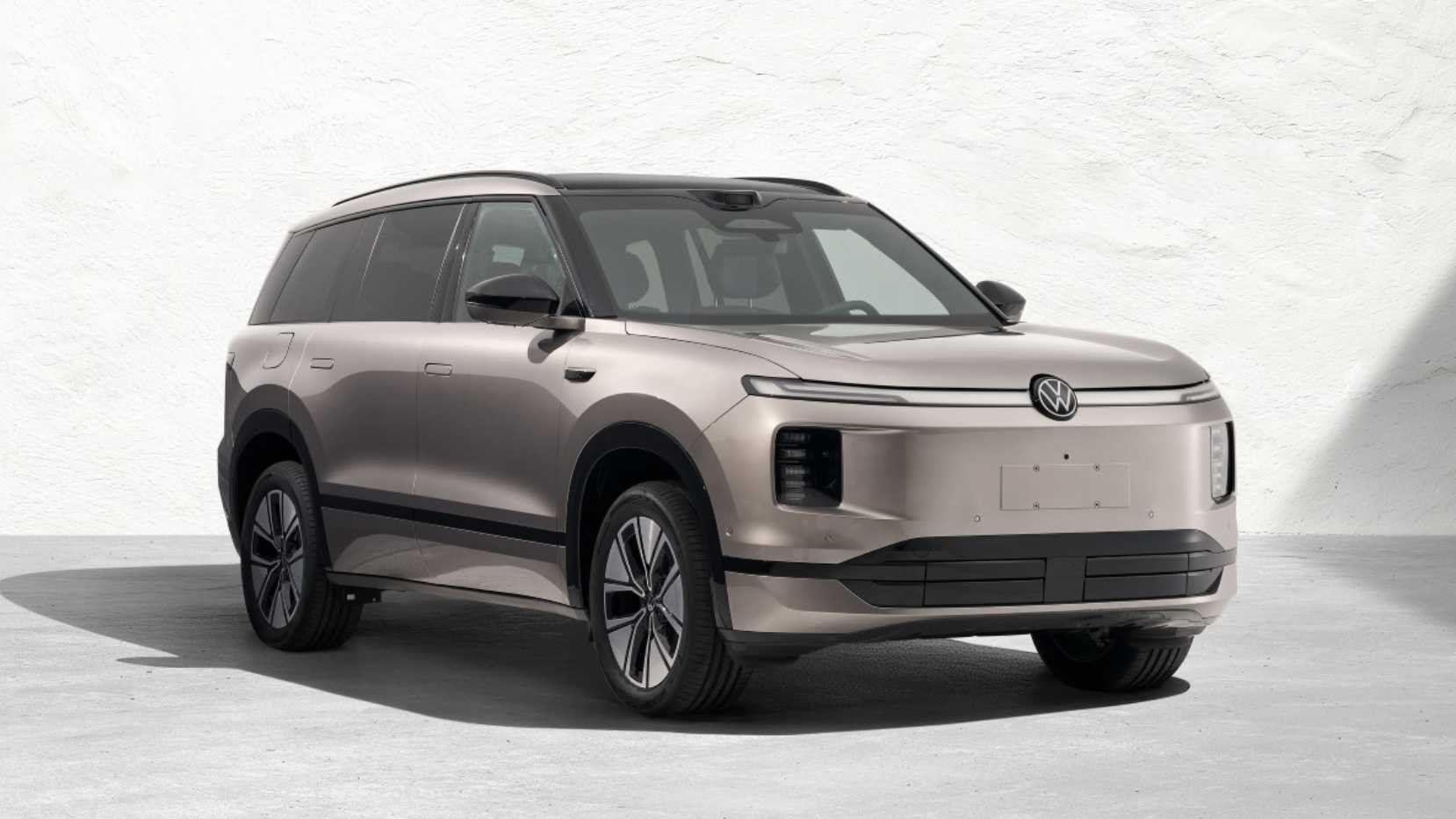

In the era of new energy, does SAIC Volkswagen still need a truly competitive flagship product that can represent the brand's height and determination?
The answer to this question may have already begun to emerge at last year's Guangzhou Auto Show. When the ID. ERA concept car made its debut under the spotlight, its grand presence, its design language blending German functional aesthetics with Eastern design philosophy, and its positioning as "Volkswagen's first 9-series flagship" already amazed the audience and industry media on site. Many consumers stopped in front of the booth and asked: "When will this car enter mass production? Will it really be introduced?"
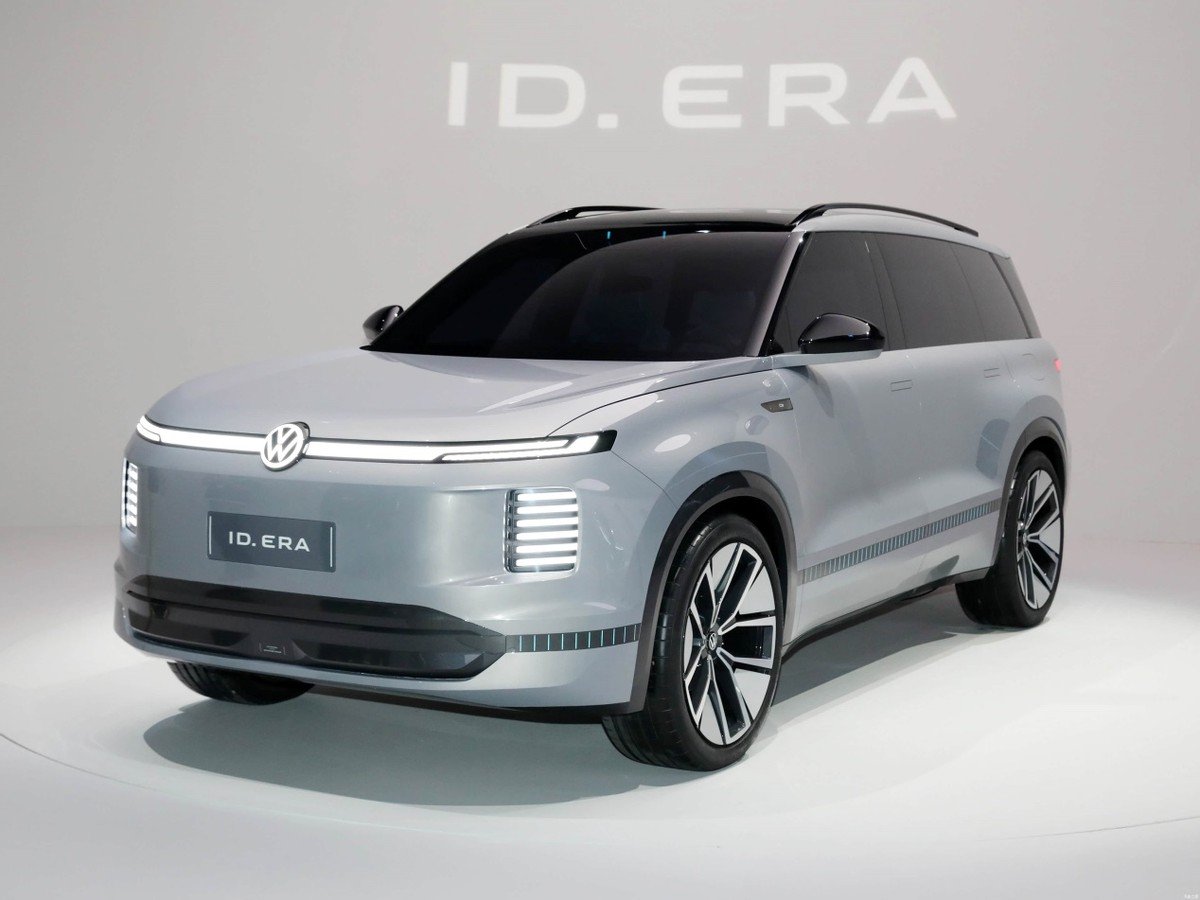
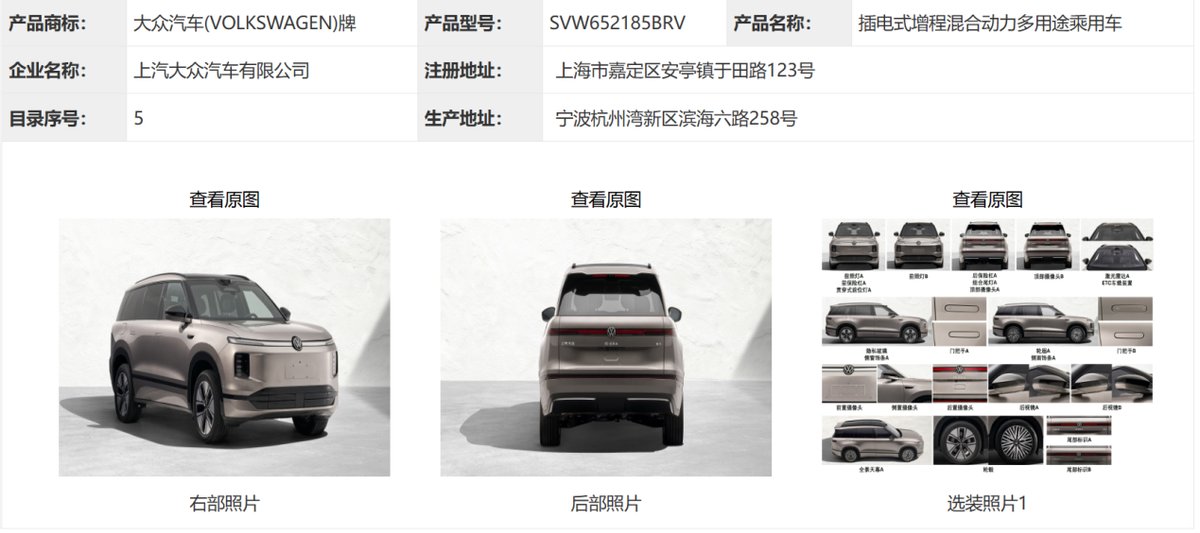
Now, with the official release of the ID. ERA 9X filing images in the Ministry of Industry and Information Technology's new vehicle announcement, all suspense is gradually being resolved. This 6-seat extended-range model, defined as a "German full-level flagship SUV," is not only the Volkswagen Group's first 9-series product globally, but also the opening work of SAIC Volkswagen's joint venture 2.0 era. It carries not only the mission of the product itself, but also a systematic "battle for vindication" for Volkswagen in China's high-end new energy market.
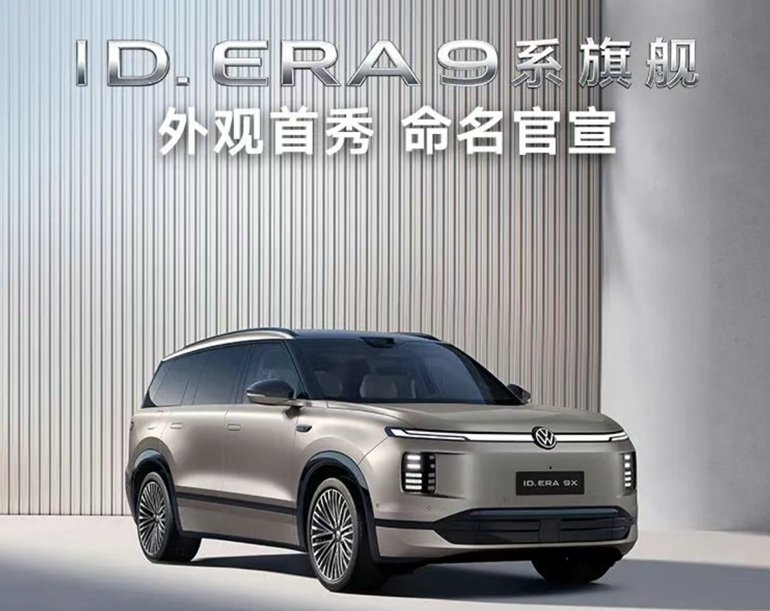
Why "9X"? The ambition behind a naming
In Chinese culture, "9" symbolizes the supreme and the ultimate. Volkswagen naming this car the "9 Series" is clearly intended to directly benchmark against the top flagships in the market. And "X" represents infinite possibilities and the attributes of an SUV model. The name ID.ERA 9X carries an aura of "entering at the top tier" from birth.
It targets the large six-seat extended-range SUV market, an area currently dominated by new forces such as Li Auto and AITO. But what Volkswagen brings is not just "big" in size, but a complete "German value system": global quality control, hardcore mechanical quality, localized intelligent ecosystem, and the repeatedly emphasized "German full-level."
Design interpretation: when German functional aesthetics meets Eastern philosophy
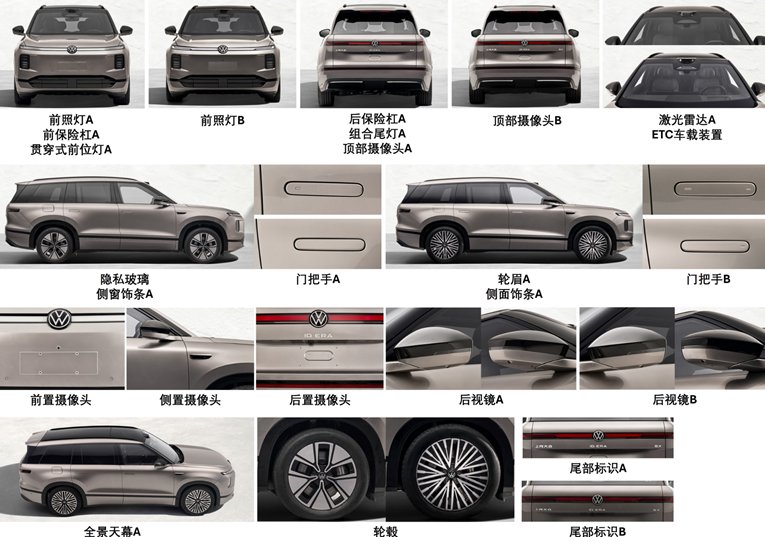
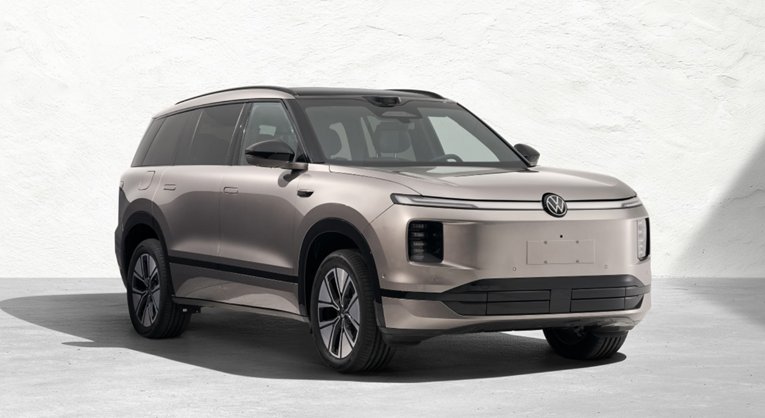
From the filing images, the ID.ERA 9X indeed demonstrates a presence in design different from previous Volkswagen models.
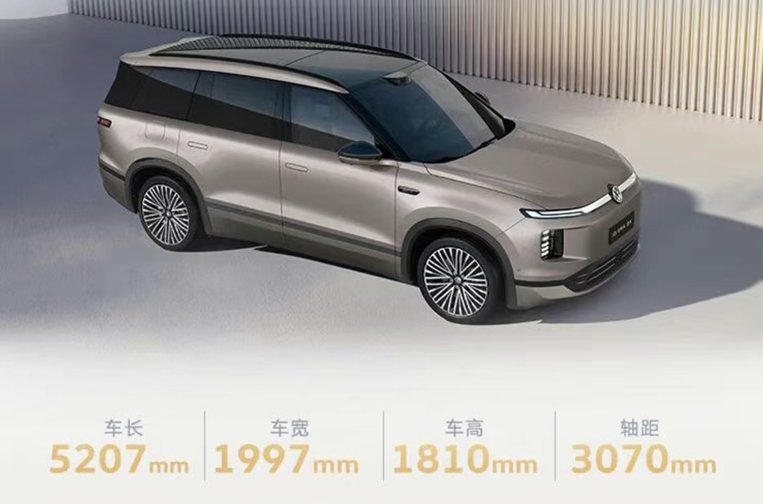
Size is presence. Length 5207mm, width 1997mm, height 1810mm, wheelbase 3070mm—this is the Volkswagen Group's largest SUV globally. But Volkswagen did not simply pursue "bloated bigness," instead working on proportions: short front overhang, long wheelbase, 4x wheel-to-axle ratio, 2.5x wheel-to-height ratio. Behind these figures is the German engineering team's precise control of visual tension and dynamic stability.
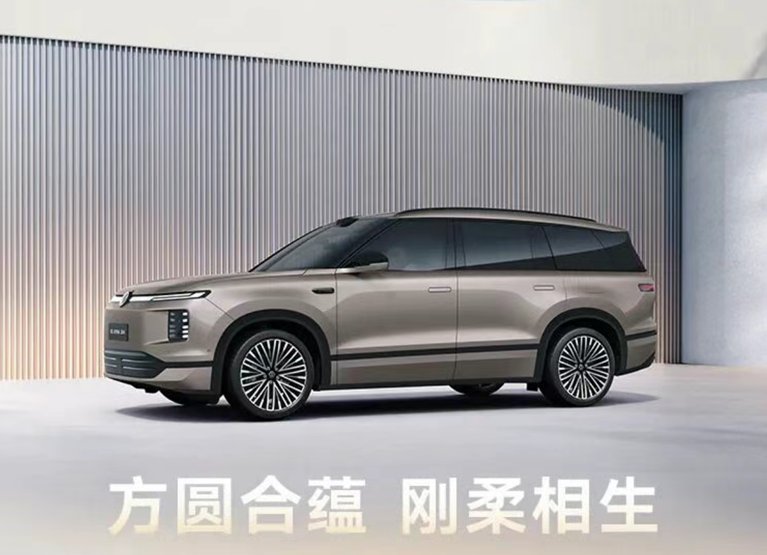
"Three radiant lines" and "surfaces replacing lines" are two key concepts in the ID.ERA 9X design language. Three radiant lines: through the shoulder line, roofline, and rocker line—three core character lines—it outlines a body posture combining elegance and power. Surfaces replacing lines: reducing sharp edges and using full curved surfaces to shape the body, creating a sculptural sense of volume and power. This technique of "roundness within squareness" indeed shows Volkswagen attempting to blend the steadiness and restraint of Eastern aesthetics.
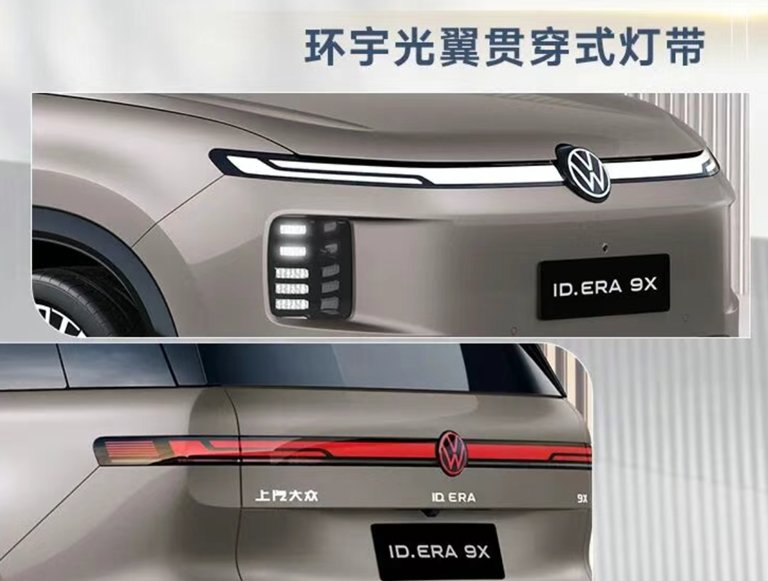
Digital light assembly. A through-type front light bar + illuminated Logo directly maximizes nighttime recognition. This is also a typical manifestation of Volkswagen embracing digital expression while continuing its brand DNA in the electrification era.
Technical core: EA211 range extender + 65.2kWh large battery, can it really "redefine extended range"?
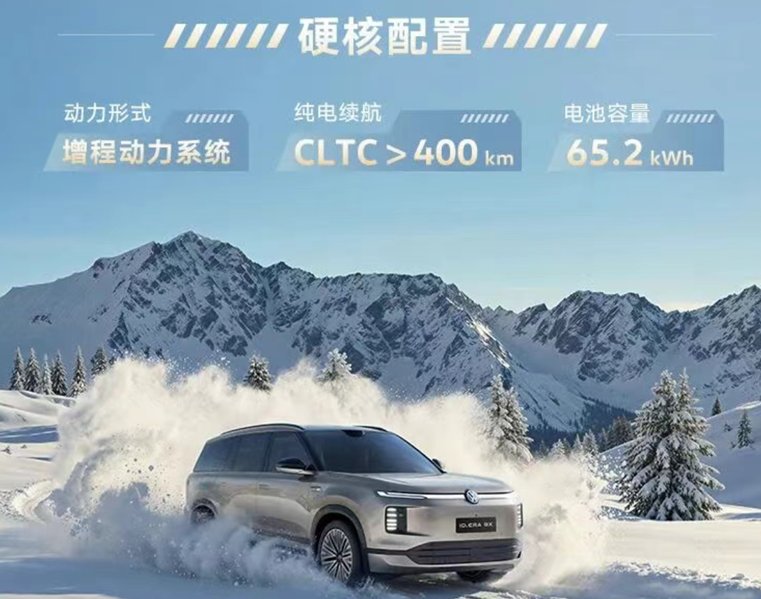
Volkswagen's technical card this time is very clear: the "Golden Super Hybrid" system. The ID.ERA 9X is equipped with a range-extender-specific version of Volkswagen's EA211 series engine. This engine has won the "China Heart" Top Ten Engine honor and features Miller cycle, VTG variable geometry turbo, and other technical enhancements. Volkswagen calls it "currently the strongest range extender on the planet," clearly targeting the pain point in the current extended-range market of "uneven range extender quality."
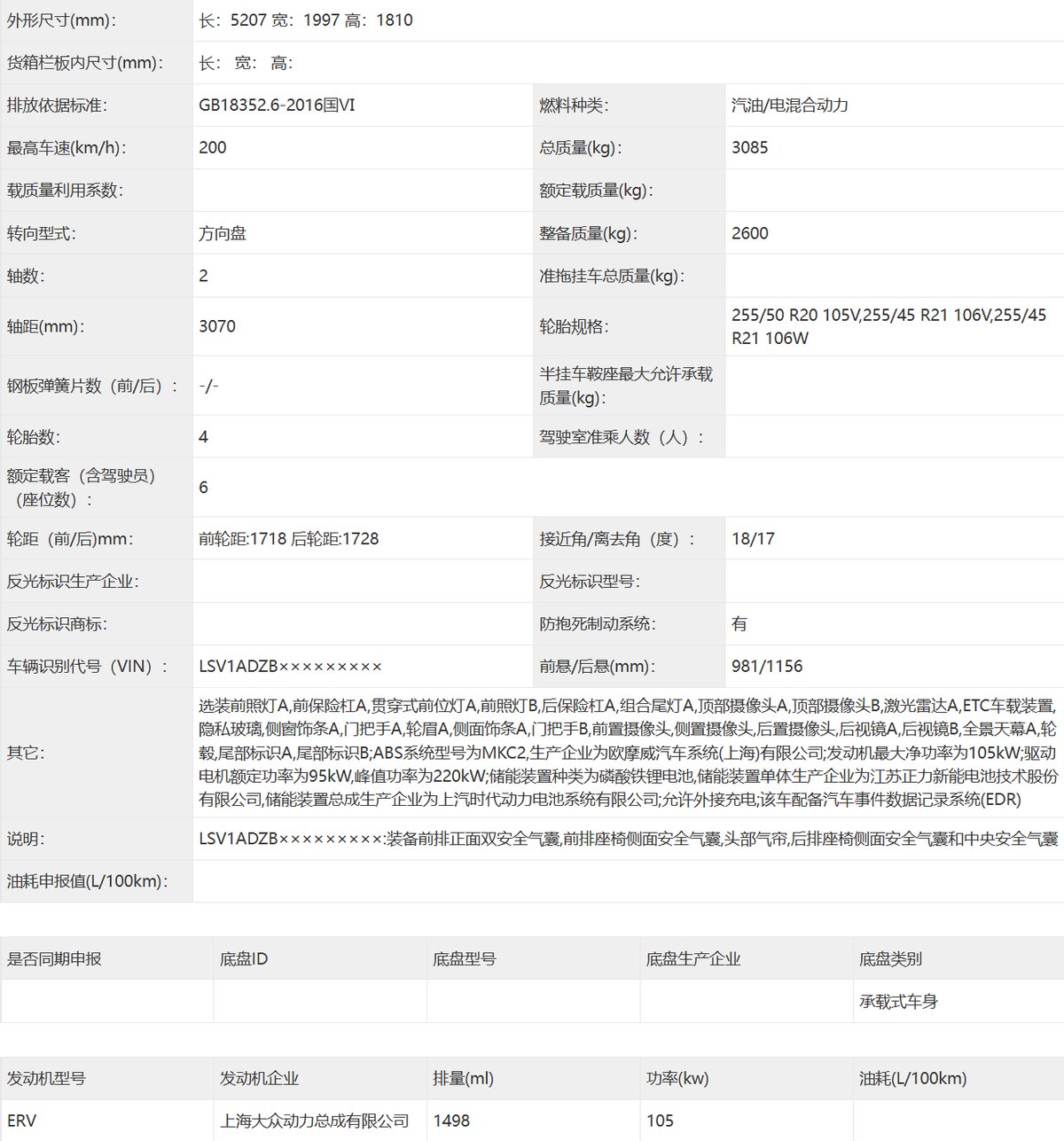
The battery capacity is 65.2kWh, with pure electric range exceeding 400km. Volkswagen calls it the opener of the "extended-range 3.0 era." Compared with Li Auto L9 (52.3kWh/280km) and AITO M9 (52kWh/290km), the ID.ERA 9X has clear improvements in battery capacity and claimed CLTC pure electric range. Under the mode of pure electric for daily commuting and extended range for long trips, this battery scale can indeed further reduce fuel consumption anxiety.
Intelligence and configuration: LiDAR confirmed, can German intelligent driving compete?
In the enlarged details of the filing images, the roof LiDAR and the "small blue light" on the fender are clearly visible—typical features of advanced intelligent driving hardware. Although the official specifics of chips, computing power, and functions have not yet been announced, it is foreseeable that the ID.ERA 9X will be equipped with an advanced intelligent driving system supporting urban NOA.
For Volkswagen, intelligent driving has always been a "weak spot" in its electrification process in China. Whether the ID.ERA 9X can achieve a truly "German full-level intelligent driving" through LiDAR + localized algorithm cooperation will be one of the keys to whether it can establish itself in the high-end market.
The "opening work" of joint venture 2.0, can it really counterattack the high-end market?
The ID.ERA 9X is defined by SAIC Volkswagen as the "opening flagship of the joint venture 2.0 era." The so-called "joint venture 2.0" refers to the shift from "market for technology" to "co-creation of technology," and from "localization of global cars" to "deep local R&D."
From design, intelligent cockpit, to the extended-range system, this car reflects Volkswagen's investment in localized R&D in China. It is no longer merely "a German car sold in China," but "jointly developed by China and Germany, built specifically for the Chinese market."
Its rivals are very clear: Li Auto L9, AITO M9, and other domestic high-end extended-range SUVs that have already secured a firm foothold. The differentiated weapons Volkswagen brings are quite distinct and heavyweight: German craftsmanship and safety standards, the technical endorsement of the EA211 range extender, and the long-term trust accumulated by the Volkswagen brand. But challenges also accompany them: can the intelligent cockpit and user operations keep up with the pace of new forces? Is the price competitive? Can marketing discourse move consumers already accustomed to the language of "user-oriented companies"?
Conclusion: not just a car, but a strategic response
From its stunning debut at the Guangzhou Auto Show to the official release of the MIIT filing images, the pace of the ID. ERA 9X's progress is echoing the market's expectations for it. Does SAIC Volkswagen still need a heavyweight representative player in the new energy era? The emergence of the ID. ERA 9X itself is the clearest answer: it must not only represent, but also lead; not only participate, but also reshape.


