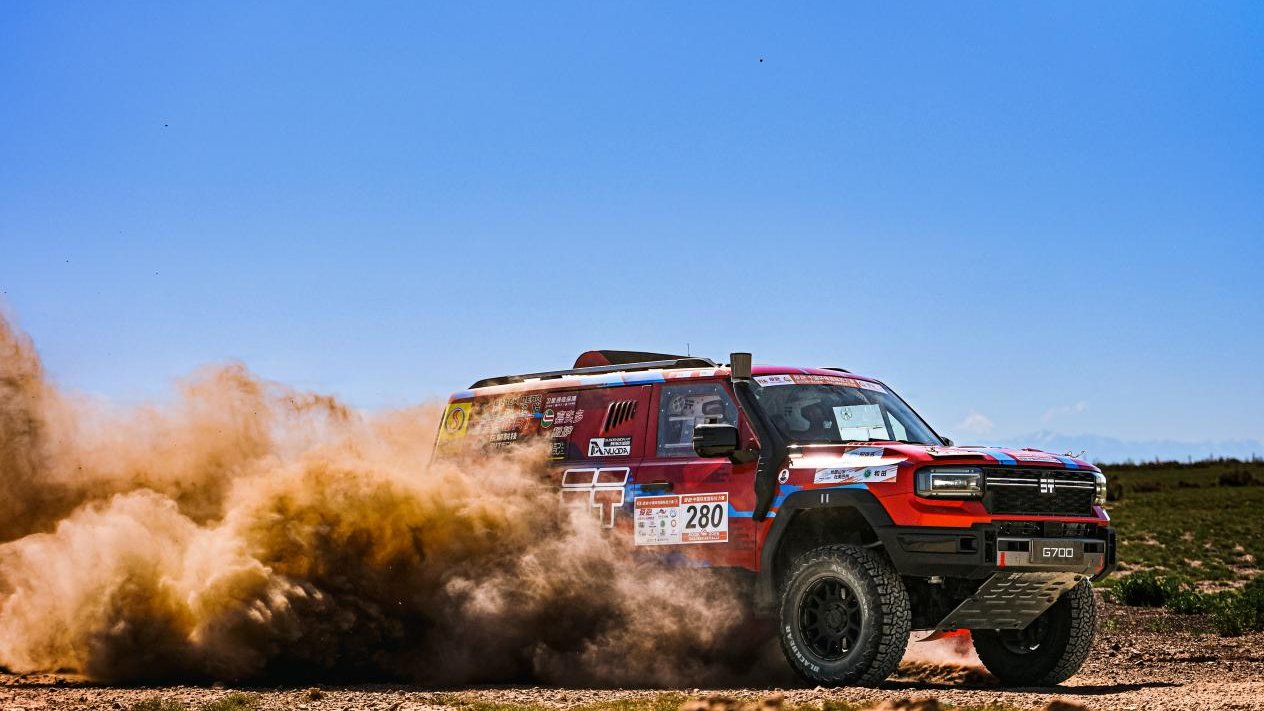

A factory-stock vehicle, a 2.0T hybrid, and the toughest track in history—the Zongheng G700/F700 tell the world with real strength, "Off-roading stopped being about displacement a long time ago!"
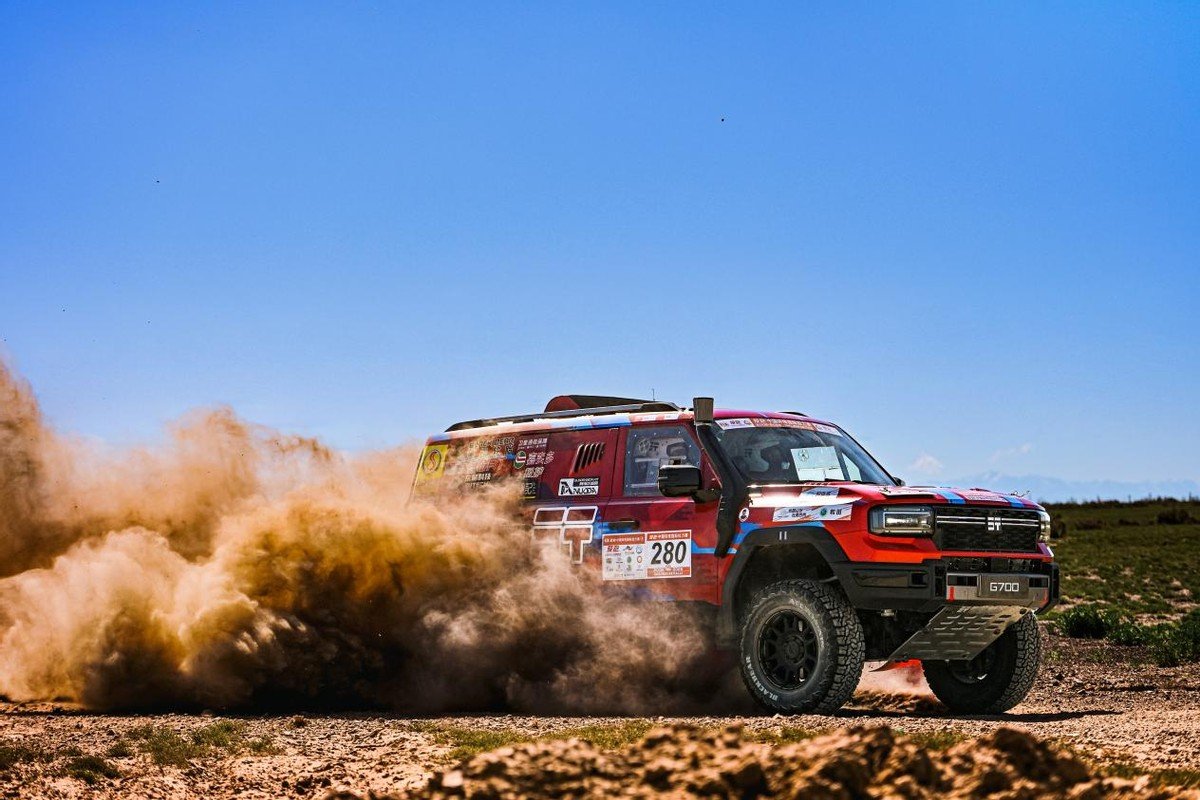
The 2026 Taklimakan International Rally came to a close in Aksu. Over 17 days and nearly 7,500 kilometers, with high temperatures, gobi desert, sand dunes, and steep slopes pounding them in turn, this edition of the Taklimakan was called the "toughest in history" by veteran drivers. But on such a purgatory-level track, Zongheng, with two "factory-stock vehicles," the G700 and F700, actually took the runner-up spot in the T2.E class manufacturer team standings.
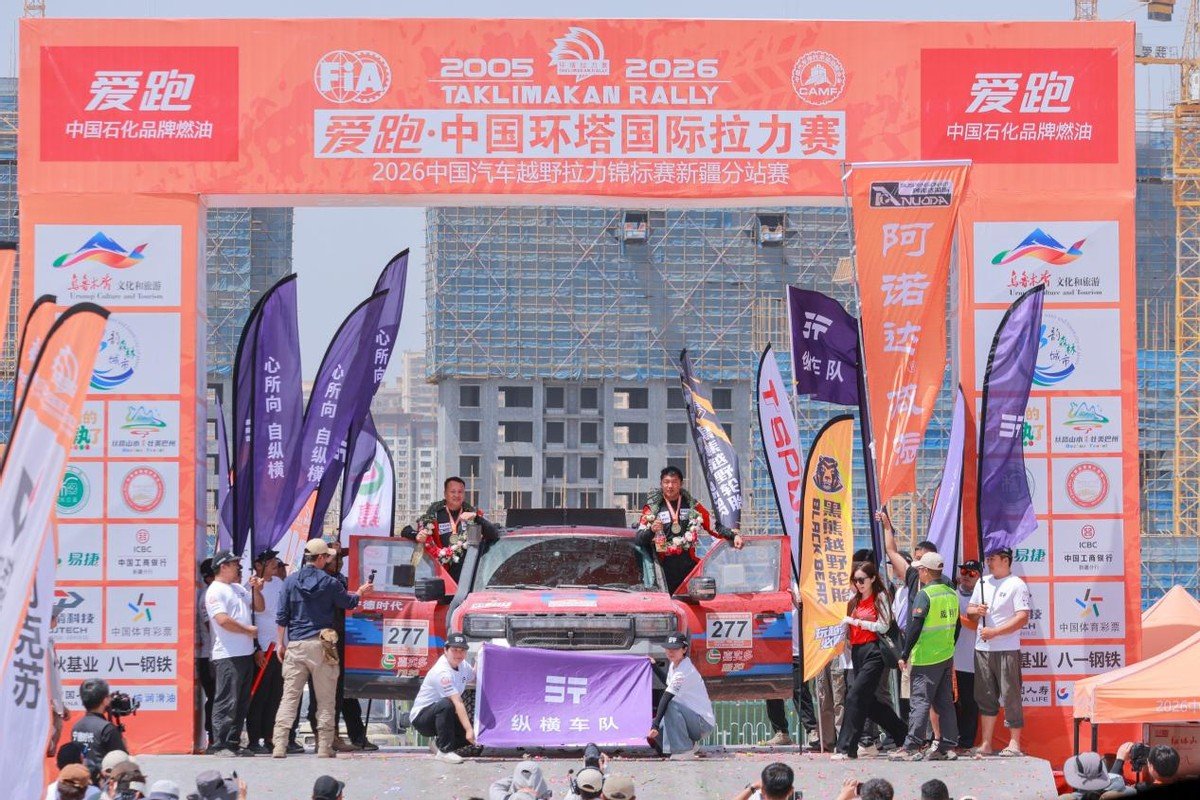
First, a quick primer for those unfamiliar: the Taklimakan is not an ordinary rally. It is Asia's top-tier event and one of the very few extreme races in the world comparable to the Dakar. This year's course stacked 70°C surface temperatures, continuous dunes, gobi washboard roads, and canyon gravel... Not to mention production cars—even professionally modified vehicles frequently withdrew.
Behind "racing before launch" is true product confidence
Many automakers today like to do "track marketing": modify the suspension, change the tires, flash the ECU, and then dare to claim they have racing DNA. Zongheng plays it differently. The G700 and F700 were entirely factory-stock, down to production-spec tires.
What does that mean? It means the car you buy at the 4S dealership is the same one that ran the Taklimakan. Chassis, powertrain, four-wheel drive, thermal management—none of it had a "special tune."
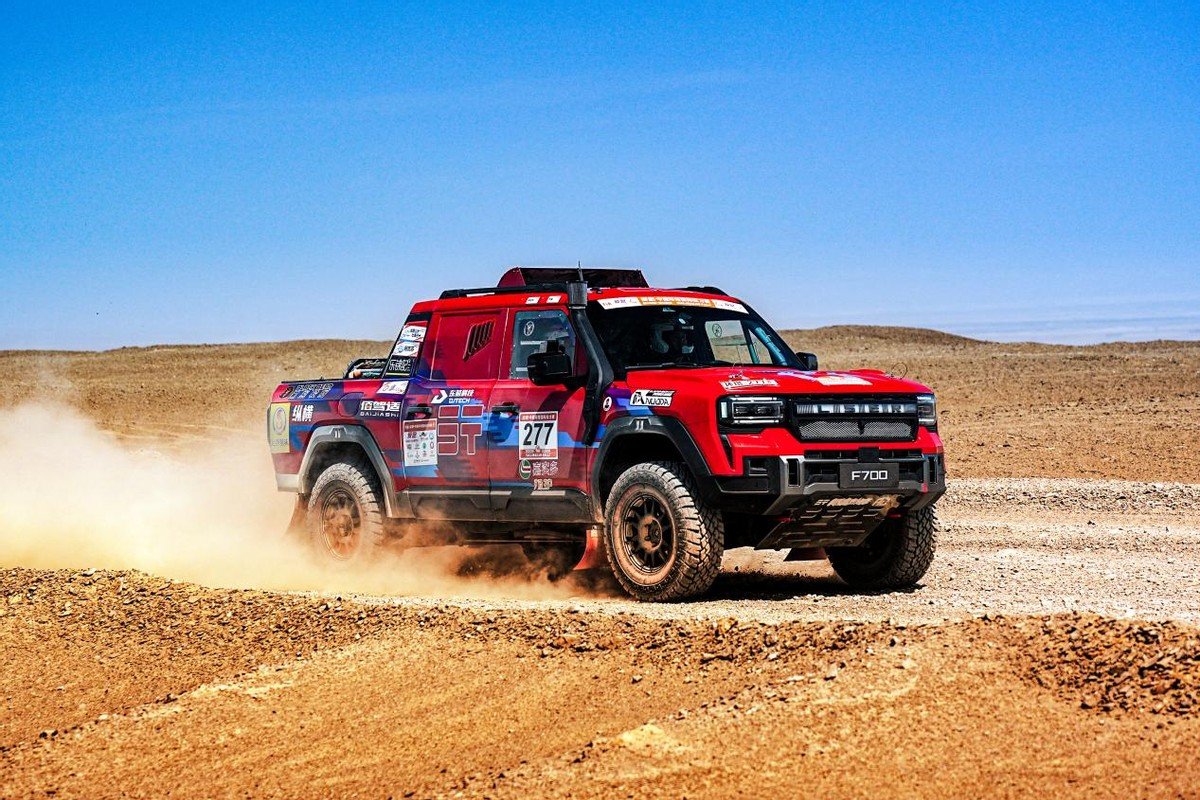
The F700 especially, as a full-domain luxury off-road pickup, entered the toughest competition class before mass production and went head-to-head with the industry's top modified teams. This can no longer be explained by "courage." This is absolute trust in its own engineering team and in the Kunpeng Super Hybrid CDM-O system.
2.0T decoupled four-wheel drive breaks the "displacement superstition"
Traditional off-road circles have an obsession: big displacement = the hard truth. But the 2.0T hybrid system in the Zongheng G700/F700 delivers a combined 904 horsepower and 1,135 N·m of combined torque. You read that right: a vehicle weighing more than two tons, with a 2.0T hybrid, puts out nearly a thousand horsepower.
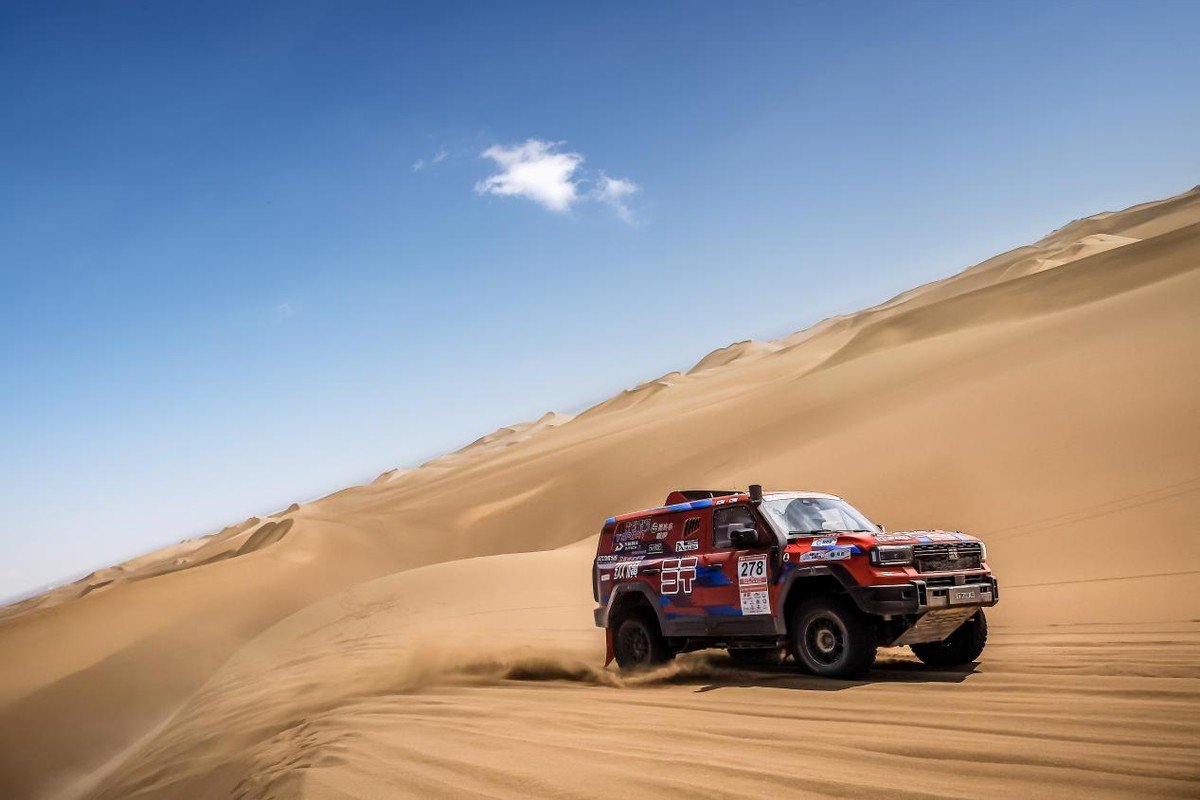
The key is that under extreme high temperatures, continuous hill climbs, and long-distance high-load conditions, the power has zero fade. This benefits from the 800V high-voltage platform, full-domain thermal management, and millisecond-level electric drive response. People used to think EVs and hybrids would "wilt" in the desert. Zongheng used the Taklimakan track to slap all the doubters in the face.
Now for the four-wheel drive. Zongheng's decoupled 4WD system has front/rear dog-clutch mechanical locks plus an energy center lock, with lock engagement response in 1/50 second. The rear-axle P4 motor can also achieve two-speed torque multiplication, with instantaneous torque exceeding 10,000 N·m. Combined with the GAIA full-domain intelligent control system, AI stereo vision plus multi-sensor fusion identifies desert climbs, washboard roads, and continuous dunes in milliseconds, distributing torque in real time.
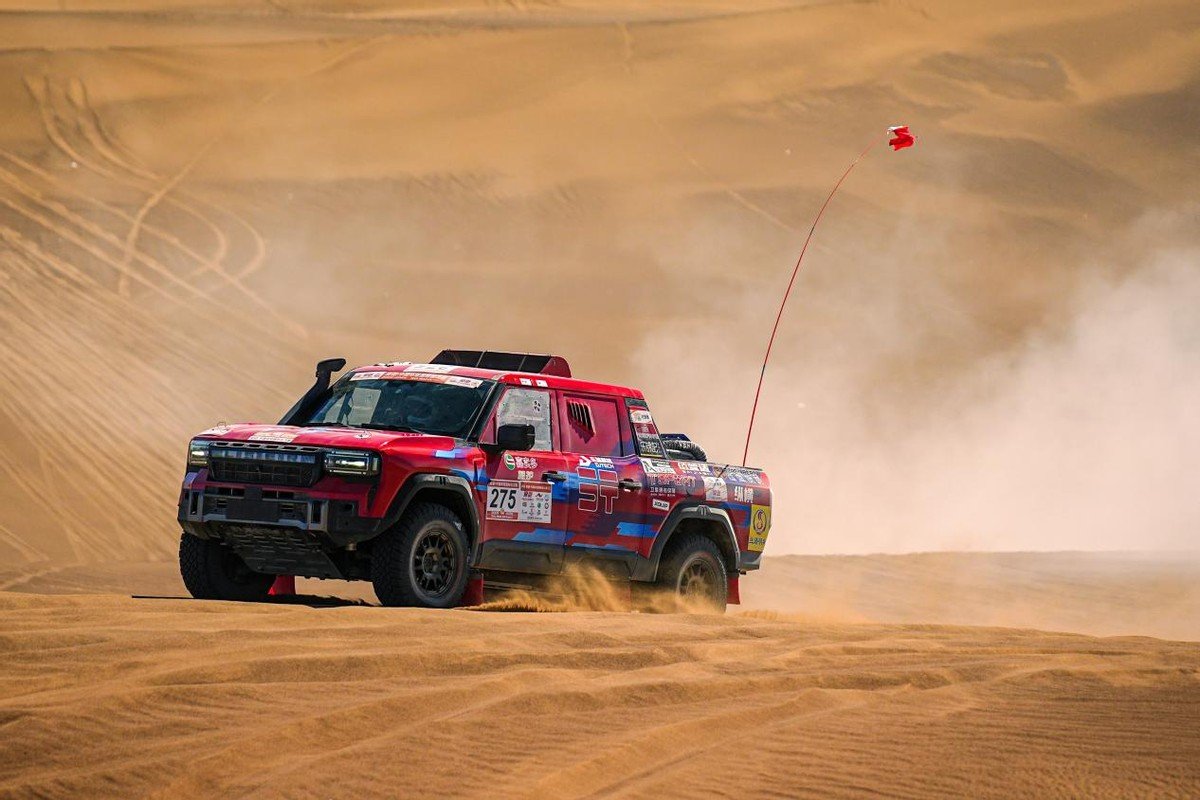
The performance of this system in the Taklimakan can be summed up in one phrase: smooth as flowing clouds and water.
Entering with factory cars is not about winning, but about "protecting"
Zongheng's competition logic is quite interesting: they do not chase the fastest stage times; they pursue "racing as testing." Every stretch of high temperature, every jump, every hard brake is a sample of a production car's extreme operating conditions. Post-race data feeds back into R&D, and the iterated chassis tuning and thermal management strategies ultimately go into the next car you buy.
This approach of "racing and users sharing the same source" stands in stark contrast to brands that use modified cars to chase lap times while their production cars are completely different.
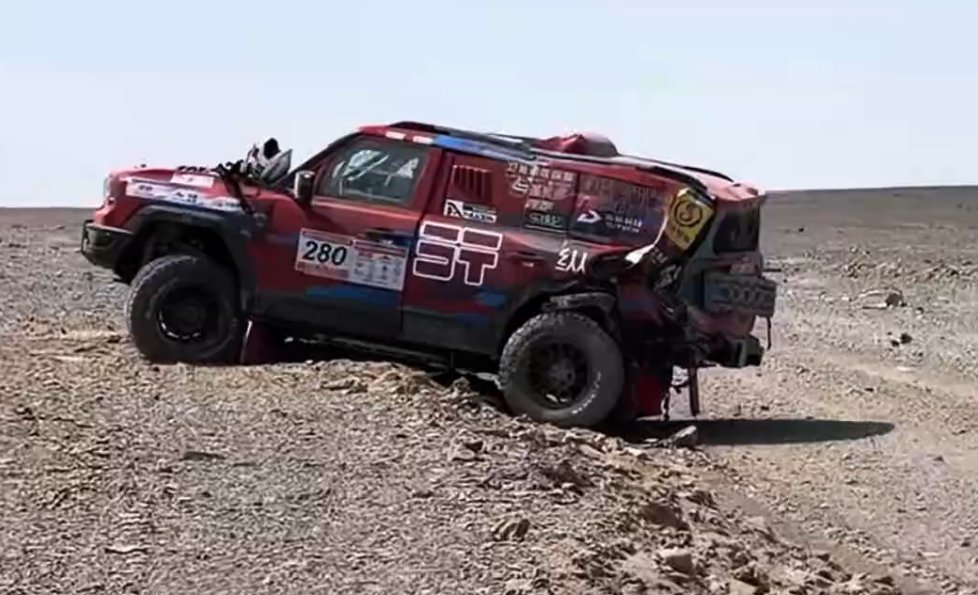
Even more rare is the "human touch" on the track. Zongheng's No. 280 race car was hit, and the team worked through the night to repair it and insisted on finishing; when a teammate got stuck in the sand, drivers stopped to rescue and tow each other, never abandoning, never giving up. Isn't that the truest form of off-road spirit?
Summary: From track to life, Zongheng is building an off-road culture circle
The meaning of the Taklimakan to Zongheng goes far beyond a medal. The brand has made it clear that in the future it will regularly open the Taklimakan track as an off-road experience route for owners, so ordinary people can set foot on professional stages and feel the charm of extreme crossing.
This move is very clever. Off-roading cannot belong only to professional drivers and hardcore modification fans; it should become a lifestyle for people who love the outdoors and pursue high-quality living. From hardcore products to circle culture, Zongheng is building a warm and stylish off-road ecosystem.


