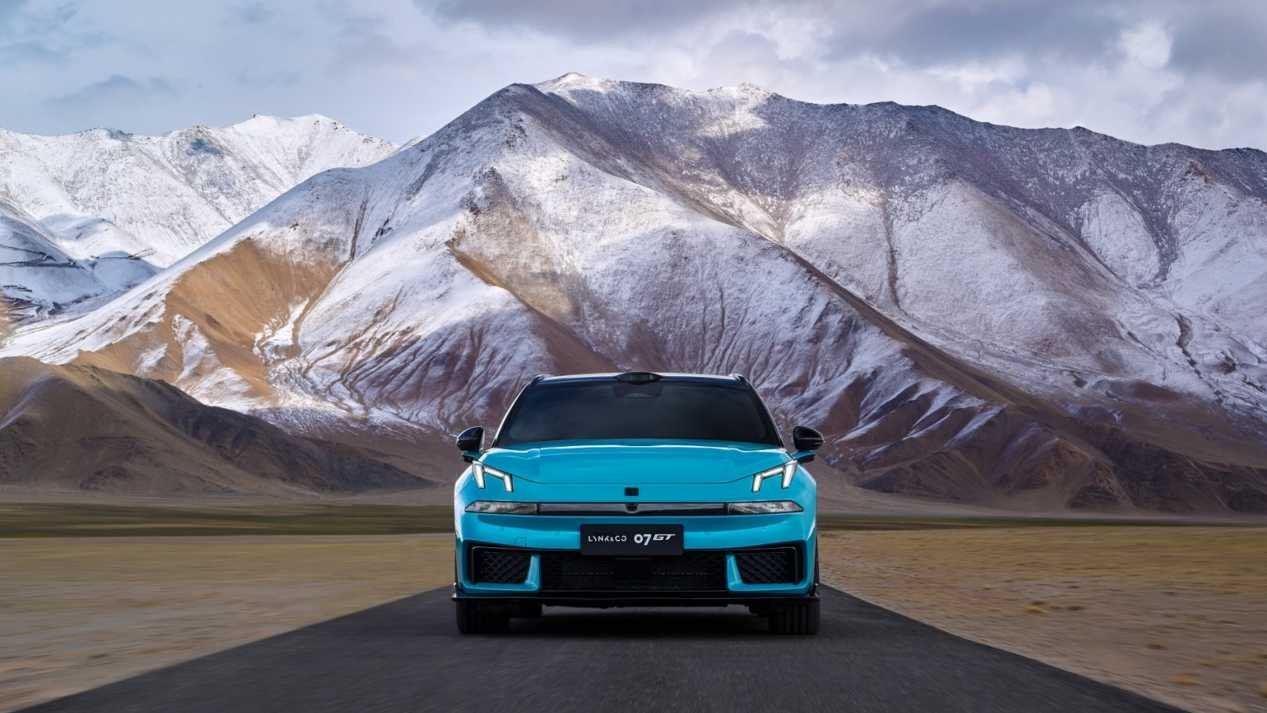

GT models have been sold in China for so many years, so why have they always remained a toy for a minority? The good-looking and good-driving ones are not friendly in price; the ones that are affordable lack a true GT soul.
There are many cars in China labeled GT, shooting brake, or wagon, but when you break it down, the products that truly combine a performance chassis, practical space, and long-distance range can be counted on one hand. Joint venture brands are priced high, imported cars are even more expensive, and below 200,000 yuan you cannot find a GT that achieves all three. If you want to cover commuting, mountain driving, and long trips across all scenarios, you either spend over a hundred thousand more or compromise on configuration and make do.
In the past, "critically acclaimed but commercially unsuccessful" was not because Chinese consumers did not love wagons, but because there was no truly competitive one.
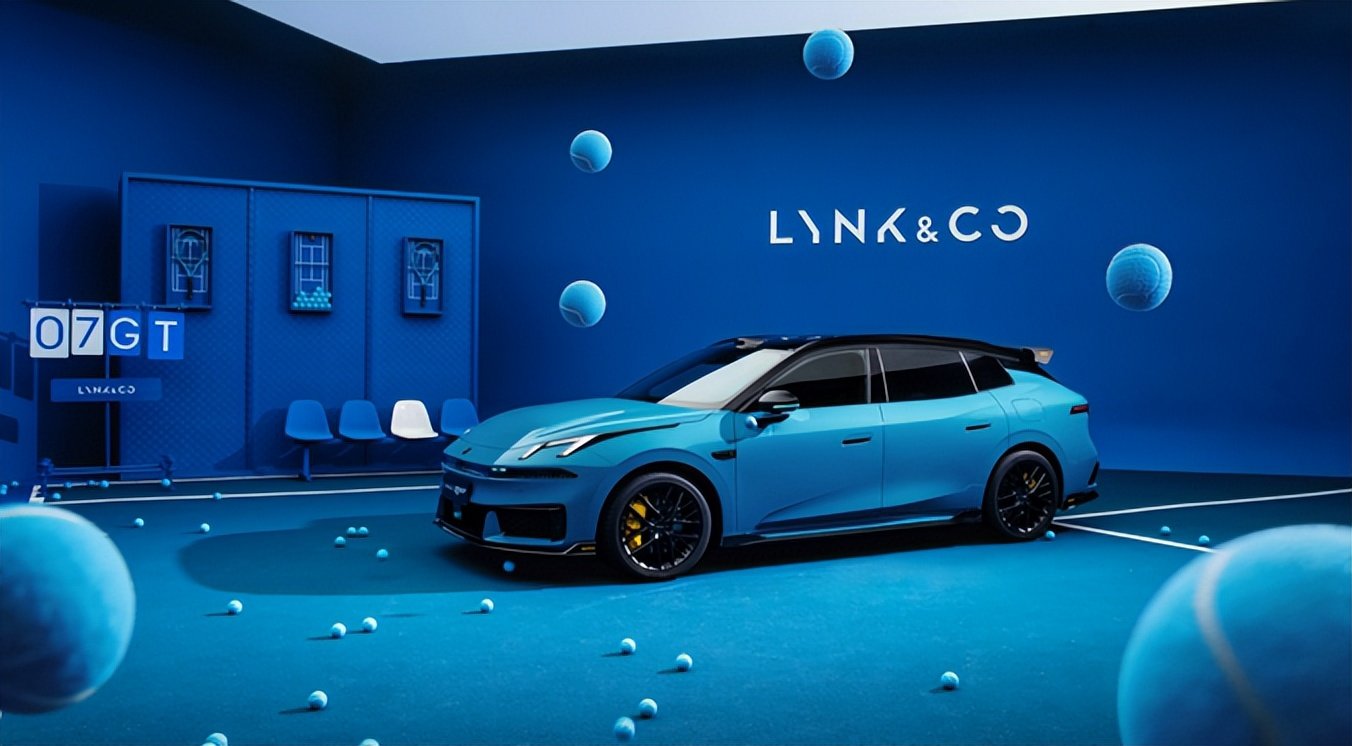
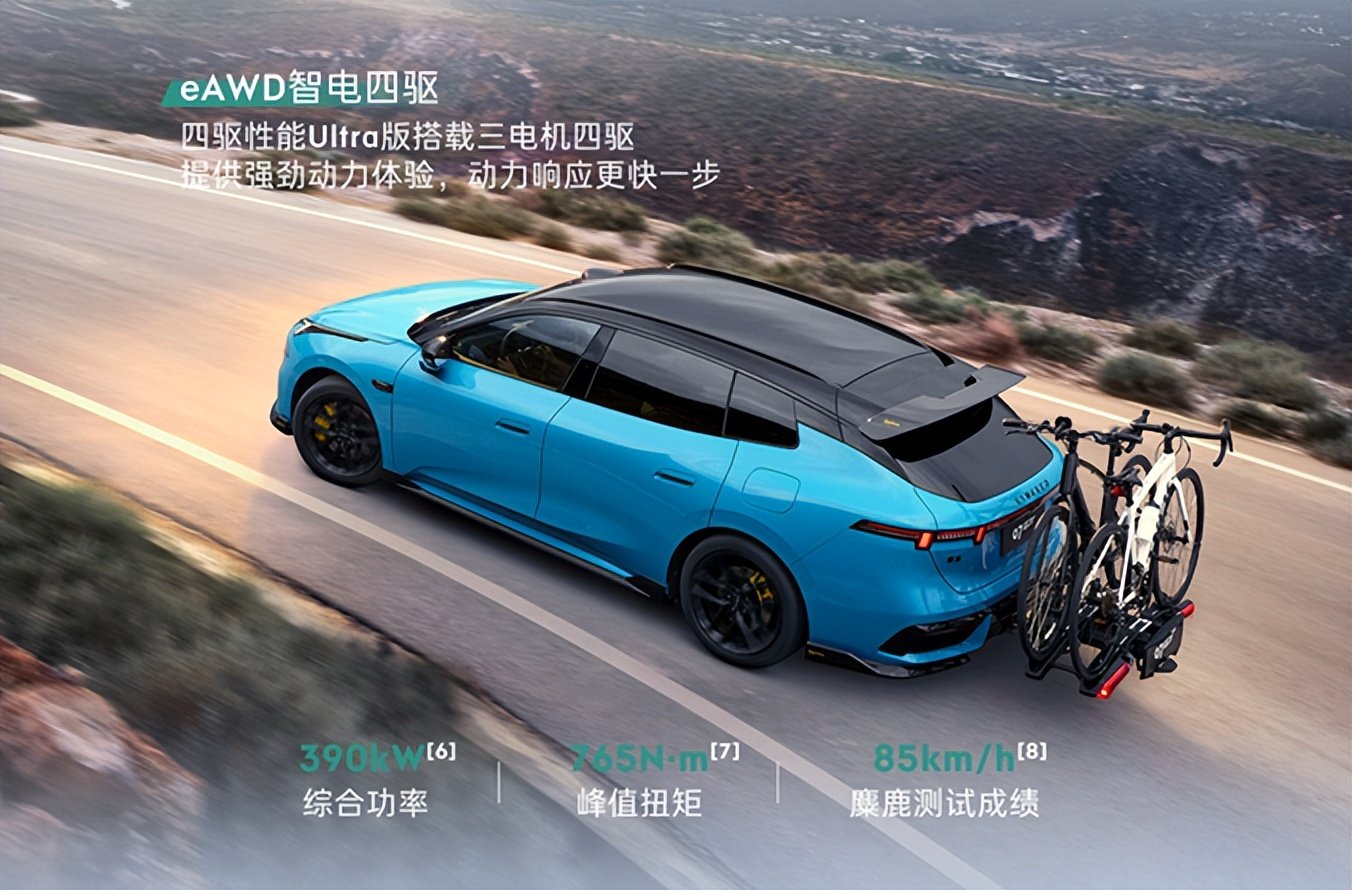
With the launch of the Lynk & Co 07GT, the value anchor of GT has been pulled down to 145,800 yuan for the first time. MRC magnetorheological suspension, a technology from million-yuan supercars, has been brought down to a car costing just over 100,000 yuan; an 85 km/h moose test result puts its handling limit on par with performance cars. The EM-P plug-in hybrid balances low fuel consumption with a 1,422 km long range. The Chinese GT market has been waiting for this car for a long time.
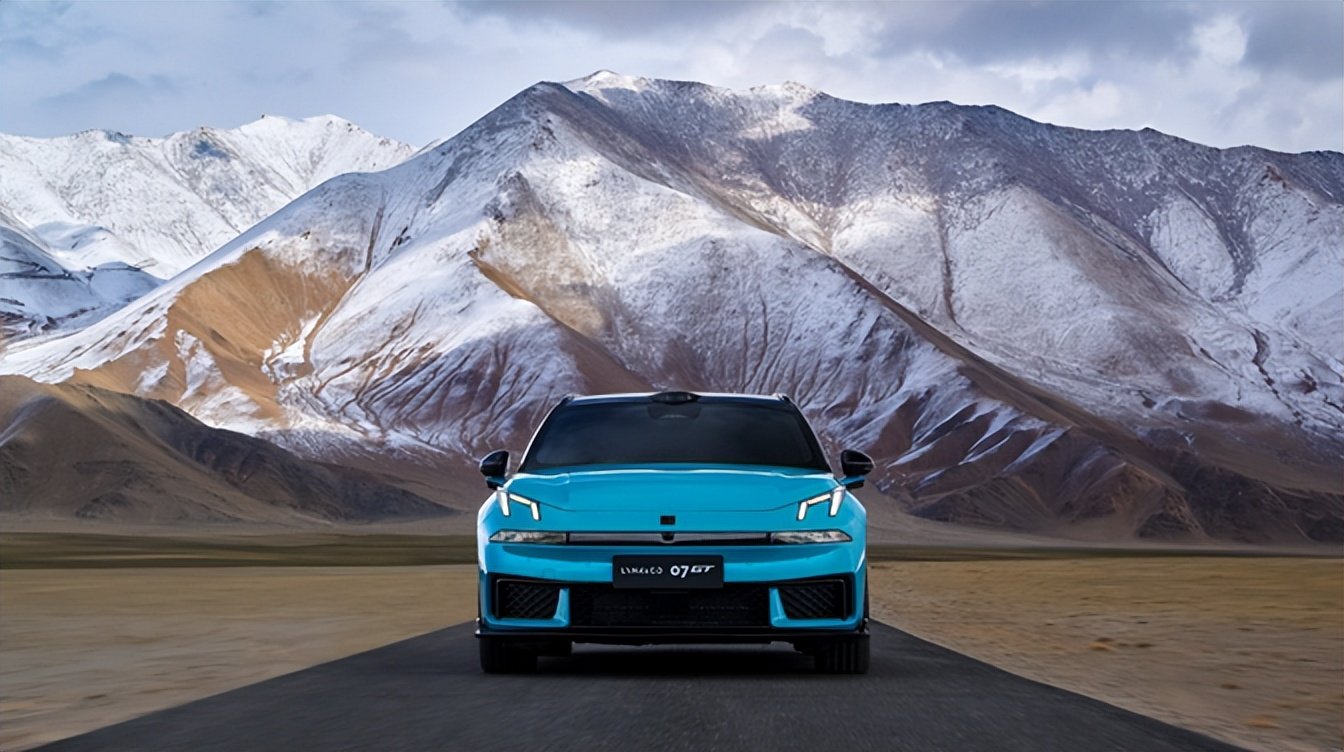
What gives the Lynk & Co 07GT its edge?
The first keyword: price disruption
Traditional fuel-powered wagons, such as the Audi A4 Avant and Volkswagen Variant, are mostly concentrated above 260,000 yuan; for pure electric wagons, the NIO ET5T starts at 298,000 yuan and the Zeekr 007GT starts at 209,900 yuan. Lynk & Co uses a plug-in hybrid solution to directly push the price down to a starting point of 145,800 yuan—there is no direct competitor among 150,000-200,000 yuan class shooting brakes.
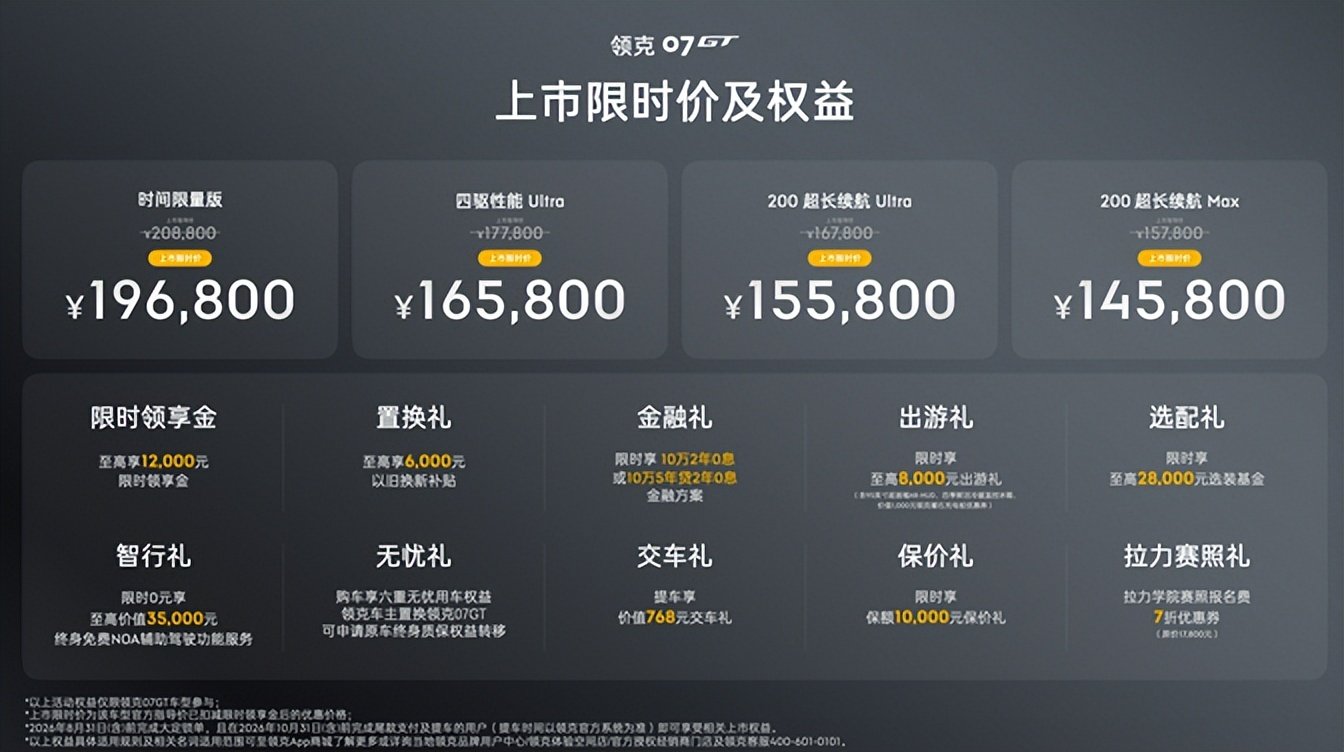
The second keyword: technology trickle-down
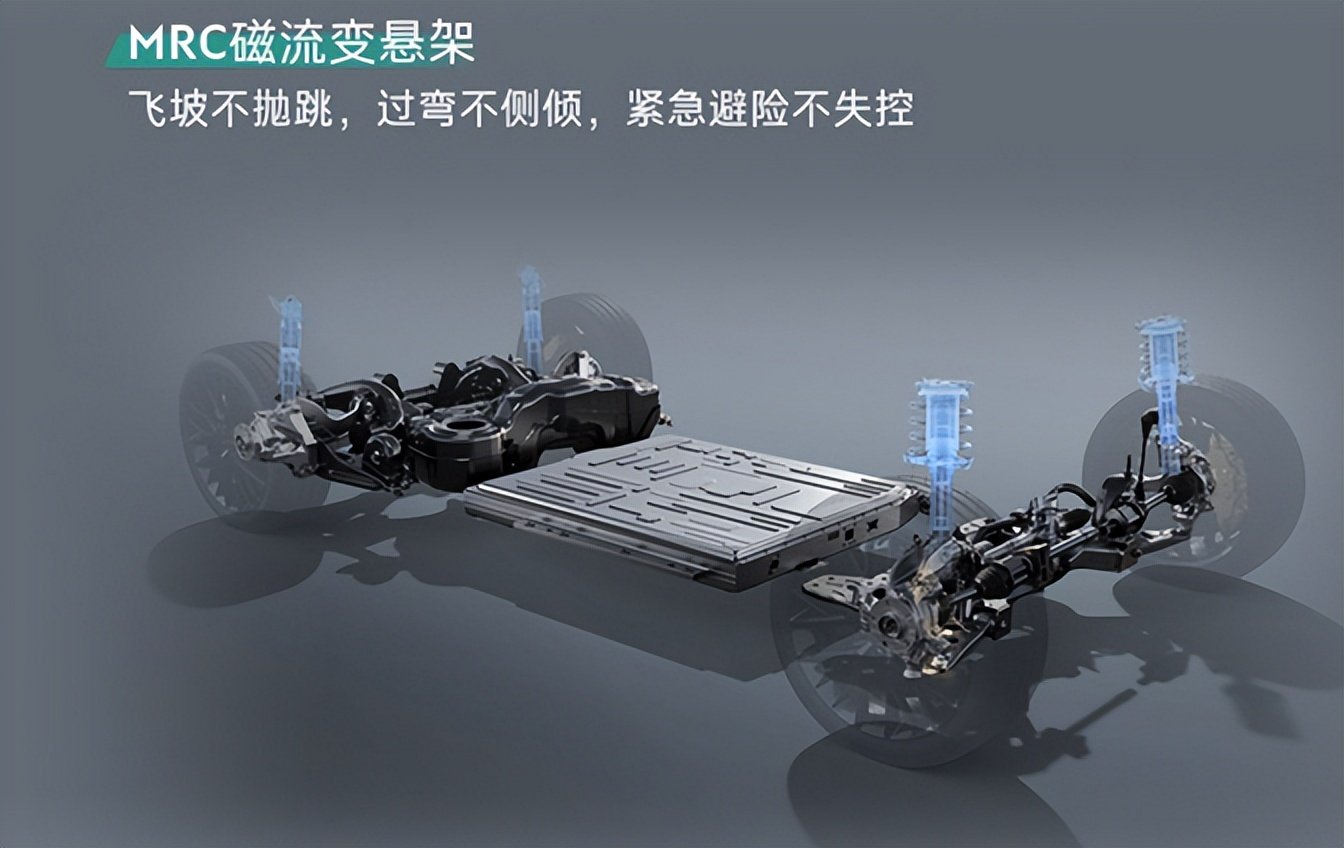
The all-wheel-drive version of the Lynk & Co 07GT is equipped with MRC magnetorheological suspension. This setup was previously basically seen only on million-yuan performance cars; the Chevrolet Corvette and Ferrari Daytona SP3 use the same origin technology. The suspension response time is 1 millisecond, and it can complete 1,000 damping adjustments per second. With an 85 km/h moose test result, the official claim is that this is first among wagons globally. Even more impressive is that CATARC also conducted two extreme condition tests: 82.1 km/h with a roof box installed, and 81.9 km/h with a trailer attached at the rear. Handling remains on point even when fully loaded for travel and fitted with additional equipment—this is what a wagon should be like.
The third keyword: motorsport endorsement
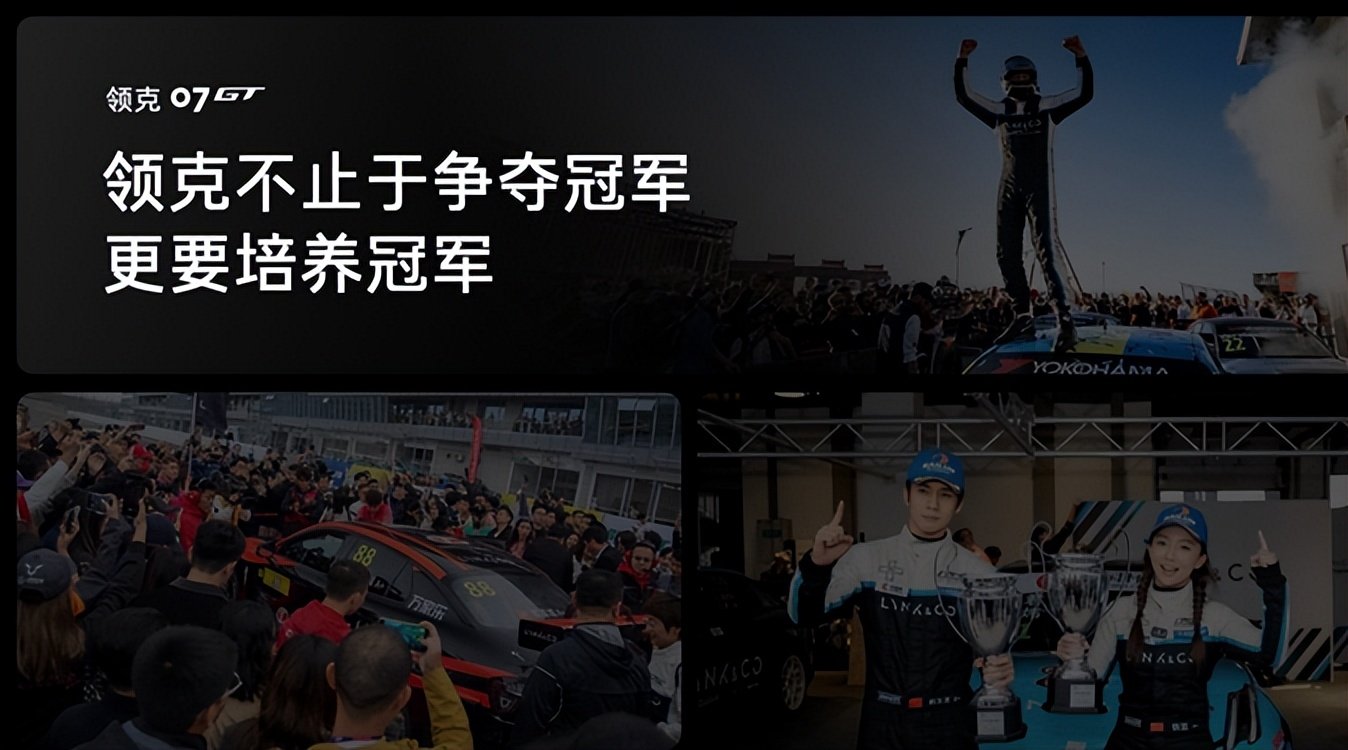
The Lynk & Co 07GT rally car has already appeared at the launch event and will represent Lynk & Co in a rally in August this year. Lynk & Co becomes the first brand to compete in the new energy hybrid group. Lynk & Co has won nine championships in seven years in TCR competition; from its first time on the TCR circuit in 2019 to now, it has stood on the podium 132 times. All the chassis tuning data accumulated over seven years of racing has been fed back into production cars. Now, moving from circuit racing to rally racing, it uses even more extreme road conditions to verify body rigidity and chassis durability. A wagon that can run rallies is one that can accompany users to any destination they long for.
The fourth keyword: market positioning
The wagon market is expected to grow to around 250,000 units in 2026. The NIO ET5T and Zeekr 007GT have already proven that demand for new energy wagons exists. In the past, wagons did not sell because they were expensive, low in configuration, and poor in fuel economy. The combination of plug-in hybrid + wagon precisely fills all the shortcomings. The two-wheel-drive version of the Lynk & Co 07GT has a fuel consumption of 5.08L/100km under low battery conditions, and a combined range of 1,422 kilometers with a full tank and full charge. Use electricity in the city and fuel for long trips, with no pure electric range anxiety.
To put it plainly:
Wagons being "critically acclaimed but commercially unsuccessful" in the Chinese market is nothing new. Joint venture brands have tried many times and never truly broken through. Lynk & Co choosing to launch a wagon at the brand's tenth anniversary is not a whim, but a long-premeditated battle for vindication.
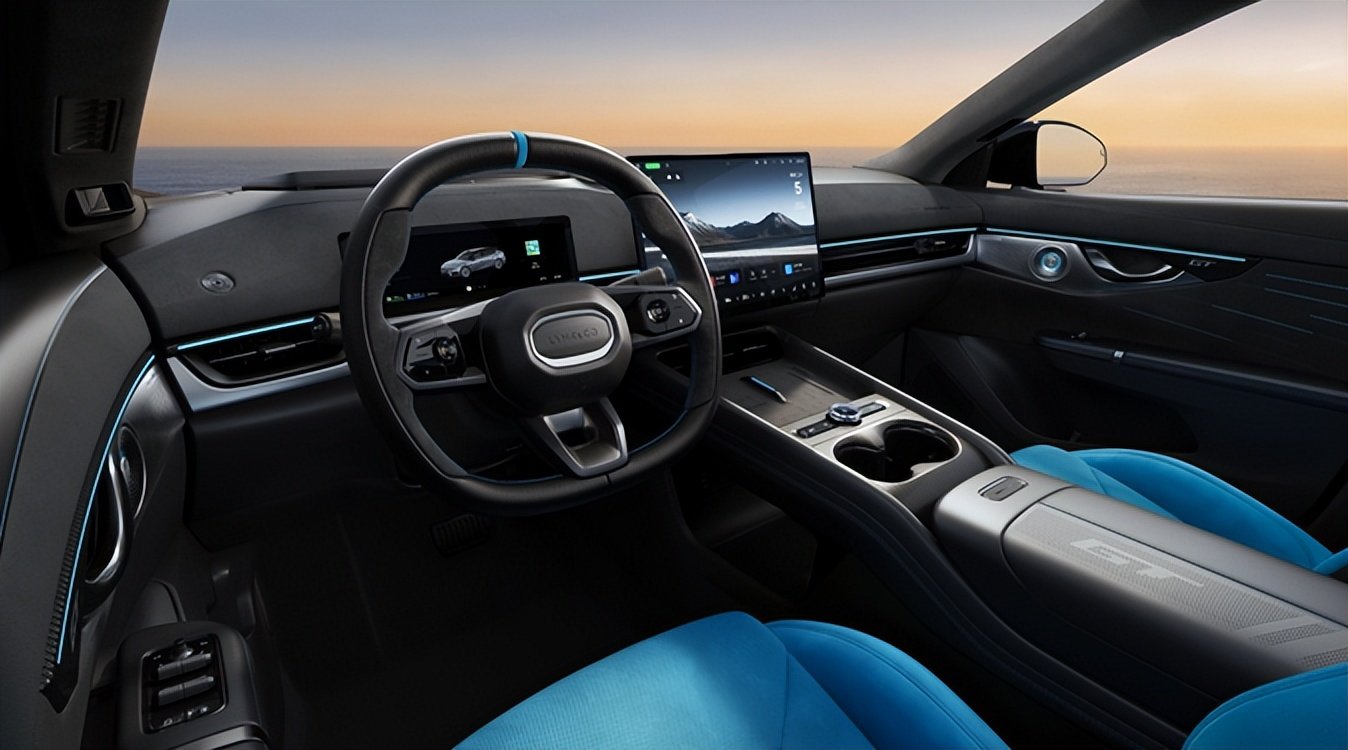
Starting at 145,800 yuan, MRC magnetorheological suspension, an 85 km/h moose test result, 1,422 km combined range, 1.6-ton towing capability, and 6kW external discharge—this is not a "nostalgia car," this is a wagon that speaks through hardcore product strength.
The arrival of the Lynk & Co 07GT gives the wagon category a "Chinese answer."


