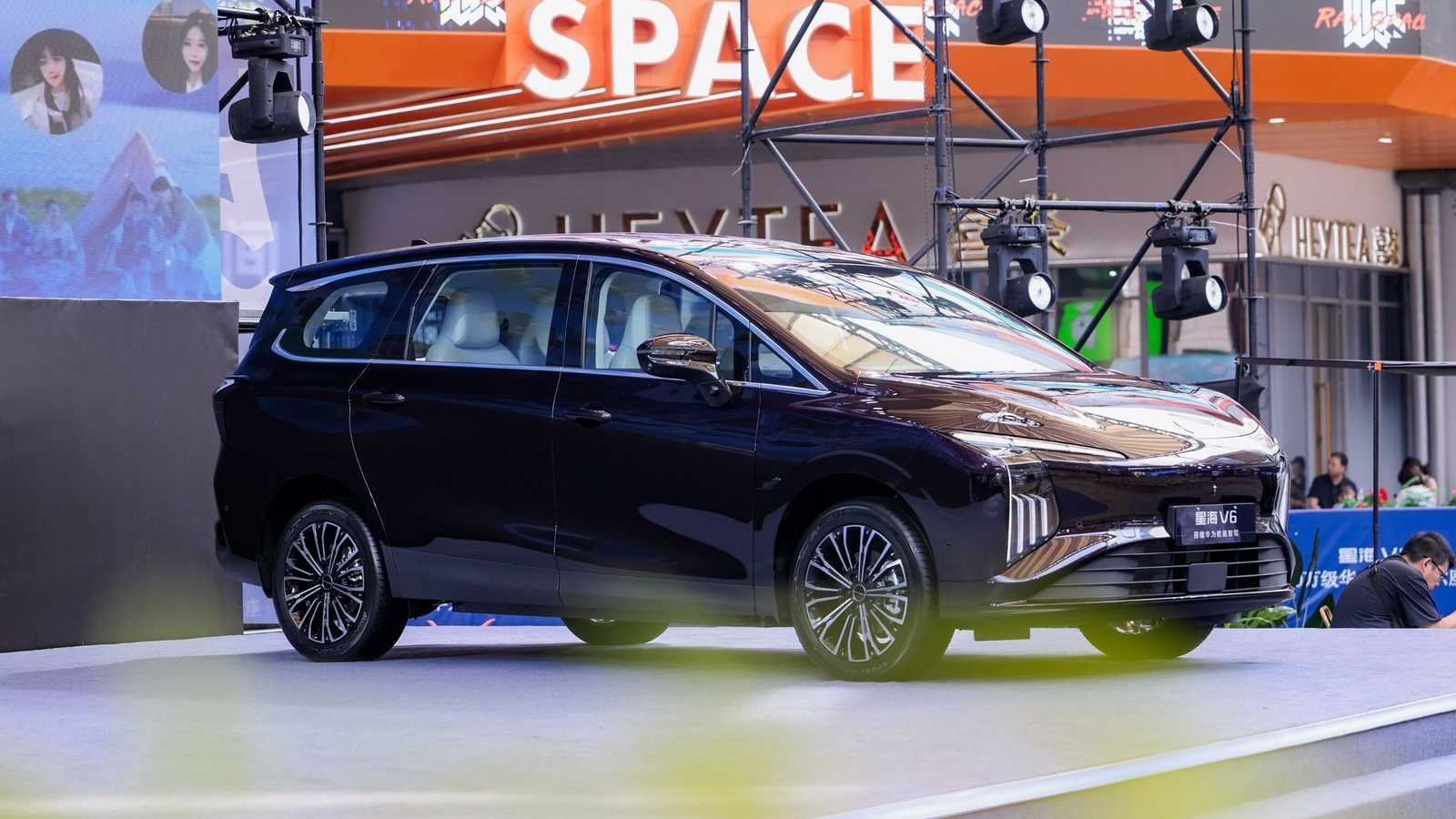
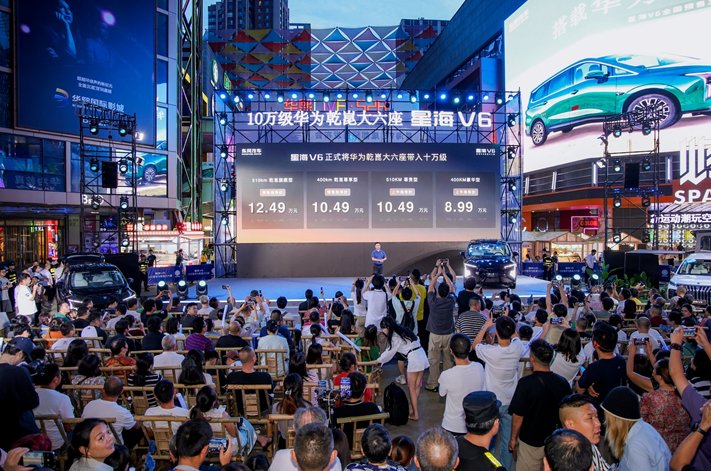
At the venue of the Star Sea V6 pre-sale launch event, when the pre-sale price of the 400km Qiankun Premium Edition was fixed at 104,900 yuan and the 510km Qiankun Flagship Edition at 124,900 yuan, a murmur rose from the audience—not exclamations of astonishment, but a sense of relief that said, "It's finally here."
Over the past few years, we have witnessed a collective charge by Chinese automotive brands into the high-end market. Intelligent electric products priced at the 300,000-yuan and 200,000-yuan levels have emerged one after another, and Huawei Qiankun Intelligent Driving has almost become the "standard narrative" for high-end models. But in the 100,000-yuan market that carries the vast majority of Chinese families, advanced intelligent driving and genuine three-row six-seat layouts have always been an equation默认 to have "no solution."
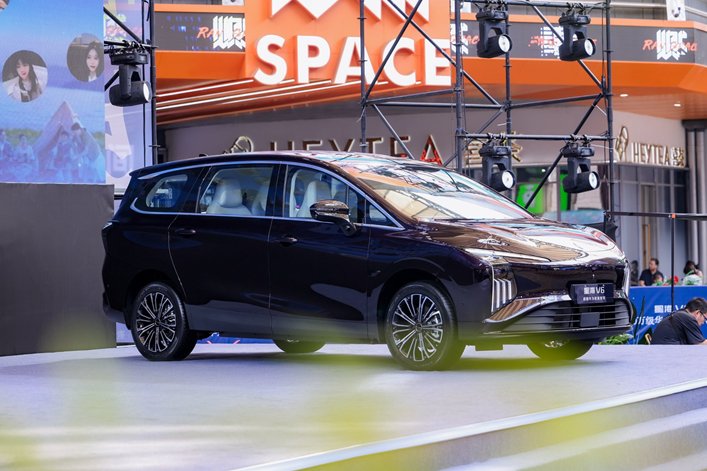
The Star Sea V6's approach to solving this equation precisely hits the blind spot of that equation.
Technology equalization has never been just a slogan
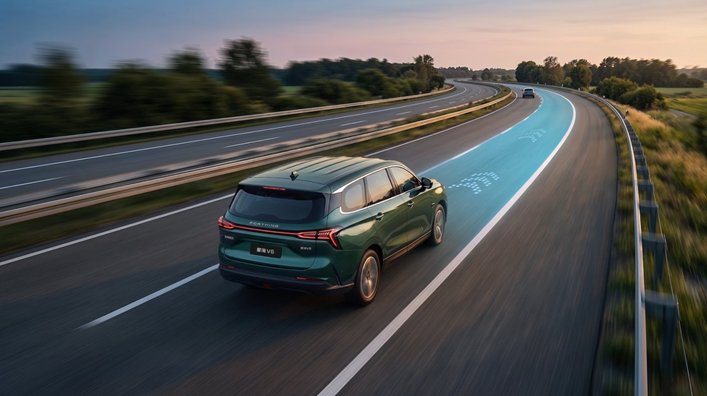
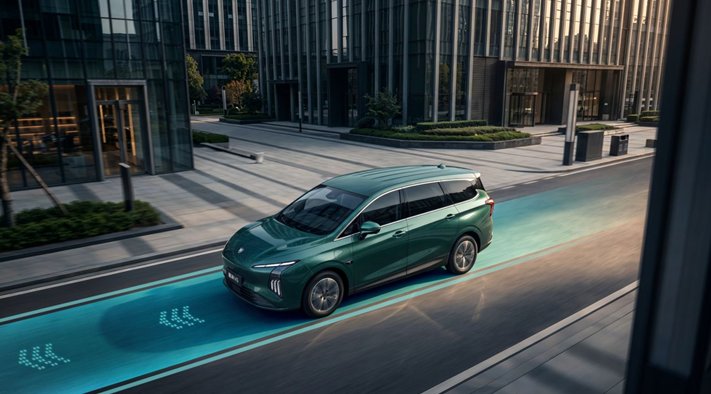
The core value of the Star Sea V6 can be summed up in one word: democratization. It is the only model in the 100,000-yuan market equipped with Huawei Qiankun Intelligent Driving ADS 5.0 system, with a hardware solution of 10 cameras + 12 ultrasonic radar + 3 millimeter-wave radar, covering functions including highway navigation cruise assist NCA, urban lane cruise assist LCC+, intelligent parking combination, and CAS 5.0 full-dimensional active safety system.
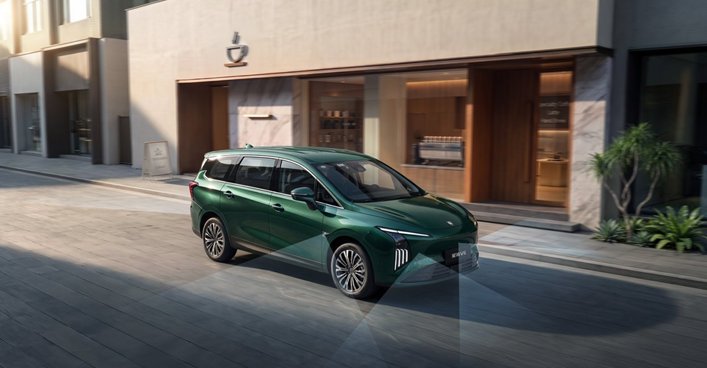
What does this mean? For parents who pick up and drop off their children during daily morning and evening rush hours, urban LCC+ can achieve full-speed-range automatic car-following, traffic light recognition, and anti-cut-in, so the right foot no longer repeatedly switches between the accelerator and brake; for families going on cross-city trips on weekends, highway NCA can intelligently merge on and off ramps and automatically change lanes to overtake, substantially reducing long-distance driving fatigue; for old residential communities and narrow underground garages, remote parking and memory parking basically dissolve the anxiety of "large cars are hard to park."
More importantly, this intelligent driving solution is not "castrated" between high and low trims and requires no additional paid subscription. At a time when "intelligent driving tiering and subscription fees" have become the industry norm, this sincerity of "treating everyone equally" is more persuasive than the price itself.
Four or six seats, a reconstruction of spatial logic
The space design of 100,000-yuan family cars has long followed the simple logic of "seat count first," with second- and third-row functions fixed, forcing users to compromise either daily commuting or family outings.
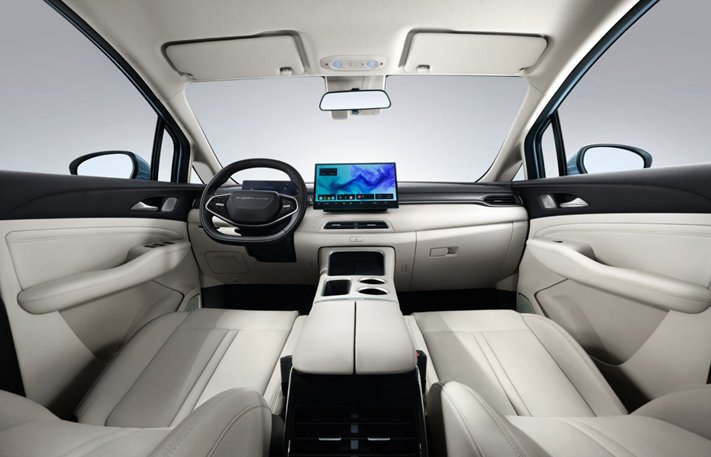
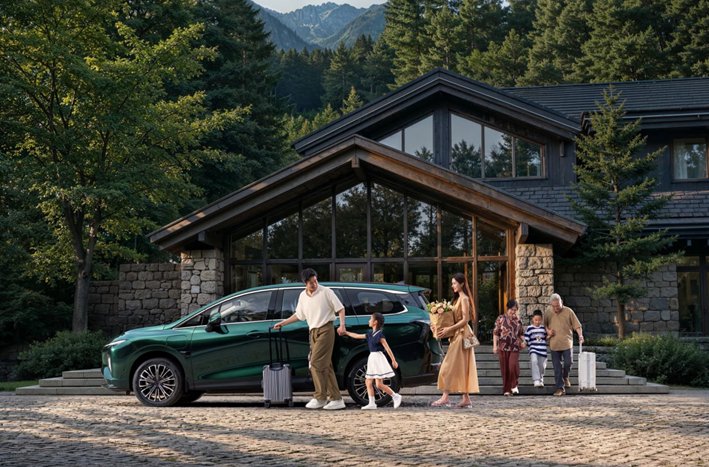
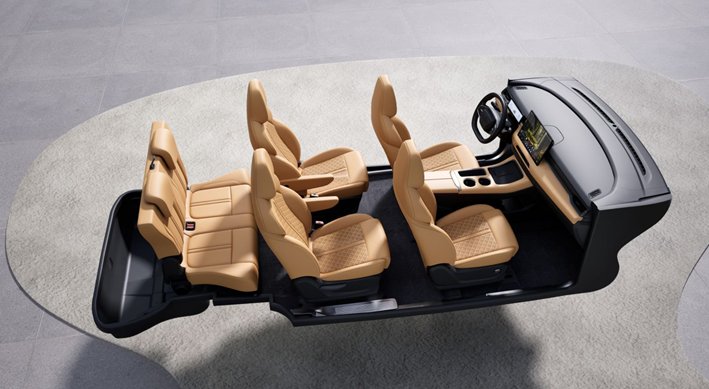
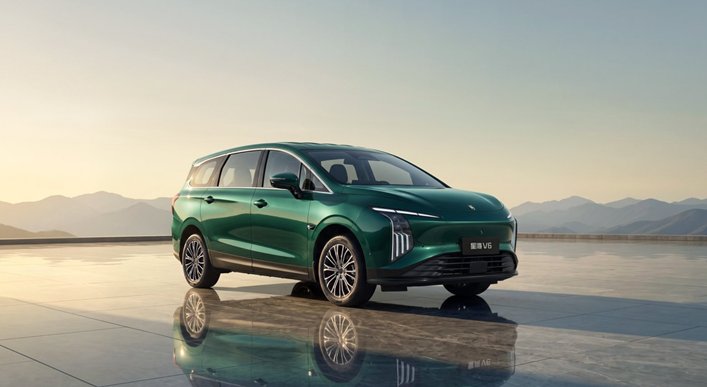
The Star Sea V6's Luban magic seats break this compromise. The vehicle length is 4835mm, the wheelbase is 2900mm, and it has a 2+2+2 six-seat layout. With all seats occupied, the trunk still has 513L, enough for six 20-inch suitcases; and when the third-row seats fold and sink in two steps, the vehicle instantly becomes a flat floor with a depth of 1380mm and an area of 1.63㎡, with expanded volume reaching 1630L.
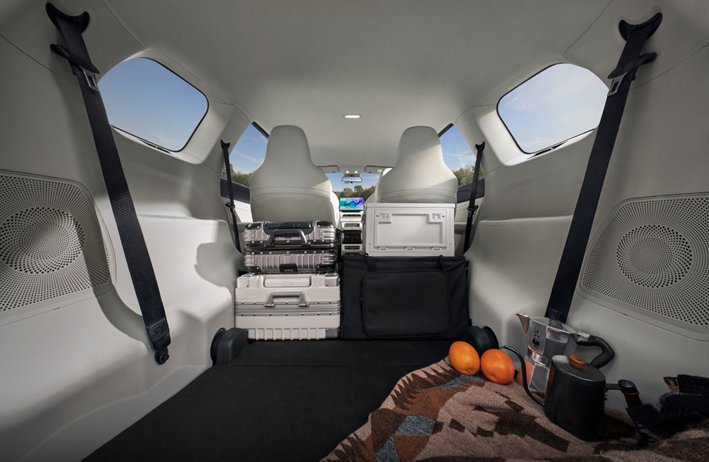
This logic of "four or six seats" precisely responds to the real rhythm of family car use: Monday to Friday, one or two people commuting, four seats out, with space so large it feels luxurious; on weekends, three generations traveling together, six seats fully occupied, everyone has a seat and luggage has a place. At the same time, the Star Sea V6 also offers a seven-seat version, further covering the differentiated needs of different families.
510km range, a rational return to "enough"
Data from China Automotive Research shows that 90% of users drive no more than 300 kilometers per week, averaging only 38 kilometers per day. This means that excessively stacking batteries to chase long range is, for the vast majority of family users, a double waste of cost and experience.
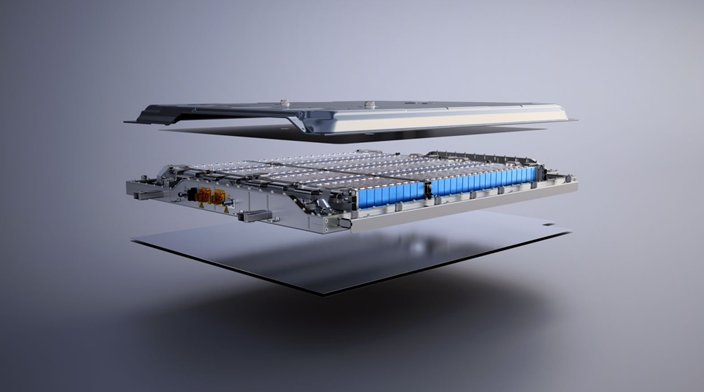
The Star Sea V6 is equipped with a 60.5kWh battery pack, CLTC range of 510km, urban energy consumption as low as 11.8kWh/100km, and a commuting cost of about 6 cents per kilometer. This is not a figure pursuing a "range parameter race," but a pragmatic choice after scenario calculation: one charge per week for urban commuting, and worry-free round trips for suburban outings.
Central enterprise car manufacturing and Huawei technology, a two-way journey worth watching
The underlying logic of the Star Sea V6 is the deep collaboration between Dongfeng Motor and Huawei over seven years. Since 2019, Huawei's IPD R&D system has been integrated into Dongfeng Fengxing's entire vehicle development process. From system introduction to joint development, seven years of running-in have made technology downward penetration possible. This is precisely the real confidence behind the Star Sea V6's ability to bring Huawei Qiankun Intelligent Driving into the 100,000-yuan class—not simple configuration stacking, but the systematic maturity of the entire chain of R&D, manufacturing, and supply chain.
Of course, the Star Sea V6 is not without compromises. The 135kW power output is adequate but not impressive among mid-size SUVs, and the front MacPherson and rear torsion beam suspension specification also points to cost control. But in the face of the value anchor of "100,000-yuan class equipped with Huawei Qiankun Intelligent Driving + genuine three-row six-seat layout," these shortcomings seem completely acceptable.
Finally
Starting from Chengdu, the Star Sea V6 will officially launch in September this year. It may not become a blockbuster with monthly sales exceeding 10,000 units, but it provides 100,000-yuan family users with an unprecedented option—an option where they no longer need to make a multiple-choice question among intelligent driving, space, and budget. This is the simplest and most powerful expression of "technology equalization."


