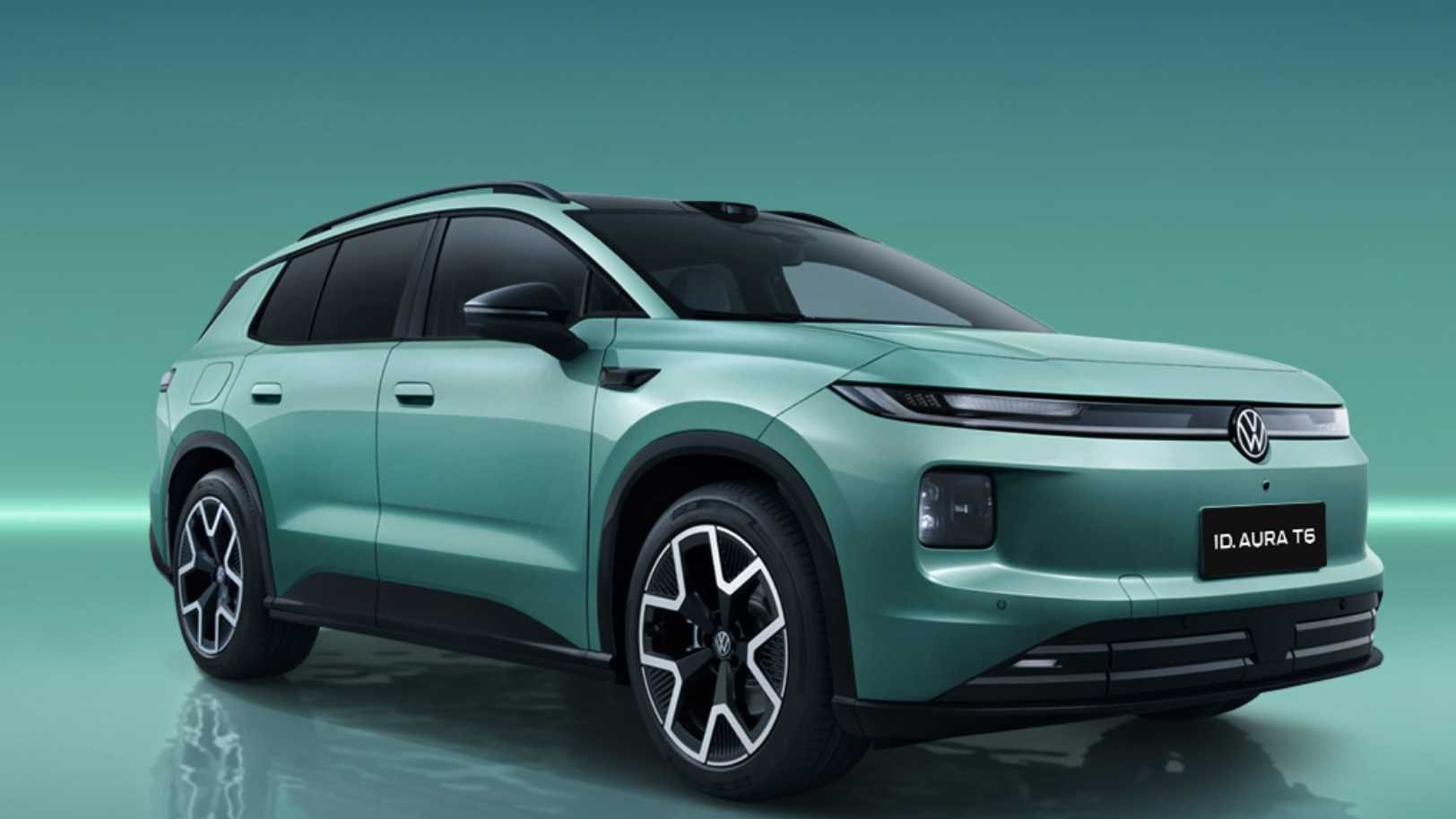

As the most important model for FAW-Volkswagen in 2026, the ID.AURA T6 has finally officially launched, with a market guide price of 129,900-166,900 yuan. This price can be said to be quite sincere.
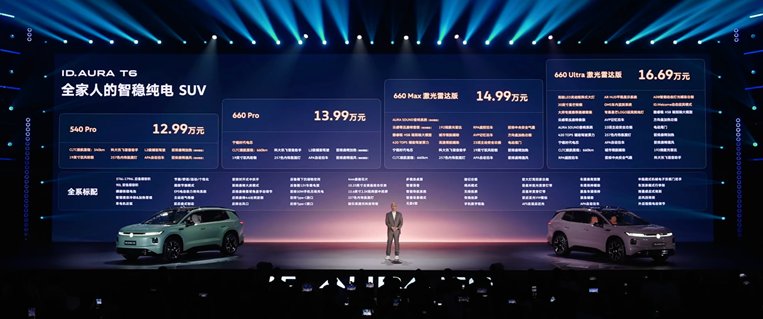
This time, FAW-Volkswagen has finally combined "German precision engineering" with "Chinese wisdom." It is not the kind of single-point showmanship of new forces, but rather aims at mainstream families, building a pure electric SUV that balances "quality and value, intelligence and reliability, driving control and comfort."
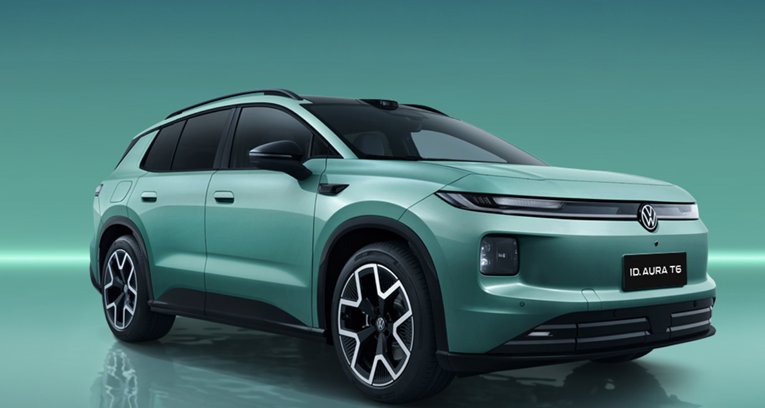
First, looking at its positioning, AURA is not a new name, but the answer of Smart Electric 2.0
The ID.AURA series carries FAW-Volkswagen's "Smart Electric 2.0" transformation mission. Broken down, AURA stands for Advanced, User-centric, Reliable, and All-access. T stands for Travel, and 6 implies the golden balance point, "good enough" compared with entry-level, and "worth enough" compared with flagship.
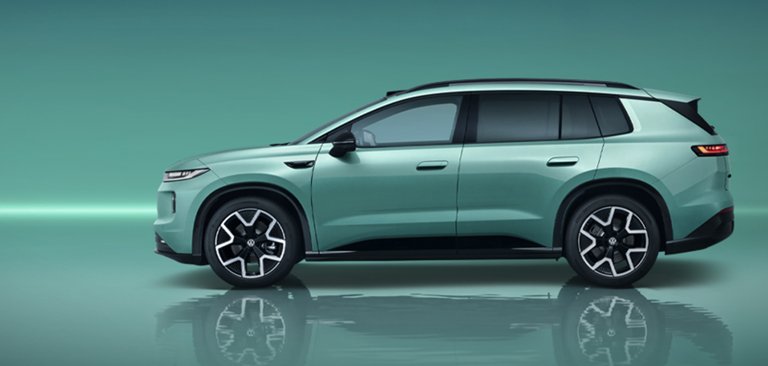
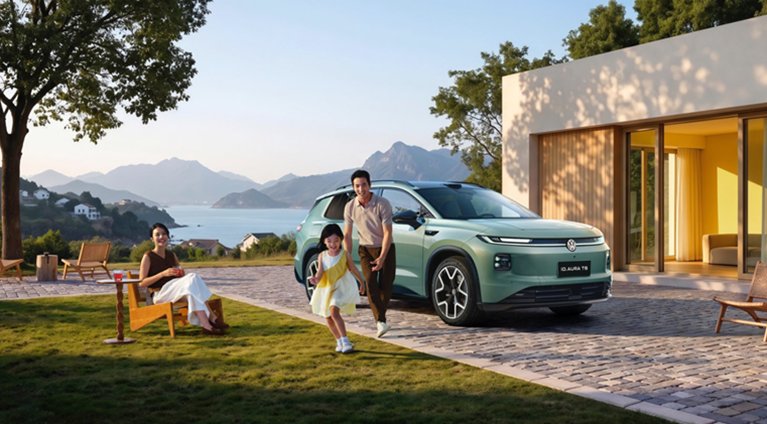
The ID.AURA T6 is positioned as a "smart and stable pure electric SUV for the whole family," with target users being pragmatic married people with children. They refuse to follow the crowd and reject flashy false needs. Their core anchors are German safety, mechanical quality, and pragmatic companionship. Dimensions are 4811/1879/1648 mm, with a wheelbase of 2836 mm; CLTC range is 660 km/540 km, equipped with 77.5 kWh and 59.9 kWh lithium iron phosphate batteries respectively. Clearly, it is aiming at the mainstream family market.
The key word for the Yunqi cockpit is "human feel"
Intelligence is a major highlight of this car. The CEA electronic and electrical architecture adopts "central computing + zone control," a 4 nm automotive-grade chip, computing power of about 20 TOPS, integration of dual Linux + Android 3 systems, support for on-device large models and whole-vehicle OTA, and more than 1,200 reserved interfaces.
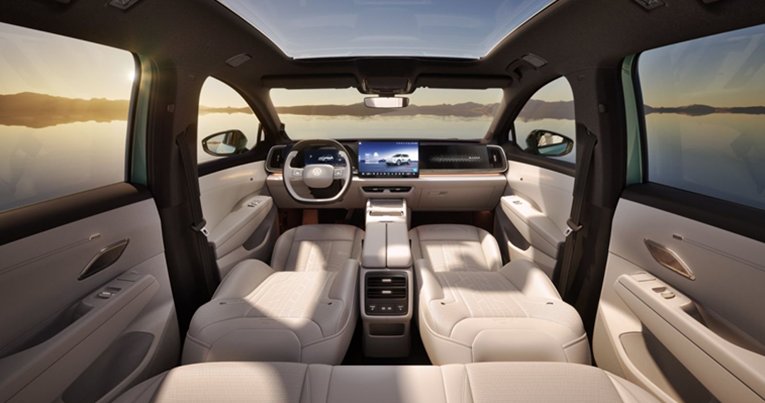
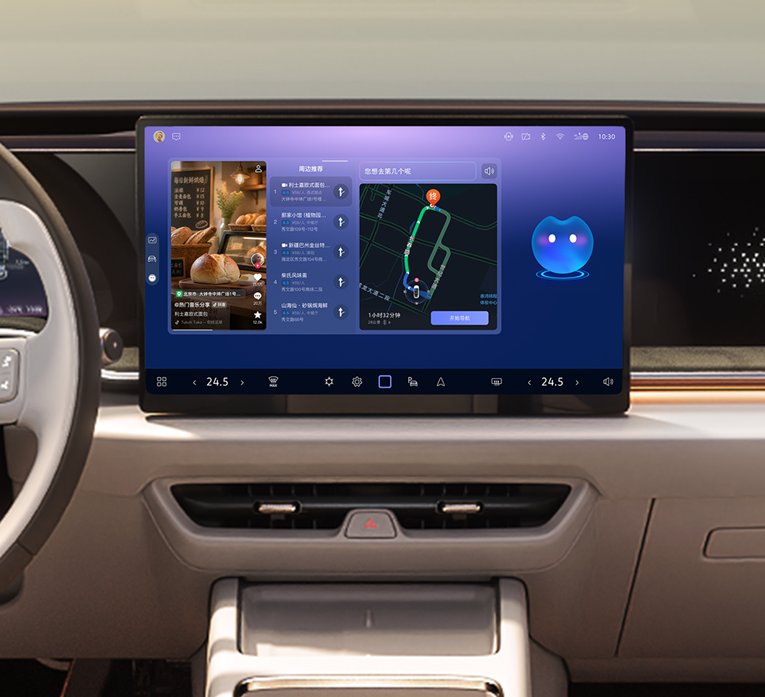
Cockpit hardware includes a 15.6-inch 2.5K central control screen, a 10.25-inch instrument panel, and a 25.8-inch AR-HUD, while the second row also supports a BYOD magnetic interface. More critical is the experience: the AI smart desktop can proactively push commuting traffic conditions and traffic light countdowns; the AI vehicle assistant, travel manager, and entertainment assistant cover navigation, food, and scenery recognition along the route; OMS in-cabin monitoring supports occupant recognition, fatigue care, and departure reminders; voice control supports 9 dialects, four sound zones, continuous dialogue, and voice cloning. Add to that the 18-speaker AURASOUND 7.1.4 Dolby Atmos, and this cockpit is not about stacking screens, but about active service centered on family scenarios.
Xingyun Smart Driving, has intelligent driving entered the first tier?
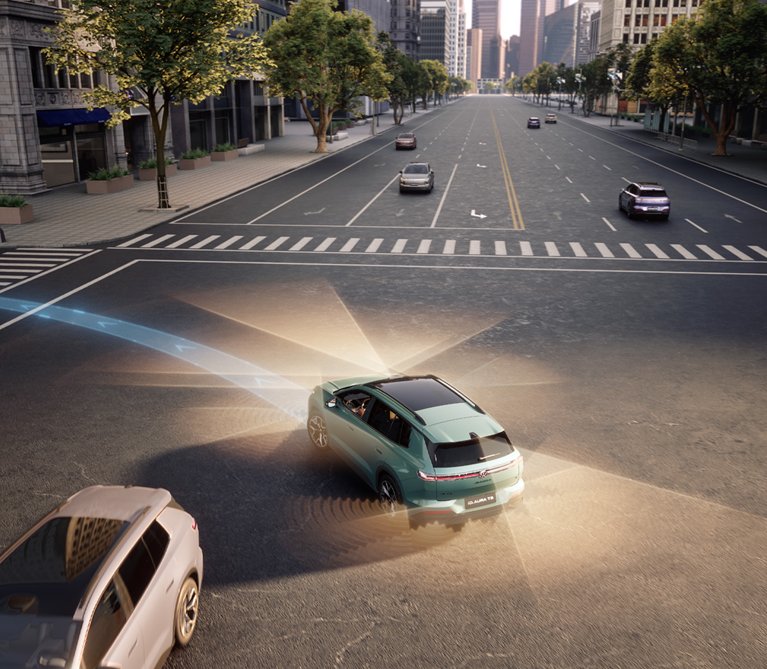
The ID.AURA T6 adopts the Coolray program, a joint venture between Volkswagen and Horizon Robotics. On hardware, it provides the Horizon Journey 6H chip with 420 TOPS of computing power, a 192-line lidar, and 25 high-perception sensors. In terms of functions, urban NOA covers 0-120 km/h with a takeover rate of 1 time/100 km; highway NOA has a takeover rate of 1 time/500 km; parking includes APA, RPA, roaming spot search, valet parking, and traceable reversing up to 200 meters. Active safety includes AEB braking up to 120 km/h, RAEB, false acceleration suppression, door opening warning, and more.
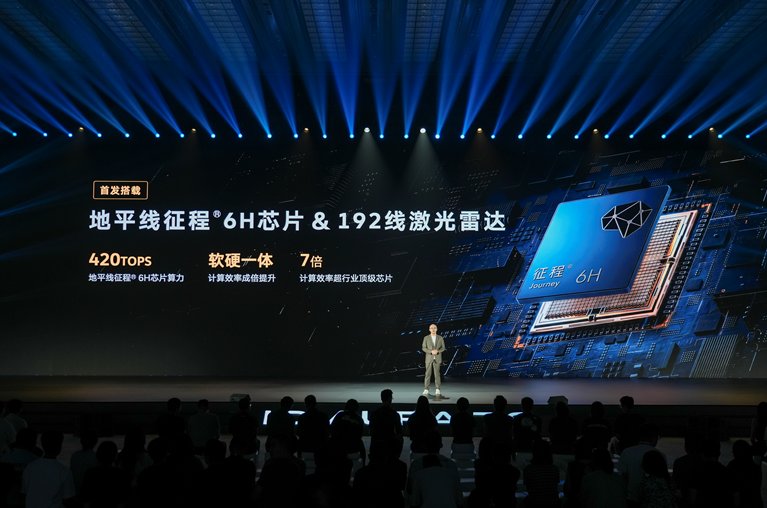
My judgment is that the hardware and functions are already aligned with the leading tier, but Volkswagen's real advantage lies in the words "stable and reliable." Intelligent driving is not about who has more functions, but about who dares to let the whole family use it long term.
Practical naturalist design space + Xingyun chassis, Volkswagen's signature strength
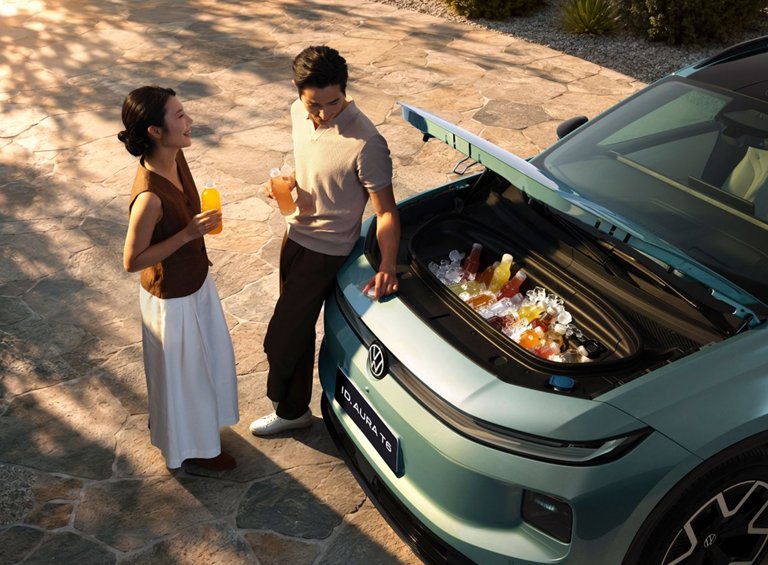
The design was led by Volkswagen's global design chief Andreas Mindt, jointly created by China and Germany. "Practical naturalism" does not pursue exaggerated lines, with drag coefficient as low as 0.245, semi-hidden door handles, and active grille shutters balancing aesthetics and efficiency. In terms of space, it has an 85.3% room utilization rate, a 576-1796 L trunk, a 90 L front trunk, 38 storage spaces, a panoramic sunroof, cloud-feel seats, a queen passenger seat, bed mode, external discharge, and a magnetic expansion ecosystem. It takes every pain point of family travel into consideration.
The chassis is the core differentiator of the ID.AURA T6. Front MacPherson + rear five-link, FSO variable damping suspension, BWI custom shock absorbers, front 255/rear 265 mm narrow-front wide-rear tires, 50:50 axle load ratio, front compartment stabilizer bar, and a turning radius of only 4.75 meters. Add to that motion-sickness mitigation tuning, 41 vibration isolation components, and One-box integrated braking, and the goal is very clear: easy to drive, stable, and not motion-sickness inducing.
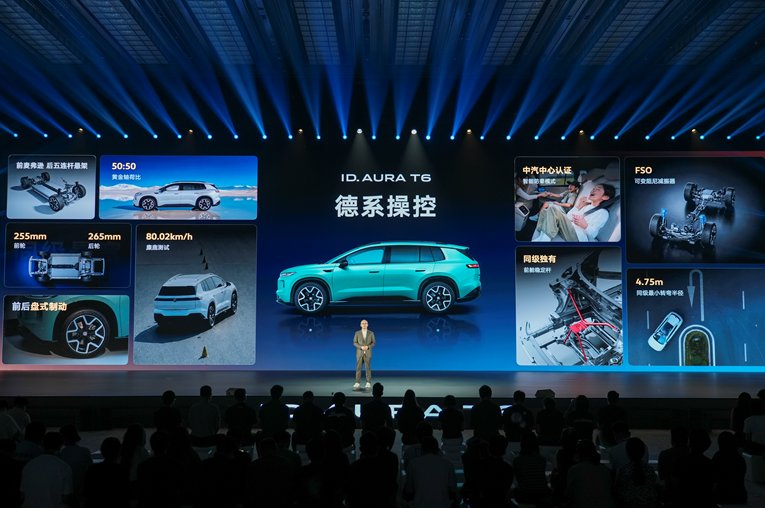
For family users, zero-to-100 acceleration is not a necessity; what matters is that elderly people and children sit comfortably, the car is stable at high speed, and agile on narrow roads. In this regard, Volkswagen indeed has a solid foundation.
Three-electric safety, the German baseline
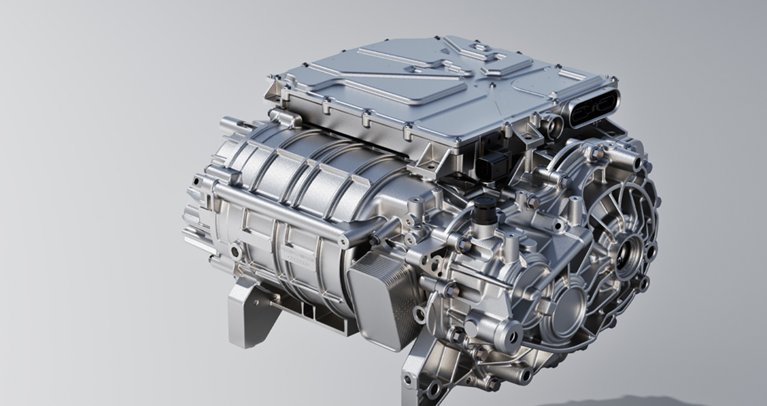
Nine-in-one electric drive, 170 kW, 345 Nm, CLTC efficiency 90%, 30%-80% fast charging in 22-24 minutes. The nine-source heat pump improves winter range. The battery has undergone more than 400 tests exceeding national standards, and BMS warnings cover 26 types of failure modes.
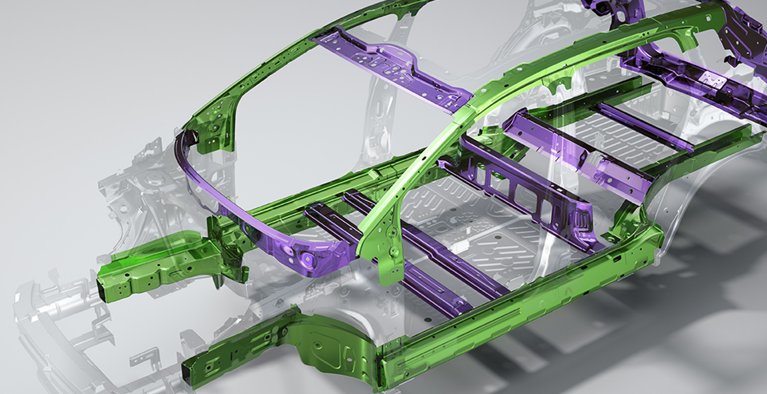
The body adopts a 9-horizontal 4-vertical cage structure, with high-strength steel exceeding 80%, hot-formed steel at 29%, and 6/7 airbags plus e-call emergency rescue. Safety is still this car's strongest card.
Final thoughts
The ID.AURA T6 is not the car with the most explosive specs, but it is very "Volkswagen": balanced, pragmatic, and reliable. It strengthens intelligence, thickens safety, fully utilizes space, and stabilizes the chassis. If the final pricing is reasonable, it is very likely to become the pure electric SUV that mainstream families seriously consider. FAW-Volkswagen's first shot in Smart Electric 2.0 is worth watching.


