2026 is already more than halfway through, and the changes in China's auto market are truly rapid and ever-shifting.
But one thing remains unchanged: many facts have laid down an iron law of development for joint ventures: if you don't bow your head, there is no way out, or rather, for today's joint ventures, if they try to deal with China's future using the old development playbook of the past, there is no hope.
This is reflected most vividly in GAC.
On October 9, 2026, GAC Group released its September production and sales bulletin.
Its cumulative terminal sales in September were 128,634 vehicles, plummeting 25.72% year-on-year.
Specifically, GAC Honda's September sales were 4,588 vehicles, plunging 86.02% year-on-year.
What kind of concept is this? A joint-venture giant that once sold more than 800,000 vehicles a year now sells only 4,588 vehicles in a single month. I still remember that in September 2025, GAC Honda's sales could still reach 32,808 vehicles. In one year, sales evaporated by more than 80%, and from January to September this year, GAC Honda's cumulative sales were 96,672 vehicles, down 56.82% year-on-year.
Now look at GAC Toyota. September sales were 54,800 vehicles, down 28.37% year-on-year.
Although slightly more respectable than Honda, a nearly 30% single-month decline already shows that even Toyota, this "golden signboard," can no longer cover for GAC. Cumulative sales were 510,000 vehicles, down 6.11% year-on-year — GAC Toyota, which was still slightly growing in the first half, has completely turned negative after entering the second half.
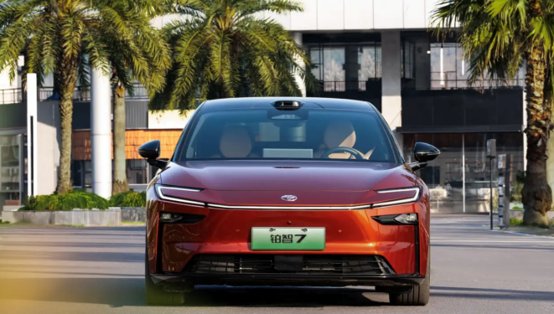
As is well known, the joint-venture segment has been GAC's cash cow for many years.
GAC's profit model has long depended on investment income from its two major joint ventures, GAC Honda and GAC Toyota, while its own brands have mostly shouldered scale support rather than profit contribution.
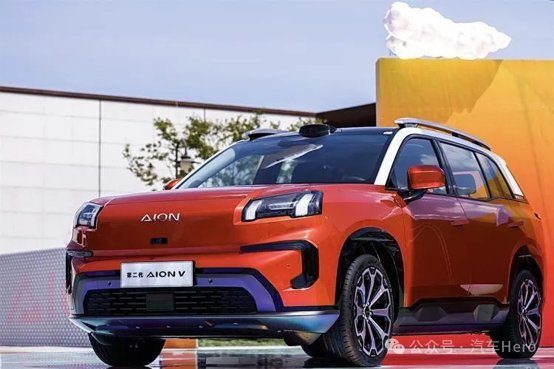
In the first half of 2026, GAC Group's operating revenue was 46.5 billion yuan, up 9.13% year-on-year, but net profit attributable to the parent company was a loss of 4.467 billion yuan, compared with a loss of 2.538 billion yuan in the same period last year, with the loss expanding 75.98% year-on-year. After deducting non-recurring items, the net loss reached 5.209 billion yuan. An automaker with more than 46.5 billion yuan in half-year revenue is seeing its losses accelerate.
The joint-venture profit pool is rapidly running dry, while the own brands are still far from being able to fill the hole.
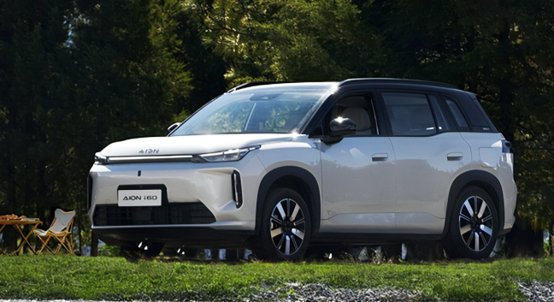
September sales of new energy vehicles were 64,231 units, up 50.90% year-on-year. GAC Aion's September sales were 39,667 vehicles, up 45.32% year-on-year, with cumulative sales of 283,747 vehicles, up 56.41% year-on-year, making it the only data point in GAC Group's September production and sales bulletin that could be considered "positive."
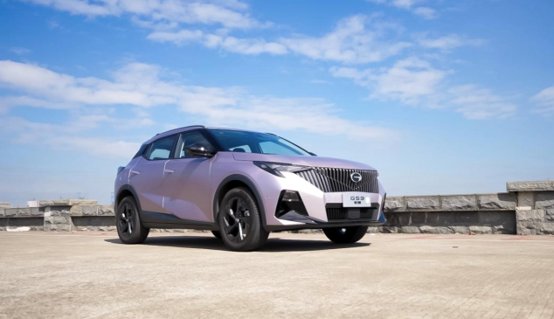
GAC Trumpchi's September sales were 27,478 vehicles, down 23.84% year-on-year, a dismal and dispiriting result.
Conclusion
The former cash cow has become today's biggest bleeding point. The penetration rate of new energy is still climbing, the price war is still strangling the market, the arrogance that joint-venture brands once took pride in is being abandoned by consumers, and what GAC needs is a real, fundamental scrape-the-bone cure.


