
On January 26, 2026, BYD and UNESCO officially held the launch ceremony of the third season of the "Light Chaser Program" at Tianjin Di Space, with BYD joining hands with UNESCO to co-build a new ecosystem. The two sides will leverage BYD's core advantages in the field of new energy technology and combine them with UNESCO's deep accumulation in the field of sustainable development to jointly build a new ecosystem of public welfare cooperation for sustainable development.
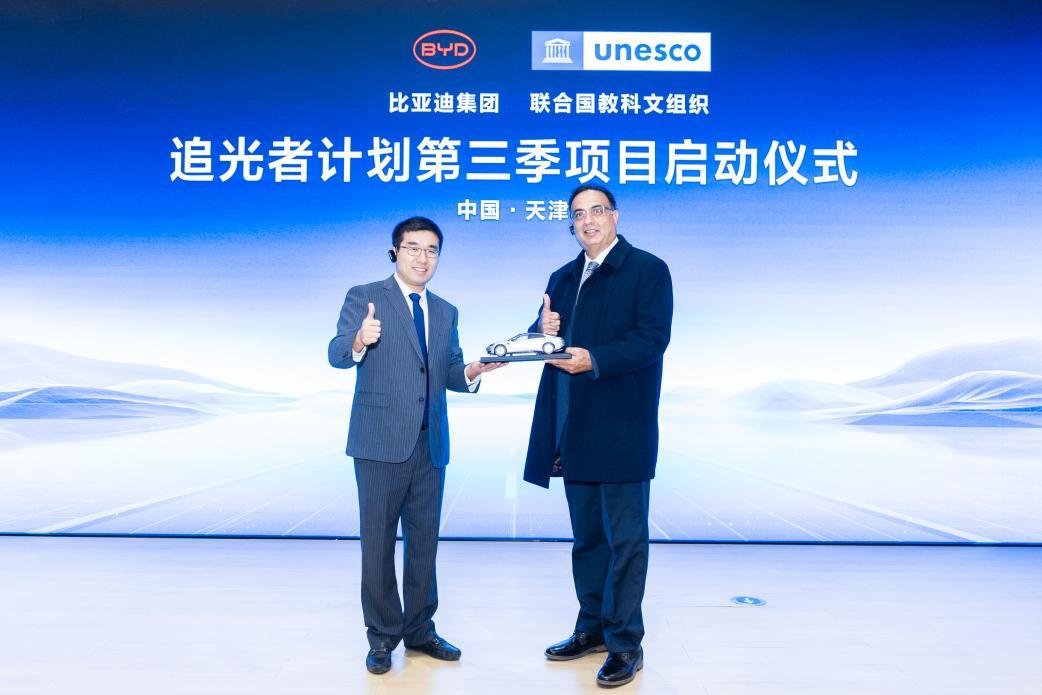
Pang Bo, Brand Director of BYD Group's Brand and Public Relations Department, Pan Liang, Chief Sustainability Expert, Shahbaz Khan, Director of the UNESCO Multisectoral Regional Office for East Asia, Ai Sugiura, Head of the Natural Sciences Sector, Luo Jinfei, Vice Chairman of the Tianjin Association for Science and Technology, and Zhang Wei, Director of the International Cooperation Department, and other leaders jointly attended the event.

The third season of the "Light Chaser Program" integrates UNESCO's expert resources and ecological governance experience, and will organize BYD car owners to travel to four major ecological scenarios—Hailuogou Glacier, Tianmu Mountain Forest, Dongting Lake Wetland, and the Northeast China Tiger and Leopard National Park—to carry out scientific expeditions and data monitoring, and to form replicable ecological protection plans.
Pang Bo, Brand Director of BYD Group's Brand and Public Relations Department, said: BYD insists on technology-driven energy transformation and fulfills its environmental mission. In 2025, BYD sold more than 4.6 million new energy vehicles, and the cumulative total mileage of new energy passenger vehicles for the whole year exceeded 400.7 billion kilometers, reducing carbon emissions by 43.29 million tons. This time, joining hands with UNESCO to advance the third season of the "Light Chaser Program" aims to transform BYD's technological advantages into a force for ecological guardianship and to promote the realization of the brand vision of "Cool the Earth by 1°C."

Shahbaz Khan, Director of the UNESCO Multisectoral Regional Office for East Asia, pointed out: UNESCO has always been committed to exploring solutions for the harmonious coexistence of humanity and nature. This cooperation with BYD is an important practice of cross-sector collaboration in responding to global ecological challenges, and it will give play to the advantages of global ecological governance experience to form complementary resonance with BYD's technological advantages.
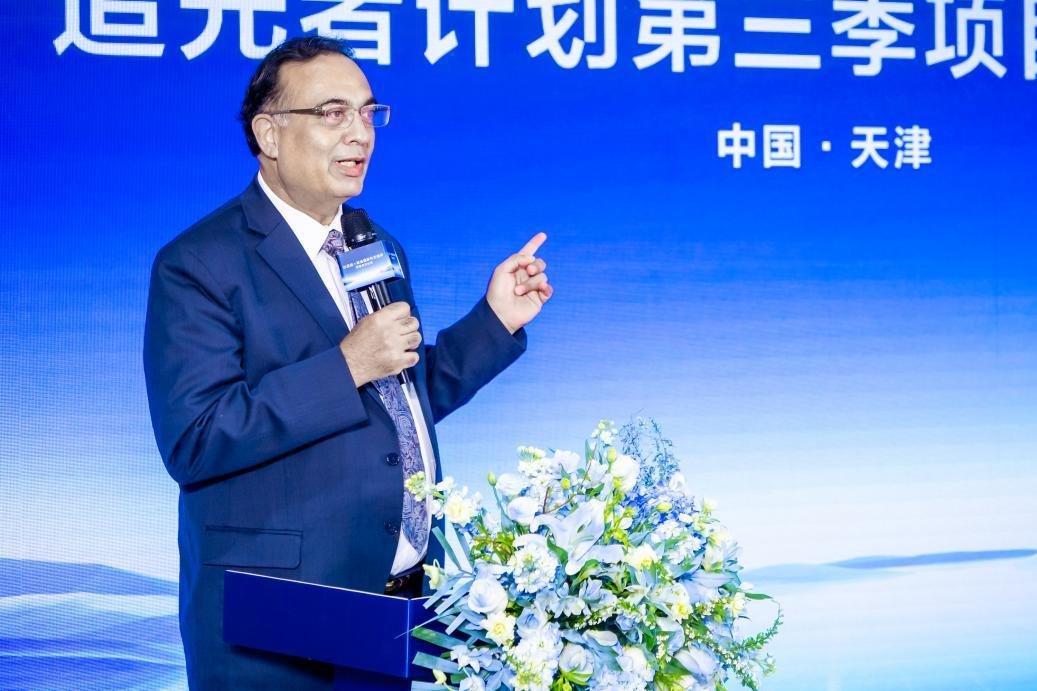
After the launch ceremony, Shahbaz Khan awarded BYD Di Space the plaque of "Light Chaser Program - Sustainable Development Education Practice Base." Di Space will subsequently serve as a display window for the third season of the Light Chaser Program, presenting to the public the achievements of technology empowering ecological restoration.
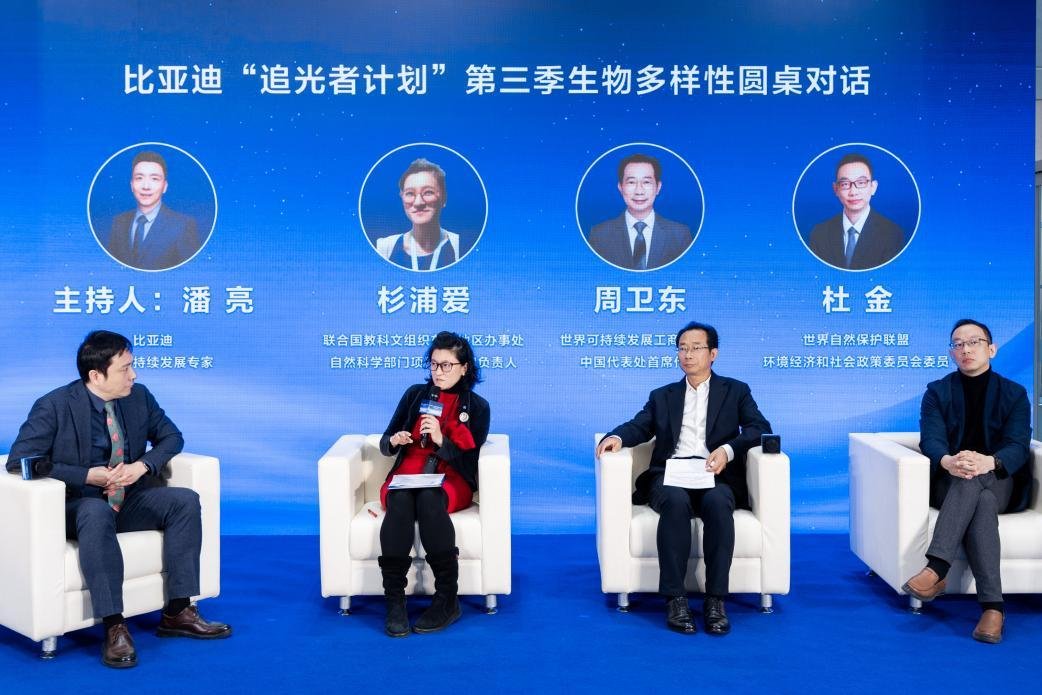
Immediately afterward, guests at the scene held a roundtable dialogue on "biodiversity." Ai Sugiura proposed that ecosystem restoration requires the coordinated advancement of technology, community participation, and local governance. Zhou Weidong, Chief Representative of the China Office of the World Business Council for Sustainable Development, said that this cooperation model pushes enterprises from making statements to solving problems, exploring a new path for Chinese enterprises to participate in global biodiversity governance. Du Jin, a member of the Commission on Environmental, Economic and Social Policy of the International Union for Conservation of Nature, believes that the third season of BYD's "Light Chaser Program" reflects enterprises moving from risk assessment toward substantive action. This kind of forward-looking strategic investment helps enterprises occupy a proactive position and reduce systemic risks.
This cross-sector cooperation is a milestone in BYD's deepening of public welfare practice and also a vivid practice of Chinese enterprises participating in global ecological governance with technological advantages. In the future, BYD will join hands with more partners to continue empowering ecological protection with technological innovation and write a new chapter of harmonious coexistence between humanity and nature.


