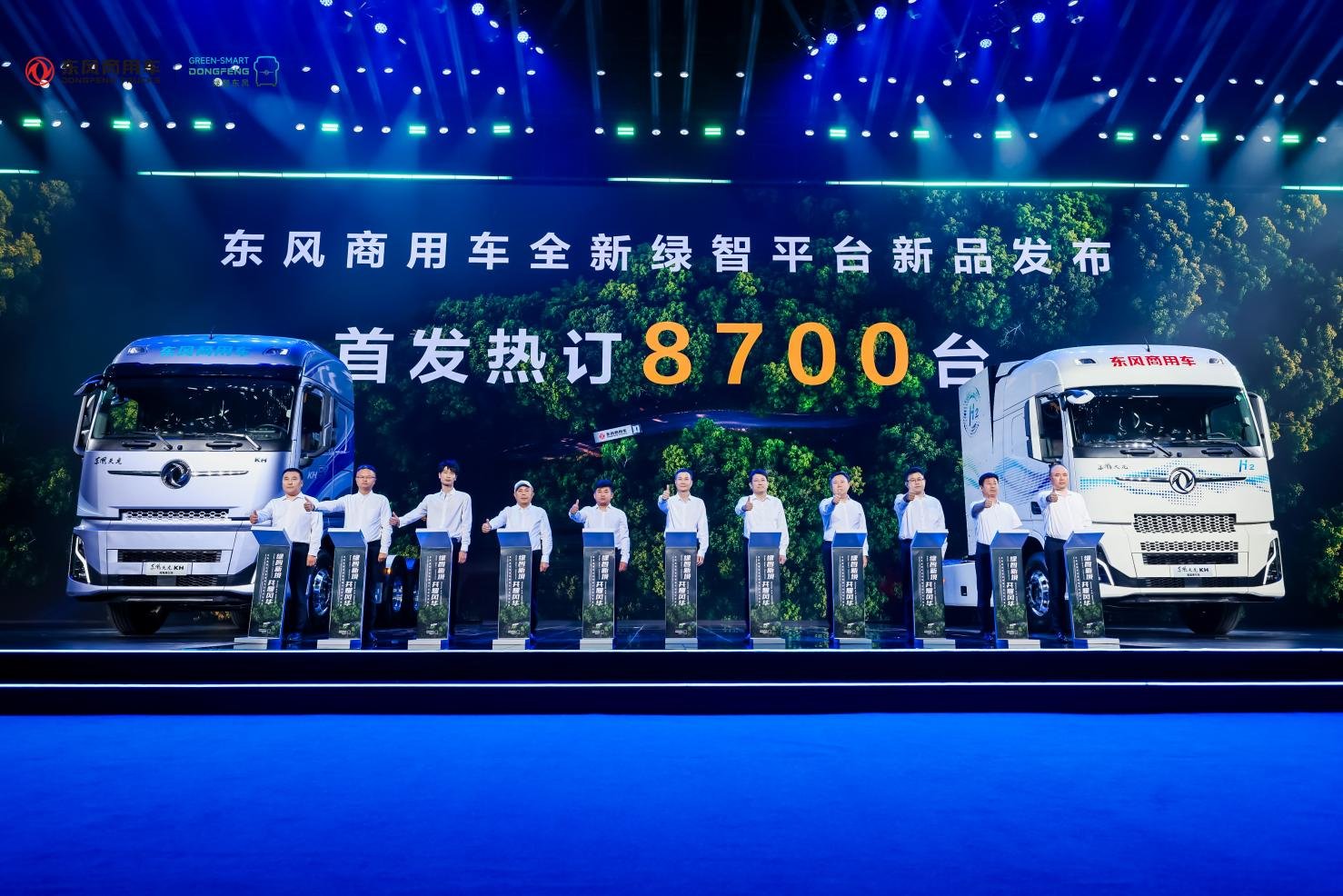
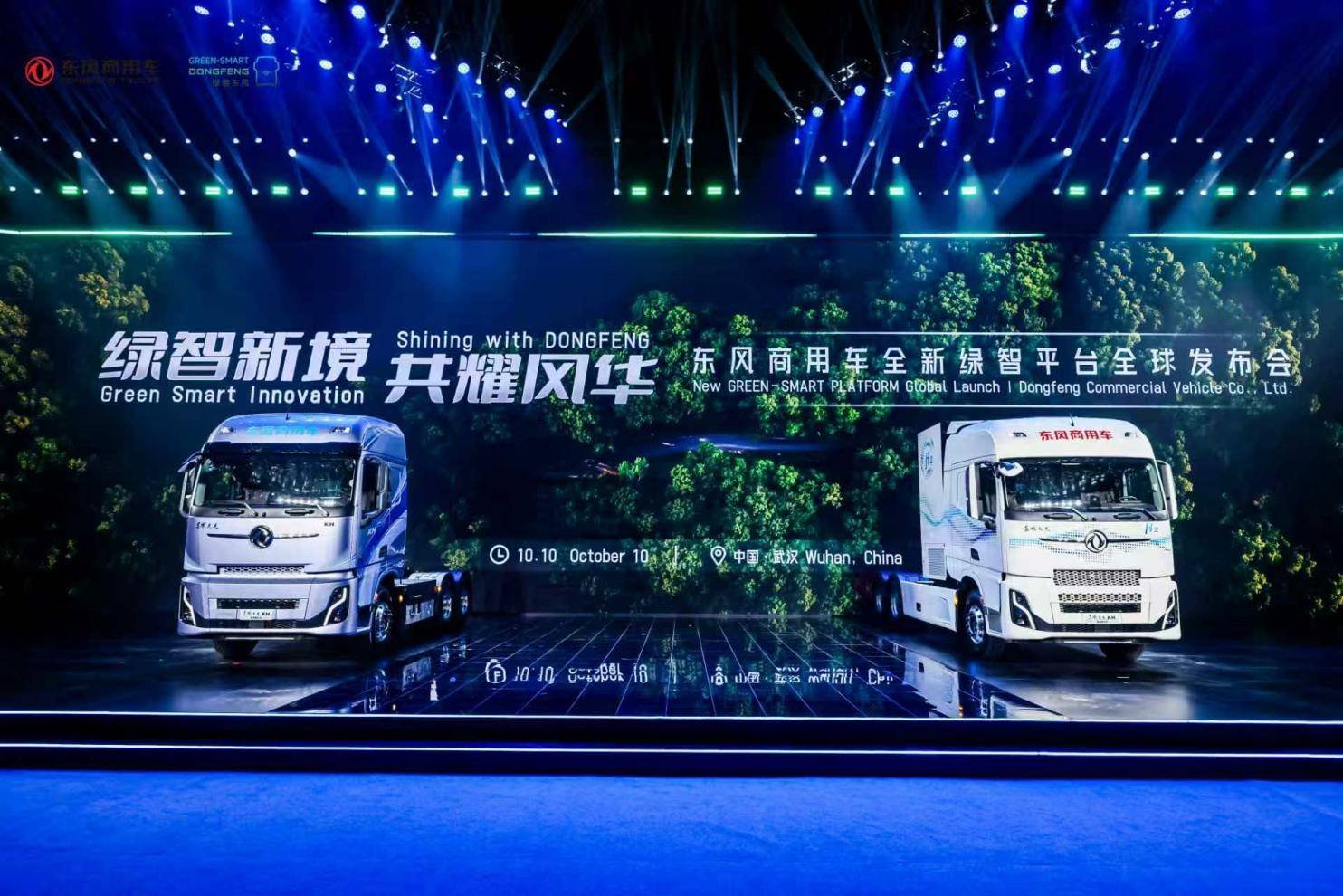
On the evening of October 10, in Wuhan, Dongfeng Commercial Vehicle's "Green Intelligence New Horizon, Shining Together" global launch event for its all-new green intelligence platform was held at the Zhuankou Sports Center, with a packed venue of 1,500 attendees. Yang Qing, Chairman and Party Secretary of Dongfeng Motor Group Co., Ltd., leaders from Shiyan City, the Deputy Secretary-General of the China Association of Automobile Manufacturers, representatives from Volvo Group, as well as domestic and overseas customers and dealers were all present. The reason this launch event carries such weight is that what Dongfeng Commercial Vehicle brought out is not a single new model, but a whole new-generation modular strategic platform for the "15th Five-Year Plan" period, the D600, internally code-named the Green Intelligence Platform. The official positioning given to it is: using one platform and five pillars to provide a complete "Dongfeng Solution" for the green and intelligent transformation of commercial vehicles. Today I'll talk with you about what problems in the commercial vehicle industry this platform actually solves.
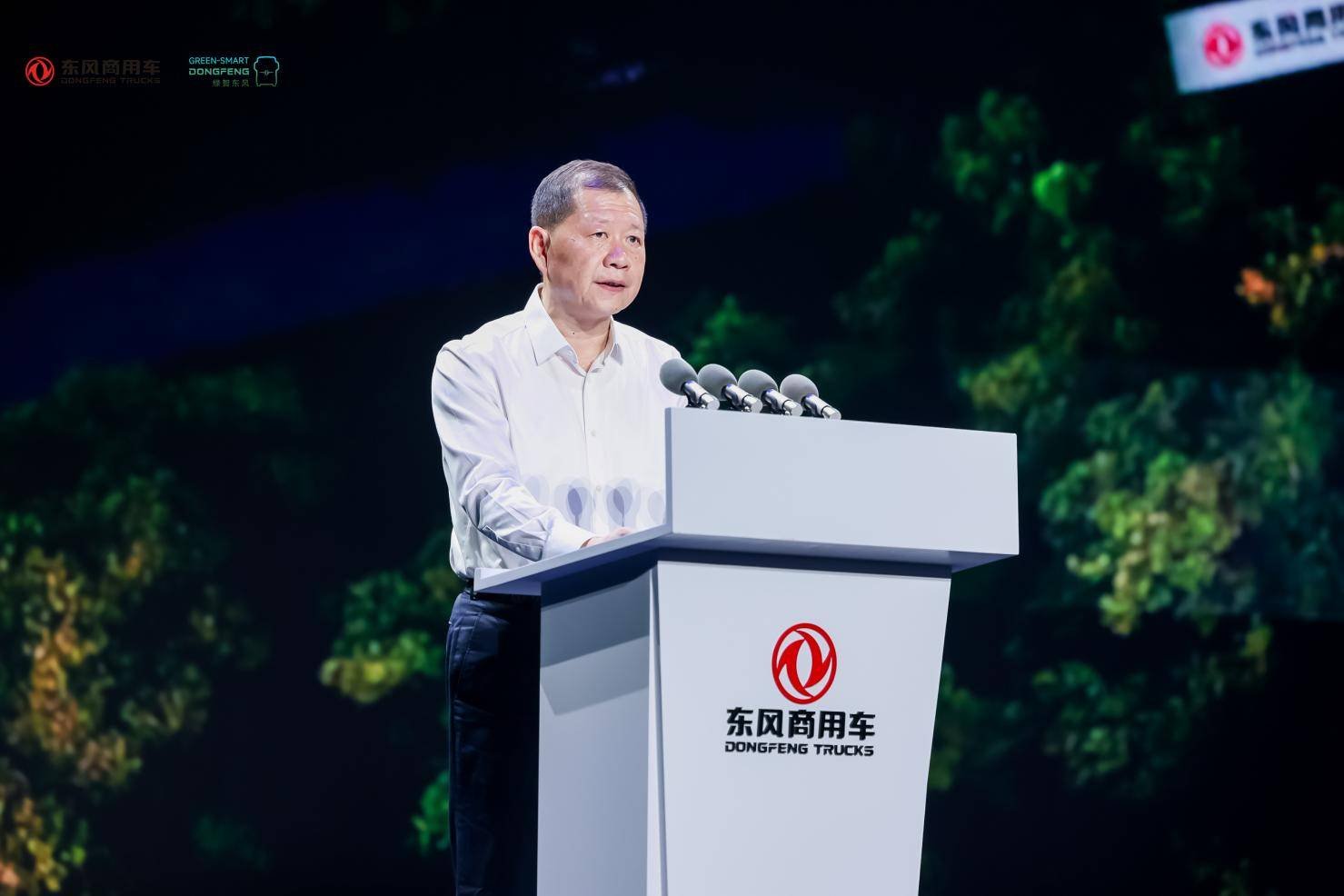
Yang Qing, Chairman and Party Secretary of Dongfeng Motor Group Co., Ltd.
First, let's look at the industry background. In the opening year of the "15th Five-Year Plan," the transformation of the commercial vehicle industry has entered an accelerated phase. Greening, intelligentization, platformization, and globalization have become industry consensus, and market competition has shifted from simply comparing engine horsepower and vehicle hardware in the past to a contest centered on user value across the full lifecycle. Li Shaohua, Deputy Secretary-General of the China Association of Automobile Manufacturers, said very clearly on site that what the industry truly calls for is a new-generation commercial vehicle platform with native architecture, multi-power compatibility, and rapid scenario-based iteration. Yet at present, many new energy commercial vehicles on the market are still stuck at the "oil-to-electric conversion" stage, forcing batteries into fuel vehicle foundations, resulting in high energy consumption, unreasonable layout, and poor scenario adaptability. Users only discover compromises everywhere after buying them. The path Dongfeng Commercial Vehicle chose this time is very resolute: no patchwork of oil-to-electric conversion, but rather a new energy-dedicated platform positively defined from the underlying hardware and customer scenarios over five years and through 11 parallel projects.
The hardest indicator of this platform is its multi-energy compatibility. The D600 achieves full coverage of five energy routes: fuel, gas, electricity, hydrogen, and ammonia, which is quite rare in the commercial vehicle industry. Why is multi-energy so important? Because commercial vehicles are different from passenger vehicles. For trunk line logistics, resource transportation, agricultural and sideline miscellaneous goods, and express delivery, each scenario has different transport distances, load capacities, and refueling conditions. Long-distance trunk lines suit hydrogen fuel, regional distribution suits pure electric, and ammonia fuel has a cost advantage on specific routes. A one-size-fits-all technology route simply does not work. One platform compatible with five energies means automakers can flexibly match according to customers' specific scenarios, rather than making customers cut their feet to fit the shoes. The platform covers 34 segmented markets and 143 typical scenarios, is compatible with 5 major global regulatory systems and 28 key countries, and reduces energy consumption by 8% compared with oil-to-electric converted models. This set of data basically explains its industry position.
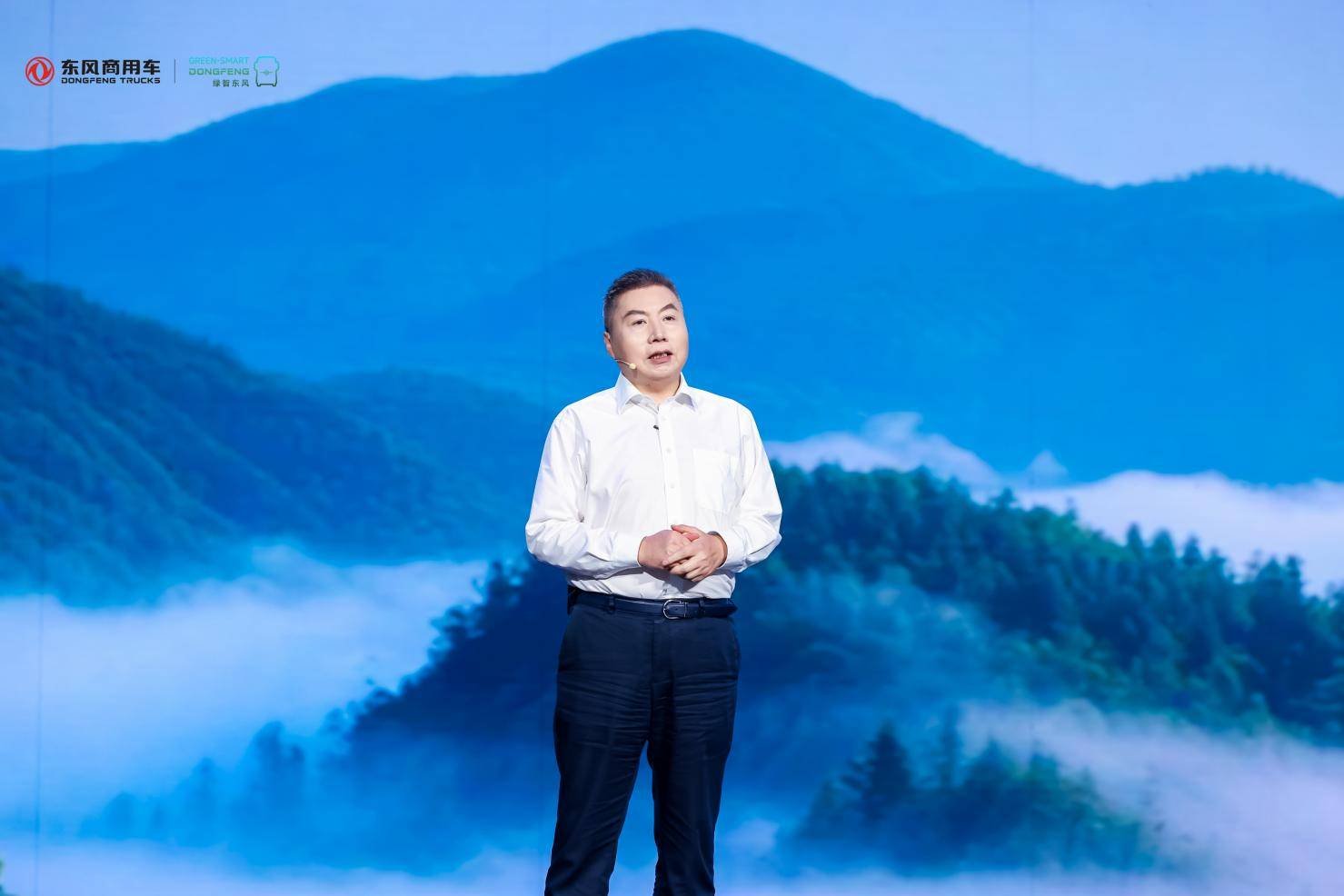
Liu Licheng, General Manager of Dongfeng Commercial Vehicle Co., Ltd.
What is even more worth discussing is the "five pillars" approach. Dongfeng Commercial Vehicle did not understand the platform as simply vehicle manufacturing technology, but instead built a complete commercial closed loop from vehicle purchase to operation, and from energy supply to recycling, around five aspects: products, energy replenishment, finance, services, and digital intelligence. To put it plainly, what customers buy is not just a truck, but a whole package delivered for each scenario: vehicle, power station, finance, service, and digital intelligence. For logistics companies and individual truck drivers, this point is very practical: the biggest threshold for new energy vehicles has never been the vehicle price, but how to solve energy replenishment, how to amortize initial investment, who will handle subsequent maintenance, and how to use operational data. Dongfeng is catching all these worries at once.
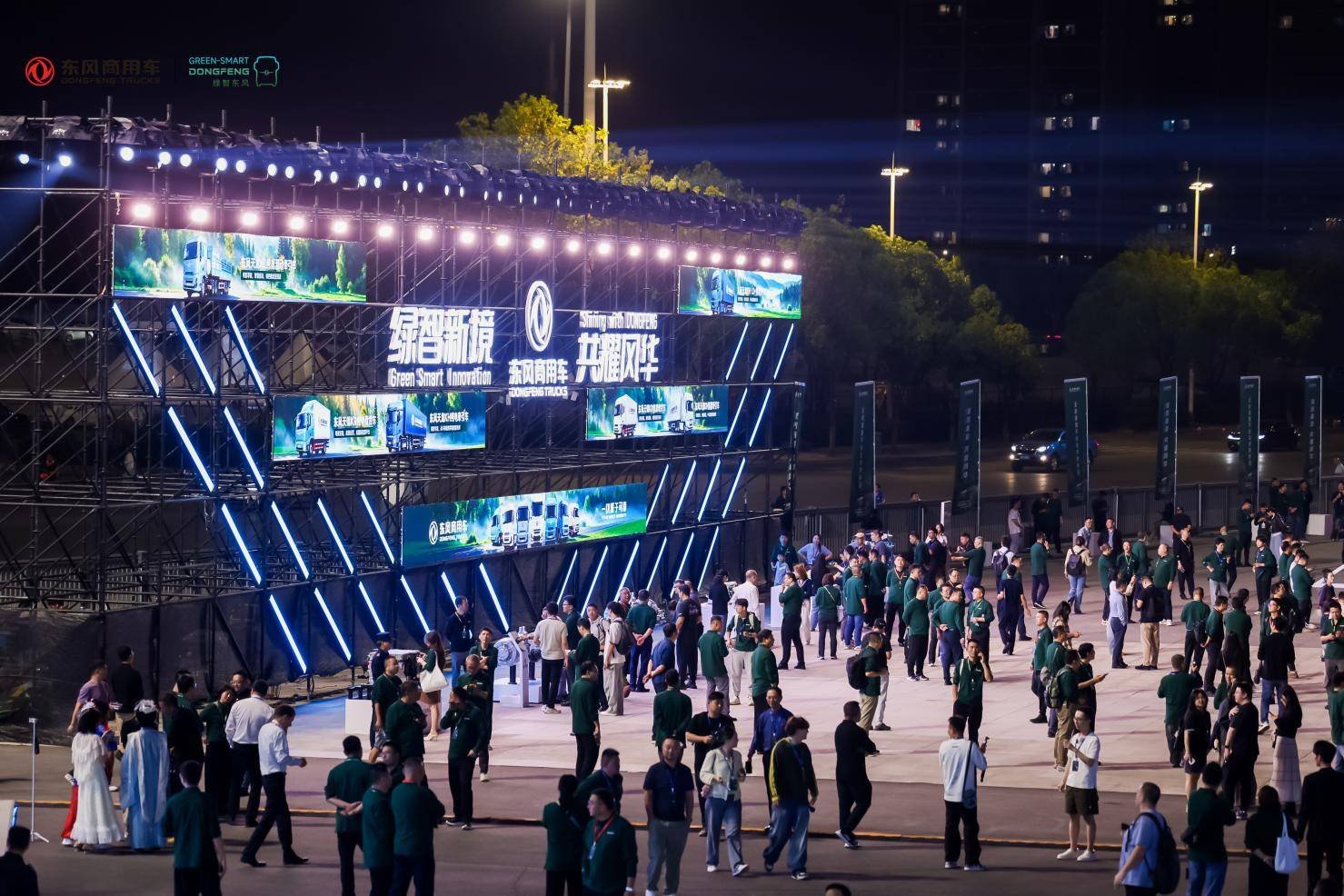
There is one detail in the platform development process that left a deep impression on me. At the very beginning of the project, the team traveled to 63 cities, ate, lived, and worked together with more than 700 users, collected more than 2,300 real needs, and then turned those needs into R&D topics. This approach sounds clumsy, but commercial vehicles are production tools. Whether the truck is good or not directly affects whether truck drivers can make money. Good products cannot be defined from inside an office. The two star models unveiled at the launch event are also very representative. The Dongfeng Tianlong KH hydrogen fuel cell tractor, a benchmark for long-distance hydrogen trunk lines, targets the zero-carbon needs of long-distance trunk logistics, while the Dongfeng Tianlong KH pure electric tractor, a benchmark for pure electric regional value, serves scenarios such as regional distribution, ports, and industrial parks. The product matrix for new energy commercial vehicles is already clearly visible.
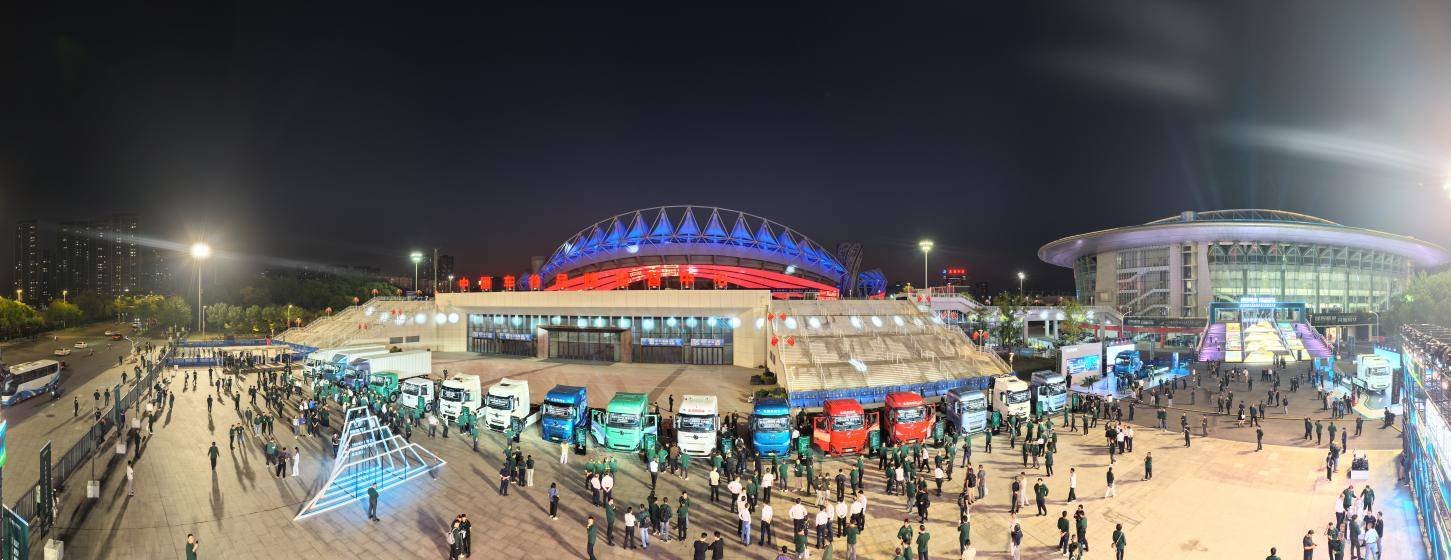
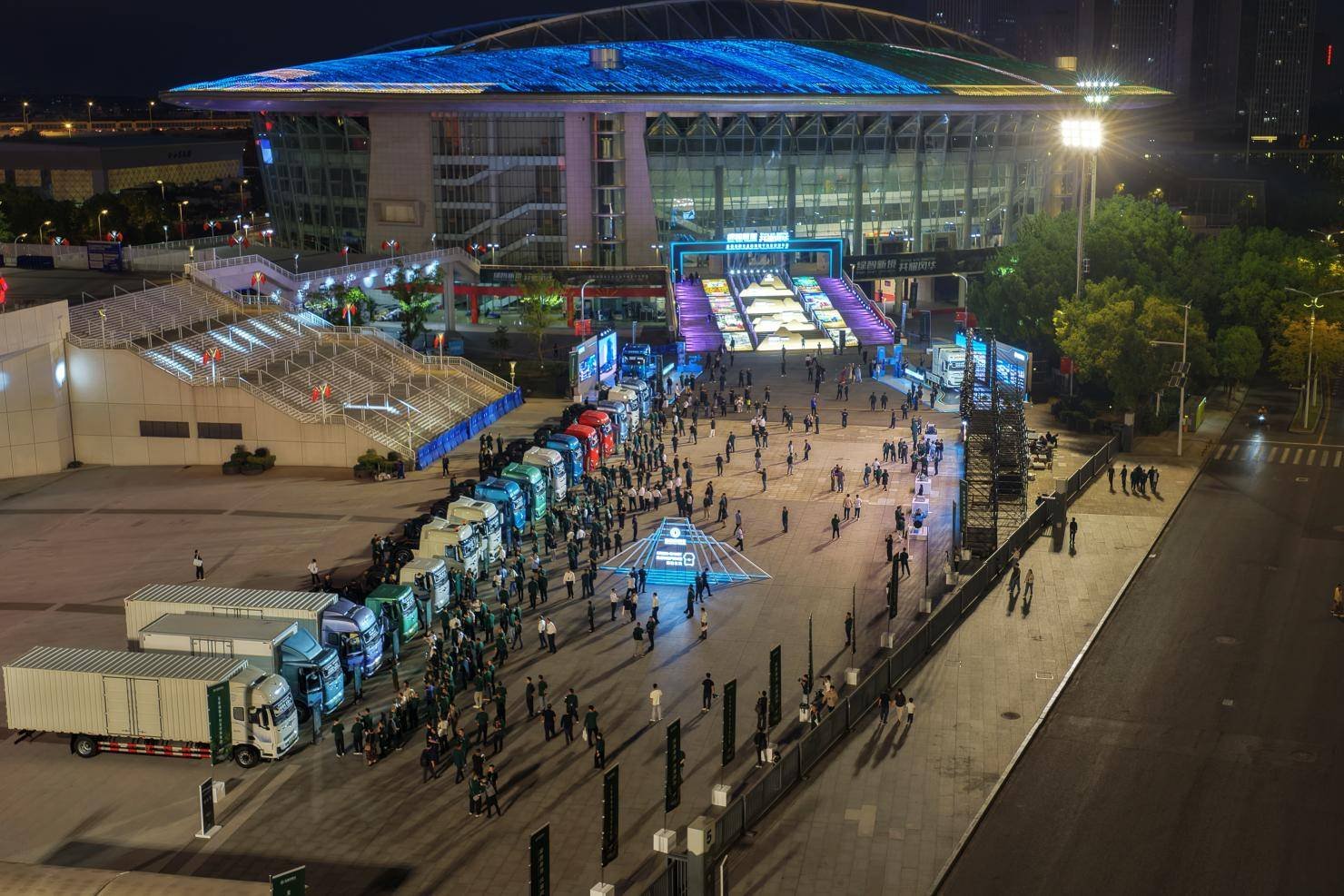
In terms of technical reserves, the assets Dongfeng Commercial Vehicle showed this time are quite substantial. The 18 display vehicles at the outdoor venue covered five energies: oil, gas, electricity, hydrogen, and ammonia. Among the 9 exhibits were the DAi14 ammonia internal combustion engine, two electric drive axles, a 300-kilowatt hydrogen fuel cell system, a high-safety battery pack, a thermal management integrated module, a domain controller, and the DEA3.0 electronic and electrical architecture. In intelligent driving, models such as the Dongfeng Tianlong KH L2+ intelligent driving and GX Super assisted driving were also exhibited simultaneously, showing that intelligentization in commercial vehicles is no longer a concept, but has entered the implementation stage. In overseas markets, the GX Super pure electric and hydrogen fuel cell tractors that meet European regulatory requirements were also in the lineup. This platform considered globalization from the very beginning of its design, and compatibility with 28 key countries is not just a slogan.
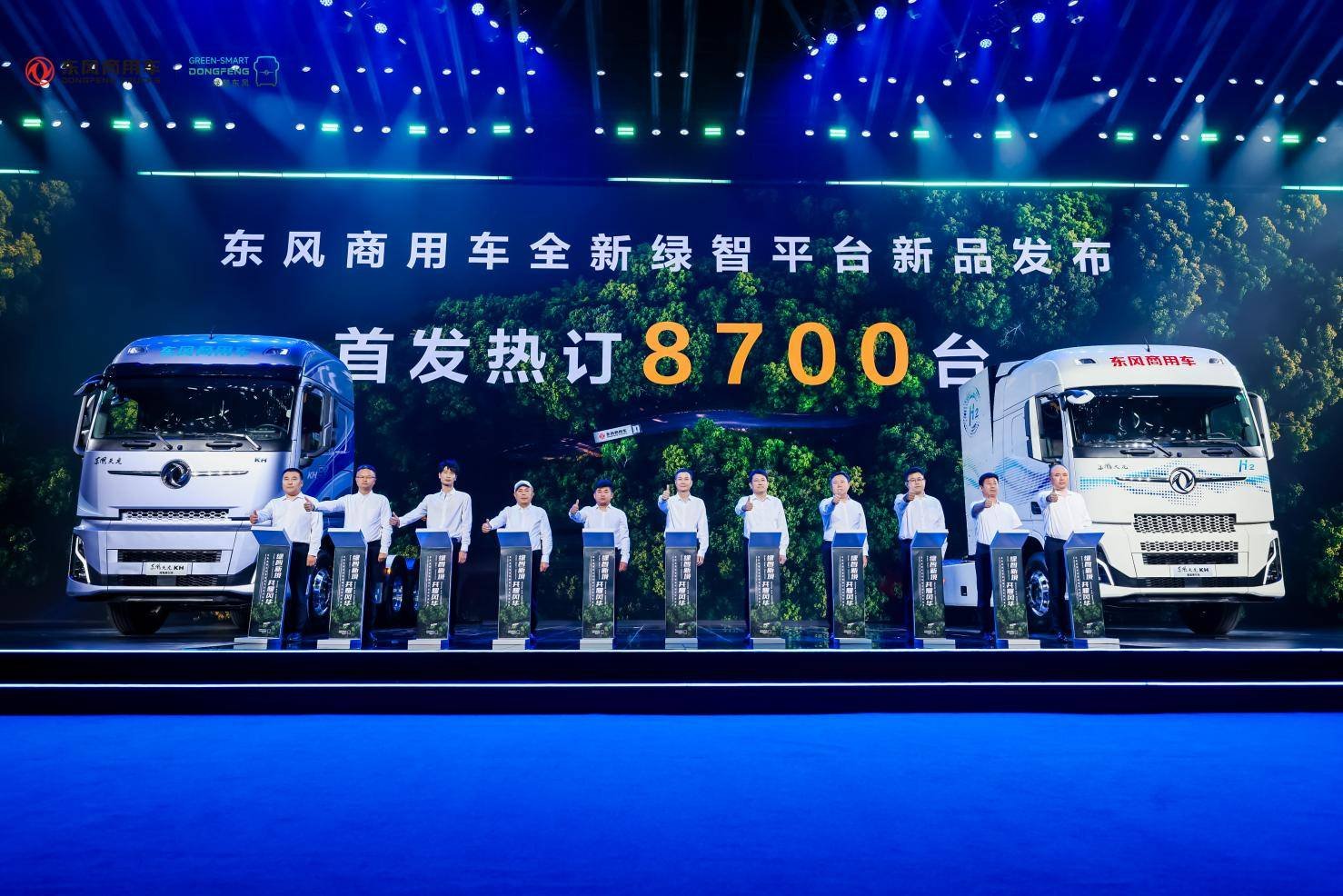
The market's response is the most direct. At the launch event, Dongfeng Commercial Vehicle reached intended orders for 8,700 units of products with 10 strategic customers in one go, covering multiple directions including ammonia fuel, hydrogen fuel, pure electric, intelligent driving, and overseas markets. Nearly nine thousand intended orders are a vote of trust in this platform made by customers with their expectations backed by real money, and also the strongest proof of the commercial viability of the Green Intelligence Platform. For a commercial vehicle industry in the painful period of transformation, this kind of order is more persuasive than any parameter.
Finally, a few of my own views. Dongfeng Commercial Vehicle has a history of 57 years. The timeline corridor on site stretched from the first-generation military vehicle all the way to today's Green Intelligence Platform. This company's transformation is not about chasing trends, but about migrating the reliability accumulated over decades of vehicle manufacturing toward green and intelligent development. Yang Qing emphasized on site the need to uphold the philosophy that "everything originates from reliability." This is especially important for commercial vehicles. If a truck stops for a day, the loss is real income. No matter how advanced the technology is, it must first be reliable. Leaping from a manufacturer to a solution provider is a phrase many companies say, but not many truly make solid progress in one platform, five energies, five pillars, and full-scenario delivery. Dongfeng Commercial Vehicle's step has put it ahead of the industry and also earned more say for Chinese commercial vehicles in the global wave of green and intelligent development. Next, it depends on how these intended orders turn into real vehicles on the road. We will keep following this.


