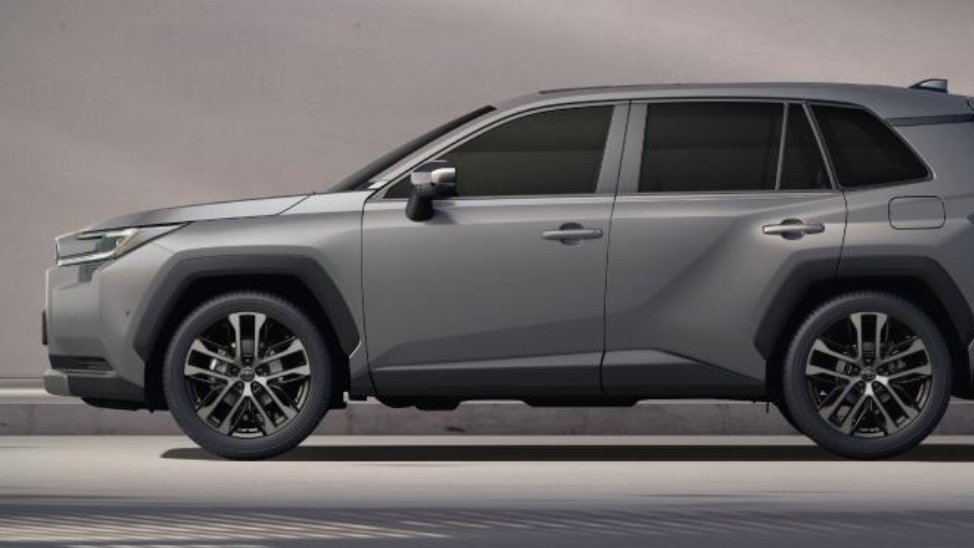
When the price war in the auto market is in full swing, and consumers have gradually become numb to the dazzling array of "price cuts" and "discounts," the launch of FAW Toyota's all-new sixth-generation RAV4 offers a completely different way of thinking about the problem. It did not simply and crudely join the low-price melee, but instead played a "value reconstruction" card—across the entire lineup, product appeal increased by 15,000 yuan, while some models saw their prices actually reduced. This strategy of "more equipment at a lower price" feels more like a carefully considered "value counteroffensive" in the current market environment.
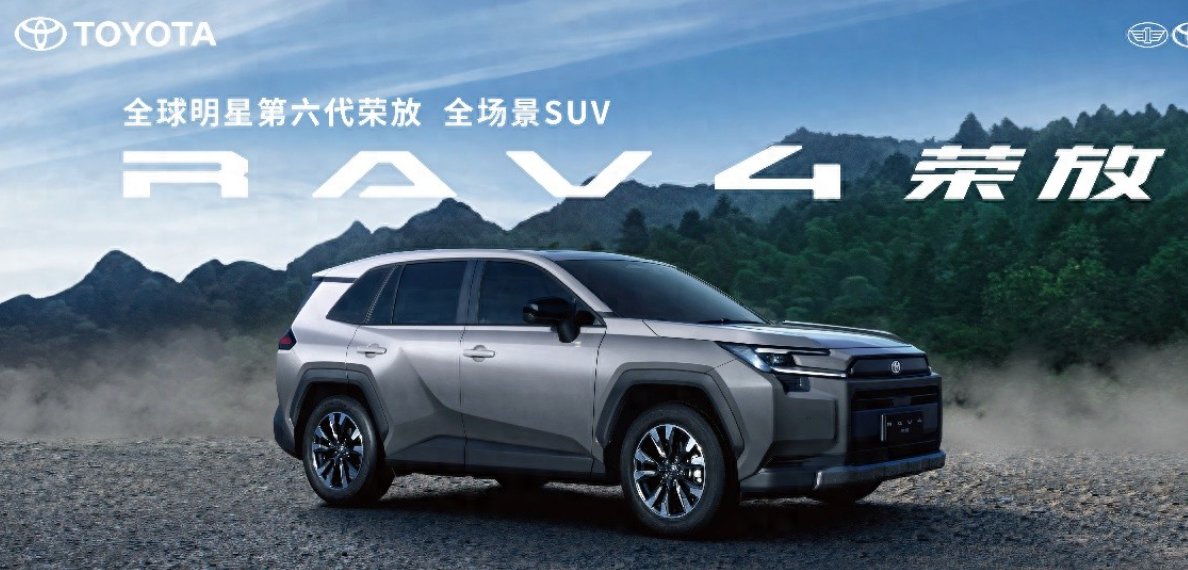
The all-new RAV4 offers three powertrains: 2.0L gasoline, 2.0L and 2.5L intelligent electric hybrid dual engine, with a total of 6 configuration versions, and an official guide price of 169,800 yuan to 228,800 yuan. More importantly, from now until January 9 next year, users can enjoy up to 18,000 yuan in direct cash incentives, purchase tax subsidies, and after-sales benefits. This means that its actual market entry threshold will be further lowered.
This is not merely a price adjustment, but a redefinition of "what constitutes high value" for mainstream family SUVs.
01 Beneath the Surface of Price: A Precise "Value Conversion"
The pricing strategy of the all-new RAV4 is quite intriguing. Taking the most closely watched 2.0L intelligent electric hybrid Luxury Edition as an example, its official price is 187,800 yuan. Officially, it is compared with the previous generation 2.0L gasoline Fashion PLUS Edition (199,800 yuan), pointing out that while the former has an upgraded powertrain form (upgraded to hybrid) and comprehensively improved configuration levels, its price is actually 12,000 yuan lower, with comprehensive value improved by nearly 27,000 yuan.
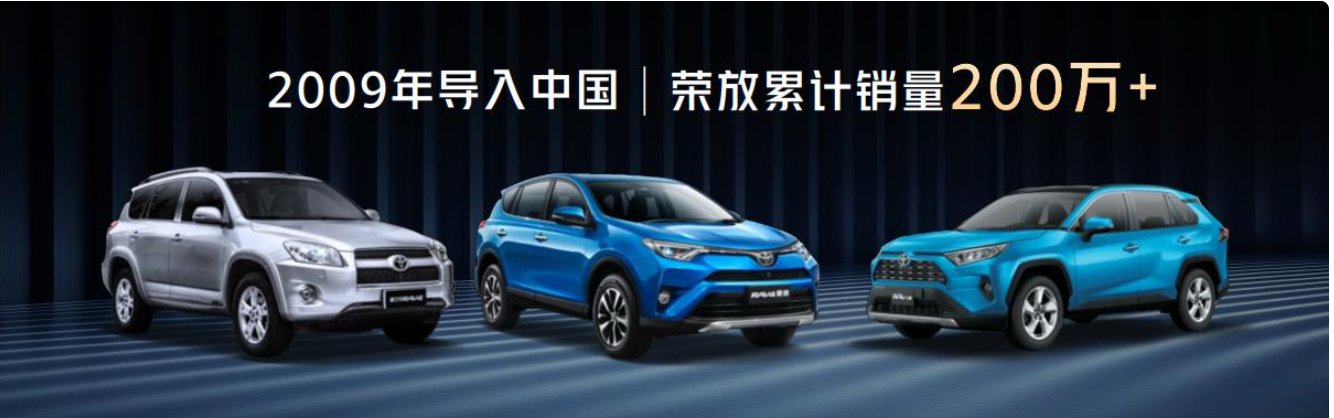
Behind this comparison is a subtle shift in product positioning: the "intelligent electric hybrid dual engine" technology that originally belonged to high-end or top trim levels has been extended down to the mainstream price range, making it the new value benchmark.
Its limited-time policy is also highly targeted. A cash discount of up to 18,000 yuan directly reduces the down payment pressure of car purchase, while a 6,000 yuan purchase tax subsidy and after-sales benefits worth 6,000 yuan precisely alleviate users' concerns about maintaining the car after purchase. This combination punch is intended to make users perceive not only "cheaper car buying," but also the optimization of "full-cycle vehicle ownership costs."
02 Core Renewal: Hybrid Equality and "Seamless Intelligence"
The core of this generation change is that the "intelligent electric hybrid dual engine" has become the main force. The 2.0L dual-engine system has a measured fuel consumption as low as 3.99L per 100 kilometers, with a cost of about 0.27 yuan per kilometer. It solves a core pain point: without changing charging habits and without range anxiety, it provides users with smoothness and quietness close to electric drive and extremely low usage costs. For the huge number of family users who cannot install home charging piles, its appeal is enormous.
In terms of design, the rugged styling known as the "little Prado" is a response to the market's aesthetic trend, satisfying users' dual expectations for SUVs of "a sense of power" and "individuality."
The intelligent upgrade focuses on "seamless intervention." The 15.6-inch large screen and 8155 chip ensure basic smoothness; 4-zone voice recognition can understand dialects and continuous commands, reducing manual operation while driving; and the TSS 4.0 advanced driving assistance system, through more powerful perception hardware, strives to integrate safety protection into every moment of daily driving, rather than showing off technology.
03 Market Anchor: Consolidating the "Core Base" Amid Change
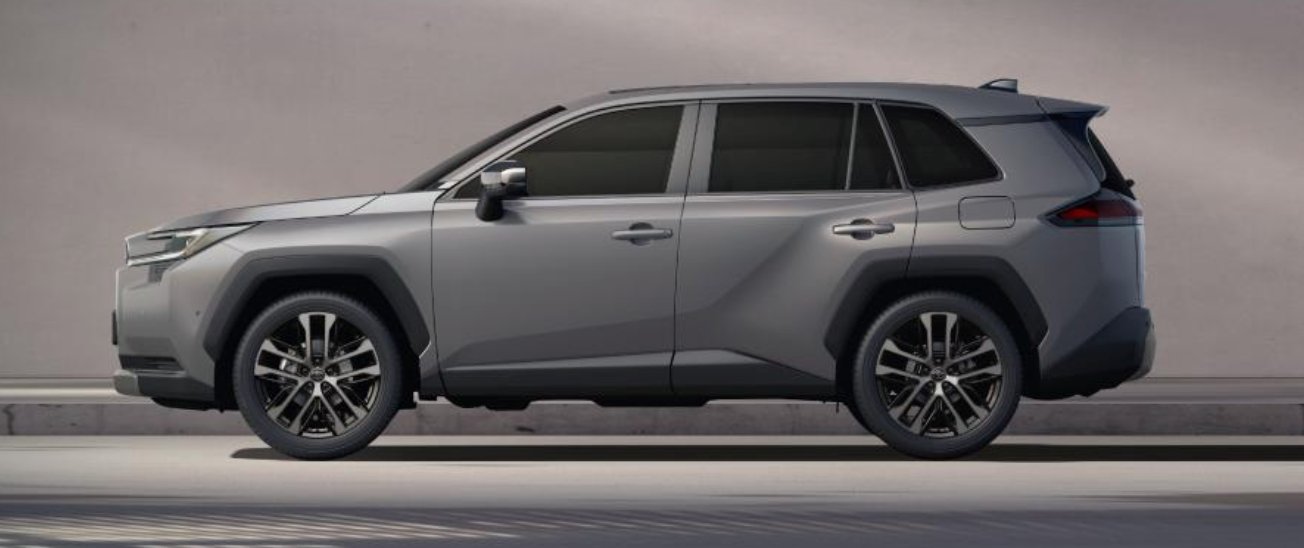
RAV4 has deep market accumulation: global cumulative sales of more than 15 million units, and more than 2 million users in China. For each of its generation changes, the primary task is not to subvert, but to consolidate and expand its core base as a "reliable family partner."
Under the dual impact of new energy and the price war, the demand from this "core base" has not disappeared, but has instead become clearer: they need all-around products with mature and reliable technology, controllable vehicle usage costs, practical space, and a sound brand and service network.
The all-new RAV4's layout of "three major powertrains, six major versions" is precisely intended to accurately cover the different needs segmented from this huge group—from pragmatic family use to performance exploration. It does not blindly pursue the most cutting-edge technology labels, but instead makes solid iterations in the most core areas of powertrain economy, vehicle safety, and practical quality.
The launch of the sixth-generation RAV4 can be seen as a typical response from a mainstream joint venture SUV in the face of dramatic industry change. It did not choose radical transformation, but instead used the method it is best at—improving the efficiency of core systems, optimizing full-cycle vehicle ownership costs, and strengthening safety and practicality—to reinforce its model label of "high value, low anxiety."
In an auto market where the term "involution" is everywhere, this kind of value enhancement based on long-termist thinking may provide a more reassuring choice for mainstream family consumers who, amid numerous options, still pursue reliability, balance, and pragmatism. The market's final verdict will depend on whether consumers continue to pay for radical technology narratives or return to value trade-offs based on the essence of car use.


