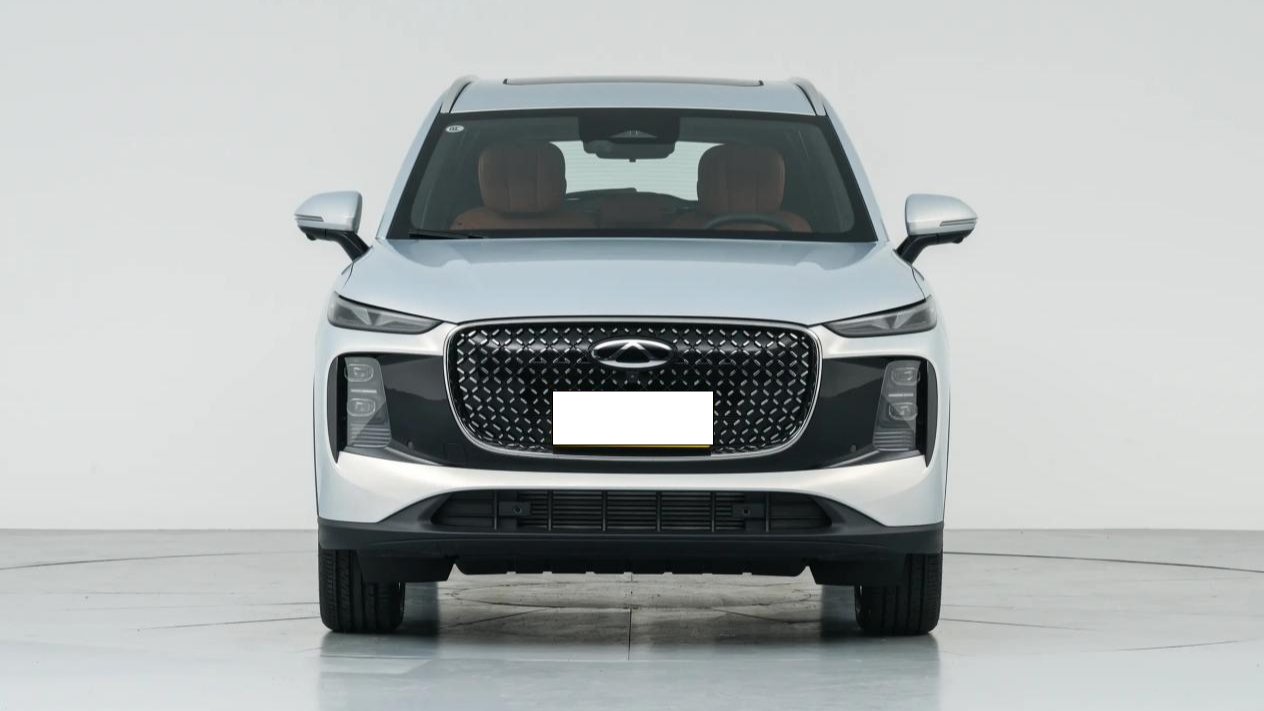
Many families with a car-buying budget of around 120,000 yuan who are preparing to buy an SUV have fallen into a happy dilemma, because there are simply too many good products at this price point, especially among domestic brands, with no shortage of models that offer generous size and reliable quality. But if you prefer to go for fuel power, then I think the Geely Fourth-Generation Boyue L and the Chery Fifth-Generation Tiggo 8 should be choices you cannot avoid. Today, we have brought together two high-end trims under these two SUVs: the Fourth-Generation Boyue L Jinxiu (126,900 yuan) and the Fifth-Generation Tiggo 8 Leopard Edition Flagship (129,900 yuan), to stage a comparison and see who is the real all-around family helper?
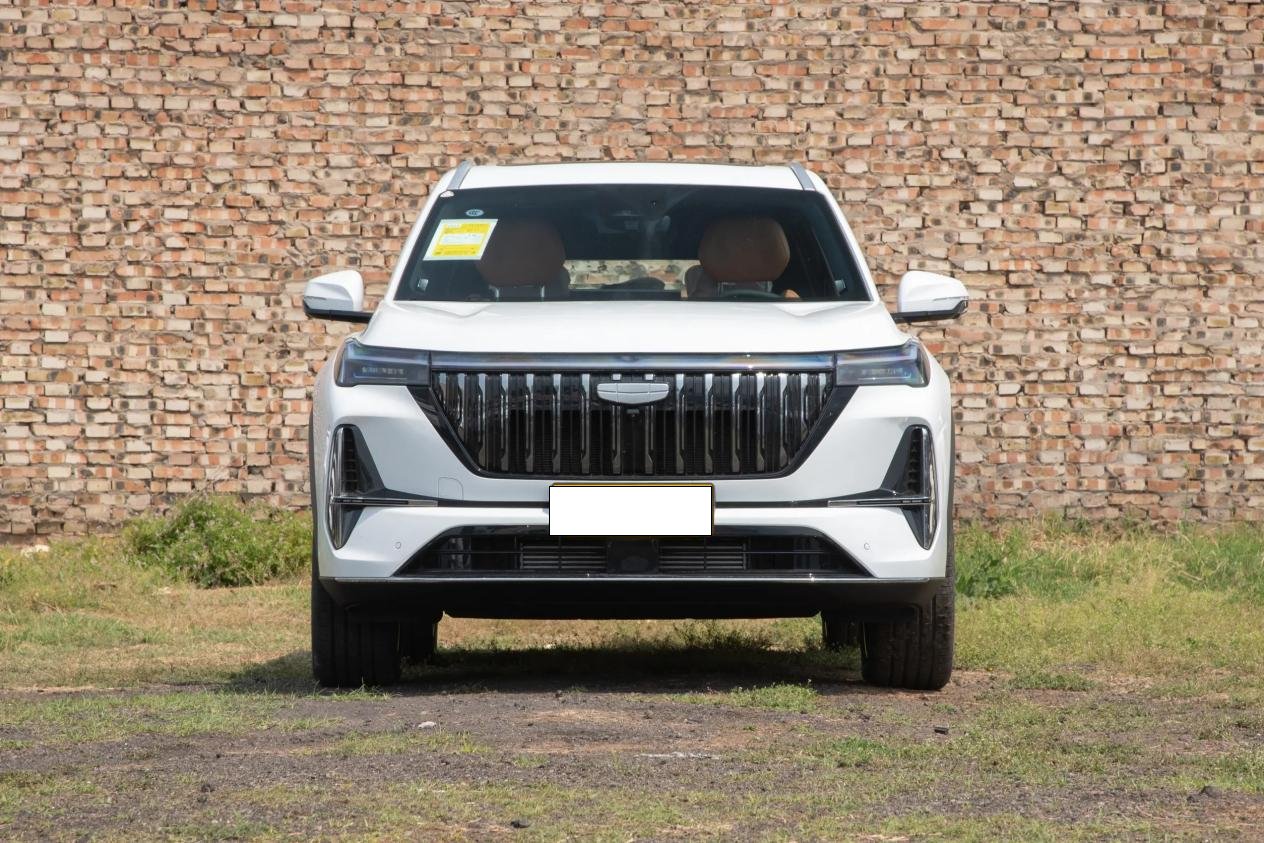
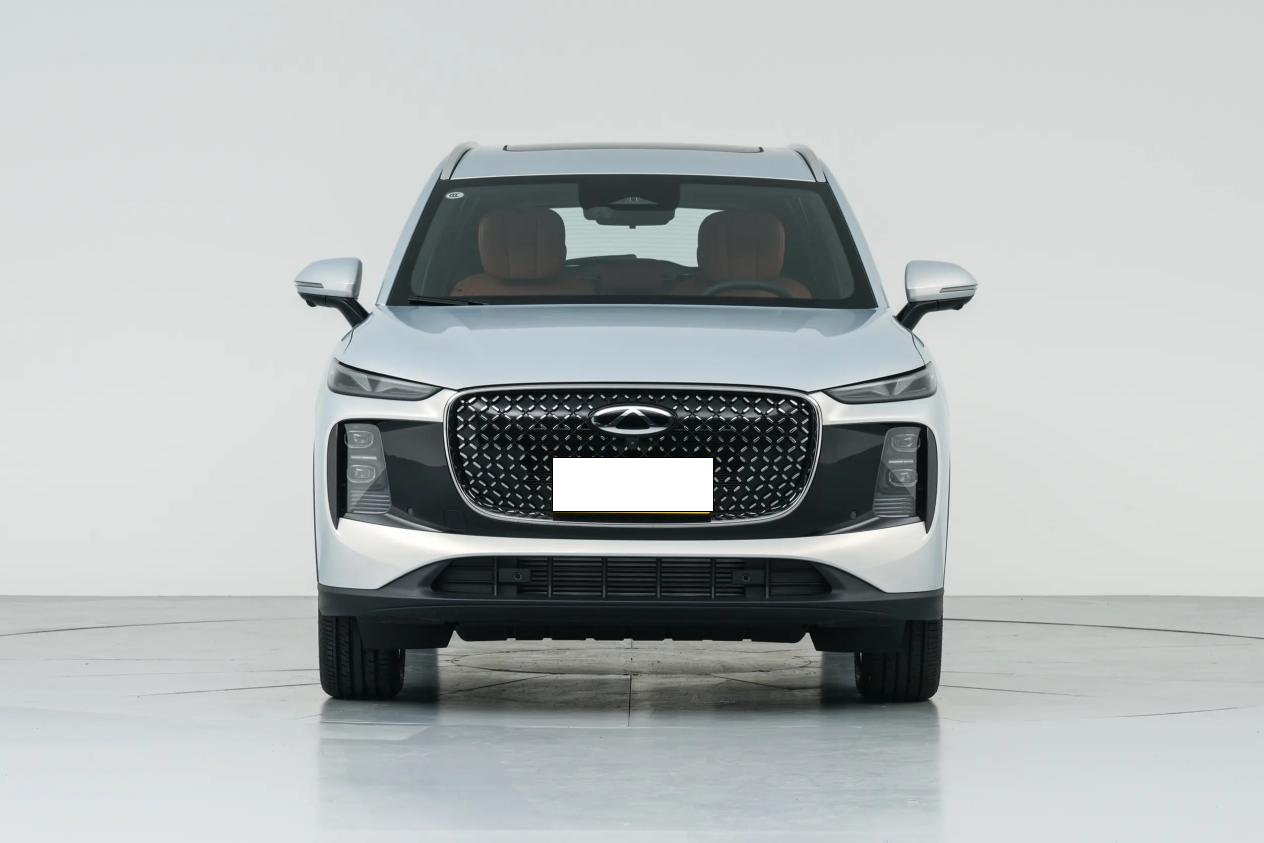
In terms of price, both cars currently offer considerable discounts and benefits at dealerships, such as a 1,000 yuan deposit offsetting 8,000 yuan of the purchase price, which both offer. This means buying either car now is actually quite cost-effective, but what is even more cost-effective is that the Fifth-Generation Tiggo 8 also offers a lifetime whole-vehicle warranty, while the Fourth-Generation Boyue L offers 4 years or 100,000 kilometers. So who actually performs better? Let us continue reading:
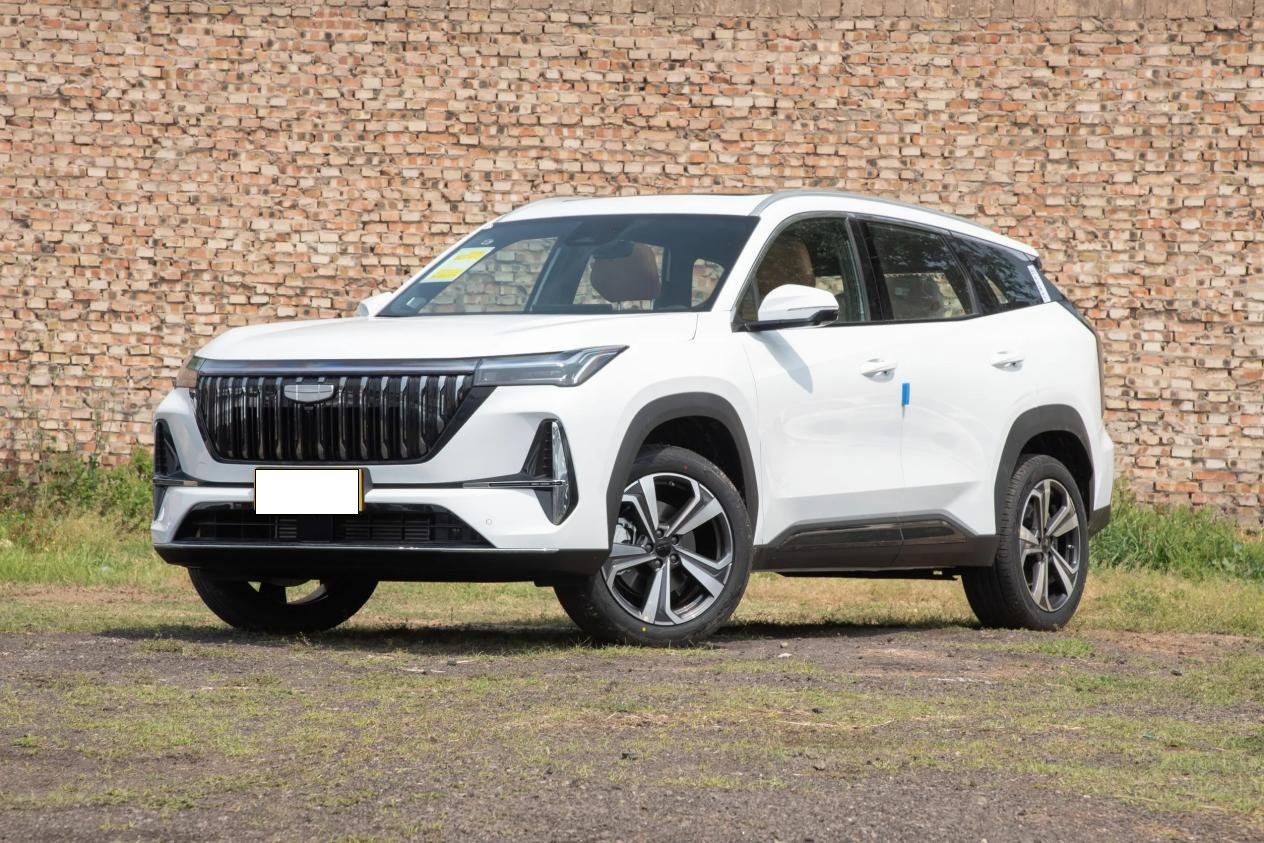
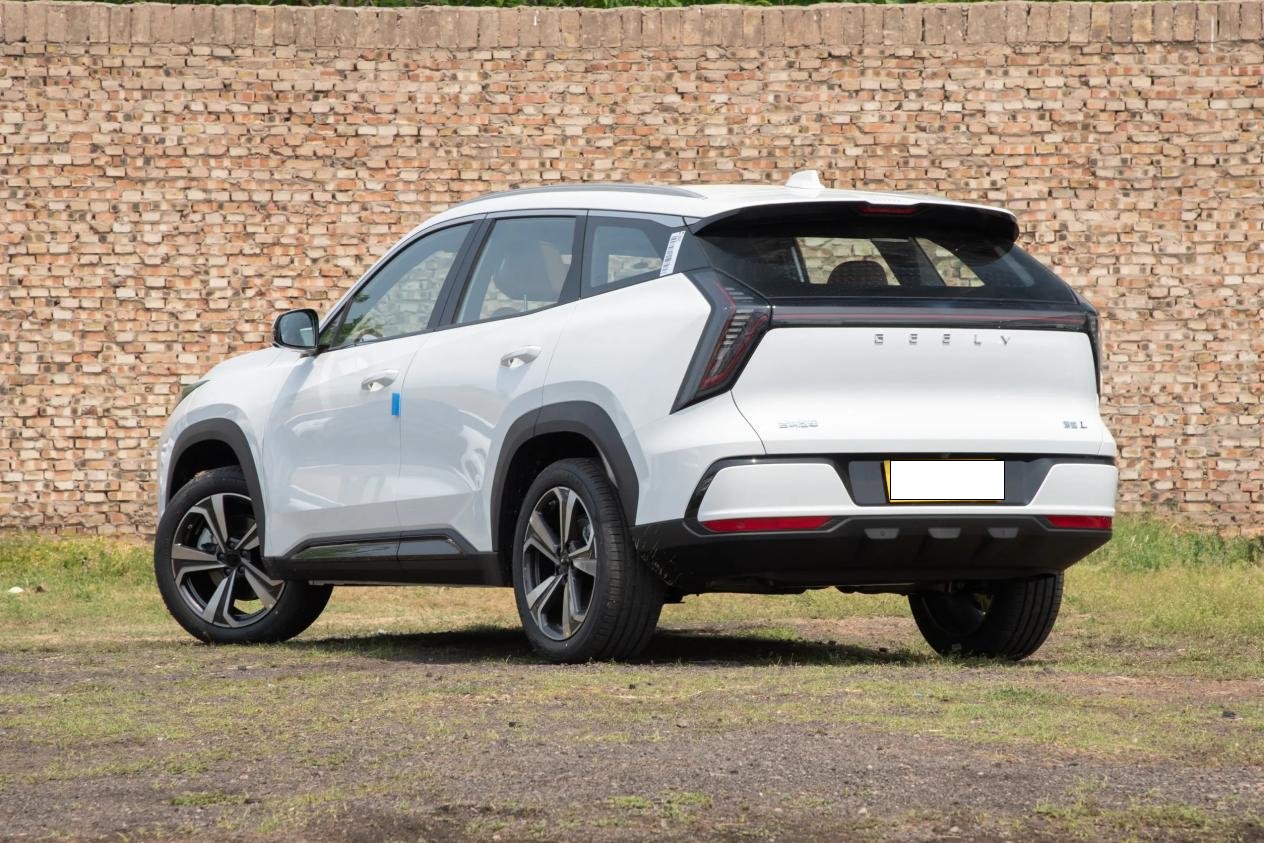 Let us first look at the static presentation. The current design of the Fourth-Generation Boyue L is becoming more and more youthful, especially elements such as the floating roof and front and rear through-light strips, which look very stylish. I believe young friends should like it very much.
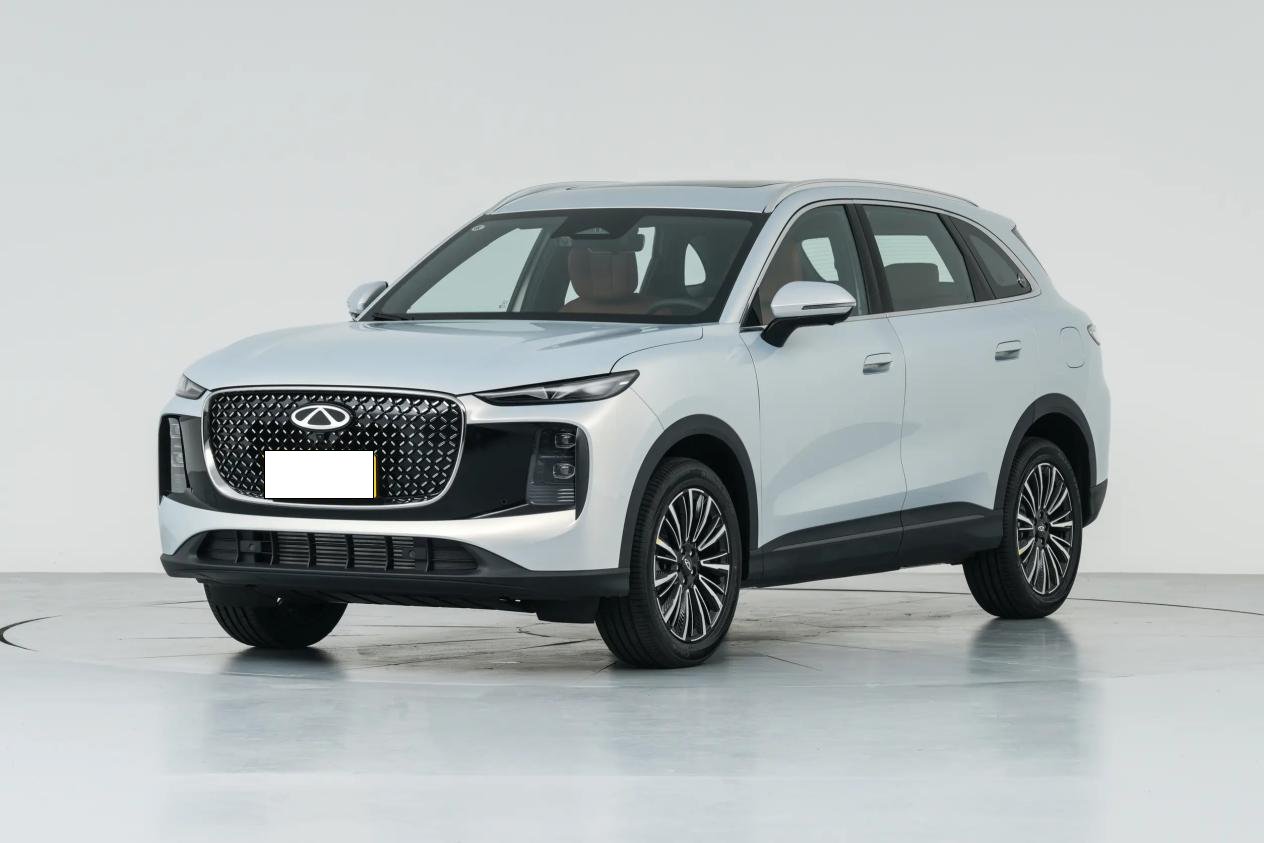
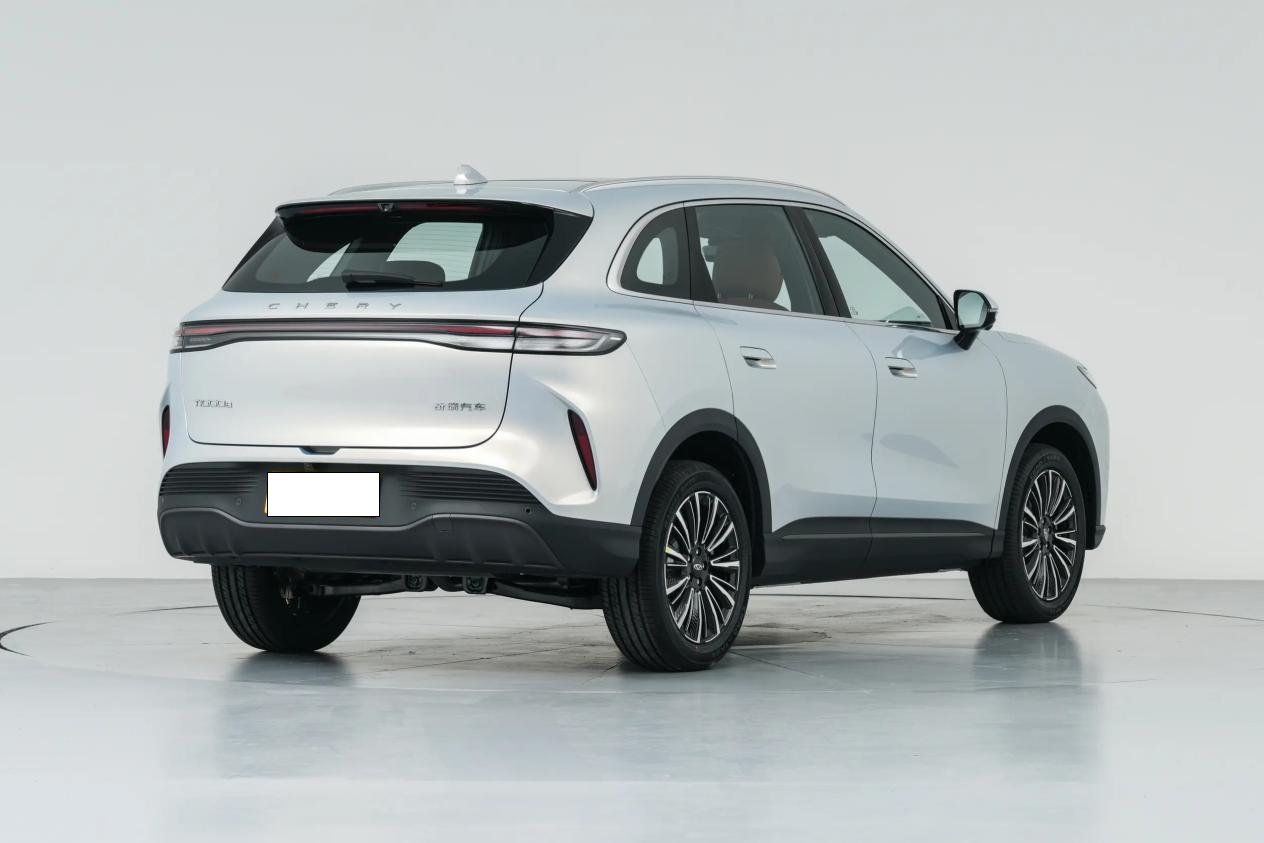 (Leopard Edition)
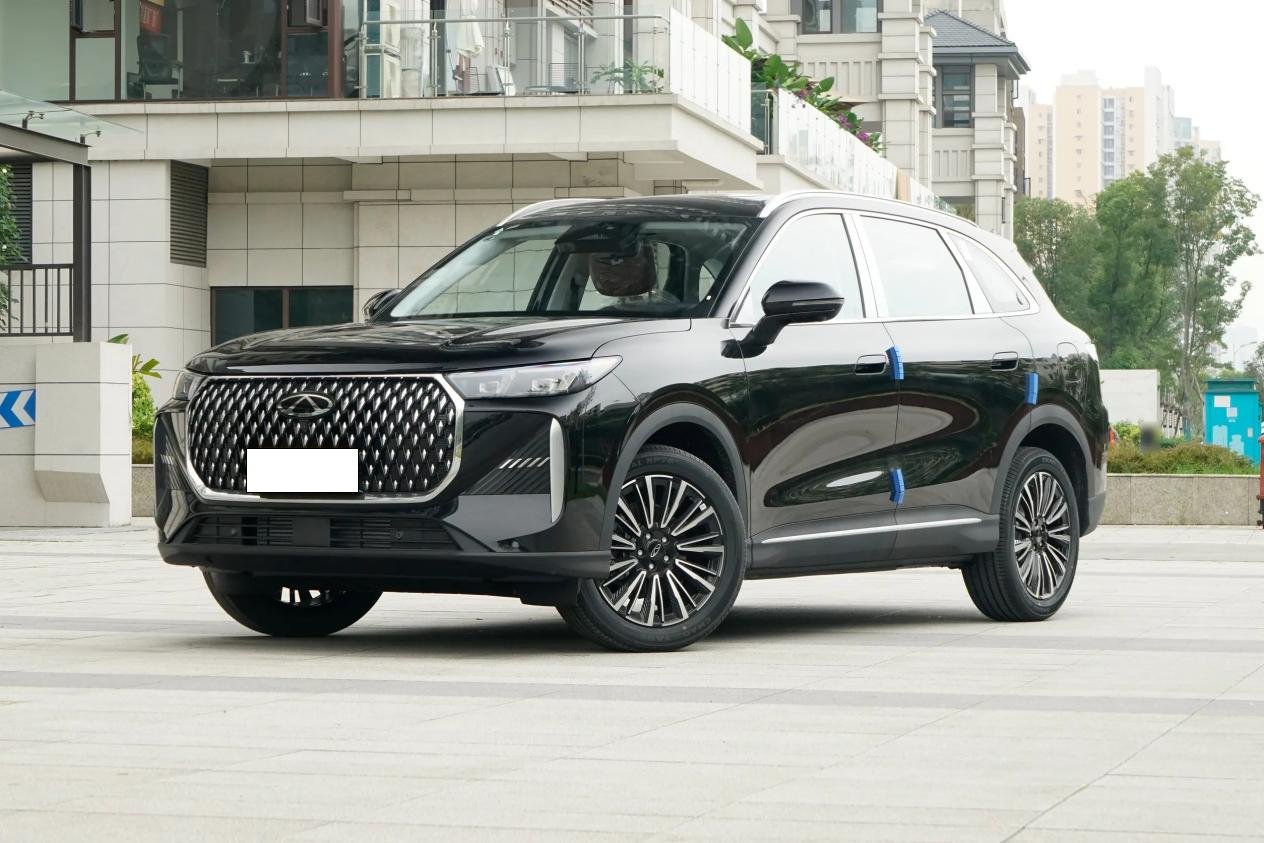
(Tiger Edition)
Of course, the Fifth-Generation Tiggo 8 also has very high visual appeal, especially the Leopard Edition, which pursues a more youthful design. The sharp headlights paired with the slender through taillights also present a very good visual effect. And if you are not pursuing youthfulness and sportiness, but prefer something more steady, the Fifth-Generation Tiggo 8 also offers the grand and steady Tiger Edition design to choose from.
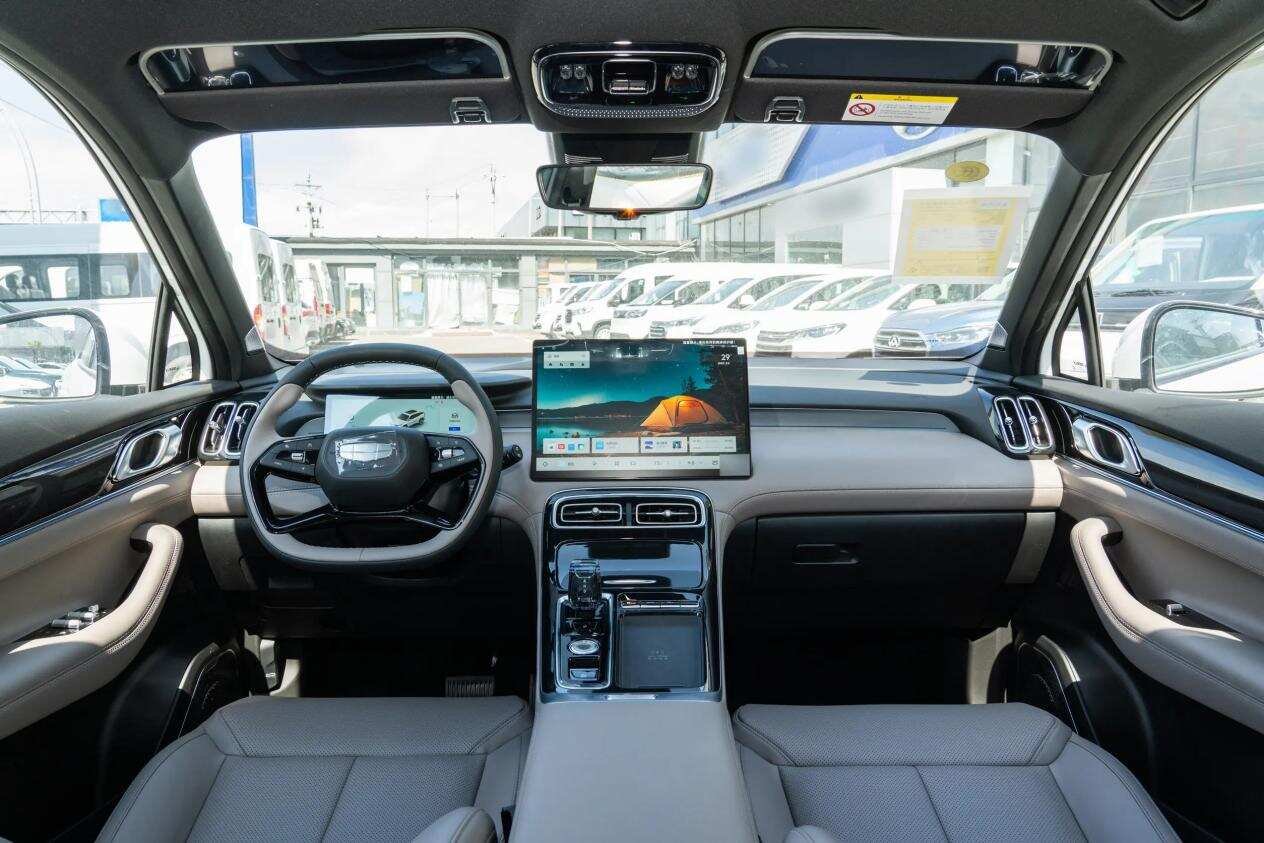
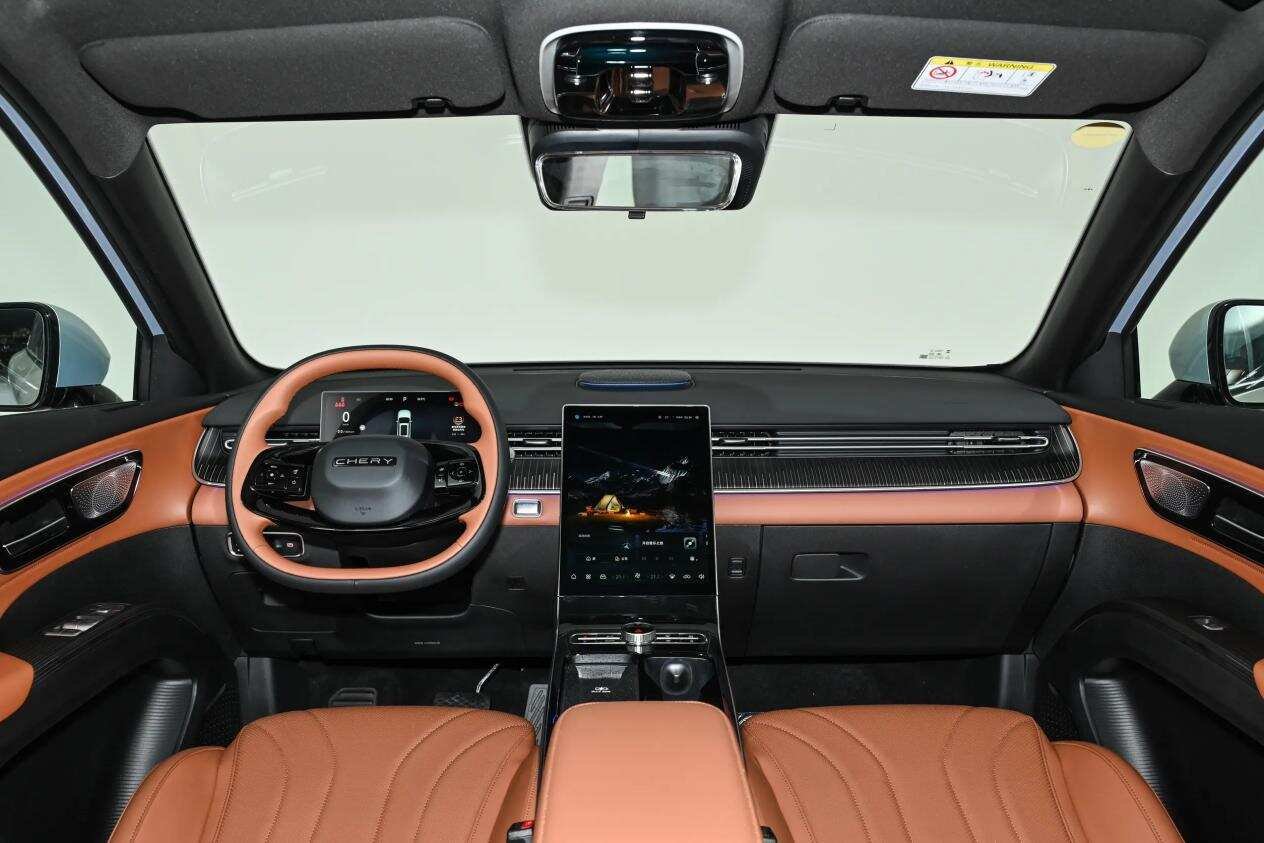
The cabins of the two SUVs basically continue the characteristics of their exteriors, and both use two-tone color schemes, with center consoles that are highly layered. The slight difference is that the Fifth-Generation Tiggo 8 uses a column shifter, thus freeing up part of the space on the secondary instrument panel, making it look cleaner and making it more convenient to pick up and put down a phone; the Fourth-Generation Boyue L retains a traditional electronic gear selector and places the wireless phone panel on the passenger side, which is not very convenient for picking up and putting down a phone.
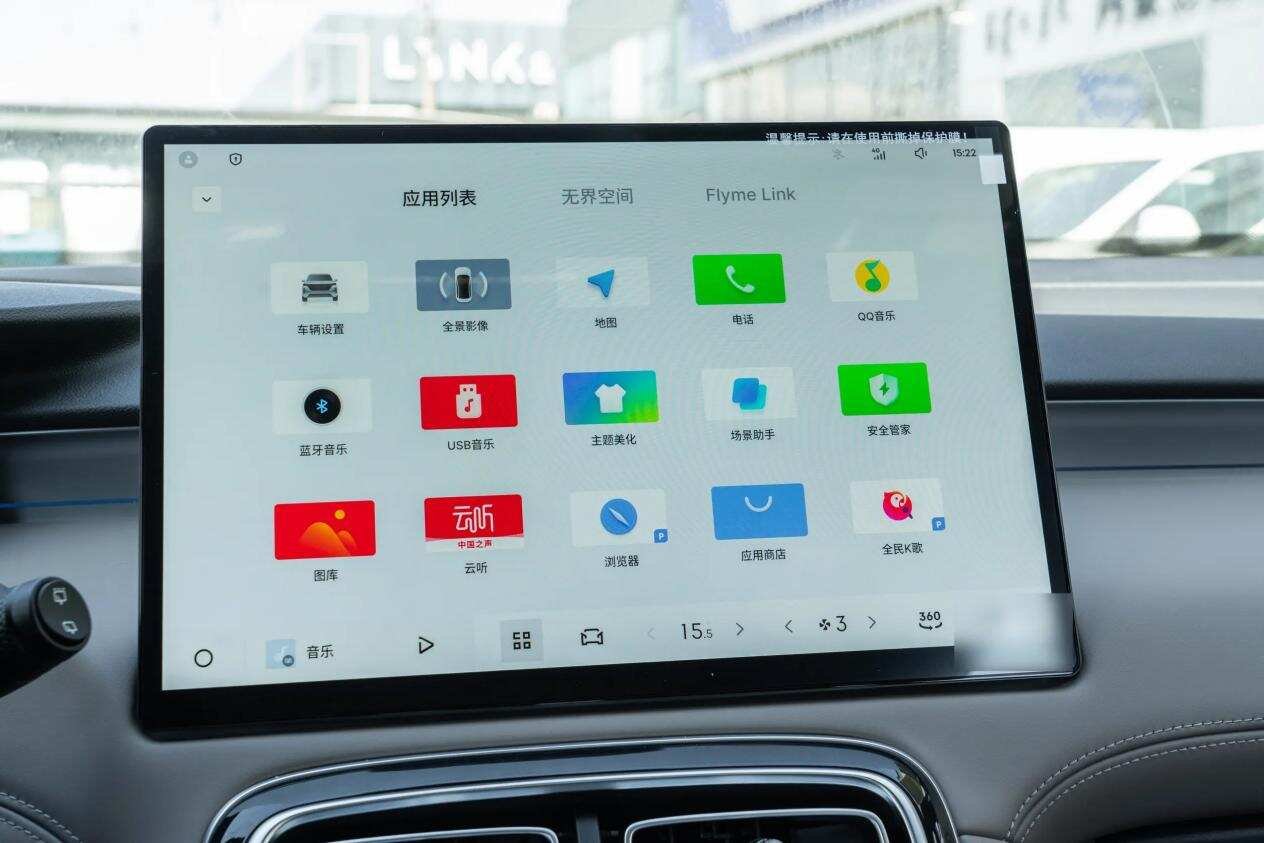
There are also relatively large differences in intelligent features. The Fourth-Generation Boyue L is equipped with the Flyme infotainment system, and both its UI design and operation logic are optimized very much like an Android phone. Moreover, phones also using the Flyme system can seamlessly cast their screen to the infotainment system, and the interaction experience is quite good. The Fifth-Generation Tiggo 8 is also very impressive, with CarPlay, Carlink, and HUAWEI HiCar connectivity, so phones running Android, Apple, and HarmonyOS can all connect and cast their screens.
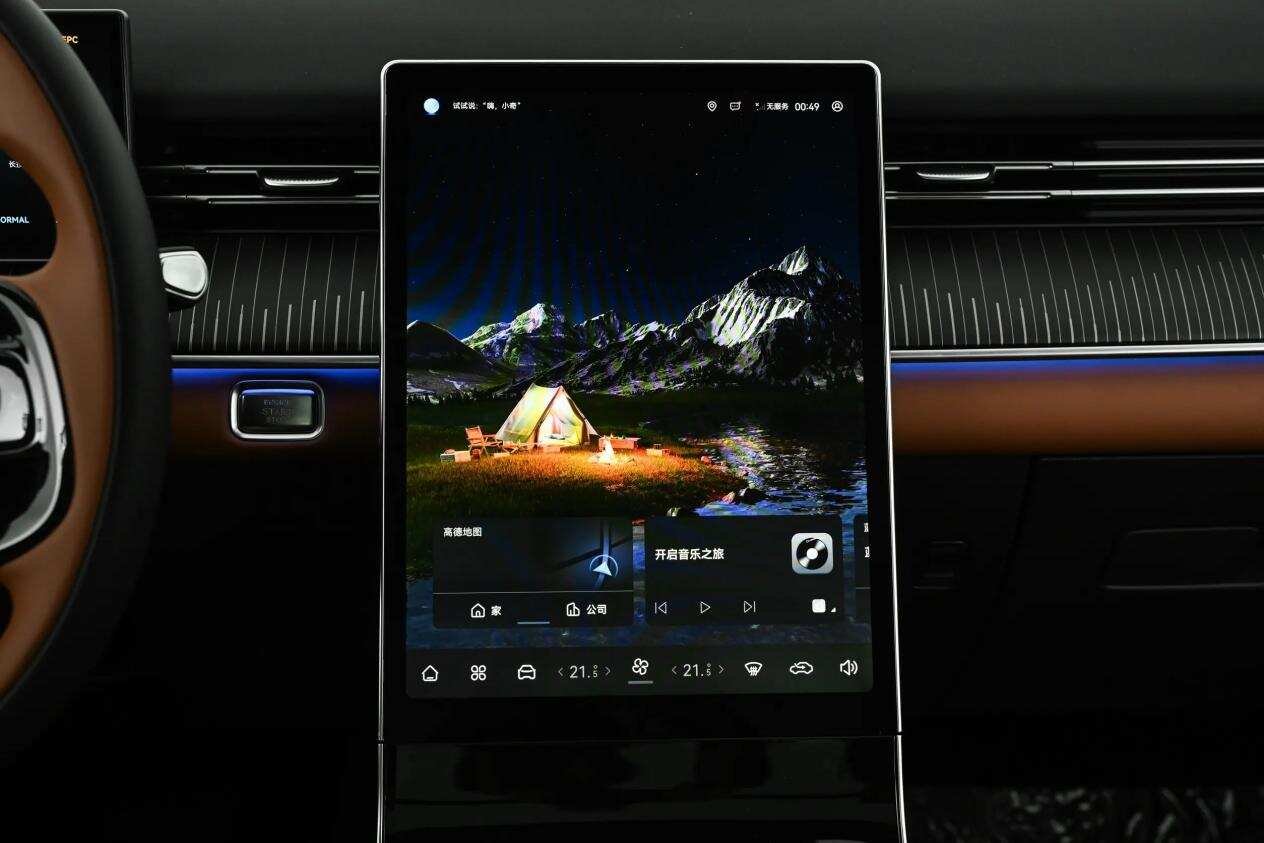
There is also the chip aspect. The Fourth-Generation Boyue L favors high-end owners more, being equipped with the Dragon Eagle No. 1 chip, while the mid- and low-end trims do not get this treatment. The Fifth-Generation Tiggo 8 treats everyone equally, with the 8155 chip standard across the entire lineup, ensuring high computing power whether in low or high trims. Combined with the integrated AI large model, it has 2s infotainment startup, recognition of 20+ commands in 30s, as well as dialect recognition, rear-row air conditioning control, and front-row navigation control. Whether high or low trim, front or rear row, everyone can enjoy an intelligent cabin experience comparable to an EV.
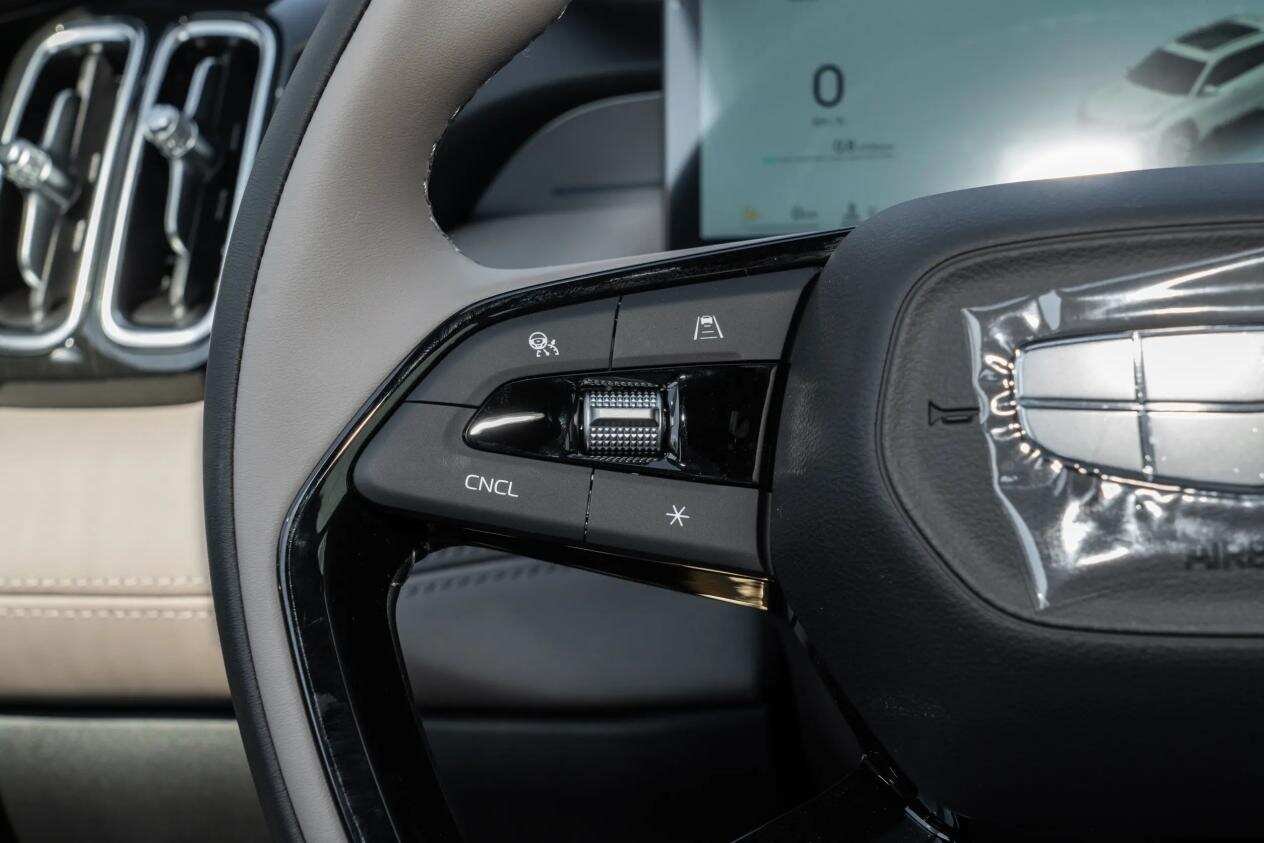
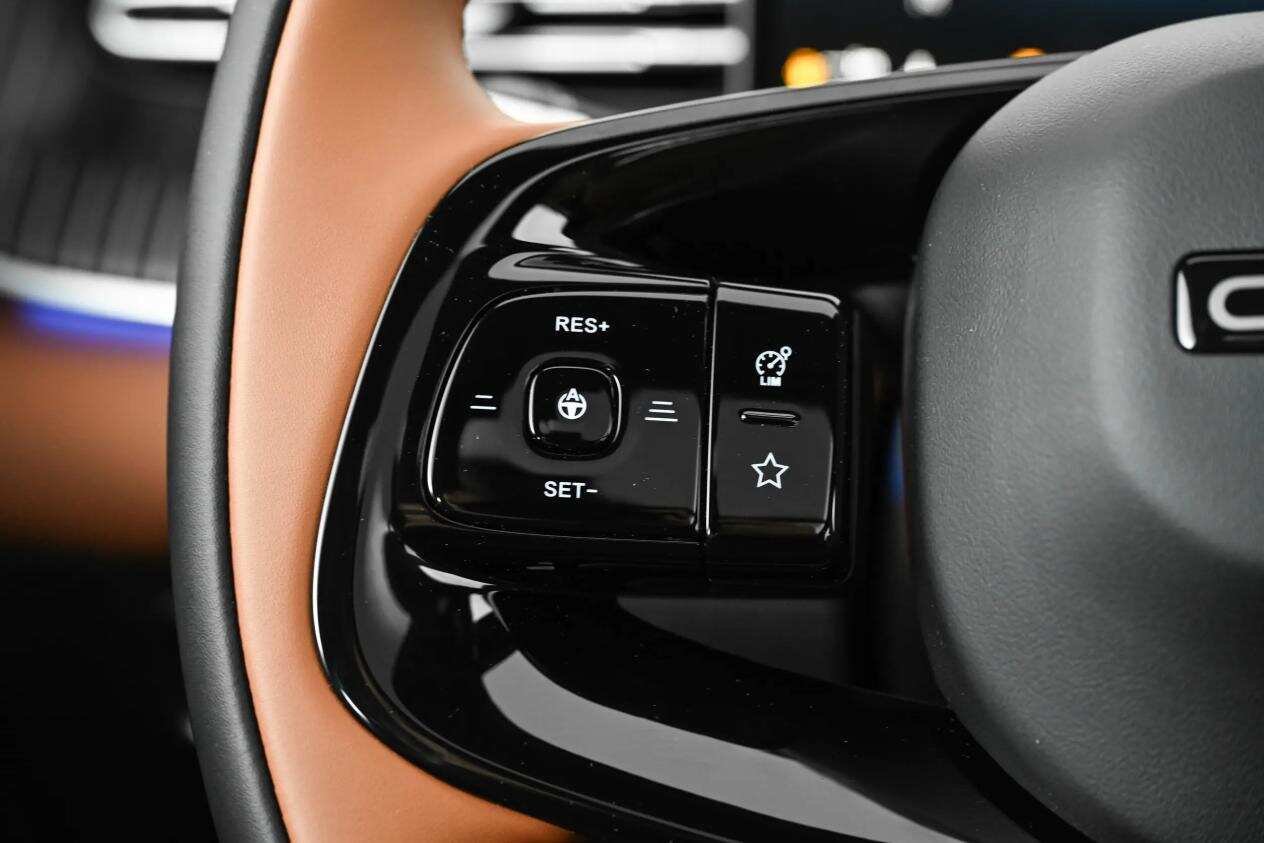
At the same time, both SUVs are also equipped with L2-level combined assisted driving functions, including commonly seen and relatively practical features such as full-speed adaptive cruise control, lane keeping assist, lane centering, and traffic sign recognition. However, the Fifth-Generation Tiggo 8 has more hardware, including 8 ultrasonic radars, and it also has a fatigue driving reminder function, while the Fourth-Generation Boyue L has 6 ultrasonic radars and does not have a fatigue driving reminder. Everyone needs to pay attention to this.
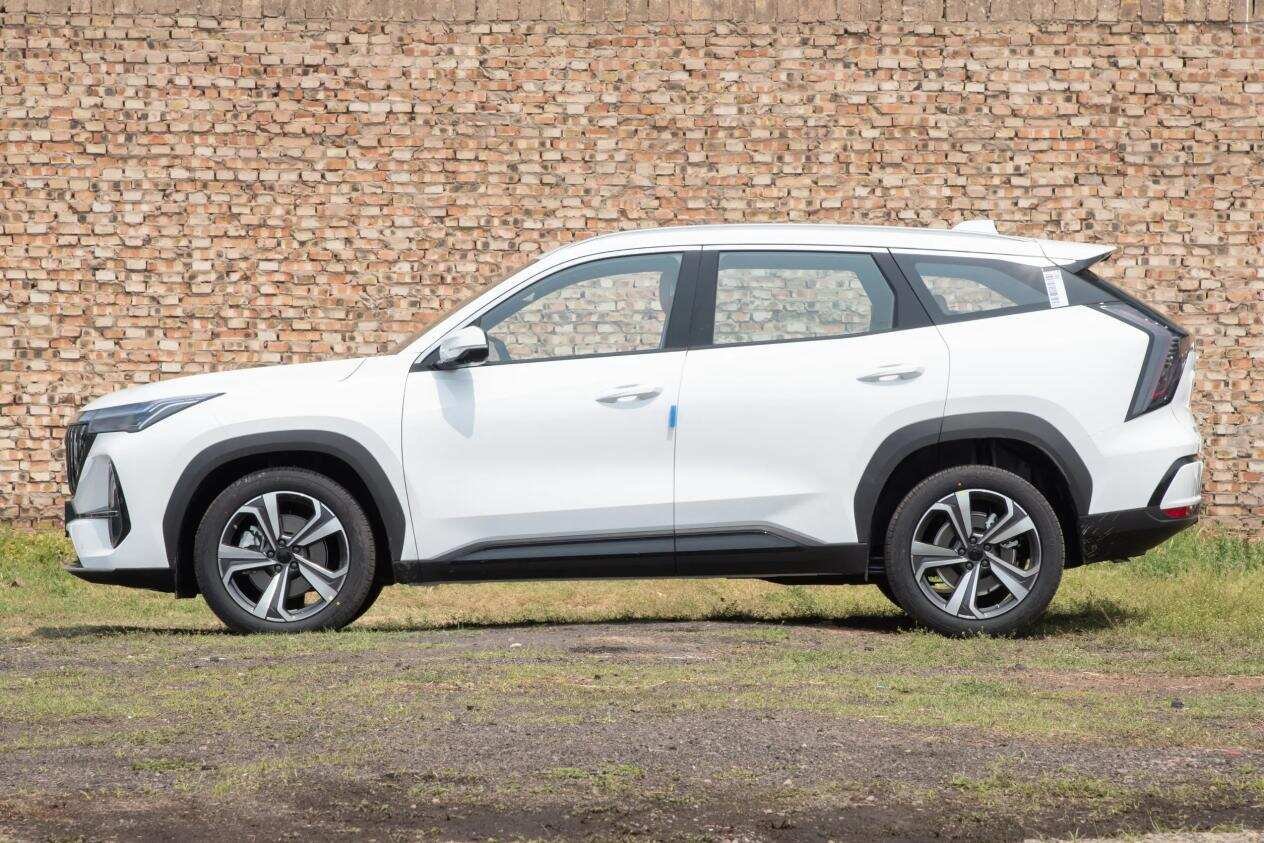
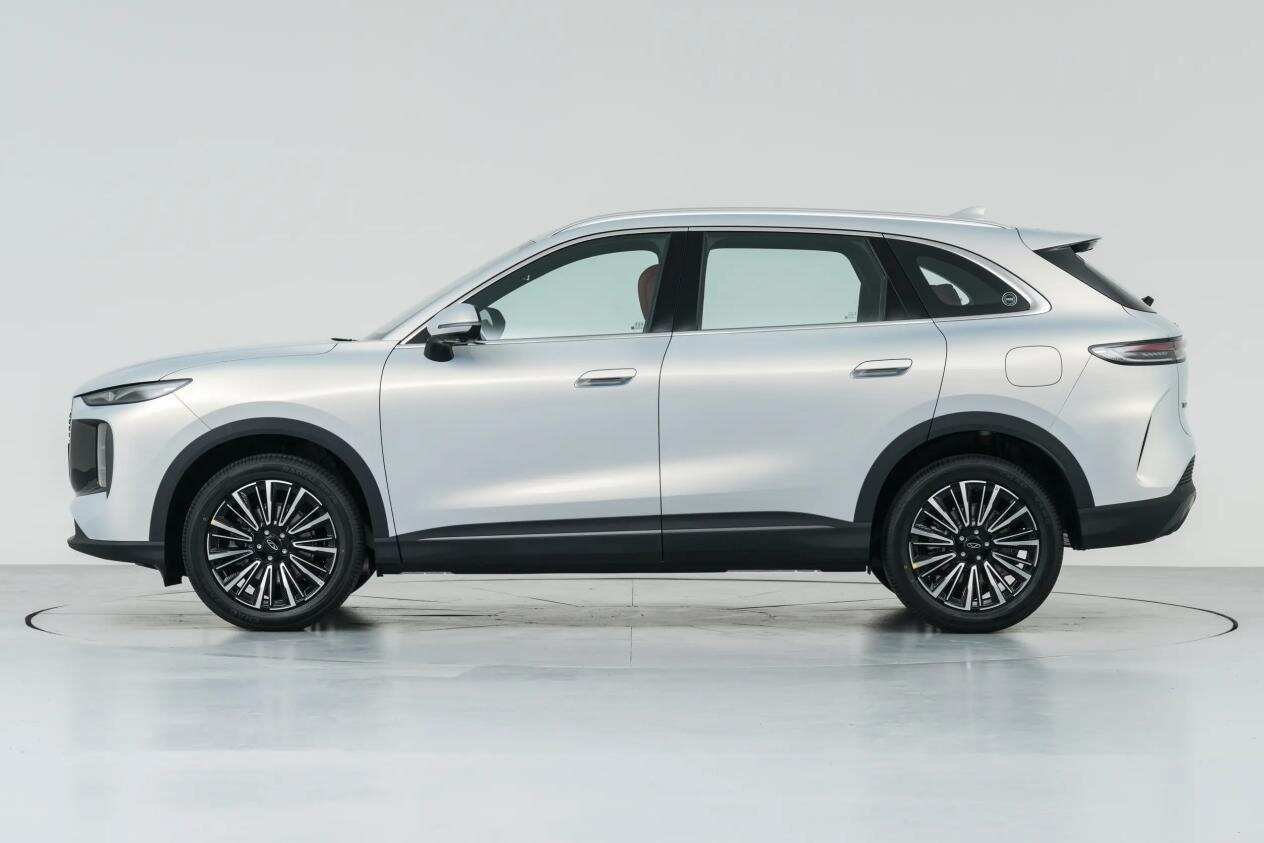
For domestic cars that are being built larger and larger, having spacious room is not difficult, but what everyone cares about is who is more comfortable and practical. In terms of wheelbase, the Fifth-Generation Tiggo 8's 2825mm is 40mm more than the Fourth-Generation Boyue L's 2785mm, which shows that the Fifth-Generation Tiggo 8 has more room to work with. In actual measurement, rear legroom reaches 970mm, and second-row shoulder room is 1431mm, remaining at a relatively good level in the same class. Now let us look at actual performance.
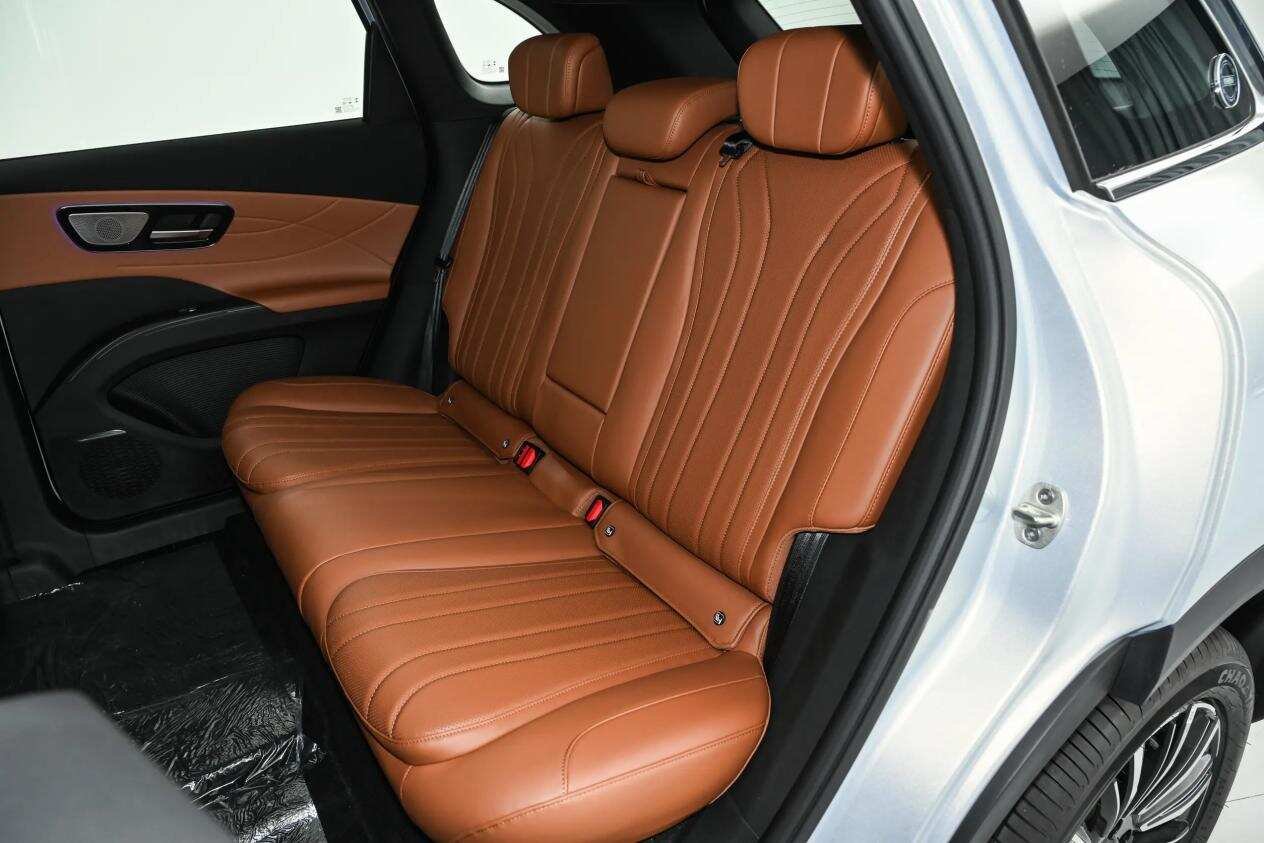
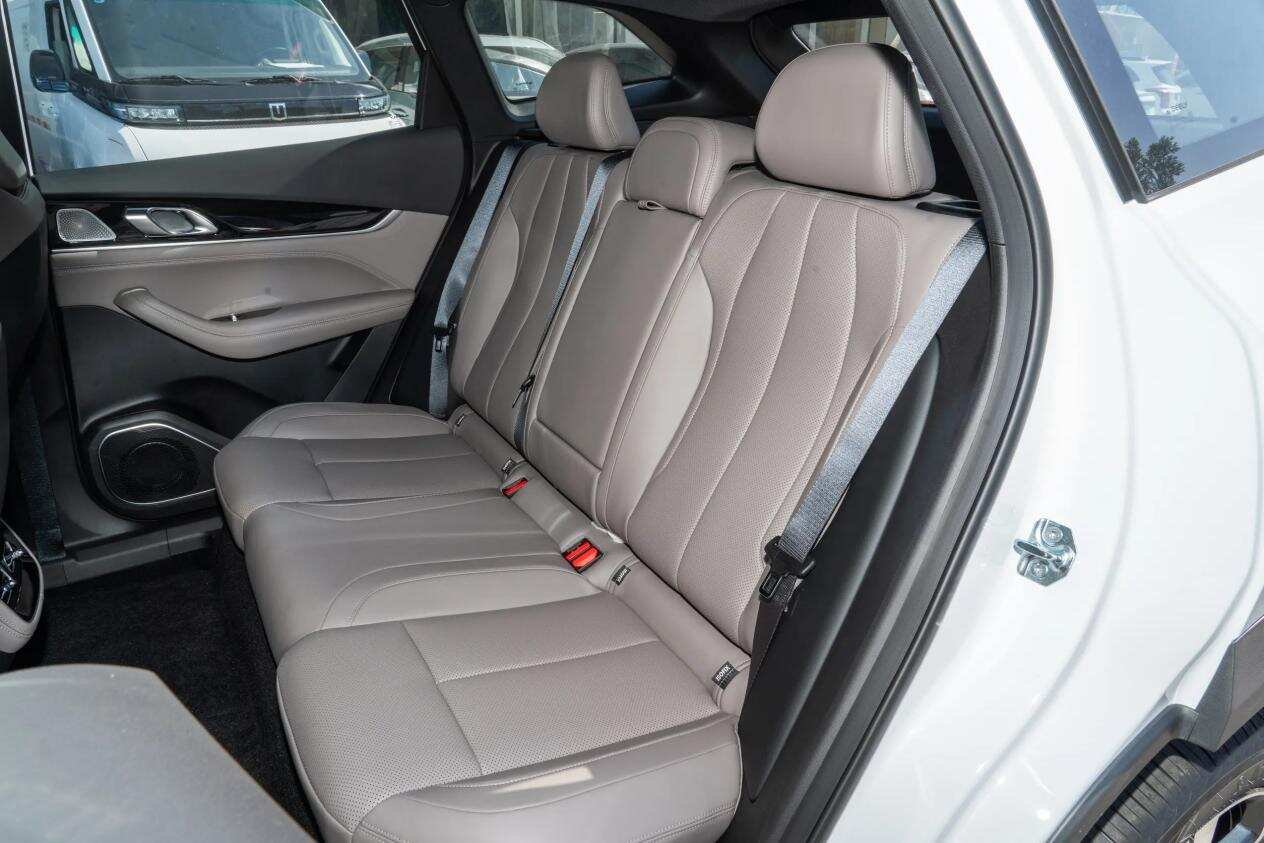
In fact, in addition to the wheelbase, the Fifth-Generation Tiggo 8 also adds a rear-row small table, boss key, front seats that can lie flat at 170°, and rear seat backrest angle adjustment, so in terms of flexibility and user experience, it indeed has a considerable advantage. Of course, the Fourth-Generation Boyue L is not bad either. Like the Fifth-Generation Tiggo 8, it also has front seat heating, ventilation, and massage functions, as well as a queen seat for the front passenger, except that the Fifth-Generation Tiggo 8 is indeed more thoughtful.
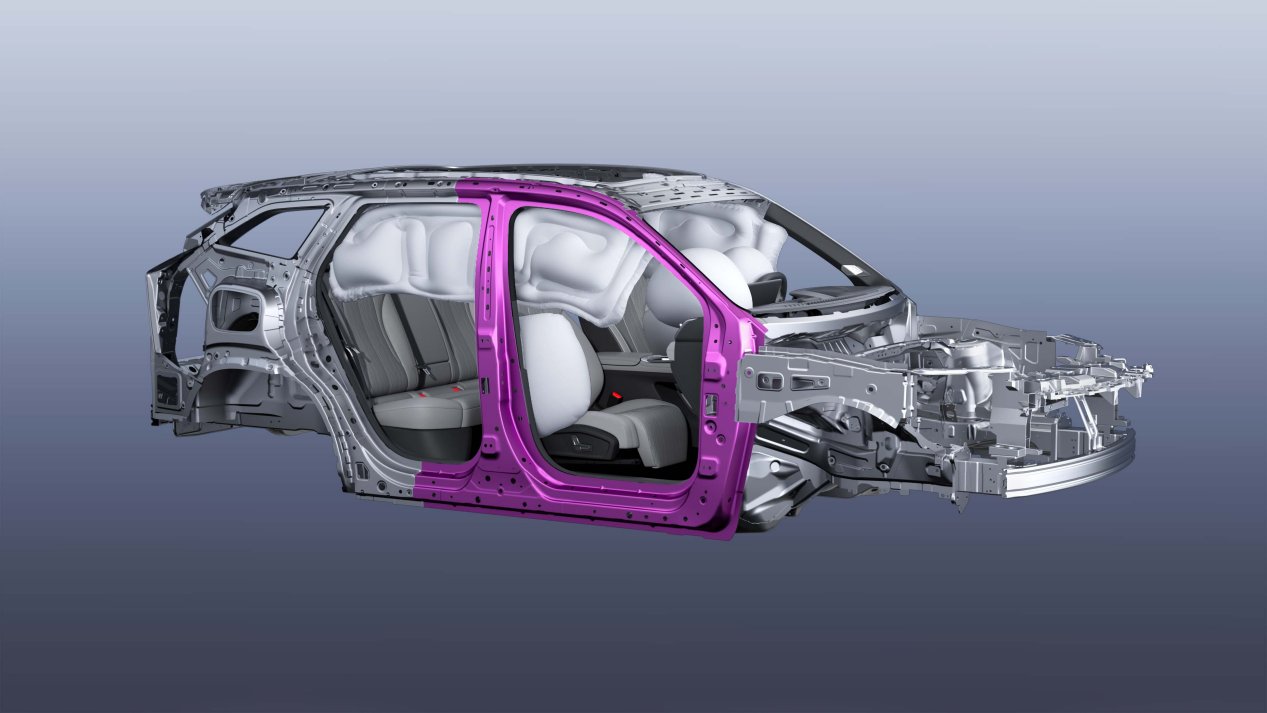
Sitting comfortably also requires driving with peace of mind! Nowadays, domestic cars use very strong materials. The Fourth-Generation Boyue L adopts eight major passive safety designs, a cage body, six airbags, and is paired with an integrated hot-formed boron steel door ring and 32000Nm/deg body torsional rigidity, giving the whole vehicle quite a hardcore level of protection.
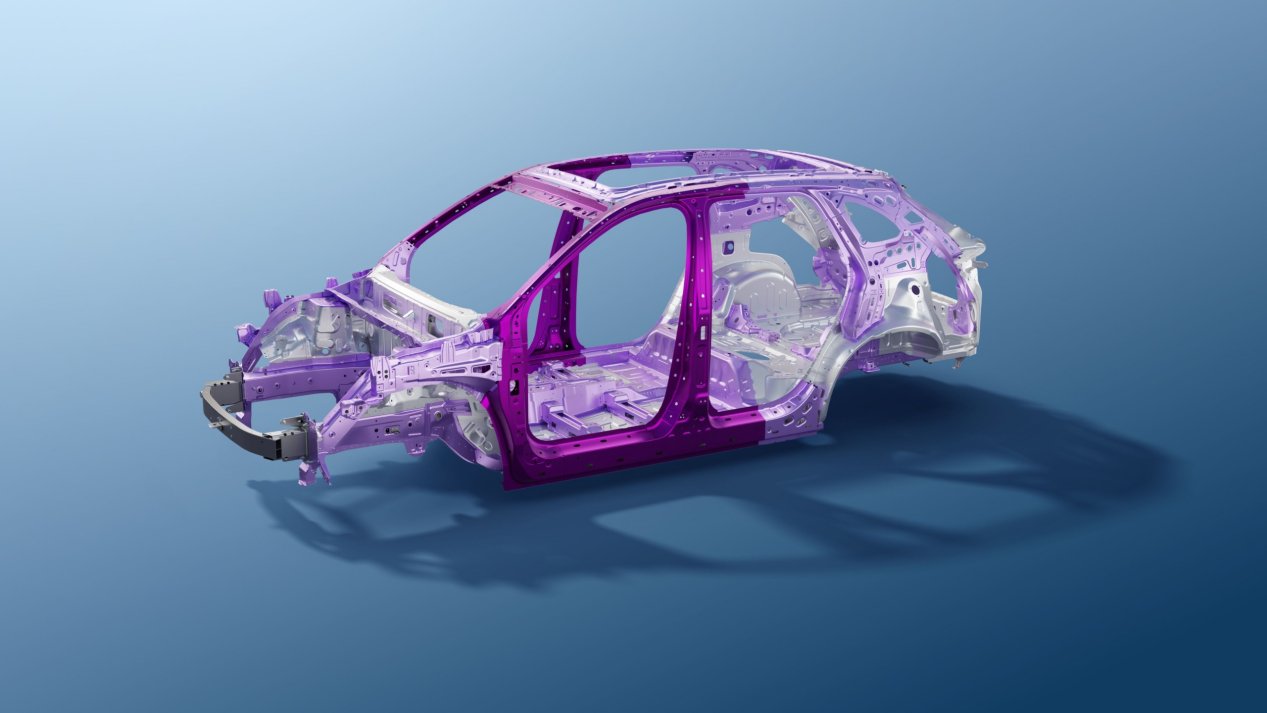
The Fifth-Generation Tiggo 8 is even more impressive. Based on the Rock Body design, it uses an aluminum alloy front anti-collision steel beam, and key areas such as the A-pillar, B-pillar, door sill beams, and four-door anti-collision beams use 1500MPa hot-formed steel, accounting for 20%, while the proportion of high-strength steel and aluminum in the whole vehicle is as high as 80%, which is likewise very hardcore. More critically, it also uses eight airbags, including a 2012mm side curtain airbag running through the entire side of the vehicle, maintaining pressure for 6 seconds at 80%, which can effectively protect occupants in the event of a collision.
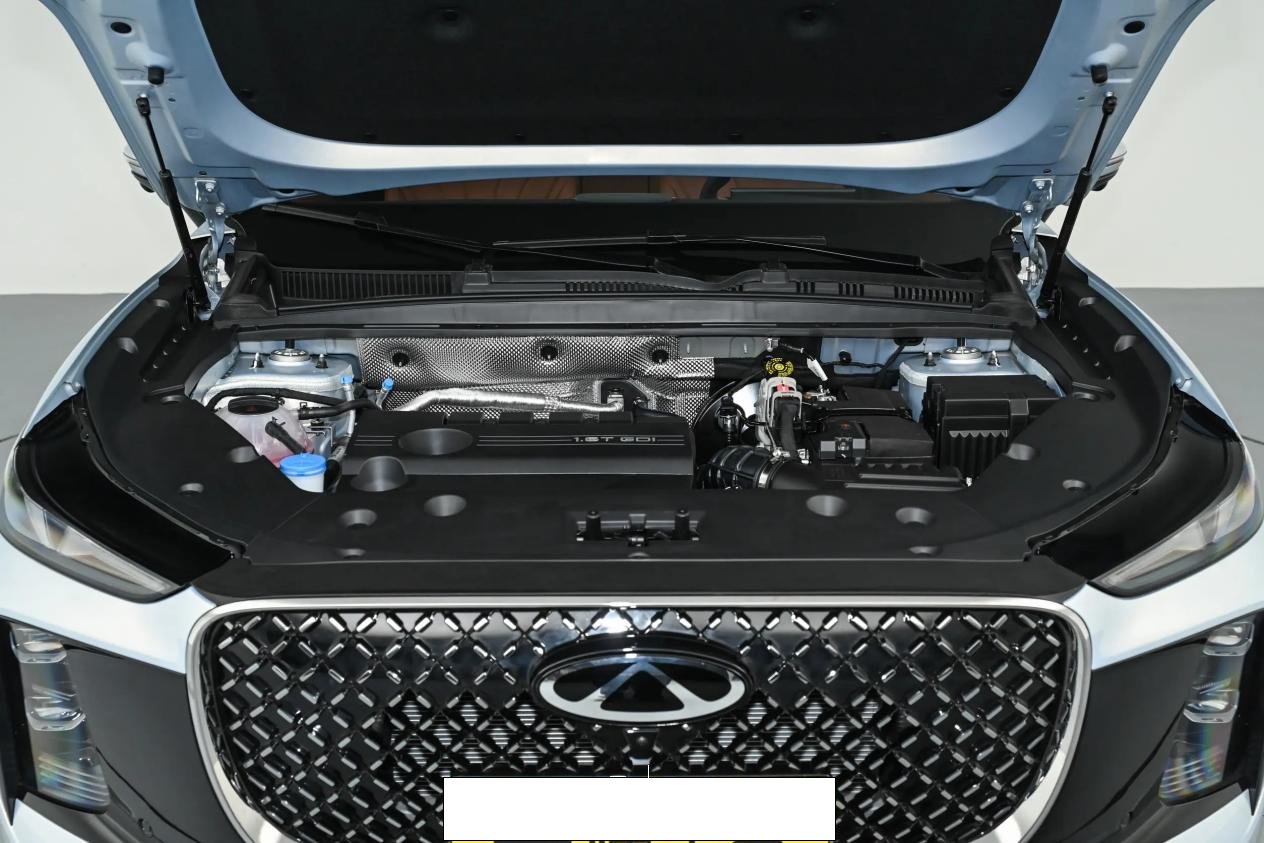
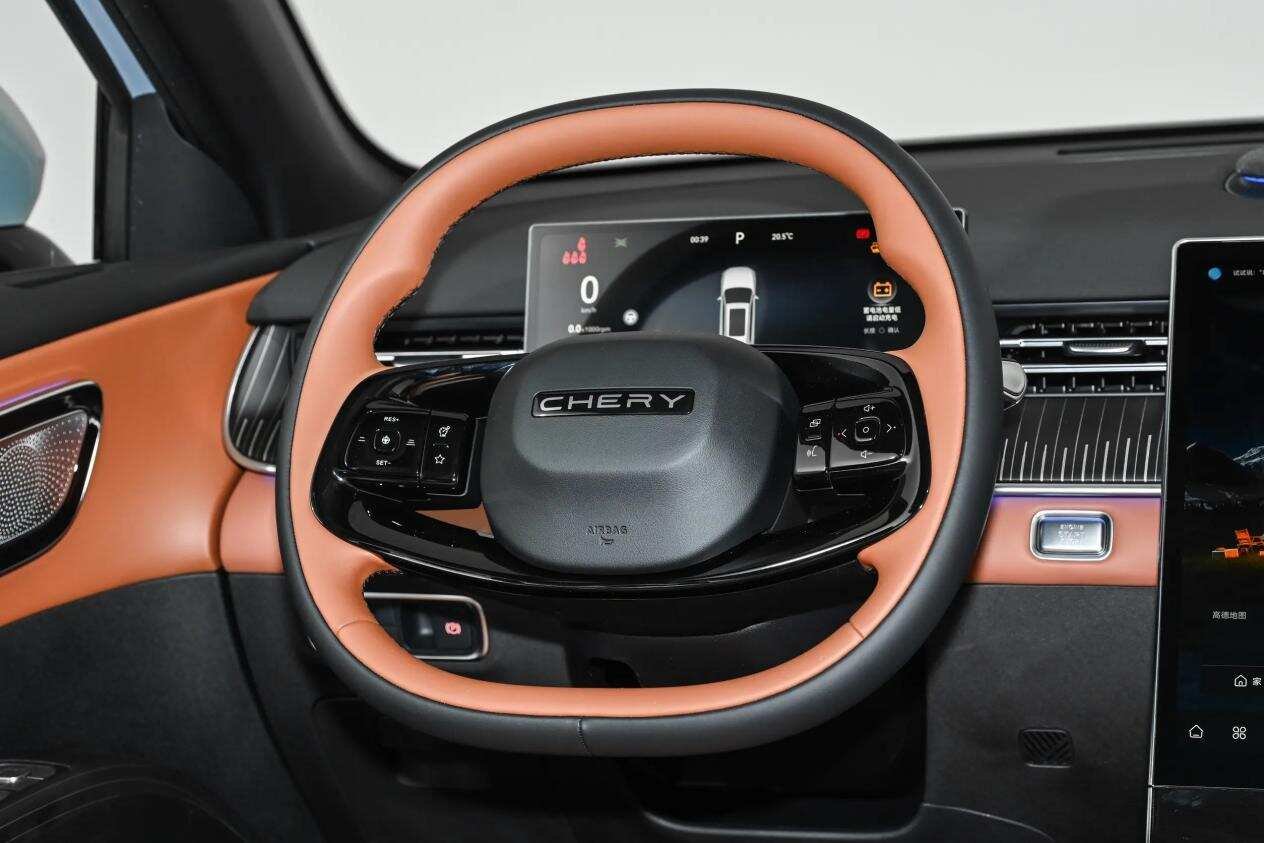
Next let us look at dynamic performance. The Fifth-Generation Tiggo 8 is equipped with a 1.6T engine and a 7-speed dual-clutch transmission, with a maximum power of 147kW and maximum torque of 310N·m. These parameters are actually already very close to the EA888, so there is no need to worry at all about the car's power reserve when driving. Especially in the mid- and rear-range, re-acceleration is still very strong, and highway overtaking is very brisk. Moreover, in terms of acceleration and shifting logic, although it is a fuel car, its acceleration process is actually moving closer to that of an EV, and the overall smoothness is also quite good. Another impressive point is that its chassis suspension has very strong overall integrity. Especially at high speeds, the suspension support and body pitch control both perform very well, reaching a level above its class.
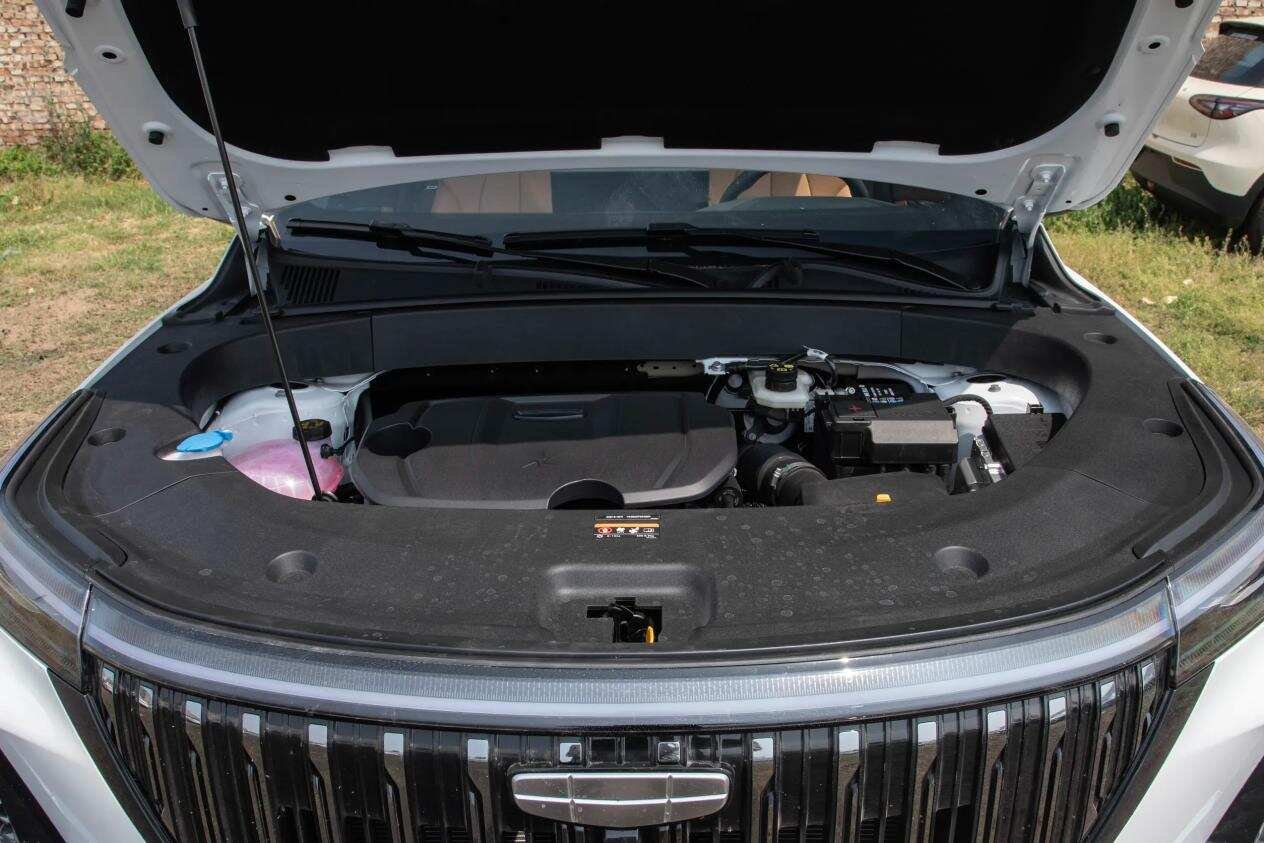
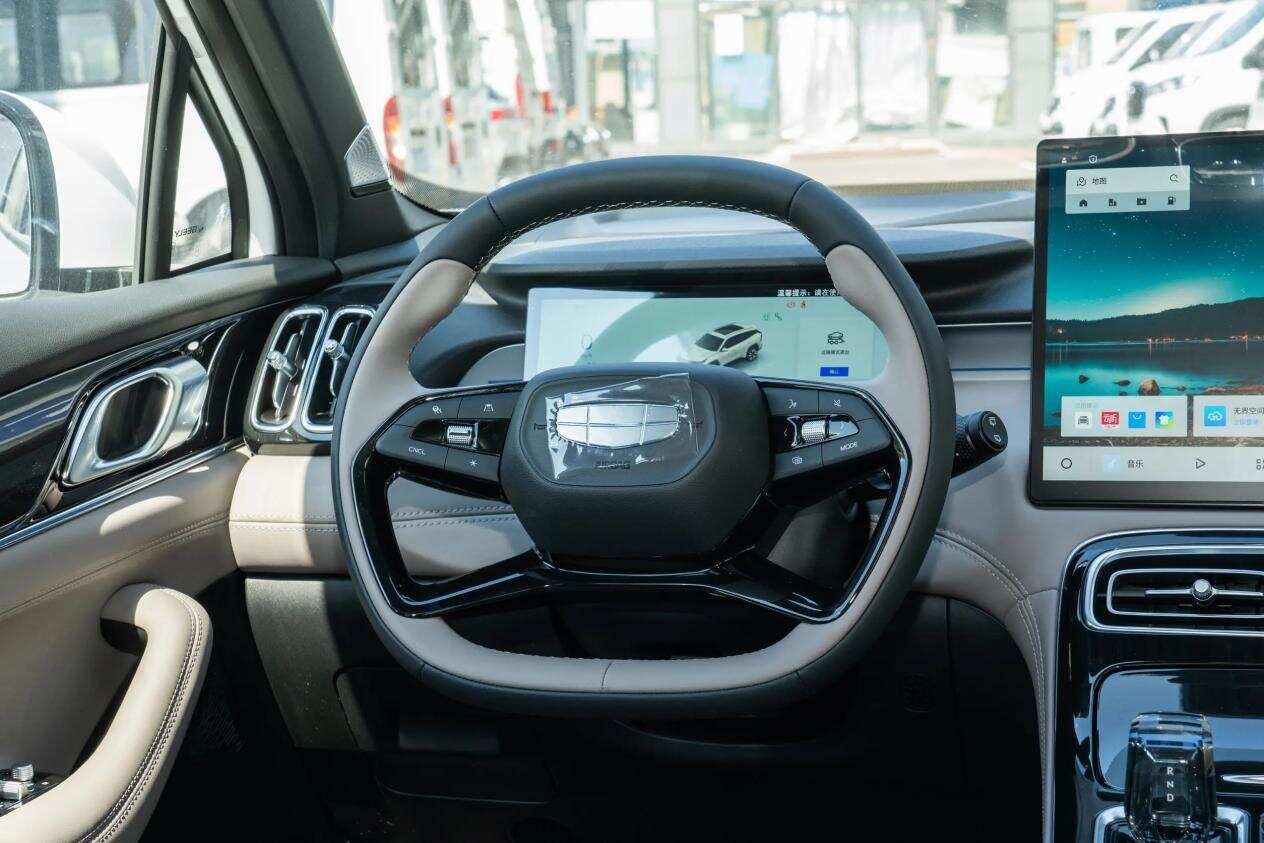
The Fourth-Generation Boyue L is equipped with a 1.5T engine and a 7-speed dual-clutch transmission, with a maximum power of 133kW and maximum torque of 290N·m, and its power output is slightly weaker than that of the Fifth-Generation Tiggo 8. In order to ensure a comfortable experience, it actually sacrifices a certain amount of shifting speed. In the low- and medium-speed stages, shifting is actually slightly delayed, but the smoothness it brings is indeed quite good. In addition, the chassis of the Fourth-Generation Boyue L is relatively more comfort-oriented, meeting the requirements of most Chinese people for a family SUV.
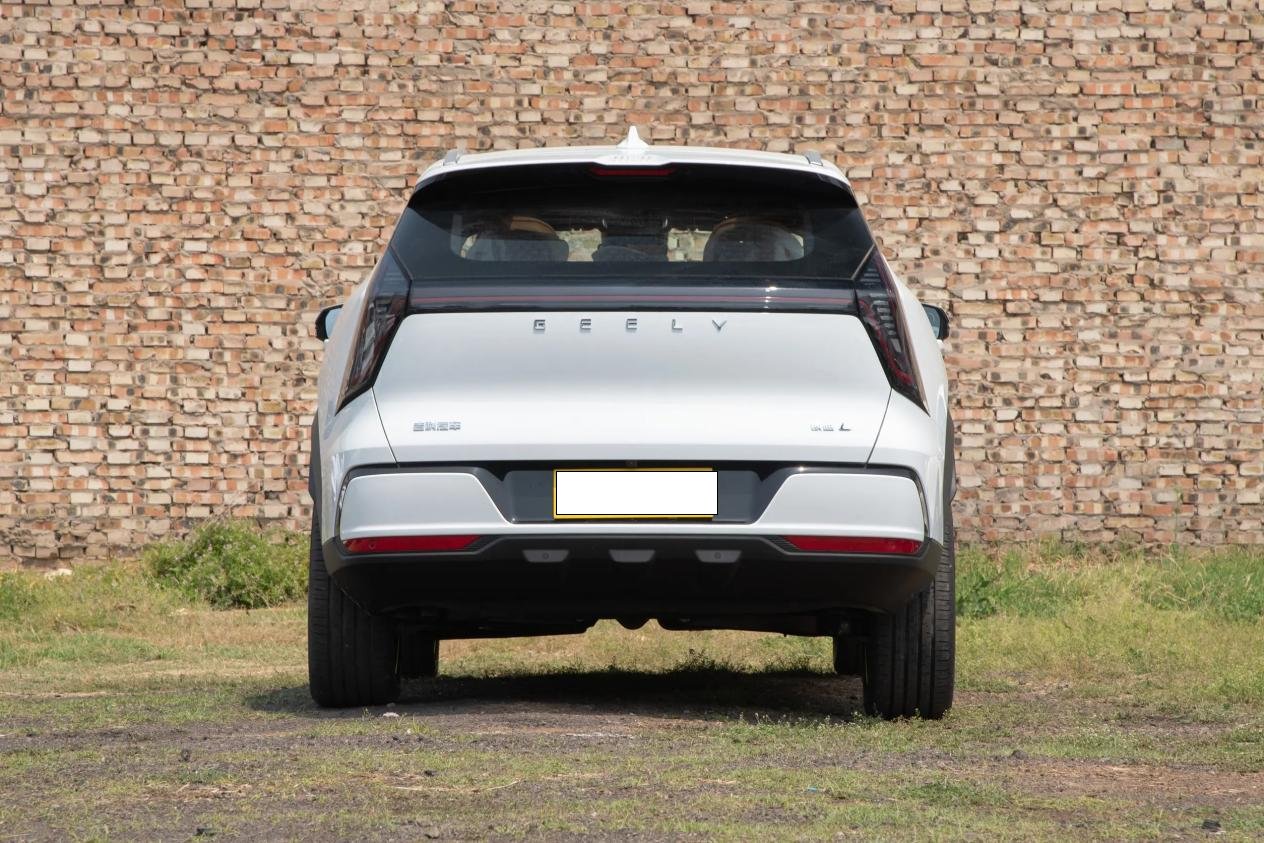
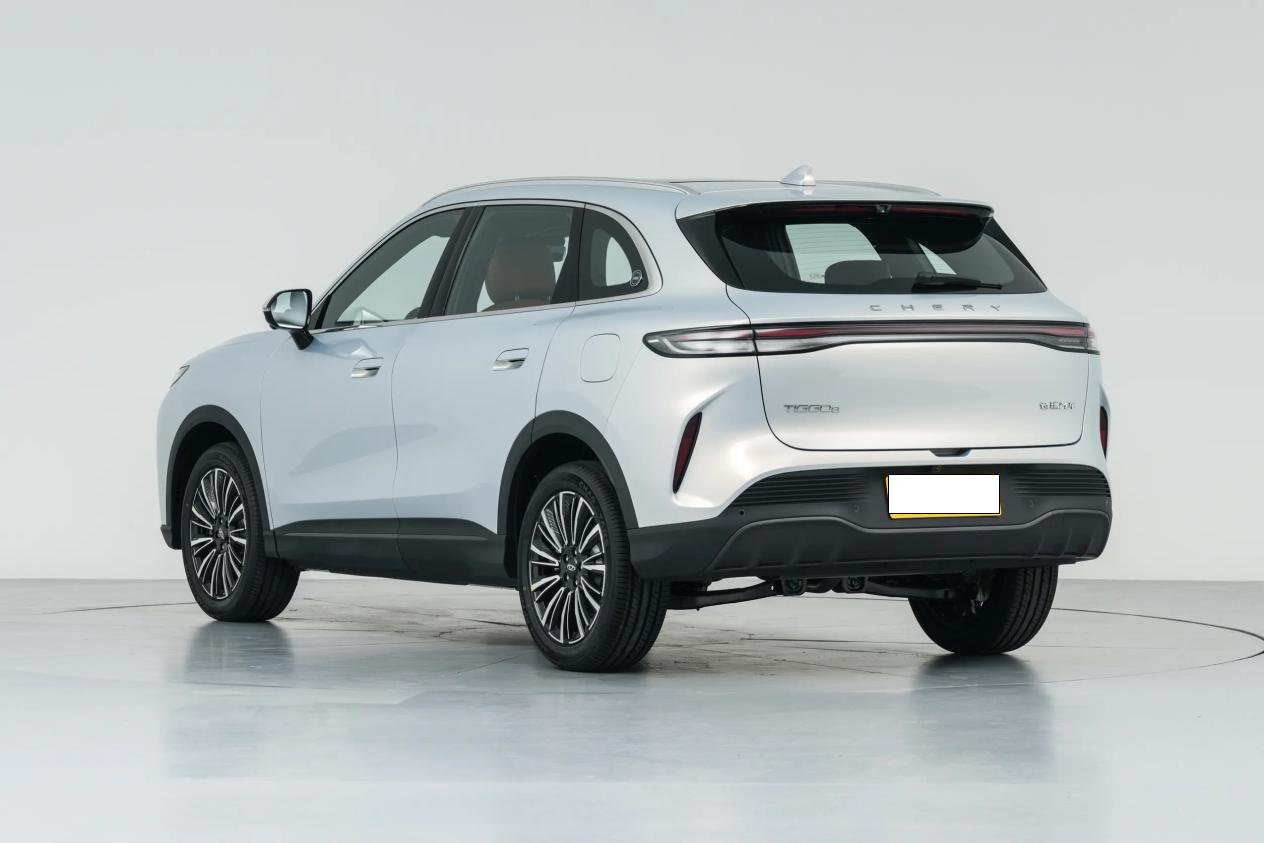
As hot-selling products in the current domestic fuel SUV camp, both the Fourth-Generation Boyue L and the Fifth-Generation Tiggo 8 have very strong overall performance, especially with highlights in vehicle configuration, practicality, and dynamic performance. But through comparison, it can also be seen that the Fourth-Generation Boyue L is relatively balanced, with overall performance that is fairly ordinary; the Fifth-Generation Tiggo 8, on the other hand, has more flexible and practical space performance, stronger active and passive safety and power output, and in addition it also offers a lifetime whole-vehicle warranty, so I think the Fifth-Generation Tiggo 8 is still more worth buying!


