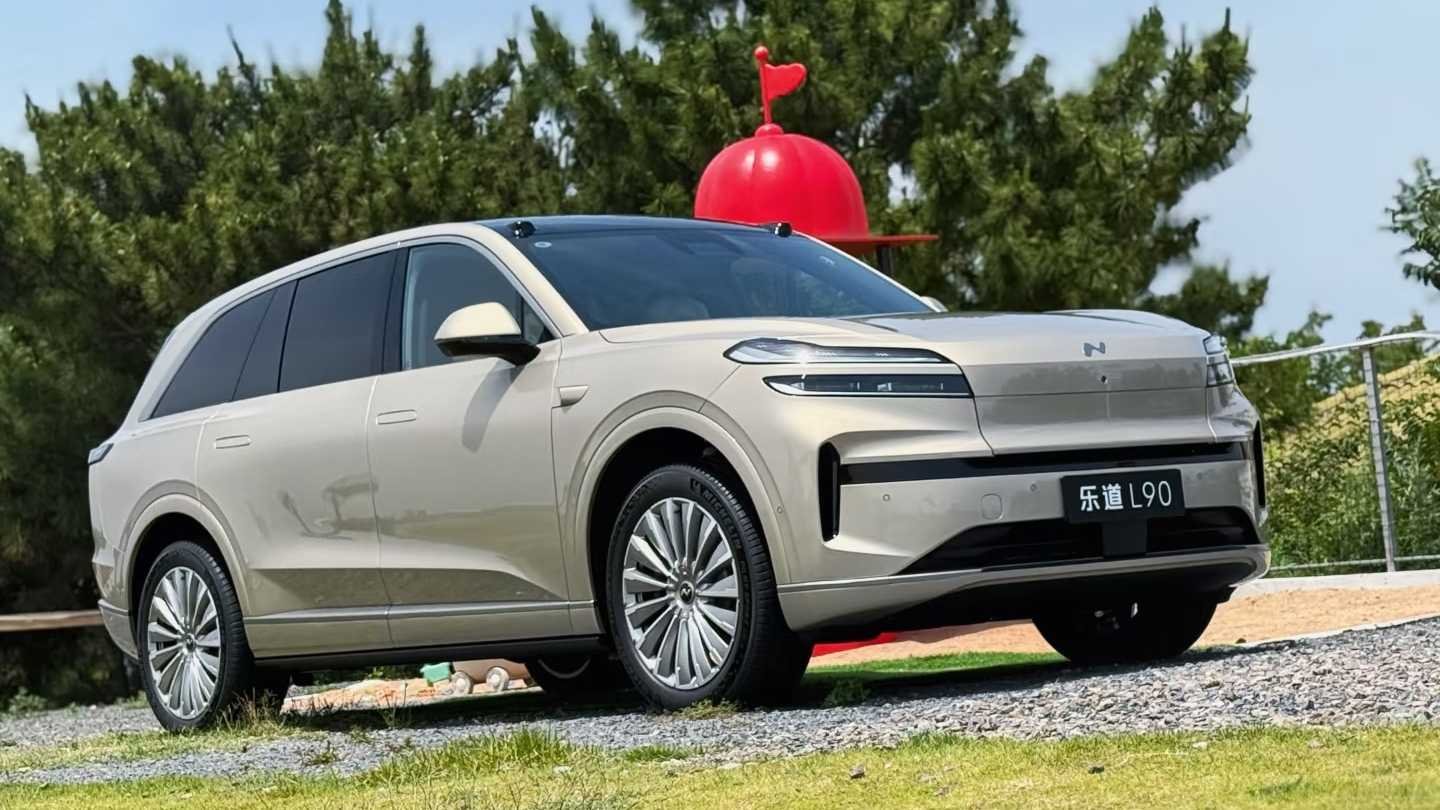
A couple of days ago, a college classmate called me and said that this year during the Spring Festival, he was going back to his hometown with his wife and kids, plus his parents, and the whole family of six was squeezed into a five-seat car, which was absolutely miserable. The kids cried and the elderly got tired the whole way, so he started thinking he needed to switch to a large six-seat SUV.
His budget was not large, only around 300,000 yuan, and after looking around, his eyes were completely dazzled. He asked me: "Everyone is buying new energy vehicles now. I saw the AITO M7 is pretty popular, but when I calculate it, it is a bit over budget, and for the pure electric version at that price, even if I grit my teeth, it is still hard. There is also one called Onvo L90. It sounds unfamiliar. Can this car actually be bought? Should I grit my teeth and go for the AITO?"
After hearing that, I laughed and told him: Old classmate, if you only look at fame, you might really spend a lot of money unnecessarily. Today let us properly talk about this matter. Let us compare this Onvo L90 with the AITO M7 that everyone knows, and see which one is actually a more practical choice for an ordinary person and a family with multiple members.
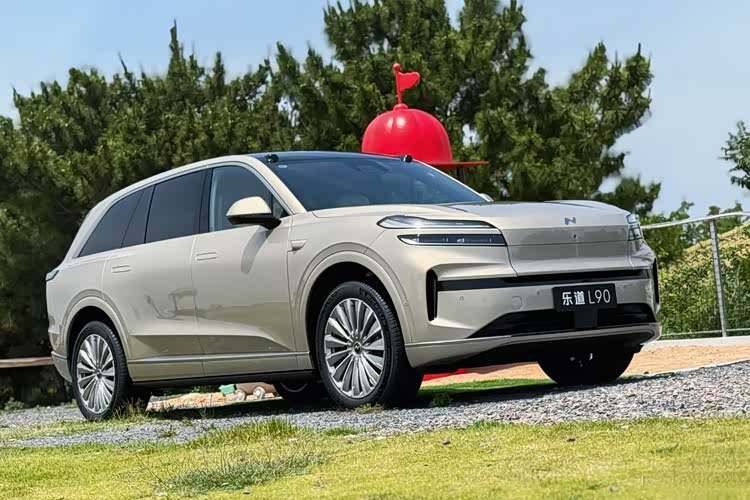
When we ordinary people buy a car, what are we most afraid of? We are afraid of "being able to afford buying it, but not being able to afford keeping it," and even more afraid of "regretting it right after buying."
First, let us talk about the thing everyone is most sensitive about: money. For the Onvo L90, the official guide price is 265,800 to 316,800 yuan, and this price range indeed overlaps with the AITO M7. If you are going to pay more than 300,000 yuan in one go to buy a car, any family would have to think it over, because this money could be the child's tutoring fees, or the down payment for upgrading a home.
But Onvo offered a new way of thinking: battery rental. To put it plainly, the car is the car, and the battery is the battery. We do not buy the battery outright, and just pay rent every month. With this approach, the starting price of the Onvo L90 was directly lowered to 179,800 yuan.
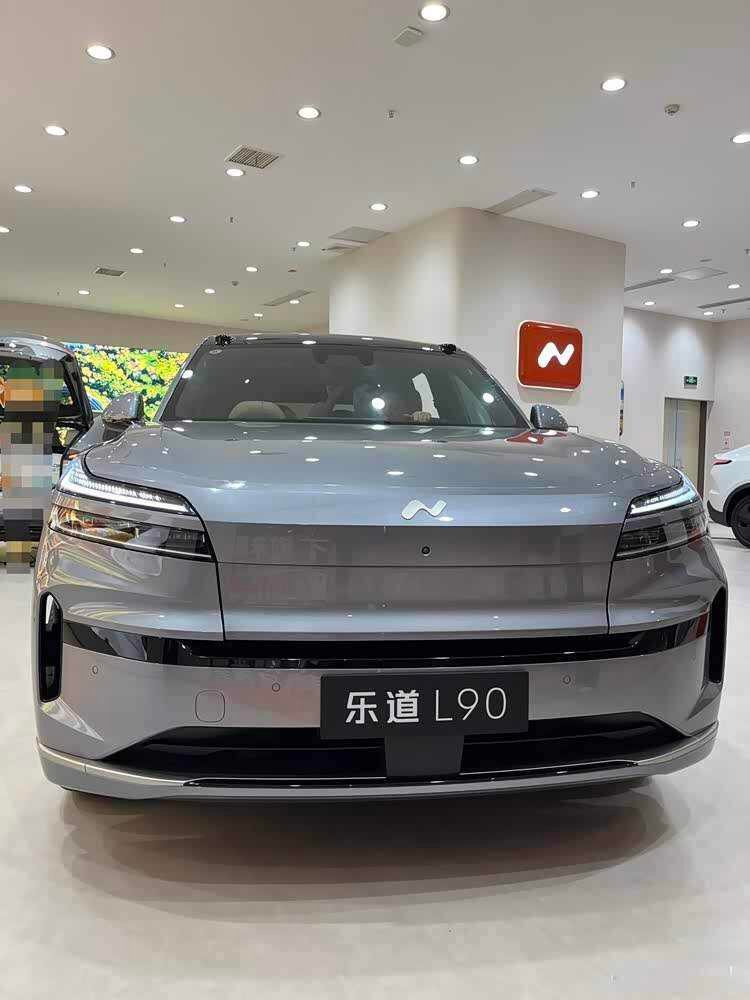
What does 179,800 yuan mean? It is equivalent to using the money for an ordinary joint-venture B-segment sedan to drive home this large six-seat SUV that is more than five meters long. Moreover, the financial policy Onvo launched at the beginning of the year is also quite solid, with an annualized rate of 0.49%. Let me calculate it for everyone. If you also choose the battery rental method, with a 20% down payment, it is only a little over 30,000 yuan. The rest can go through a 7-year ultra-low-interest loan (for specific discount details, please consult your local dealer), and the daily payment works out to as low as 86 yuan, which already includes that monthly battery rent. After paying it off in 7 years, the total interest is only a little over 4,000 yuan. Spread across each month, it really is just the cost of a meal.
Looking at it this way, is the threshold for getting started much more affordable? By contrast, the starting price of the AITO M7 pure electric version heads straight toward 320,000 yuan. For an ordinary family, the pressure of paying more than 300,000 yuan versus more than 170,000 yuan is completely different. The more than 100,000 yuan saved can be kept on hand for emergencies, or even if it is just put in a fixed deposit, would that not be great?
Having solved the problem of "being able to afford buying it," the next thing everyone struggles with most is: for an electric car, especially a large pure electric vehicle, what about range? Will it run out of power halfway? If the battery degrades later, who will take care of it?
This matter is indeed a worry for many people, and I am the same. But after carefully looking at how the Onvo L90 works, I found that it really has its own approach.
The rear-wheel-drive version of the Onvo L90 is equipped with an 85 kWh battery, and the CLTC range can reach 605 kilometers. For daily commuting and weekend trips nearby, this data is completely sufficient. A round trip from Beijing to Tianjin has no pressure at all.
But what really made me find it somewhat interesting is its way of replenishing energy. It supports 900V fast charging, and charging is indeed quite fast. But what truly solves the anxiety is that it can swap batteries.
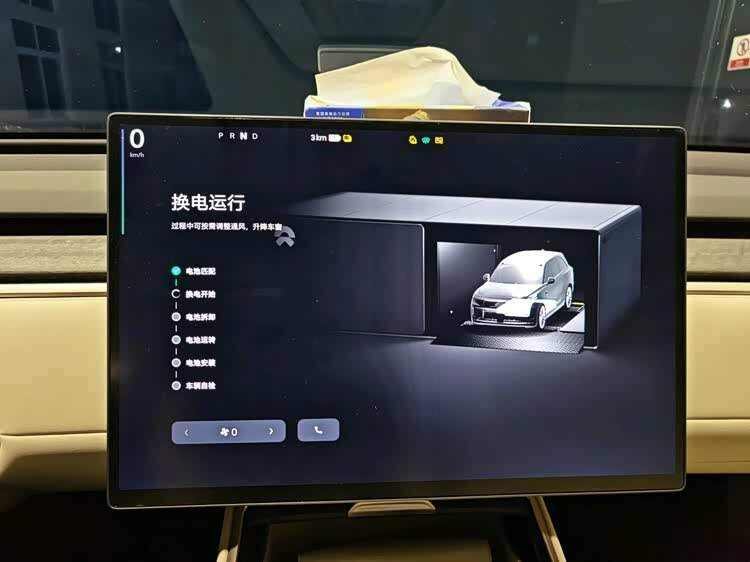
Think about it. When traveling on the highway during holidays, what are you most afraid of? You are most afraid of lining up to charge at the service area. A line can take one or two hours, the kids make a fuss, the elderly get anxious, and the experience is terrible. The Onvo L90 directly shares NIO's battery swap station network. Drive up to a battery swap station, and in three minutes, a fully charged battery is swapped in, faster than refueling. What is that equivalent to? It is equivalent to keeping the old habit of refueling, except that it has changed from adding "fuel" to swapping "electricity." This feeling of having confidence in your heart is too important for people who need to take the whole family out.
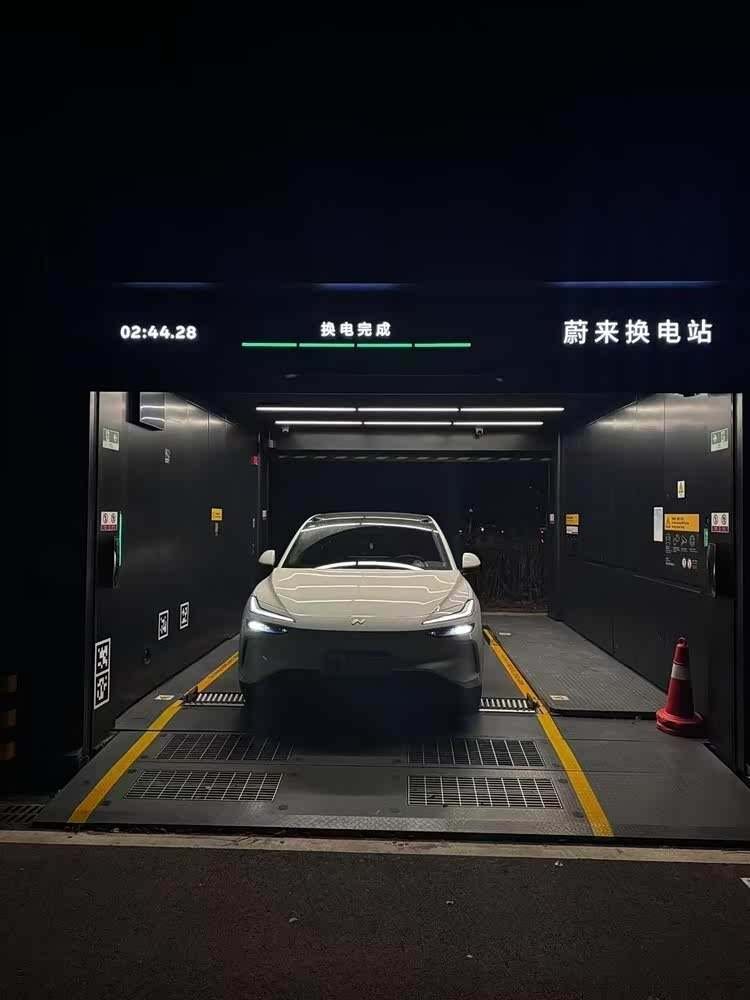
Moreover, battery swapping has a hidden benefit: you do not need to worry about battery degradation. Think about it. If we buy an electric car ourselves, the battery is tied to the car. After driving it for five or six years, if the battery range shrinks, when selling it as a used car, the first thing people bargain down is the battery. But with Onvo's battery rental model, the battery belongs to the company. Every time you swap batteries, you are using a healthy battery that has been tested. Even if you use it for seven or eight years, the battery health may still be excellent, because if it is broken or old, you just swap it out at the battery swap station, and you do not have to bear that depreciation loss yourself. This is equivalent to buying "lifelong medical insurance" for the battery, which makes you feel much more at ease.
Having talked about the major components like the "three electric systems," let us return to the essence of a family car: whether it is comfortable to sit in and whether the whole family can fit.
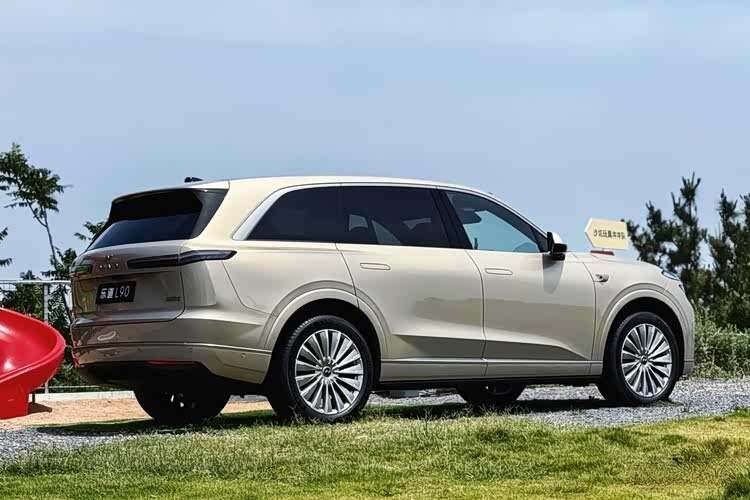
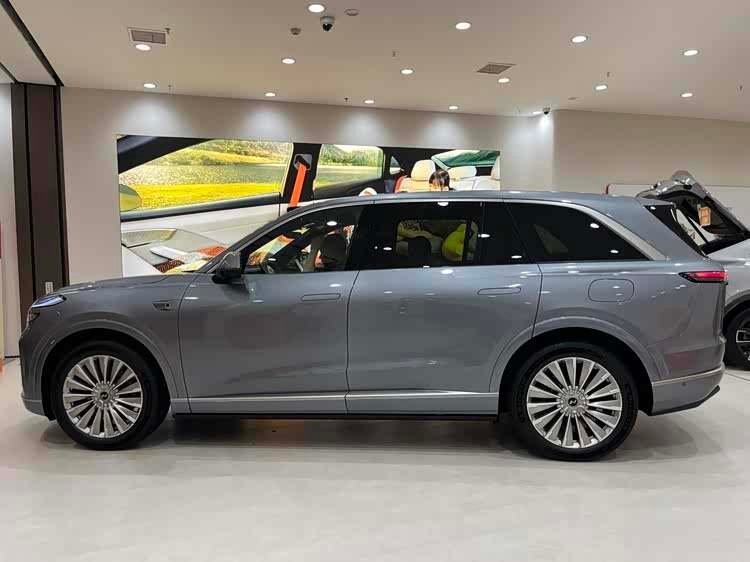
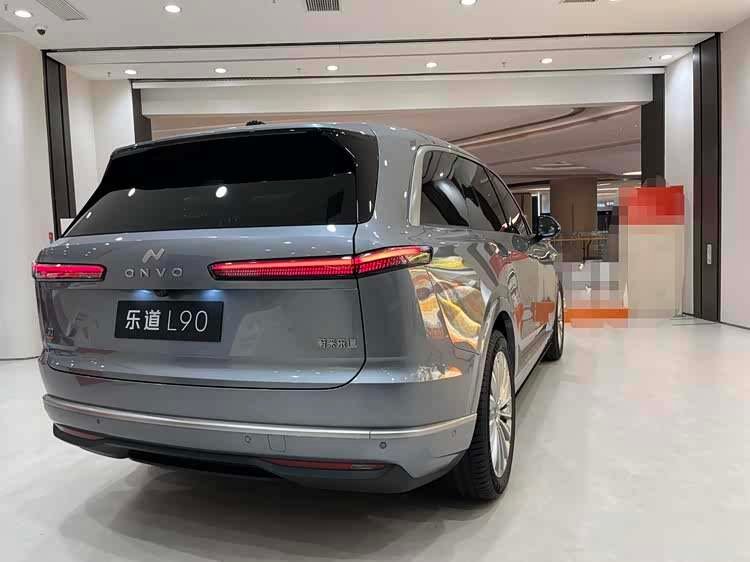
The Onvo L90's body length exceeds five meters one (5145 mm), and its wheelbase reaches 3110 mm. This size is quite substantial in the same price range. It focuses on a 2+2+2 large six-seat layout.
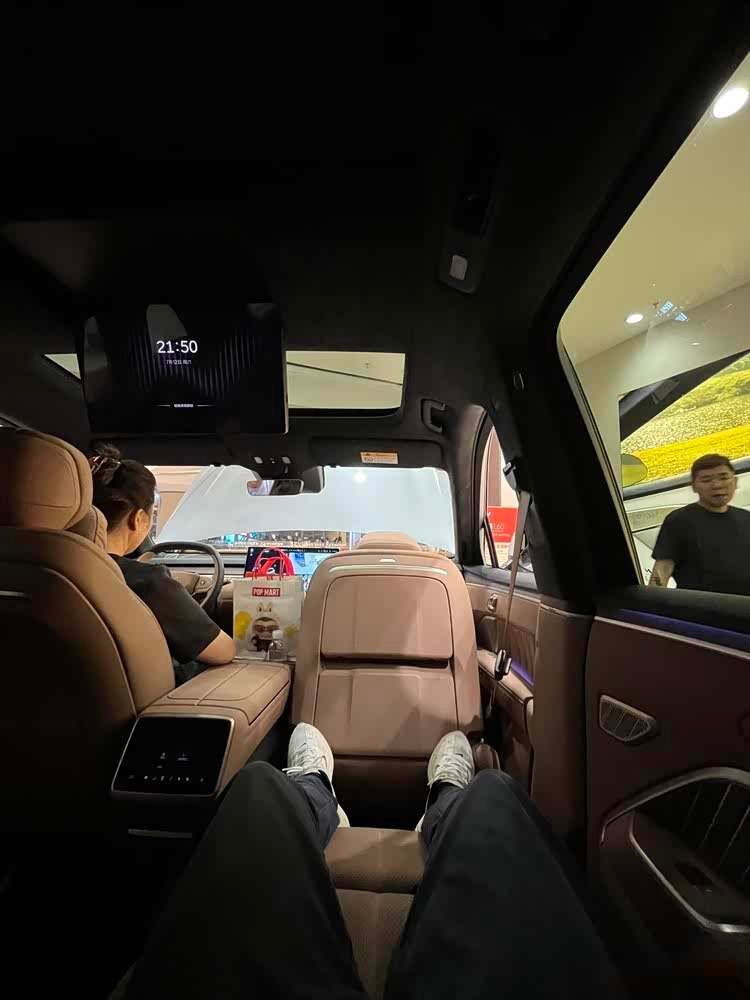
We previously test-drove the actual car, and what impressed me most was its third row. In many six-seat or seven-seat SUVs, the third row is just a "little bench," only suitable for children or pets, and adults sitting in it is simply suffering. But in the third row of the Onvo L90, sitting in it does not feel cramped, and there is surplus legroom and headroom, so adults can stretch out.
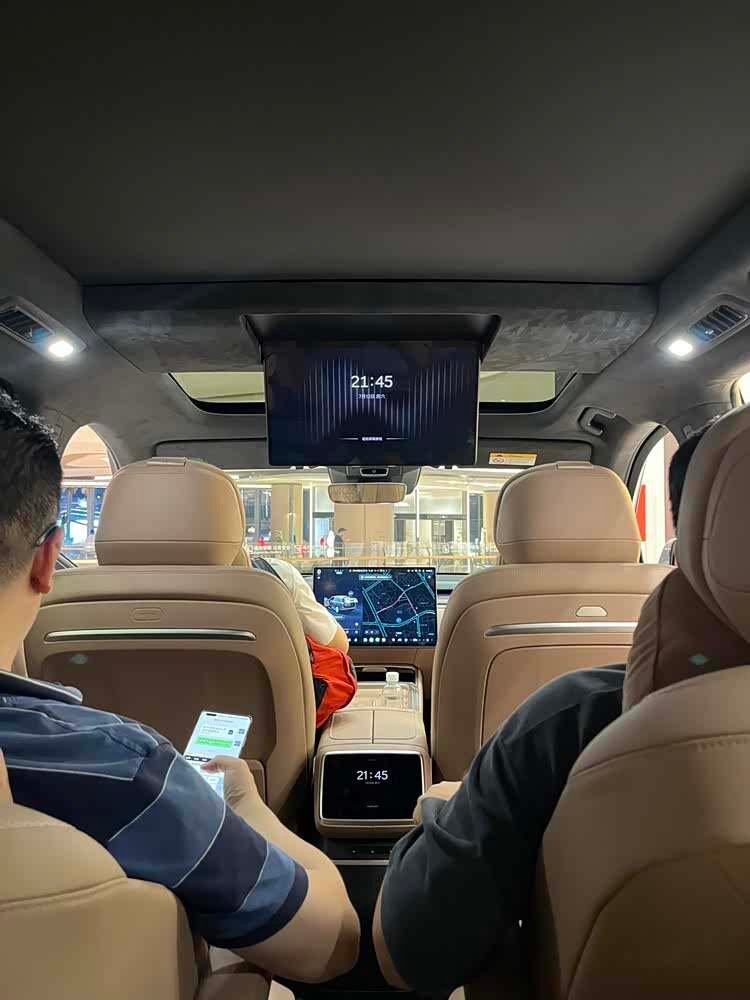
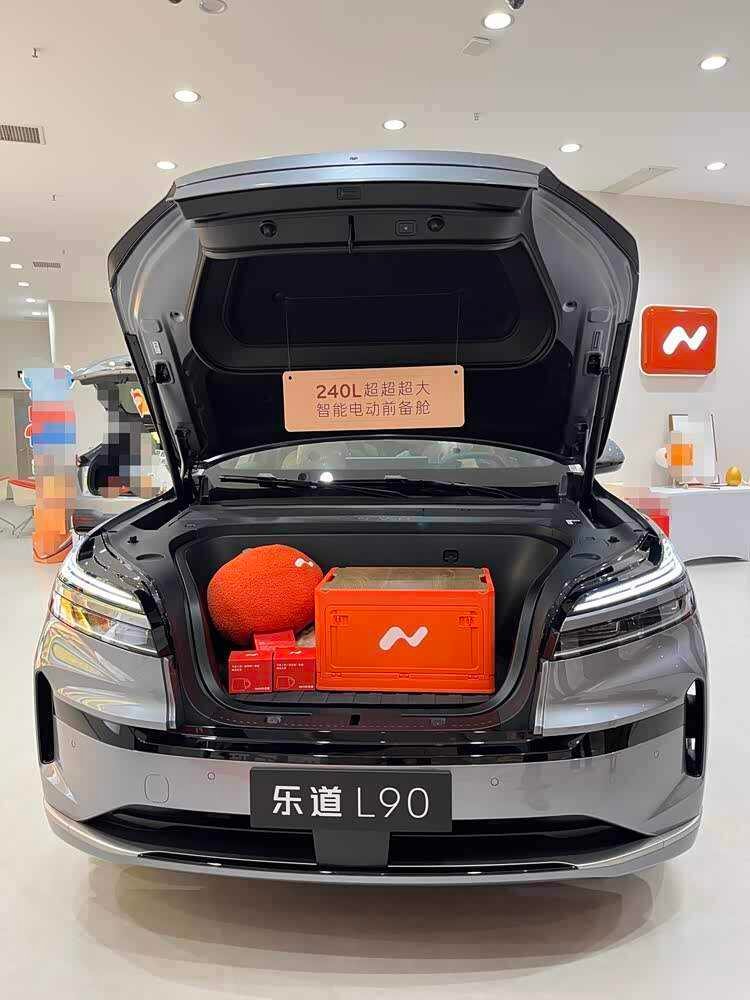
This solves the biggest pain point of families with multiple members: when the whole family travels, no one needs to "sacrifice." Grandpa and grandma sit in the independent seats in the second row, spacious and comfortable; mom and dad sit in the third row with the child, and can still take care of them. Moreover, with people sitting in the third row, its trunk can still hold quite a lot of luggage. Add to that the 240L extra-large front trunk, which is very practical for putting a few carry-on suitcases or some strong-smelling seafood or durian. This kind of space utilization has indeed been carefully considered.
Looking at the interior and features, things like heated, ventilated, and massaging seats, LCD screens in the front and rear rows, and that car refrigerator that can both cool and keep warm are basically all included. Some people joke that this is a "refrigerator, color TV, and big sofa." But to be honest, for family users, these things are exactly the key to improving happiness. When taking the kids out, if there is a screen in the back row playing a cartoon, the world suddenly becomes quiet. On a summer trip, being able to take out a cold cola from the refrigerator, that kind of happiness, whoever uses it knows.
Of course, we are not saying the AITO M7 is bad. The AITO M7 has Huawei's technical support, and in intelligence, especially in assisted driving, it really does quite well. Although now we cannot completely rely on assisted driving, this function can indeed reduce a lot of fatigue on long trips, and this must be acknowledged.
But the key is that you have to see your own core needs clearly.
Are you pursuing those cutting-edge assisted driving functions, willing to pay more than 100,000 yuan extra in budget, and accepting the relatively single way of replenishing energy of the pure electric version? Or do you value more that the whole family sits spacious and comfortable, that money is spent where it matters most, and that buying a car should be worry-free, with no need to worry about battery depreciation, and with energy replenishment as convenient as refueling?
Personally, I think that for the vast majority of ordinary families, especially families with two children or elderly people, the pragmatic approach of the Onvo L90 may be more in line with reality.
Finally, let me say a few heartfelt words.
When it comes to cars, there is no ZUI good one, only the one ZUI suitable for you. The Onvo L90 is not some perfect divine car, and it also has its own trade-offs. For example, the interior style may lean toward simplicity, and some people may feel it is not luxurious enough. But its core idea, I think, is right: use battery rental to lower the purchase threshold, use battery swapping to dissolve later anxiety, and use large space to satisfy family needs well.
With this set of combined moves, it is indeed considering the wallets and actual needs of ordinary consumers. When we ordinary people buy a car, what we want is something easy to use, affordable, and worry-free.
So returning to the original question, if the budget is limited, and you want a pure electric large six-seater, and you are also afraid of battery depreciation and afraid of queuing to charge, then you really can first go test drive the Onvo L90. Do not rush to draw a conclusion, and do not just listen to me. Find a weekend, bring the whole family, young and old, go to the store, sit in it, and take a drive. Let your parents sit in the second row, let the kids play in the third row, and feel that space. Then calculate that economic account and look at the money saved each month.
After testing it, you will naturally have the answer in your heart. After all, the car is bought for yourself and your family to use. Whether it is comfortable and whether it is worth it, only you know after trying it yourself.


