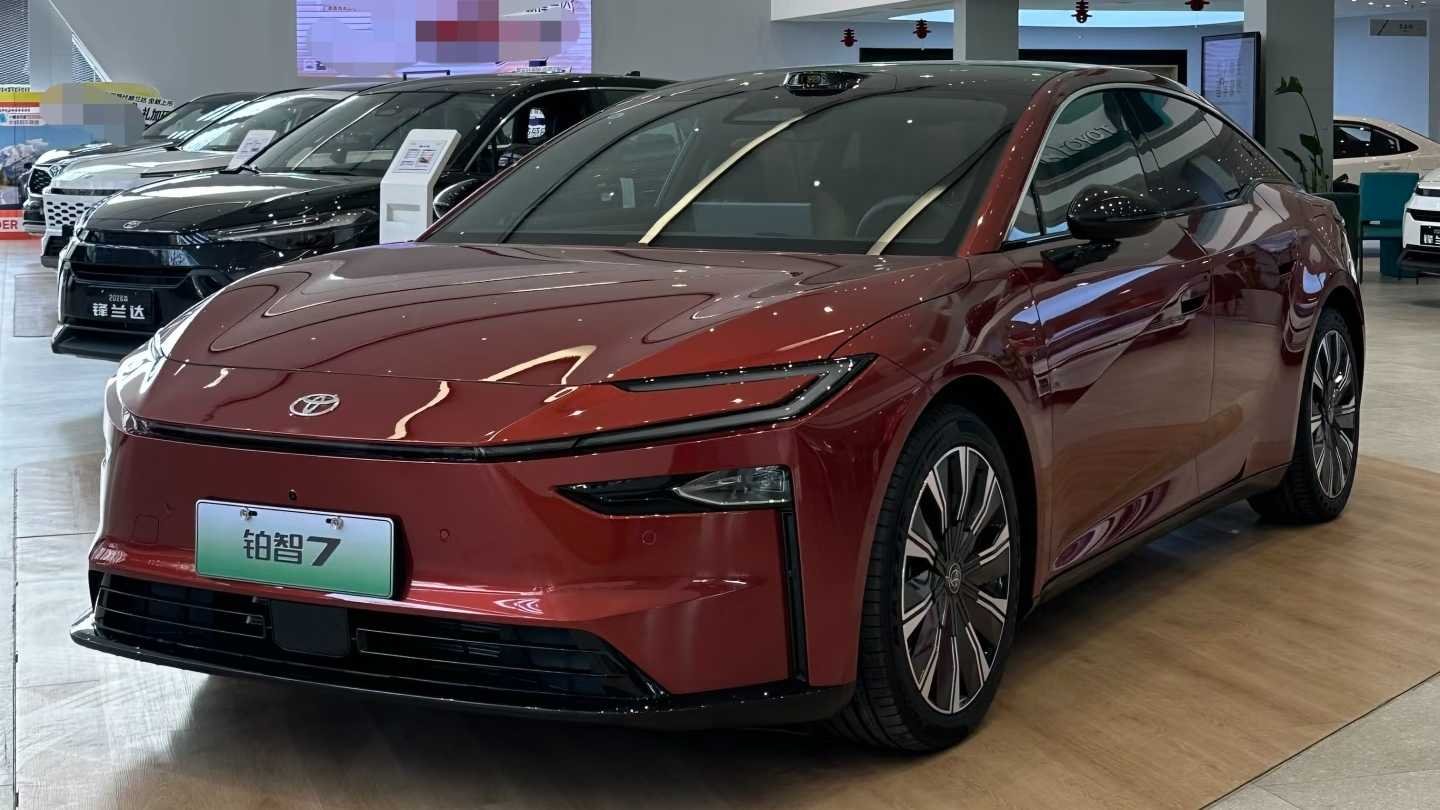
To be honest, over the past couple of years, walking into a dealership to check out a joint-venture brand's pure EV often comes with a complicated mindset. On one hand, the manufacturer swears up and down that they're transforming; on the other, once you see the actual car, you get that awkward feeling of "it's kept the soul of a fuel car but hasn't grown the new bones of an EV." But this time, walking into the GAC Toyota showroom and seeing the bZ7 that just opened pre-sales, I have to admit, my mindset shifted a bit.
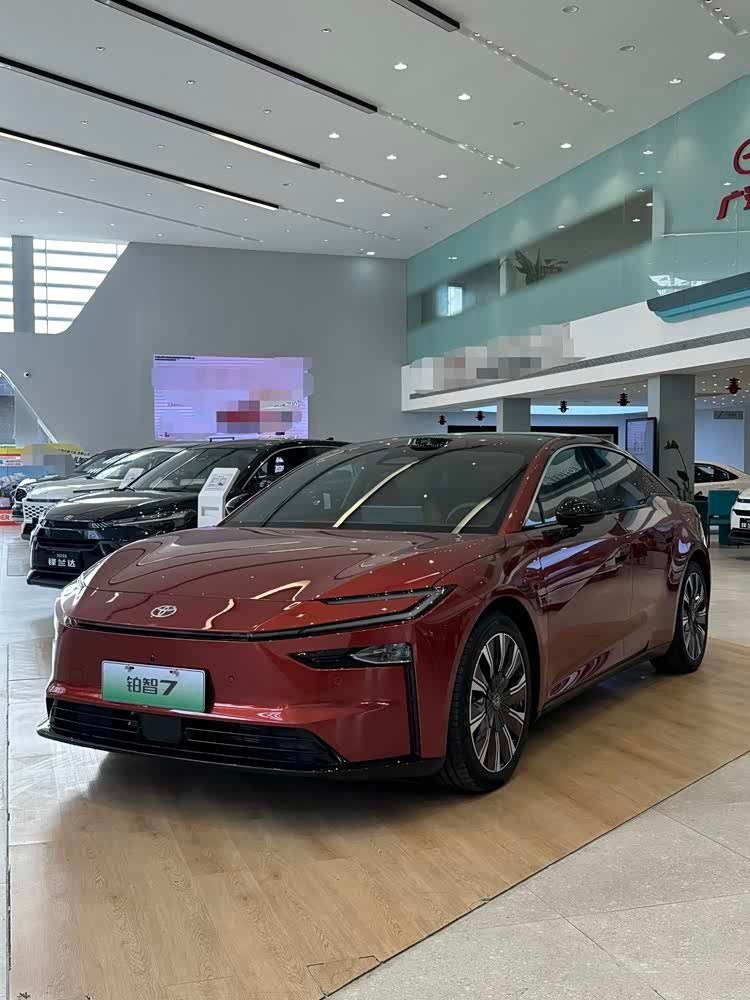
Before even entering the store, I could see through the glass window that the bZ7 in its hero color was placed in the most prominent spot. My first impression was that this car really doesn't look like a traditional Toyota. People used to complain about Toyota's conservative design, but this car's front end is pressed down low, the C-shaped headlights look sharp, and the whole stance is that forward-charging coupe style. The sales girl came over to greet me, and her first line was: "Hey bro, here to shoot the car, right? This one's super popular right now—everyone's here for the air suspension you can option at 170K." Indeed, today let's gather around this "170K-class air suspension" and all the features on it that make people both love it and question it, and really break this car down.
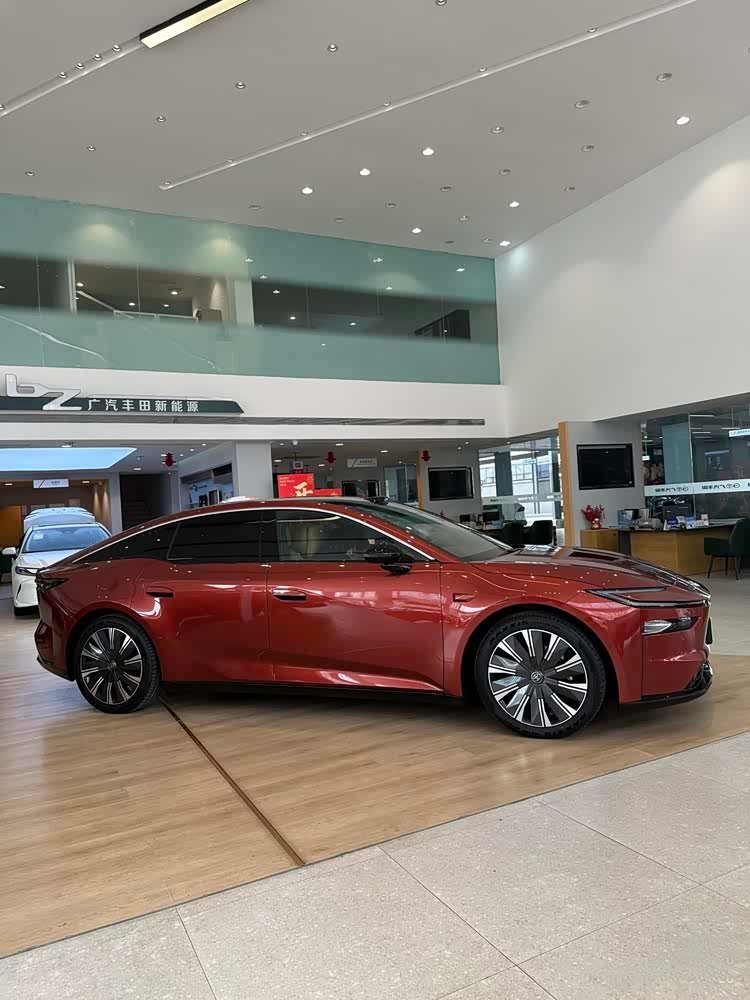
The exterior presence is there, but Toyota's "stubbornness" hides in the details
First, let's walk around the car and take a look. This car is over 5.1 meters long (5130mm) with a wheelbase over 3 meters (3020mm). Standing next to it, you can really feel that big-car presence. Unlike some EVs that go all round and bulbous for low drag, the bZ7's lines still have a good sense of muscularity. The high-spec version in the showroom has very large wheels, and the visual impact is strong—something you really didn't see much of on Japanese cars before. They're willing to spend on materials now.
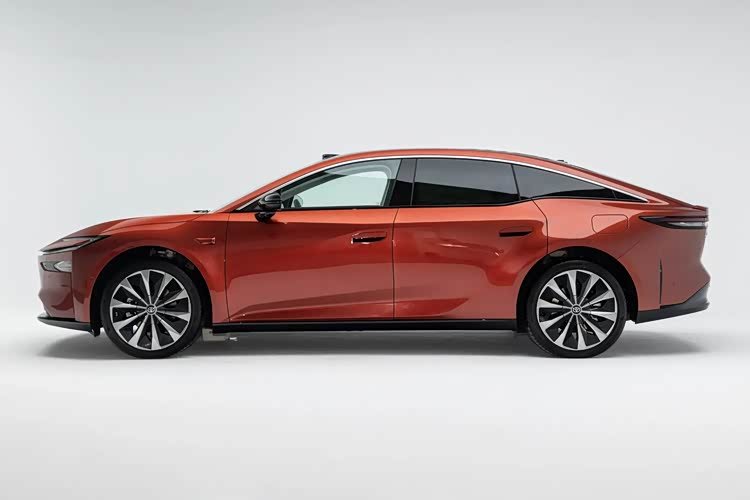
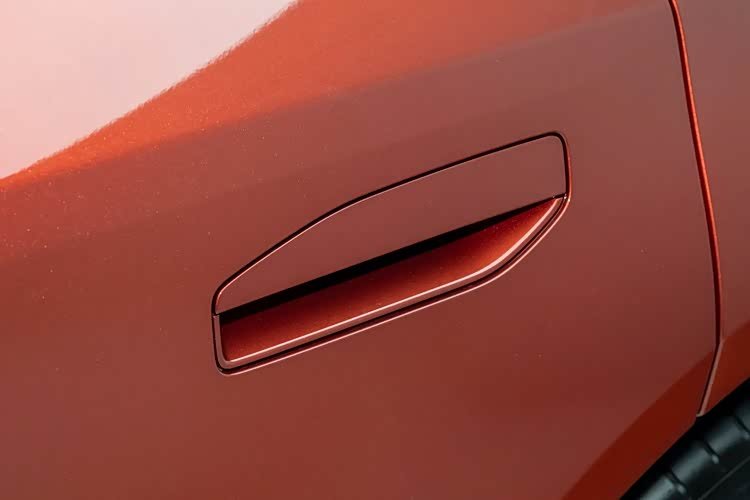
But while circling the car, I also noticed some interesting little details. For example, the door handles—these days new cars trend toward either fully hidden or pop-out ones, but the bZ7 uses semi-hidden ones. The feel isn't that flimsy electronic sensation; instead, it's a bit solid. I later learned from the materials that Toyota did redundant design on these safety components, claiming it meets the 2027 new national standards ahead of time, fearing the doors won't open in extreme situations. This kind of thought is buried deep—you can't really tell at first glance—but maybe that's what they call the "Toyota flavor."
Sitting inside: The HarmonyOS cockpit is very "Huawei," but Toyota hasn't dropped its own persistence
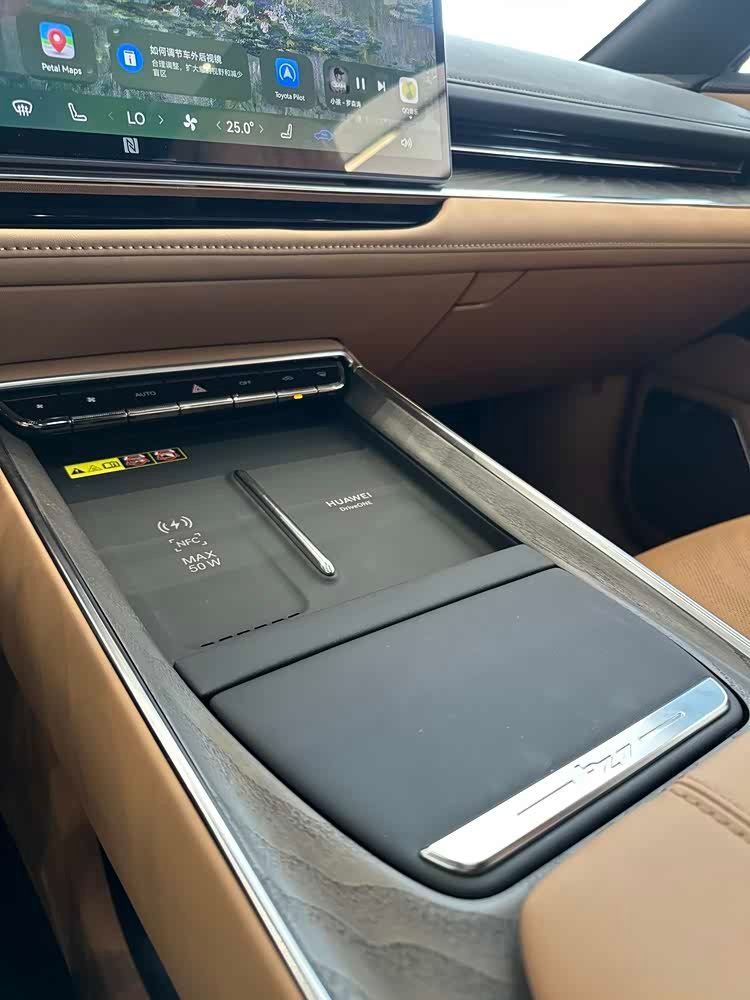
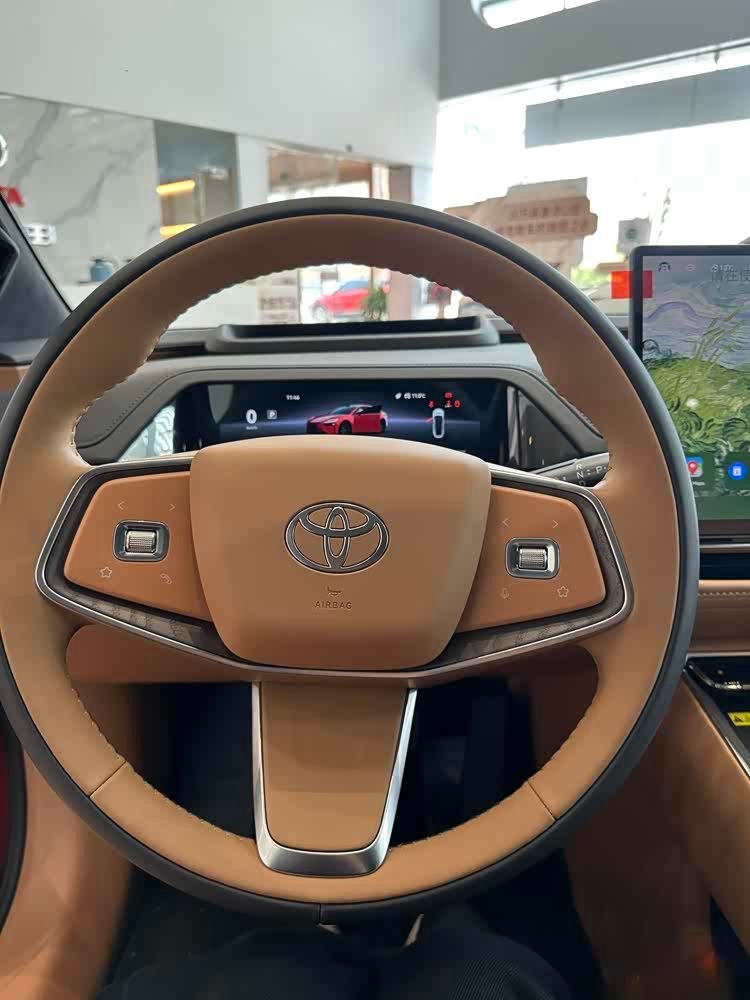
Pulling open the door and sitting in the driver's seat, the interior transformation is pretty significant. The most eye-catching thing is that big HarmonyOS cockpit screen—the smoothness is honestly impeccable, as fast as using a tablet. I tried its voice control, rattling off several commands in a row—open the window, adjust the temperature, change the song—it responded quickly, and it could even understand colloquial stuff like "I'm a bit cold."
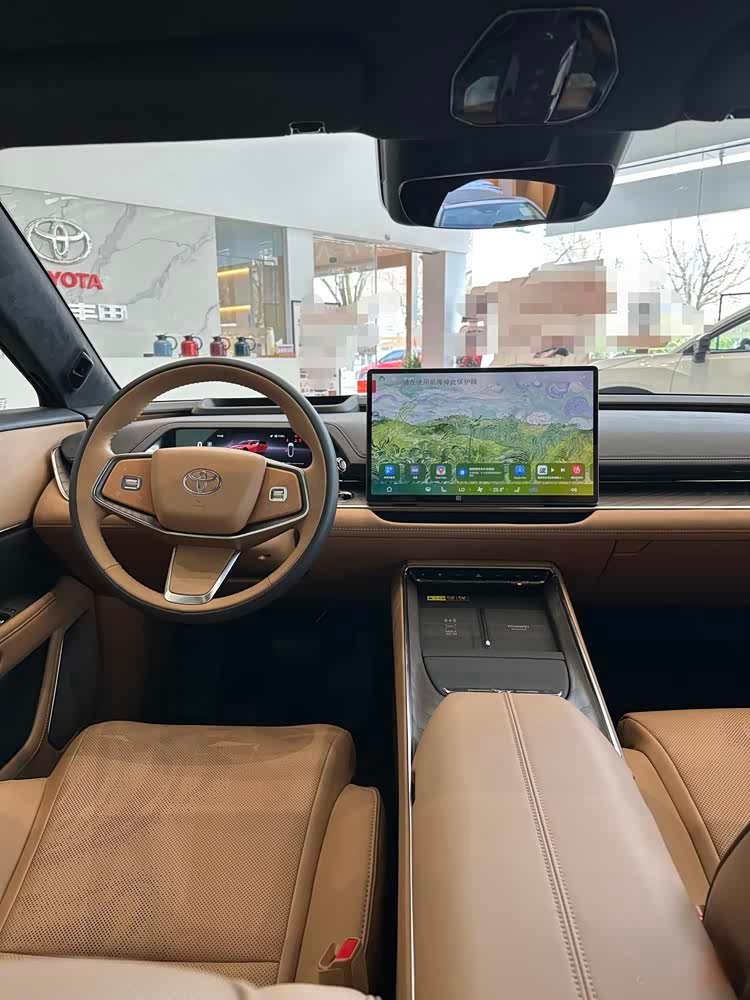
In terms of materials, Toyota really spent money this time. I ran my hand over that wood trim piece on the dashboard—the salesperson said it's called "white ash wood" or something—and it feels like real wood's warmth, not plastic imitation. The seat leather feels quite refined too, and both front and rear rows have ventilation and heating, which is friendly for both northern and southern users. One small detail worth mentioning: its seat ventilation is suction-type, not blow-out type. I asked the salesperson why it's designed this way, and he said it's to avoid prolonged blowing causing lower back discomfort. That kind of consideration is really thoughtful—the kind of feature you only appreciate after using it.
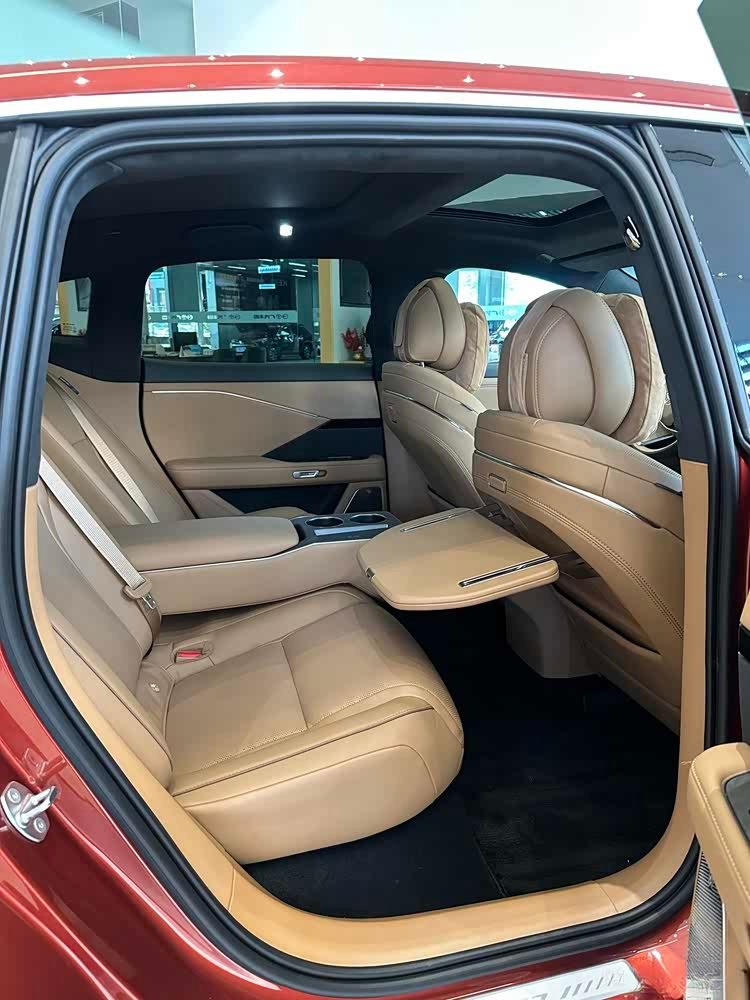
But sitting in the back row, besides the genuinely spacious room and the very airy panoramic sunroof overhead, I also found some things that didn't quite match expectations. For example, its external discharge power is 3.3kW. How do I put this figure? For everyday use—plugging in an induction cooker to boil water, hooking up some ambient lights—no problem. But if you're a camping enthusiast who wants to simultaneously run an oven, a coffee machine, and whatnot, you might need to think twice. Some domestic cars next door are already at 6kW. On this point, the bZ7 is indeed on the conservative side.
The most talked-about air suspension: Does it drive like a boat or a magic carpet?
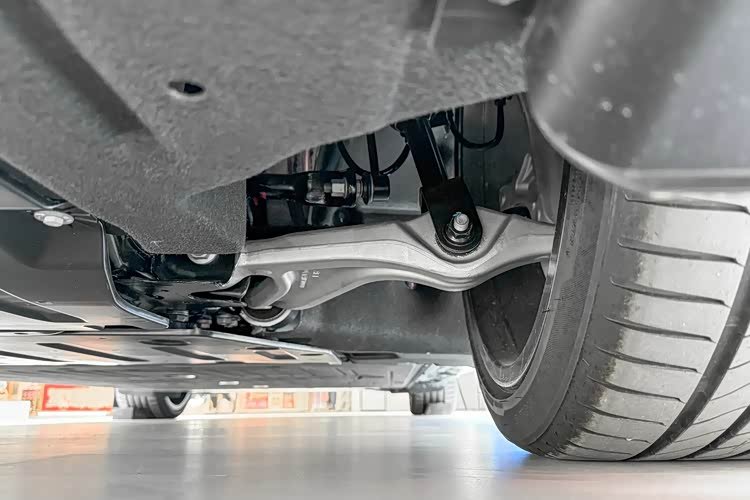
Since everyone's most concerned about the air suspension, let's focus on that. Because this was a static shoot, I couldn't take it on the road to experience it, but I did crouch down to look at the chassis structure and had a detailed chat with the sales girl about the ins and outs of this system.
This dual-chamber air suspension plus SDC damper combo is said to have undergone over 9 million durability tests—a figure far exceeding the industry average. Toyota's logic is actually quite clear: You want me to put on high-tech stuff? Fine, but I need to guarantee it won't break for over a decade first. The current pre-sale policy is: for the 700 Max version and the LiDAR version, you get a 10,000 yuan option fund. The air suspension originally priced at 15,000—you pay an extra 5,000 and you can have it installed. All told, 179,800 yuan and you can drive away a version with air suspension.
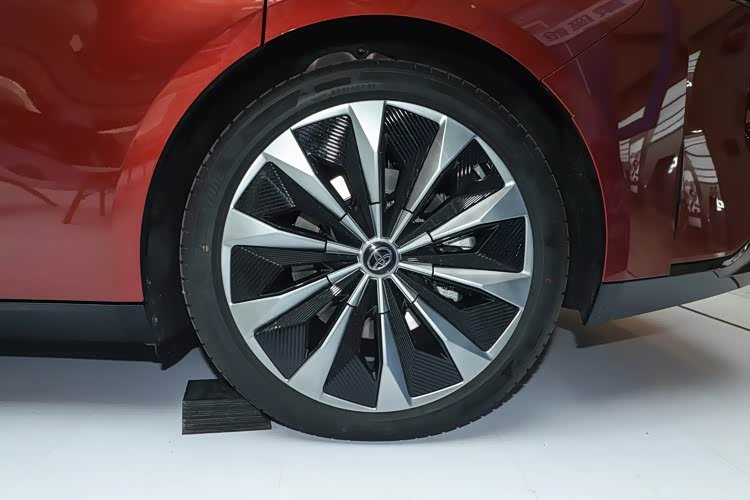
What does this price mean? People used to think air suspension was exclusive to million-yuan luxury cars, then the new forces dragged it down to three or four hundred thousand, and now Toyota has directly pushed it to the 170K level. Although I didn't get to drive it, you can imagine that with this system, the chassis quality should improve quite a bit—the cushioning when going over bumpy roads, and the body stability at high speeds, should theoretically both be better. But I also have to be objective: with air suspension, the later maintenance cost has always been everyone's concern. Toyota this time directly offers a 10-year or 300,000-kilometer warranty, which basically seals up everyone's last worry. If you happen to be a prospective buyer looking at that version, this 5,000 yuan is genuinely well spent.
Driver assistance: Momenta system, but it has everything it should
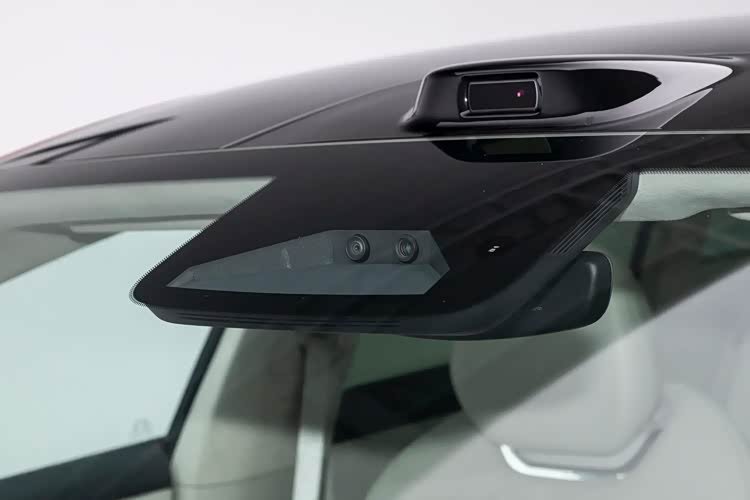
These days when buying a car, everyone cares a lot about driver assistance. The bZ7 didn't use Huawei's solution, but chose Momenta's R6 large model, equipped with one LiDAR and a bunch of cameras. The salesperson explained that this system can achieve urban and highway navigation assist, and there's no subscription fee afterward. Although I couldn't test it this time, according to official data, it has its own ways of handling complex road conditions—temporary construction, suddenly darting electric bikes, and so on. For daily commuting and the occasional long trip, with this hardware as a foundation, it shouldn't fall behind for several years.
How to choose a version? Which one is most worth going for?
After all this discussion, I figure what everyone cares about most is which one to actually buy. Let's break down these versions one by one.
If your budget is around 150K, then the entry-level 600 Pro version is actually completely sufficient. Don't think it's the base model—the HarmonyOS cockpit, real wood trim, seat ventilation and heating, 20-inch wheels are all included. This was unimaginable before—joint-venture base models were usually "bare concrete," but this time they've given you "fully furnished." This version suits family users who don't have high range requirements, mainly drive in the city, and want big space and comfort features.
If you have requirements for tech features and want to experience better driver assistance, then take a look at the 600 Pro LiDAR version or the 700 Max version. Spend a bit more, and you get more reassuring driver assistance hardware, or 100 extra kilometers of range and zero-gravity seats.
But the real hot sellers, I'm guessing, will be those two limited-time versions with the air suspension option. Especially the 700 Max LiDAR version with the air suspension optioned—that comes to 194,800 yuan. At this price, what do you get? HarmonyOS cockpit, LiDAR driver assistance, dual-chamber air suspension—three features that were previously very hard to get together, now all handled by one car. For friends who want to get everything at once and want to "show off" the chassis comfort to their family, this version is indeed quite lethal.
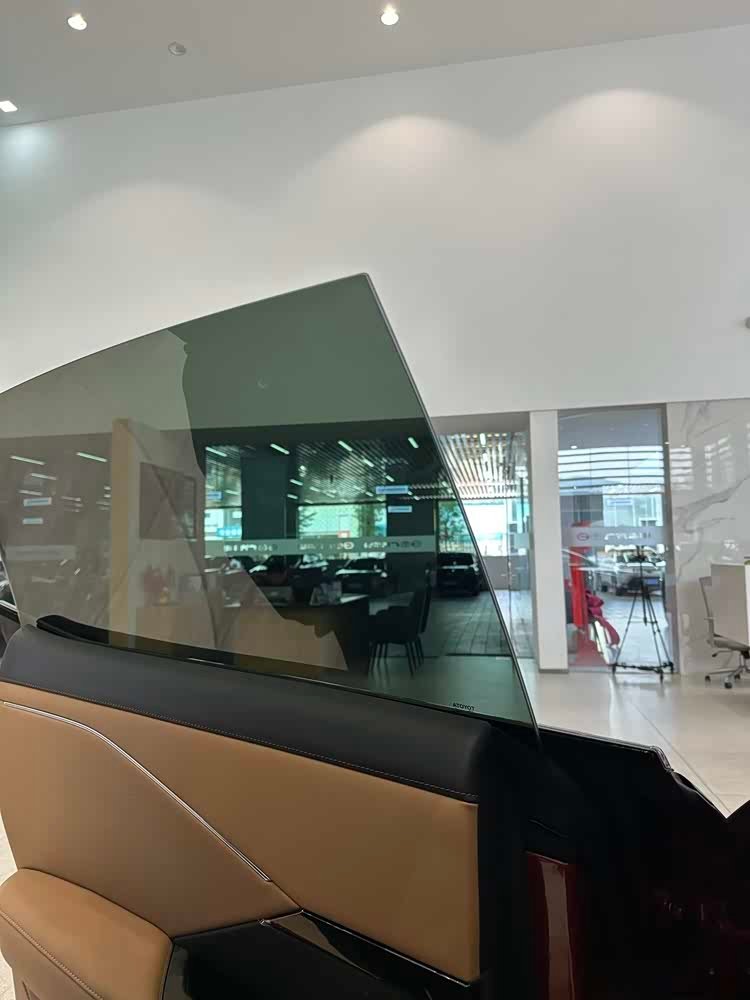
Having said all the good stuff, let me also objectively mention some complaints.
First, keyless entry is only on the driver's side—this is indeed a puzzling "cost-cutting move." The passenger and rear seats are also where family members often sit, and having to wait for the driver to unlock every time diminishes the convenience.
Second, the entire lineup only has HiCar connectivity, which isn't very friendly to Apple users and some Xiaomi users. Although the infotainment system itself is very powerful, if it can't seamlessly connect with your phone, it always feels like something's missing.
Furthermore, northern users may want to pay attention—there's no steering wheel heating across the entire lineup. Although the seats have heating, those few minutes of gripping a cold steering wheel in winter really freeze your hands. Also, things like HUD head-up display and built-in dashcam (sentinel mode) are either only available on the top trim or simply absent. For a car that emphasizes intelligence and luxury, the lack of these small features does seem a bit less meticulous.
Finally, its platform is 400V. Although the charging speed is sufficient for daily use, facing the growing number of 800V or even higher-power fast charging stations, there is indeed a bit of a gap in replenishment speed. Friends who care about charging efficiency need to think this through clearly.
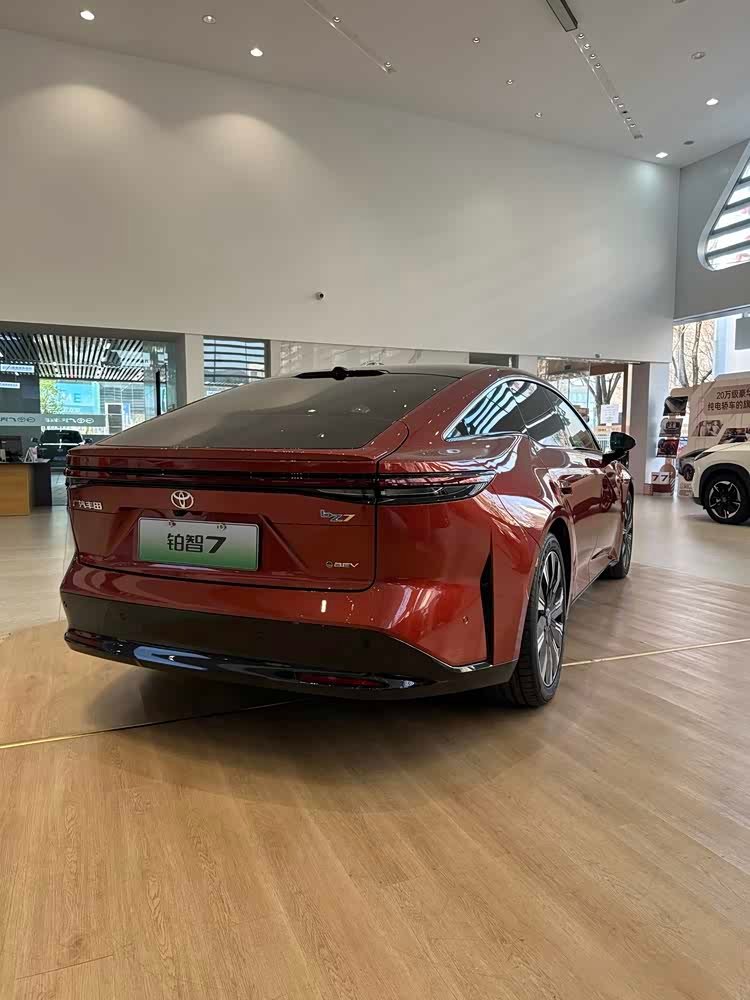
To sum up:
This bZ7 gives me a rather complicated feeling. On one hand, in the big aspects—price, chassis materials, core intelligent features—it genuinely shows a burn-the-boats sincerity, bringing previously lofty configurations down to ordinary people's homes. Toyota's "three responsibilities" policy—manufacturer takes responsibility for spontaneous combustion, parking accidents, and battery degradation—plus lifetime warranty, also gives a sense of reassurance. But on the other hand, in some small but daily-use detail configurations, it seems a bit "stingy" and hesitant, as if it hasn't fully let go of the traditional joint-venture brand's cost-control logic.
So, is it worth buying? My view is: if you're a rational family buyer who values big-brand quality control, long-term peace of mind, and real chassis comfort, and you're mainly looking at exactly those two versions with air suspension at 179,800 or 194,800 yuan, then the bZ7 does deserve to be the first one on your shortlist. But if you're a user who pursues perfect details and especially cares about trendy tech experiences, then these small complaints really need you to personally visit the store and see if you can accept them.
In short, don't just look at specs online. I suggest you find some time, personally sit in the car, fire up the HarmonyOS cockpit and swipe around a bit, then go to the back row and cross your legs, and feel this "different Toyota." After all, a car is bought for yourself to drive—if you feel comfortable, that's the real bottom line.


