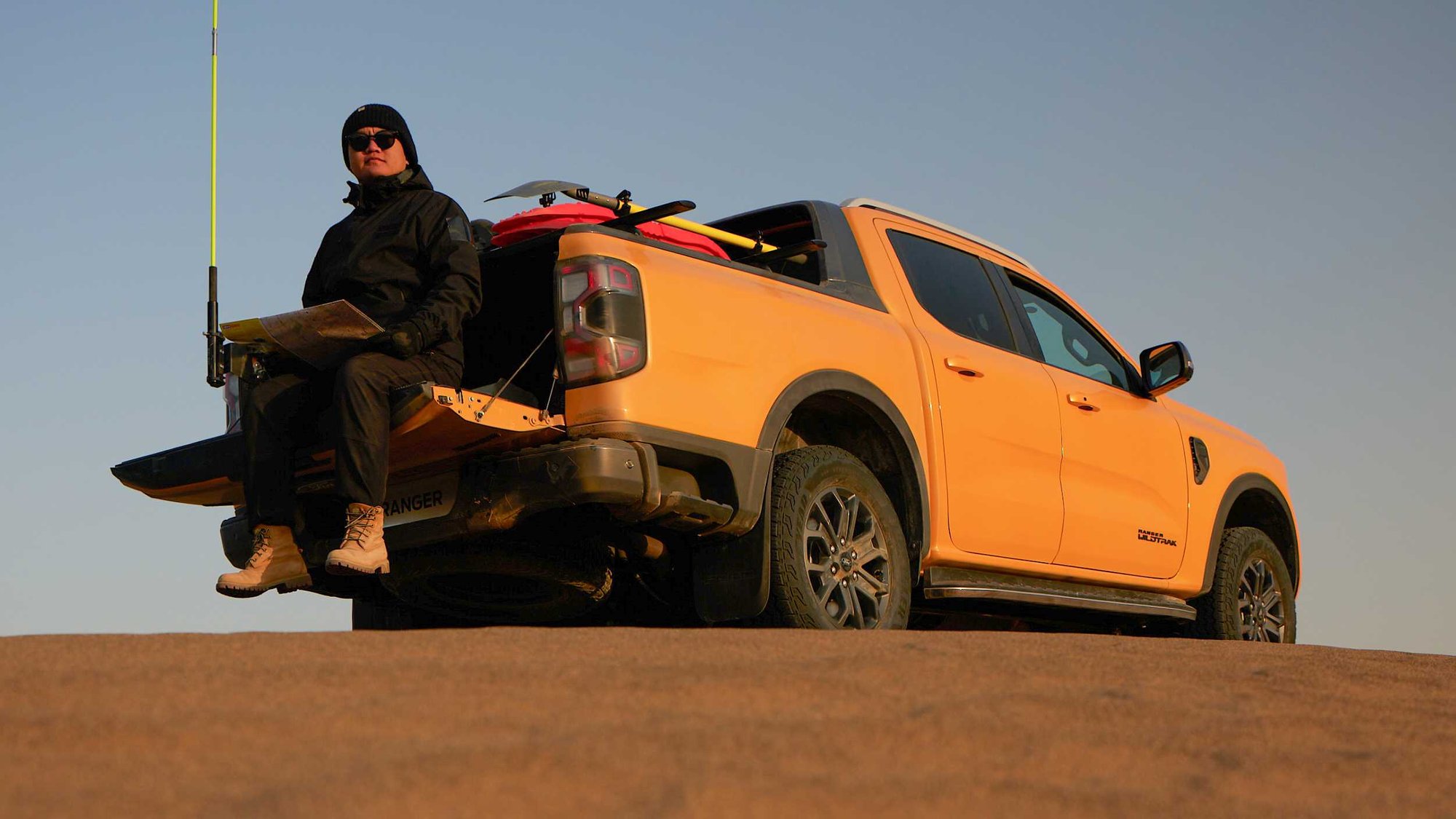
If you've recently been thinking about buying a rugged off-road vehicle, I'd guess there's a good chance you've put the Tank 300 on your shopping list. This car is genuinely popular—boxy styling, three differential locks, huge modification potential. Drive it out and you've got face, and you can hit the dunes too. It's practically the rock star of the domestic off-road scene.
But today I want to talk about something different.
If your life isn't just about heading to the outskirts on weekends to crawl rocks and charge up Hero Slope—if you also need to haul some cargo, run job sites, or even tow a jet ski or RV to the beach—then a pure hardcore SUV might not be all that versatile. In that case, a pickup might be the more practical choice. And in this circle, there's one truck that doesn't have all that influencer glamour, yet it's hot property in the eyes of used-car dealers. It changes hands at an astonishing rate, and its resale value is ridiculously solid—it's the Ford Ranger.
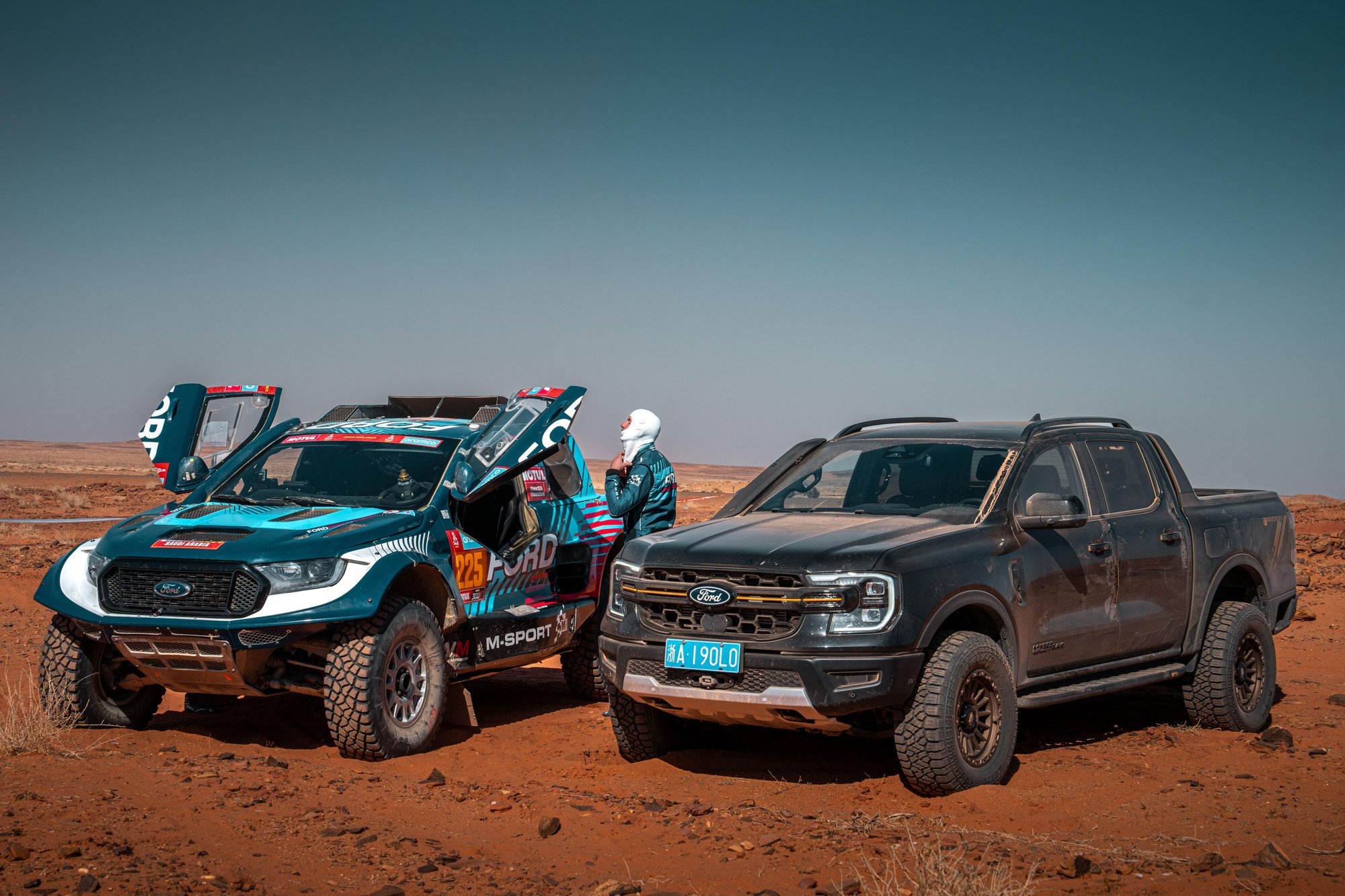
Safety is something you can't see or touch, but it can save your life when it matters
For ordinary people buying a car, the easiest thing to overlook is safety. When you go to look at a car, you touch the interior to see if the leather is soft, sit in the seats to see if they're comfortable, even listen to the door close to see if it sounds solid—those things are intuitive. But how many megapascals is the steel body rated for? How many airbags are there? Can it protect you properly in a rollover? Unless something actually happens, you'd never feel any of that.
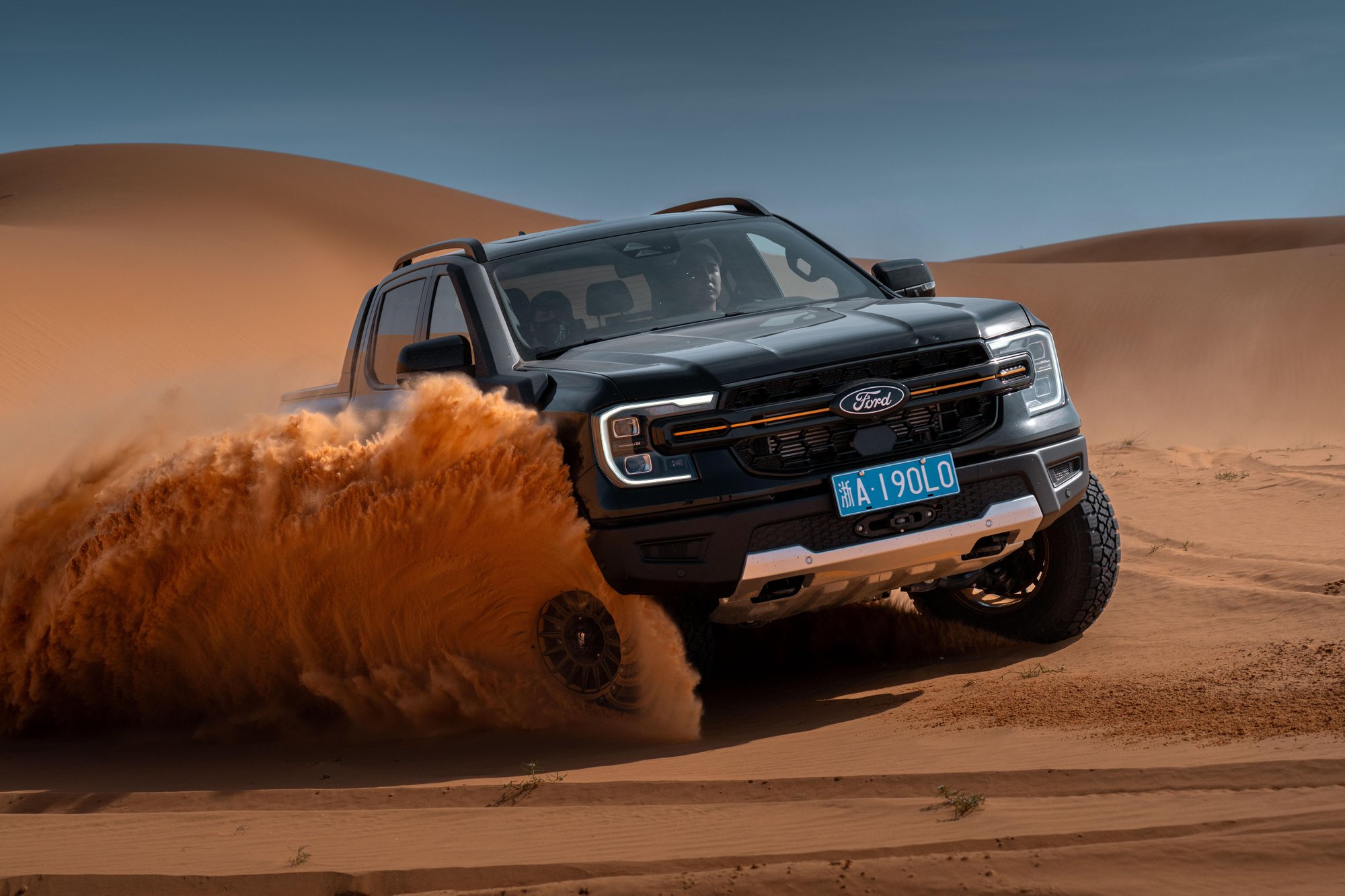
But the Ranger does a pretty reassuring job in this department. This truck is one of the few pickups in the world to earn five-star safety ratings from all three major programs—C-NCAP, E-NCAP, and A-NCAP. In China's C-NCAP, it achieved a 90% overall score, with 94.29% in occupant protection. What does that mean? It means whether it's China's crash standards or the stringent tests in Europe and Australia, it scored high marks across the board.
Key body sections use 1580 MPa aerospace-grade boron steel, with high-strength steel accounting for over 66%. That number might not mean much to you, so here's another way to put it: its roof can withstand 9.4 tons of pressure, so even if the truck rolls over, the cabin's survival space is preserved. Add to that 7 to 8 airbags standard across the range, plus a dedicated RCM rollover sensor—if the vehicle actually rolls, it can precisely determine which side's airbags should deploy, inflating within 10 milliseconds, and the side curtain airbags hold pressure for 6 seconds, covering the entire rollover event. These details are things nobody thinks about day to day, but when something really happens, they're life-savers.
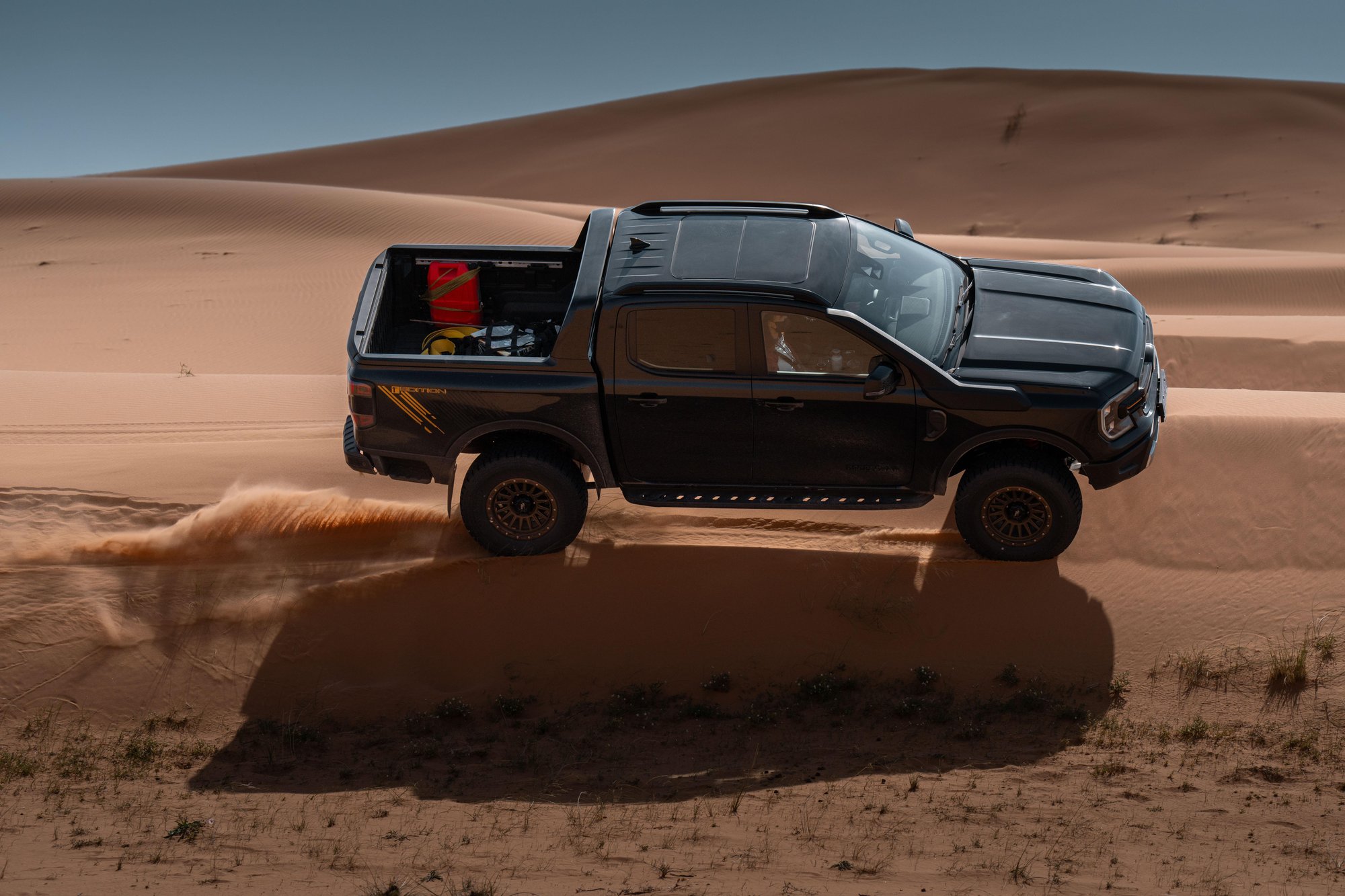
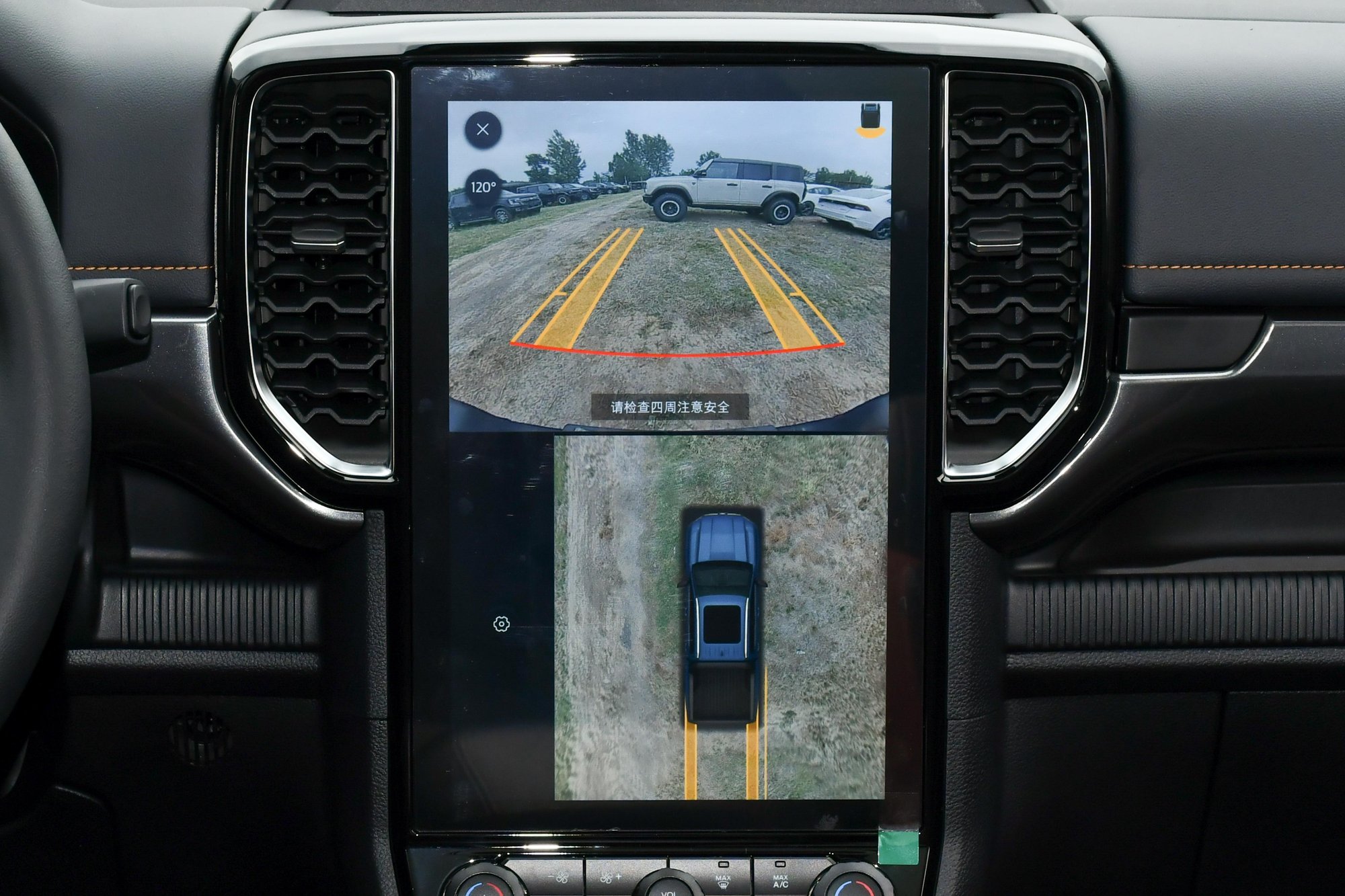
Another thing I find genuinely practical: it has a 540-degree transparent chassis view, so when off-roading you can see the terrain underneath clearly—where the rocks are, where the pits are, all at a glance. Add water-wading sensors and off-road crawl control, and you feel a lot more confident on rough terrain. After all, a pickup is something you buy to actually work, not just to commute around the city. When the road gets complicated, every extra bit of safety equipment gives you that much more confidence.
Durability is a pickup's duty, and it's also the card that used-car dealers value most
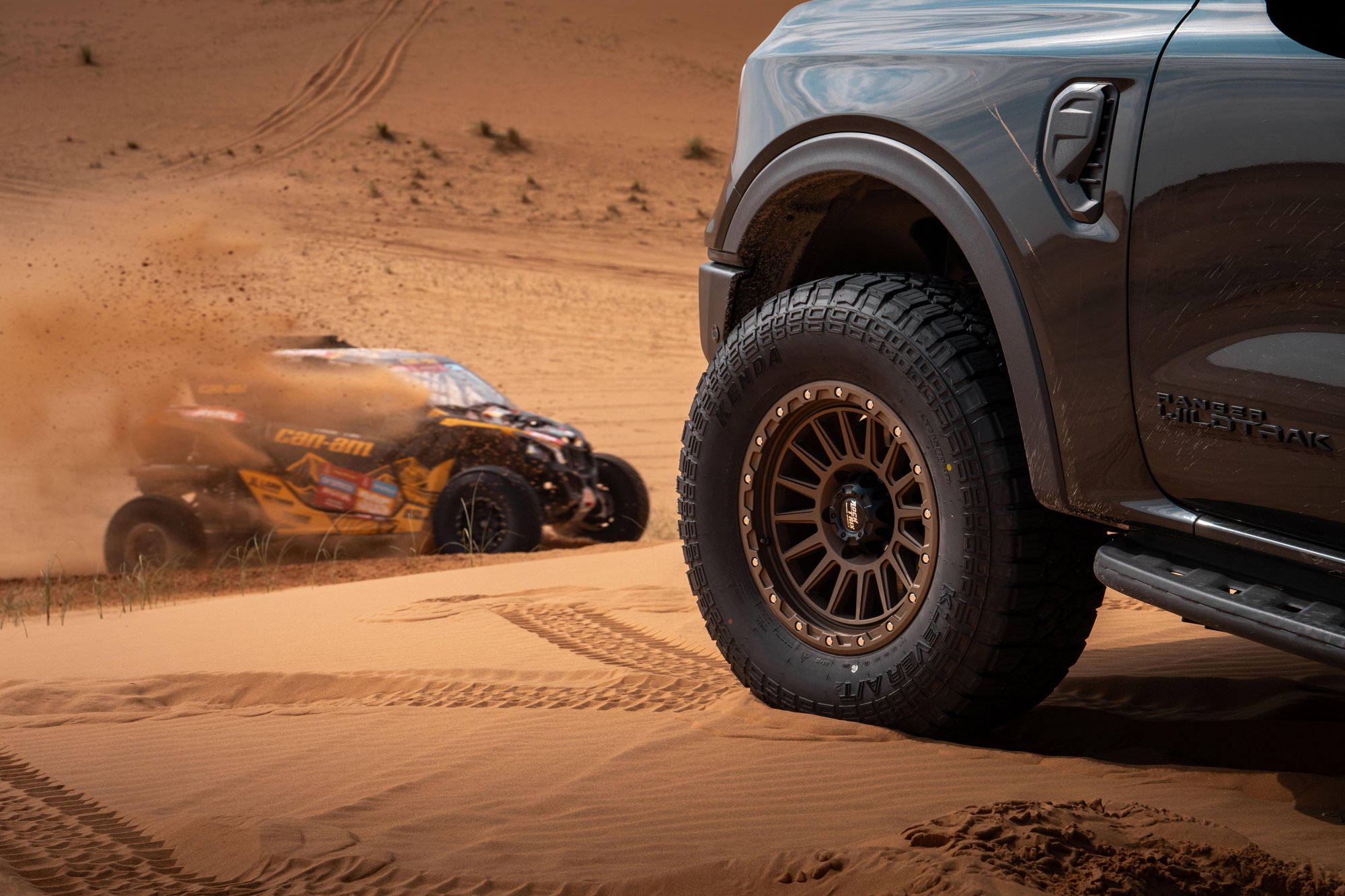
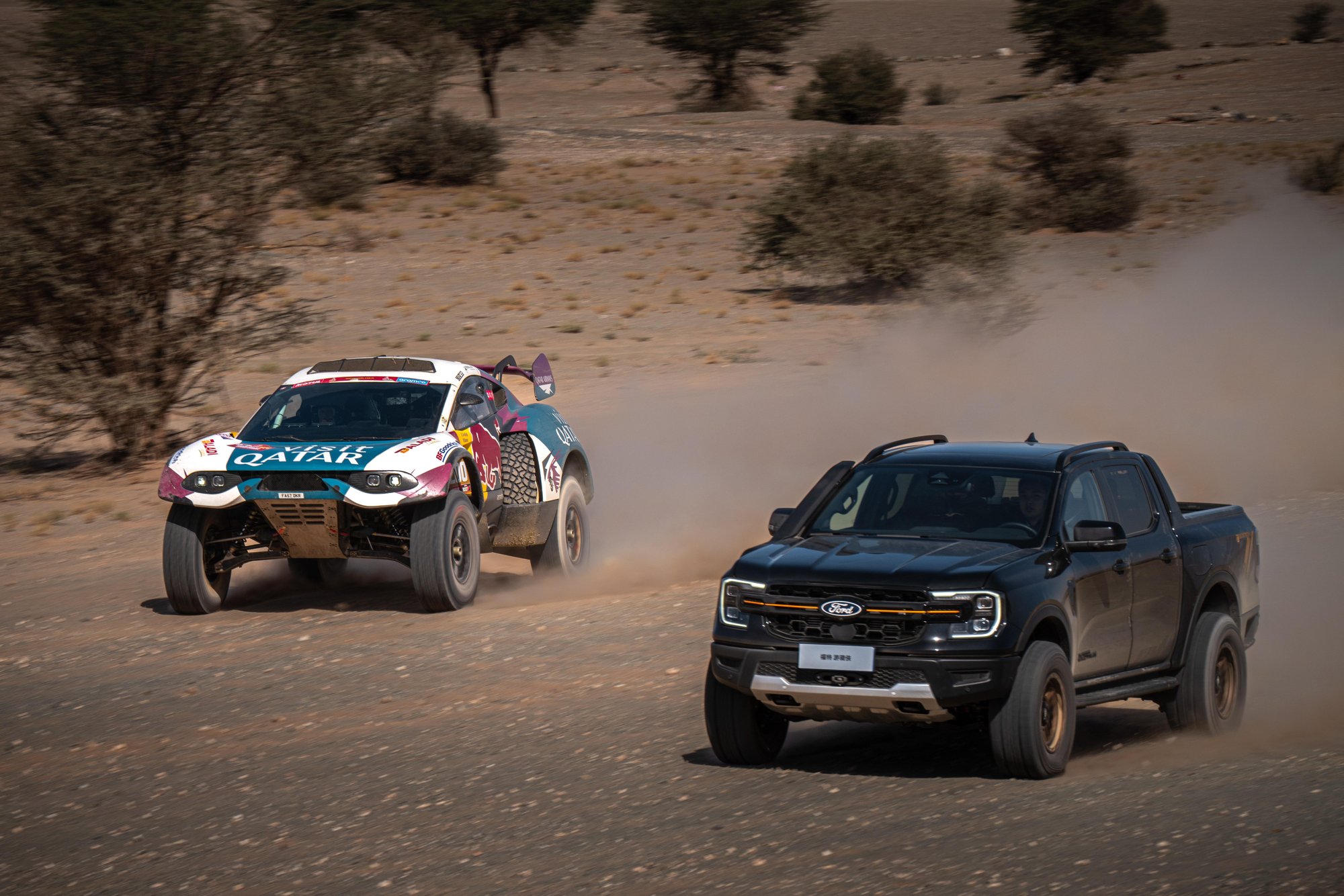
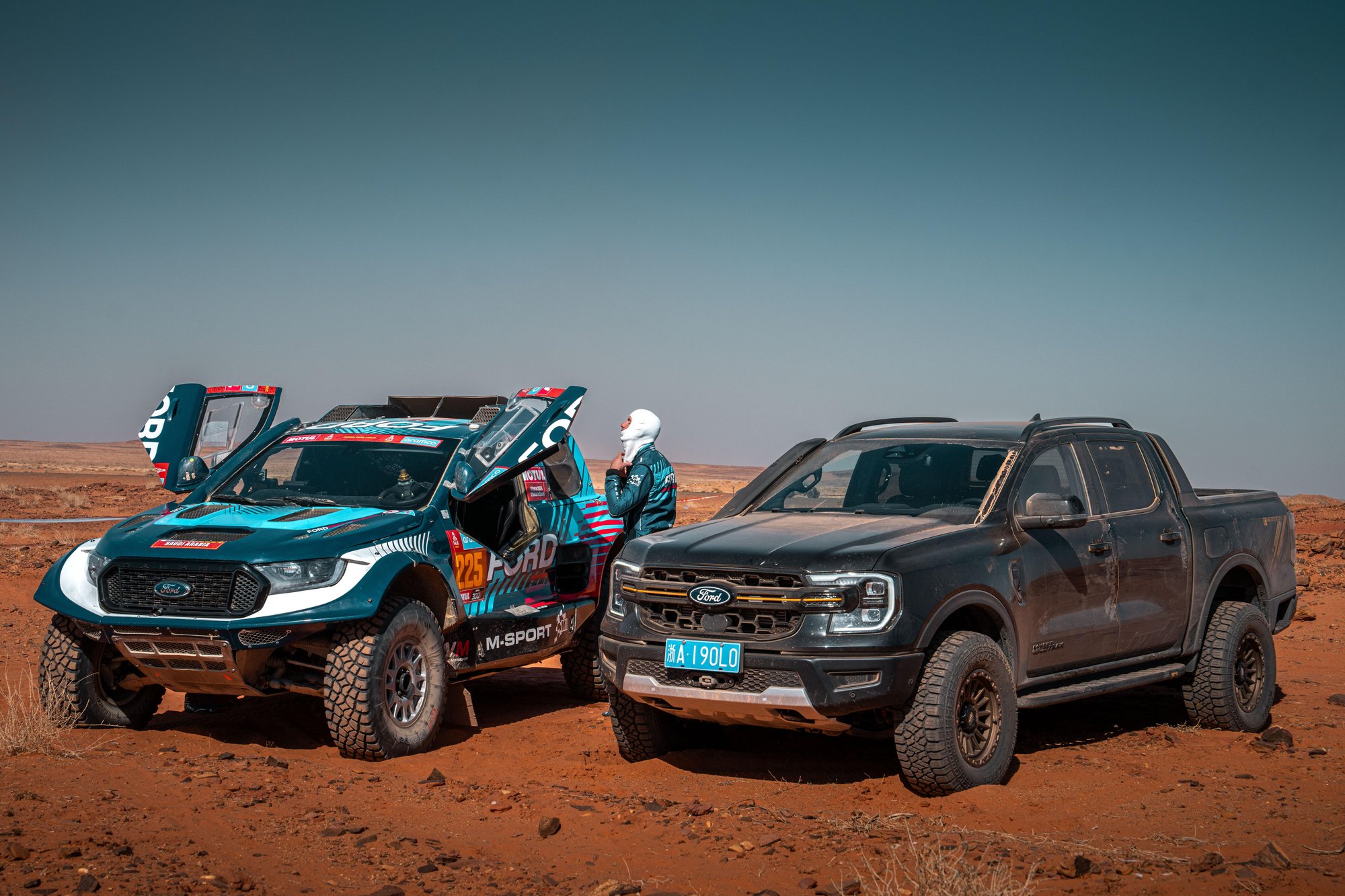
Now that we've covered safety, let's talk durability. A pickup, once you buy it, is bound to face heavy loads, rough roads, and exposure to the elements. If you drove an ordinary SUV to do these jobs, after a few years the condition would basically fall apart. But the Ranger has a bit of racing DNA deep in its bones—not the kind from paved-track racing, but the kind from a demonic off-road race like the Baja 1000.
Before this truck hit the market, what kind of testing did it go through? Ford has a proving ground called the You Yangs, in Australia, specifically for torturing vehicles. The Ranger underwent 4 months of continuous, non-stop testing there, simulating 10 years of real-world wear, with per-vehicle validation mileage reaching 1.5 million kilometers—30% more than the industry standard. What does that mean? It means virtually every extreme situation you could encounter on the road has basically been rehearsed in advance.
Running fully loaded at 3,330 kilograms on an extreme endurance loop, with vibration resistance 3 times the national standard; 12 weeks of salt spray and mud water testing, guaranteeing 10 years of corrosion resistance; over 3,000 hours of sun exposure testing to ensure the interior and paint don't degrade; even the tailgate step has to pass 1 million stomp tests. These are costs you can't see, but they all show up in the end in the used-car residual value.
Why are used-car dealers eager to snap up the Ranger? The reason is simple: even after years on the road, this truck's condition still holds up, and once they buy it, they're not worried about selling it. Just go look at the used-car market—those 3-year-old Rangers still command strong prices. According to data, this truck's domestic resale value stays between 63% and 66% at 3 years, while the industry average is only 48.96%; at 5 years it's still 50% to 55%. In the U.S. market it's even more dramatic—nearly 70% at 5 years. In an era where EVs lose half their value in a year and gas cars lose half in three, these numbers are genuinely impressive.
Resale value—behind it is the accumulation of reputation and practicality
Speaking of resale value, we need to dig into why it's so high. Besides the durability we just mentioned, there's another important reason: global sales provide the foundation, the ownership base is large, and market recognition is high. The Ranger's cumulative global sales have exceeded 8 million units—that's no small number. With a large ownership base, maintenance and servicing are convenient, parts are easy to find, and used-car buyers are naturally willing to take it on.
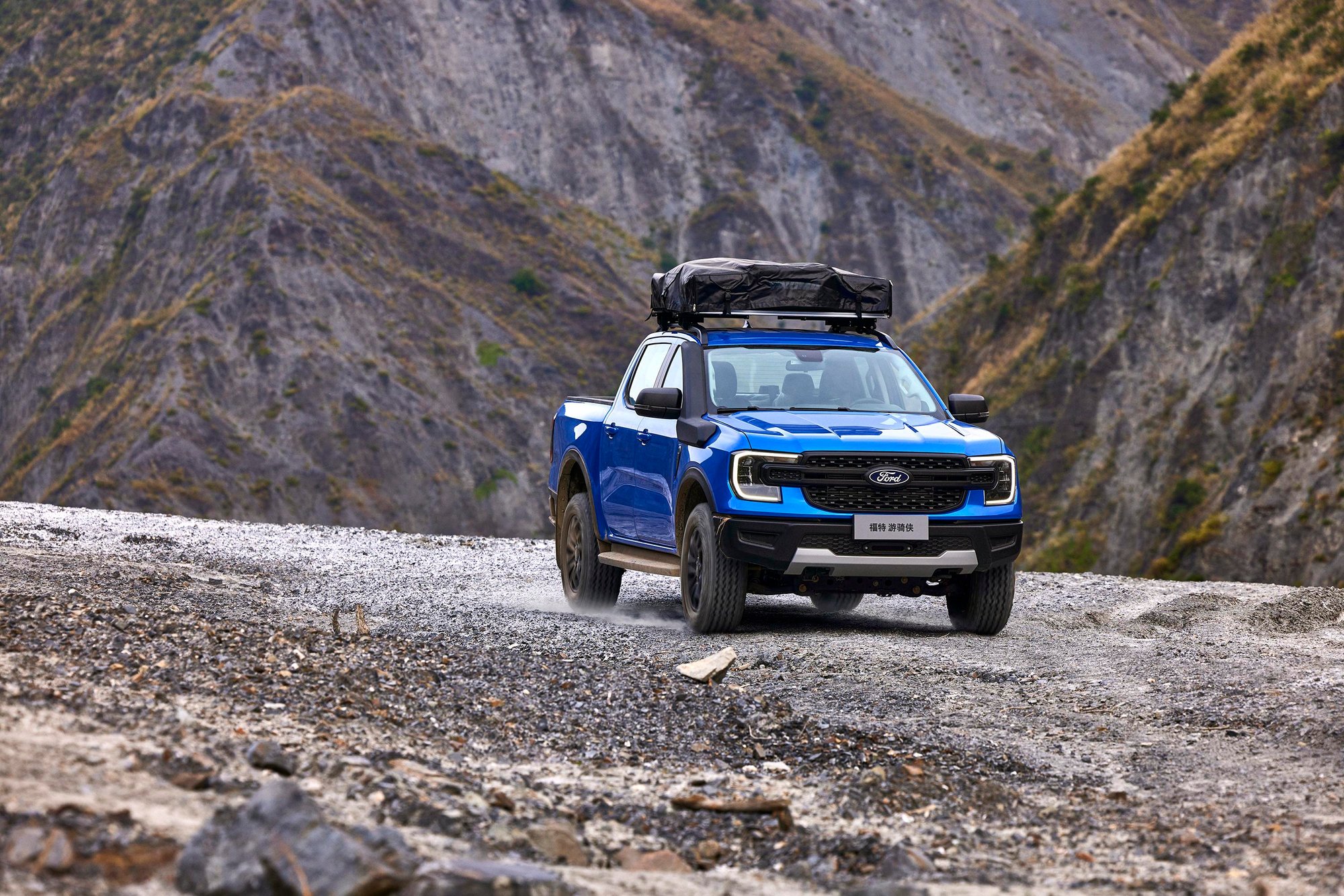
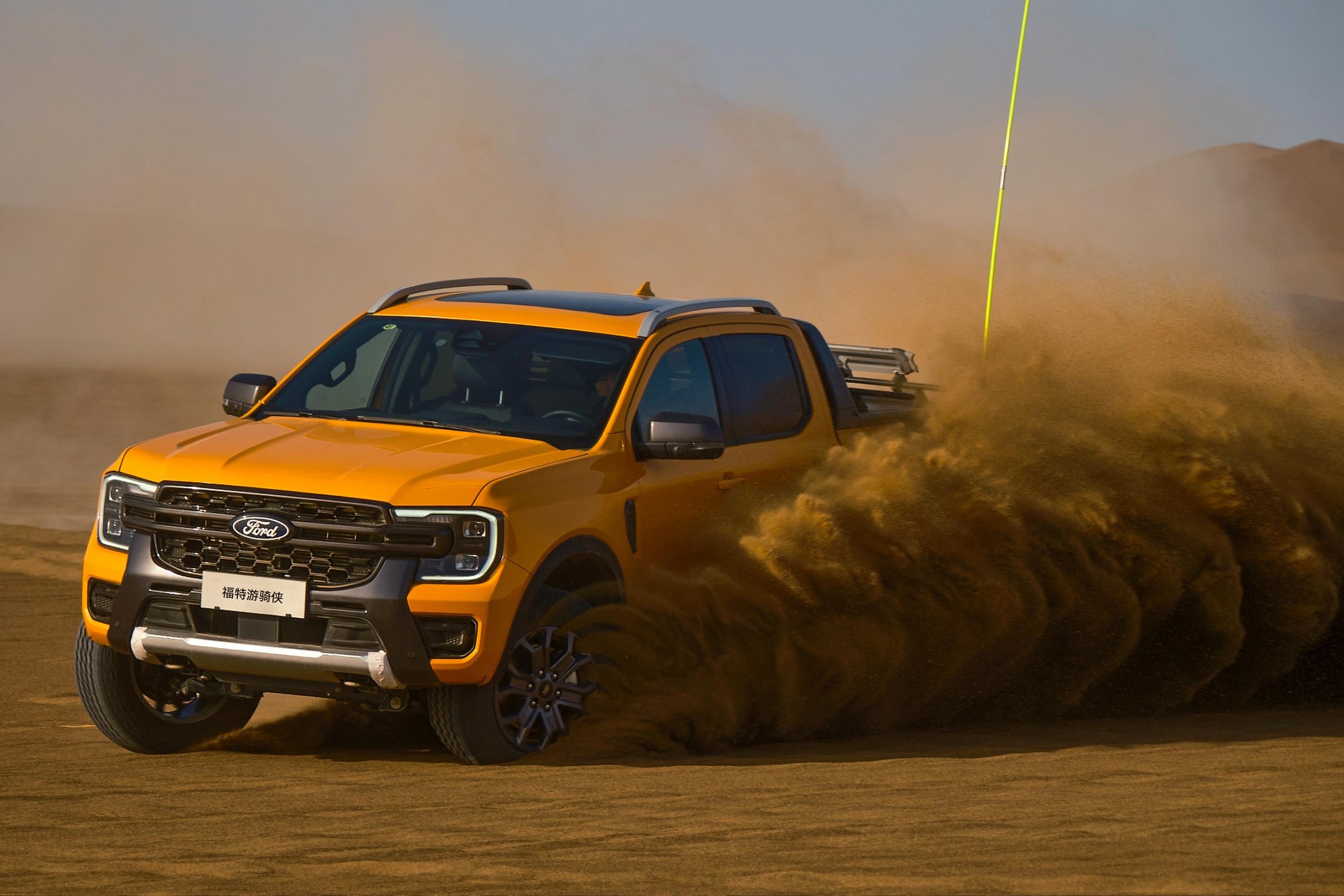
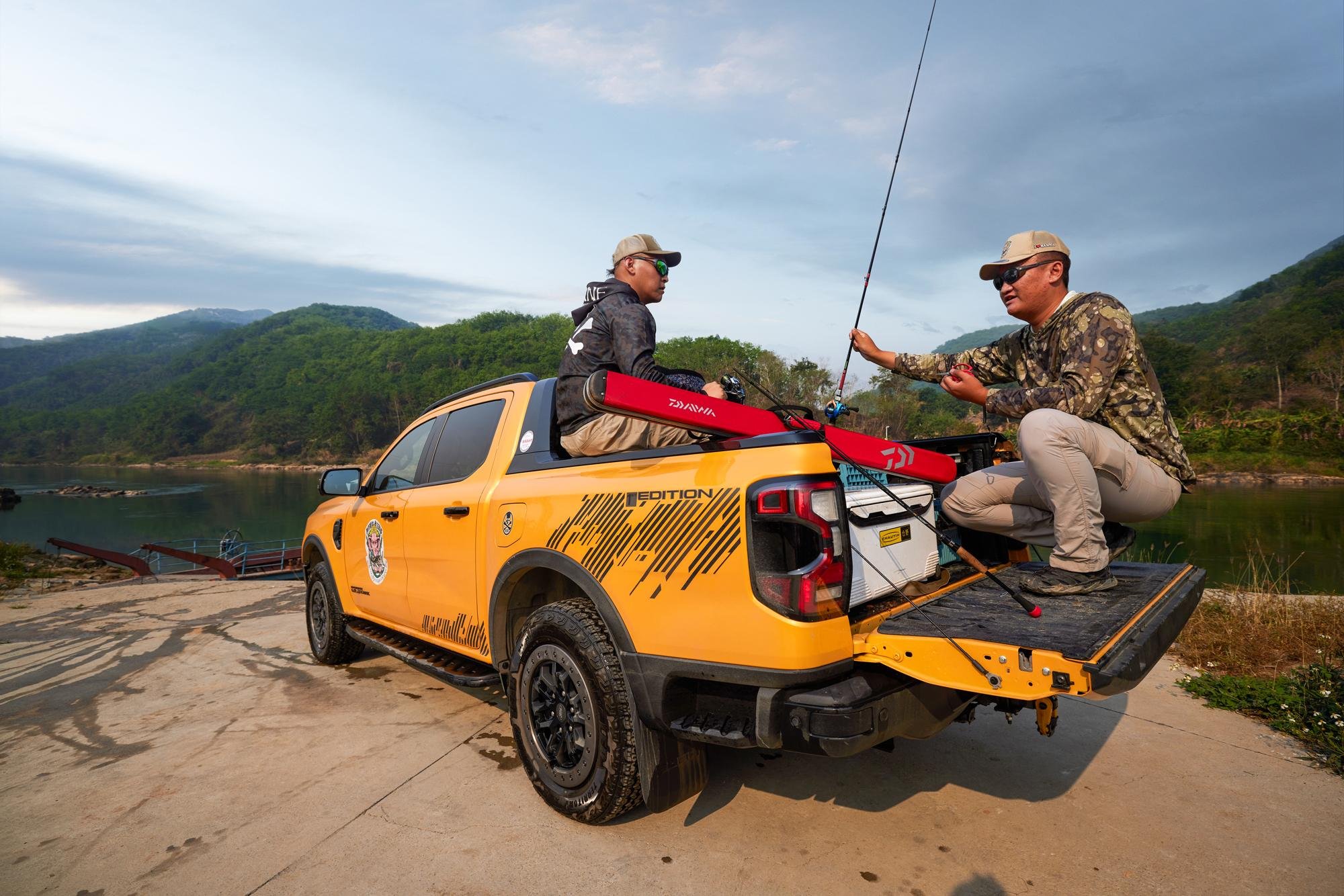
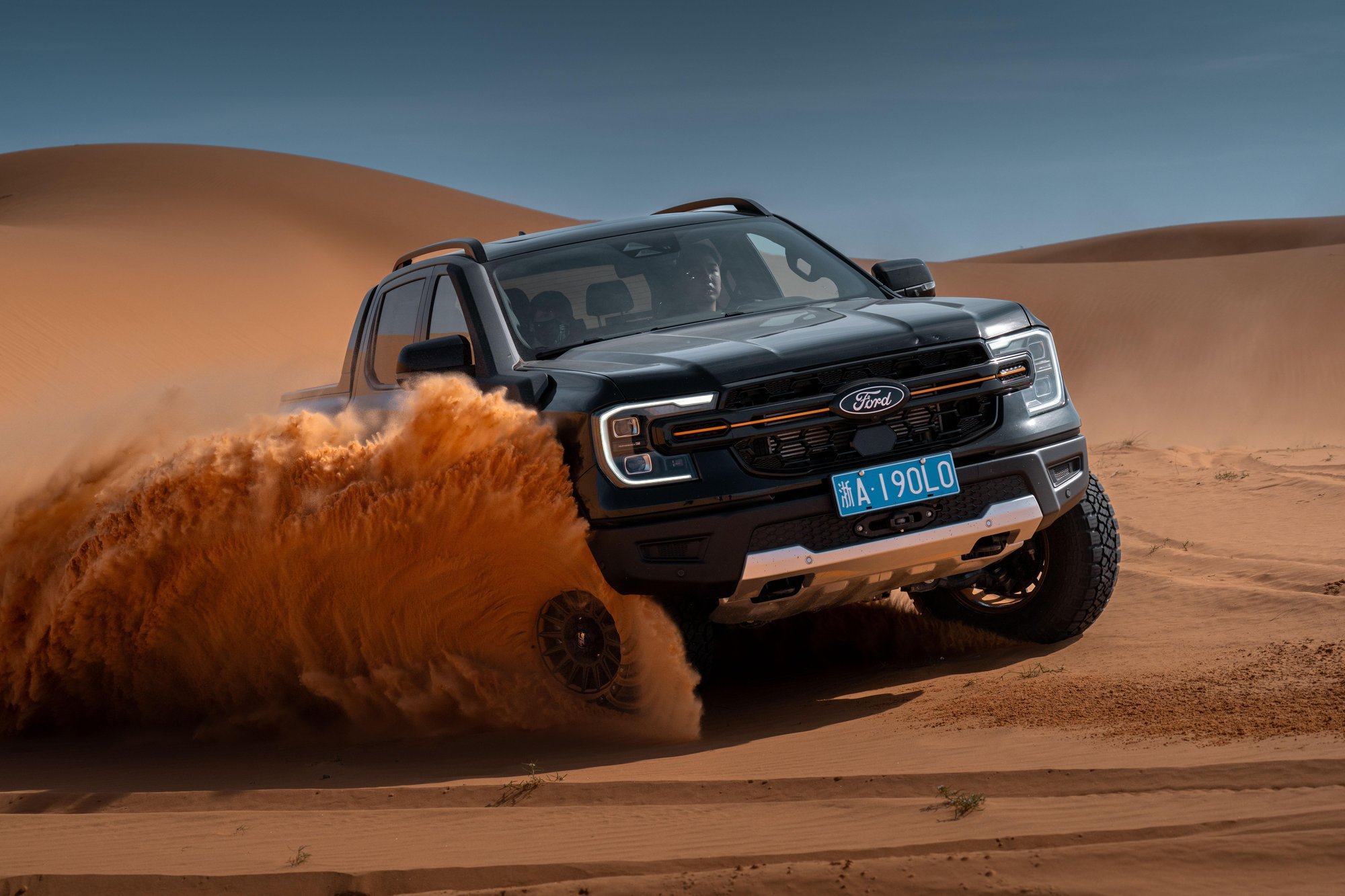
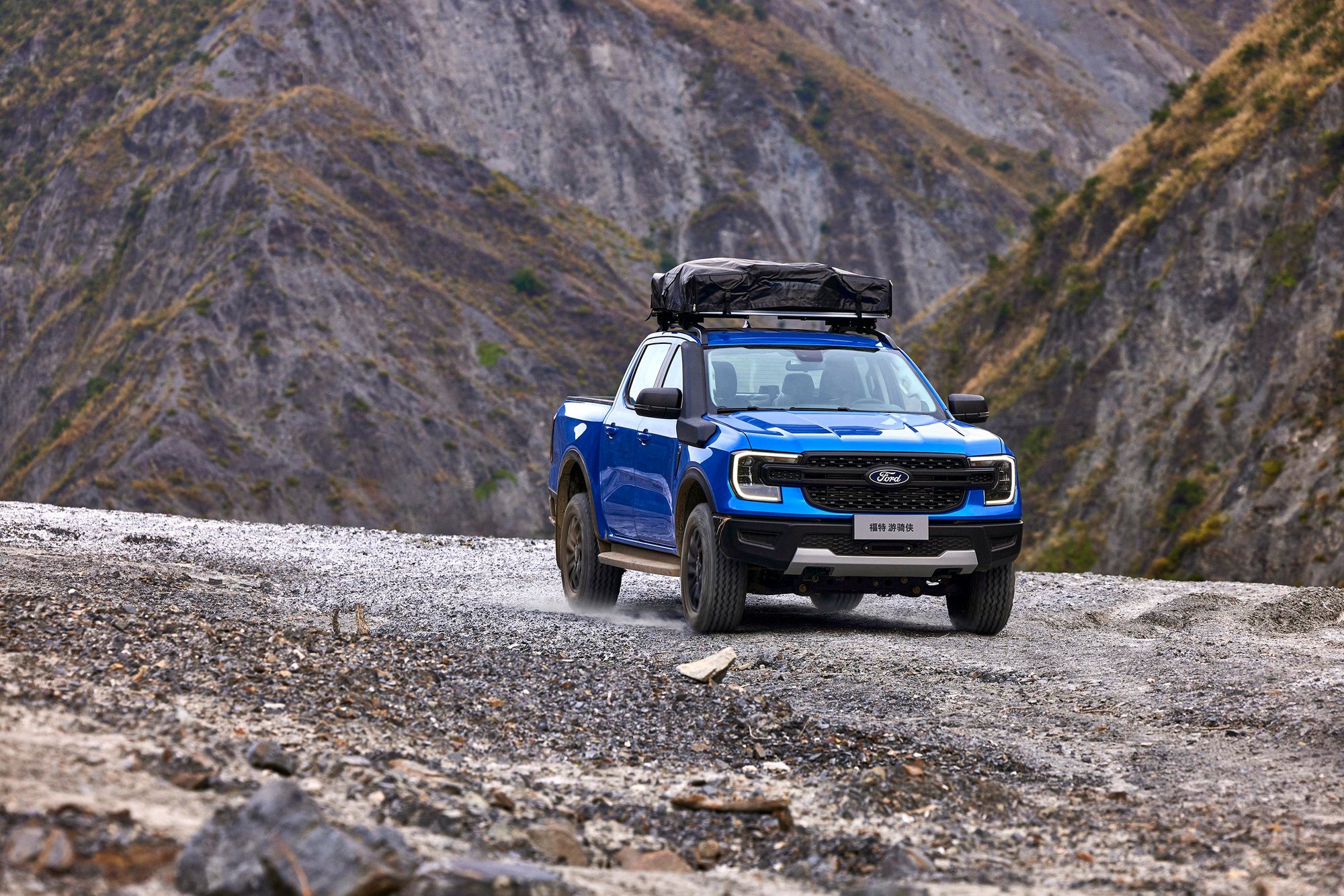
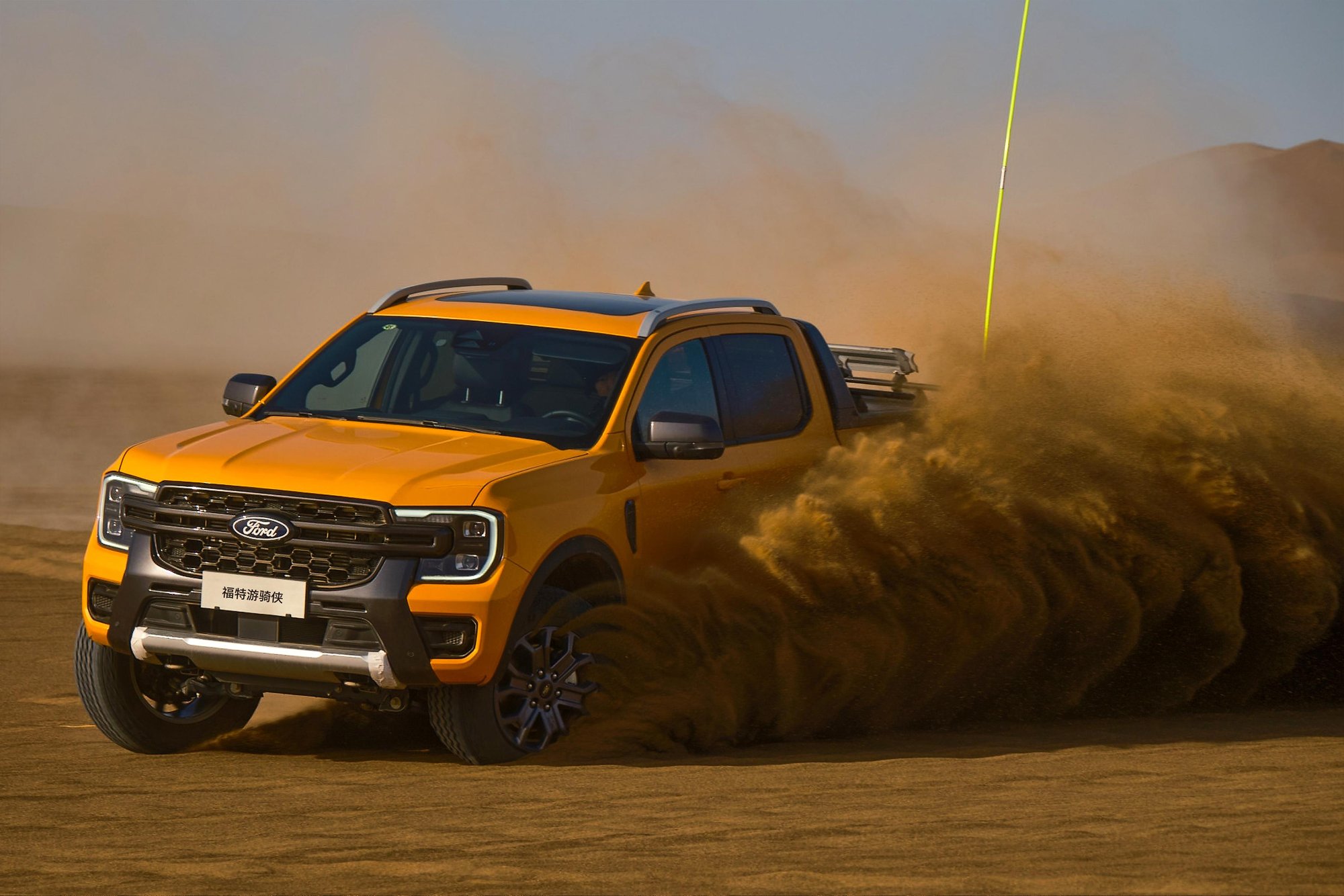
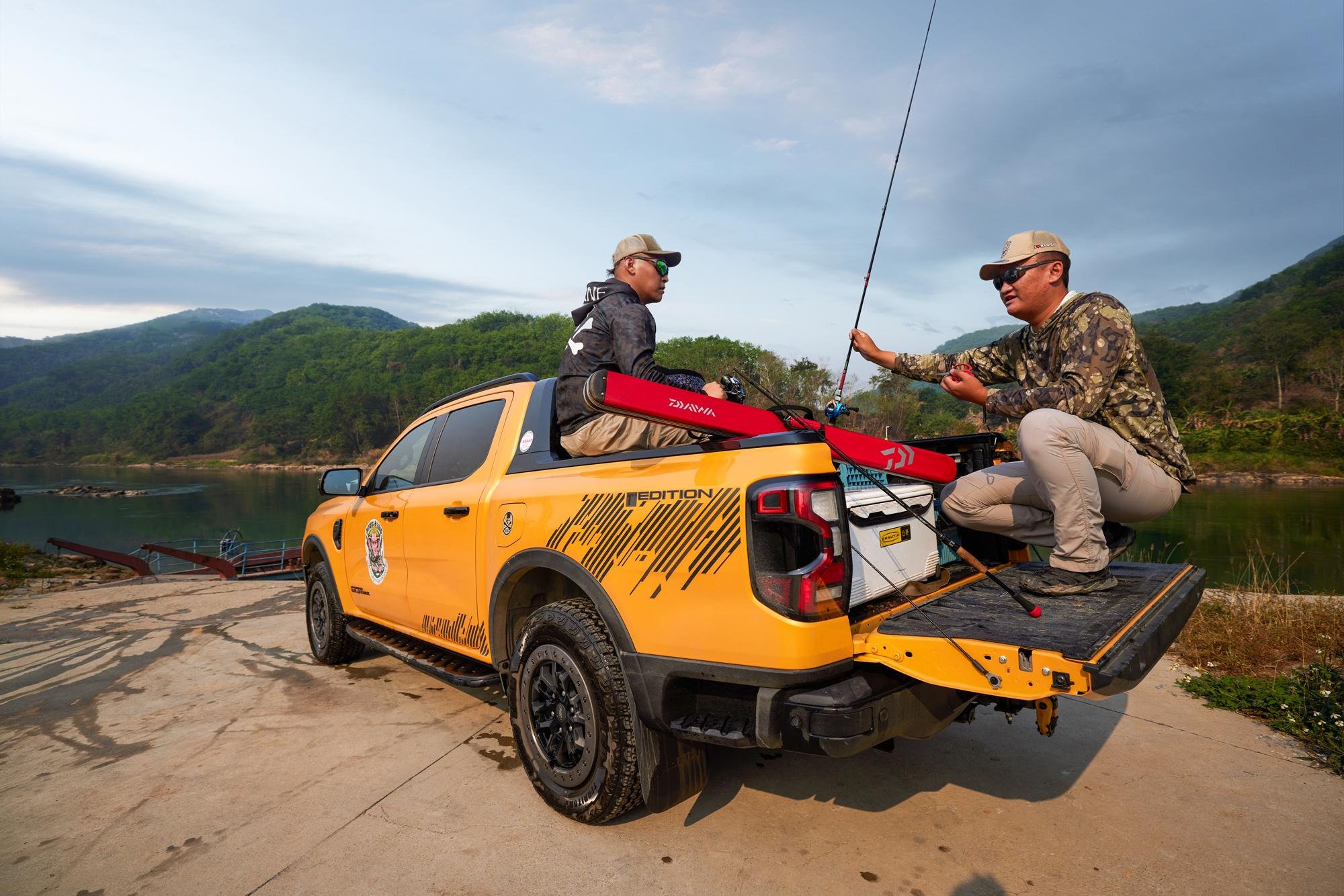
Also, the Ranger's product lineup is quite finely tiered. From 189,800 to 285,800 yuan, take your pick of gasoline or diesel. The diesel version has strong low-end torque, suited for heavy-load traversing—470 N·m of torque pulling an RV on the highway is effortless, and fuel consumption is lower than gasoline; the gasoline version puts out 258 horsepower with plenty of punch, more fun for desert running and dune charging. On top of that, the factory already equips the Sand Fox Special Edition with FOX nitrogen shocks, a Watt's linkage rear suspension, a snorkel, and beadlock AT tires—no aftermarket modification needed, no hassle at registration, and worry-free transfer of ownership. You should know that modified cars are often hard to sell on the used market because buyers don't trust the quality of the mods. But factory-built is different—you get the performance while avoiding the risk.
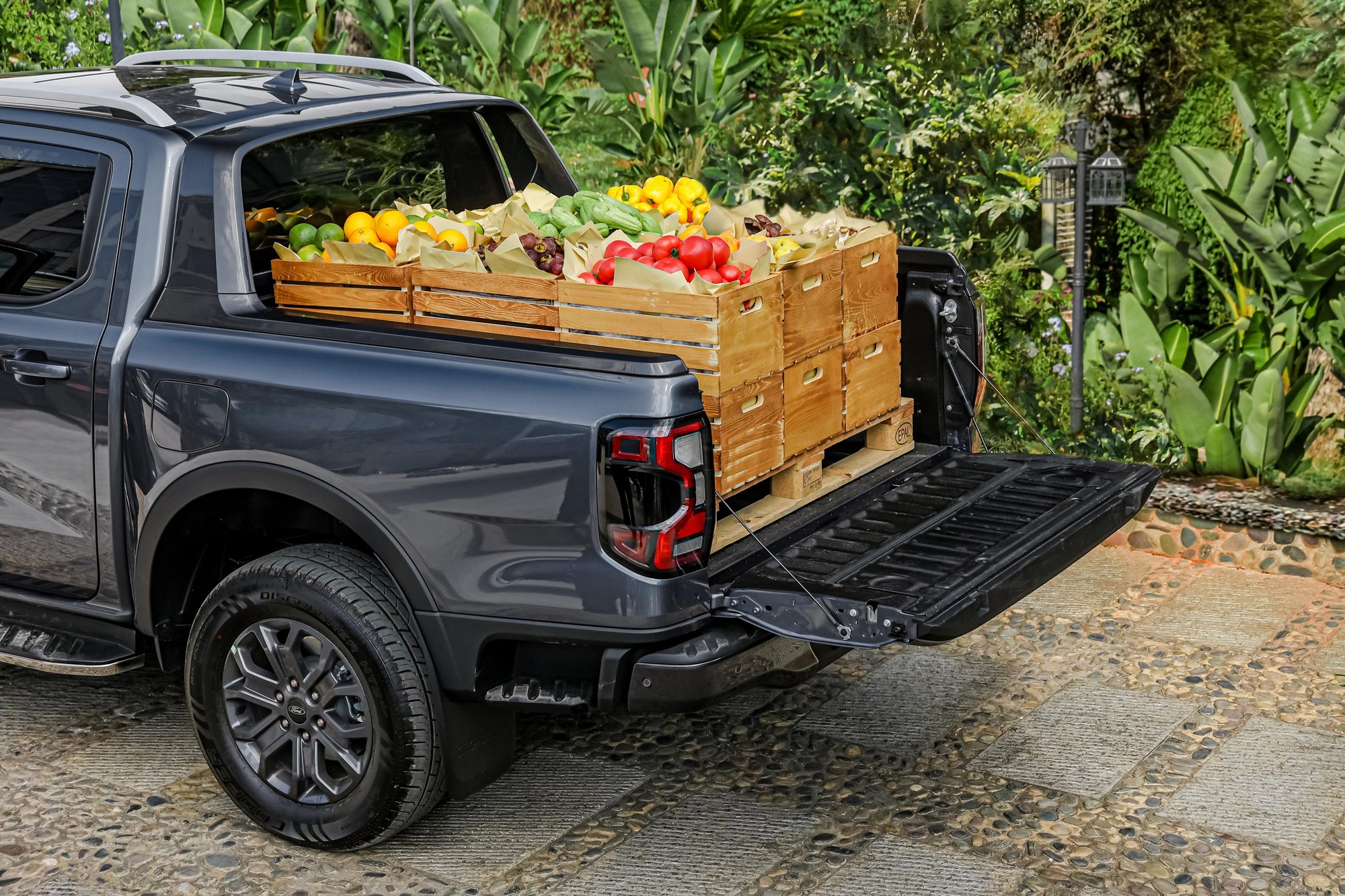
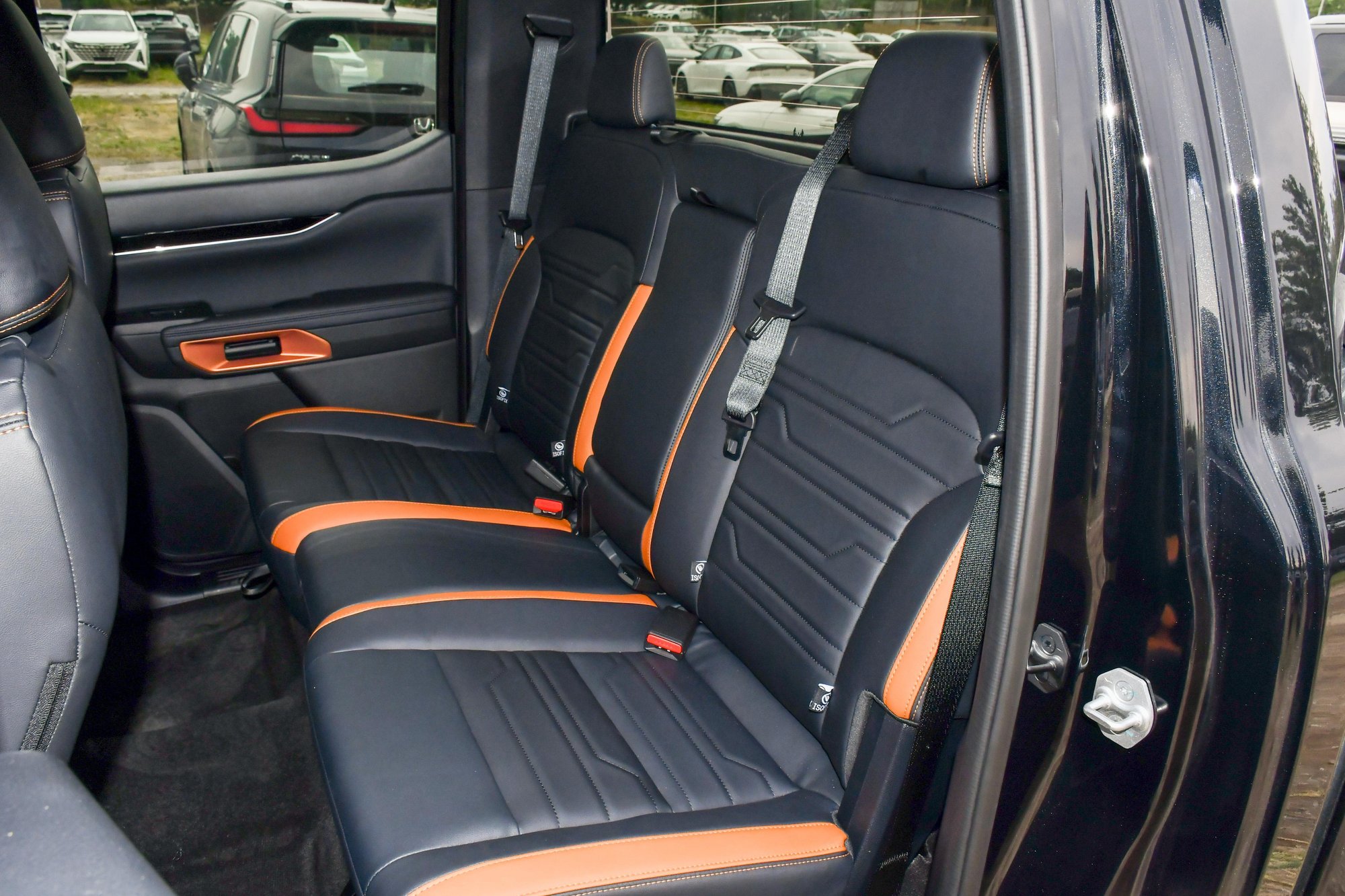
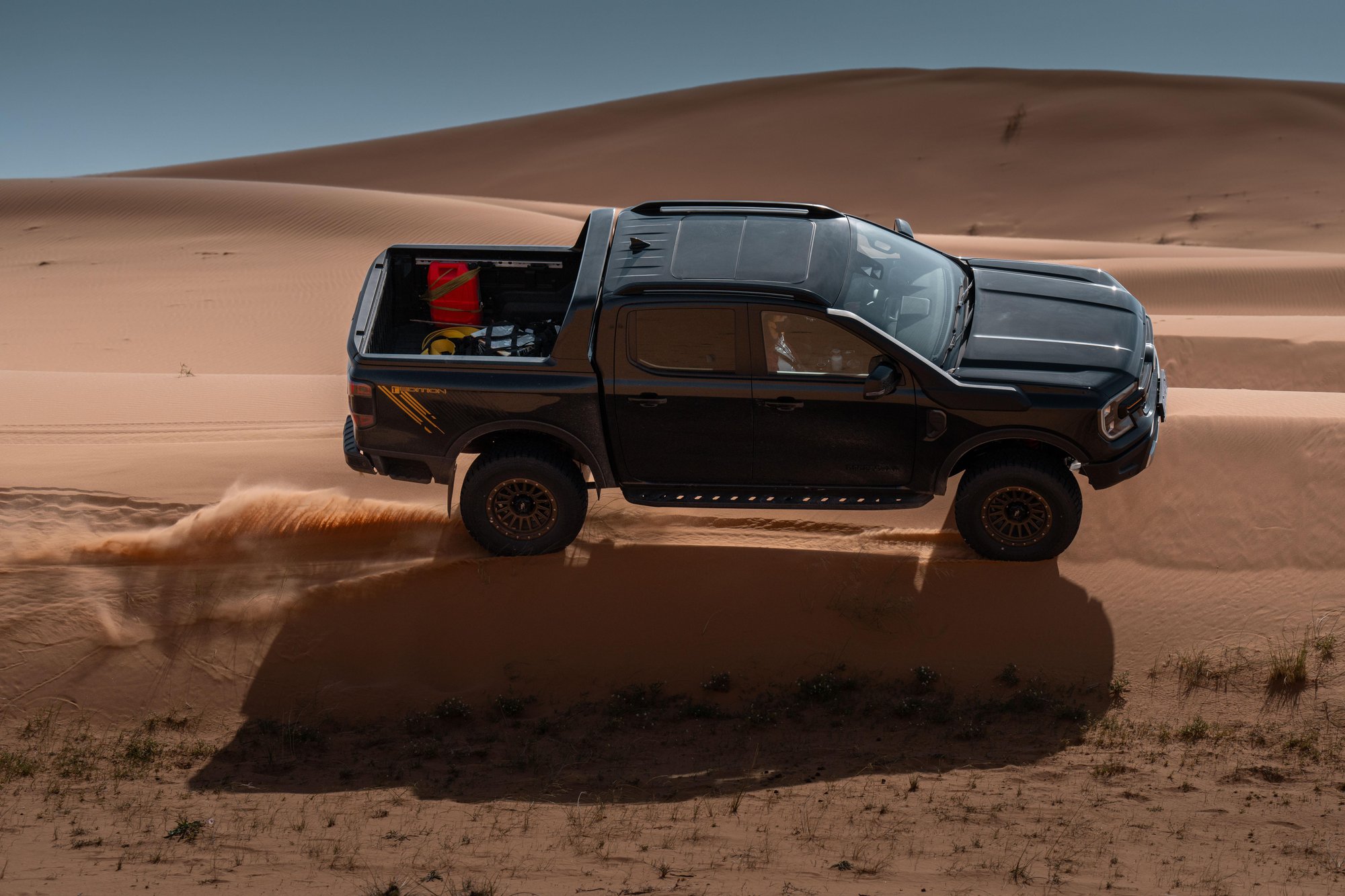
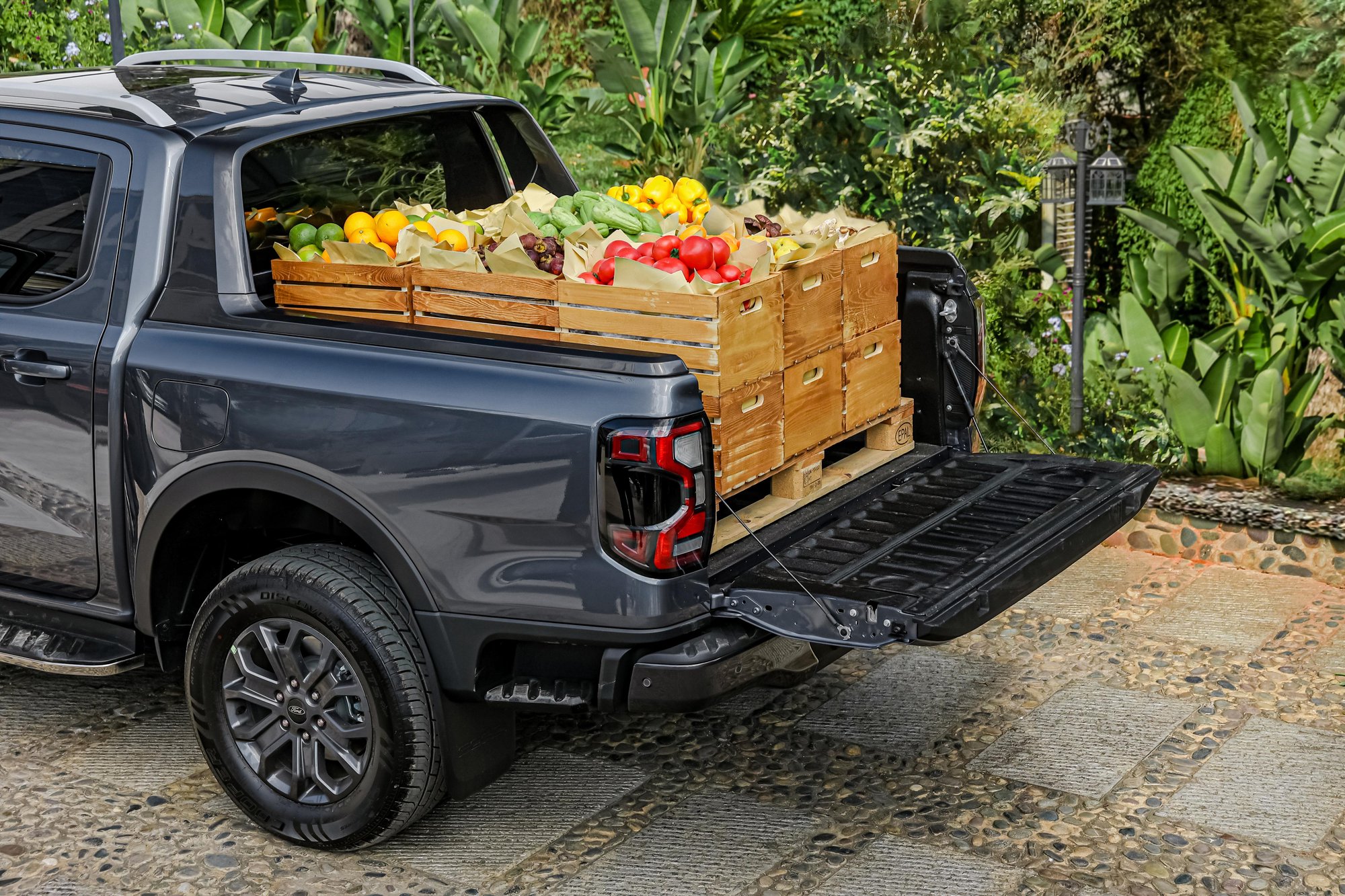
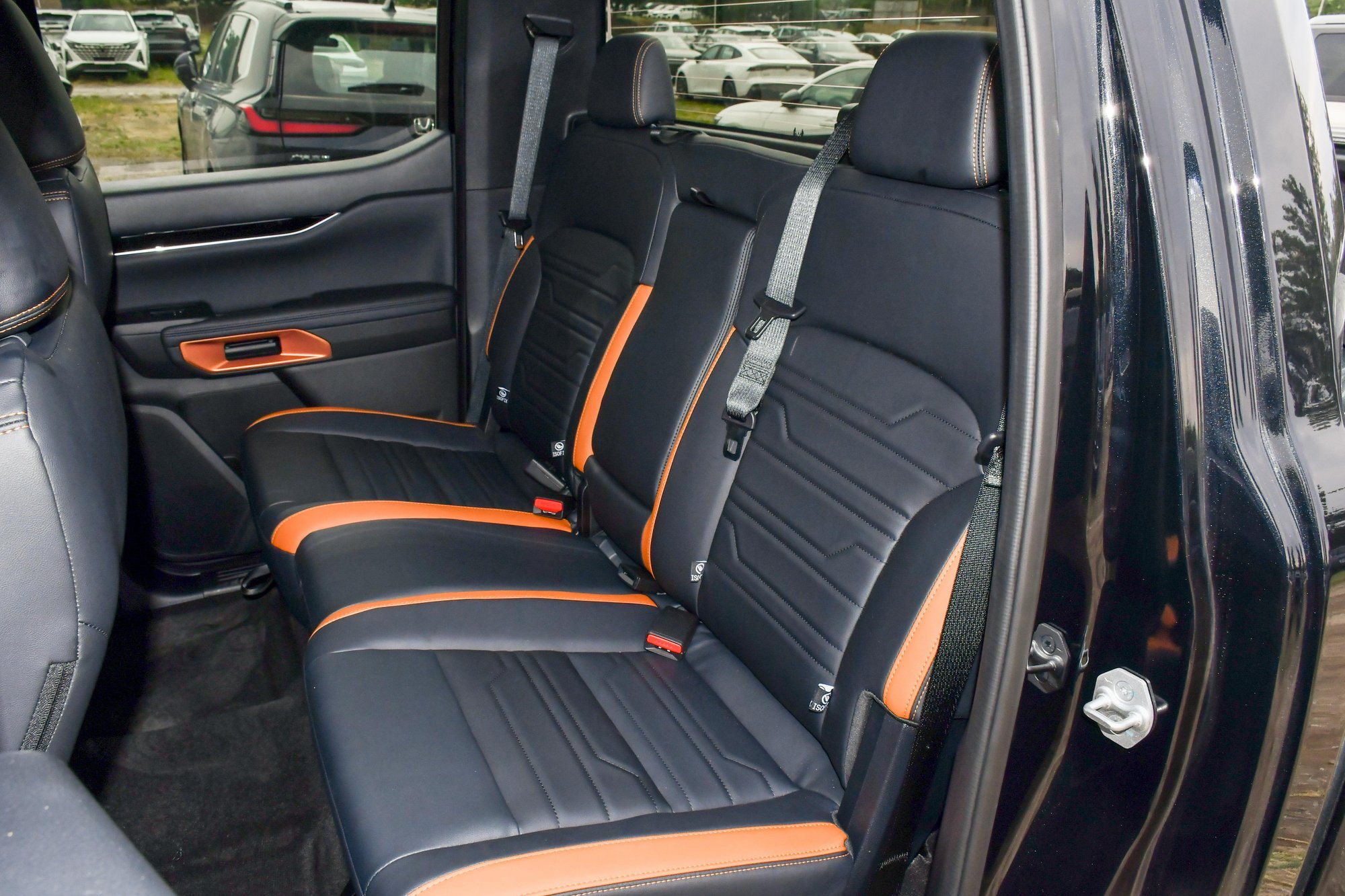
Now let's talk practicality. This truck has a 3,270mm wheelbase, and the bed comes with a roll bar and a scratch-resistant coating, so you don't worry about dings when loading cargo. The rear seatback adjusts to 26 degrees, so you're not cramped—unlike some pickups where the back seat feels like sitting on a stool. Higher trims also get B&O audio, front heated and ventilated seats, and L2-level driver assistance, saving you a lot of effort on long drives. It balances the roughness of a workhorse with the refinement of daily life—that's the core reason it circulates so quickly on the used market.
Of course, no vehicle is perfect. The Ranger has its quirks you need to get used to—for example, the body is over 5.4 meters long (5,410/5,370mm), so you need to pick a bigger parking spot in the city; the diesel version saves fuel but has slightly more noise and vibration than the gasoline version; and the infotainment system, while fully featured, occasionally responds slowly. But these minor issues, for a pickup that's going to take you up mountains and across seas, probably aren't a big deal.
Final thoughts
Back to the question from the beginning: how do you choose between the Tank 300 and the Ranger?
If you're purely into off-roading, love modifying, love hitting the course, love that square-jawed hardcore vibe, the Tank 300 is indeed a great fit—good value, plenty of aftermarket parts.
But if you want something that can both play and work, and you also want to not feel the pain when you sell it a few years down the road, then the Ranger might be the safer bet. This truck is like a steady, hardworking ox—usually quiet, but never drops the ball when it counts. Used-car dealers fight to buy it not because it looks cool, but because it sells easily, never sits on the lot, and fetches a good price when sold.
In this fast-moving car market where models are replaced at breakneck speed, vehicles that can pull this off are actually few and far between.
If you've recently been thinking about buying a rugged off-road vehicle, I'd guess there's a good chance you've put the Tank 300 on your shopping list. This car is genuinely popular—boxy styling, three differential locks, huge modification potential. Drive it out and you've got face, and you can hit the dunes too. It's practically the rock star of the domestic off-road scene.
But today I want to talk about something different.
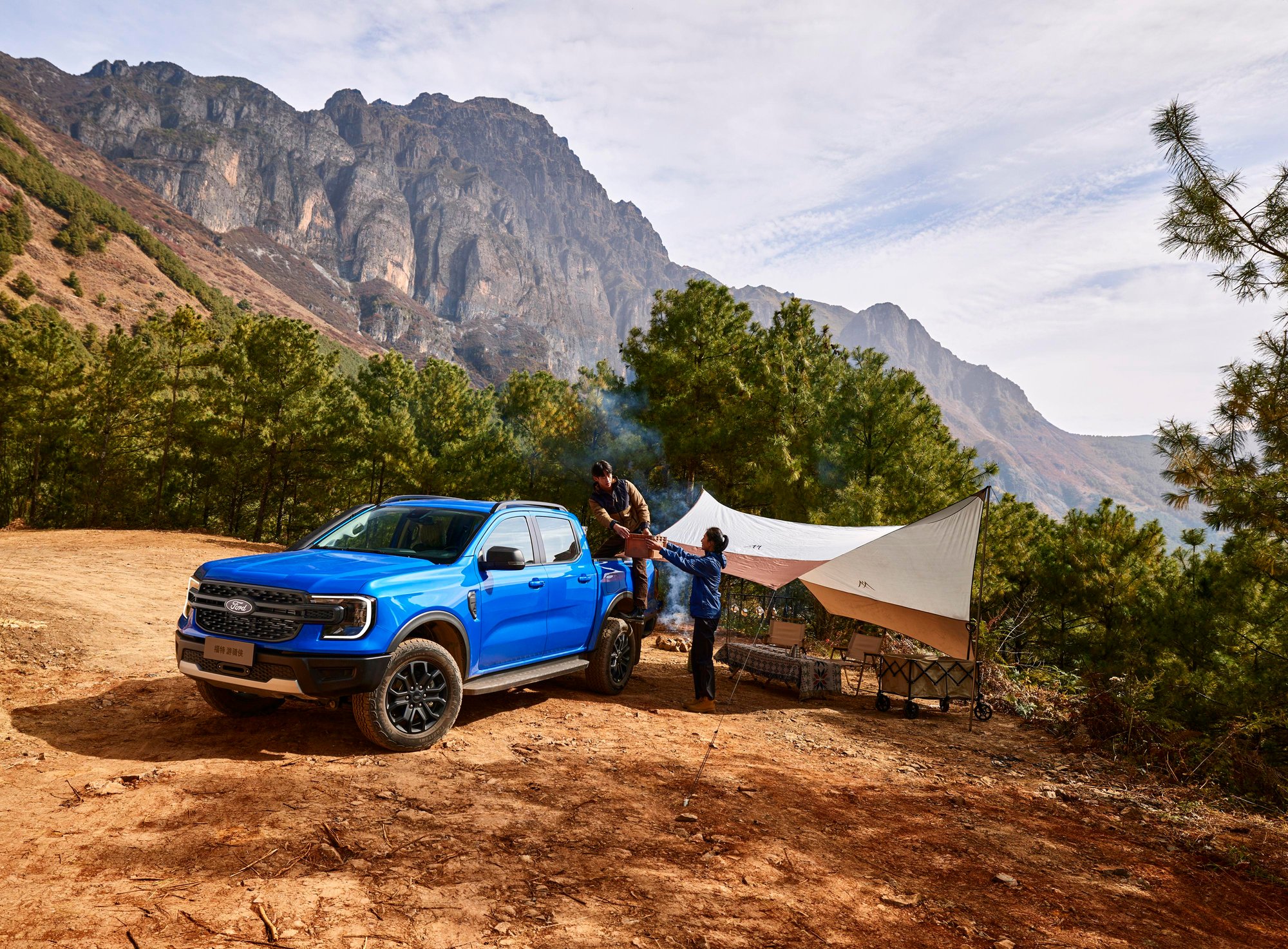
If your life isn't just about heading to the outskirts on weekends to crawl rocks and charge up Hero Slope—if you also need to haul some cargo, run job sites, or even tow a jet ski or RV to the beach—then a pure hardcore SUV might not be all that versatile. In that case, a pickup might be the more practical choice. And in this circle, there's one truck that doesn't have all that influencer glamour, yet it's hot property in the eyes of used-car dealers. It changes hands at an astonishing rate, and its resale value is ridiculously solid—it's the Ford Ranger.
Safety is something you can't see or touch, but it can save your life when it matters
For ordinary people buying a car, the easiest thing to overlook is safety. When you go to look at a car, you touch the interior to see if the leather is soft, sit in the seats to see if they're comfortable, even listen to the door close to see if it sounds solid—those things are intuitive. But how many megapascals is the steel body rated for? How many airbags are there? Can it protect you properly in a rollover? Unless something actually happens, you'd never feel any of that.
But the Ranger does a pretty reassuring job in this department. This truck is one of the few pickups in the world to earn five-star safety ratings from all three major programs—C-NCAP, E-NCAP, and A-NCAP. In China's C-NCAP, it achieved a 90% overall score, with 94.29% in occupant protection. What does that mean? It means whether it's China's crash standards or the stringent tests in Europe and Australia, it scored high marks across the board.
Key body sections use 1580 MPa aerospace-grade boron steel, with high-strength steel accounting for over 66%. That number might not mean much to you, so here's another way to put it: its roof can withstand 9.4 tons of pressure, so even if the truck rolls over, the cabin's survival space is preserved. Add to that 7 to 8 airbags standard across the range, plus a dedicated RCM rollover sensor—if the vehicle actually rolls, it can precisely determine which side's airbags should deploy, inflating within 10 milliseconds, and the side curtain airbags hold pressure for 6 seconds, covering the entire rollover event. These details are things nobody thinks about day to day, but when something really happens, they're life-savers.
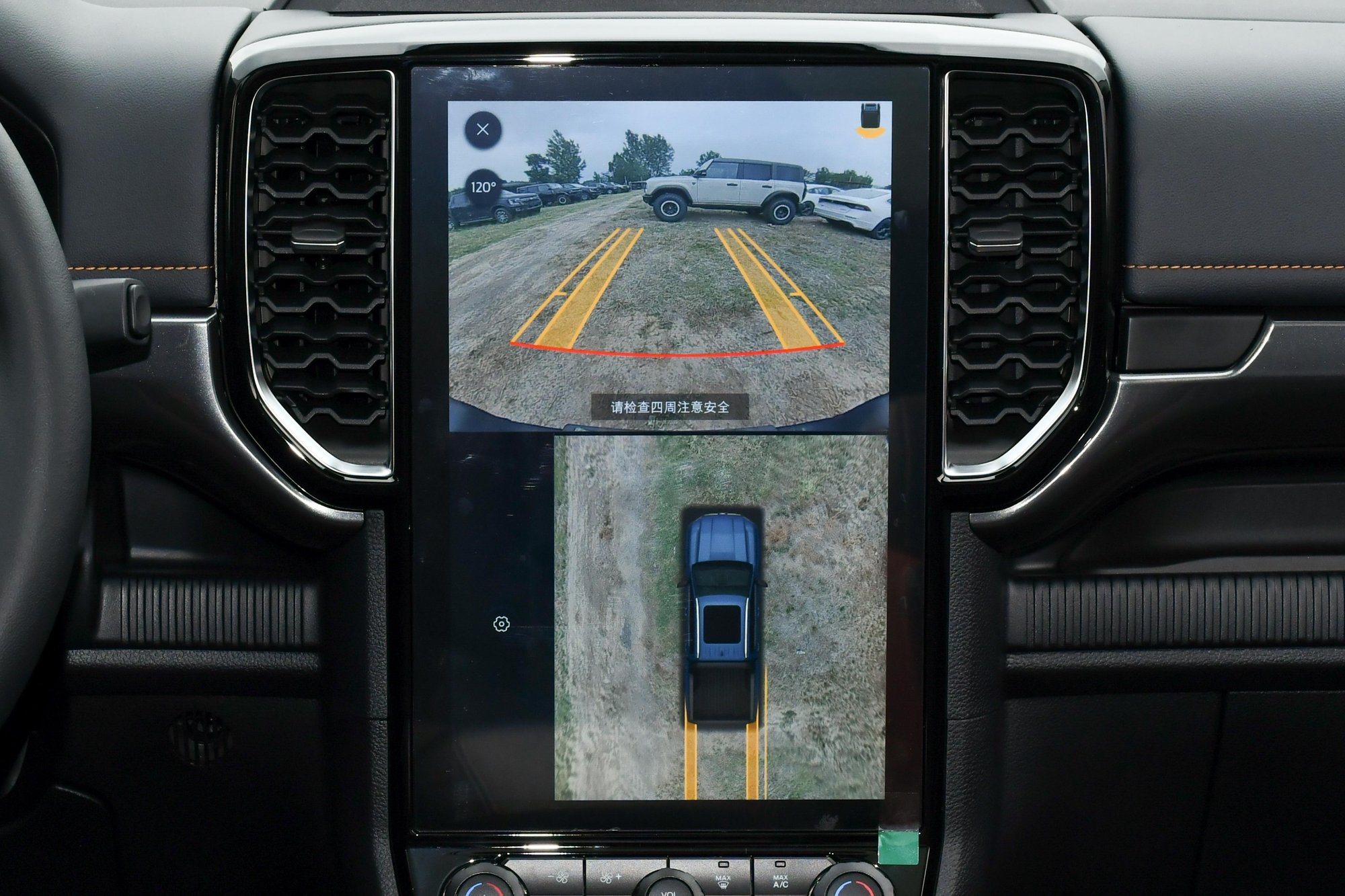
Another thing I find genuinely practical: it has a 540-degree transparent chassis view, so when off-roading you can see the terrain underneath clearly—where the rocks are, where the pits are, all at a glance. Add water-wading sensors and off-road crawl control, and you feel a lot more confident on rough terrain. After all, a pickup is something you buy to actually work, not just to commute around the city. When the road gets complicated, every extra bit of safety equipment gives you that much more confidence.
Durability is a pickup's duty, and it's also the card that used-car dealers value most
Now that we've covered safety, let's talk durability. A pickup, once you buy it, is bound to face heavy loads, rough roads, and exposure to the elements. If you drove an ordinary SUV to do these jobs, after a few years the condition would basically fall apart. But the Ranger has a bit of racing DNA deep in its bones—not the kind from paved-track racing, but the kind from a demonic off-road race like the Baja 1000.
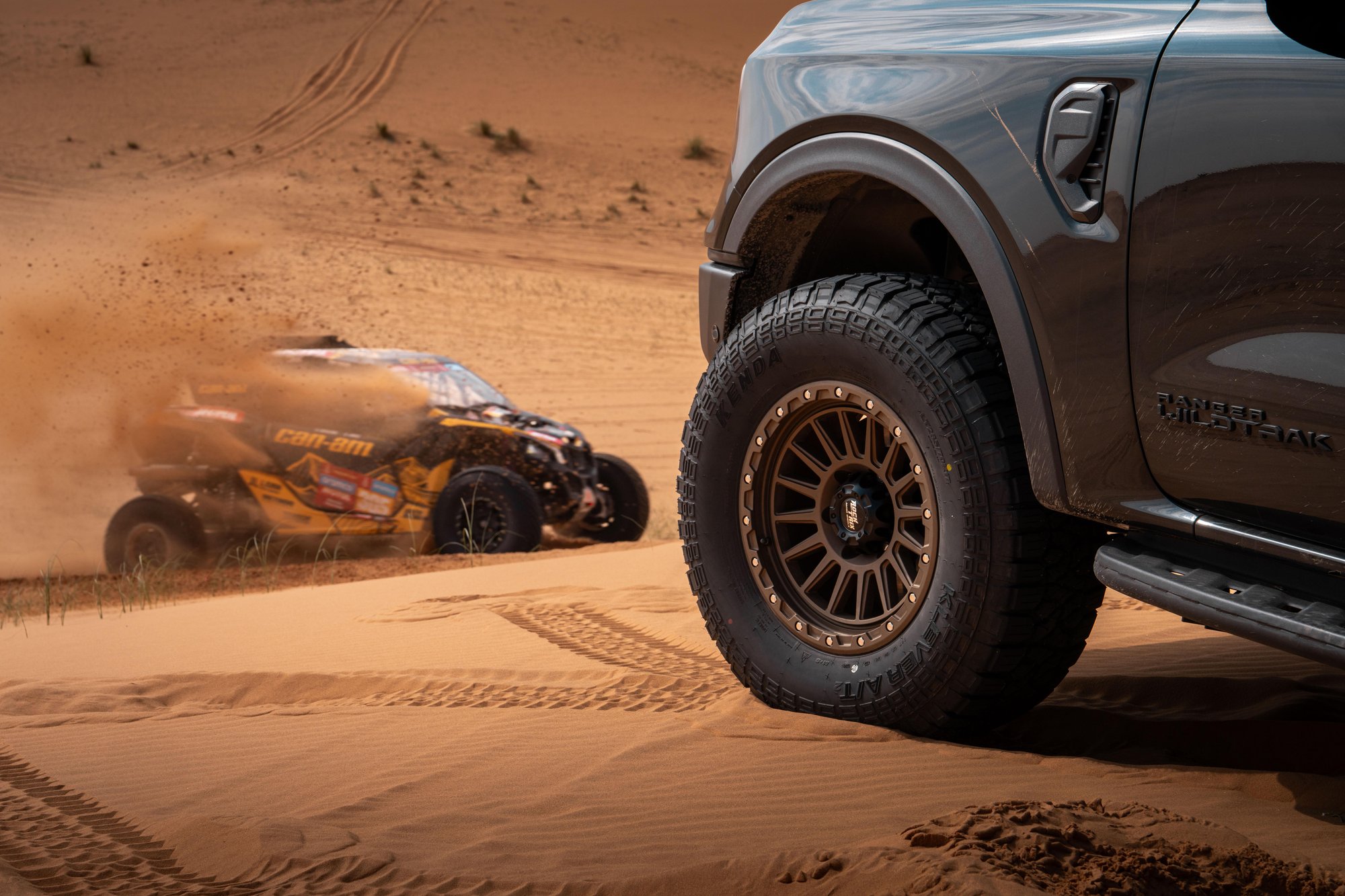
Before this truck hit the market, what kind of testing did it go through? Ford has a proving ground called the You Yangs, in Australia, specifically for torturing vehicles. The Ranger underwent 4 months of continuous, non-stop testing there, simulating 10 years of real-world wear, with per-vehicle validation mileage reaching 1.5 million kilometers—30% more than the industry standard. What does that mean? It means virtually every extreme situation you could encounter on the road has basically been rehearsed in advance.
Running fully loaded at 3,330 kilograms on an extreme endurance loop, with vibration resistance 3 times the national standard; 12 weeks of salt spray and mud water testing, guaranteeing 10 years of corrosion resistance; over 3,000 hours of sun exposure testing to ensure the interior and paint don't degrade; even the tailgate step has to pass 1 million stomp tests. These are costs you can't see, but they all show up in the end in the used-car residual value.
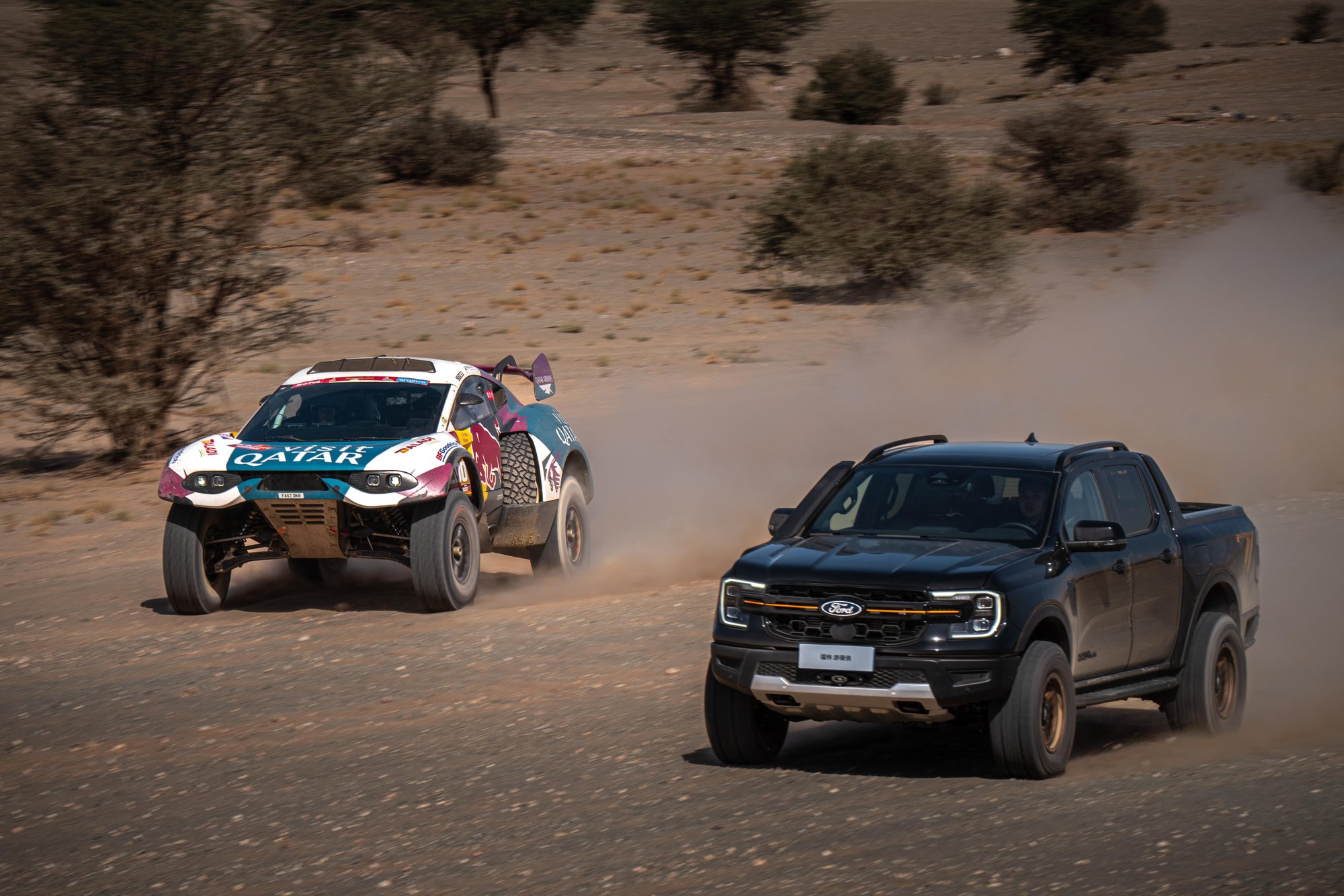
Why are used-car dealers eager to snap up the Ranger? The reason is simple: even after years on the road, this truck's condition still holds up, and once they buy it, they're not worried about selling it. Just go look at the used-car market—those 3-year-old Rangers still command strong prices. According to data, this truck's domestic resale value stays between 63% and 66% at 3 years, while the industry average is only 48.96%; at 5 years it's still 50% to 55%. In the U.S. market it's even more dramatic—nearly 70% at 5 years. In an era where EVs lose half their value in a year and gas cars lose half in three, these numbers are genuinely impressive.
Resale value—behind it is the accumulation of reputation and practicality
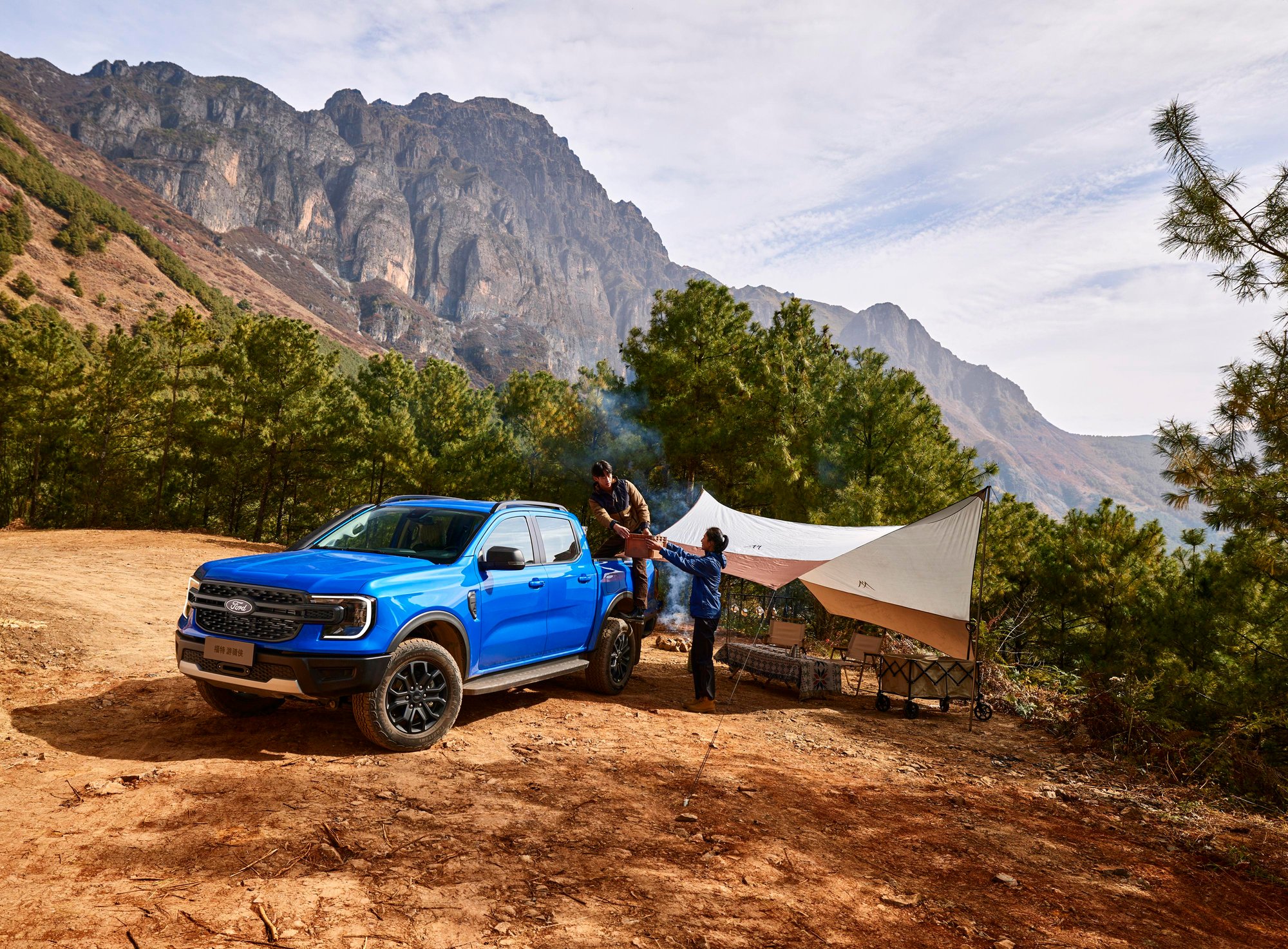
Speaking of resale value, we need to dig into why it's so high. Besides the durability we just mentioned, there's another important reason: global sales provide the foundation, the ownership base is large, and market recognition is high. The Ranger's cumulative global sales have exceeded 8 million units—that's no small number. With a large ownership base, maintenance and servicing are convenient, parts are easy to find, and used-car buyers are naturally willing to take it on.
Also, the Ranger's product lineup is quite finely tiered. From 189,800 to 285,800 yuan, take your pick of gasoline or diesel. The diesel version has strong low-end torque, suited for heavy-load traversing—470 N·m of torque pulling an RV on the highway is effortless, and fuel consumption is lower than gasoline; the gasoline version puts out 258 horsepower with plenty of punch, more fun for desert running and dune charging. On top of that, the factory already equips the Sand Fox Special Edition with FOX nitrogen shocks, a Watt's linkage rear suspension, a snorkel, and beadlock AT tires—no aftermarket modification needed, no hassle at registration, and worry-free transfer of ownership. You should know that modified cars are often hard to sell on the used market because buyers don't trust the quality of the mods. But factory-built is different—you get the performance while avoiding the risk.
Now let's talk practicality. This truck has a 3,270mm wheelbase, and the bed comes with a roll bar and a scratch-resistant coating, so you don't worry about dings when loading cargo. The rear seatback adjusts to 26 degrees, so you're not cramped—unlike some pickups where the back seat feels like sitting on a stool. Higher trims also get B&O audio, front heated and ventilated seats, and L2-level driver assistance, saving you a lot of effort on long drives. It balances the roughness of a workhorse with the refinement of daily life—that's the core reason it circulates so quickly on the used market.
Of course, no vehicle is perfect. The Ranger has its quirks you need to get used to—for example, the body is over 5.4 meters long (5,410/5,370mm), so you need to pick a bigger parking spot in the city; the diesel version saves fuel but has slightly more noise and vibration than the gasoline version; and the infotainment system, while fully featured, occasionally responds slowly. But these minor issues, for a pickup that's going to take you up mountains and across seas, probably aren't a big deal.
Final thoughts
Back to the question from the beginning: how do you choose between the Tank 300 and the Ranger?
If you're purely into off-roading, love modifying, love hitting the course, love that square-jawed hardcore vibe, the Tank 300 is indeed a great fit—good value, plenty of aftermarket parts.
But if you want something that can both play and work, and you also want to not feel the pain when you sell it a few years down the road, then the Ranger might be the safer bet. This truck is like a steady, hardworking ox—usually quiet, but never drops the ball when it counts. Used-car dealers fight to buy it not because it looks cool, but because it sells easily, never sits on the lot, and fetches a good price when sold.
In this fast-moving car market where models are replaced at breakneck speed, vehicles that can pull this off are actually few and far between.


