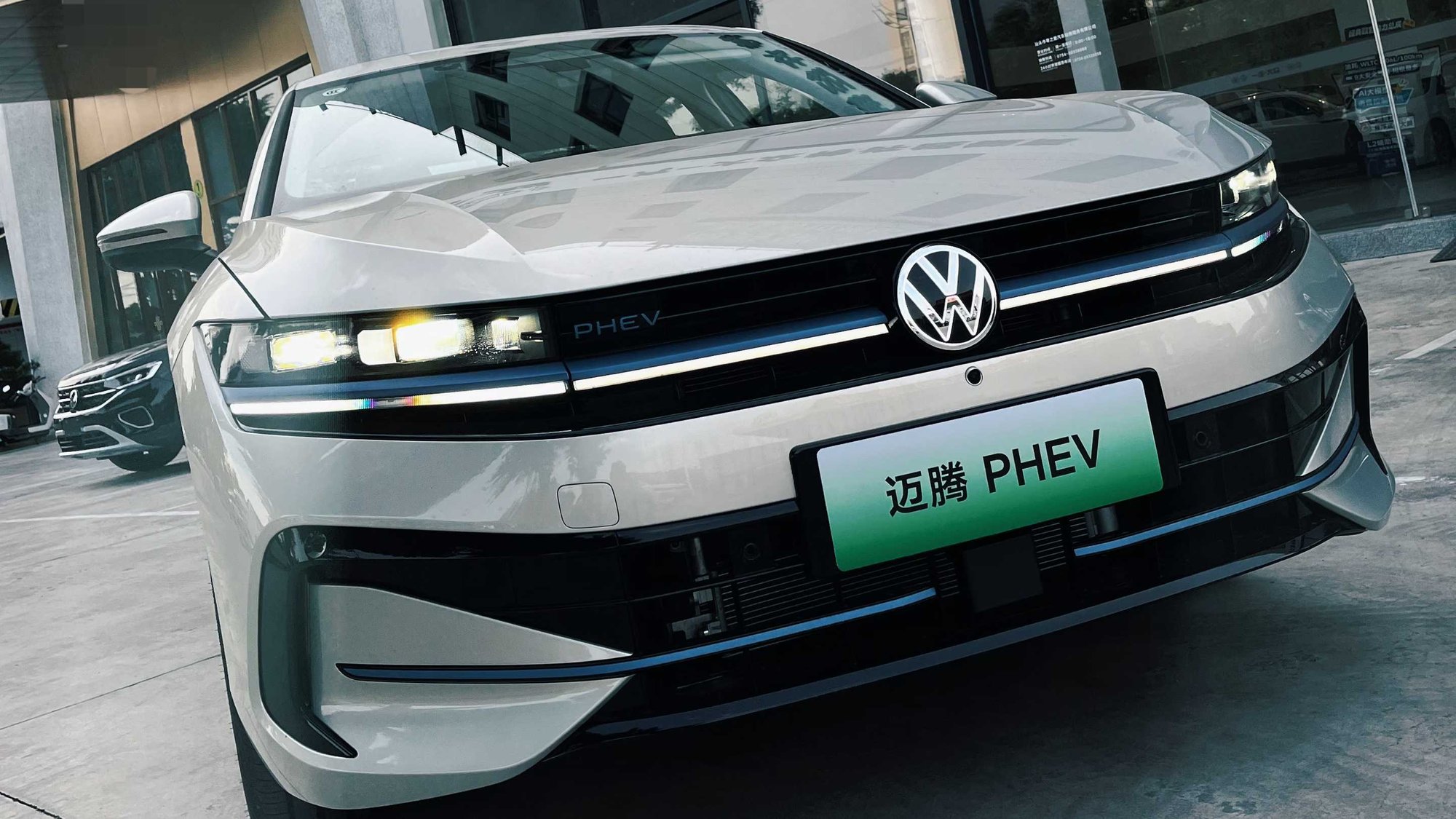
Three years ago I went to look at the Magotan GTE and almost put down a deposit. At the time my family really needed a B-segment car—daily commuting plus the occasional client pickup—and I acknowledged the Magotan's fundamentals: solid chassis, spacious interior, and it doesn't look bad pulling up anywhere. But when I sat in the GTE's driver's seat and the salesperson told me it could do fifty or sixty kilometers on pure electric, I started having doubts. What does fifty or sixty kilometers mean? My home-to-office one-way trip is over twenty kilometers, so a round trip basically uses it all up. Turn on the heater in winter and apply another discount, and pure electric is basically just for show. What made it even more of a dilemma was that once the battery was depleted, that 1.4T paired with a 6-speed dual-clutch had more noticeable jerkiness in stop-and-go city traffic than the gasoline version, and it still required 95-octane fuel—no savings on running costs at all. Later I chose a different car.
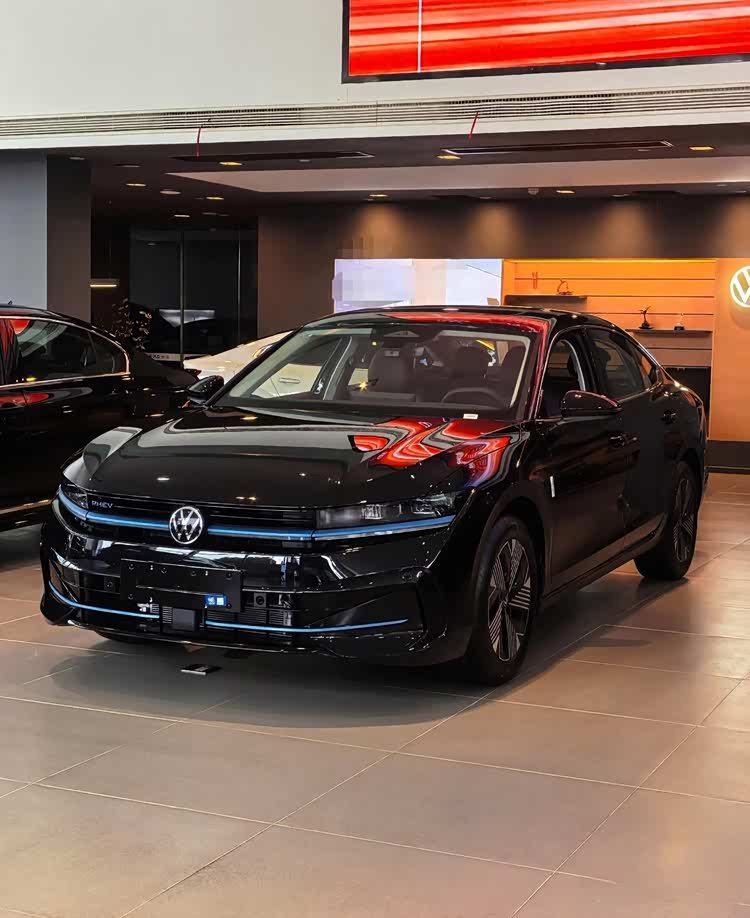
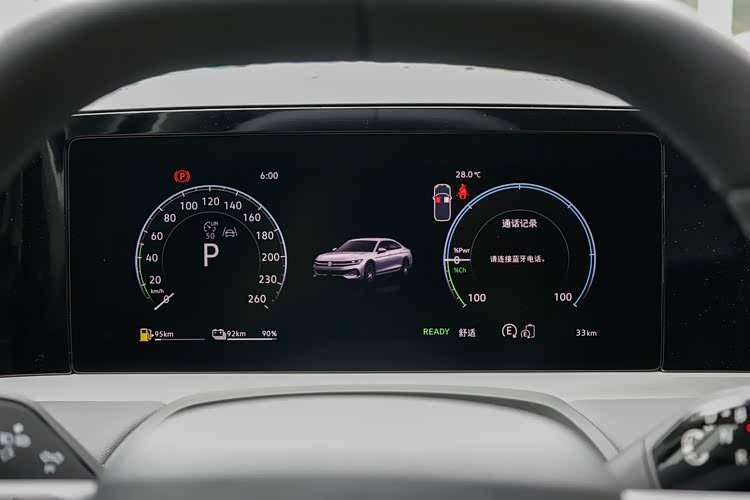
Three years later, the all-new Magotan PHEV is right in front of me, and the first glance at the specs stunned me—CLTC pure electric range of 162 kilometers, combined range of 1,510 kilometers, and 3.59 liters fuel consumption when depleted. This isn't a facelift with a battery slapped on to make up the numbers; this is a completely different car at its core. I spent a whole day studying it carefully and found that what changed goes far beyond just range.
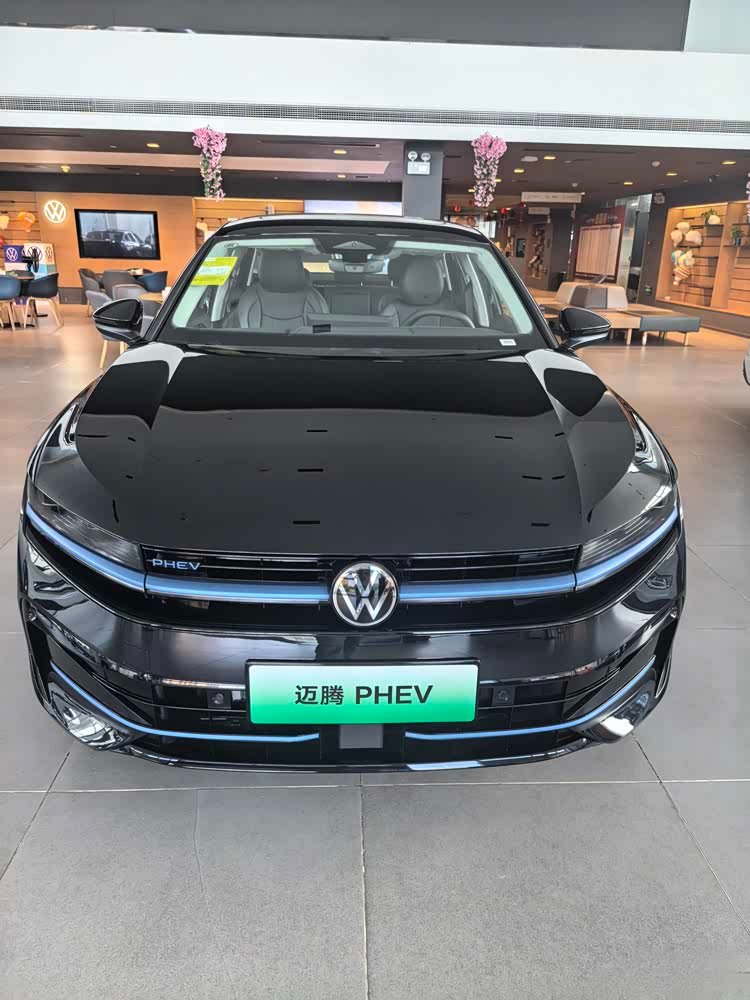
First, is a 162-kilometer pure electric range enough?
The old GTE's 63-kilometer pure electric range—the problem lay in that P2 architecture: the electric motor sandwiched between the engine and the transmission, with limited space so power couldn't be made large, and the battery could only be that small. The new model completely tore down the entire hybrid architecture and replaced it with a P1+P3 dual-motor coaxial layout. The P1 motor is directly connected to the engine crankshaft, dedicated to starting and generating electricity; the P3 motor drives the wheels directly at the transmission output end. The two motors are arranged coaxially in the all-new TQ251 hybrid-specific transmission. The traditional dual-clutch's complex gearset is gone, replaced by clutch control for connecting and disconnecting the engine and wheels.
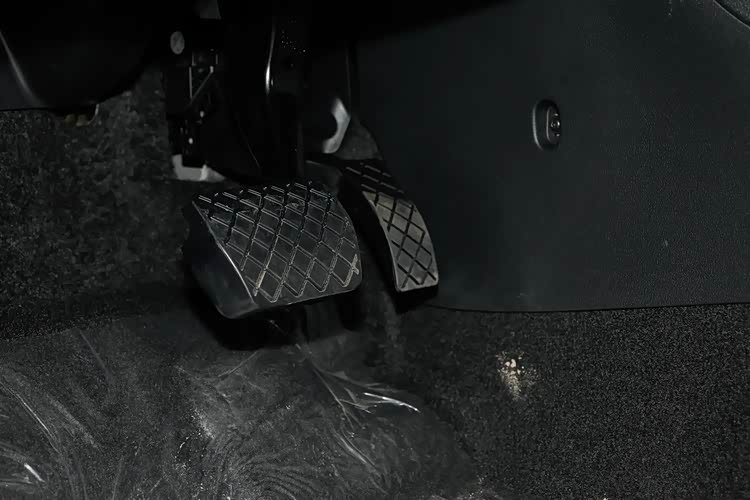
The changes this architecture brings are fundamental. In pure electric mode, the clutch disengages, the P3 motor drives independently, and starts are quiet and smooth—no jerking or lurching in traffic. In series mode, the engine only handles efficient power generation while the P3 motor drives—no more enduring inefficient engine operation in city congestion. In parallel mode during hard acceleration, the engine and motor deliver power together, with power reserves comparable to mainstream 2.0T. The entire logic is highly consistent with the mature series-parallel DHT approach of domestic brands—Volkswagen has finally caught up.
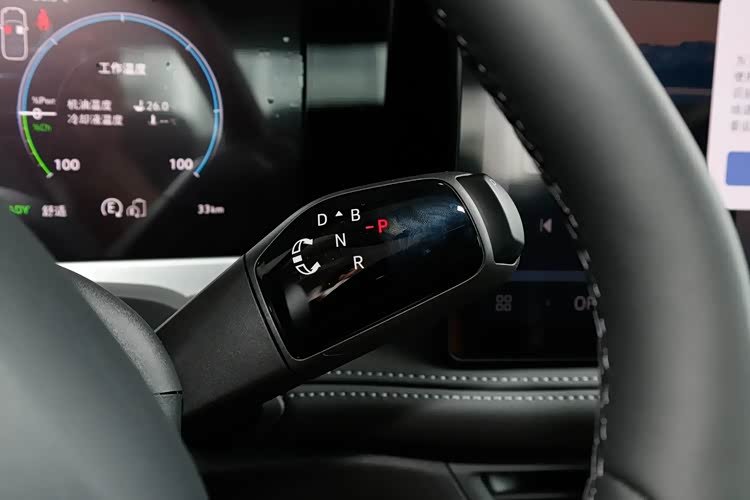
What does a 162-kilometer pure electric range mean? For a daily commute of thirty or forty kilometers, one charge lasts four or five days—just charging once or twice a week is enough. With a full tank and full charge, the 1,510-kilometer combined range means no need to find gas stations on cross-province business trips. These aren't PPT numbers—they're the result of a fundamental upgrade at the architecture level.
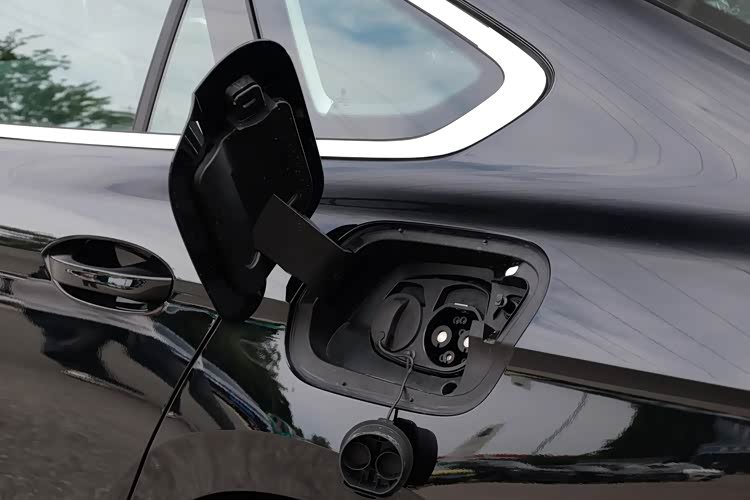
Fuel savings—it's broken down into three layers
Many people only look at range figures when considering plug-in hybrids, but what really determines daily running costs is energy efficiency.
The Magotan PHEV's energy efficiency this time needs to be broken down.
First is transmission efficiency. The TQ251 transmission's mechanical transmission efficiency exceeds 97%, while traditional dual-clutch transmissions typically run between 85% and 90%, and DHT hybrid transmissions mostly fall in the 90% to 95% range. This 3% to 5% efficiency difference directly relates to energy loss and fuel consumption in a hybrid system—over 20,000 kilometers a year, it's a real difference in fuel costs.
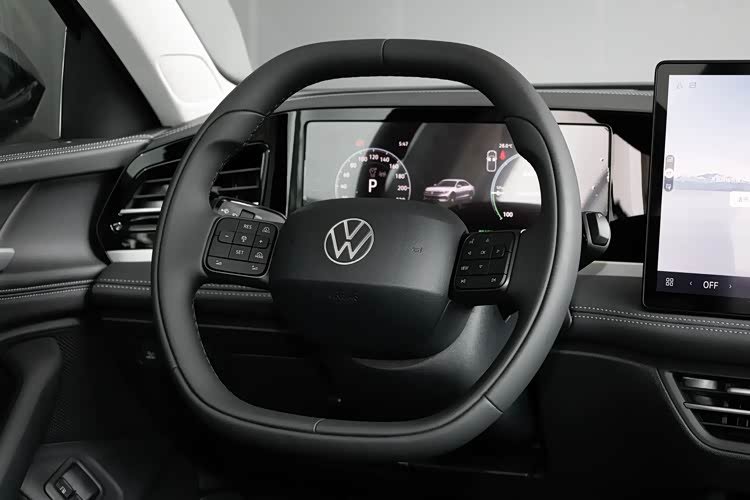
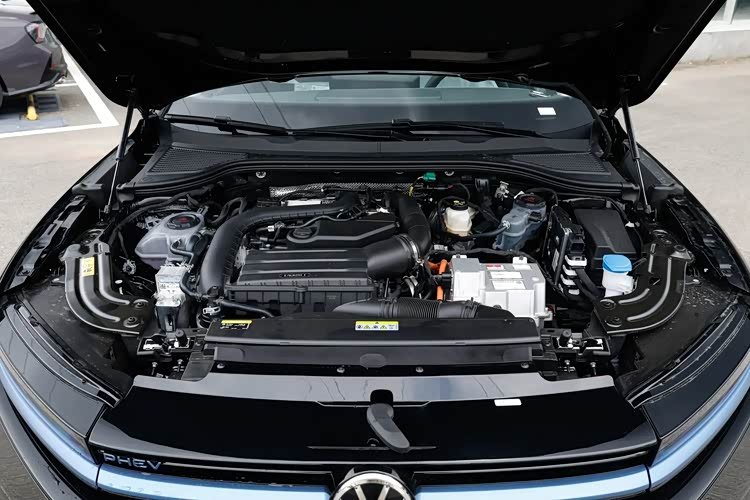
Second is engine technology. The EA211 Evo2, a hybrid-specific engine, features VTG variable-geometry turbocharging—a technology that was earlier used on the Porsche 911 Turbo. Ordinary turbo blades have fixed angles: at low speed, insufficient exhaust gas means the turbo spins slowly and acceleration is sluggish; at high speed, too much exhaust creates back pressure that hurts efficiency. VTG changes blade angles—contracting the cross-section at low speed to improve low-end torque response, expanding it at high speed to reduce exhaust resistance. Combined with a 12:1 compression ratio Miller cycle, 350-bar high-pressure direct injection, and APS plasma-coated cylinder walls for friction reduction, this engine's thermal efficiency reaches the upper tier among joint-venture plug-in hybrids in its class.
Finally, fuel compatibility. The old GTE required 95-octane fuel; the new model only needs 92. At current price differences, that's six or seven cents cheaper per liter—over 20,000 kilometers a year, that's another several hundred yuan difference. Depleted fuel consumption is 3.59 liters CLTC, 4.73 liters WLTC—WLTC is closer to real road conditions, and a nearly five-meter B-segment sedan at 4.73 liters depleted is a respectable figure across the entire plug-in hybrid market.
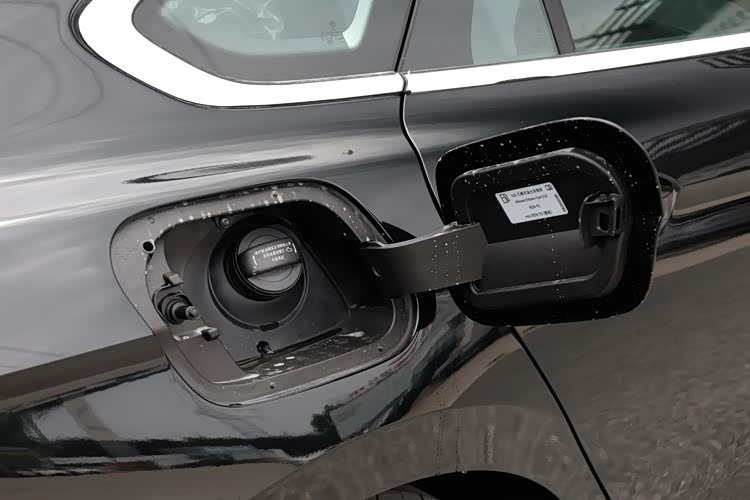
Three layers stacked: high transmission efficiency reduces losses, the efficient engine squeezes every drop of fuel, and 92-octane fuel lowers the per-liter cost. This isn't optimization of any single link—it's full-chain savings from generation, transmission, and combustion to refueling.
And there's a thoughtful detail: it comes with an anti-motion-sickness coasting control system, making the engine's intervention smoother. If you have elderly family members or children prone to car sickness, they won't feel sudden lurching in the back seat.
The business foundation is intact, plus a few extra things
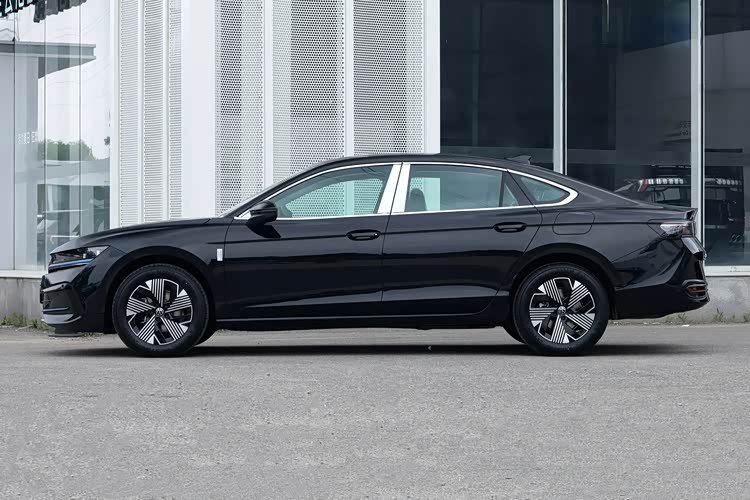
The Magotan's core identity is business. At 4,990 millimeters long with a 2,872-millimeter wheelbase, it has presence parked under any office building. But the PHEV version adds several things to the business scenario that the gasoline version can't offer.
First is the quietness of pure electric mode. When picking up clients, driving at low speed on pure electric means virtually zero noise inside—conversations are clear and uninterrupted, and phone calls don't require lowering your voice. This experience is hard to achieve in traditional fuel B-segment cars; engine idle vibration and noise can never be fully isolated no matter how much soundproofing you add, but pure electric driving eliminates the problem at the source.
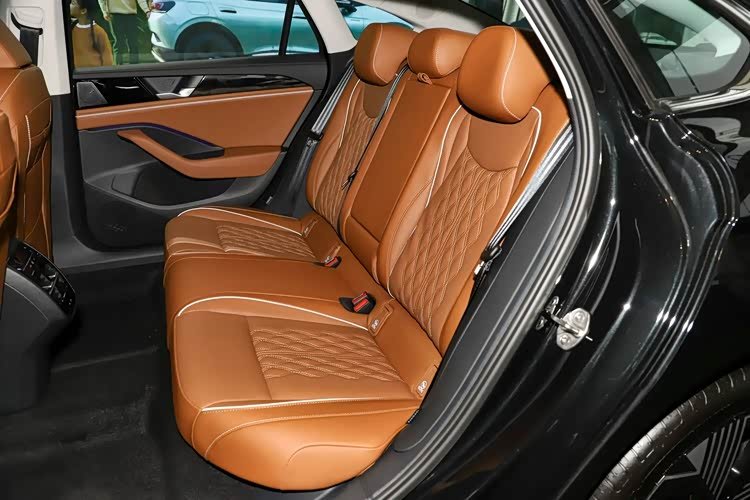
Second is rear seat features. The PRIME version's rear seats support power adjustment, ventilation, and massage, with a boss button—rear passengers can adjust the front passenger seat themselves for more legroom. The rear center armrest has hidden cup holders and charging ports. On long business trips, clients in the back can charge devices, place drinks, stretch their legs, and get a massage—this sense of propriety isn't something spec-sheet numbers can measure.
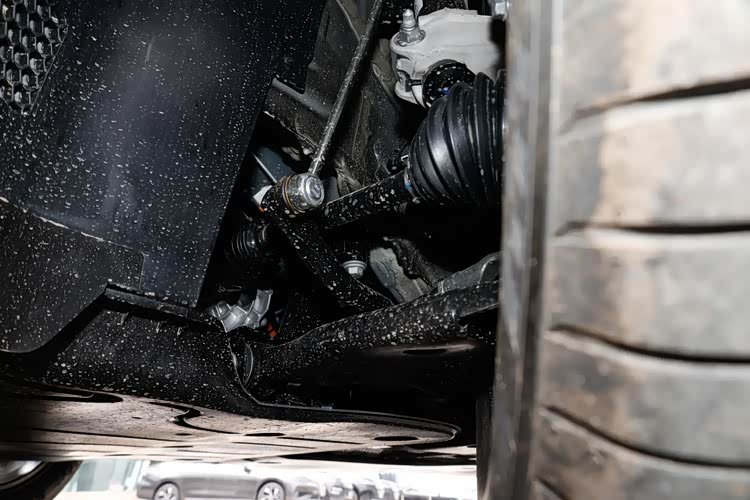
Then there's the driving feel of the German chassis. Front MacPherson and rear multi-link independent suspension—Volkswagen's decades of chassis tuning expertise aren't for nothing. At highway speeds the body is stable, body roll in corners is reasonably controlled, and fine bumps are filtered softly. After driving for hours on a long business trip, it won't feel floaty or loose. The battery placed in the middle of the chassis also lowers the center of gravity, making cornering stability even a bit more solid than the gasoline version.
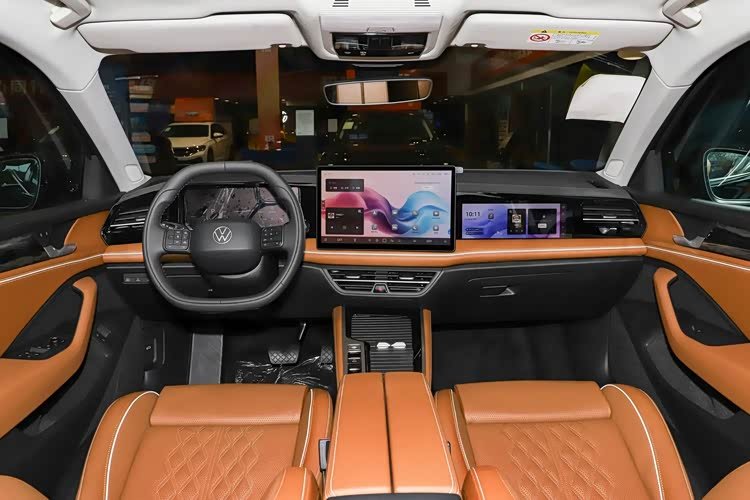
The smooth infotainment experience from the 8155 chip is also worth mentioning—the old Volkswagen infotainment's lag and black-screen complaints are finally history. The 15-inch 2K screen paired with the 8155 chip makes navigation, voice control, and multitasking all silky smooth, supporting CarPlay and HiCar full-platform phone connectivity. The PRIME version adds an 11.6-inch front passenger entertainment screen—clients or family riding along can watch videos or listen to music, making long trips less tedious.
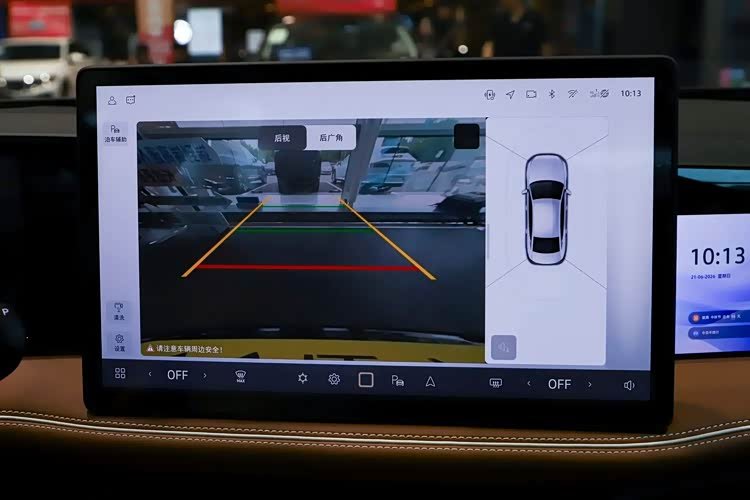
Xingyun assisted driving supports 2-kilometer cross-floor memory parking and highway NOA, effectively reducing fatigue for business users on highways. The memory parking function is especially practical in maze-like large underground garages—teach it the route once and it parks automatically thereafter, and it can even memorize 15 fixed routes. There's also 100-meter reverse tracking—when you hit a dead end, no need to panic; the car backs out along its original path by itself.
Which version to choose?
Launch prices: PRO version 169,900 yuan, PRIME version 194,900 yuan—a 25,000 yuan difference.
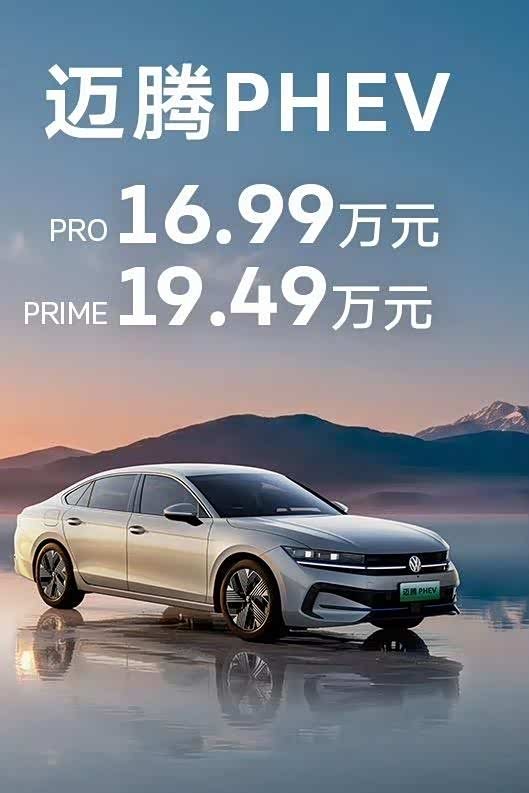
If daily use is mainly personal commuting with occasional business use, the PRO version has all the core features—the complete hybrid system, 162-kilometer pure electric range, 8155 chip, 15-inch screen, basic L2 assisted driving—no hard shortcomings. If you frequently pick up clients and value rear seat experience, the PRIME version's additional rear ventilation and massage, boss button, front passenger screen, advanced assisted driving, and more comprehensive airbag protection—the 25,000 yuan difference spent on the rear seats and assisted driving directly elevates the sense of propriety and comfort in business scenarios by a notch.
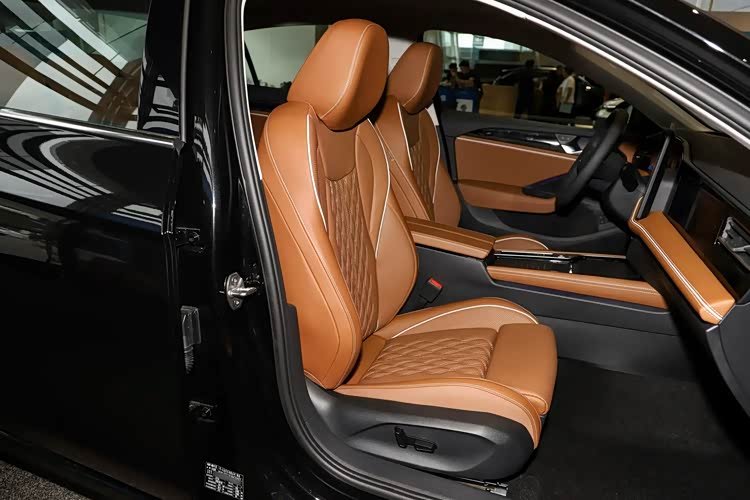
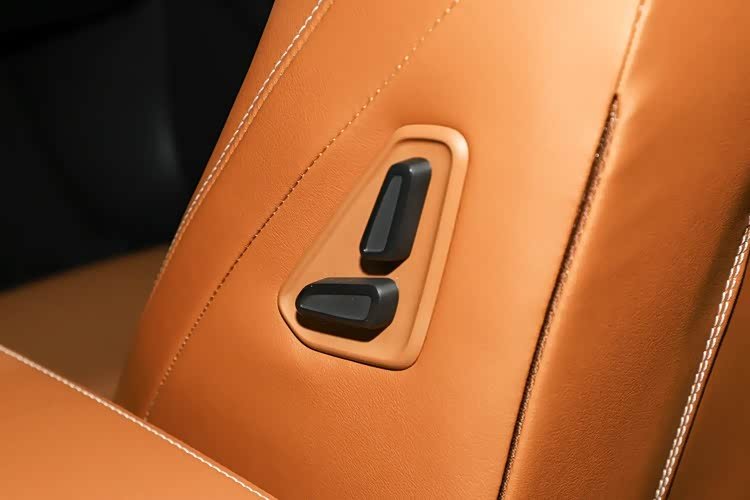
Three years ago I passed on the Magotan GTE because the pure electric range was too short, depleted fuel consumption was too high, and it was picky about fuel. Three years later, the Magotan PHEV has addressed all three pain points—pure electric range went from 63 to 162, depleted fuel consumption is 3.59 liters and it only drinks 92-octane, and the P1+P3 architecture says goodbye to dual-clutch low-speed jerkiness.
More importantly, it hasn't lost the business foundation the Magotan has built over twenty-plus years: German chassis, rear seat space, and a commanding presence—plus the 8155 chip and Xingyun assisted driving fill in the intelligent tech gaps.
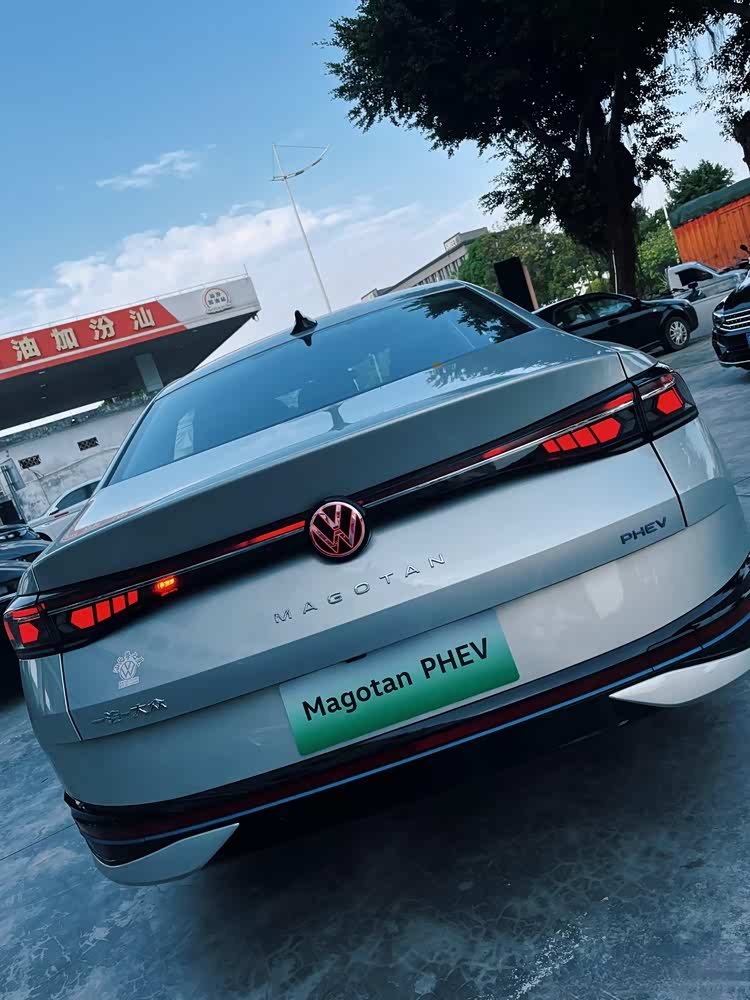
If the old GTE was a dragon with charge and a worm without, the new model finally achieves dragon-level performance whether charged or not. Starting at 174,900 yuan, a German B-segment plug-in hybrid sedan that can commute on pure electric, save fuel when depleted, and handle business client pickups—this price was unthinkable just three years ago.
If you're like me and previously shied away from joint-venture plug-in hybrids due to short range and high fuel consumption, this one is worth another look.


