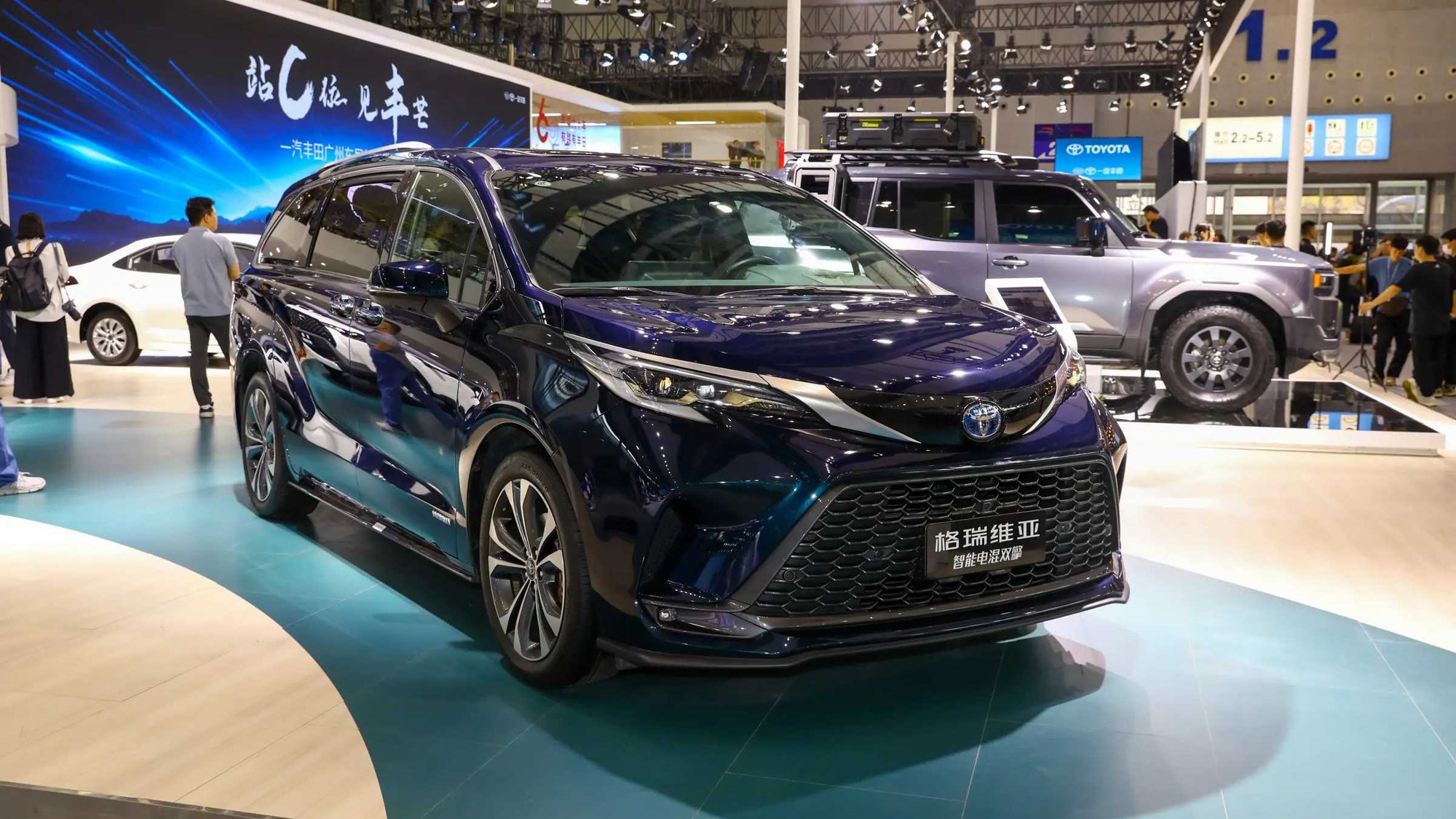
When choosing a 300,000-yuan-class joint-venture mid-to-large MPV, many people get stuck at the step of "Sienna or Granvia." A quick scan of the spec sheet shows that power, wheelbase, and body are similar, and even the 68L fuel tank and 92-octane gasoline are exactly the same. So let's look at something different: platform underpinnings + model DNA + positioning divergence.
Layer one: TNGA-K high-end platform
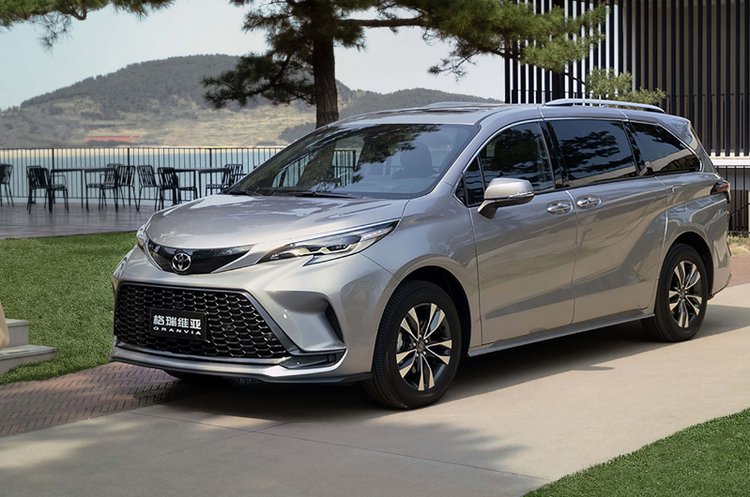
TNGA-K is the same platform family as the Avalon and Lexus ES. The 5175mm body length, 3060mm wheelbase, and front MacPherson + rear double wishbone independent suspension chassis architecture are the confidence behind its right to call itself "mid-to-large." The Granvia's 5175×1995×1765mm body, with its 1995mm width, is on the wide side among vehicles in the same class. Three adults in the third row do not have their shoulders rubbing against each other. Under the 2+2+3 seven-seat layout, the trunk volume is 525L with the third row upright, and expands to 2112L when folded. The Sienna's body is 5165mm long and 1765mm high. The overall sense of size is close, but the Granvia looks wider and lower.
Layer two: the DNA of North America's Sienna as the MPV sales champion
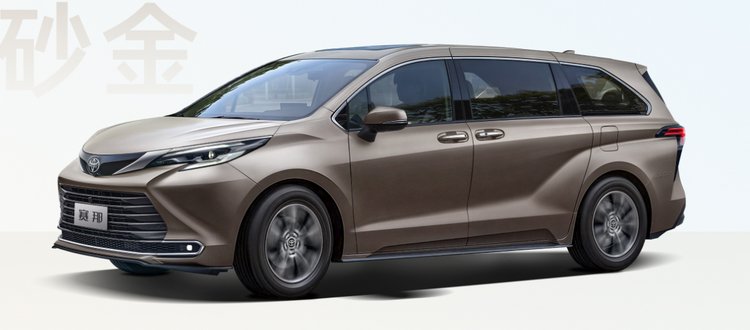
The reason Sienna has been able to keep Odyssey and Pacifica under pressure year after year in North America is its 2.5L THS II fourth-generation hybrid system + E-CVT, a combination that "does not depend on charging piles, runs a thousand kilometers on a full tank, and achieves up to 41% thermal efficiency." After being introduced in China, it is carried by two vehicles, GAC Toyota Sienna and FAW Toyota Granvia, making a pair of double insurance for Toyota in China's MPV market. The system's maximum output is 181kW (engine 139kW + motor 134kW for two-wheel drive/174kW for four-wheel drive). WLTC fuel consumption is 5.71L/100km for two-wheel drive and 6.13L/100km for four-wheel drive. The nickel battery pack is supplied by PRIMEARTH/PEVE, and Toyota hybrids have reliability verified by more than 34 million vehicles worldwide. Placed in the 300,000-yuan-class MPV segment, the core selling point of this powertrain is not how fierce the acceleration is (after all, curb weight is 2100kg+), but "worry-free and money-saving for long-term ownership" — cheap maintenance, freely fill with 92-octane gasoline, and more reassuring in northern winters than plug-in hybrids.
Layer three: positioning divergence, which is where it parts ways with the Sienna
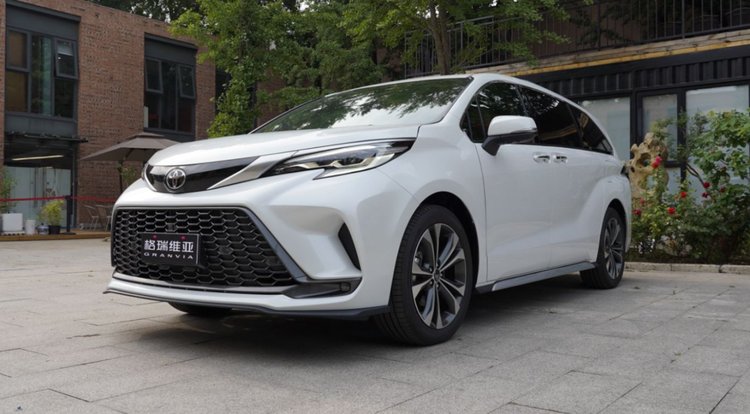
The Sienna is the luxury version of Sienna introduced to China,正统家用,最近2027款还上了华为鸿蒙座舱,四驱下放到了舒适版(权益价25.48万)。格瑞维亚走的是Sienna运动版+X元素+Granvia商务基因,家商兼顾。2027宽格瑞维亚外观上蜂窝黑格栅、20寸切削轮毂、飞翼尾翼,底盘调校比赛那偏紧一点,20寸轮圈接地面积大,高速急刹信心强。
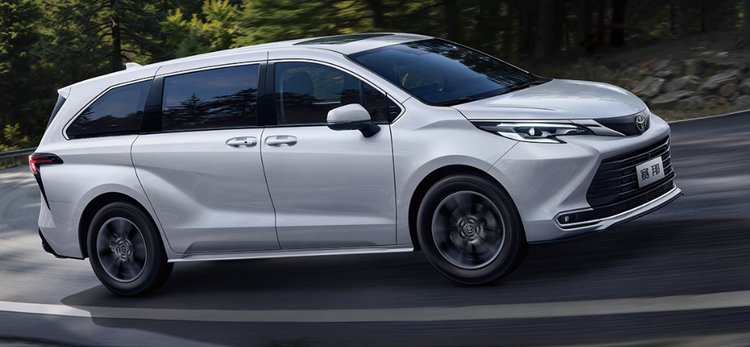
2027款格瑞维亚这次改款的逻辑很清楚——混动底牌不动,升级座舱体验。全系Nappa山水纹打孔设计真皮,二排升级航空座椅(加热/通风/按摩/电动腿托/宽扶手/小桌板),高配JBL 16扬声器+15.6寸后排娱乐屏+10寸HUD抬显,全车30多处隔音+前排双层隔音玻璃标配,车机引入华为定制语音新一代大模型(AI行程规划/用车答疑/百科互动/专属记忆)+8155芯片+双15.6英寸大屏+12.3英寸仪表+50W无线快充。这些升级点与国产新能源MPV(腾势D9、传祺M8)相比也难分胜负。
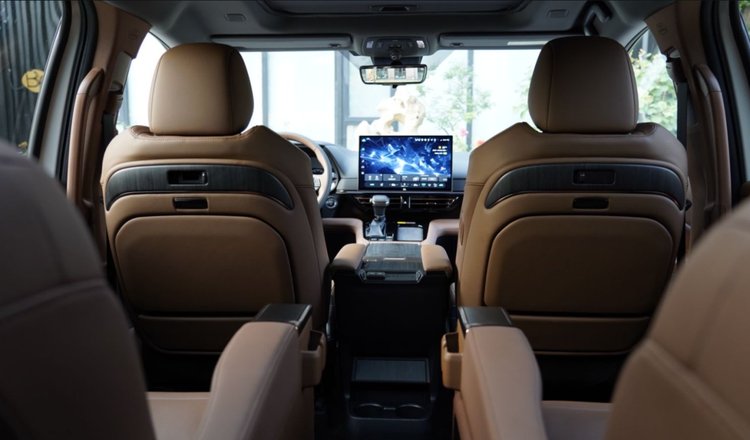
赛那那边2027款的应对是鸿蒙座舱+四驱下放+权益价24.28万起,走的是“智能+门槛”的路子;格瑞维亚走的是“座舱质感+二排豪华+家商兼顾”的路子。同源TNGA-K、同源Sienna冠军底子、同源2.5L THS II第四代混动系统,分野全在定位层和配置梯度上。
所以“性价比”这个问句,落到具体人选车时的答案是分层的
预算卡得紧、第一台MPV、纯家用为主、想要鸿蒙+四驱低门槛——赛那更对味;
预算30万上下、兼顾家用和商务、二排常坐人、在意Nappa真皮和JBL高效音响这套“坐进去即是享受”的高级质感——格瑞维亚2027款从尊贵PLUS(28.68万焕新价)那档开始给的东西,是同门里更舍得用料的。


