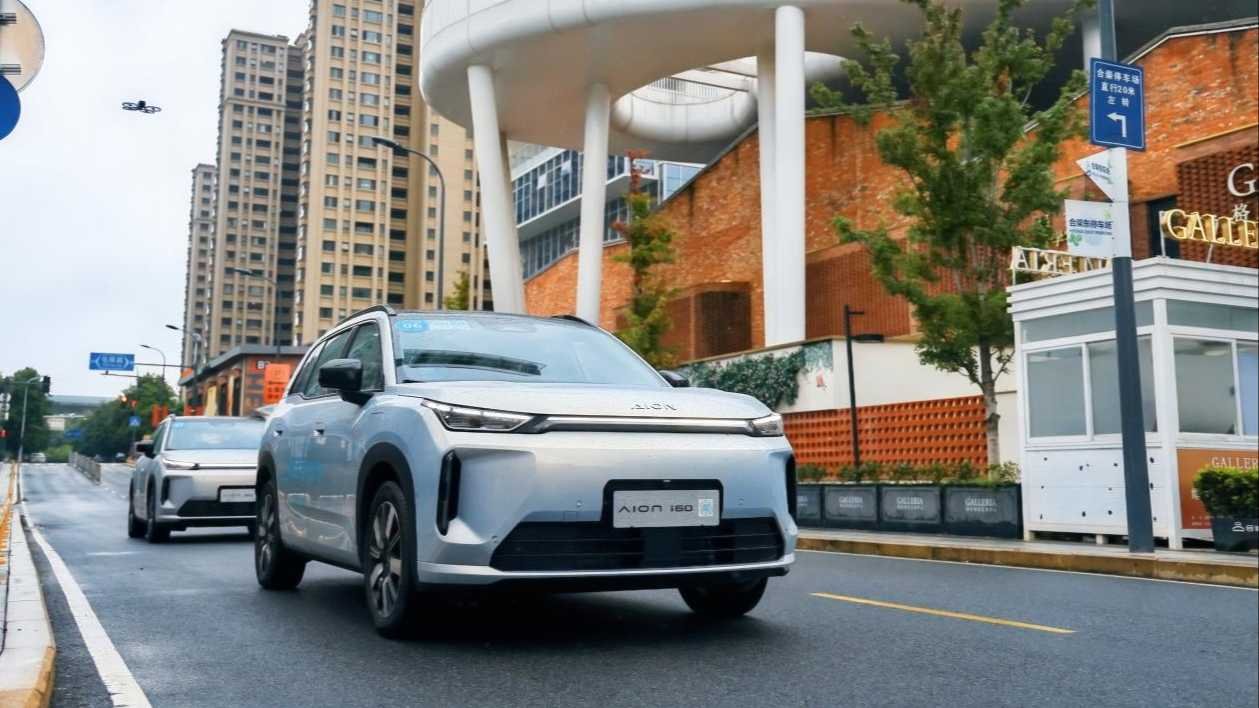
To be honest, I've been hearing "AION = ride-hailing car" for almost three years now. But here's the question—how long has it been since this conclusion was updated?
Let me ask you a question first: do you think a "ride-hailing brand" can sell 34,987 vehicles in July, a traditionally slow season? Can it maintain double-digit year-over-year growth for five consecutive months? Can it get the proportion of C-end individual users to 81%?
Today let's talk about whether this old label for AION should be torn off.
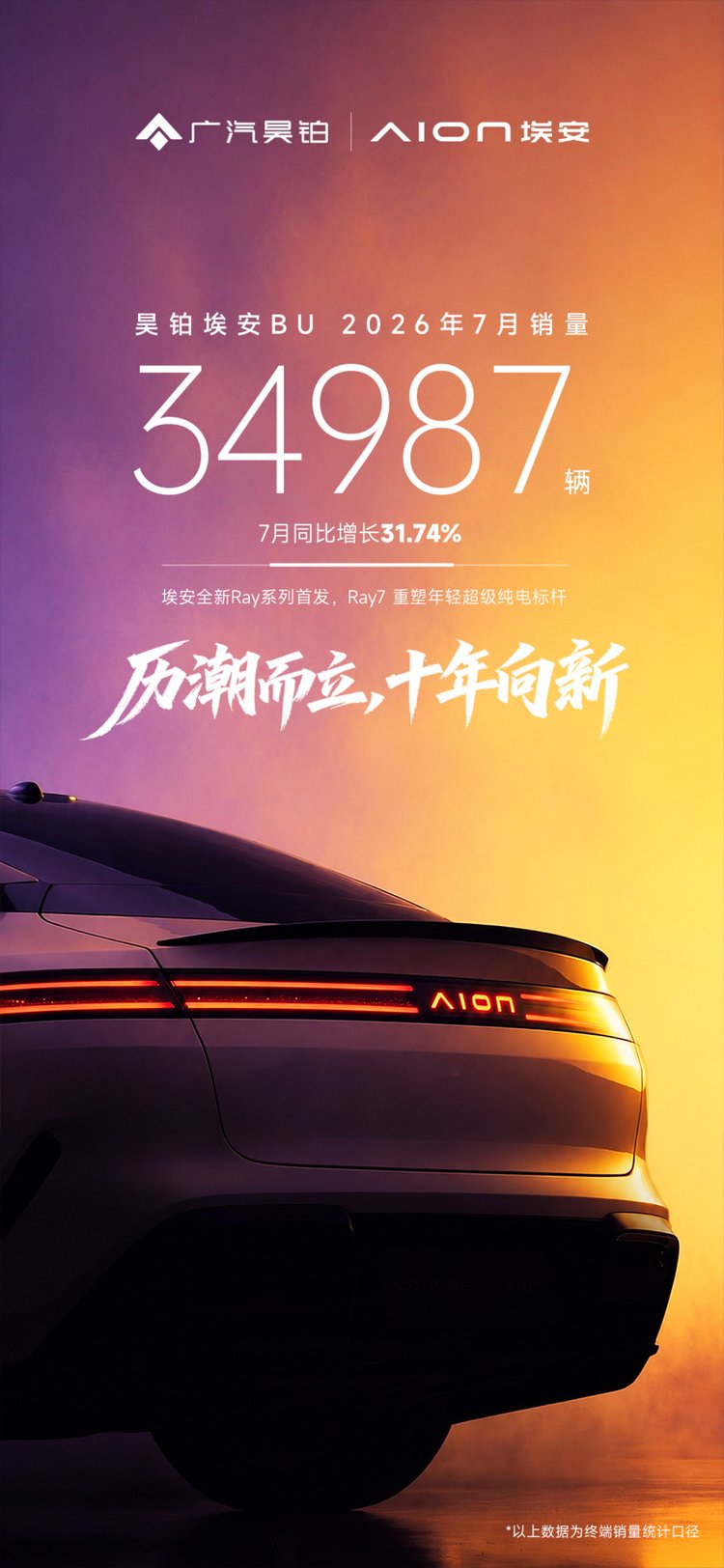
July sales of 34,987 vehicles, achieving growth against the trend even in the slow season
What does July mean? It's the traditional slow season for the auto market. The weather is hot, everyone is unwilling to go out to look at cars, and many brands see their sales falling. But what about Hyper AION? July terminal sales were 34,987 vehicles, up 31.74% year-over-year and up 3.87% month-over-month.
How impressive is that? Let me translate it for you: when the entire industry is shouting that it "can't keep up with the rat race," Hyper AION not only hasn't fallen behind, but is actually still moving upward. And this isn't just a matter of one or two months—double-digit year-over-year positive growth for five consecutive months. What does that show? It shows the growth is stable, not driven by a single wave of promotions.
You might say that high sales alone don't mean Hyper AION's transformation has succeeded. Fine, then let's look at the next set of data.
C-end share of 81%, who is buying Hyper AION?
This is the most critical number: in the first half of 2026, Hyper AION's C-end user share reached 81%.
What does that mean? It means that for every 10 vehicles sold, 8 were bought by individual users, and this proportion has been continuously climbing over the past few years.
You might be curious: what about the models that used to be commonly seen in the B-end market? For models like AION Y and AION S, the combined sales of the two in June are now less than 3,000 vehicles. But the brand's total sales are actually rising—what does that show? It shows that the increase is entirely from C-end individual users buying.
The sales structure has undergone fundamental optimization. AION has made this transformation work.

i60 and N60, who is buying these two cars?
Just talking about the C-end share isn't enough. Let's also look at the user profiles of specific models.
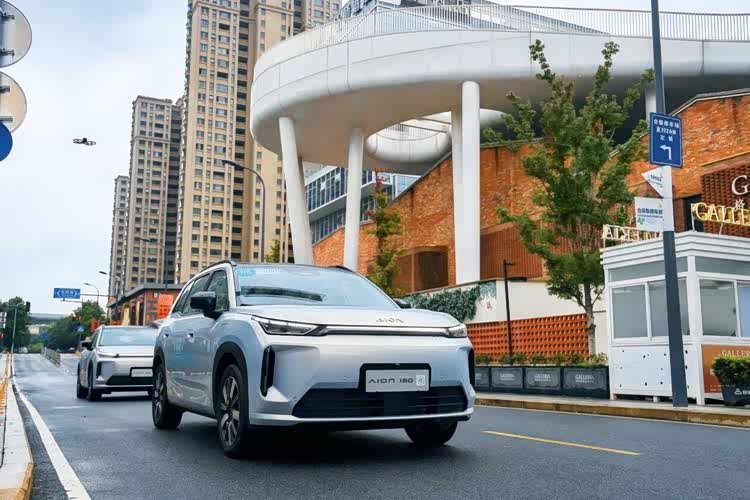
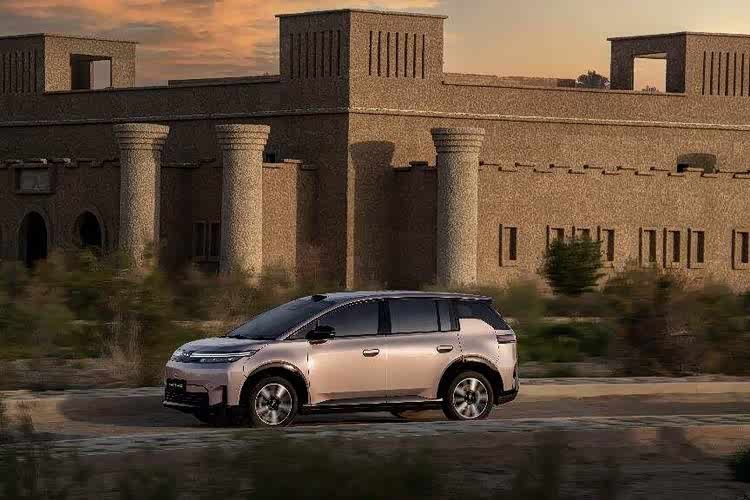
First, the AION i60. This car has stable monthly sales of over 10,000 units and is a hit in the A-segment new energy SUV category. But do you know who buys the i60? Users aged 26-35 account for 42%. What kind of people are in this age group? They are young people who just got married, just had children, and are changing cars for their families. They buy the i60 because it has enough space, sufficient features, and a suitable price—it's a choice that particularly understands Chinese families.
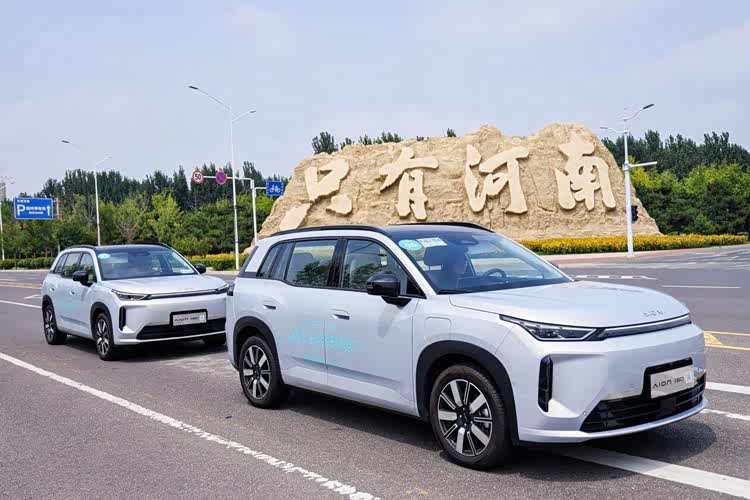
Now let's talk about the AION N60. This car is even more aggressive—it brought L4-derived LiDAR-assisted driving down to the 100,000-150,000 price range, with the 25-35 age group accounting for 79.8%, making it the sales leader in its segment. People who buy the N60 are young people going after advanced assisted driving.
The user profiles of these two cars are right here: one is family users, the other is young users. Do you think the old label still fits?
What changes has Hyper AION made?
You might ask: how did Hyper AION become the preferred car for individual users?
The answer is: the brand itself is also changing.
In 2026, the Hyper AION BU underwent institutional reform, with a comprehensive refresh of both brands—Hyper upholds "smart enjoyment of life," while AION embraces "smart joy of life." It sounds like something at the brand level, but the underlying logic is: standing thoroughly by the user's side and making the owner's real needs the foundation of every vehicle and every service.
To put it plainly, in the past it was "whatever I build, you buy"; now it's "whatever you need, I build." The i60 is a typical example—this car is a "cultivated hit product," continuously iterated and upgraded based on user feedback, becoming more and more aligned with family needs with each revision. The N60 is the same—young people want advanced assisted driving, but their budgets are limited, so L4-derived technology was brought down to the 100,000-150,000 price range.
This is why C-end users are willing to pay—not because it's cheap, but because "this car was built for me."
Launching the Ray series in its tenth year, targeting young people
AION's youth-oriented layout hasn't stopped.
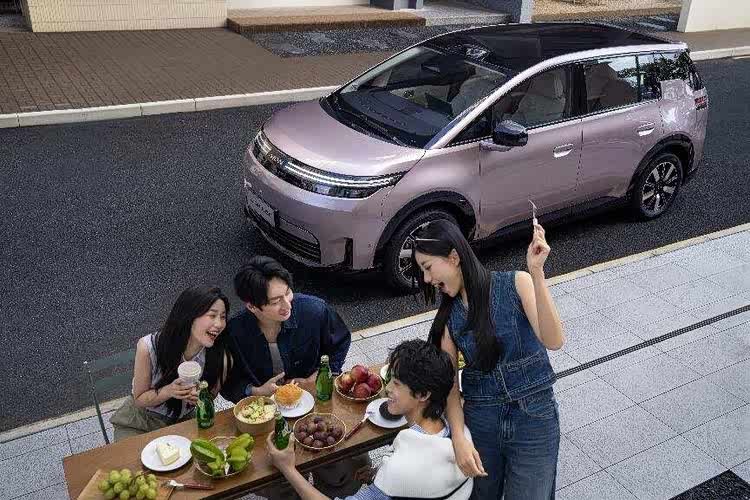
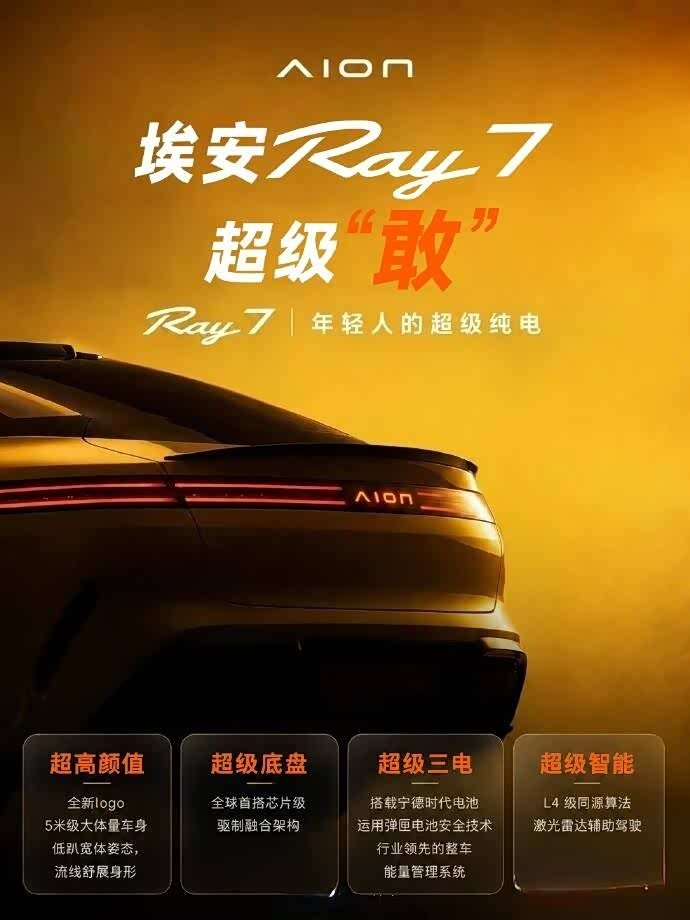
On July 28, as the brand entered its tenth year, AION released the all-new Ray series, with the first model, Ray 7, making its official debut, positioned as "young people's first super pure electric car."
What does that mean? Hyper AION not only wants to capture family users, but also young people.
The N60 has already brought L4-derived LiDAR-assisted driving down to the 100,000-150,000 price range, and Ray 7 will most likely continue this approach—using a more accessible price to give young people a better technological experience.
This is what a "young people's first super pure electric car" should be like: not attracting people with a low price, but moving them with technology accessible to all.
Daring to promise "burn one, compensate three," where does the confidence come from?
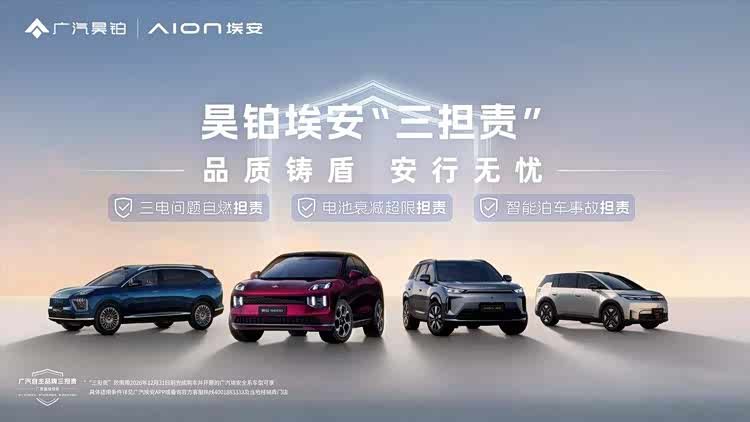
Finally, one detail: the AION i60 has a "burn one, compensate three" warranty commitment, with rules that are open and transparent. Add to that the "three responsibilities"—thermal runaway of the three electric systems, excessive battery degradation, and intelligent parking accidents are all covered; plus long-term warranty for the three electric systems.
Hyper AION dares to make such a commitment. What does that show? It shows confidence in quality.
In fact, among Hyper AION's 2 million users, many owners have driven hundreds of thousands or even over a million kilometers without major repairs, and their battery health still remains above 80%. This kind of reputation is not hyped up by marketing, but supported by product strength.
In closing
So back to the question at the beginning: can AION tear off its old label?
The data has already given the answer: July sales of 34,987 vehicles, C-end share of 81%, five consecutive months of double-digit growth, and the user profiles of the i60 and N60 are family users and young people.
This label should be torn off.
AION is no longer the AION of the past. It has completed its C-end transformation, and very thoroughly at that.
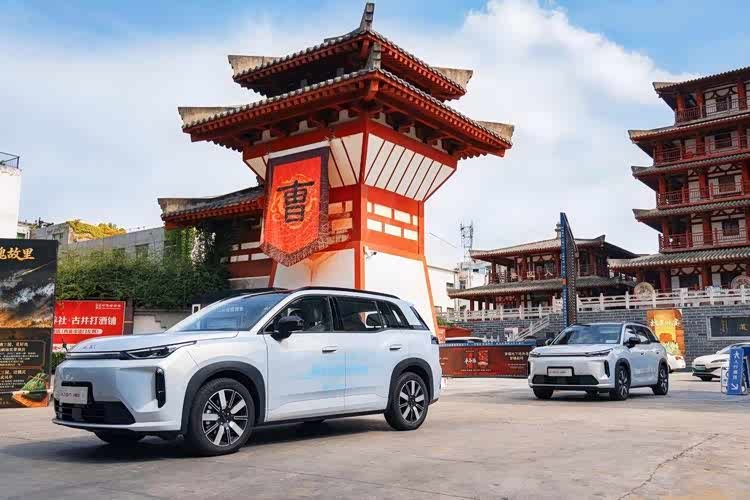
2026 is the year AION enters its tenth year. Not only has it survived, but it can also grow against the trend. What does that show? It shows this brand is reliable and worth buying.
If you're still hesitating, then I suggest: go look at the data, and then go look at user reviews of the i60 and N60. You'll find that the times have already changed.
#HyperAIONJulySalesUp32%YearOverYear# #AIONTenthYear# #AIONLaunchesAllNewRaySeries#


