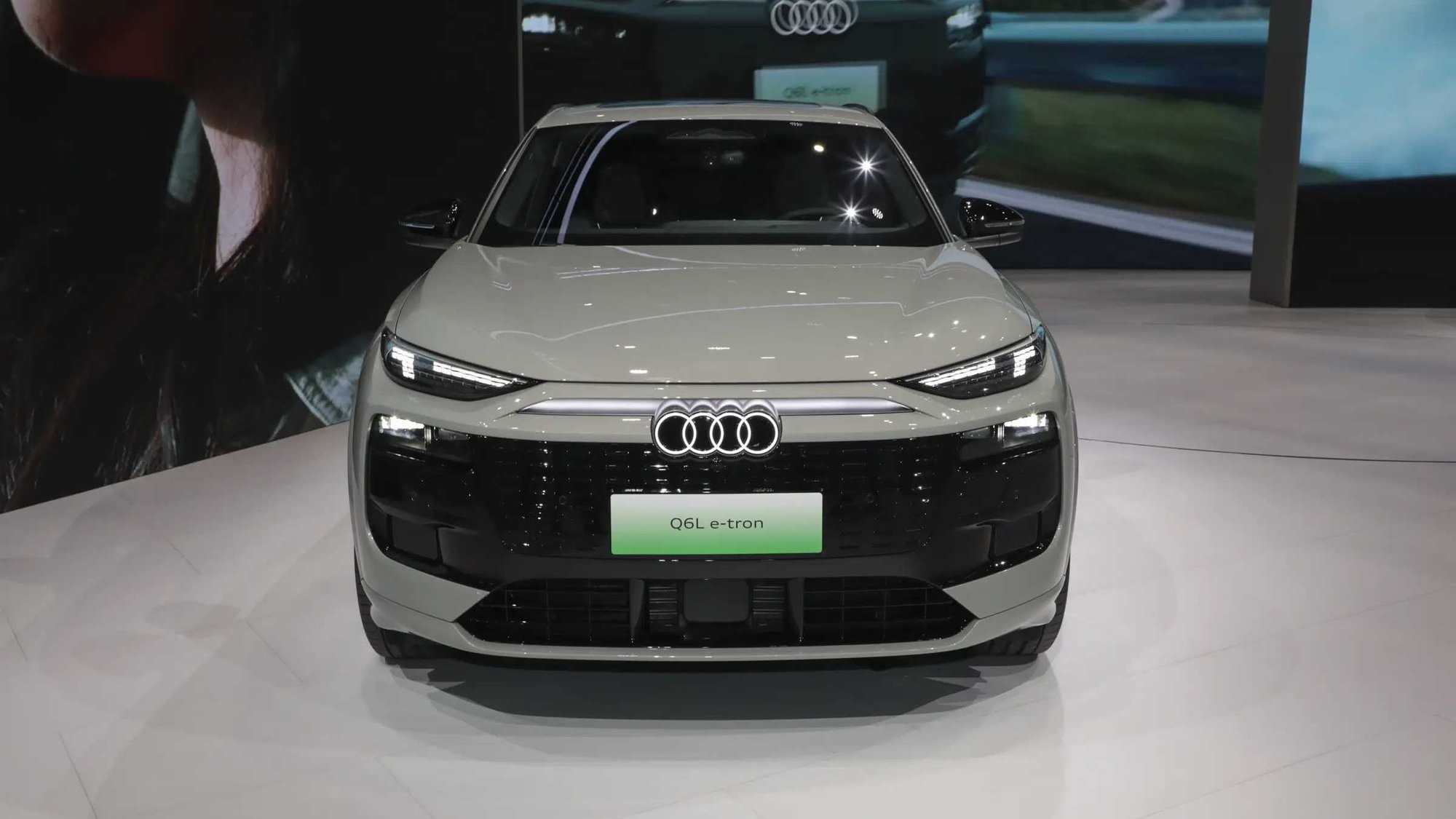
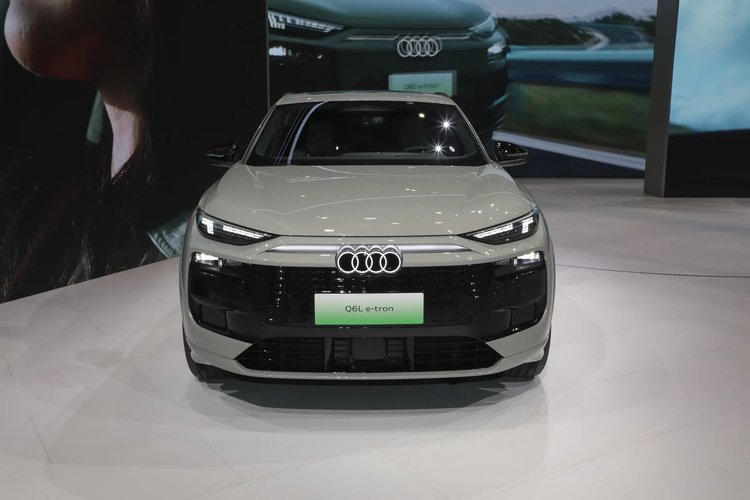
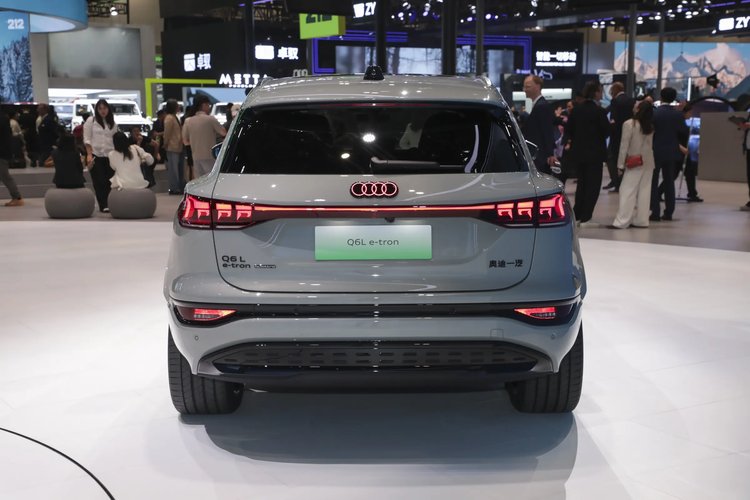
Recently, a price in the auto world caused an uproar—the FAW Audi Q6L e-tron starts at a limited-time price of 269,800 yuan.
The comment section has already split into two camps. One camp says, "Has Audi's EV fallen this far?" The other camp says, "Is there some trick at this price?" To be honest, when I first saw this price, my reaction was the same—an Audi all-electric mid-size SUV selling for a price similar to the new forces, it always felt like something was a bit off.
But after spending a week studying the product details of this car, my view changed. Not because of any brand belief, but because what you get at this price really exceeds expectations. Today, no hype and no bashing—let's break the product down and talk it through. After reading, you can judge for yourself: is this limited-time price a "nosedive" or is it "truly a steal"?
First, let's respond to a key doubt—"is it an oil-to-electric conversion?"
Many people, as soon as they hear "Audi EV," subconsciously assume it's an oil-to-electric conversion done half-heartedly.
This doubt is totally normal. Over the past few years, when BBA made EVs, there were indeed quite a few products crudely modified from fuel vehicle platforms, with awkward space, poor center of gravity, and disappointing range—driving them always felt like they were lacking something.
But the Audi Q6L e-tron is not that.
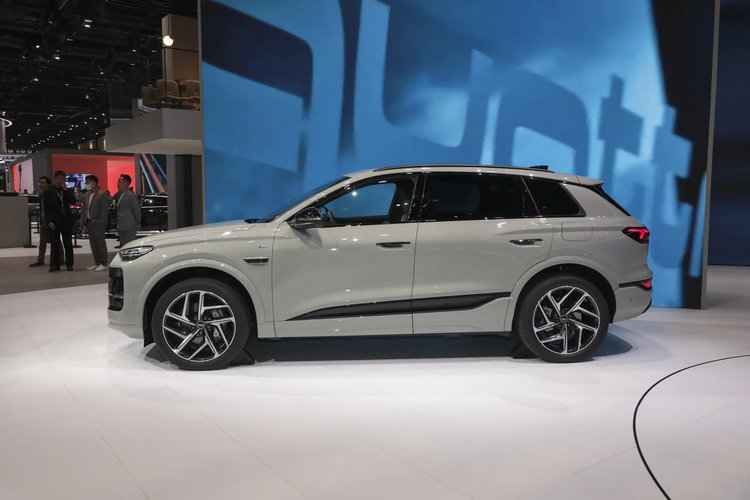
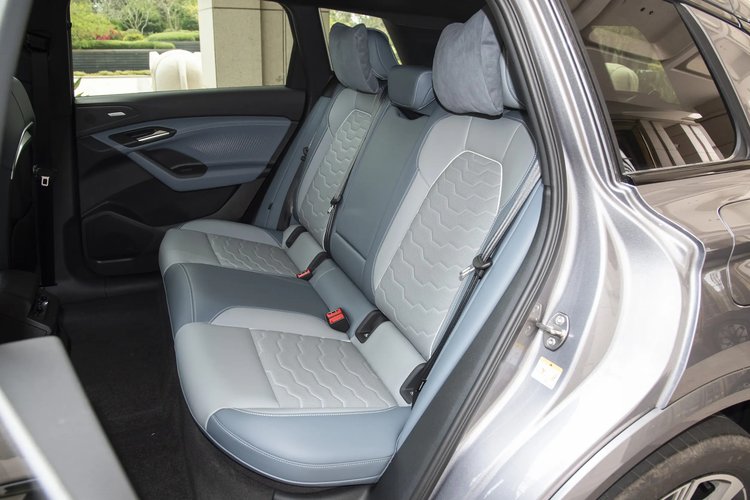
It uses the PPE native pure electric platform—this platform was jointly developed by Audi and Porsche, and the Porsche Macan EV is also based on it. What does that mean? It means that from the very beginning of design, it was born for pure electric. The battery pack is laid flat in the chassis, the center of gravity is low, weight distribution is even, and interior space is not encroached upon by a transmission shaft. The rear floor is completely flat, and the wheelbase reaches 2995mm, 105mm longer than the overseas version—an adaptation made specifically for the Chinese market, so even three people in the rear seat are not cramped.
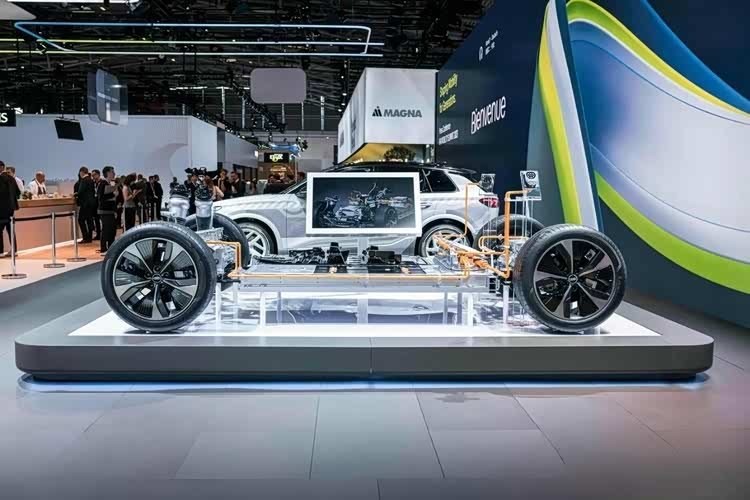
Now let's look at the three electric systems. Full-domain 800V high-voltage architecture—not a "pseudo-high-voltage" semi-finished product that is high-voltage only at the charging end, but high-voltage from the battery to the motor to the air-conditioning compressor. The direct benefit it brings is charging efficiency—10% to 80% takes only 21 minutes, and charging for 10 minutes can add 255km of range. What does that mean? On a long trip, by the time you enter a service area, use the restroom, and buy a cup of coffee, the range has already returned from the anxiety line to the safe zone.
At the same price, if you look around, there are not many models with true full-domain 800V. Many competitors are still stuck at 400V architecture, and charging speed is a step behind. This is also why some people say after test-driving the Q6L e-tron that it "understates its specs in reverse"—the actual charging experience and range performance are indeed more solid than some cars with flashier claimed figures.
In terms of batteries, the long-range version is equipped with a 107kWh ternary lithium battery (CATL), with a CLTC range of 709km; there is also a 95kWh lithium iron phosphate version (FAW FinDreams), with a CLTC range of 672km. Both versions have Audi's nine-layer battery safety protection system, and the waterproof rating reaches IP69K—simply put, you don't need to worry even when fording water in heavy rain. This safety redundancy is something many brands cannot achieve and are unwilling to tell you to what extent they have achieved it.
Huawei assisted driving comes to Audi—here comes the even bigger controversy
There is a voice online: "Audi's own assisted driving isn't good enough, so it has to rely on Huawei?"
This question is worth debating.
The very fact that Huawei assisted driving is being installed on an Audi precisely shows that Audi is very pragmatic. Building a full-stack self-developed solution from scratch takes a long cycle, costs a lot, and the results may not necessarily be good. Rather than working behind closed doors, it is better to find a partner that truly has accumulated expertise in this field. For users, being easy to use is the real bottom line; who made it actually does not matter.
So is it actually good to use? First look at the hardware foundation: 2 lidars, 13 high-definition cameras, 5 millimeter-wave radars, and 12 ultrasonic radars, totaling 32 sensors. This configuration, at the same price point, is at a level full of sincerity.
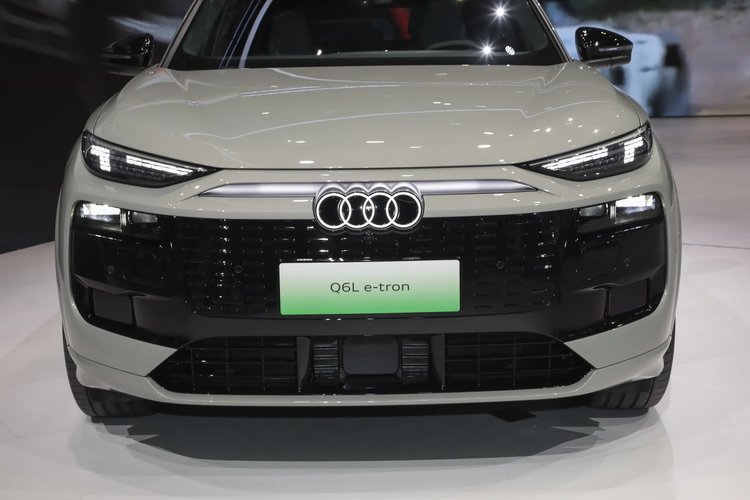
Now look at actual performance. From test-drive feedback, Huawei assisted driving on the Q6L e-tron is tuned in a conservative and steady style—it does not rush lane changes, does not brake abruptly, and leaves enough following distance. In plain terms, it is like a veteran driver with more than a decade of experience, not the aggressive type that likes to show off maneuvers.
You may think this style is "not smart enough," but for family use, this is the correct direction. With your wife and kids in the car, what you want is not "it drives better than me," but "it gives me peace of mind."
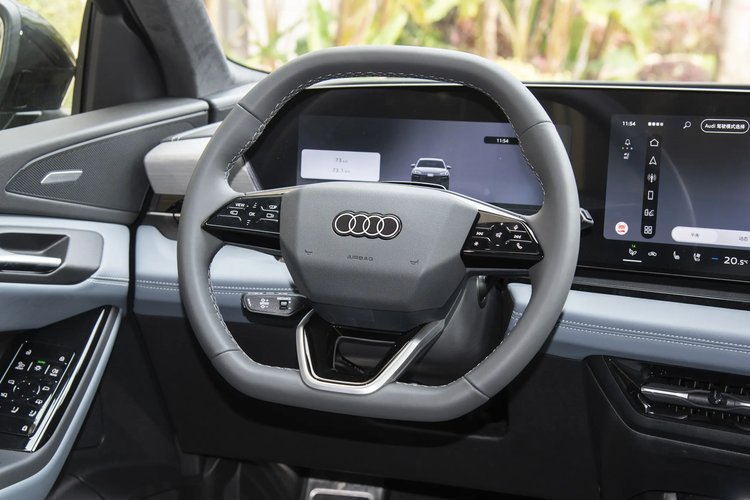
Following cars in urban congestion and cruising long distances on highways—these two scenarios account for a very high proportion of daily driving. The performance of the Q6L e-tron's assisted driving in these two scenarios, in the words of test-drive users, is "relaxing but not so relaxing that you let your guard down"—when it should take over, it will not argue with you, and when it should not take over, it can indeed share a lot of the burden.
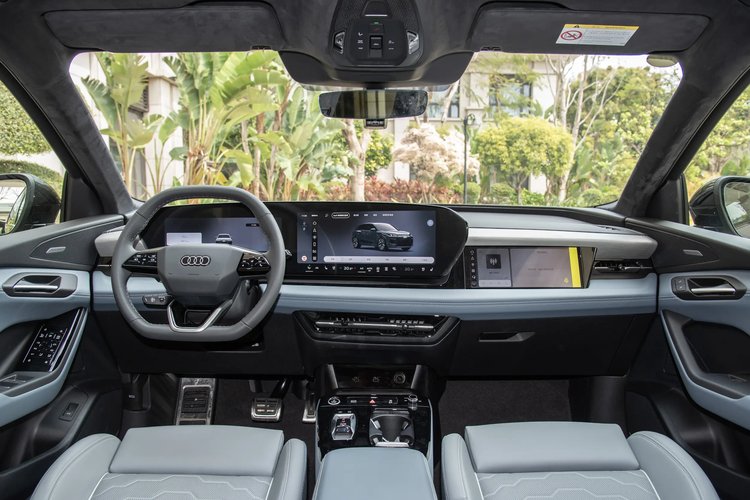
There is also one detail worth mentioning: five-screen interaction. The 88-inch AR-HUD projects navigation and assisted driving information directly onto the windshield, so your line of sight does not need to leave the road; the 11.9-inch OLED instrument panel + 14.5-inch central control screen + 10.9-inch front passenger privacy screen each perform their own duties. This E³ 1.2 electronic and electrical architecture supports OTA upgrades, and subsequent functions can continue to iterate.
What truly creates the gap is what you cannot see
Where do the new forces win? Large screens, refrigerators, color TVs, and voice assistants that can chat—these visible and tangible features really do make a strong first impression.
But a car is meant to be driven for three to five years. What determines reputation after three years is often the things you did not care about at first.
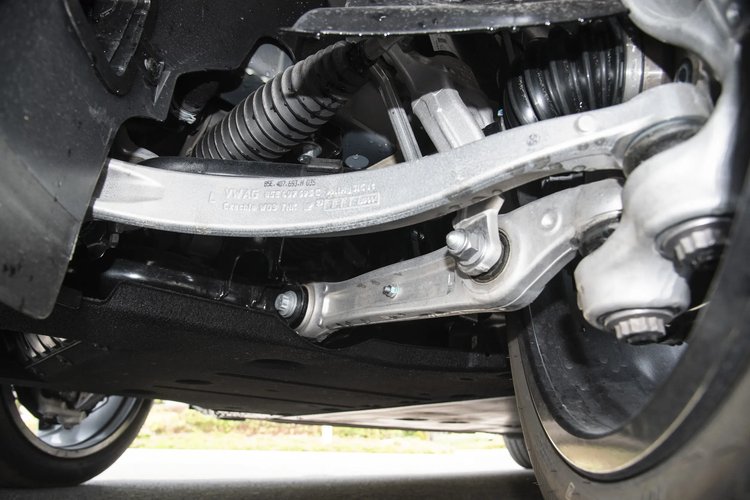
Chassis. Front and rear five-link independent suspension, the quattro electric all-wheel-drive version accelerates from 0 to 100 in 4.5 seconds, and it is also equipped with FSD frequency-selective dampers. The tuning expertise of this chassis is something Audi has accumulated over decades. The suppleness over speed bumps, the support during high-speed lane changes, the body roll control in corners—these differences at the "bodily feel" level cannot be seen in a spec sheet, but they can be felt every day while driving.
Safety. Submarine-grade hot-formed steel accounts for 34%, with compressive strength of 2150MPa—what does that mean? In a collision, the probability that the cabin's survival space is crushed is greatly reduced. Add to that the nine-layer battery protection and IP69K waterproof rating. These things that are "usually not used, but lifesaving when used" are the truly valuable costs.
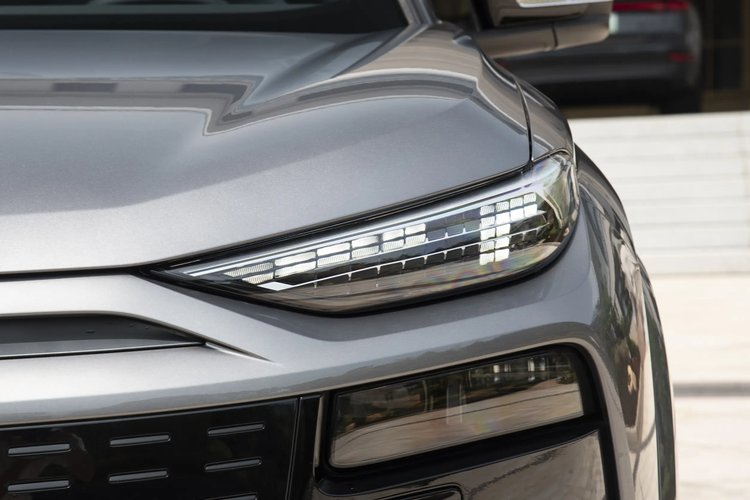
Lighting. Audi's reputation as the "lighting factory" is not for nothing. The star matrix LED headlights, together with digital OLED taillights, support 8 dynamic light signatures, and there are different lighting animation effects when unlocking/locking. The phantom halo illuminated badge maximizes the vehicle's recognizability. When driving out at night, the road-lighting effect and illumination distance really reflect that you get what you pay for.
Space. Wheelbase of 2995mm, flat rear floor, 526L trunk + 64L front trunk. In family scenarios, installing a child safety seat in the rear is not cramped, luggage for long trips can be packed freely, and occasionally when hauling large items, the front trunk can fill in. This practicality is value reflected every day.
At a limited-time price of 269,800 yuan, is it worth it?
Back to the core question.
What new forces can you buy at the same price? The configuration list does look good—large screens, air suspension, lidar, zero-gravity seats, everything you should have is there. But look carefully: many core functions require optional add-ons or the higher trim to get.
At the limited-time price range of 269,800 to 359,800 yuan, the Audi Q6L e-tron gives you: the PPE native pure electric platform, full-domain 800V high-voltage architecture, the full Huawei assisted driving hardware suite, quattro electric all-wheel drive (on the AWD version), and Audi-level chassis tuning and safety redundancy.
This is not to say the new forces are bad—they do have advantages in many areas: more vivid interaction experience, faster feature iteration, and a trendier cabin atmosphere. But if your car-buying needs are "long-term stable use, valuing quality and safety, and not wanting to be undercut frequently," then what Audi offers at this price is indeed very solid.
A few more words
Back to the question from the beginning: Audi EVs have "fallen this far"?
After looking at the product details, another angle may be more accurate—it is not that Audi has fallen, but that consumers, at this limited-time price, have picked up a car whose product strength is underestimated.
At a limited-time starting price of 269,800 yuan, buying a mid-size all-electric SUV with the PPE platform + 800V + full-stack assisted driving hardware + Audi quality control—two years ago, this calculation would have been unimaginable.
Here is another question: at this price, would you choose a new force or an Audi? Tell us your reasons in the comments.


