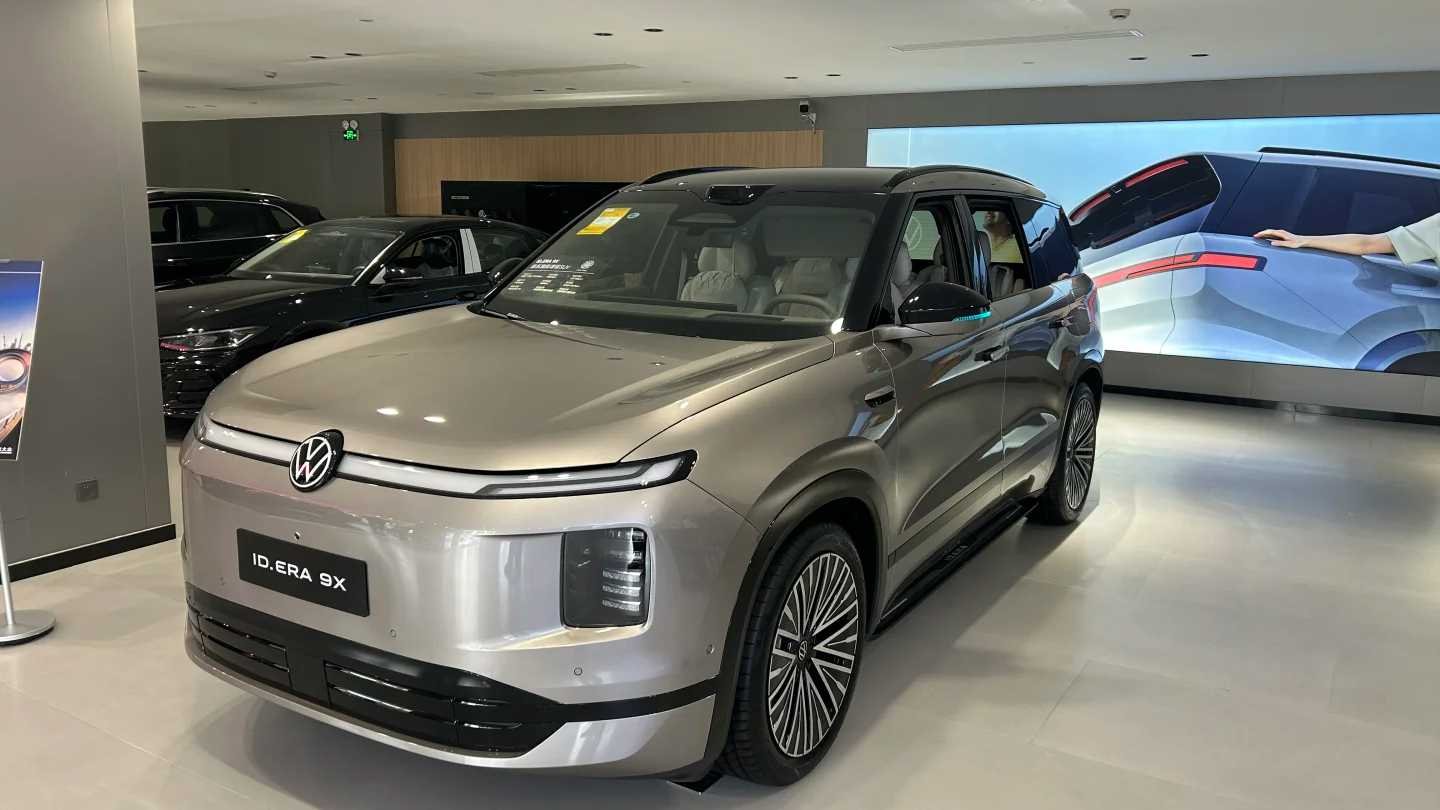
Recently, one car has been getting a lot of attention, but what people are discussing most isn't how it drives—it's the pricing. The SAIC Volkswagen ID.ERA 9X, a six-seat extended-range SUV nearly 5.2 meters long. Many people instinctively compare it to the Li L9 and AITO M9, since the size, seating, and powertrain format are all similar.
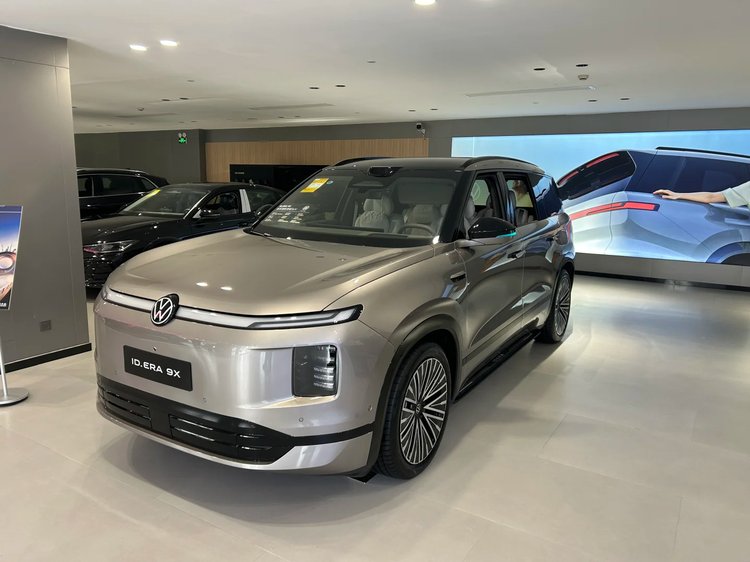
But when you compare the prices, the gap becomes obvious. The Volkswagen ID.ERA 9X entry version is 309,800 yuan, and with discounts it can come down to 299,800 yuan, while the 2026 Li L9 starts at 459,800 yuan, and the AITO M9 starts at 479,800 yuan. Volkswagen is a full 150,000 yuan cheaper than Li, and 170,000 yuan cheaper than AITO—that price difference is enough to buy another small runaround car.
At this point, many people's first reaction isn't "What a steal," but rather suspicion: if it's this much cheaper, are corners being cut elsewhere? To be honest, that thought is completely normal. The Volkswagen brand itself carries a premium, so suddenly offering such a price makes people feel uncertain instead.
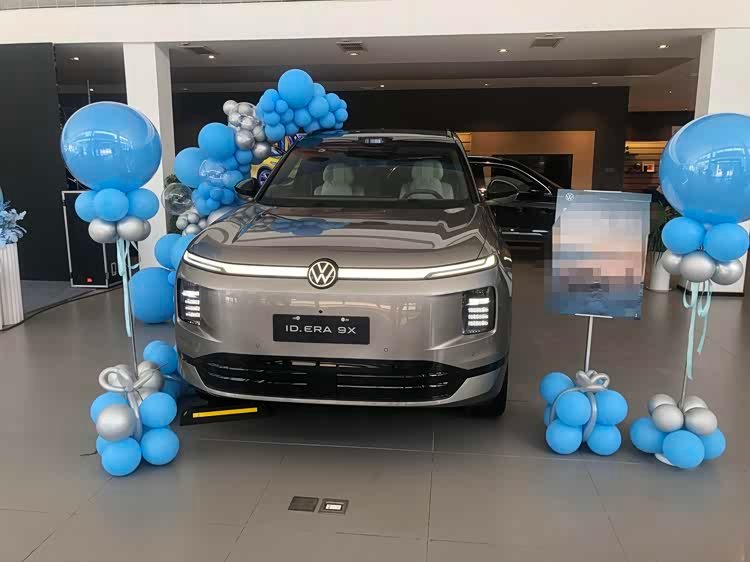
So can this Volkswagen ID.ERA 9X actually be bought? Let's not exaggerate or unfairly criticize—let's break it down from several concrete aspects.
First, the chassis—this is often where automakers are most likely to cut corners in "places you can't see."
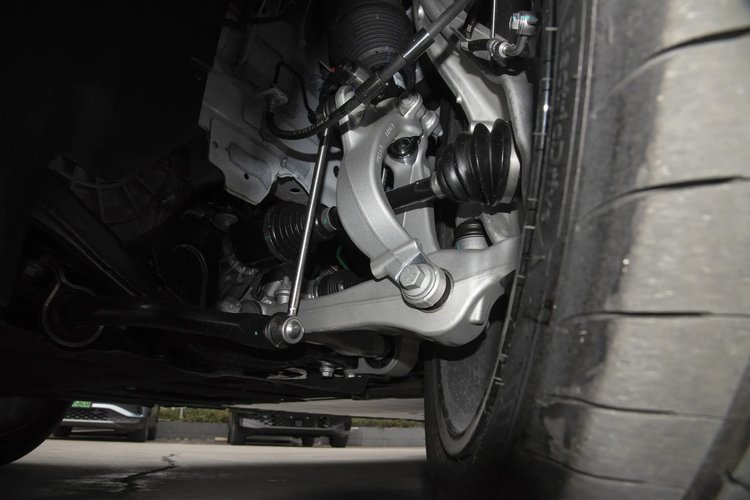
The Volkswagen ID.ERA 9X not only doesn't skimp here, but is actually quite generous. What are buyers of large cars afraid of? That the car is too clumsy, hard to drive, and difficult to turn around. The Volkswagen ID.ERA 9X comes standard across the range with active rear-wheel steering, compressing the turning radius of a 5.2-meter car to 4.85 meters—more effortless than driving a Golf to make a U-turn in an alley.
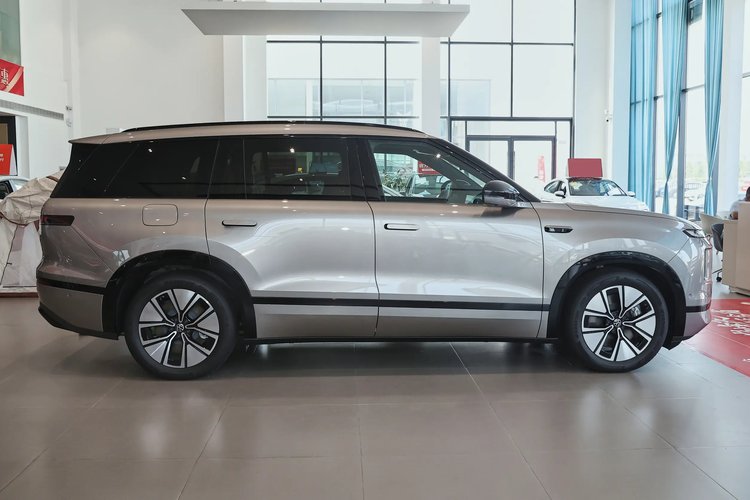
The Max and Ultra versions come standard with dual-chamber air suspension, DCC electronic damping control, and Magic Carpet intelligent suspension, with 150mm of adjustable chassis height. At highway speeds it automatically lowers for stability; on rough roads it raises for peace of mind. In the 300,000 to 470,000 yuan range, large SUVs with standard rear-wheel steering plus dual-chamber air suspension are truly few and far between. The Li L9 has single-chamber air suspension plus CDC; the AITO M9 has dual-chamber air suspension but no rear-wheel steering (modified).
In terms of chassis, Volkswagen doesn't just avoid dragging things down—it's actually where the experience gap widens. Add to that the standard Continental front all-aluminum four-piston calipers across the range, giving a car weighing over two tons plenty of braking confidence. Volkswagen has been building cars for so many years, and its chassis tuning expertise truly can't be caught up to just by stacking features.
Next, space. The soul-searching question that no six-seat SUV can avoid: can people actually sit in the third row?
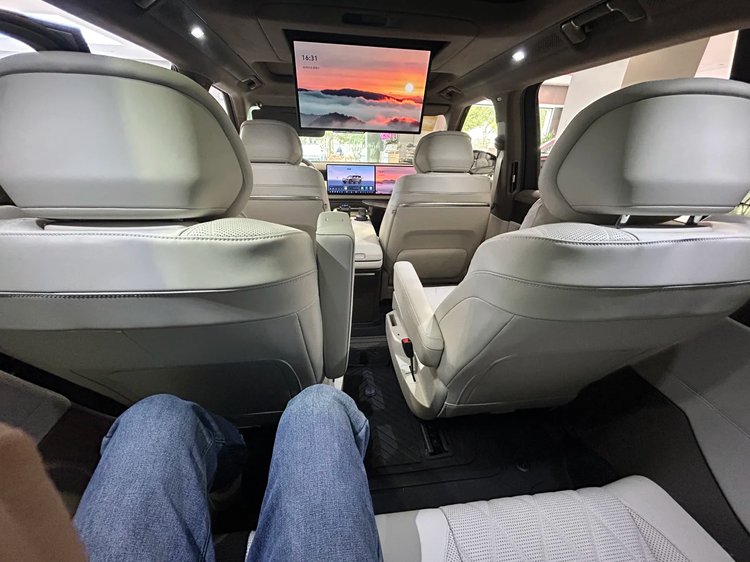
Based on owner feedback, adults around 175cm can sit normally without issues, with headroom and legroom to spare. The 2+2+2 layout offers good second-row comfort, and the center aisle makes entry and exit convenient. The rear doors open to nearly 80 degrees, so elderly passengers and children can get in and out without awkwardness. Soft-close doors are standard across the range—hold a child and just gently push it shut. There are over 40 storage spaces throughout the car: door panels hold several bottles of water, the hollow space under the center console holds bags, and cup holders, armrest box, and wireless charging pad are all provided. A bidirectional heating/cooling refrigerator is also standard—cold drinks in summer, warm milk in winter. The trunk normally fits two carry-on suitcases, and with the third row folded down, you can fit a washing machine or stroller. For two-child families or scenarios where you frequently travel with elderly family members, the cargo capacity is sufficient.
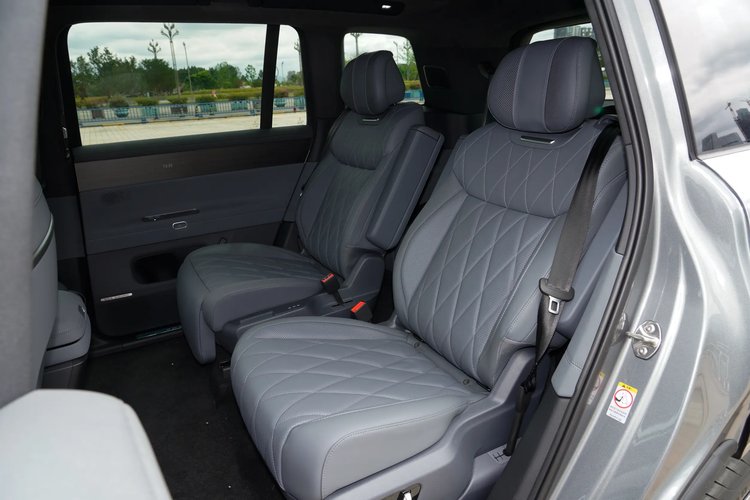
Cabin features—this might be where many people struggle with whether to go for a higher trim. But the Volkswagen ID.ERA 9X entry version is quite generous.
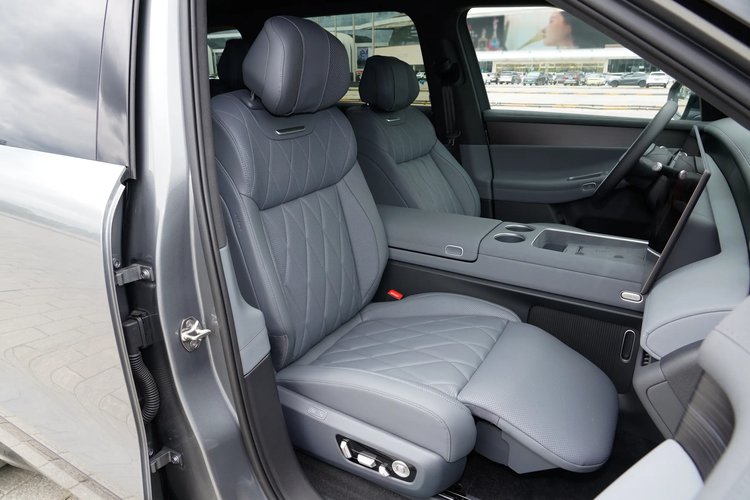
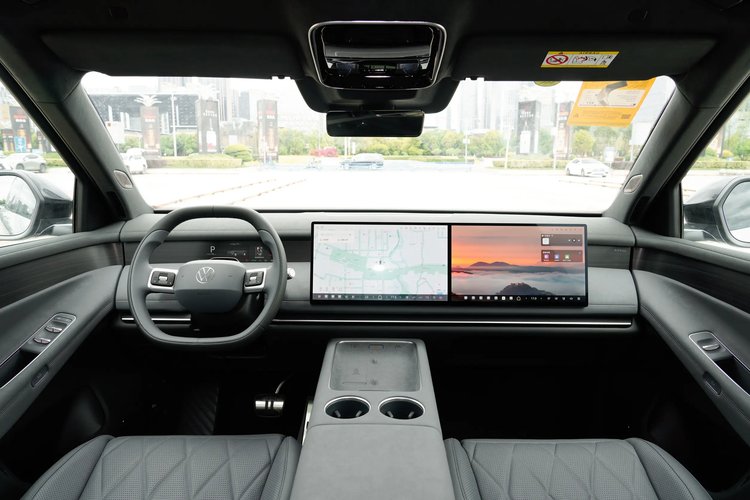
Nappa leather seats, front-row heating/ventilation/massage, zero-gravity passenger seat, zero-gravity second-row right seat, onboard refrigerator, AR-HUD, soft-close doors, 255-color ambient lighting—all standard across the range. The base features you get for just over 300,000 yuan are things many new forces require optional packages or mid-to-high trims to get.
In winter, turn on seat and steering wheel heating and you don't have to huddle up waiting for the heater; in summer, seat ventilation keeps your back from getting soaked; on long trips, massage helps you relax when tired. The zero-gravity passenger seat lets family members lie nearly flat to binge-watch and rest; the second-row right one keeps elderly and children from getting tired on long journeys.
In terms of cabin hardware, the 15.6-inch center screen, passenger screen, rear ceiling screen, W-HUD, and others add up to nine screens, powered by the Snapdragon 8295 chip. The rear 21.4-inch 3K ceiling screen makes it easier to play cartoons for kids on long trips than holding up an iPad. The Pro version has 18 speakers; the Ultra version has 27 speakers plus 4 headrest speakers, and also supports microphone-free karaoke. However, to be honest, some owners report that the infotainment software has a bit of startup delay, and the menu hierarchy is somewhat deep—adjusting the AC fan speed takes several taps. Hopefully future OTA updates will address this.
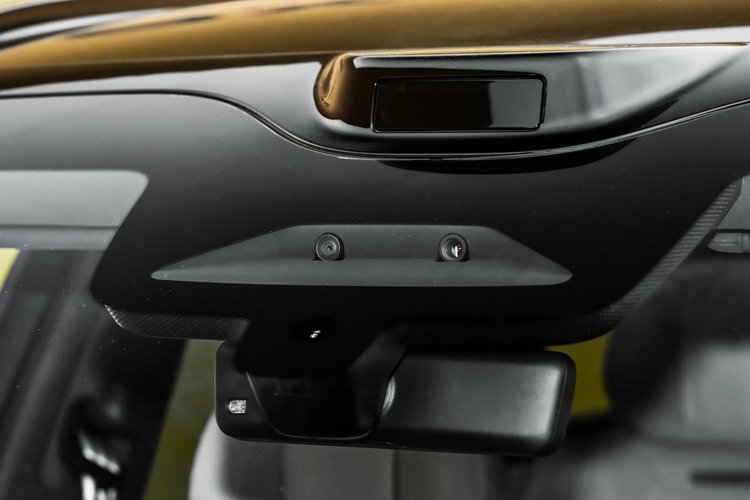
In terms of driver assistance, the Volkswagen ID.ERA 9X comes standard across the range with a 192-line lidar, 11 cameras, 5 millimeter-wave radars, and 12 ultrasonic sensors, supporting urban and highway NOA, plus full-scenario automatic parking.
On the highway, NOA can smoothly complete lane changes, overtaking, and entering/exiting ramps without abrupt movements. In the city, when facing cut-ins or sudden pedestrians, it can predict and decelerate in advance, without hard braking that scares rear passengers. The overall tuning leans toward stability, mainly to share the burden of long-distance fatigue. When parking, automatic parking plus 540-degree surround view lets a 5.2-meter car find its own spot and park itself. This system is free for the first owner for long-term use, and subsequent OTAs are also free of charge.
Objectively speaking, a 192-line lidar isn't top-tier in 2026—some models already use higher line counts. But the logic behind Volkswagen's approach is stability, sufficiency, and no extra cost later. For most families, the value of driver assistance lies in being easy to use, worry-free, and not costing extra—not in comparing specs.
Finally, let's talk about energy replenishment.
The Max and Ultra versions have 406 km of pure electric range; the Pro version has 347 km. For a daily commute of 40 km, one charge a week is enough. If you occasionally forget to charge, it's no big deal—the range extender burns 92-octane gasoline, so it's not picky. With a full tank and full charge, the combined range exceeds 1,600 km, so there's no range anxiety on long trips and no need to fight for charging piles at service areas. With the 800V platform, charging from 10% to 80% takes just over 16 minutes—about the time it takes to use the restroom and grab a coffee. The 3.5 kW vehicle-to-load function makes it convenient to plug in an induction cooker for hot pot or a projector when camping.
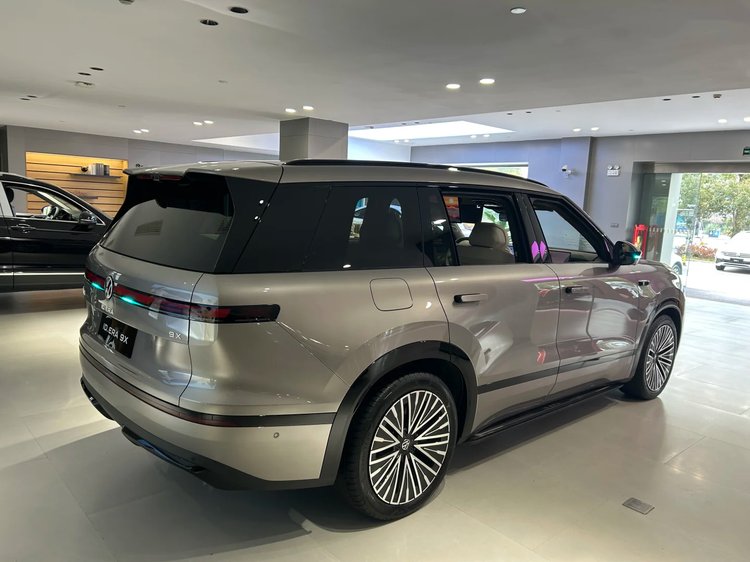
Overall, the Volkswagen ID.ERA 9X's product strength at the 300,000 yuan price point is genuinely competitive. Volkswagen has lowered its posture on pricing this time, but the product itself hasn't made too many compromises. If you're looking at a 300,000-yuan-class large six-seat extended-range SUV, it's worth visiting a store to actually sit in it and take a drive, focusing on experiencing the agility of the rear-wheel steering and the chassis quality, before making a decision. After all, a price difference of over a hundred thousand yuan is no small matter—only by seeing it with your own eyes and trying it yourself will you know if it's worth it. The more thorough the market competition, the better it is for consumers.


