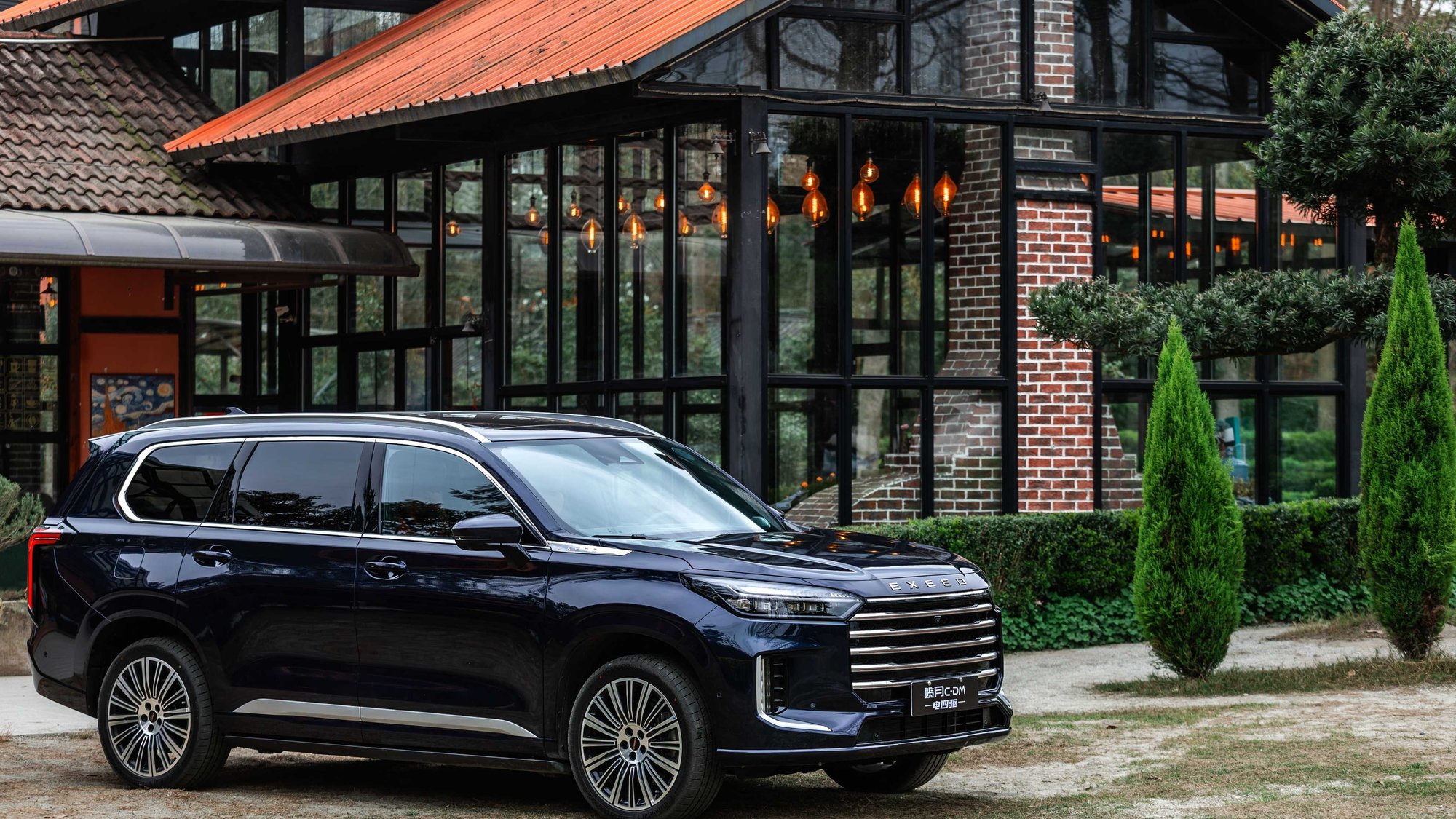
Currently, competition in China's new energy vehicle market is becoming increasingly fierce, and mid-to-large plug-in hybrid SUVs are gradually winning favor among more large families. An excellent large seven-seat model can not only provide families with more spacious room to use, but also needs to ensure space while taking into account lower usage and maintenance costs, and must fully consider the safety of a seven-seat vehicle. Against this market backdrop, the "chauffeur-level large seven-seat electric hybrid flagship SUV" Xingtu Lanyue C-DM, with its globally pioneering "four-engine four-wheel-drive super hybrid technology," successfully broke the market deadlock and won the affection of users in the hybrid large seven-seat SUV market; at the same time, BYD Tang L DM entered strongly with fifth-generation DM technology and intelligent driving hardware, attempting to secure a place in the 200,000-300,000 yuan hybrid SUV segment with the posture of a "hybrid ace."
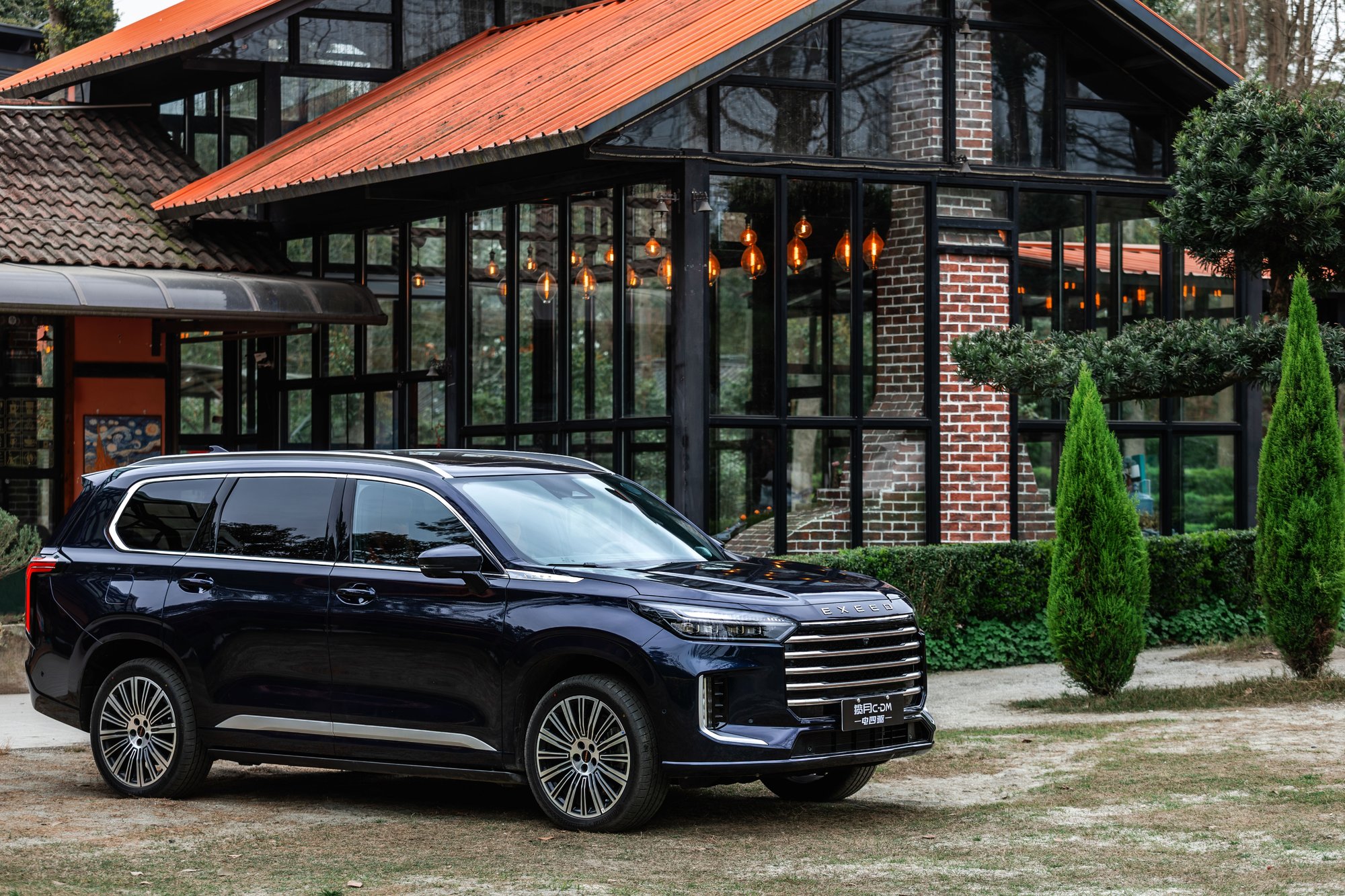
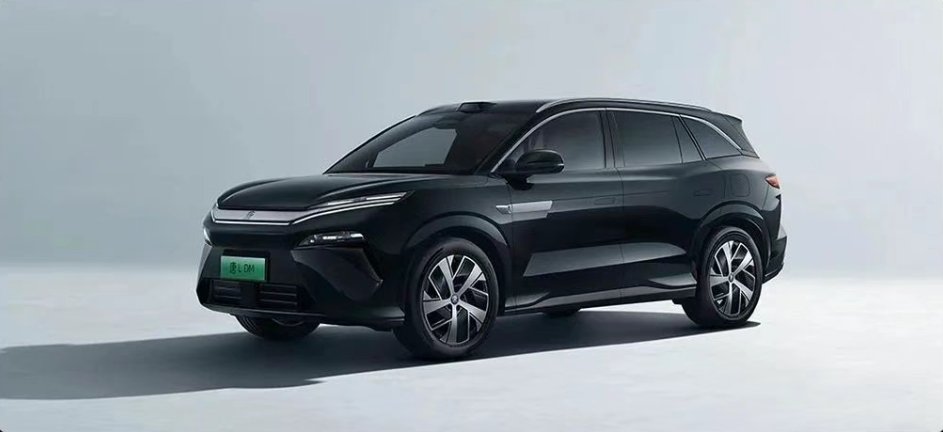
So, who exactly can win more favor from super dads? This article selects their respective best-selling models: the Lanyue C-DM Max four-wheel-drive seven-seat version priced at 209,900 yuan, and the Tang L 215KM LiDAR flagship model priced at 229,800 yuan, and conducts a head-to-head comparison. A deep analysis is carried out from dimensions such as power performance, space flexibility, cabin luxury, and price benefits, hoping to provide useful reference for prospective car owners when choosing a car.
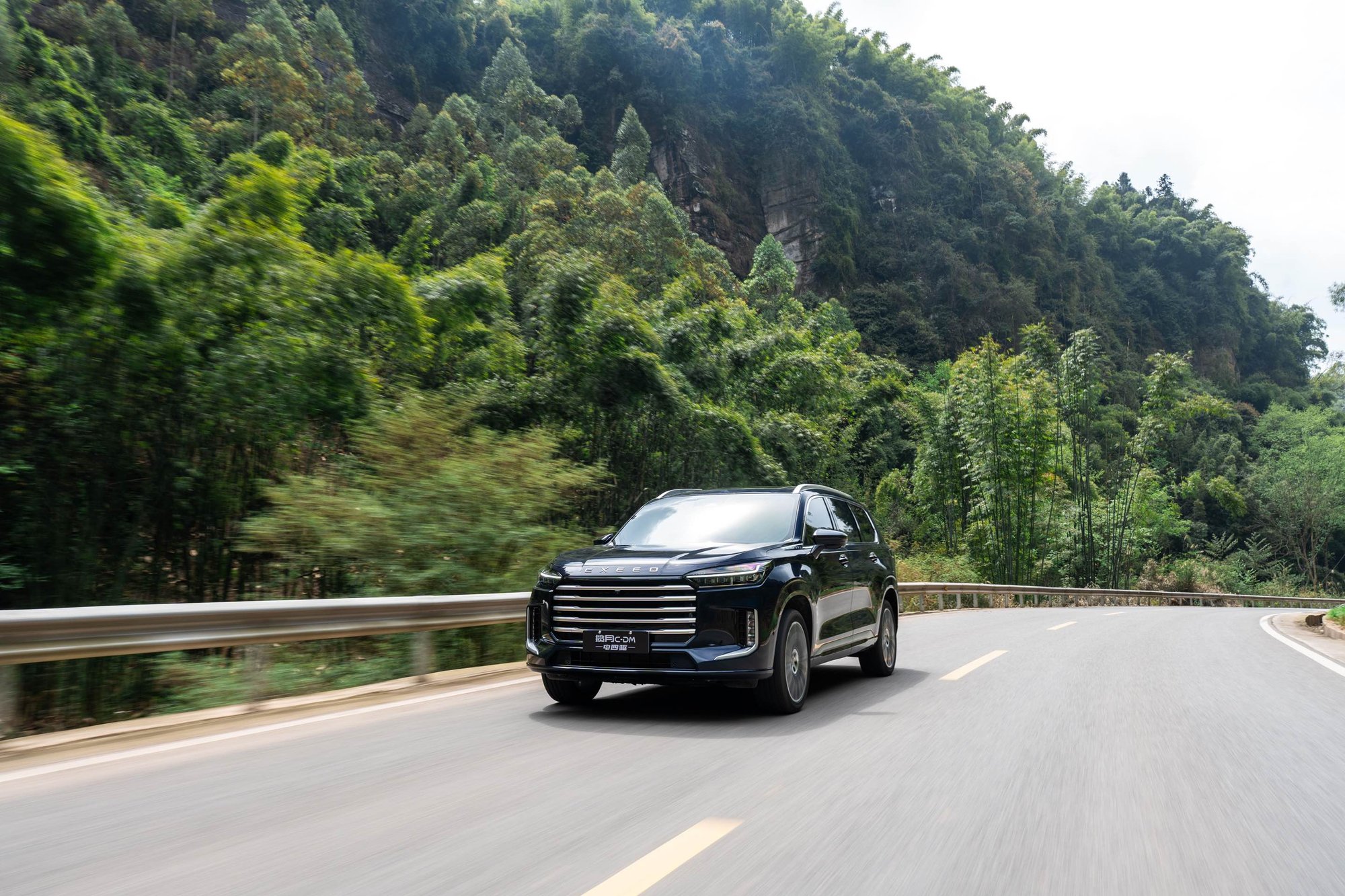
The performance gap is difficult to bridge; Lanyue C-DM's four-engine four-wheel drive leads its class
The body dimensions of the Lanyue C-DM are 501019401800mm, and the curb weight reaches 2280KG. For such a model with an overall length of more than 5 meters and a weight of more than 2 tons, its powertrain is particularly critical.
The Lanyue C-DM is equipped with the globally pioneering C-DM four-engine four-wheel-drive super hybrid technology. This powertrain system is composed of a 1.5T dedicated hybrid engine (with thermal efficiency as high as 44.5%), a 3-speed super hybrid DHT transmission, front dual motors (P2 + P2.5), and a rear axle P4 motor. The four power sources work together, with a combined system power of up to 619Ps, peak torque of 920N·m, and a zero-to-100 acceleration that easily breaks into the 5-second range. Its surging power can be compared with the V10 engines favored by luxury sports cars.
In terms of fuel economy, the WLTC fuel consumption under depleted battery conditions is only 6.88L/100km. It is worth mentioning that before the new car was launched, media measured data was as low as 3.8L/100km.
In terms of range, under CLTC conditions, the Lanyue C-DM's pure electric range can reach 180km, and its comprehensive range can reach as high as 1300km. At the same time, in terms of power output, it combines full-speed-domain hybrid coverage (engine direct drive from 16-160km/h) and millisecond-level torque distribution. Coupled with the standard Snow Leopard four-wheel drive and Flying Fish ultra-responsive chassis across the entire lineup, users can truly achieve an all-condition hybrid experience, enjoying driving pleasure while ensuring the vehicle is both powerful and stable.
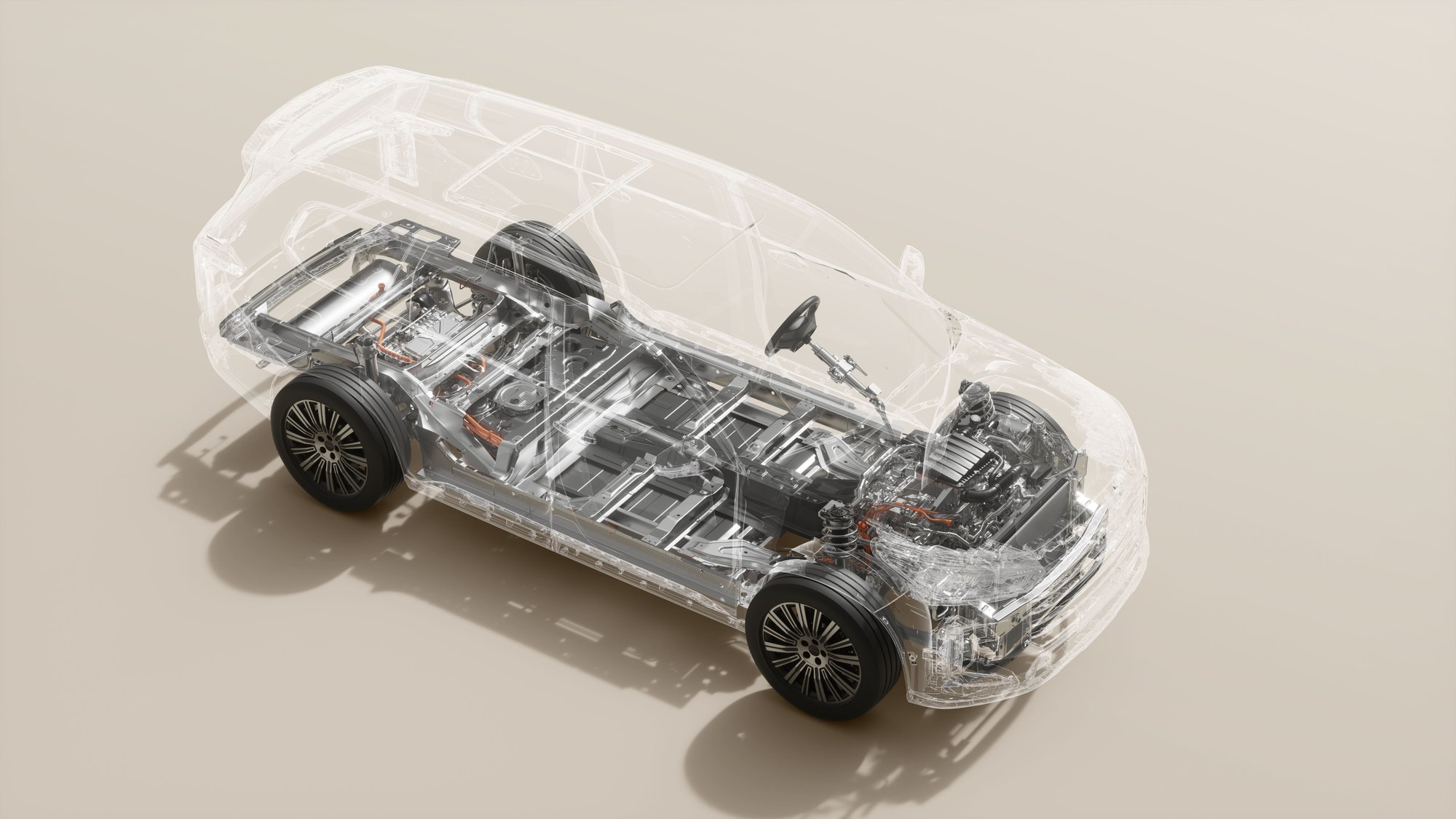
In comparison, the body dimensions of the BYD Tang L DM LiDAR flagship model are 5040×1996×1760, and the curb weight reaches 2400KG. This vehicle is built on BYD's fifth-generation DM technology. Its 215KM LiDAR flagship version adopts a plug-in hybrid structure with a 1.5T engine and a single motor, with a maximum power output of 115kW, and is equipped with a front 200kW electric motor, achieving a zero-to-100 acceleration of only 7.9 seconds, NEDC comprehensive fuel consumption under depleted battery conditions of 4.9L/100km, and a pure electric range of up to 215km. However, the relatively large body weight combined with a relatively modest power configuration may result in slightly insufficient power. In addition, in actual driving experience, some users have reported that the Tang L DM's motor assistance weakens when overtaking at high speeds, and acceleration response is slow; while on long trips with low battery, engine intervention is not smooth enough and is accompanied by problems such as greater noise. Overall, in terms of power performance, especially adaptability during high-speed driving and complex road conditions, the dual-engine layout of the Tang L DM is slightly inferior to the four-engine four-wheel-drive system used by the Lanyue. However, for daily urban commuting, the Tang L DM equipped with an E-CVT continuously variable transmission may provide a more comfortable driving and riding experience.
A revolutionary application of space philosophy; Lanyue C-DM has more third-row legroom
As the flagship model of the Xingtu series, the Lanyue C-DM demonstrates unique core advantages in space flexibility and comfort. The vehicle has a body length of 5010mm and an ultra-long wheelbase of 2900mm, offers flexible 6-seat or 7-seat layout choices across the entire lineup, optimizes legroom to 793mm, and is equipped with NAPPA genuine leather seats and suede-like headliner, completely bidding farewell to the "small bench" riding experience, with comfort comparable to an MPV. In terms of space flexibility, the six-seat version adopts a 2+2+2 seat layout, with two independent aviation seats in the second row and a front-to-back movement range of 240mm; the sense of space and comfort in the third row is likewise not inferior to an MPV. The seven-seat version adopts a 2+3+2 seat layout, with a second-row front-to-back sliding range of 150mm. When the third row is folded down, the second-row seats can slide backward, instantly converting into a large five-seat mode, further improving the convenience of daily use.
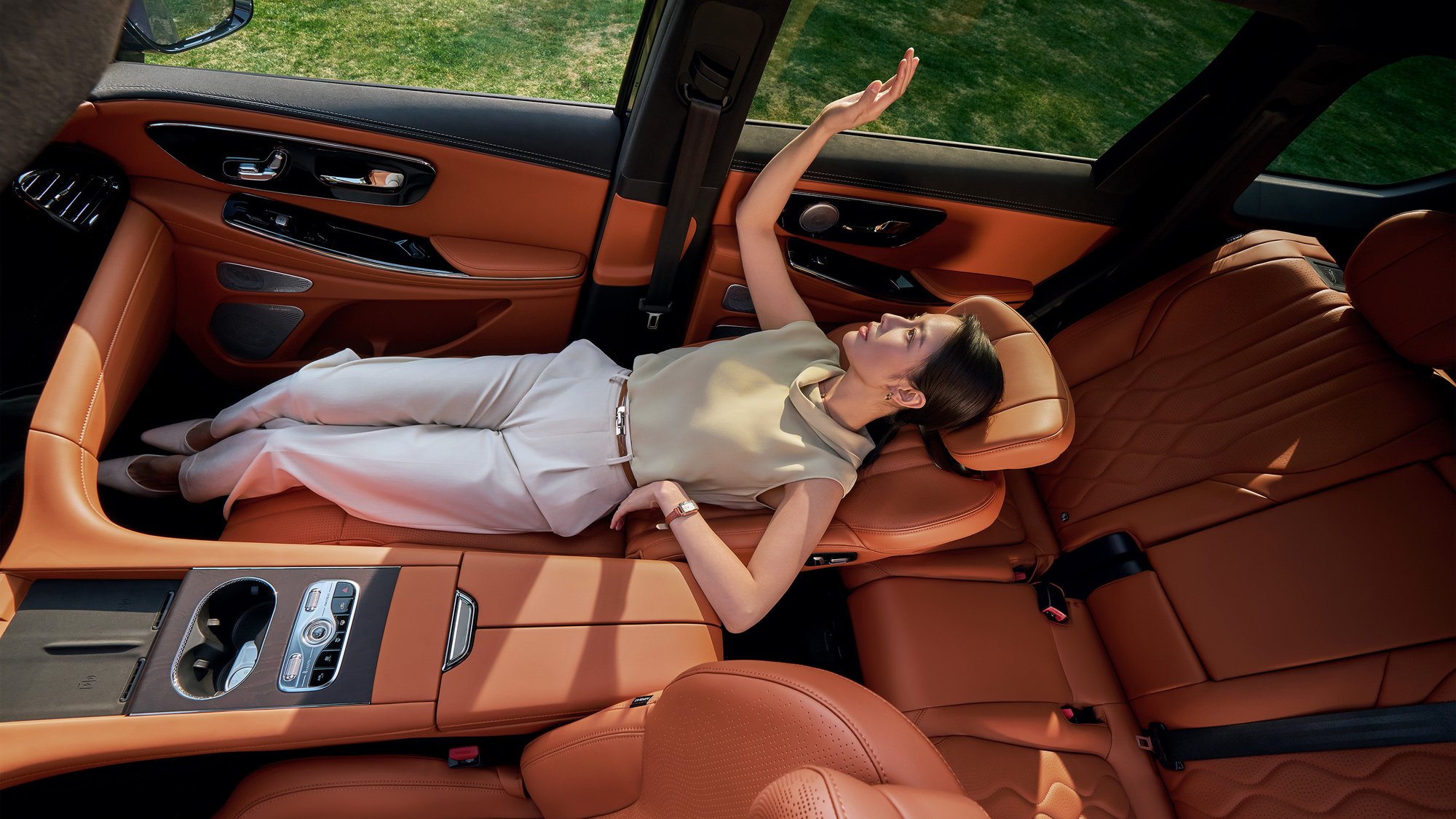
In comparison, the Tang L DM has a slight advantage in body dimensions, yet only offers a 7-seat layout across the entire lineup. Its third-row seat adjustment functions are relatively limited, ease of entry and exit is average, and legroom is only 750mm. Moreover, the seats only have basic heating and no electric adjustment configuration, making long-distance riding comfort somewhat lacking.
Details determine quality; the Lanyue C-DM's large space instantly becomes a "light luxury concert hall."
The luxury configuration styles of the two vehicles' cabins are very different. The Lanyue C-DM leans toward a light luxury style, while the Tang L DM emphasizes a minimalist tech style. Specifically, the Lanyue C-DM's triple-screen interactive experience is excellent. It is equipped with a 12.3-inch instrument panel, a 15.6-inch central control screen, and a 12.3-inch front passenger screen, balancing driving and entertainment needs. In terms of interior materials, the Lanyue C-DM takes light luxury design as its purpose. The interior uses natural mountain-grain wood trim, Pre-NAPPA genuine leather seats (standard across the lineup with ventilation, heating, and massage functions), suede-like headliner, and is paired with a Muguang Orange color scheme, combined with a 23-speaker Lion Melody audio system (supporting Dolby Atmos) and four-door double-layer soundproof glass. NVH idle noise is as low as 42dB, creating a "mobile concert hall" experience.
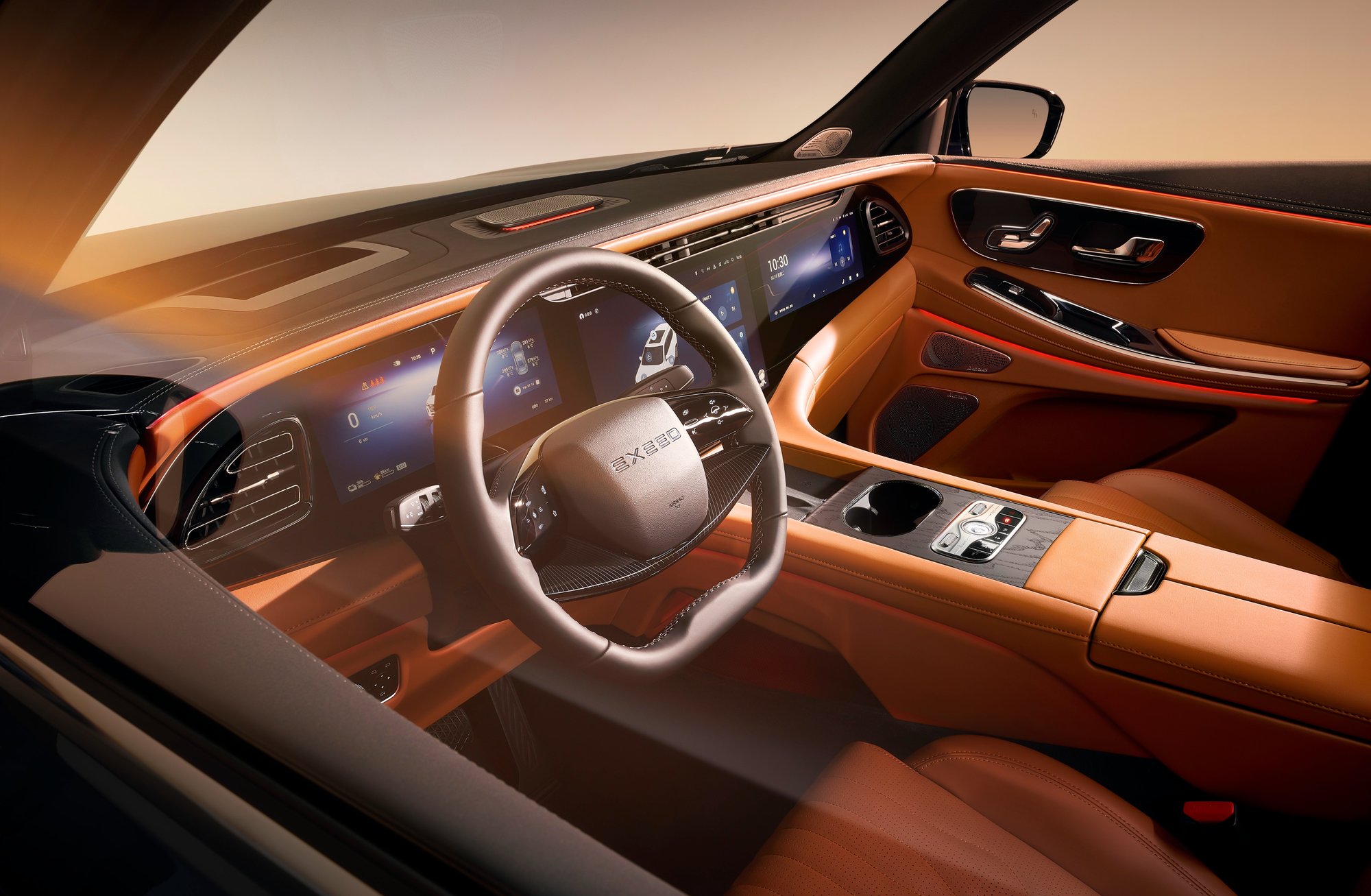
In comparison, the Tang L DM mainly follows a minimalist tech style route, equipped with a 15.6-inch rotating central control screen, DiLink 5.0 system, and God's Eye B intelligent driving hardware. However, its interior materials are mainly faux leather, and only the top trim offers NAPPA genuine leather. The vehicle's third-row seats are manually folded, legroom is slightly inferior to the Lanyue C-DM, and high-end audio is not standard, so the overall luxury atmosphere is somewhat lacking, and the faux leather interior also has a relatively strong plastic feel.
Consideration of value benefits: not only affordable to buy, but also affordable to maintain
The Lanyue C-DM model continues the safety characteristics of the Lanyue series and has improved in terms of luxury, equipped with an openable panoramic sunroof, four-door double-layer soundproof glass, and Continental high-performance tires, among others, to enhance the vehicle's NVH quietness and driving and riding experience. In terms of battery technology, the Lanyue C-DM uses the M3P lithium manganese iron phosphate battery provided by CATL, while the Tang L also adopts lithium manganese iron phosphate battery technology. Both batteries represent current mainstream technology trends, among which the addition of manganese makes the battery cells more stable and reliable. In terms of after-sales service, both models offer lifetime warranty service for the three-electric system to the first owner. Specifically for the Xingtu Lanyue C-DM, its three-electric system enjoys an 8-year or 160,000-kilometer warranty commitment; in comparison, BYD Tang L DM's detailed warranty policy for the three-electric system has not yet been announced publicly.
Conclusion:
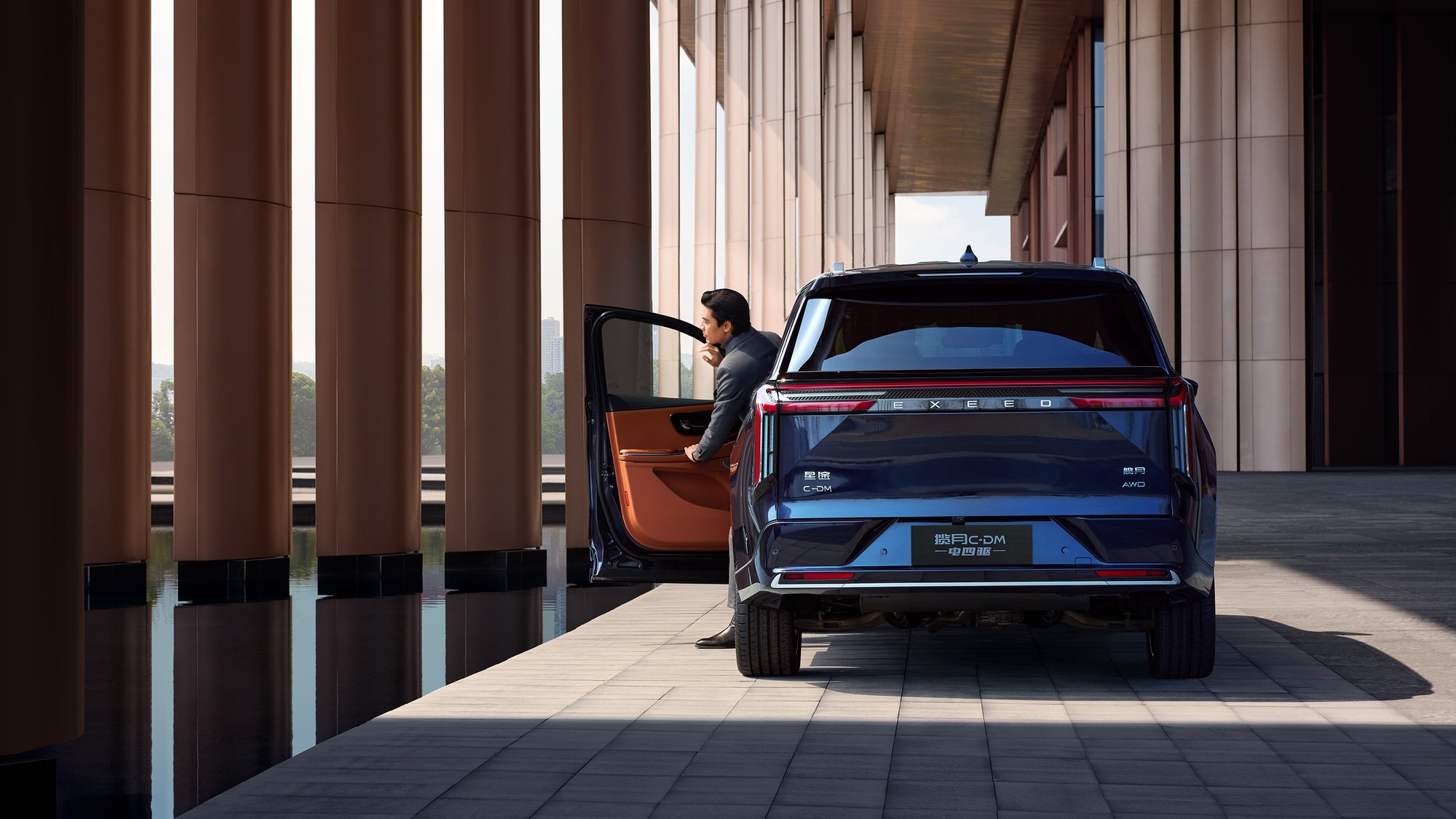
At a time when the hybrid segment is deeply trapped in "range involution" and an "intelligent equipment arms race," the Lanyue C-DM, with four-engine four-wheel-drive technology as the vanguard, chauffeur-level space as the backing, and lifetime assurance as the anchor, redraws the value baseline of 200,000-yuan-class large seven-seat electric hybrid SUVs. With its globally pioneering four-engine four-wheel-drive super hybrid technology, chauffeur-level large seven-seat layout, light luxury style design, and lifetime warranty policy as key highlights, it precisely meets family users' expectations for comfort, quality pursuit, and long-term value. For users who value practical luxury and aspire to all-scenario travel experiences, the Lanyue C-DM is undoubtedly a preferred choice among 200,000-yuan-class large seven-seat hybrid SUVs.


