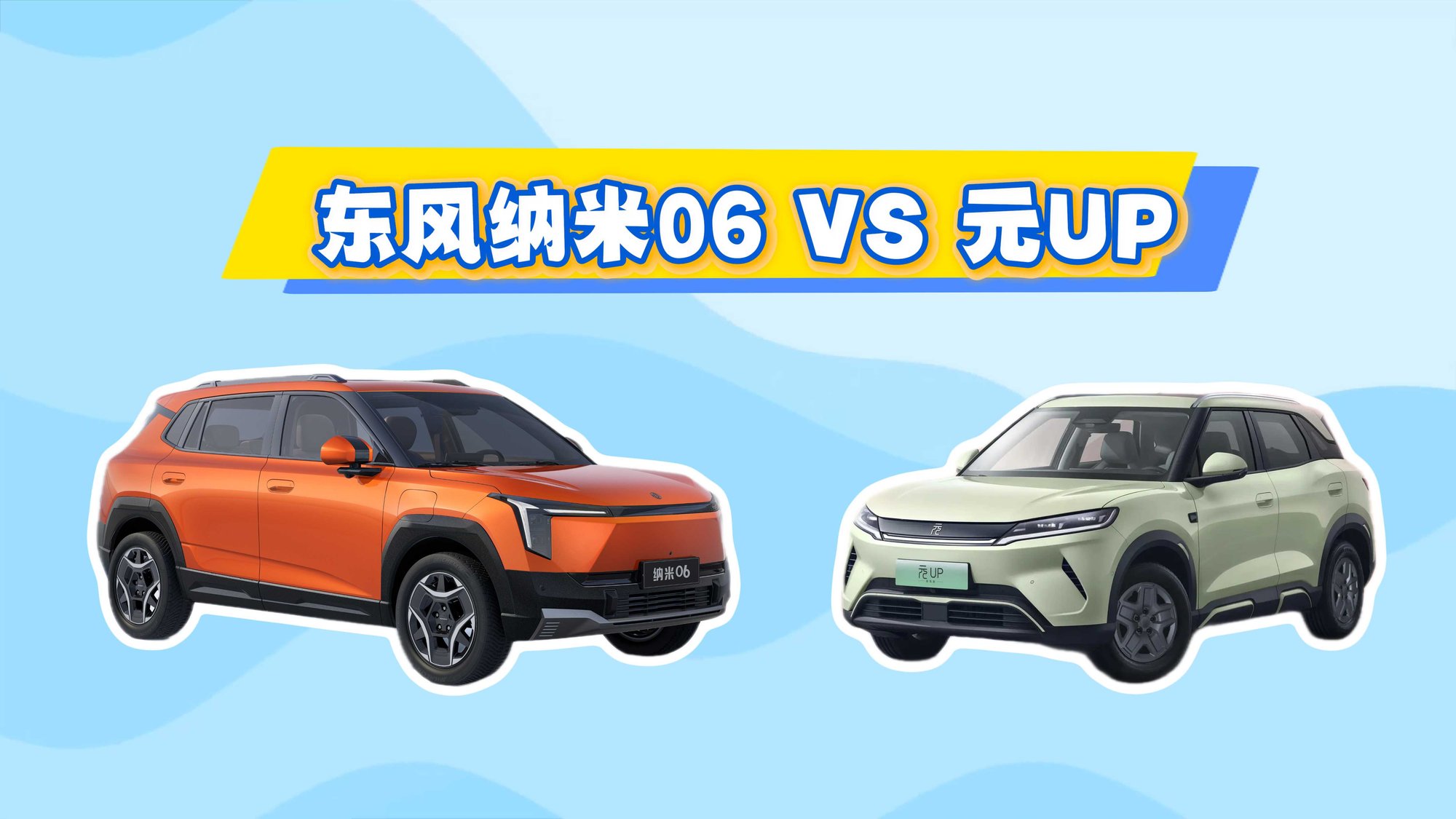
Every year when summer vacation arrives, many families start planning a "take the kids and escape the city" trip. Compared with the various restrictions of high-speed rail and flights, self-driving travel is the most flexible and worry-free way to get around. At times like this, choosing a reliable car becomes especially important.
If your car-buying budget is around 100,000 yuan and you want a pure electric SUV that can both handle daily commuting and holiday trips, then you will most likely be recommended two unavoidable options: Dongfeng Nammi 06 and BYD Yuan UP.
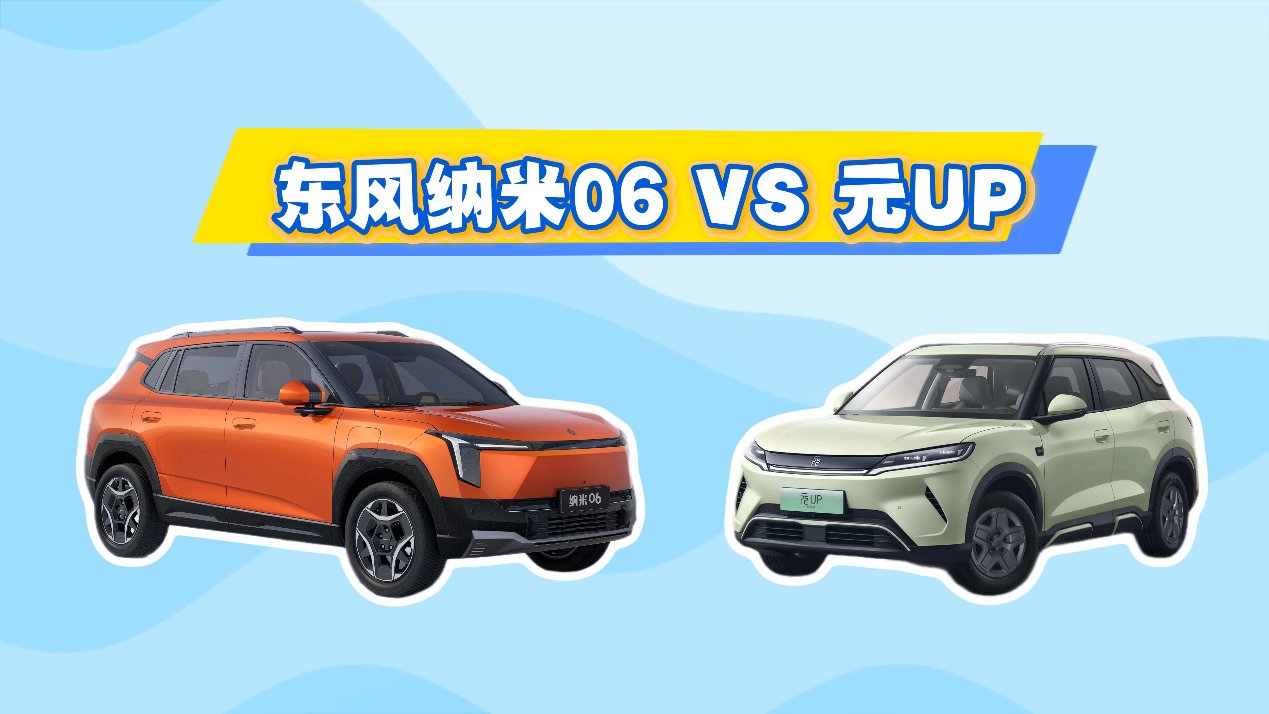
One is a rising player backed by a central state-owned enterprise, and the other is the sales mainstay of the BYD family. These two models trade blows in price and configuration, but if you really want to choose one as the "family workhorse," which is more suitable? Don't worry, in this article we will analyze them from five dimensions: space, range, comfort, intelligent driving system, and safety.
The exterior is not large, but which one can "hold" more?
Although they are both called "small SUVs," when it comes to carrying people and luggage, bringing kids and elders along, some cars really cannot handle it. Let's look at the data first:
Nammi 06 body dimensions: 4340 (length) × 1820 (width) × 1650 (height) mm, wheelbase 2715 mm.
Yuan UP body dimensions: 4310 (length) × 1830 (width) × 1675 (height) mm, wheelbase 2620 mm.
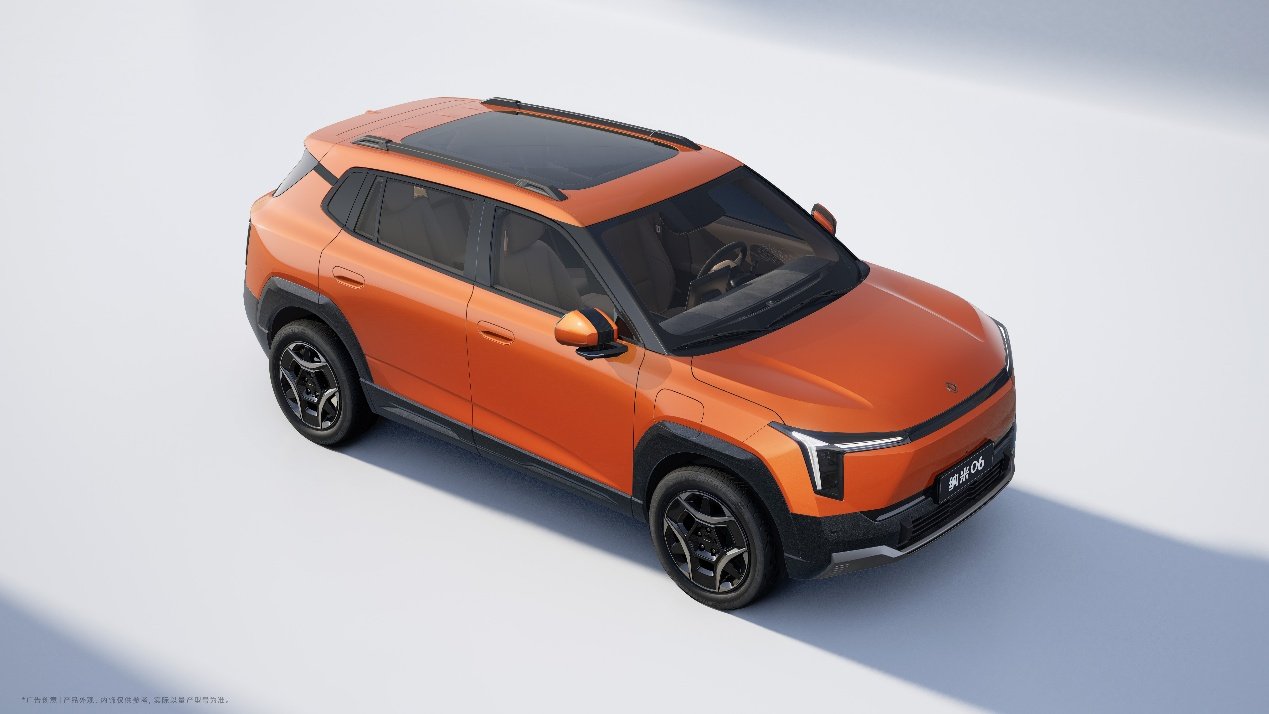
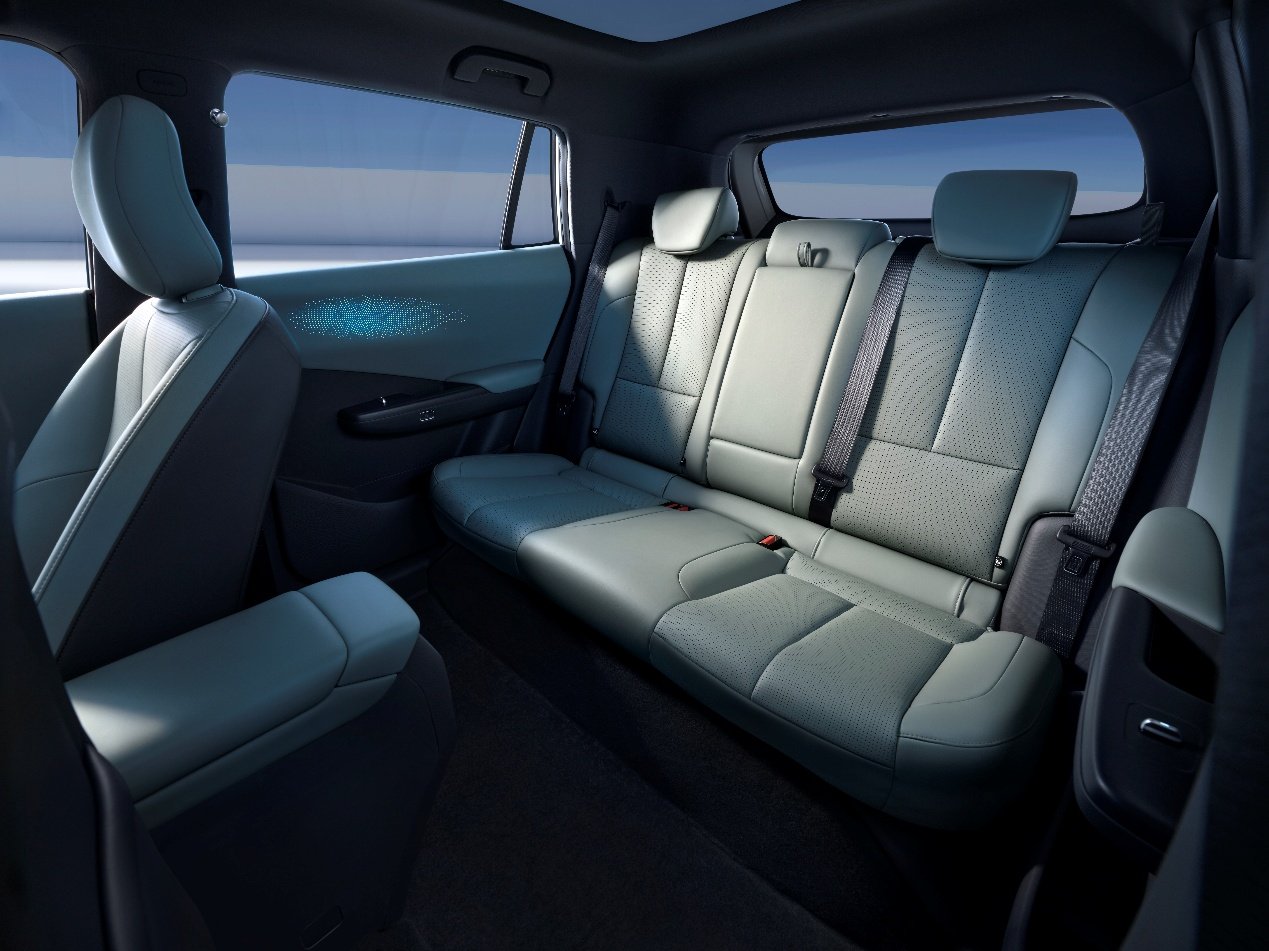
Although the Yuan UP body is slightly wider, the wheelbase, the "key indicator" that determines rear-seat space, is directly ahead by 95 mm in the Nammi 06. This is not just an advantage on paper. Once you actually sit inside, you will know: the Nammi 06's rear row is more spacious, and even adults will not have their legs pressed.
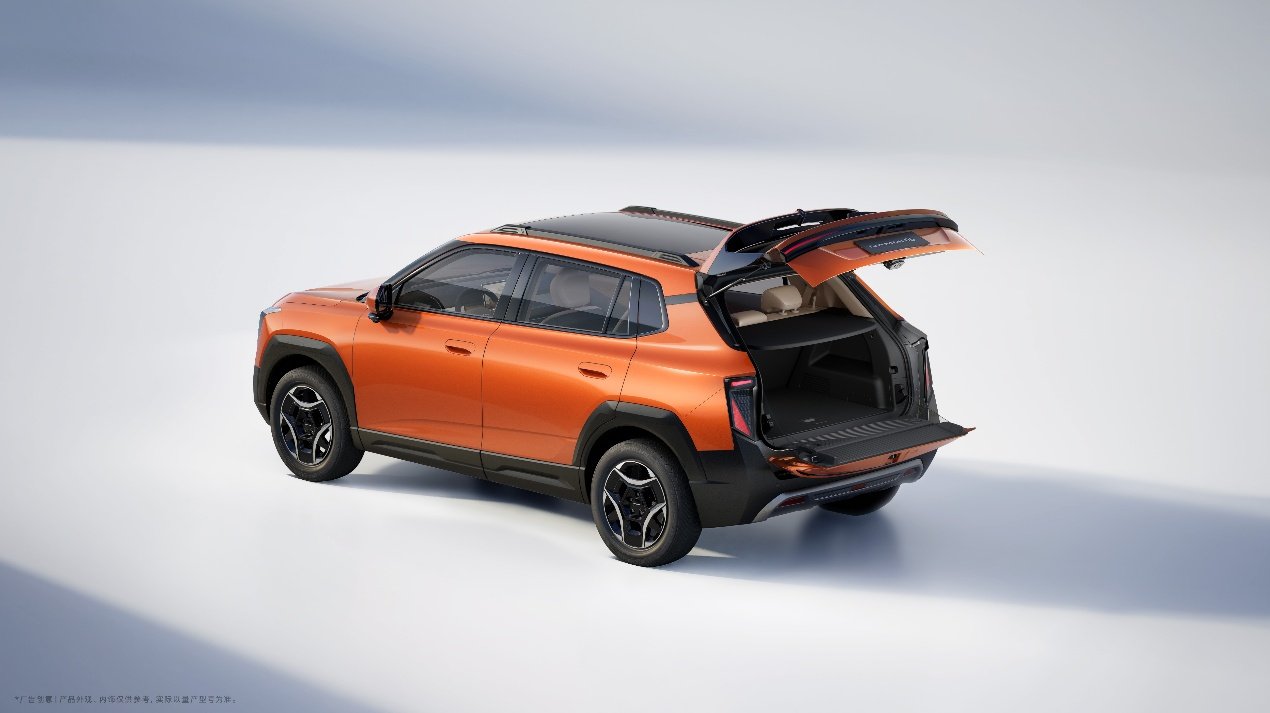
As for loading capacity: the Nammi 06's large 500L trunk can directly fit 9 carry-on suitcases without a problem. The key is that it also has a very practical design: a split tailgate structure - the upper part opens like a normal trunk, and the lower part can fold down to serve as a camping bar counter or seating position, with a load capacity of 150 kilograms, so even two adults can sit on it without issue.
The Yuan UP's trunk uses a conventional opening method, with a capacity of about 320L. It is fine for daily grocery shopping and carrying a bit of luggage, but if you want to bring a full set of equipment for camping? That is basically unrealistic.
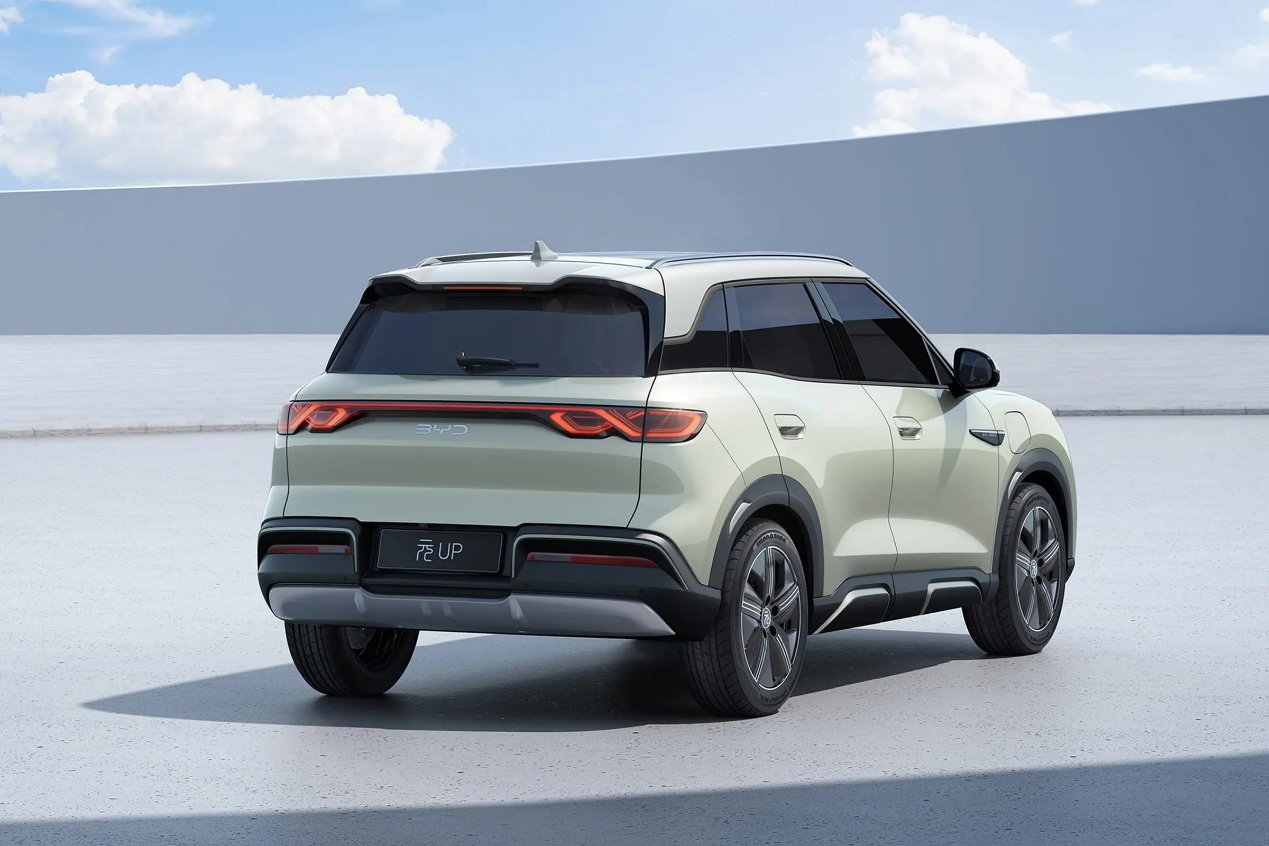
Summary: If you have children, have elderly family members, and like weekend trips to the suburbs, the Nammi 06 clearly takes better care of family users in terms of space and design.
Range and replenishment: a small difference can cause a big hassle
We often say that for pure electric cars, when looking at range, you should not only look at "how far it can go," but also at "how fast it can charge."
Nammi 06 pure electric range: CLTC range 471 km, 3C fast charging, 18 minutes from 30% to 80%, 5 minutes of charging adds 114 km.
Yuan UP pure electric range: CLTC range 401 km, 2C fast charging, about 60 km added in 10 minutes.
Do not underestimate this 70-kilometer gap; it really can be the distance of a whole city. For example, driving from Shanghai to Suzhou is more than 200 kilometers round trip. With the Yuan UP, you have to consider where to charge on the return trip, while the Nammi 06 has no pressure at all.

More critical is charging efficiency. The Nammi 06 supports a peak fast-charging power of 154 kW, and the battery is replenished in the time of a lunch break; the Yuan UP supports a maximum of 50 kW charging, which is slower by more than one level.
Summary: If you usually only use the car in the city, then the gap between the two cars is not that big; but as long as you plan cross-city travel on holidays, then the Nammi 06's "long range + fast charging" is truly great.
Interior comfort: in the 100,000-yuan class, you can still talk about a "sense of luxury"
When it comes to cars in the 100,000-yuan class, many people automatically assume that "the interior is definitely just so-so." But how intense is competition in the auto market now? Not to mention piling on materials, even ambient lighting has to be fully equipped.
Nammi 06: interior soft-touch coverage reaches 60%, with the instrument panel, center console area, and door panels using a large amount of leather + injection-molded materials, paired with 256-color ambient lighting, zero-pressure seats, UV-blocking panoramic roof...
Yuan UP: soft-touch coverage is about 45%, the lower part of the center console uses a large area of hard plastic material, and seat comfort is mediocre.
Looking at a more detailed comparison, the Nammi 06 also has "music rhythm ambient lighting" and multi-layer sound insulation throughout the car, putting more thought into the visual and auditory experience.
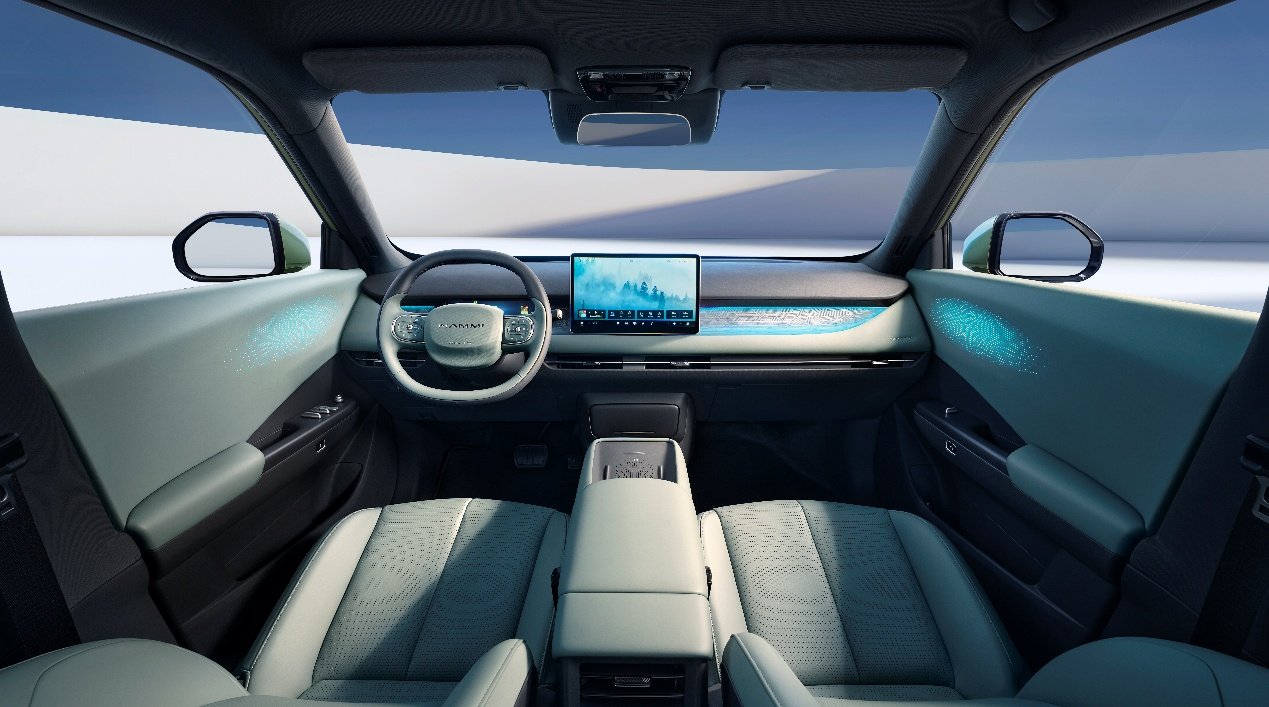
Summary: Friends who value interior quality will basically feel as soon as they sit in the Nammi 06 that a 100,000-yuan car can also offer a sense of luxury; while the Yuan UP is relatively more in line with a practical, good-enough style.
Intelligent driving system: one is "ready out of the box," the other requires "waiting"
Nowadays, if a pure electric SUV does not come with some intelligent assisted driving features, it is embarrassing to call itself a new energy vehicle.
Nammi 06: equipped with the Tianyuan Intelligent Driving T100 system, usable upon delivery. It has functions such as highway NOA, urban memory assistance, automatic parking, and trace reverse driving, and does not rely on high-precision maps.
Yuan UP: equipped with the "God's Eye" C system. Theoretically fully featured, but many functions (such as NOA) need to be activated later through OTA, and some owners report having to wait 1-2 months before they are opened.
Moreover, the Nammi 06's parking system has already been tested on data from more than 10,000 parking lots, and can handle narrow spaces and slopes; the Yuan UP's parking experience is rather conservative, especially requiring more driver intervention in complex road conditions.
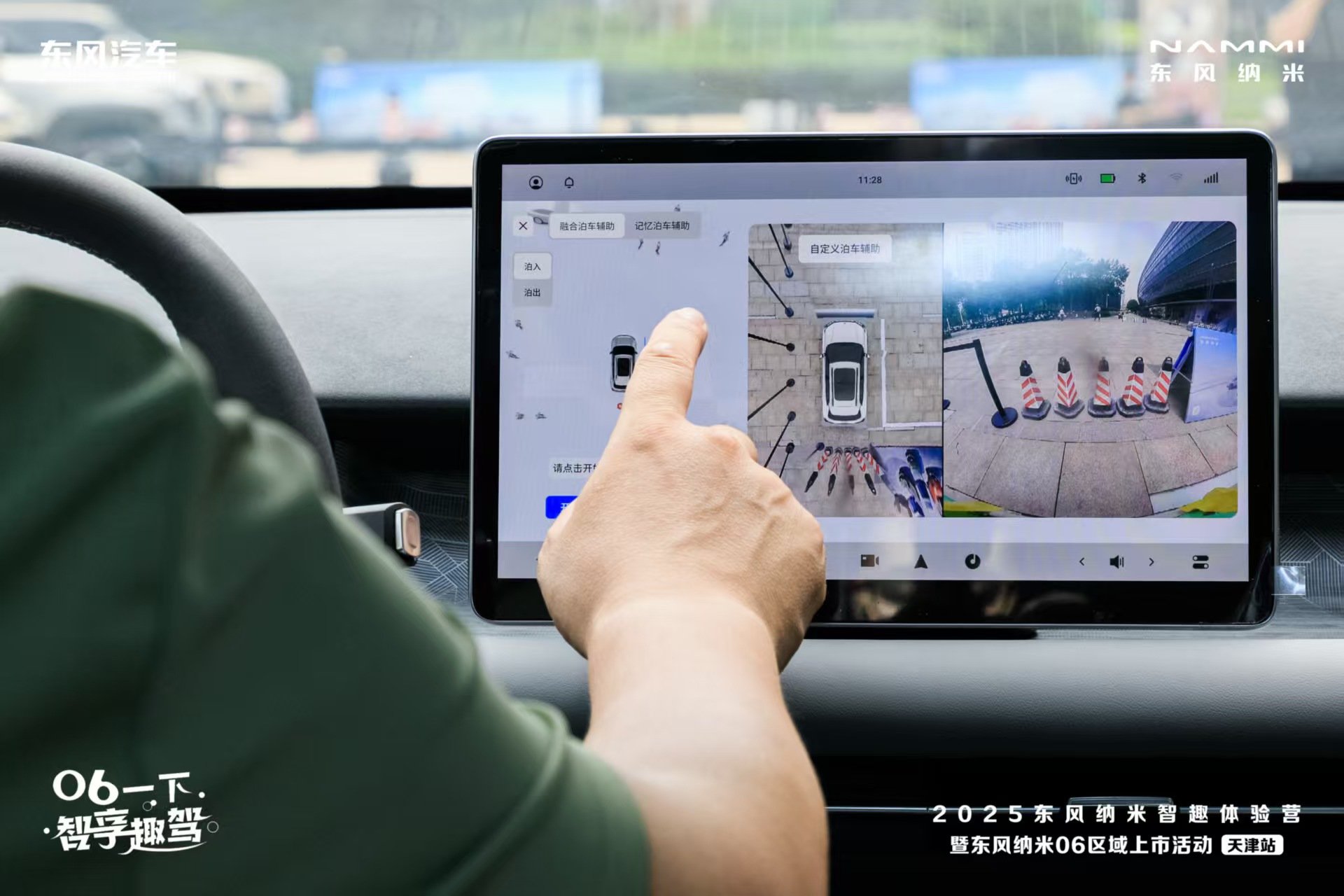
Summary: The Nammi 06's intelligent assisted driving functions can be used directly after purchase; although the Yuan UP also has them, there is a fulfillment delay, which is not very friendly to users with immediate needs.
Three-electric safety: one emphasizes platform assurance, the other emphasizes mature technology
The two cars each have advantages in battery safety and three-electric configuration, but they adopt different strategies:
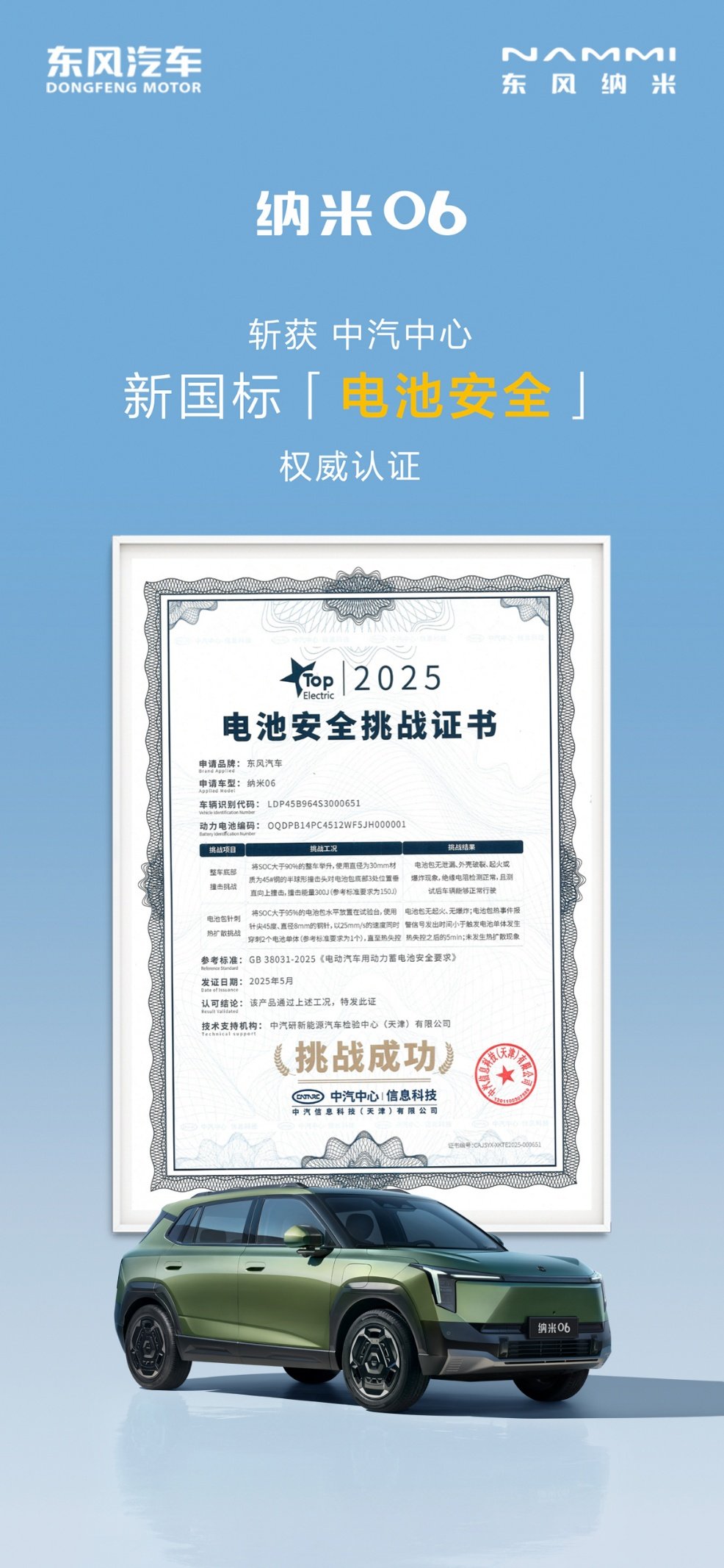
Nammi 06: adopts Dongfeng's self-developed Mach E platform, the battery pack uses aviation-grade aluminum alloy material, and has passed military-grade extreme tests (such as bottom impact, needle puncture, extrusion, etc.). More importantly, it gives users lifetime three-electric + whole-vehicle warranty rights (limited to the first owner).
Yuan UP: adopts BYD's Blade Battery, an industry-recognized battery safety standard, with stable heat resistance and collision resistance, and a good reputation, but the official warranty only gives users basic warranty rights.
Summary: BYD Yuan UP's battery technology is mature and reliable, but the Nammi 06 is more able to move first-time pure electric car buyers in terms of warranty, insurance, and giving users a sense of "being well-equipped."
Final thoughts
After saying so much, actually when we choose a car, it mainly depends on "what you are after." Want to buy a brand with good value retention, high recognition, and peace of mind? Then choosing the Yuan UP is no problem; but if you value practicality, space, range, and intelligent configuration more, then the Nammi 06's overall performance is indeed more impressive.

Especially for users who plan to take their kids on cross-city trips during summer vacation and often travel as a whole family, the Nammi 06's performance can be said to precisely target "core family needs." Of course, what you get from paper is ultimately shallow, so everyone is still advised to go to the store and take a test drive. Once you have touched the steering wheel and sat in the car, you will naturally have your answer.


