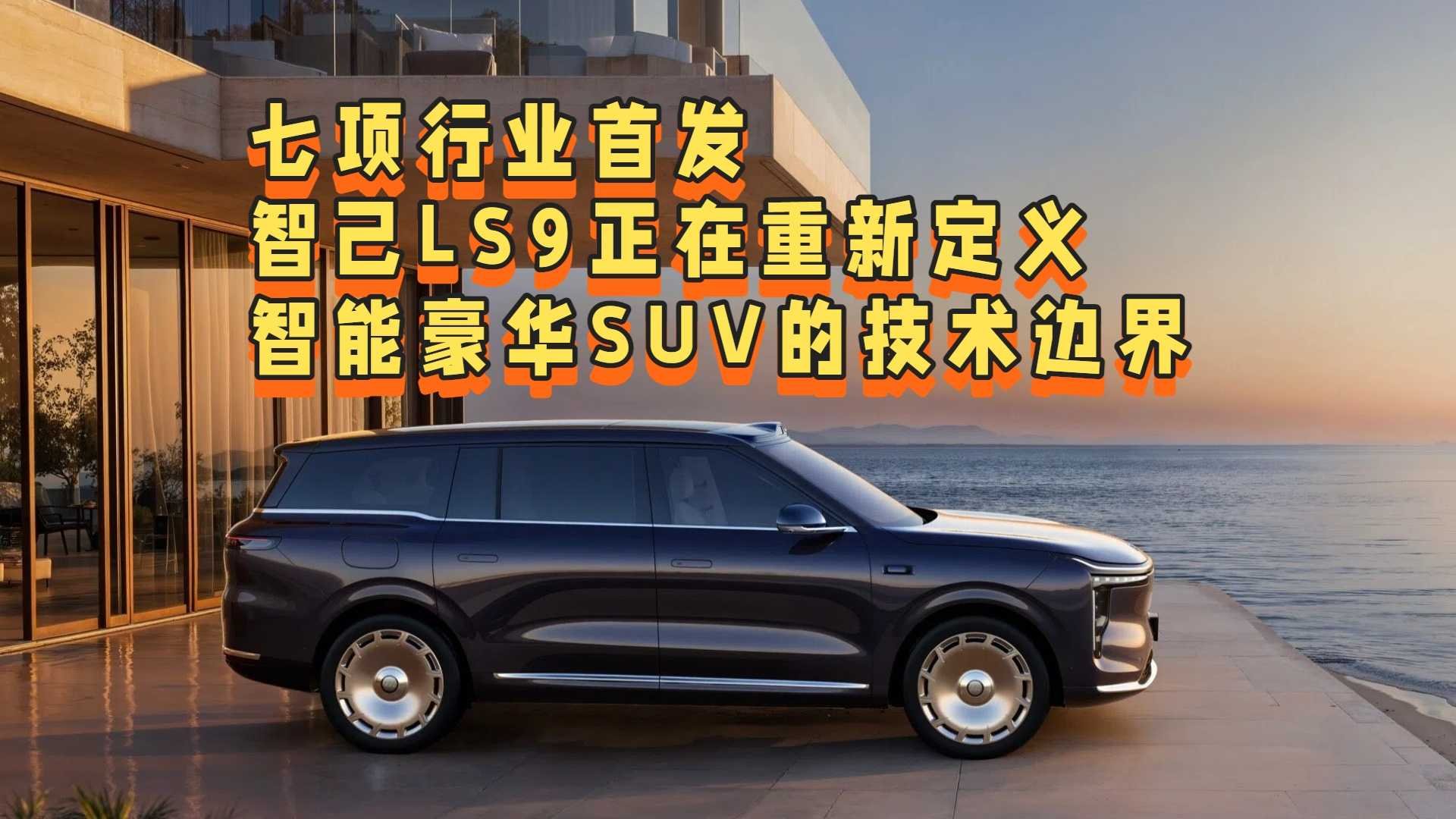
On November 12, IM Motors officially unveiled its new flagship SUV—the IM LS9. This full-size luxury SUV, priced between 336,900 and 366,900 yuan, is not just another product leap for the IM brand, but more like a "technology manifesto" in the era of intelligent vehicles.
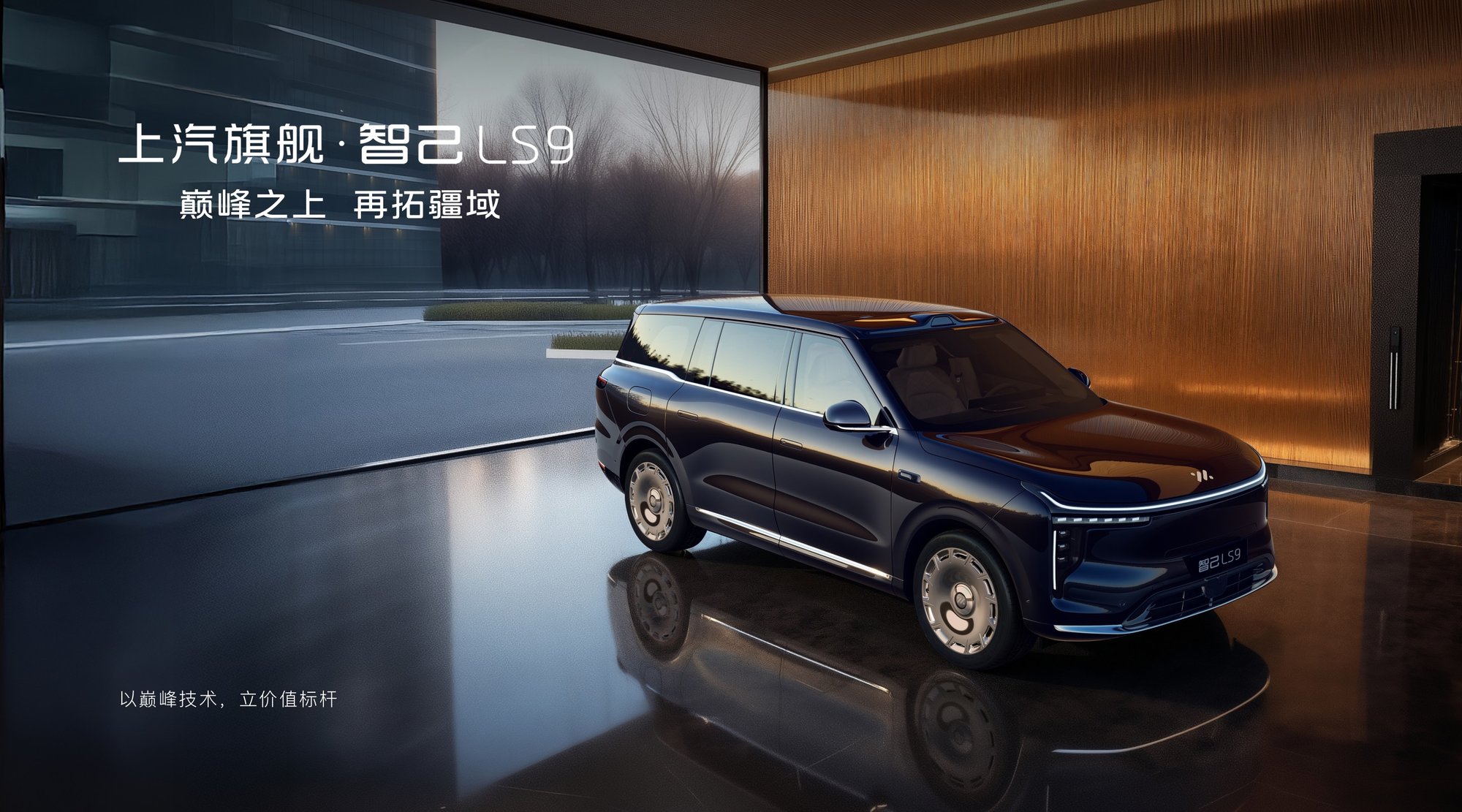
The company claims that the IM LS9 is equipped with seven industry-first black technologies and has achieved "all-domain intelligence" from chassis to intelligent driving to energy systems for the first time. Behind this lies not only IM's deep accumulation in intelligent technology systems, but also a sign that Chinese independent brands are overtaking the traditional luxury hierarchy in the high-end SUV segment.
Three-intelligence system (intelligent driving, intelligent control, intelligent cabin) + two major platforms (Stellar Range Extender System, Lizard Chassis) + one chip (NVIDIA Thor).
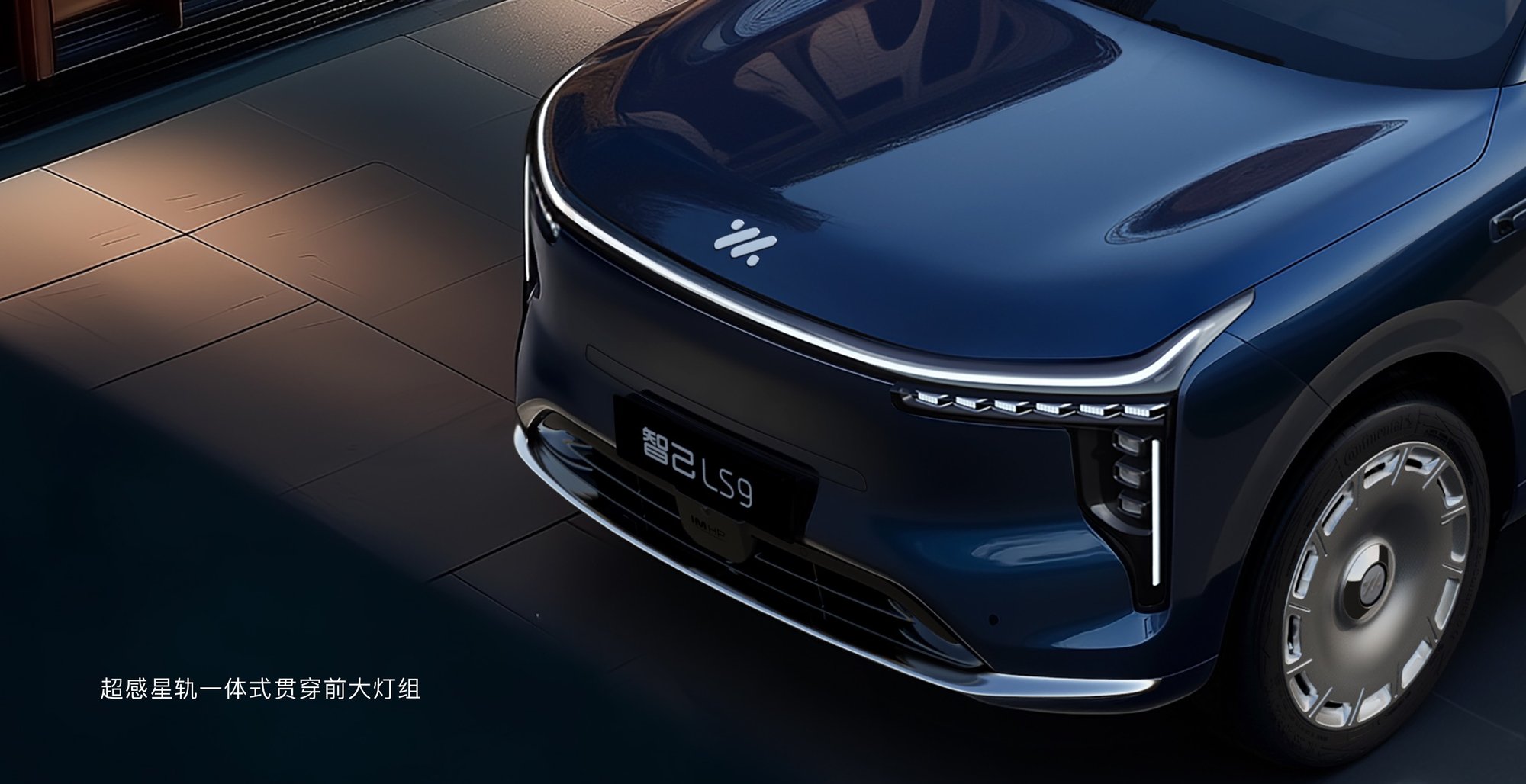
I. 520-line LiDAR: Making Intelligent Driving Truly See Farther
In the field of intelligent driving, the precision of the perception system determines the upper limit of safety and intelligence. The IM LS9 comes standard across all trims with a 520-line ultra-wide-field LiDAR, with an effective detection range of 300 meters.
This is almost a "segment-defying" presence among vehicles at the same price point—compared to the common 128-line radar, its resolution is increased by 4 times, enabling it to identify stationary obstacles on the roadside, irregularly shaped objects, and even road edge lines under complex conditions such as nighttime and rain or fog.
At the same time, the IM LS9's radar is directly scheduled and processed by the NVIDIA Thor chip, with computing power reaching 1000+ TOPS per second, achieving evolution from "passive recognition" to "active perception." The system can generate real-time 3D point cloud maps and predict the intentions of traffic participants through self-developed algorithms.
This means that the IM LS9, at L2 level, already possesses L3-level environmental understanding and response capabilities.
From the owner's perspective, this manifests as more natural lane changes, earlier avoidance, and smoother following distance control.
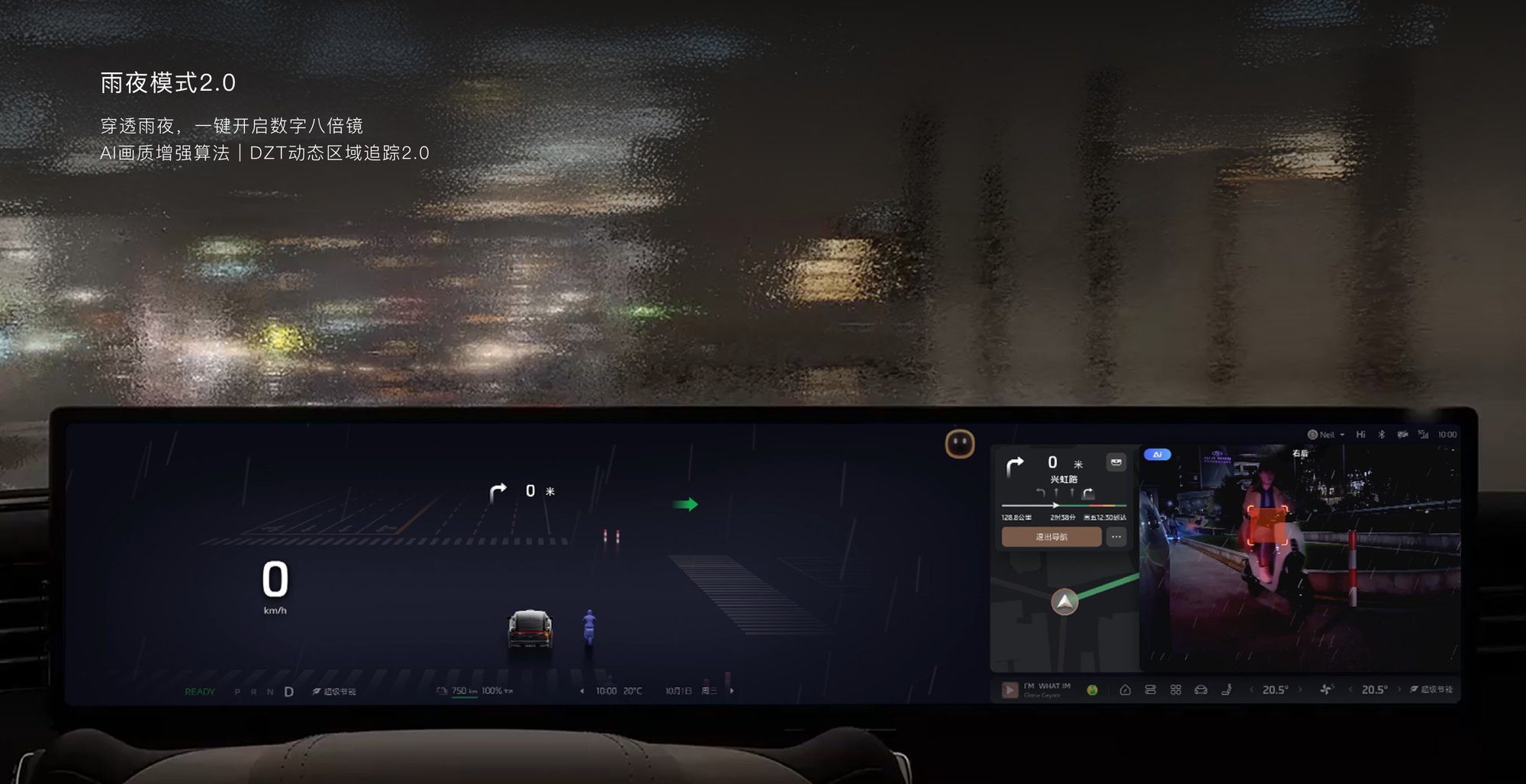
II. NVIDIA Thor Chip: The "Super Hub" of the Computing Power Era
If the LiDAR is the "eyes," then the NVIDIA Thor is the "brain."
This chip, equipped across all IM LS9 trims, is currently the pinnacle representative of NVIDIA's automotive-grade chips, with single-chip computing power reaching 2000 TOPS. It integrates autonomous driving, intelligent cabin, AI voice, and image processing across all domains, reducing the vehicle's computing latency from milliseconds to microseconds.
The power of the Thor chip lies in its "fusion computing"—it can simultaneously handle data streams for intelligent driving control and cabin entertainment, eliminating the need for separate control units, thereby reducing wiring, lowering energy consumption, and improving response speed.
This is also the key to why the IM LS9 can demonstrate "millisecond-level response" in real-world experience.
In comparison, the current Li Auto L9 still uses a dual Orin-X chip solution (total computing power of 508 TOPS), while the IM LS9's computing power is nearly 4 times that. This means IM has greater potential in AI model training, path planning, and multi-sensor fusion, and also leaves a higher "ceiling" for subsequent OTA upgrades.
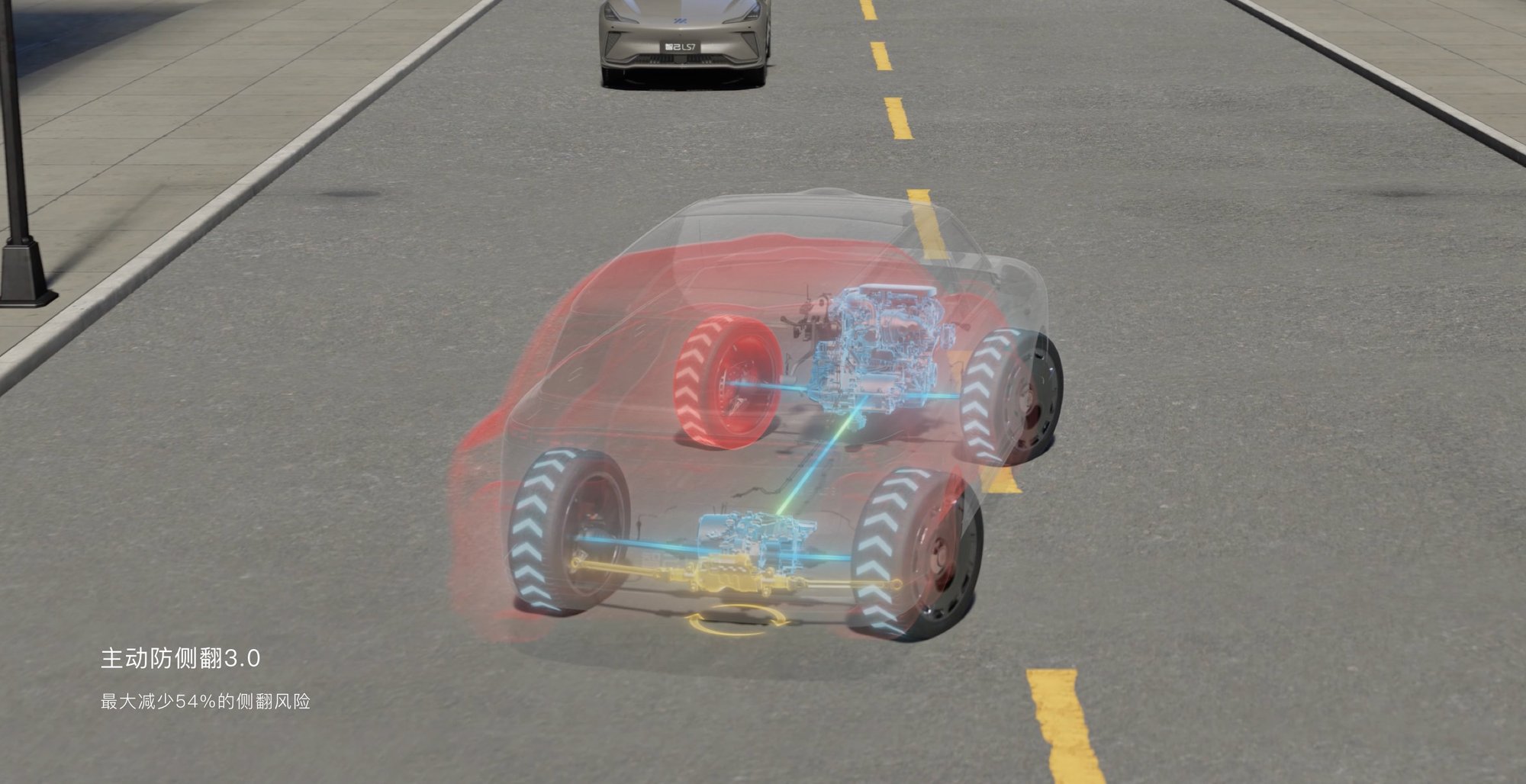
III. Lizard Digital Chassis 3.0: Making a 5.2-Meter Behemoth as Agile as a Sedan
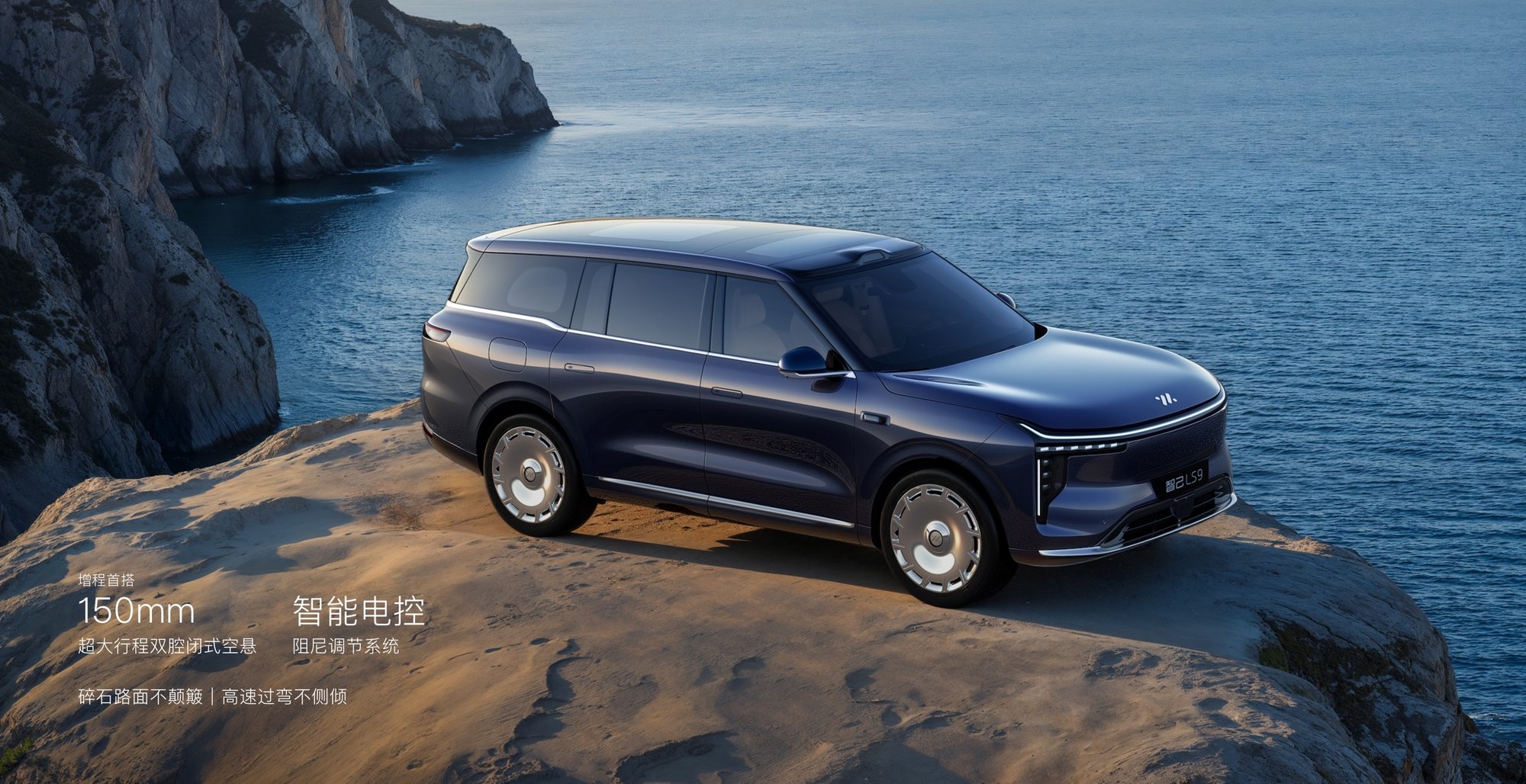
Chassis intelligence is the new battleground for new energy SUVs. The IM LS9 is equipped with the self-developed Lizard Digital Chassis 3.0 system, which is the industry's first SUV platform capable of bidirectional 24° four-wheel steering.
Its principle lies in: through the triple coordination of steer-by-wire + brake-by-wire + air suspension, the vehicle can intelligently distribute steering angle and suspension stiffness according to real-time road conditions.
In extreme cases, the turning radius is only 4.95 meters—almost equivalent to an A-segment sedan.
The Lizard Chassis 3.0 also has self-learning capability.
When the driver repeatedly travels on a certain route, the system will learn driving habits, road gradients, and cornering angles through AI, automatically optimizing suspension stiffness and energy recovery strategies.
This underlying intelligent control not only makes driving more stable, but also gives passengers a more "silky" experience.
More critically, it gives the IM LS9 the rare ability among high-end SUVs to combine agility and comfort.
IV. "Stellar" Super Range Extender System: A "New Paradigm" of Energy Efficiency
At a time when pure electric and hybrid technologies are developing in parallel, IM has chosen a more extreme path—intelligent range extension.
The "Stellar Super Range Extender System" consists of a 1.5T dedicated range extender + dual-motor drive + high-efficiency management system, with a maximum combined power of 390kW and peak torque of 670N·m.
Official data:
Pure electric range: up to 402km (CLTC)
Combined range: 1508km
0-100km/h acceleration: 4-second level
Unlike traditional series-parallel hybrids, the Stellar system adopts an "energy domain intelligent control algorithm"—above 90km/h, the engine directly participates in driving to reduce energy conversion losses; while in urban commuting, the electric motor is fully the primary drive, with the engine only maintaining stable battery SOC.
This means that in real-world usage scenarios, the LS9 can achieve better fuel efficiency on highways and greater quietness in cities.
At the same time, thanks to the 800V silicon carbide platform, fast charging for 10 minutes can add 300km of range, providing ample peace of mind for long-distance travel.
V. 4D Mechanical Massage Seats: From Intelligent Hardware to "Sensory Algorithms"
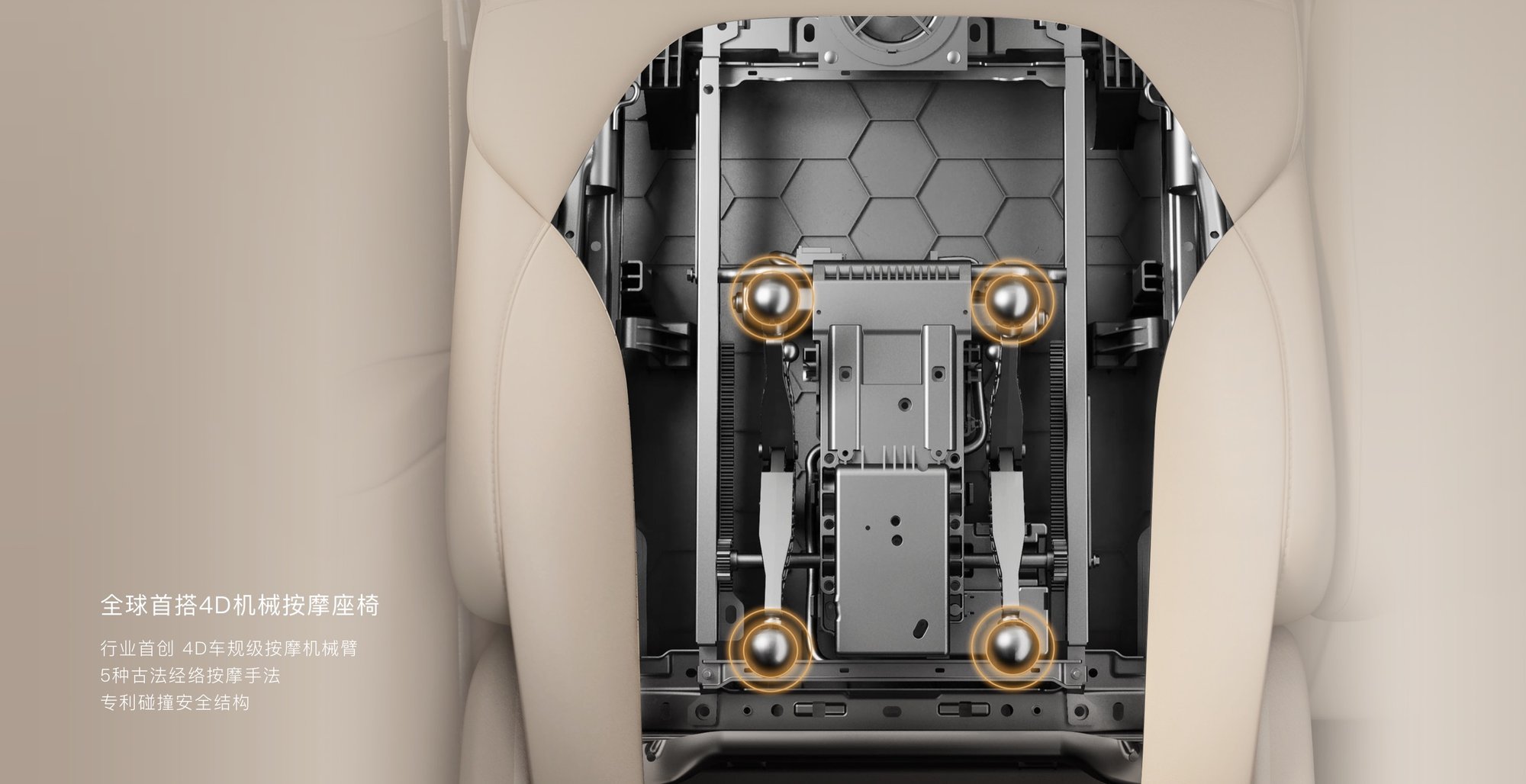
In the IM LS9's cabin, the most eye-catching feature is not the large screen, but the set of 4D mechanical massage seats claimed to be a "world first."
Unlike traditional airbag-type massage, it adopts a multi-axis mechanical push rod structure that can simulate deep muscle massage movements and adjust intensity in real time based on the vehicle's driving posture and vibration frequency.
The system uses gyroscope and chassis feedback data to determine whether the vehicle is accelerating, braking, or bumping, thereby automatically adjusting the massage mode.
For example, when the vehicle takes a high-speed corner, the seat will slightly tighten the lumbar support, creating a sense of security like "being embraced."
This "sensory algorithm" embodies IM's R&D philosophy: giving technology emotional understanding.
VI. Intelligent Cabin: From Three-Screen Linkage to AI Co-Pilot
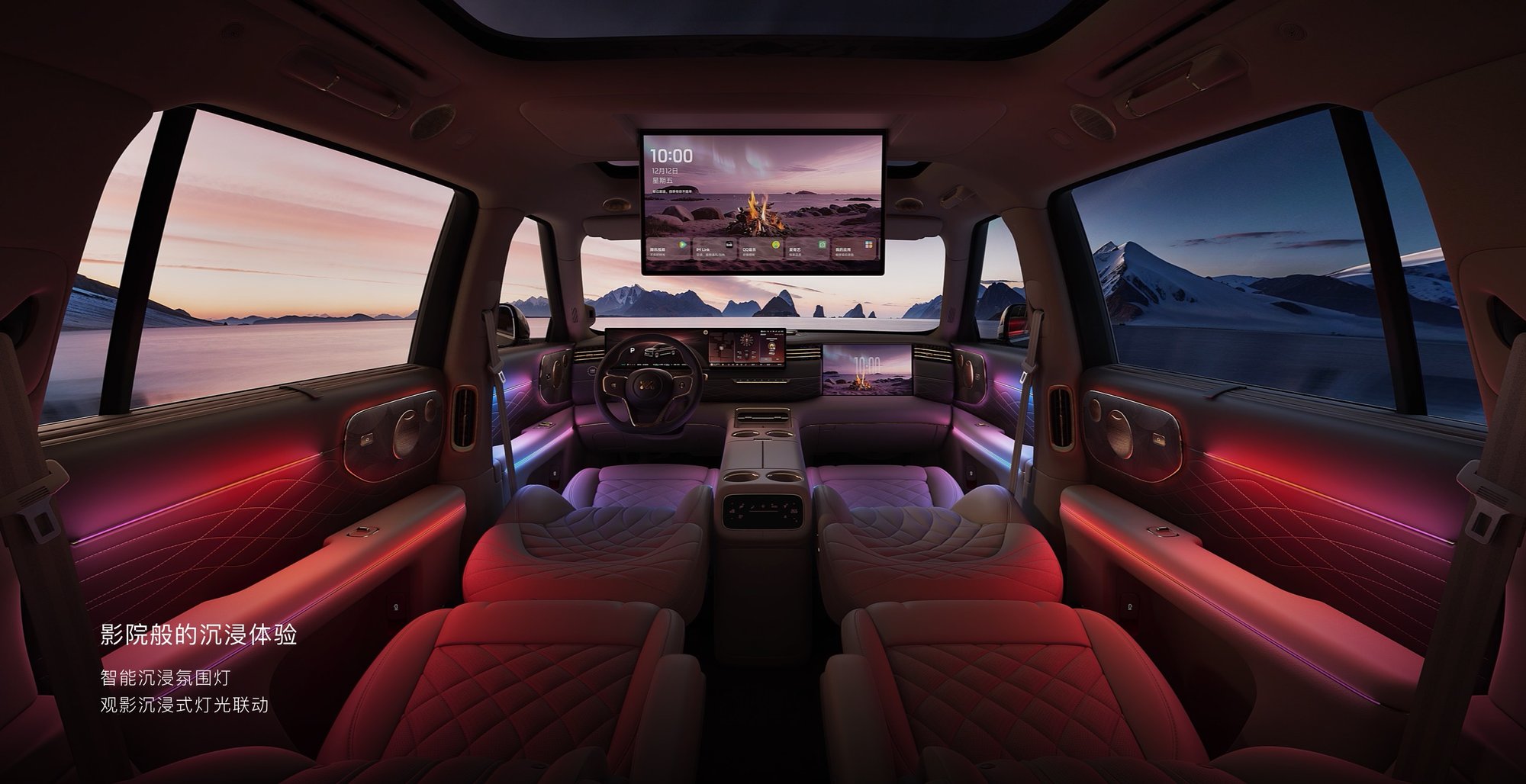
The IM LS9's cabin adopts a "three-screen linkage" layout of a 27.1-inch 5K central control screen + 15.6-inch passenger screen + 21.5-inch overhead screen, based on the self-developed IM OS system.
It can achieve multi-screen information flow interoperability, for example, navigation routes can be transferred between the main screen and passenger screen, and in-car entertainment and AI co-pilot voice can operate simultaneously, achieving "task-level parallelism."
The AI co-pilot has voice continuous conversation, gesture recognition, and emotion recognition functions. When the user's tone changes or their expression shows anxiety, the system will automatically adjust the ambient lighting and music style.
This allows the IM LS9 to truly possess "empathy" in the intelligent cabin experience.
VII. Safety System: The "Double Insurance" of Mechanics and Algorithms
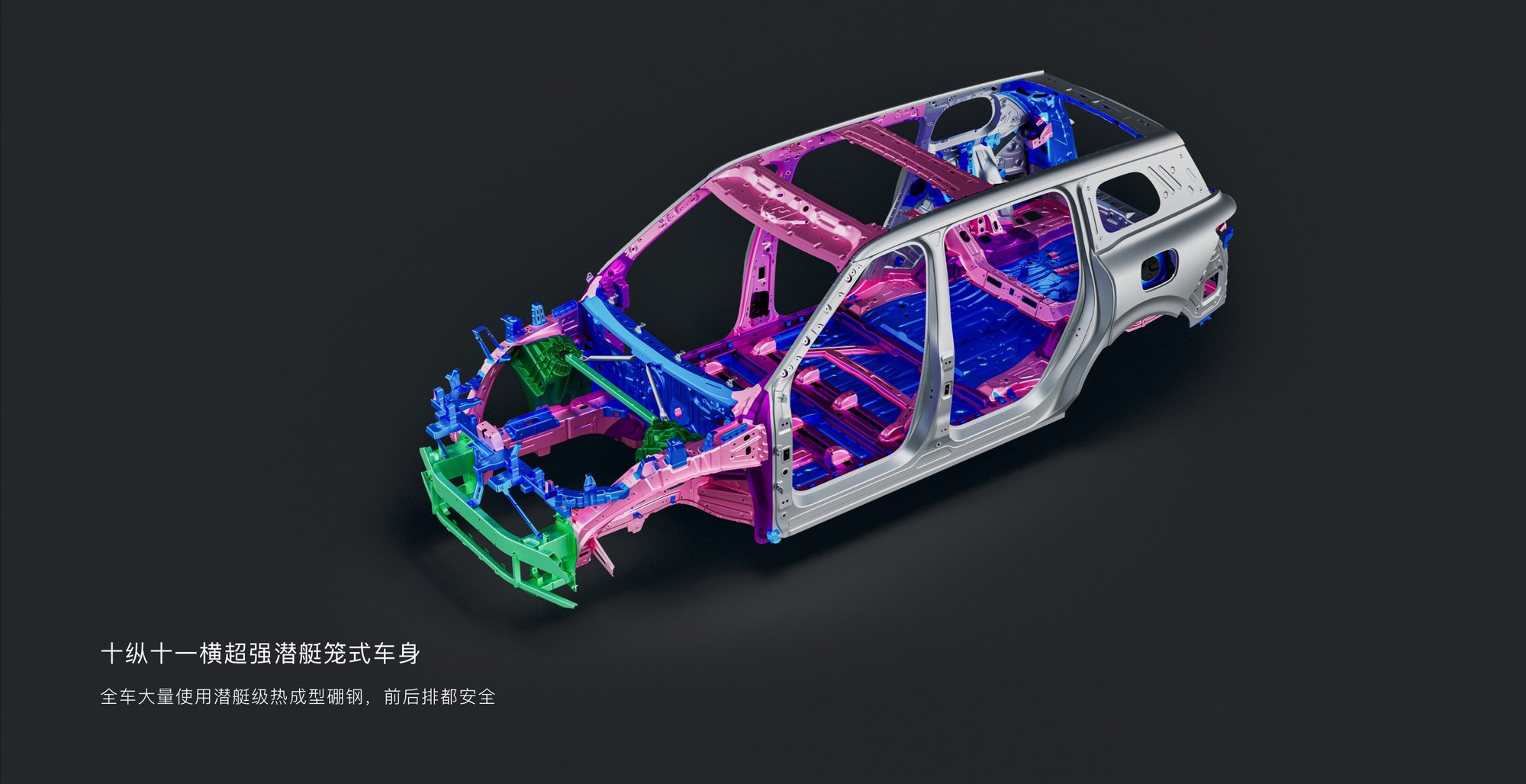
The IM LS9 adopts a high-strength steel + aluminum alloy hybrid body structure, with tensile strength in key areas exceeding 1500MPa.
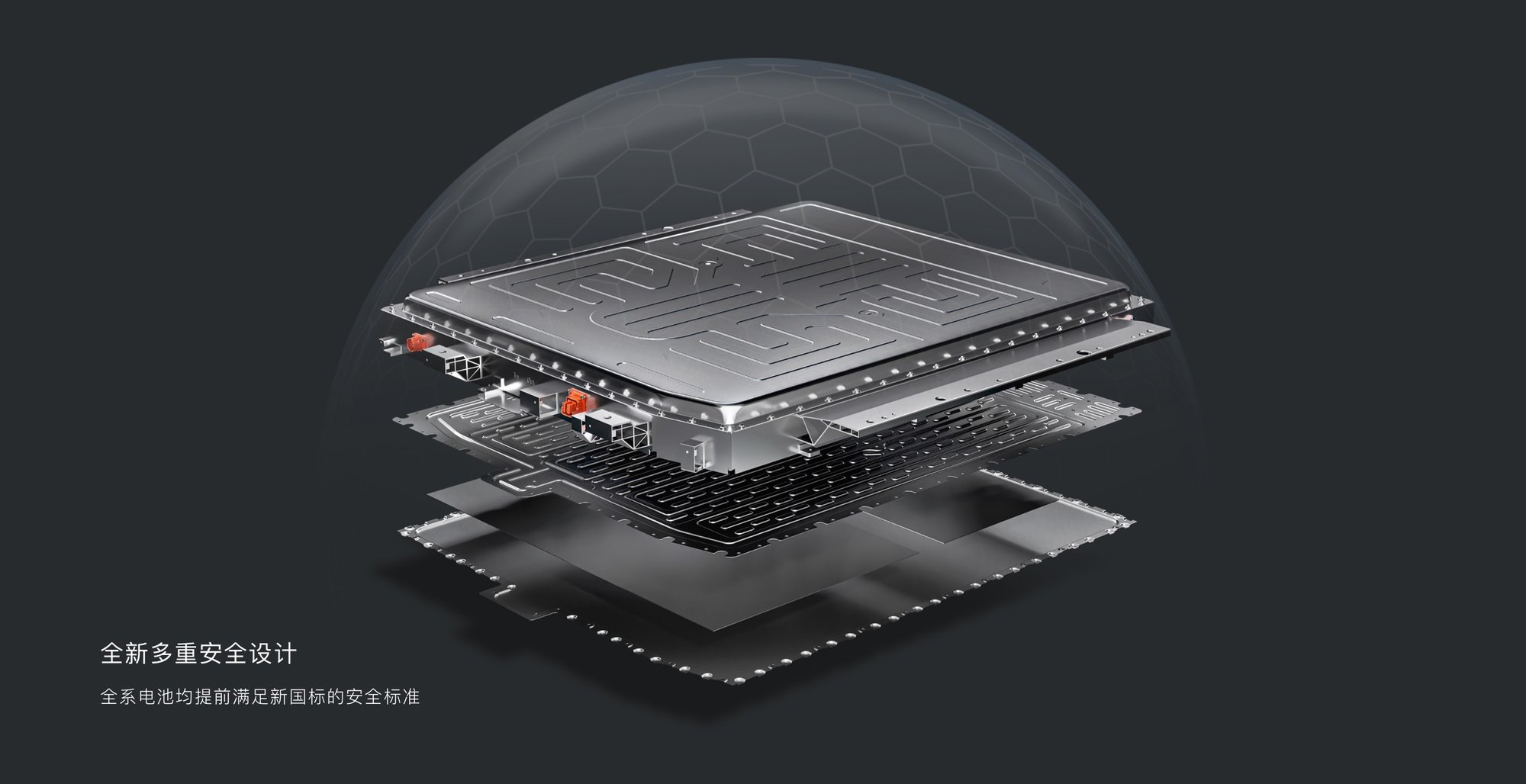
The battery pack adopts an anti-collision cage-style layout and achieves a thermal runaway suppression rate of 99.99% through a multi-layer liquid cooling system.
More noteworthy is that IM's MK C2 brake-by-wire system not only improves energy recovery efficiency, but also can complete hydraulic response within 0.05 seconds during emergency braking, twice as fast as traditional braking.
This means that every "brake press" in the IM LS9 is backed by algorithms making judgments "one step ahead of you."
VIII. Conclusion: IM Is Making "Intelligence" Truly Land
In the new energy market, "intelligence" has long become a keyword, but there are not many brands that truly achieve integration across the three layers of intelligent driving, intelligent control, and intelligent perception.
The IM LS9 does not win by stacking features, but rather achieves a leap "from mechanical intelligence to perceptual intelligence" across multiple dimensions.
From the 520-line LiDAR to the Thor chip, from the Lizard Chassis to the Stellar System, IM has pushed "intelligent vehicles" back to the core logic of engineering systems—intelligence is the ability of system coordination, not feature stacking.
If the Li Auto L9 represents the benchmark for family intelligence and comfort, then the IM LS9 is more like a "flagship SUV with an engineer's mindset":
It is not loud, but in every technical detail, it writes the confidence of China's intelligent vehicles.