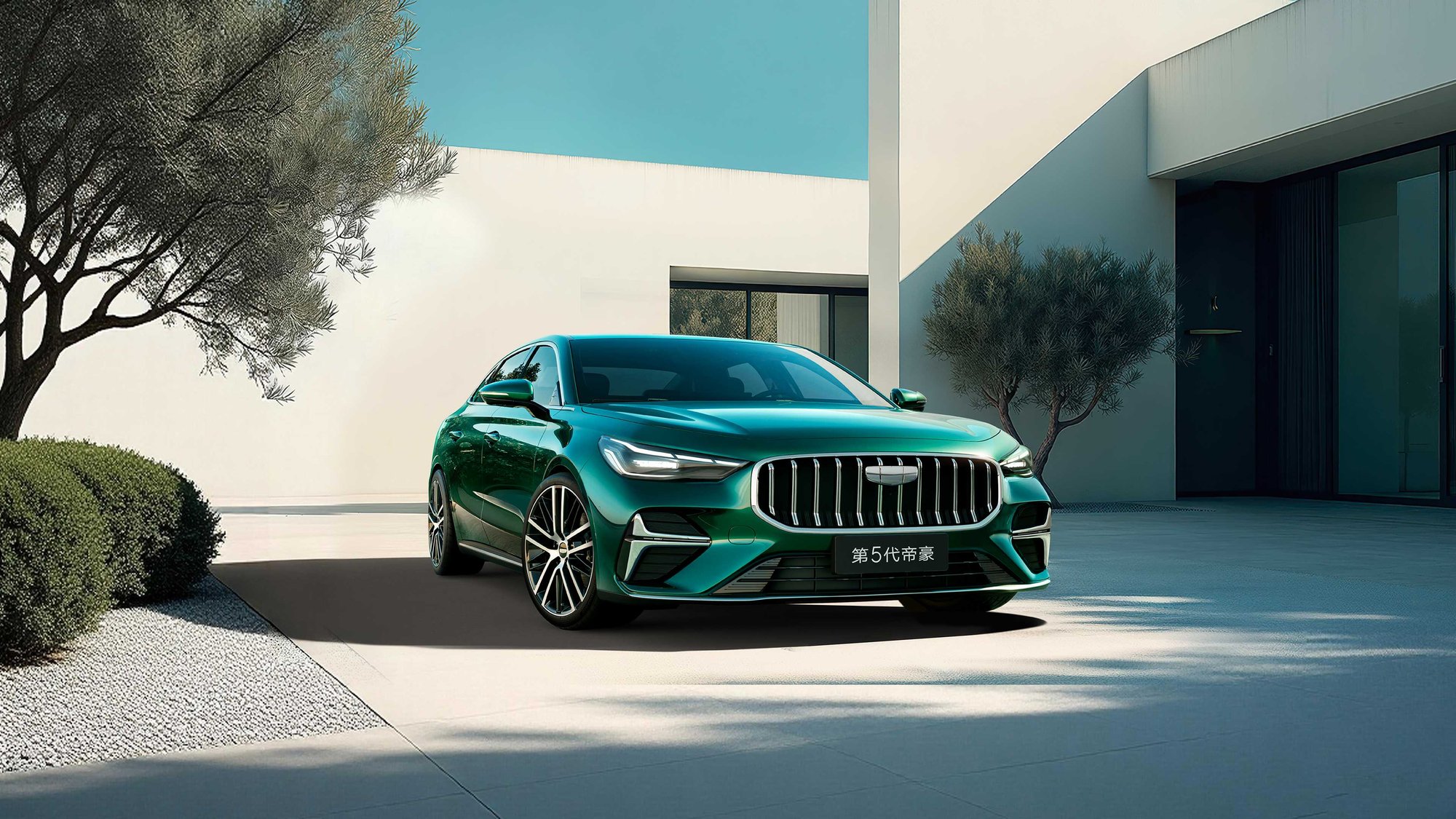
Many people look at the 5th-generation Emgrand and see only a few keywords:
limited-time price of 65,900–82,900 yuan
1.5L+CVT / 1.5T+7DCT
Flyme Auto smart cockpit
BMA Evo modular architecture, 85.1% cabin-to-body ratio
If you look at this car again from an engineer's perspective, you will find that it is not "maxed out everywhere," but rather a very typical goal-oriented engineering product:
under the constraints of a 70,000–90,000 yuan price and fuel powertrains, it prioritizes three things—interior space, intelligent experience, and everyday power delivery—while everything else follows a "good enough first" principle.
Below is an engineering-logic breakdown of this car.
I. Platform and Body: Doing "Space Engineering" Under Cost Constraints
1. Dimensions and Positioning
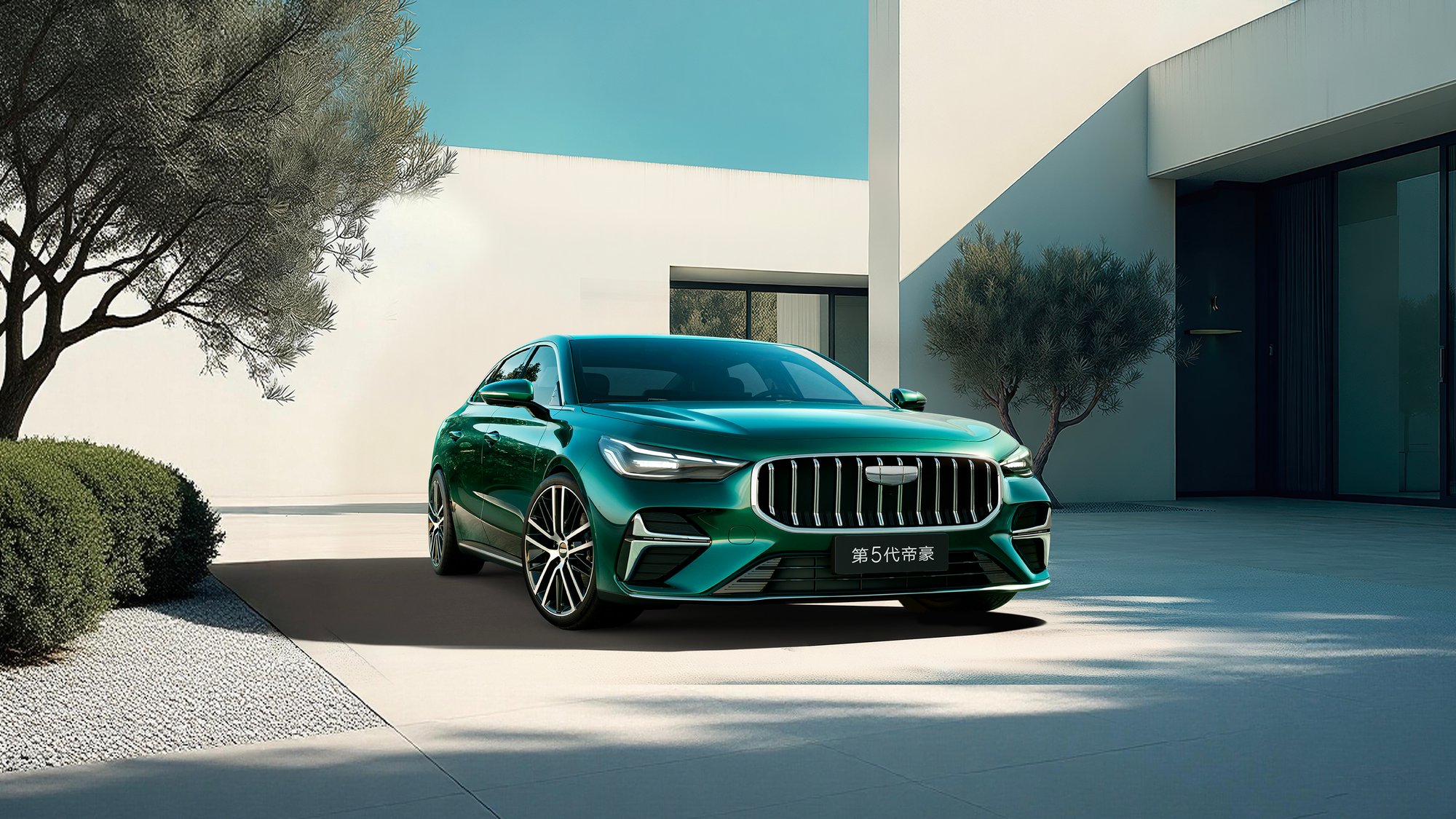
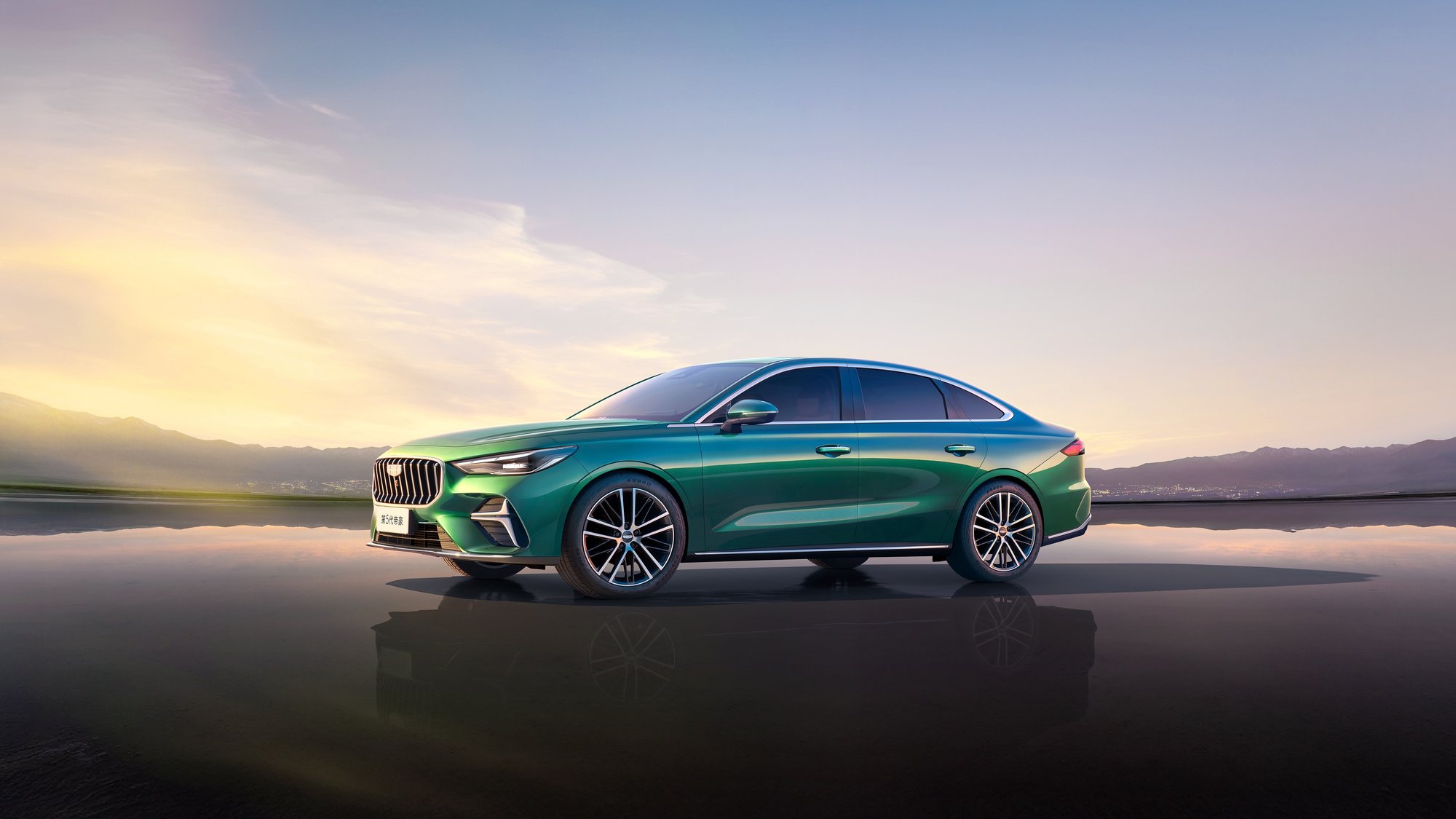
Body dimensions: 4815 / 1885 / 1480 mm
Wheelbase: 2755 mm
Architecture: BMA Evo global modular architecture
Official "cabin-to-body ratio": 85.1%
This set of numbers is quite interesting—
the Galaxy E8 (plug-in hybrid) on the same platform is 4806 / 1886 / 1490 mm, with a wheelbase of 2756 mm, so it can be considered that the two cars are highly homologous in body-in-white structure and hardpoint layout, with the Emgrand effectively being "the fuel version of the same body-in-white."
In engineering terms, this means three things:
Platform reuse:
body tooling, crash structure, and supply chain can be highly shared;
this helps lower per-vehicle cost and frees up resources for interiors and infotainment, where users perceive value more easily.
Space-first strategy:
achieving an 85.1% cabin-to-body ratio without extremely stretching the wheelbase shows that:
front and rear passenger space accounts for a relatively high proportion;
the engine bay, longitudinal members, and energy-absorbing zones have been compressed and optimized while still meeting regulations and crash requirements.
"Compact car" metrics, approaching A+ segment size:
a 4815 mm body length and 2755 mm wheelbase are already close to many A+ joint-venture sedans;
for engineers, this means a finer balance among vehicle weight, fuel consumption, and cost, rather than simply "making the dimensions bigger."
2. Body Styling and Aerodynamics
Although the official drag coefficient is not given, from the geometric form:
the front adopts a concave vertical-slat grille plus a relatively smooth front bumper,
the roofline is fairly flat, without a fastback,
and the rear is almost identical to that of the Galaxy E8.
It can reasonably be inferred that this generation of Emgrand aims to **"balance drag and space,"** rather than exchanging a bit of Cd value for a more aggressive rear slope like some coupe-like models.
For a fuel car focused on family use, the engineering trade-off leans more toward spatial comfort than extreme aerodynamic drag.
II. Chassis and Structure: A Typical "Family-First" Approach
1. Suspension Structure
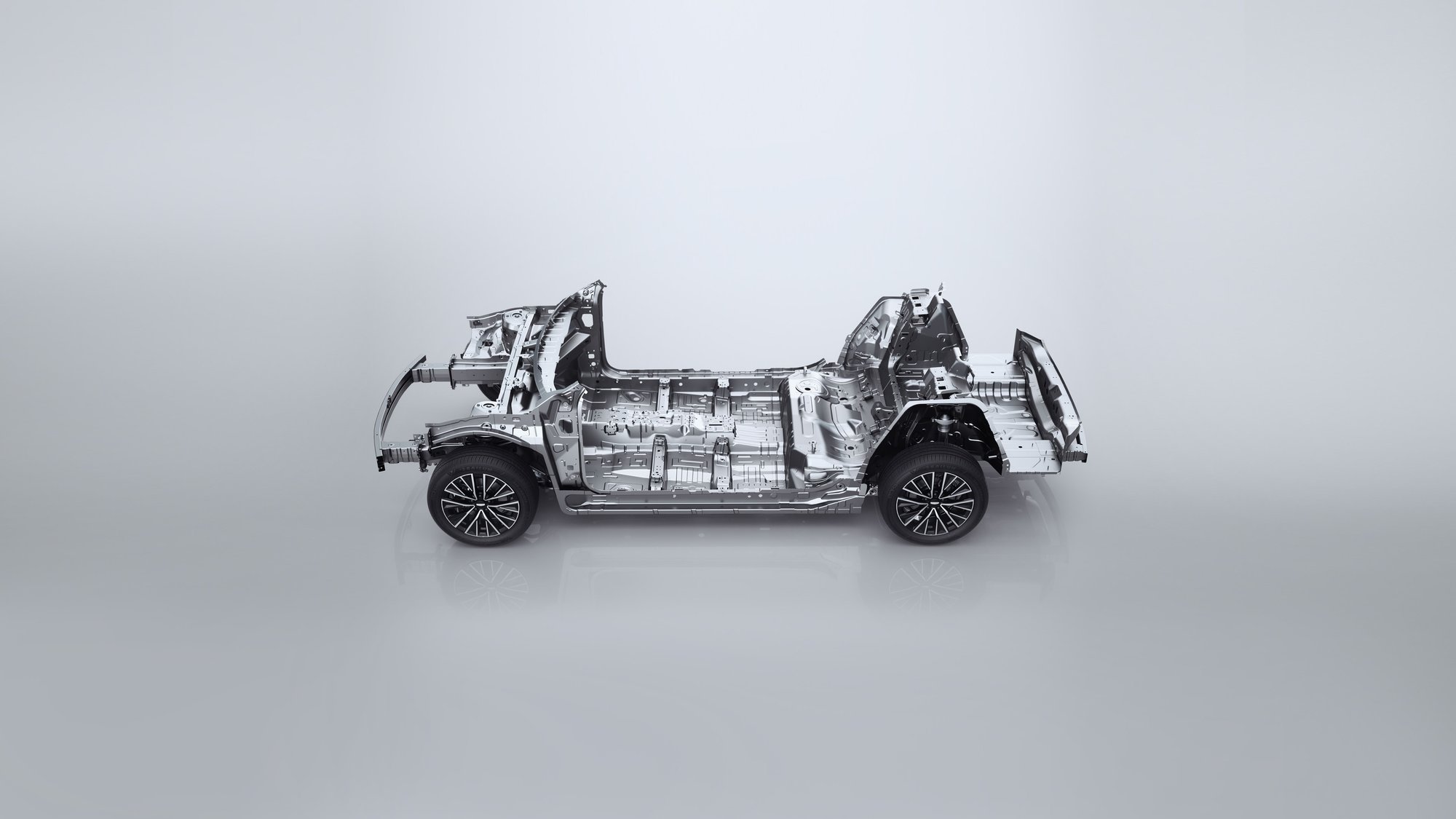
Front suspension: MacPherson independent suspension
Rear suspension: torsion beam semi-independent suspension
This combination can be seen as the "industry-standard formula" for family sedans in the 70,000–100,000 yuan class, for a simple reason:
MacPherson:
fewer parts, simple structure, small footprint;
controllable cost, with enough roll control and comfort for family scenarios.
Torsion beam:
beam stiffness and cross-sectional shape can be tuned to find a balance between "comfort and handling";
occupies less longitudinal space, helping rear floor height and trunk volume;
cost is significantly better than a multi-link setup, and reliability is also higher.
From an engineering perspective, this configuration indicates several things:
a multi-link setup was not used just to "look premium"—because consumers in this class are not sensitive to limit handling;
more budget went into the infotainment, materials, and powertrain, which better matches the target user's real usage scenarios;
combined with the BMA Evo platform, the torsion beam layout has most likely already been integrated into the vehicle's NVH and body stiffness strategy, rather than "forcing an old platform to fit."
III. Powertrain: Two Calibration Logics for Different Needs
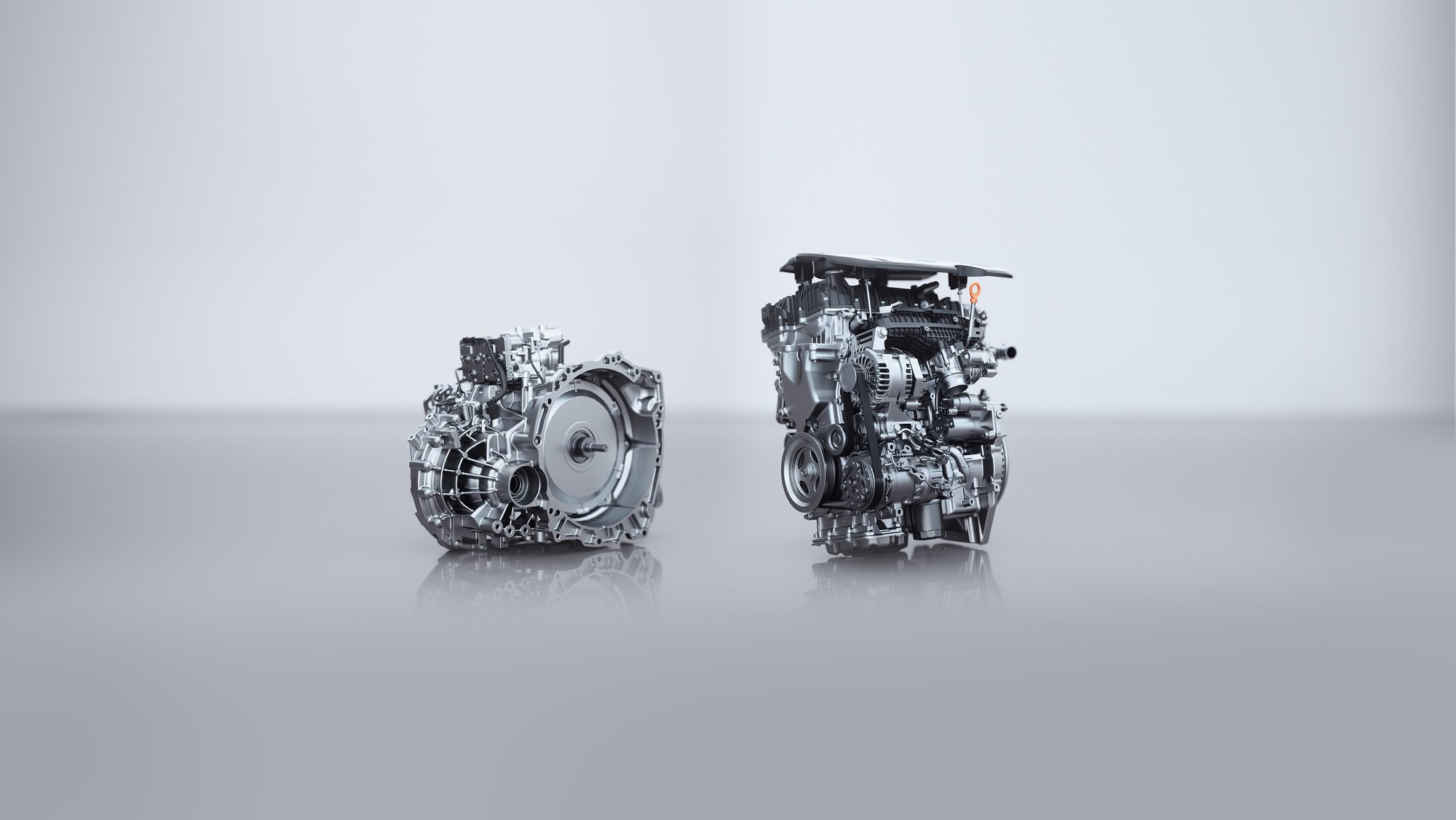
The 5th-generation Emgrand offers two powertrains, aimed at two types of user mindset.
1. 1.5L + CVT: A Minimalist, Reliable Solution
Engine: 1.5L naturally aspirated
Maximum power: 88 kW
Peak torque: 150 N·m
Transmission: CVT (simulates 8 speeds)
Engineering interpretation:
Naturally aspirated + CVT = the standard "durable, easy to live with" combination
An NA engine has a simple structure, low thermal load, and friendlier long-term reliability and maintenance costs;
under most operating conditions, the CVT keeps the engine in a relatively efficient speed range, which is friendly to urban commuting fuel consumption.
Calibration goals lean toward "smoothness first" rather than punch-in-the-back acceleration
The 8-speed simulation is more about driving perception (preventing a "tractor-like feel");
actual operation is continuously variable, with calibration mapped through throttle opening and vehicle speed to control the engine speed climb rate while balancing NVH.
Applicable scenarios
Daily commuting, city ring roads, occasional elevated expressway cruising;
the user's need for "power" is more about: not feeling sluggish off the line, not panicking when accelerating, and keeping fuel consumption controllable.
2. 1.5T + 7DCT: A Performance/Energy-Consumption Balance Solution
Engine: 1.5T turbocharged
Maximum power: 133 kW
Peak torque: 290 N·m
Transmission: 7-speed wet dual-clutch DCT
0–100 km/h: 7.9 s
Official fuel consumption: about 5.95 L/100 km
Engineering focus points:
Power density and torque output
Achieving 133 kW / 290 N·m from a 1.5T displacement is already a fairly aggressive set of parameters;
this corresponds to higher boost pressure and refined fuel injection/ignition strategies, requiring more mature thermal management and knock control.
The choice of a wet DCT
Compared with a dry unit, a wet DCT has stronger torque-carrying capacity and better low-speed launch stability;
shift times are short and transmission efficiency is high, balancing acceleration performance and fuel consumption;
the calibration workload is relatively greater, requiring the "jerk window" to be compressed in stop-and-go conditions.
7.9 s to 100 km/h + about 5.95 L fuel consumption
These two metrics show that:
acceleration calibration follows a path of "usable mid-and-high torque," providing ample driving force during mid-range acceleration;
at the same time, through the DCT's gear arrangement, engine speed is lowered in cruising gears, bringing fuel consumption back into a reasonable range.
From an engineer's perspective, the 1.5T + 7DCT combination is more like:
"raising performance slightly by one notch" in the same class, but not at the expense of long-term ownership cost.
IV. Electrical/Electronic Architecture and Infotainment: Using a Cockpit to Create a "Generational Feel"
1. Infotainment and Interaction Architecture
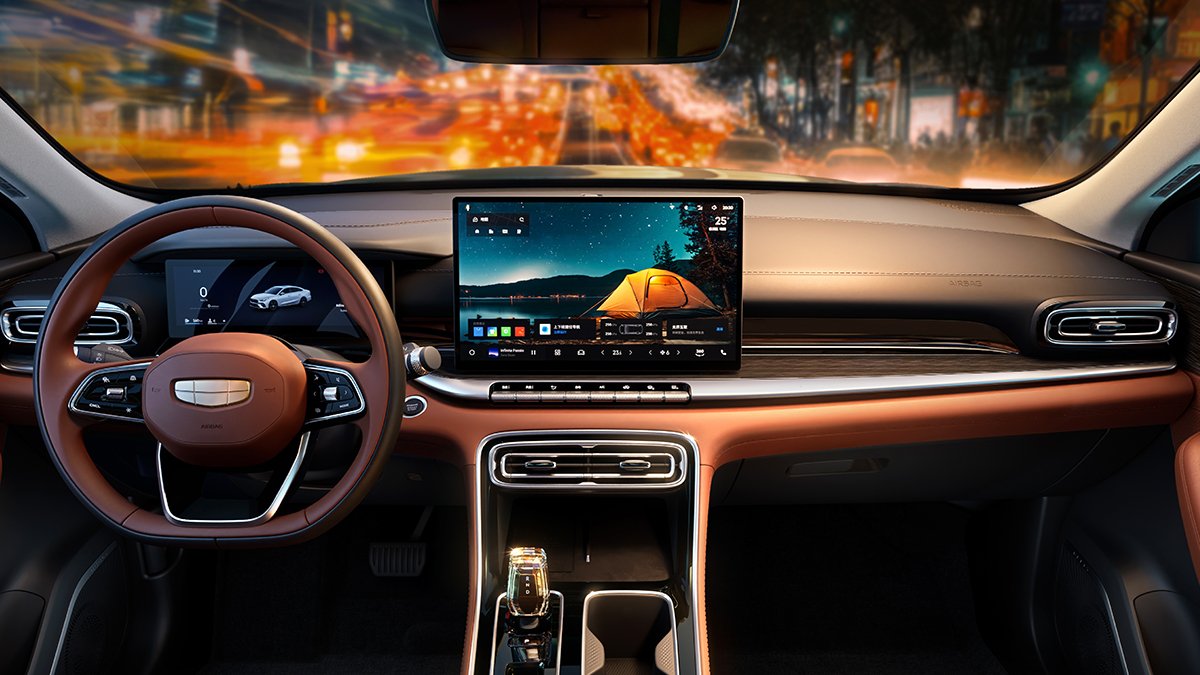
Instrument cluster: 10.25-inch full LCD
Center screen: 14.6-inch HD display
System: Flyme Auto smart cockpit
Functions:
small-window multitasking
SmartBar quick interaction
full-screen gestures
all-scenario voice control
Carlink & HUAWEI HiCar seamless connection
The engineering significance lies in:
"De-appliancization" of the E/E architecture
Large center screens and instrument clusters mean higher-bandwidth in-vehicle networks and stronger SoCs;
unifying the interface and interaction logic through Flyme Auto reduces the user's learning cost.
Human-machine interaction logic shifts from "button-based" to "scenario-based"
Voice + gestures + small-window multitasking essentially reduce driver gaze diversion caused by operation;
SmartBar centralizes commonly used functions and reduces menu hierarchy—this is a typical HMI engineering optimization.
Bridging the phone ecosystem
Carlink and HiCar seamless connection solve the real problem that "users are unwilling to migrate their app habits";
from an engineering standpoint, it reduces the risk of dependence on the infotainment system's built-in app ecosystem.
2. Center Console and Shifting Mechanism
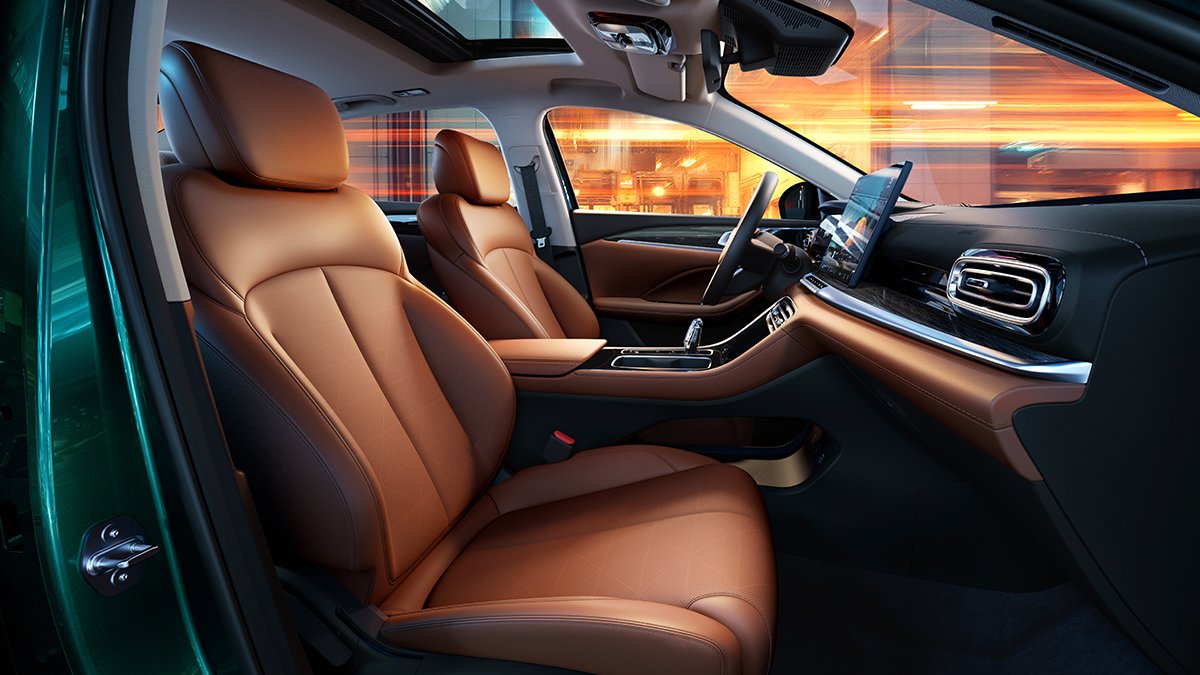
Adopts an electronic shifter while retaining a physical shifting area;
equipped with a crystal gear lever similar to the new-generation Boyue;
features 50W air-cooled wireless fast charging.
Behind these designs are actually two points in engineering planning:
Electronic shifting frees up layout freedom
After eliminating the mechanical cable, center console layout becomes more flexible;
this reserves the possibility for different future functional layouts (more storage, expansion interfaces, etc.).
Engineering solution for the phone "rigid demand"
50W air-cooled wireless fast charging is not "icing on the cake," but rather a solution to phone heat-induced throttling under high-temperature conditions and during long navigation sessions;
for engineers, this is a typical "detail optimization for a specific usage scenario."
V. NVH and Comfort: Chain Reactions from Architecture to Parameters (Inference)
Although the materials you provided do not include specific NVH data, some reasonable engineering-level inferences can be made from the available information:
BMA Evo platform: usually means hardpoint layout, vibration isolation paths, and acoustic packages have already been validated across more than one generation of models;
Torsion beam rear suspension + long wheelbase:
longitudinal vibration filtering mainly relies on spring stiffness and damper damping calibration;
lateral stiffness is controlled through the torsion beam cross-section, balancing steering response and ride comfort over bumps.
In this class, engineers will try their best to:
keep road noise from being overly prominent in the high-frequency range (tire/sound insulation material selection);
control vibration and noise peaks in the engine's everyday speed range (1500–2500 rpm);
for the 1.5T version, do a good job of "minimizing the perceived presence" of boost engagement sound, reducing the driver's subjective discomfort at the "moment of intervention."
VI. Driver Assistance: The H3 Solution Is the Key Option to "Pull Up One Notch"
Solution: Qianli Haohan driver assistance H3
Optional package: Upward Technology Package, limited-time 6,000 yuan
From the naming and positioning, this type of solution usually covers:
ACC adaptive cruise
lane keeping / lane centering
forward collision warning + active braking
partial speed-limit recognition and following
Key issues that need to be handled from an engineering perspective:
Sensor and cost balance
At this price point, it is unlikely to use a high-cost multi-radar + high-definition camera combination;
more often, software algorithms are used to extract capability from existing sensors (such as monocular/binocular cameras + millimeter-wave radar).
Control logic and comfort
Longitudinal control (acceleration/deceleration) should resemble a "human driver" as much as possible, avoiding frequent subtle braking and acceleration;
lateral control (lane keeping) needs to find a balance between straight-line stability and curve following, preventing the swaying feel of "constant correction."
Coordination with the mechanical chassis
The EPS assist curve and damper calibration must account for changes in body attitude when ADAS intervenes;
otherwise, even if the function "works," the subjective experience will be greatly diminished.
VII. A Brief Summary from an Engineer's Perspective: This Is a Car with "Very Clear Resource Allocation"
If one were to summarize the 5th-generation Emgrand in an engineer's words:
This is a family sedan that, under cost constraints, pushes the three metrics "ordinary users feel most"—space, intelligence, and power—as far as possible.
Its trade-offs are roughly as follows:
Modules prioritized for maxing out:
Interior space (dimensions + cabin-to-body ratio)
Infotainment and human-machine interaction (Flyme Auto + large screen + phone ecosystem)
Power metrics of the 1.5T + 7DCT
Optional H3 driver assistance as "upward capability"
Modules that control cost but remain good enough:
Rear suspension uses a torsion beam rather than multi-link
No extreme fastback or coupe styling, balancing drag and space
NVH and interior materials pursue "mainstream and above" within the class, rather than luxury benchmarking
From an engineer's perspective, it is not a show car meant to "flex technical muscle," but a mature commercial vehicle that has been fully run through the process of "requirements–constraints–solutions–trade-offs":
For budget-sensitive buyers, the 1.5L + CVT offers a stable, simple, and easy-to-maintain commuting tool;
for those with higher expectations for driving and equipment, the 1.5T + 7DCT plus H3 driver assistance can lift the overall experience to a level that "approaches a plug-in hybrid smart car from a higher class."


