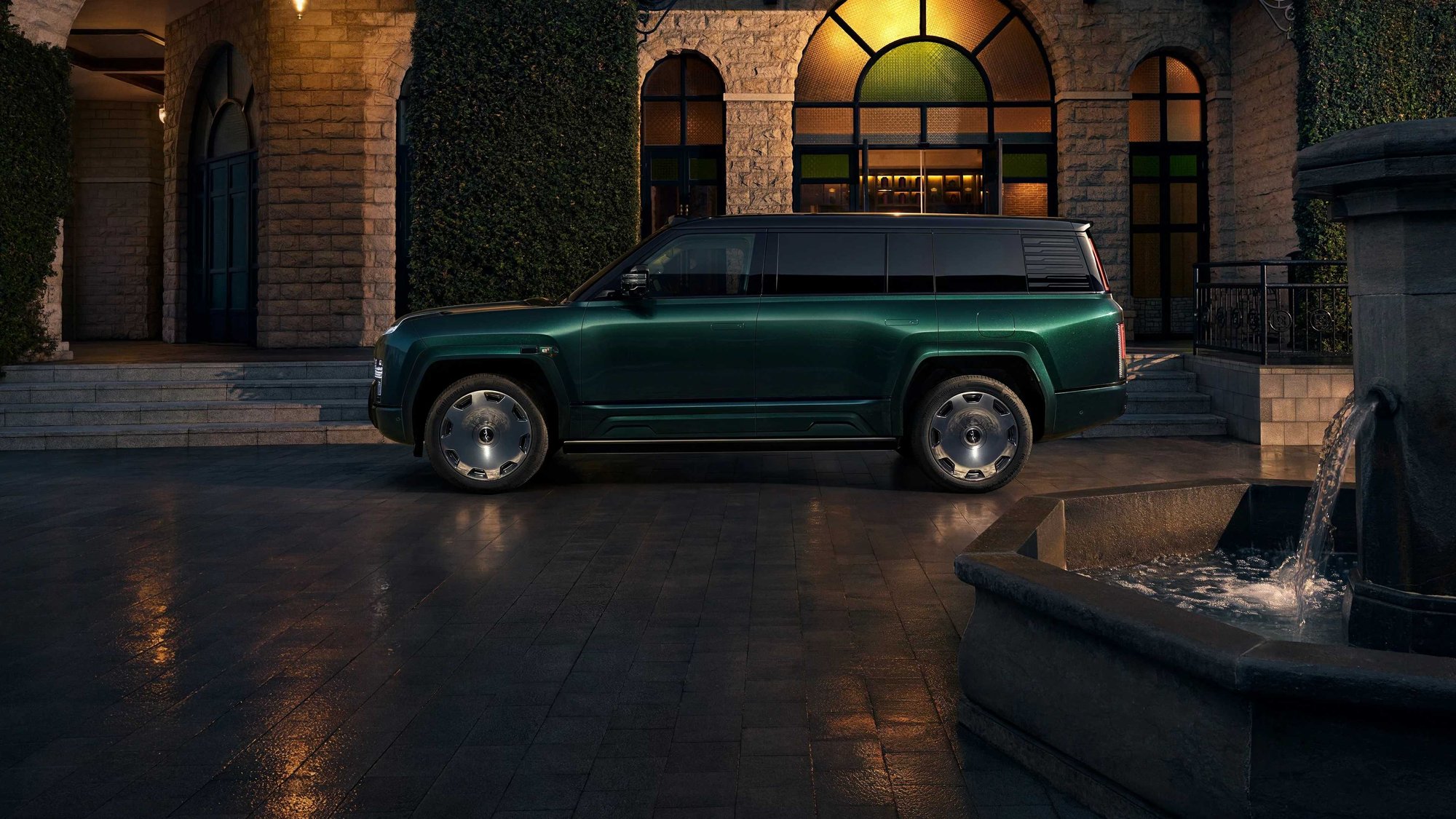
The Yangwang U8L Dingcang Edition has officially launched, priced at 1.458 million yuan. The new model is positioned as a full-size executive luxury SUV. Building on the U8L Dingshi Edition, it changes the six-seat layout to a large four-seat configuration and further upgrades the rear executive space, privacy, bespoke materials, and exclusive features.
The Dingcang Edition is not simply about removing two seats, nor is it about pushing up the price with more decoration. It transforms the U8L's original six-seat logic—which balanced family and business use—into a four-seat flagship clearly dedicated to serving the core rear-seat occupants, a vehicle tasked with formal receptions, long-distance business travel, and private conversations.
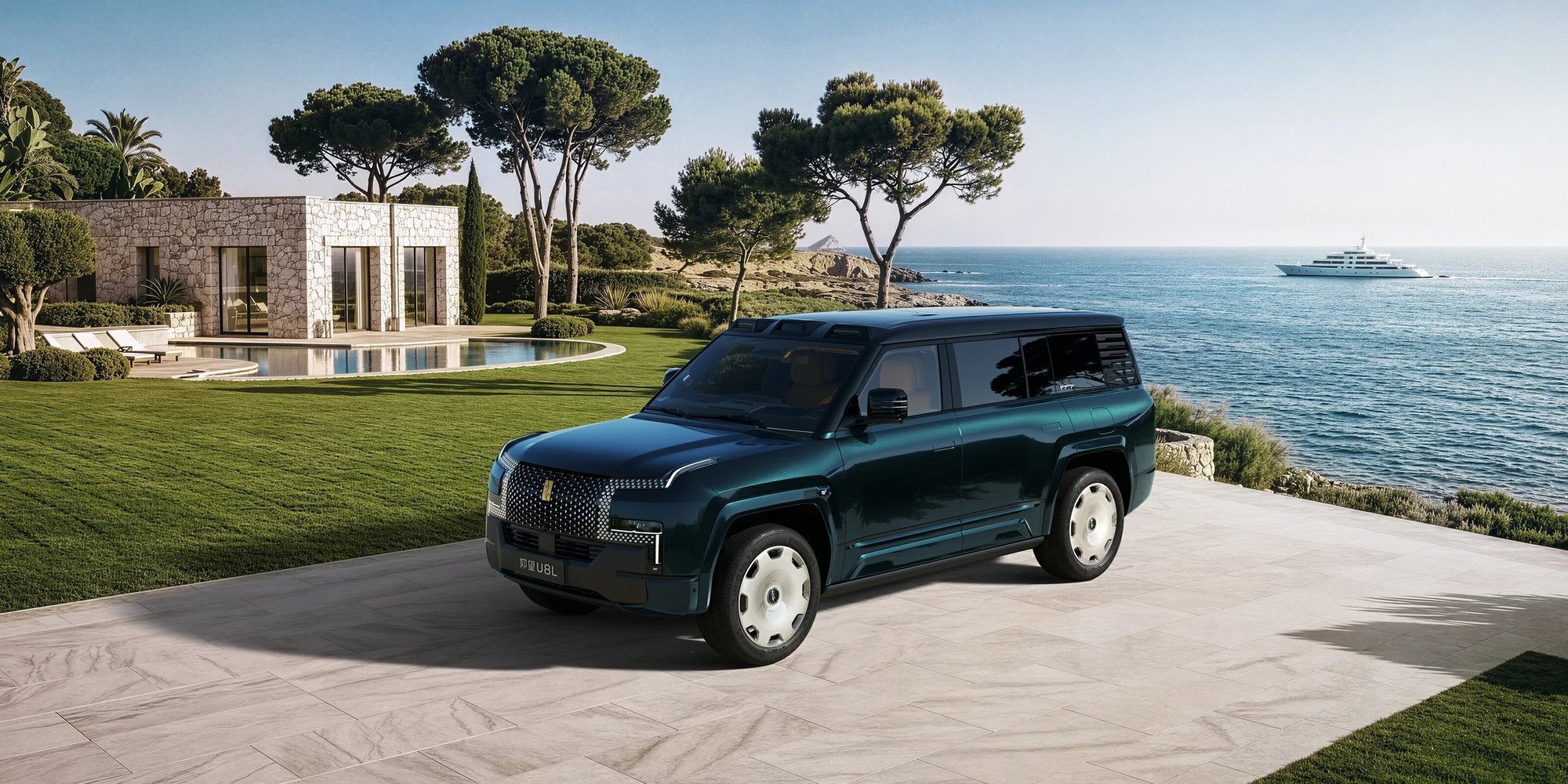
1.458 million yuan, with the price difference corresponding to a transformation of the product's role
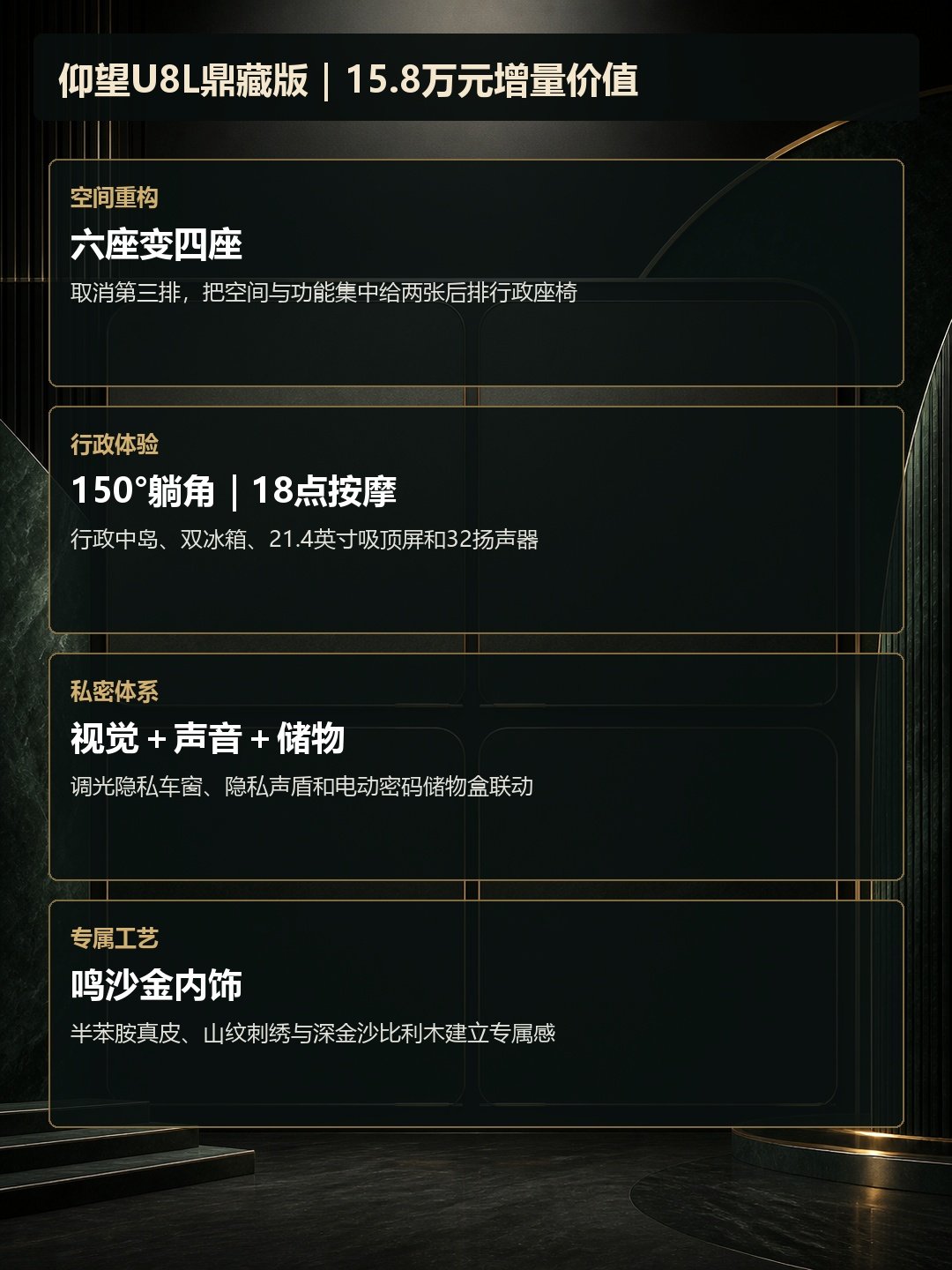
For reference, the U8L Dingshi Edition starts at 1.3 million yuan, and the Dingcang Edition is 158,000 yuan more expensive. Both share a 5,400 mm vehicle length, a 3,250 mm wheelbase, and core architectures such as e⁴, Cloud Chariot-P+, and flash charging technology. What truly sets them apart is that the cabin shifts from six-seat multi-person travel to four-seat executive exclusivity.
For an ordinary family, the six-seat version can accommodate more members and offers greater flexibility; the Dingcang Edition, by contrast, concentrates the space, mechanisms, and cost previously occupied by the third row into the second row. Its value premise is very clear: the importance of rear-seat occupants outweighs the number of seats. If the owner drives most of the time, the 158,000 yuan price difference is hard to fully justify through a more luxurious rear row; only if the vehicle long-term has a dedicated driver does the four-seat layout truly hold.
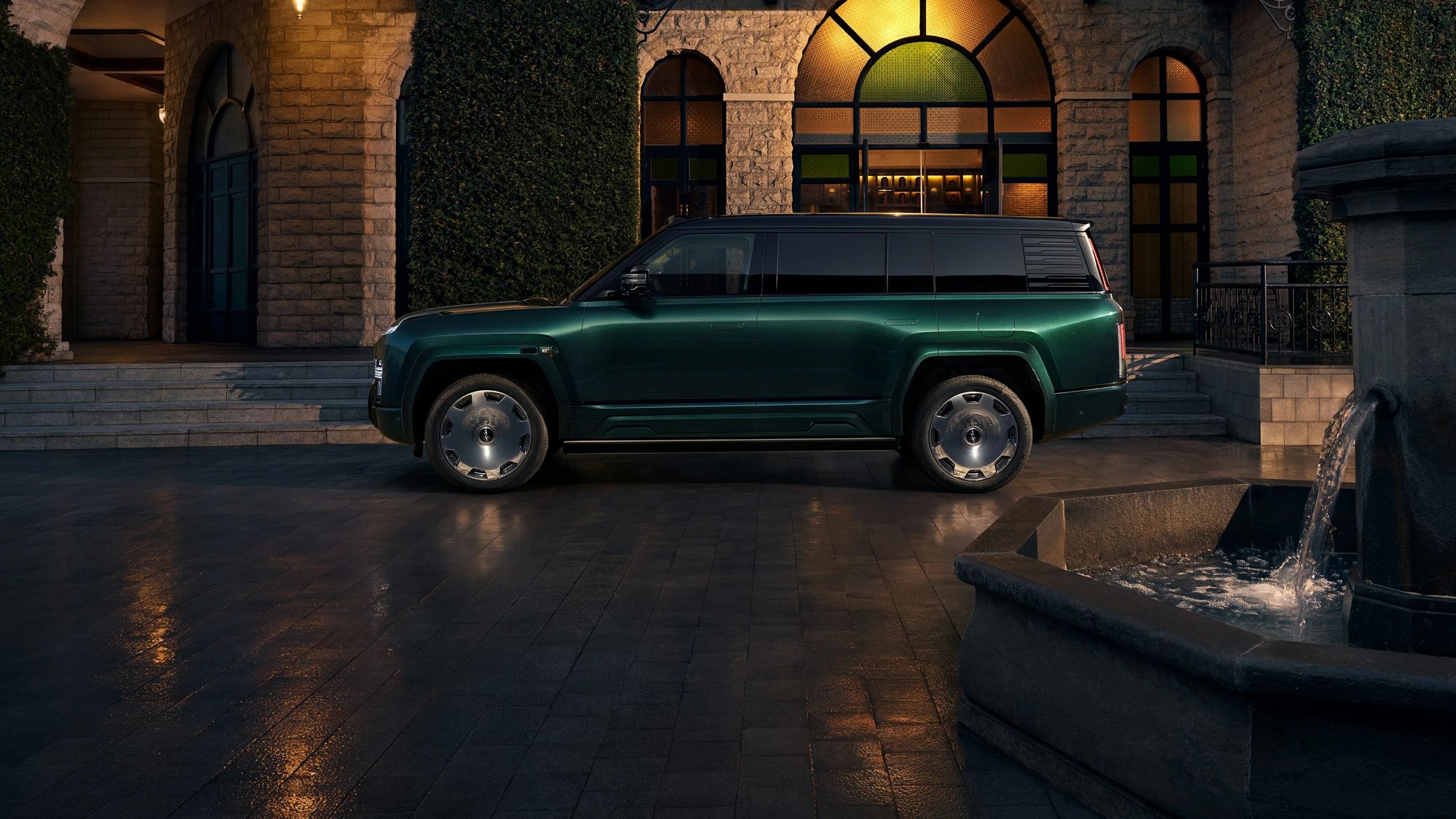
A 5,400 mm body must first project presence
The Dingcang Edition measures 5,400/2,049/1,921 mm in length, width, and height, with a wheelbase of 3,250 mm. The squared-off silhouette, upright front end, and "ding"-shaped front fascia continue to establish strong recognition, while the exclusive Moyu Qing body color reinforces a sense of composure. The 24K gold badge, dark paint, and large wheels serve as finishing touches; the vehicle does not rely on excessive chrome to create luxury.

The core of the large four-seat layout is not legroom figures
The Dingcang Edition adopts a 2+2 large four-seat layout, with an official cabin volume of 5.3 cubic meters. After canceling the third row, the second row gains more complete longitudinal space, and the executive center console physically separates the left and right seats, forming two independent seating zones.
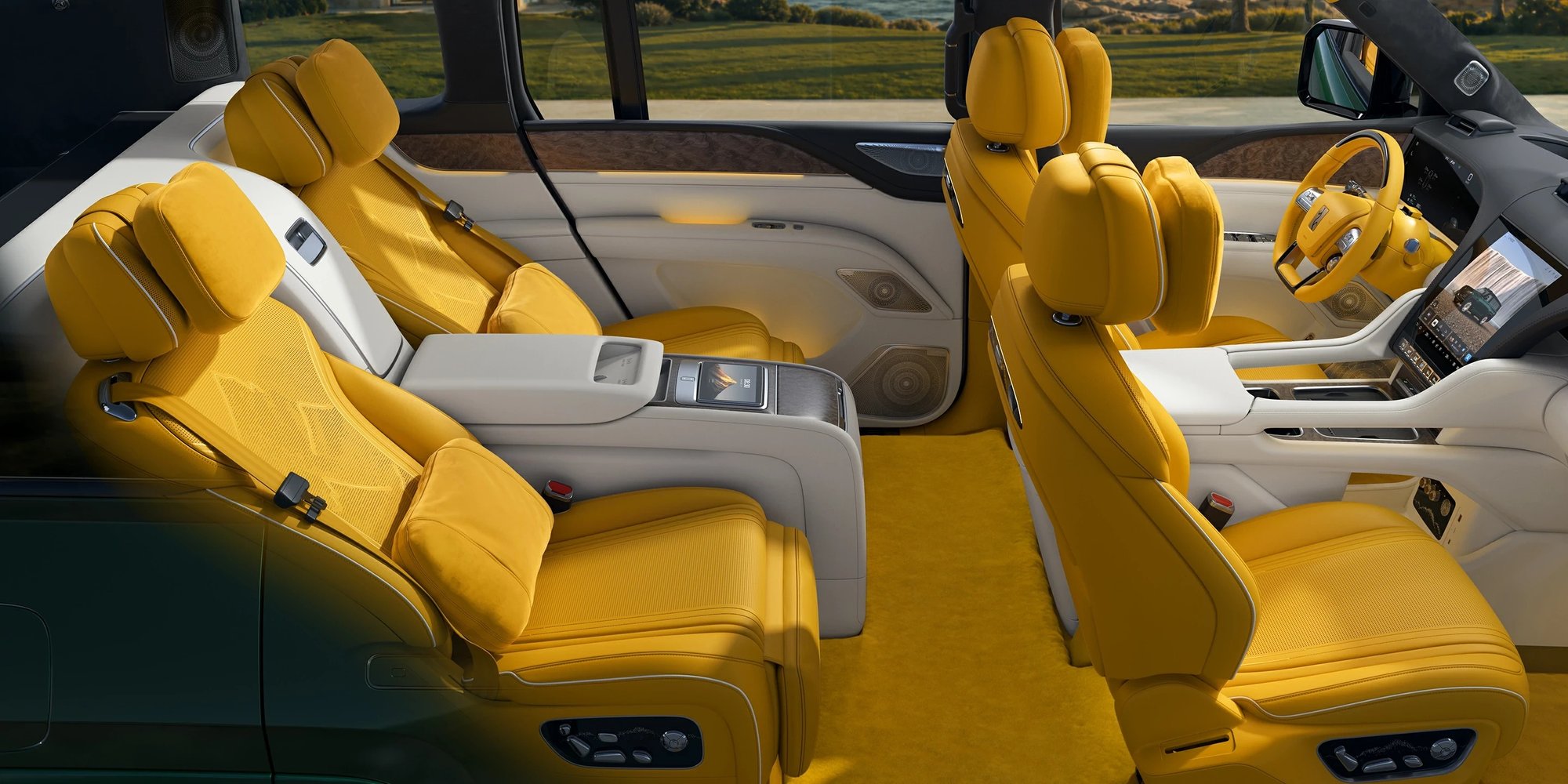
The second-row dual zero-gravity executive seats have a maximum recline angle of 150 degrees, are equipped with power leg rests and 18-point massage, and offer three modes: cloud couch, cloud recline viewing, and fully flat lounge. What is truly valuable is not "how flat it can lie," but whether leg support, lower-back pressure, and posture switching remain natural on long journeys. The seats can also link with AEB signals and automatically return to the upright position in emergency conditions, which aligns more with the safety logic of an executive cabin than simply pursuing a large recline angle.
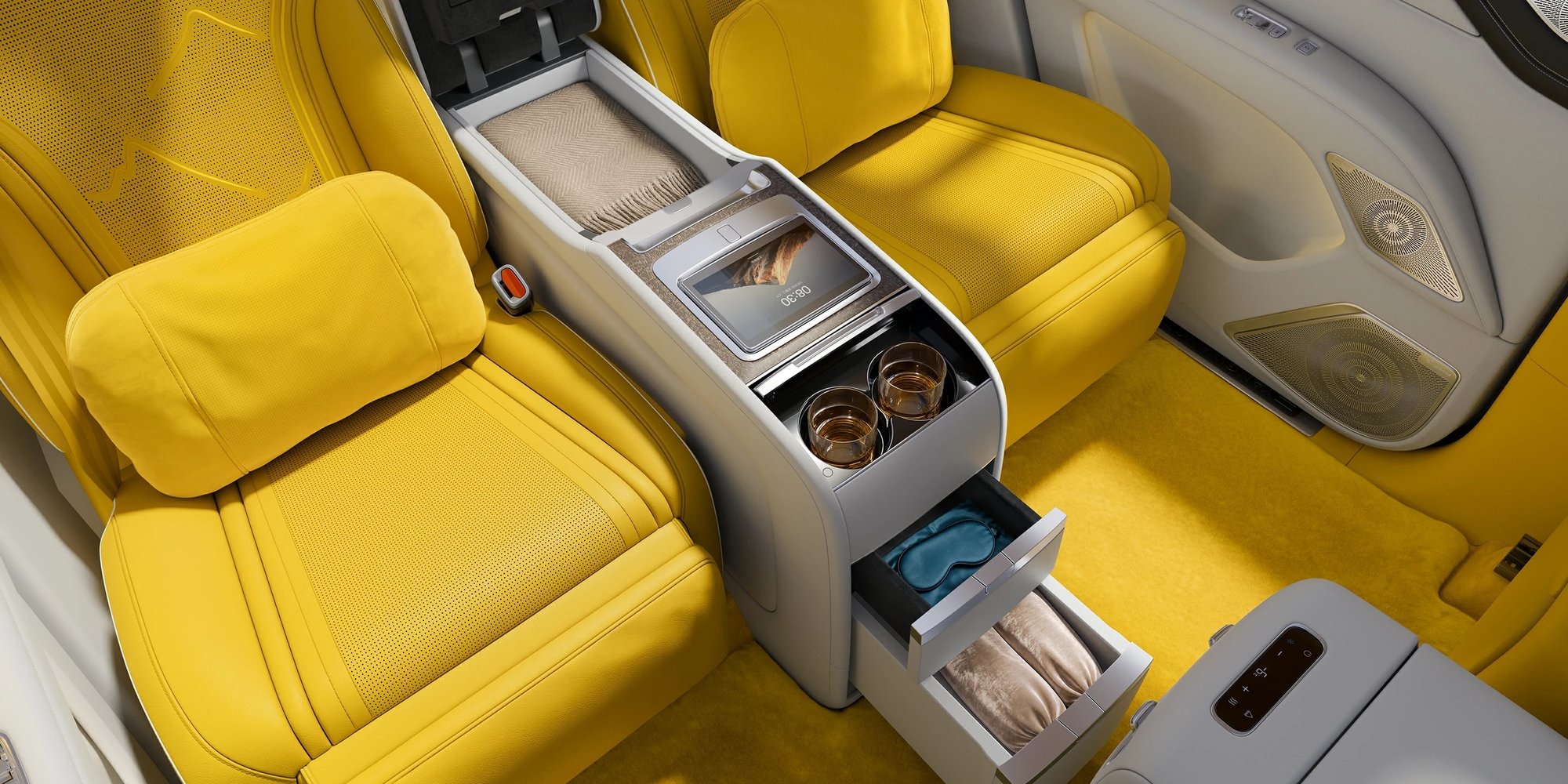
The executive center console and trunk determine whether business functions are truly delivered
The second-row executive center console is not only for visual separation, but also handles storage, control, and interaction functions. The vehicle is equipped with front and rear refrigerators, with temperature ranges covering both refrigeration and warming scenarios; the 21.4-inch electric folding ceiling screen supports angle adjustment and can be controlled from the second row via the armrest screen. The 32-speaker Dynaudio Platinum Evidence series audio system and headrest speakers allow front and rear rows to handle different audio content.
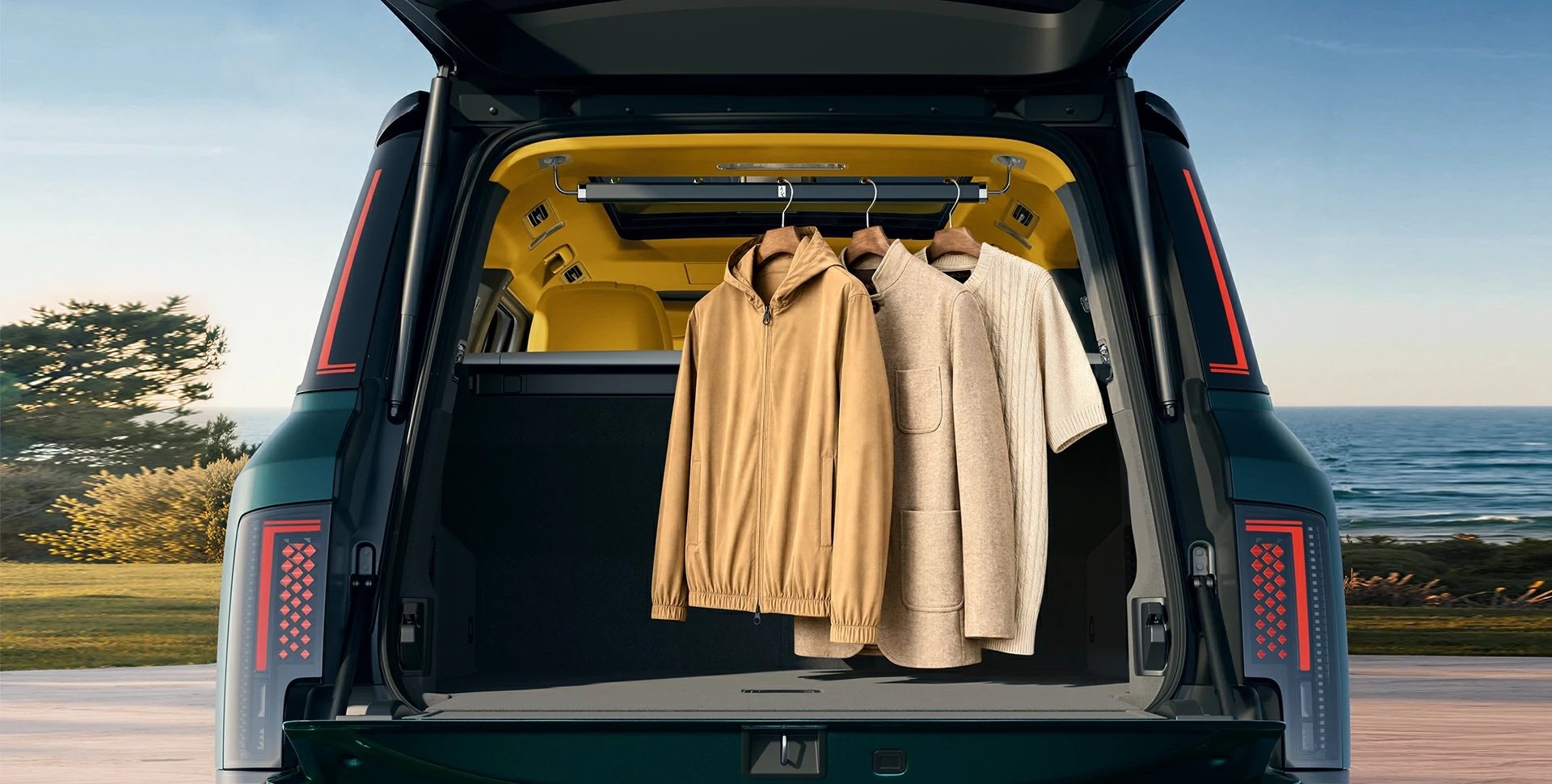
The trunk adds a garment rail and lock catch, forming a mobile wardrobe. Such features may seem minor, but they are closer to business scenarios than exaggerated entertainment functions: suits, coats, and formalwear can be stored vertically, reducing the need for tidying up upon arrival. It also shows that the Dingcang Edition is not designed for family members who occasionally ride in the back, but for high-frequency business users who need to maintain a polished appearance while traveling.
Privacy is the most distinctive luxury feature of the Dingcang Edition
The Dingcang Edition offers a one-touch privacy mode that can coordinate the in-car camera, sunroof, sunshades, and dimmable privacy windows, while also activating an intelligent privacy sound shield. When pedestrians approach, the photosensitive privacy windows can quickly darken; the front row plays dynamic masking sound effects to reduce the possibility of rear-seat conversations being heard from outside.
The front passenger side and the second-row executive center console also feature electric password storage boxes, and the headrest speakers in the front and rear seats can form relatively independent audio zones. For executive users, the significance of this system is not to create a sense of enclosure, but to bring visual, acoustic, and item storage privacy under unified management. Compared with simply adding screens, it better demonstrates the difference between the Dingcang Edition and an ordinary luxury SUV.
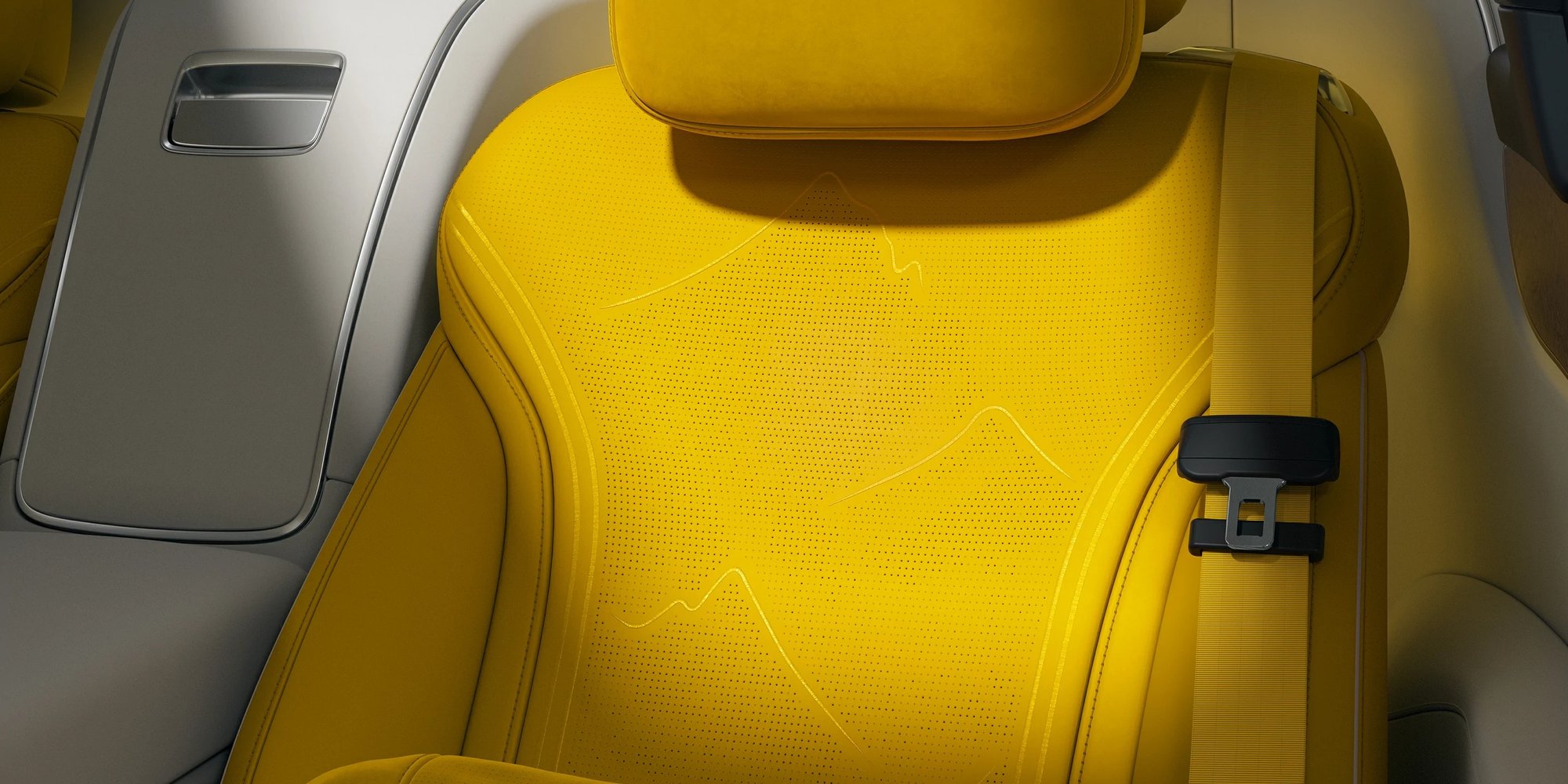
Bespoke materials should withstand long-term touch
The Dingcang Edition offers an exclusive Mingsha Gold interior, with seats upholstered in semi-aniline leather and mountain-pattern embroidery reinforcing the Eastern theme. The deep gold sand Billy wood trim emphasizes natural grain and rarity, and a Muxue Qianshan exclusive bespoke theme package is also available.
The Dingcang Edition continues to be equipped with the e⁴ four-motor independent drive system and the Cloud Chariot-P+ intelligent hydraulic body control system. For a full-size SUV that is 5.4 meters long and more than 2 meters wide, the technical value lies not only in display scenarios such as tank turns, but even more in controlling the massive body during low-speed maneuvering, narrow bends, slippery roads, and high-speed lane changes.
Cloud Chariot-P+ is responsible for body posture and suspension control, while e⁴ can distribute power to each of the four wheels independently. Combined, the two systems aim to reduce pitch, roll, and delayed responses in a large vehicle, giving both front and rear occupants a more stable physical experience.
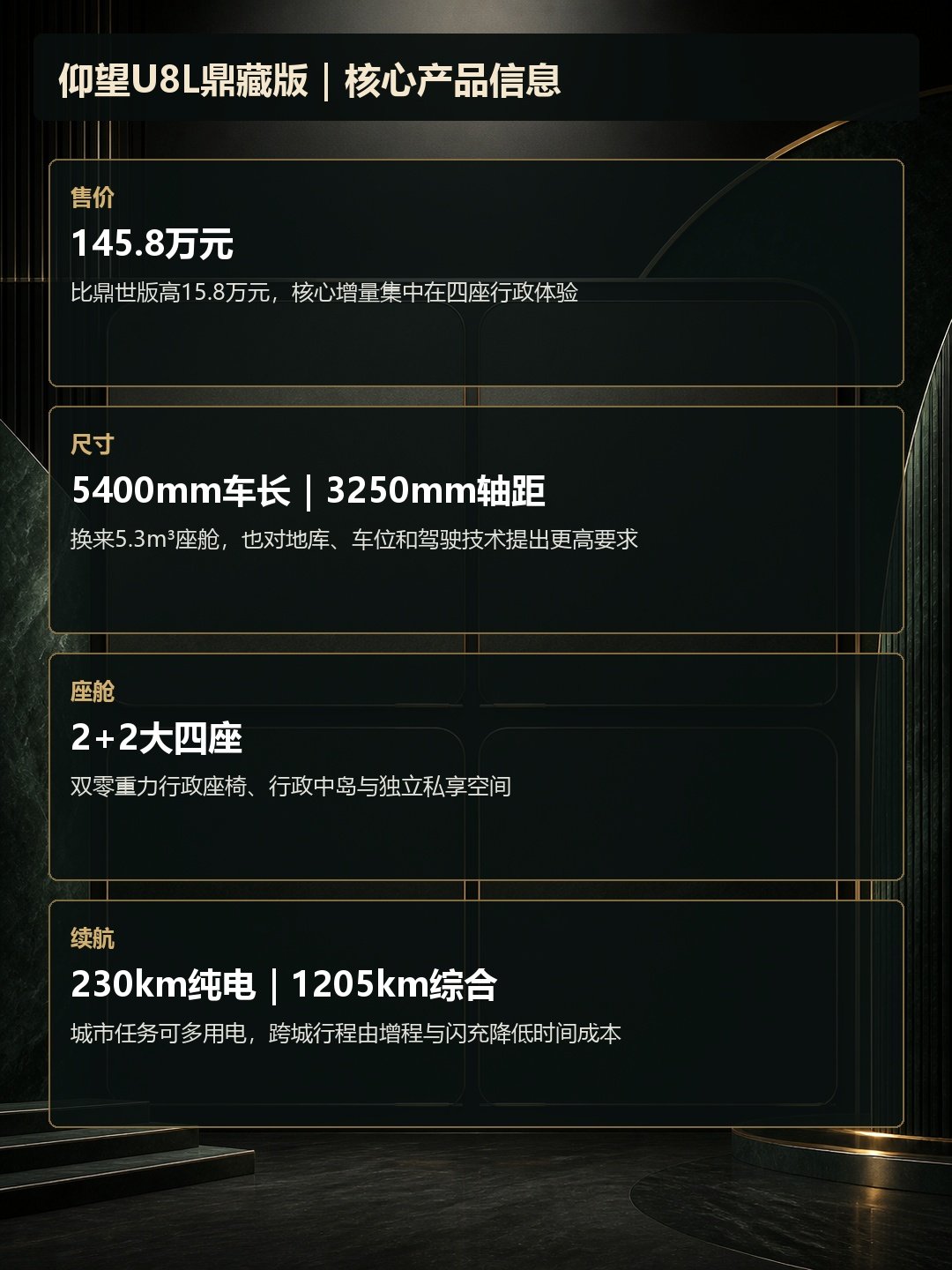
Flash charging and a 1,205 km combined range reduce long-distance time costs
The Dingcang Edition features flash charging technology, with a CLTC pure electric range of 230 km and a combined range of 1,205 km. For an executive vehicle, the value of replenishment is not only lower operating cost, but also less time lost to interrupted journeys. With fixed daily charging conditions, the 230 km pure electric range can cover most urban tasks; for intercity trips, the range-extender system provides a more stable range boundary.
The advantage of this solution is that it offers multiple replenishment options, but owners still need to judge based on real routes. For frequent cross-province travel and high highway mileage, one should focus on power response under low battery conditions, vibration and noise when the engine intervenes, and fast-charging station compatibility. The range experience of an executive flagship should not be judged only by mileage, but also by whether it maintains consistent quietness and smoothness across different energy states.
Intelligent driving and cabin focus on reducing the burden of a large vehicle
The new car is equipped with the God's Eye A assisted driving triple-lidar version and DiLink 300. For an extra-large model like the U8L Dingcang Edition, the high-frequency value of assisted driving comes from highway navigation, perception at complex intersections, and reducing parking burden—not from letting the driver abandon responsibility for taking over.
Who the Dingcang Edition suits
The first group is corporate executives and business users who have a dedicated driver and use the rear seats frequently. The large four-seat layout, executive center console, privacy system, and mobile wardrobe can continuously generate value.
The second group is collector-type users with a clear preference for Eastern design, bespoke materials, and exclusive identity. The exclusive body color, interior theme, and craftsmanship details offered by the Dingcang Edition are more distinctive than generic luxury features.
The third group is users who need a flagship SUV that simultaneously handles formal receptions, long-distance comfort, and complex road conditions. e⁴, Cloud Chariot-P+, and the range-extender flash charging system keep it from being limited to urban limousine scenarios.
If six-person travel is often needed, the owner mainly drives, or parking conditions at home and the office are limited, the U8L Dingshi Edition or even smaller models are more reasonable. The value of a four-seat flagship comes from a clear use case; it is not that the higher the price, the more suitable it is for everyone.
Conclusion
The 1.458 million yuan Yangwang U8L Dingcang Edition is 158,000 yuan more expensive than the 1.3 million yuan Dingshi Edition. What the price difference buys is not a change in the core powertrain architecture, but a shift from a six-seat all-round flagship to a four-seat executive flagship: the second row is more complete, and the seats, executive center console, privacy system, bespoke materials, and business loading functions are more concentrated.
For users who sit in the rear for long periods, use the vehicle for business receptions, and value privacy, this upgrade has clear value; for consumers who mainly drive themselves and travel with multiple family members, the six-seat Dingshi Edition is more practical. The most commendable aspect of the Dingcang Edition is that it does not define luxury solely through expensive materials, but combines comfort, privacy, replenishment, and complex-road capability into a genuinely usable executive travel solution.


