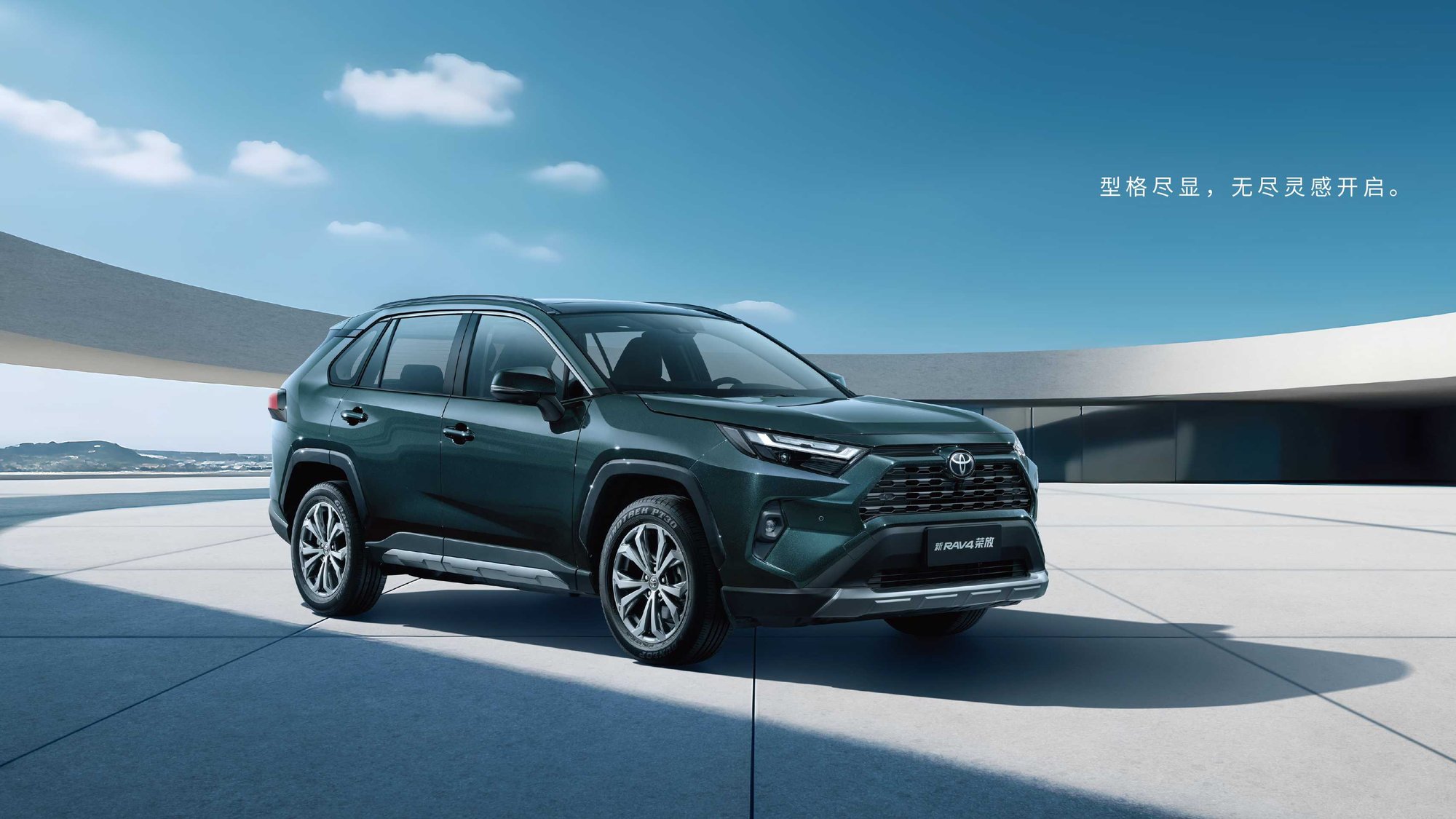
1. Price & Benefits: Starting from over 150,000, quite "heady" during the new-car period
Official guide price: 169,800-228,800 yuan
Limited-time refreshed price: 151,800-210,800 yuan (direct cash discount of 18,000)
According to public information, this launch also stacks several benefits:
Direct cash discount: limited-time refresh gift of 18,000 yuan
Purchase tax subsidy: 6,000 yuan
Dual protection worry-free: 6 years or 100,000 km free maintenance + warranty (equivalent value of about 6,000 yuan)
Presale period: November 21, 2025-January 9, 2026
A quick calculation:
If you take the entry-level gasoline version, the limited-time price is 151,800 yuan, and after stacking the purchase tax subsidy and maintenance, it is equivalent to the official use of a "cash + ownership cost" combination punch to pull the sticker price toward the psychological price level of more than 140,000.
2. Exterior: A more "wild" RAV4, but clearly compromising toward the city with more refinement
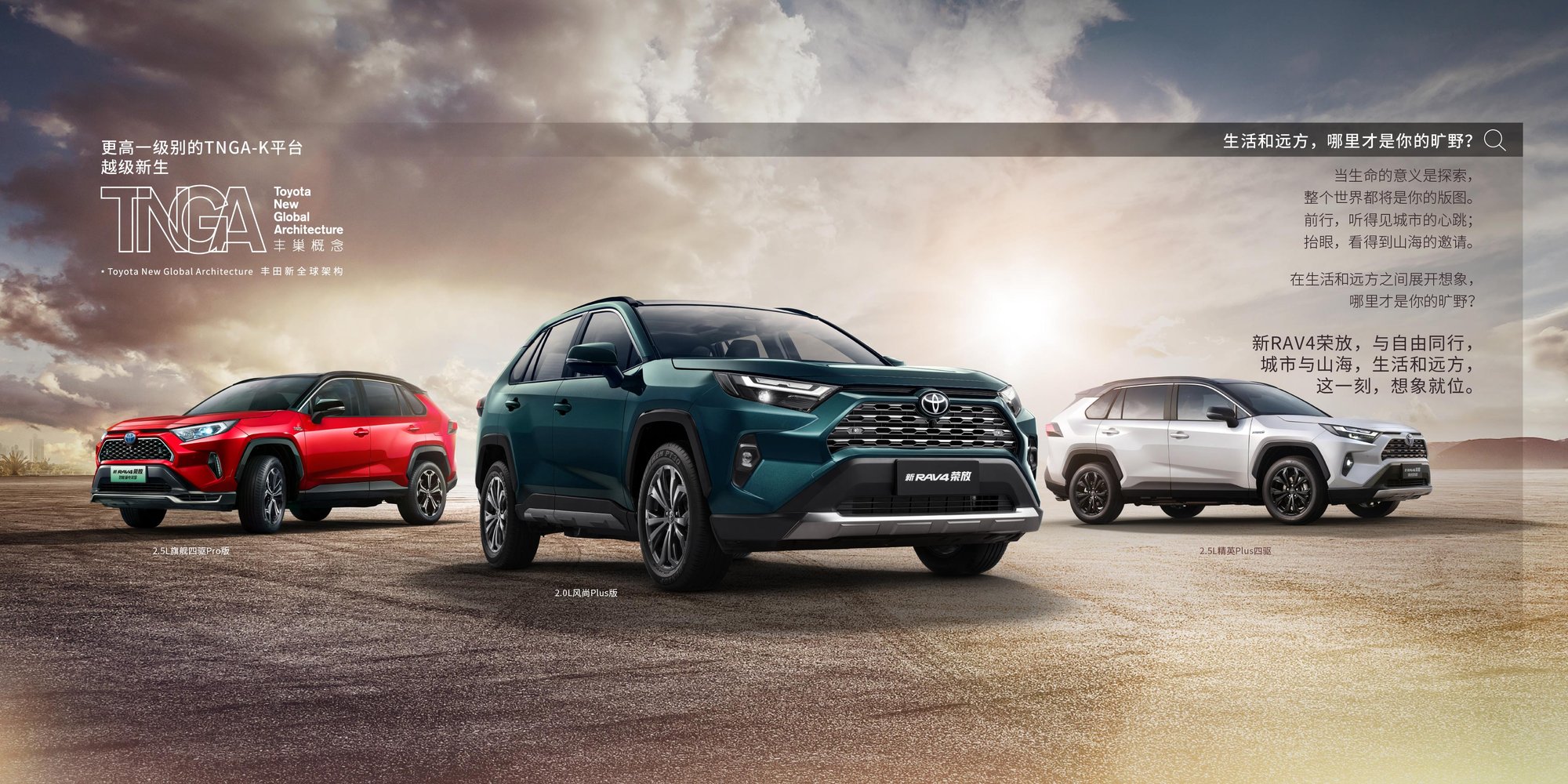
The new-generation Rongfang follows the overall approach of the overseas Woodland package, and the square body proportions + tougher lines are what you feel at first glance.
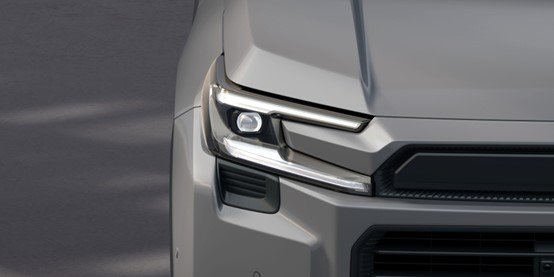
Front face: The C-shaped light group is the visual memory point of this generation change by FAW Toyota, with upper and lower layered daytime running lights paired with a central projector headlight, plus a through black trim strip, giving a slight sense of "broad shoulders" pressure from a distance.
Grille: Large borderless mesh + lower through-type black spoke grille, looking both off-road flavored and not as "rough" as a pure hardcore SUV.
Body side: Retains the classic Y-shaped crease waistline, with side windows, wheel arches, and roof all blacked out, paired with 18/20-inch wheels, the sporty feel and "urban off-road" temperament are both present.
Rear: A through-style taillight + vertical light source, with very high recognition when lit, and the trapezoidal tailgate opening also balances loading convenience.
Body dimensions 4620/1855/1680mm, wheelbase 2690mm, still a standard compact SUV physique, slightly lengthened compared with the current model, but not large enough to change class.
Editor's one-sentence comment:
This generation RAV4 Rongfang is no longer the kind of traditional "honest, easy-on-the-eyes" look, but deliberately seeks a balance between "trendy" and "wild"—it can be seen that Toyota is very clear: this car still spends most of its time running in the city and on elevated roads, not in the Gobi and woodlands.
3. Interior & Intelligence: Finally catching up on the "era gap"
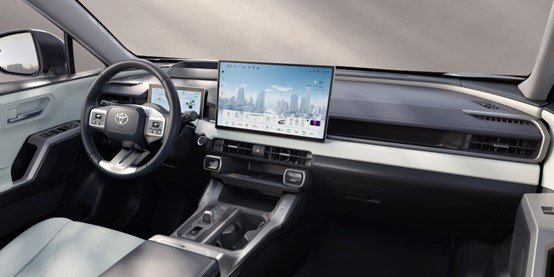
The changes in this generation's interior can basically be summarized in one sentence: from "old-school Japanese" directly to the intelligent level that mainstream joint-venture cars should have.
Screen combination:
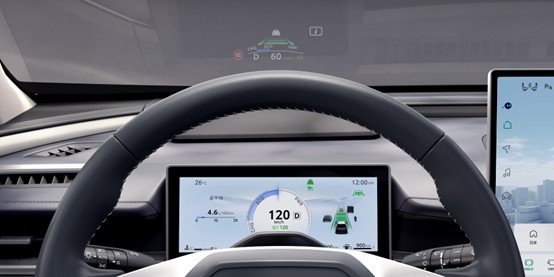
Full LCD instrument cluster
15.6-inch vertically placed central control large screen (2.5K narrow bezel)
HUD head-up display
The three screens support linkage, enabling split-screen display of navigation/vehicle information/entertainment.
Chip & interaction:
Equipped with Qualcomm SA8155P cockpit chip, computing power and smoothness are at the mainstream level of this generation of joint-venture cars
The infotainment UI is clearly localized, with voice, online services, and navigation functions all designed according to Chinese users' habits
Ambience and materials:
256-color ambient lighting
Large areas of soft wrapping on the center console and door panels, offering multiple color schemes such as all-black/black-white
STYLIS comfortable seats, suction-type ventilation design, front armrest box lid opens bidirectionally, making it easier to use
Intelligent driving part:
Equipped with TSS 4.0 driver assistance system (some media call it TOYOTA Pilot), with a significantly increased number of hardware sensors;
Supports mainstream L2-level functions such as full-speed adaptive cruise, lane keeping, lane change assist, and panoramic影像, and higher trims also support advanced functions such as automatic parking and remote parking.
For Toyota, which has long been criticized for being "half a generation behind in intelligence," this generation RAV4 Rongfang can basically be said to have filled in the shortcomings, and it is no longer an era of "buying a Toyota means enduring the infotainment system."
4. Space & Practicality: Ordinary on paper, but "very Toyota in use"
With a wheelbase of 2690mm, it does not look exaggerated on paper, but the longitudinal space in the front and rear rows is still upper-middle level among compact SUVs;
The rear seats support flat folding, and the trunk's standard volume is 514L, enough for daily family use, camping, and road trips;
Panoramic sunroof, abundant storage compartments, and reasonable cup holder layout are all part of Toyota's consistent route of "details that are not flashy but practical."
If you have driven the current RAV4 before, it is actually easy to understand: it is not the kind of car whose space numbers look stunning, but the "comfort when sitting inside" and the "actual carrying capacity of the trunk" often please family users more than the specs.
5. Powertrain: Three powertrain sets, corresponding to three user profiles
This generation RAV4 Rongfang still offers three powertrain choices:
2.0L naturally aspirated + CVT (two-wheel drive)
Maximum power: 126kW
WLTC combined fuel consumption about 6.2L/100km
Suitable for users with limited budgets who emphasize reliability and ownership cost, mainly for urban commuting.
2.0L gasoline-electric hybrid (HEV, two-wheel drive)
Engine maximum power: 112kW
With motor assistance, starting and mid-range acceleration will be livelier than the 2.0 naturally aspirated version
Fuel consumption can reach around 4.5L/100km, making it the "commuting fuel-saving king" of this generation.
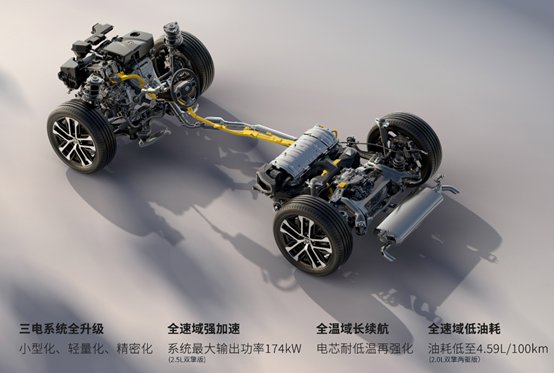
2.5L gasoline-electric hybrid + E-FOUR electronically controlled four-wheel drive
Engine maximum power: 136kW, system combined power about 174kW
With electronically controlled four-wheel drive, the rear axle is driven by a motor, responding faster, suitable for light off-road/rain and snow roads
The strongest power, and also the most suitable for long-distance road trips + multi-scenario use.
From the product structure perspective, the 2.0L naturally aspirated version is the entry ticket, the 2.0HEV is the sales main force, and the 2.5HEV+four-wheel drive leans more toward the crowd that is "into cars."
6. Who should pay close attention to this car?
Considering price, product strength, and competitors (CR-V, Haoying, X-Trail, current RAV4, etc.), the new-generation RAV4 Rongfang is more suitable for these types of users:
Old Japanese-brand fans who were already looking at RAV4/Rongfang, CR-V
Now they finally do not have to choose between "reliability" and "intelligence." After the overall product strength has filled in the shortcomings, the choice will be easier.
Families with a budget of 170,000-220,000 yuan, leaning toward joint-venture brands, and not wanting to drive something too "old-fashioned"
The exterior is younger, the interior is more modern, space and fuel consumption are balanced, and one car can handle daily commuting + weekend outings.
Owners with road trip, camping, and light off-road needs
It is recommended to go directly for the 2.5L HEV four-wheel-drive version, as power, fuel consumption, and passability will be more balanced.
7. Summary
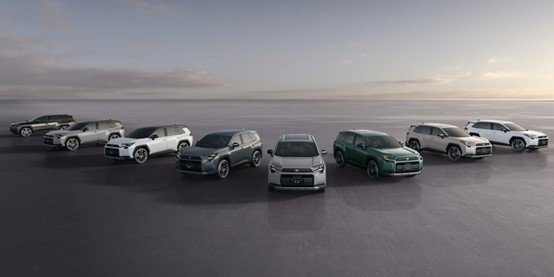
The new-generation RAV4 Rongfang is no longer that old-school urban SUV that "only talks about durability," but on the premise of retaining Toyota's consistent reliable and fuel-efficient foundation, it has also caught up in design, intelligence, and driving experience.
If you have a budget of 170,000-200,000 yuan in hand, value durability and resale value, and also hope the car's sense of technology is not too "last era," then this car is worth a serious test drive at a 4S store.


