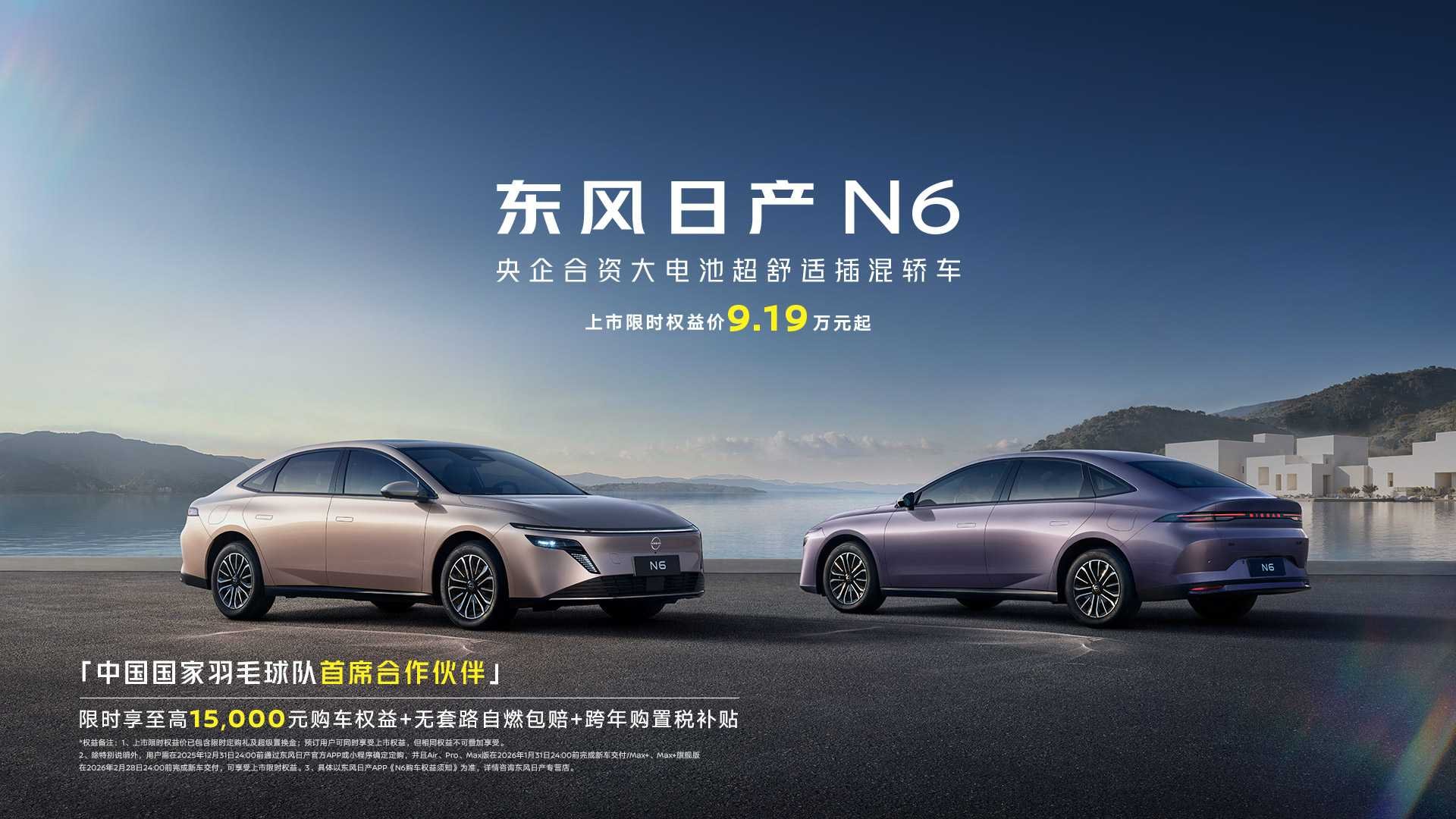
On December 1, Dongfeng Nissan N6 was officially launched. As the first plug-in hybrid sedan under the Tianyan architecture, the new car comes in 5 models, with a guide price of 99,900–129,900 yuan and a limited-time benefit price of 91,900–121,900 yuan. At a time when competition in China's plug-in hybrid market is white-hot, Nissan's choice to enter the battle with an entry-level mid-size car clearly shows it has come prepared.
Pricing cuts into the core range, while policy benefits further lower the threshold for ownership
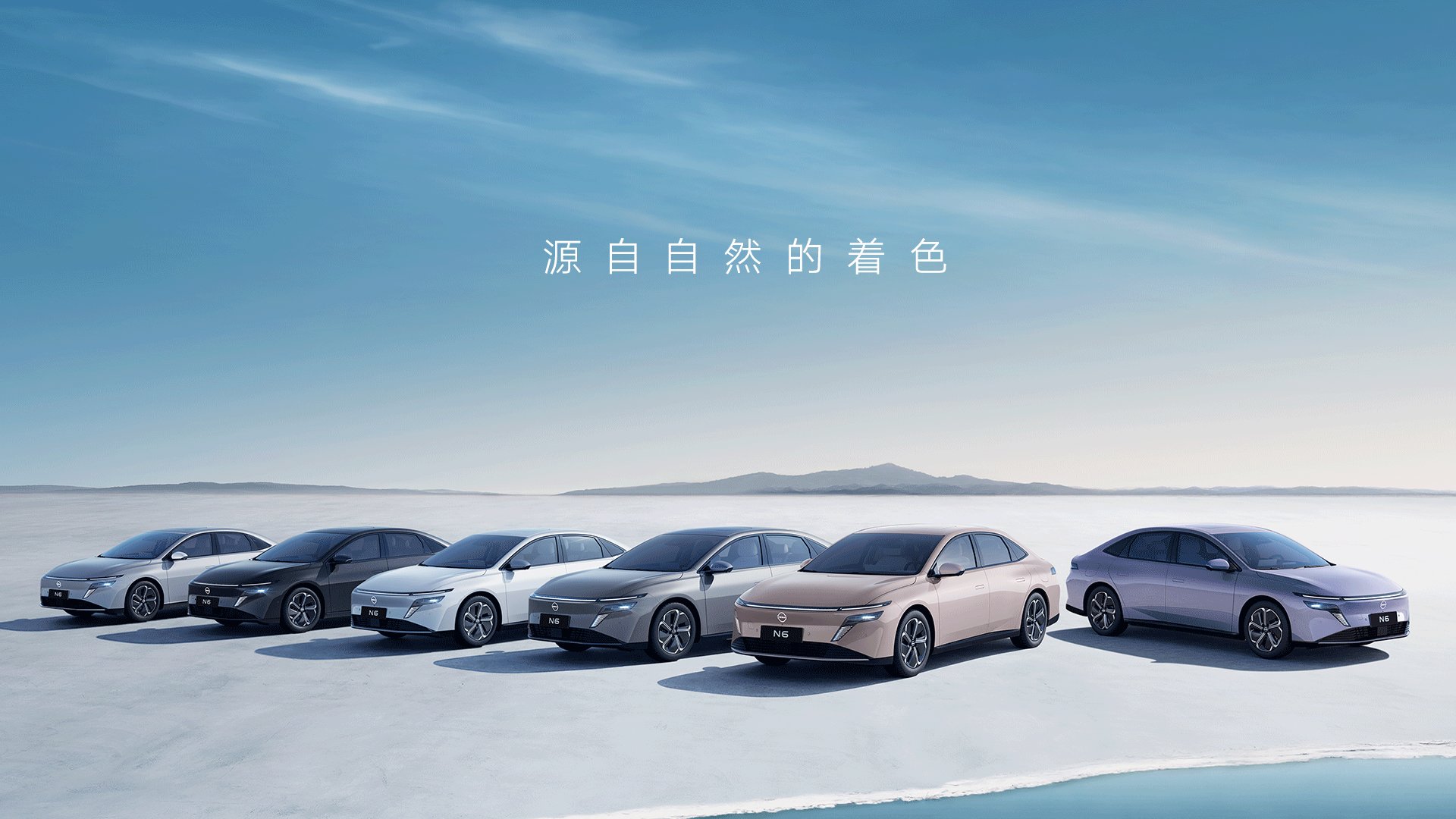
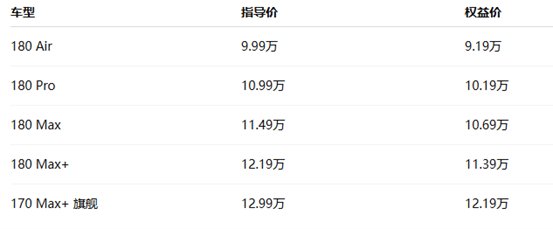
The five models launched this time cover trim versions from Air and Pro to Max+ and Flagship, with a clear and effective pricing strategy:
In addition, customers who place orders for the Pro and Max versions before December 15 can enjoy a cross-year purchase tax subsidy, further strengthening the price appeal. Nissan has also simultaneously launched a "no-tricks spontaneous combustion compensation" policy, responding with concrete measures to the safety issue new energy users care about most.
It is worth mentioning that the same Zero Pressure Cloud Sofa is also available simultaneously (9,888 yuan), and the smart AI glasses developed in cooperation with Rokid are intended to differentiate the N6 from traditional joint-venture cars in comfort and intelligent experience.
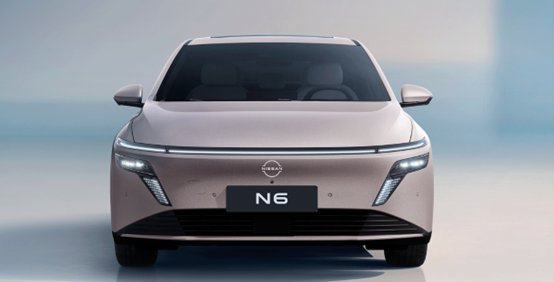
Exterior design: Continuing the V-motion family style, with a stronger new energy flavor
Dongfeng Nissan N6 adopts a family design language shared with the Nissan N7, and its overall look is clearly closer to the aesthetic orientation of the new energy sedan era.
Front face: Split headlights + through-type light bar
The upper through-type LED light bar enhances the vehicle's horizontal visual width
The lower zigzag headlights emphasize dynamism
The illuminated logo remains embedded in the central area of the bumper
This is the "new energy family face" Nissan has commonly used in recent years, with very high recognition.
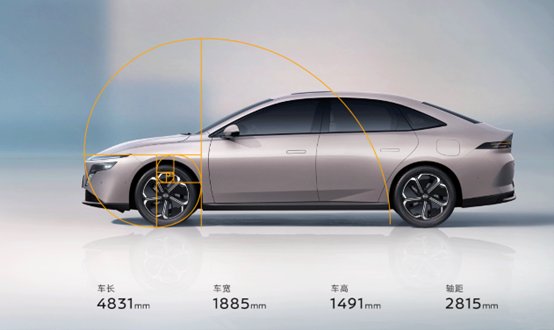
Side profile: Slender proportions + hidden door handles
Body dimensions: 4831/1885/1491 (1494) mm
Wheelbase: 2815 mm
Hidden electric door handles bring a cleaner side appearance
Among plug-in hybrid mid-size cars in the same class, the N6 is not the most exaggerated in size, but its proportions are harmonious and its shape is slender, focusing more on visual presence than stacking dimensions.
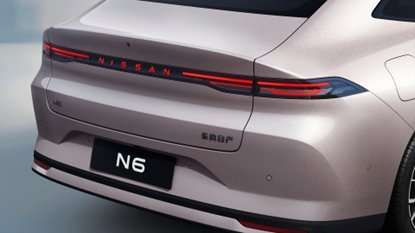
Rear: Through-type taillights + illuminated NISSAN lettering
Through-type taillight assembly with dark-tinted lenses
The central "NISSAN" lettering is illuminated
Hidden exhaust layout
The overall design continues the direction of the Nissan N7, with a more sporty and technological aura.
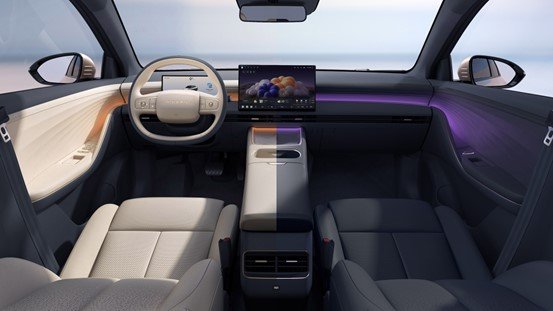
Interior design: 360° wrap-around cockpit, Nissan's comfort DNA is back
Inside, the N6 returns to the track Nissan is familiar with—a balance of comfort and practicality.
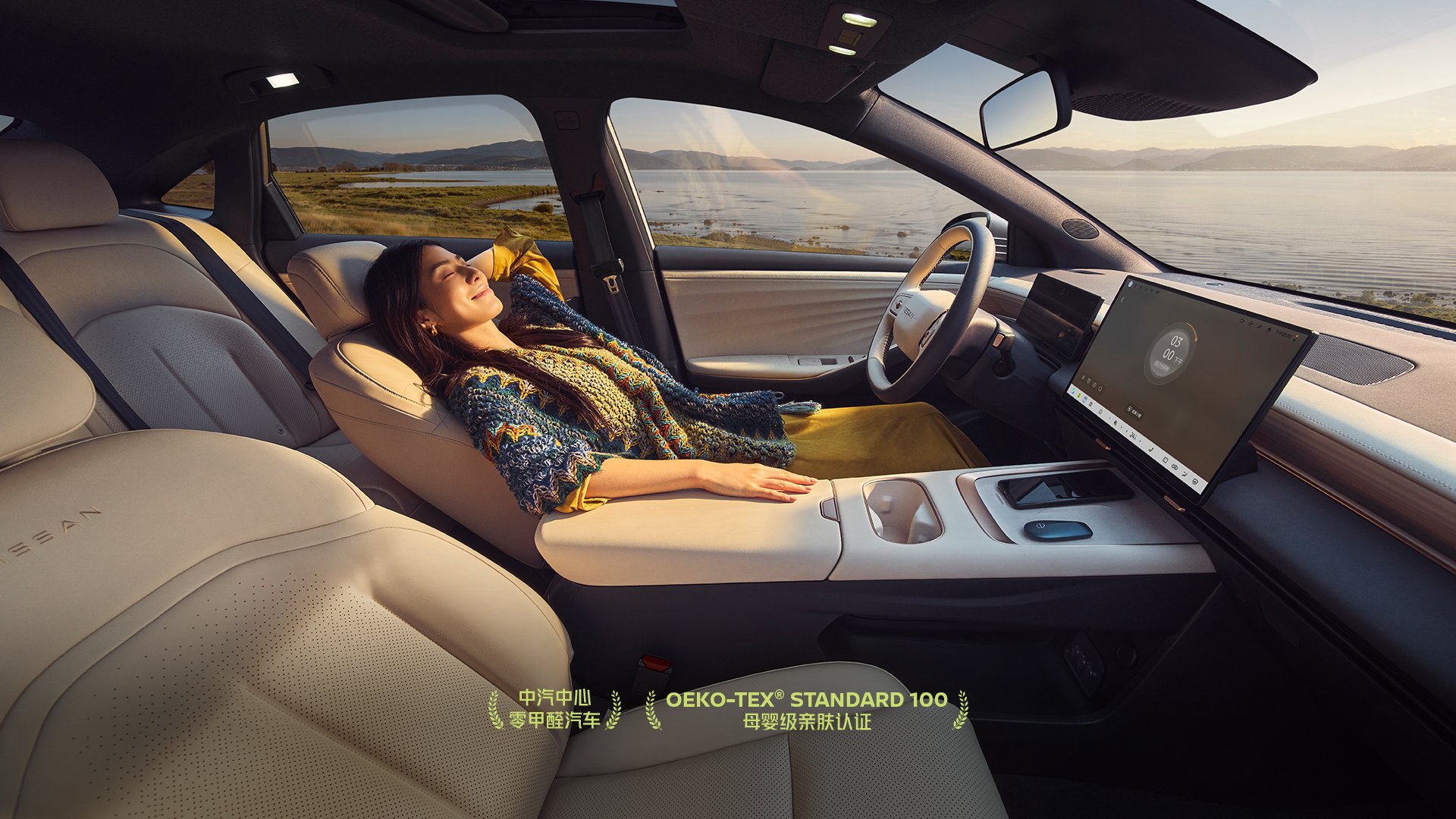
Core highlights include:
360° wrap-around cockpit layout
Floating central control screen + LCD instrument panel
256-color light waterfall ambient lighting
Light and dark dual-tone interior options
Column-mounted gear shifter frees up front-row space
Phone holder expansion port, ventilated wireless charging panel
These designs all serve the practical needs of family users, especially the simple layout, abundant storage, and soft ambiance, which is very "Nissan."
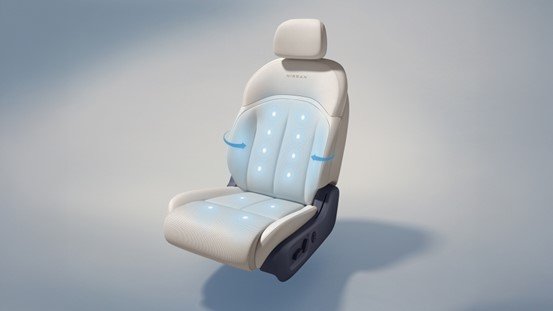
Of course, the most brand-characteristic feature is still the seats—
the Zero Pressure Cloud Sofa is already a comfort experience difficult for competitors in the same class to fully replicate.
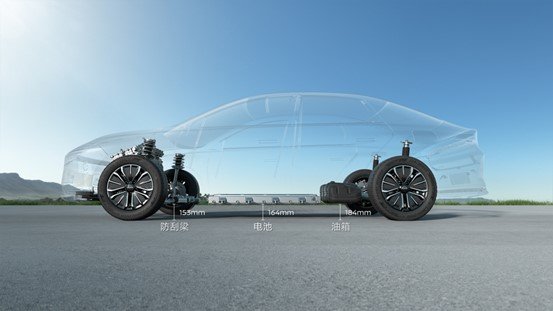
Powertrain: Largest-in-class 21.1 kWh battery, 180 km pure electric range, and fuel-efficient even with depleted battery
Nissan N6 is equipped with a plug-in hybrid system composed of a 1.5L naturally aspirated engine and a drive motor:
Power parameters:
Maximum engine power: 75 kW
Peak motor power: 155 kW
Battery capacity: 21.1 kWh (largest in class)
Pure electric range: 180 km (CLTC, standard across all trims)
Fuel consumption with depleted battery: 2.79L/100km
The 180 km pure electric range allows the N6 to be used almost entirely as a pure electric car for urban commuting, while the depleted-battery fuel consumption figure demonstrates Nissan's deep expertise in hybrid energy consumption control.
Although it does not focus on extreme performance, its typical Nissan-style tuning of "smoothness, fuel efficiency, and quietness" is very friendly for family scenarios.
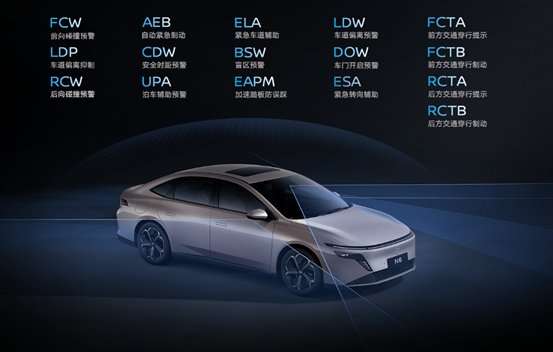
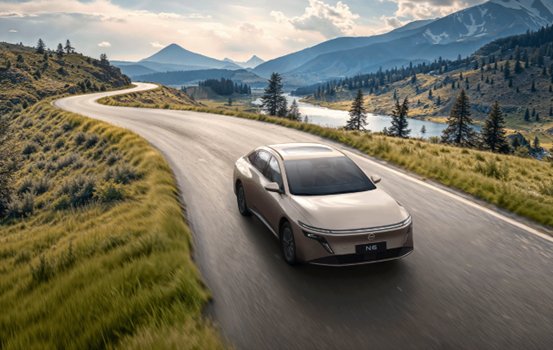
Summary: Nissan's new energy capability is no longer "making up lessons," but "handing in the exam paper"
As Nissan's first key product in China's plug-in hybrid market, the significance of the N6 is not limited to sales, but is also a repositioning of the brand value system:
It not only has sincere pricing and sufficiently balanced product strength, but more importantly, "the direction is right."
The price is pressed to within 100,000 yuan, precisely targeting China's largest plug-in hybrid user group
The powertrain does not chase parameters, but pushes the "range + fuel consumption" users care about most to the extreme
The interior does not pile on features, but rediscovers the comfort experience Nissan is best at
The exterior design is younger and highly unified with the N7, making brand recognition stronger
In an environment with strong domestic rivals such as Qin L, Galaxy A7, and Roewe D7 DMH, the N6 is one of the few joint-venture newcomers able to stand firm by virtue of "brand heritage + sincere pricing + product composure."
For Nissan, this is not just a new car, but the beginning of a new chapter.


