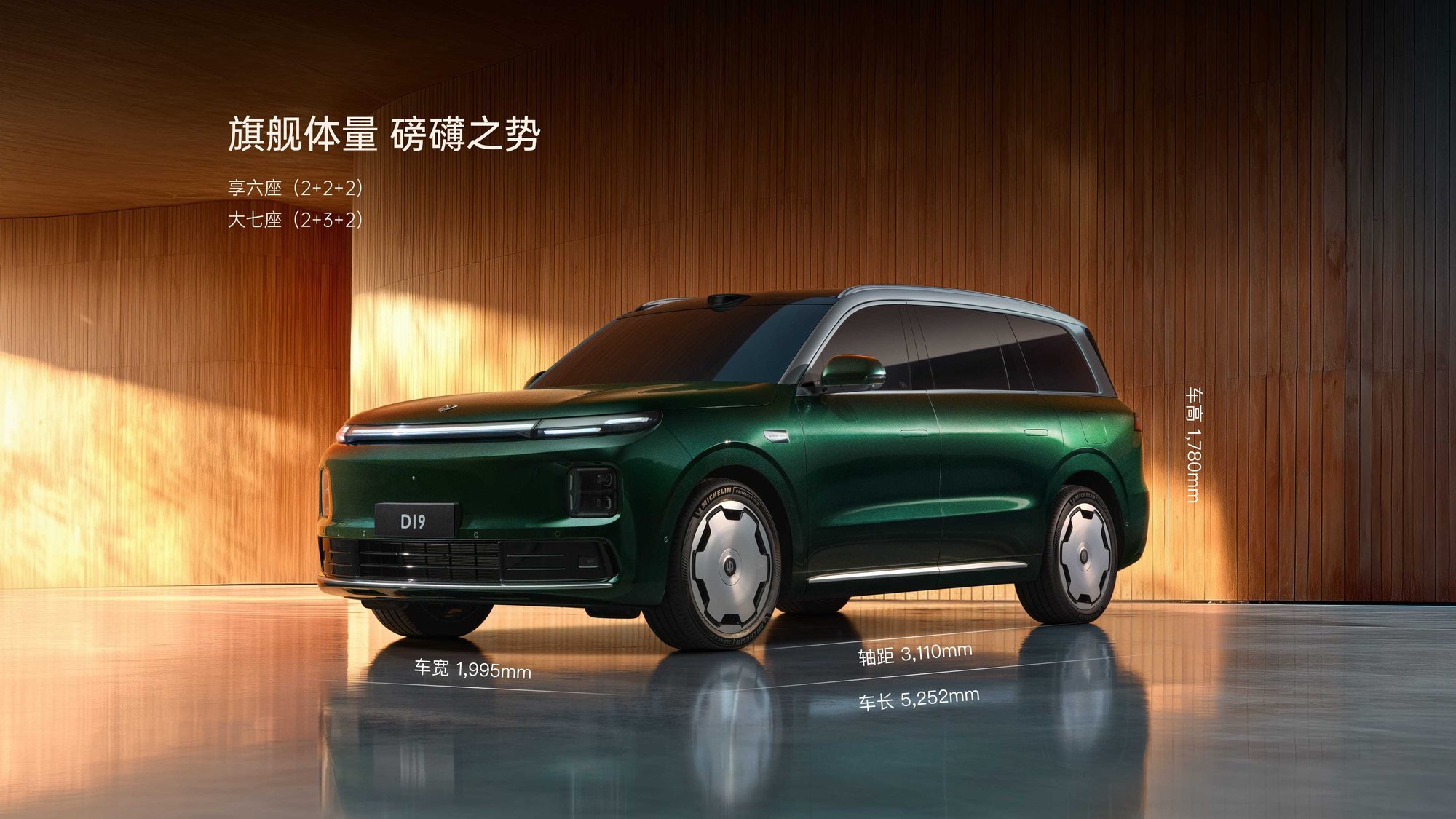
The information given about the Leapmotor D19 this time is very clear: it is not pursuing "exterior luxury," but building a full-size flagship centered on an electrical/electronic architecture (cockpit-driving integration) + high-voltage three-electric system + controllable chassis. On December 22, the official interior official images were released, and blind pre-orders had previously opened (999 yuan intent deposit, priority production scheduling, and other benefits), with the pace pointing to pre-sales/launch deliveries in the first half of 2026.
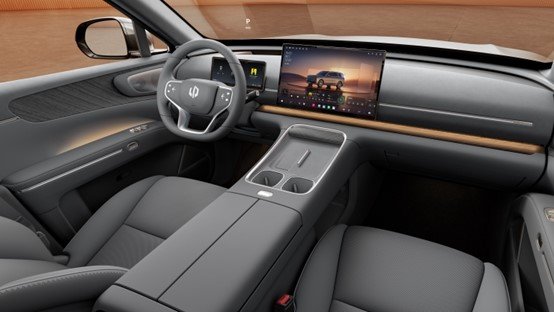
1) Cockpit display chain: upgrading from "multiple screens" to "layered information"
Setting aside luxury for now, let's look at the engineering implementation first: the D19's cockpit display resources are very "systematic," with the core being to thoroughly layer driving, interaction, and entertainment to reduce single-screen congestion and prevent driving information from being crowded out by entertainment.
The disclosed screen/display chain includes:
60-inch high-brightness all-weather AR-HUD (primary display surface for driving information)
10.25-inch instrument cluster (redundancy + vehicle status)
17.3-inch central control screen (primary interaction screen)
6-inch rear multi-function control screen (rear function domain)
21.4-inch 3K electric entertainment screen (rear entertainment domain)
Significance:
The HUD handles "critical driving information," while the instrument cluster provides safety redundancy;
The central control screen focuses on interaction and task flow;
The rear uses an independent control screen to separate functions such as air conditioning/seats/refrigerator from the front row, reducing mutual disturbance.
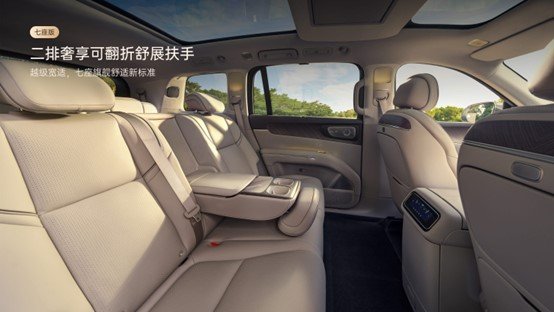
2) Seats and cabin functional components: the second row is a "modular comfort system"
Configurations such as second-row zero-gravity seats are more like a "comfort system integration":
The zero-gravity seat supports a 120° zero-pressure reclining posture, 4-way leg rest, and integrates an ABTS integrated seatbelt (integrating the restraint system with the seat structure, helping match restraint effectiveness across different seating postures).
The welcome mode creates a 195mm ultra-wide central aisle, solving the ergonomics of entering and exiting the third row.
The refrigerator is specified down to engineering metrics: 8.1L, -6°C to 50°C wide-temperature-range adjustment, and support for voice/APP remote control.
This information is more critical than "it has a refrigerator and a table"—because it can be inferred that Leapmotor has already made system-level reservations in electrical power consumption, thermal management, NVH, and structural layout.
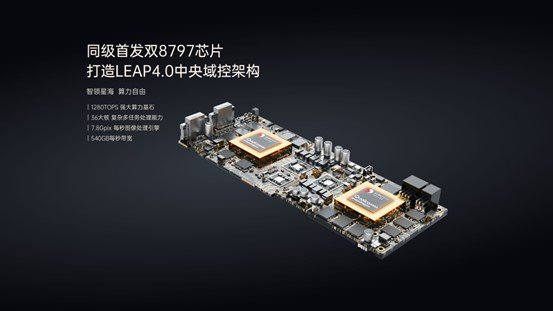
3) Electrical/electronic: dual 8797 + 1280TOPS, with the focus on "redundancy and collaboration"
The D19 emphasizes a "cockpit-driving integrated central domain controller" and gives a computing power figure: dual Qualcomm Snapdragon 8797, total computing power 1280TOPS, while also mentioning VLA assisted driving.
I pay more attention to two points:
Resource isolation: cockpit-driving integration is not about lumping all tasks together, but about whether the domain controller supports stricter safety partitioning (for example, isolation of critical driving tasks from entertainment tasks, and degradation strategies).
Sensor and latency management: the value of high computing power lies in "low-latency fusion + stronger scene understanding"; otherwise TOPS is just a marketing number.
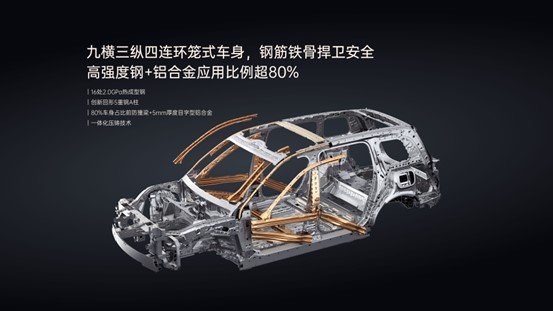
4) Structural safety: material strength is only the threshold; the structural path is the conclusion
Public information mentions: the body structure adopts a cage concept and emphasizes the application of 2000MPa (2GPa) hot-formed steel at 16 locations throughout the vehicle.
Translate this statement into verifiable metrics:
The key is not "how much 2GPa was used," but whether the collision load path is continuous, whether the A/B-pillar/rocker beam/roof side rail nodes are strengthened, and the isolation and energy-absorption strategy between the battery pack and the passenger cabin.
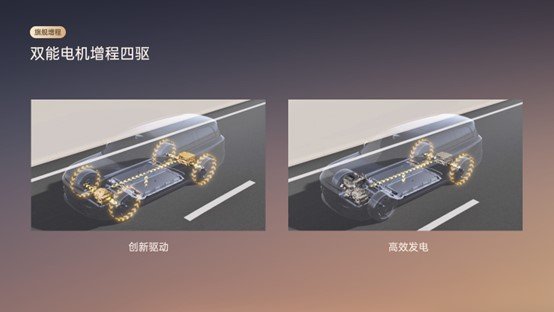
5) Three-electric system and high-voltage platform: pure electric 1000V vs range-extended 800V, a very "engineering-realistic" route
Among the disclosed powertrain information, the route differences between the two versions are very clear:
Range-extended version (CTC battery)
80.3kWh battery, 500km pure electric range (standard: CLTC)
System combined power 400kW, wheel-end torque 7850N·m
Supports 800V fast charging, intelligent all-wheel drive
Pure electric version (full-stack 1000V)
Combined power 540kW, wheel-end torque 8770N·m
115kWh battery, CLTC range 720km
34-in-1 super thermal management module (highly integrated, usually intended to reduce piping/valves, lower heat loss, and improve winter and high-load consistency)
Interpretation:
The range-extended route using 800V makes it easier to find a balance among cost, charging network, and system complexity;
The pure electric route using 1000V makes high-power fast charging and high-performance output core selling points, with the challenge lying in insulation/EMC/thermal management consistency and power retention under extreme conditions.
6) Chassis and motion control: three-motor vector control + dual-chamber air suspension CDC, a "software-defined chassis"
Public information mentions:
3-motor vector control, 3-second-class 0-100km/h
Dual-chamber closed air suspension + CDC damping
50500 N·m/deg body torsional rigidity
And lists control functions such as "dual-wheel blowout stability, compass turn"
This means:
Hardware (air suspension + CDC + multiple motors) is only the foundation; what truly determines the experience is the control strategy:
Longitudinal (acceleration/deceleration pitch) control
Lateral (steering response/roll) control
Road surface (preview/damping matching) control
"Blowout stability/turn" belongs to extreme-condition control, and production implementation tests sensor reliability, actuator response, and fault degradation even more.
7) Lighting and exterior interaction: DLP projection and ISD light curtain, essentially "external HMI"
In terms of exterior interaction components, the D19 emphasizes:
Million-pixel DLP projection headlights (capable of dynamic light carpet/welcome/assisted lighting, etc.)
Rear 1958mm ISD smart interaction light curtain, 11025 LED light points
Conclusion: this type of configuration is not about "looking good," but about incorporating human-machine interaction outside the vehicle into the overall vehicle HMI—there is great potential in the future for linkage with intelligent driving status prompts, parking guidance, and welcome information, but it equally requires regulation and scenario boundary management.


