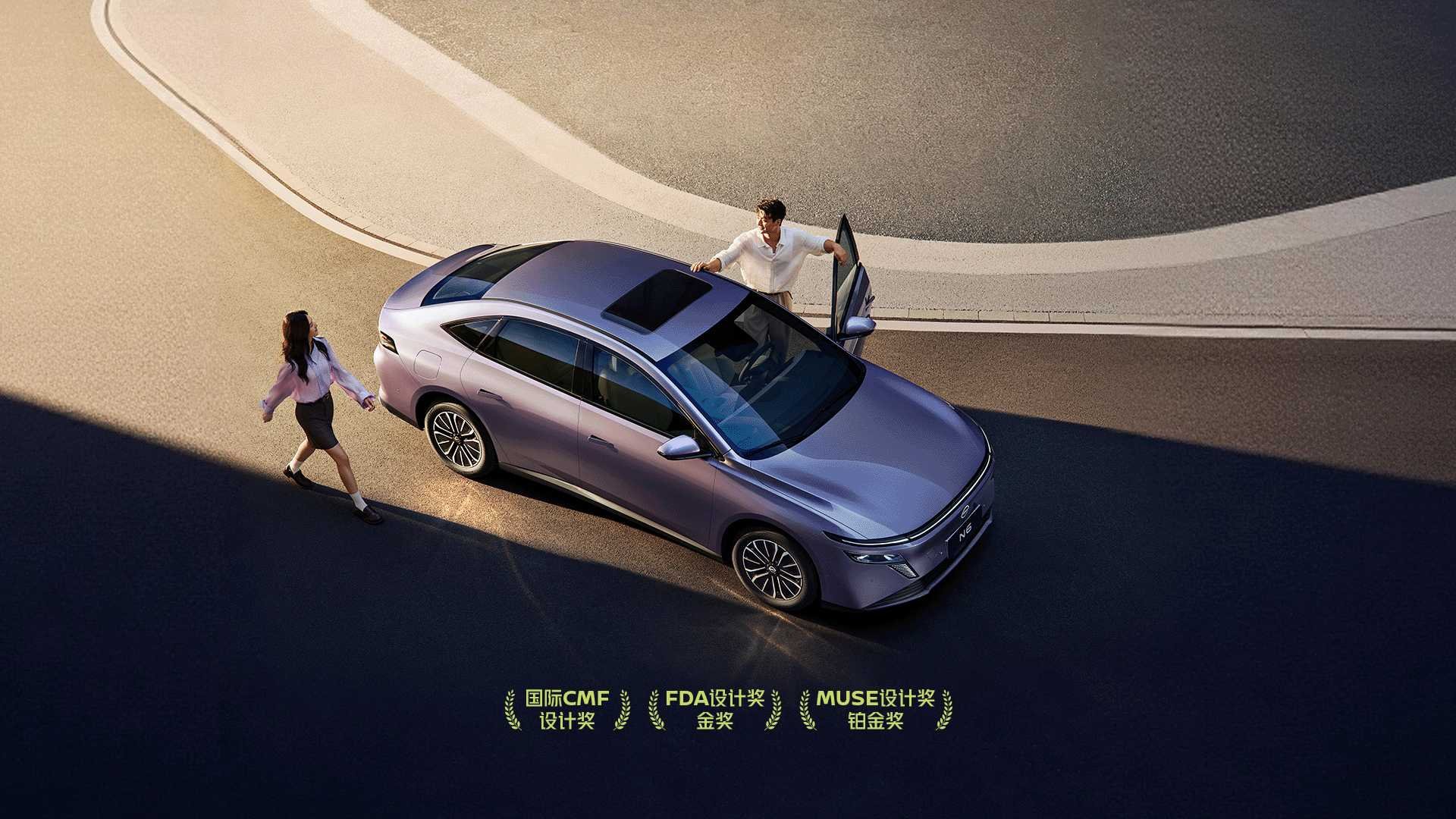
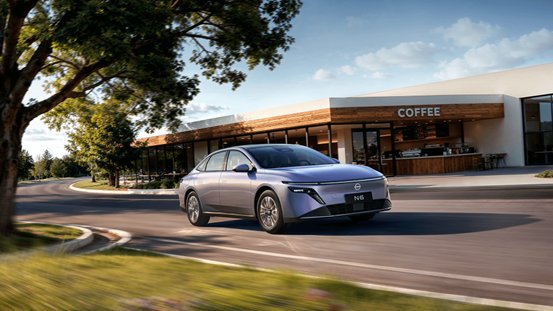
On February 24, Dongfeng Nissan N6 added a new configuration version, the 180 PRO+, officially launched: official price 116,900 yuan, limited-time launch price 111,900 yuan. This is not a conventional minor facelift of "changing wheels/adding ambient lighting," but rather opening up two core technology pathways downward - the battery system and the intelligent driving computing power system:
Battery system: adopts CATL lithium iron phosphate battery, capacity 21.1kWh, CLTC pure electric range 180km, and maintains the fast-charging metric of 30%-80% in 17 minutes.
Computing power system: the core computing power for the cockpit/intelligent driving is upgraded to the Snapdragon 8775, and works with the Momenta flywheel large model, covering functional domains such as highway NOA, urban memory navigation, and all-scenario parking.
For users, the engineering value of this car can be summarized in one sentence: make the "energy loop" of a plug-in hybrid approach the usage habits of a pure electric vehicle, while using a higher computing platform to maximize the usable scenarios of assisted driving.
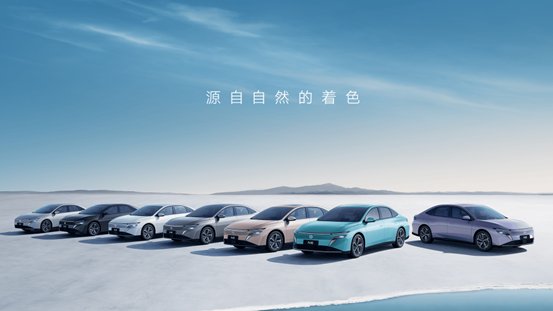
Key parameters
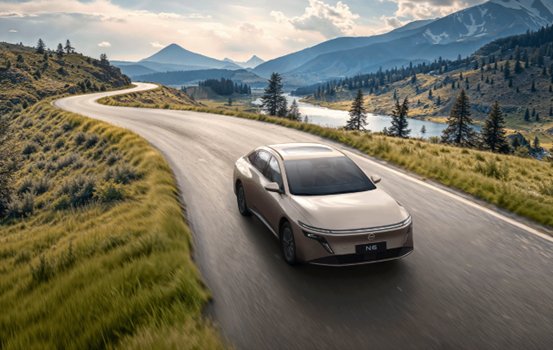
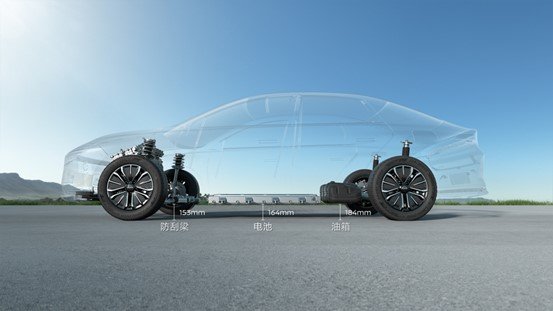
1) Powertrain: single-speed DHT + multi-in-one electric drive, with the goal of "electric-drive-led controllability"
Judging from the parameter combination, the Dongfeng Nissan N6 180 PRO+ follows a typical engineering route of "motor as primary drive + engine for energy supplementation/parallel coordination":
The motor's 155kW / 320N·m corresponds to 0-100km/h in 6.8s, indicating that the vehicle's acceleration is mainly reliant on electric drive output, while the engine is more responsible for energy supplementation under high-efficiency conditions/maintaining high speed.
The engineering significance of the single-speed DHT lies in reducing structural complexity, reducing shift shock and control variables, which helps focus calibration on:
Engine intervention timing (NVH and perceived feel)
Torque coordination (smooth torque among engine-motor-wheels)
Efficiency and thermal management under low-charge conditions
1.5L 75kW / 135N·m: power does not pursue "strength," but leans more toward the efficiency domain and NVH control domain (small displacement, low-load efficiency is easier to make look good), which is consistent with the target of "2.79L/100km low-charge fuel consumption."
If this system is calibrated well, the user experience will feel closer to "the linearity of a pure electric car," rather than the frequent rpm spikes of traditional hybrids.
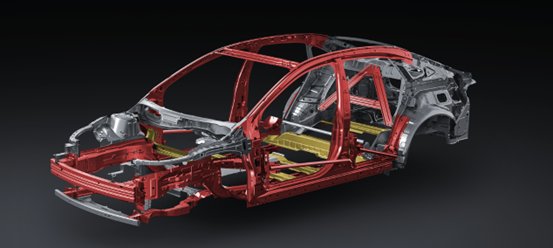
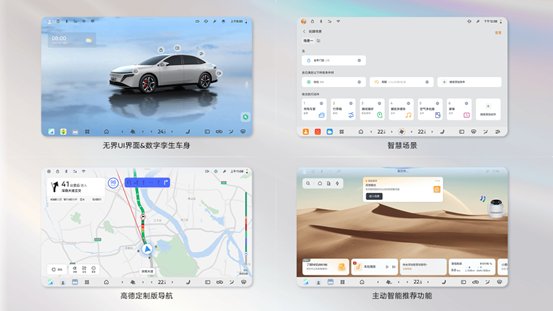
2) Battery and charging: 21.1kWh + 180km pure electric range determines the "plug-in hybrid usage pattern"
For plug-in hybrid vehicles, battery capacity and fast-charging capability determine whether they are "fuel-dominant" or "electric-dominant."
21.1kWh + CLTC 180km: this is a typical magnitude that "can cover most daily commuting mileage," with the goal of enabling users to form a usage loop of using only electricity in daily life.
30%-80% in 17 minutes: if truly reproducible (needs to consider temperature/state of charge/charger power), it means its charging rhythm is closer to the "mid-journey charging" experience of pure electric vehicles.
Lithium iron phosphate: the engineering advantage is better thermal stability and cycle durability; the engineering challenge is that low-temperature available power and low-temperature fast-charging capability depend more on thermal management and strategy.
It is recommended that you must test two items during a test drive/trial:
Fast-charging speed degradation under low battery + low temperature environment (especially in the north/winter)
Noise and fuel consumption fluctuations after engine intervention under low-charge highway conditions
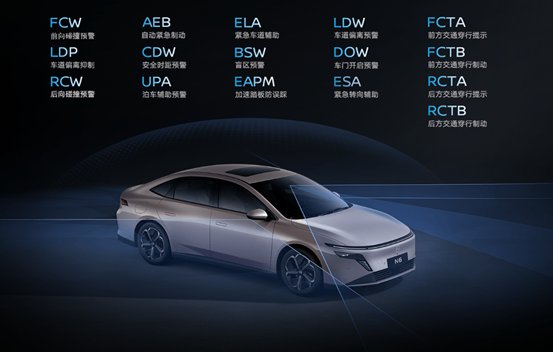
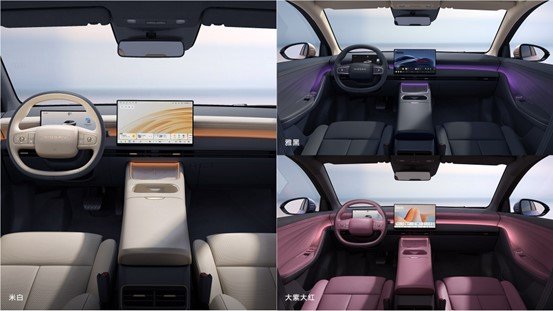
3) Intelligent driving system: the significance of 8775 + Momenta is "unification of computing power and algorithm stack"
In the information you provided, PRO+ clearly states: "8775 chip + Momenta flywheel large model," and gives the functional domains:
Highway navigation assist NOA
Urban memory navigation assist
All-scenario parking assist
Three things need to be examined:
Unified computing platform: as the core platform for cockpit/intelligent driving, the advantage of 8775 lies in easier cross-domain coordination (perception, planning, HMI, map/navigation data flow), reducing latency and the system's "fragmented feel."
The essence of "urban memory" is the generalization capability of reproducible routes: it is usually sensitive to road topology, lane markings, and construction changes, and reliability depends more on training data coverage and the conservative degree of the strategy.
Parking capability implementation depends on two points:
Sensor redundancy and fusion strategy
The frequency of "hesitation/recalculation" in low-speed control and path planning
It is recommended that you conduct actual in-store testing (do not just watch a sales demonstration):
Lane keeping and cut-in judgment in backlight + low-light scenarios
Complex underground garages: ramps, ground locks, serrated speed bumps, one-shot entry into narrow parking spaces
Urban memory route: run it at least twice, and see whether the second time is noticeably smoother with fewer takeovers
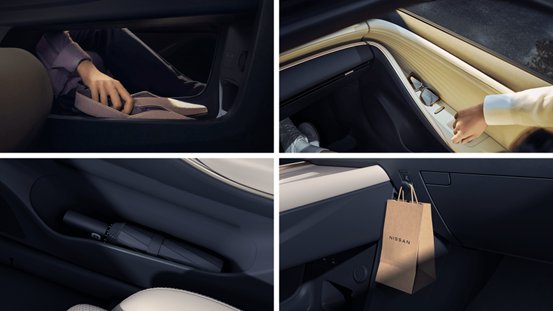
4) Cockpit system: treating "interaction efficiency" as a metric
The PRO+ cockpit configuration is not about "stacking screens," but about stacking key links around usability:
15.6-inch 2.5K screen + NISSAN OS (tablet-style interaction)
iFlytek Spark + DeepSeek (voice/knowledge capabilities)
Amap customized navigation (route and lane-level guidance experience)
50W air-cooled wireless charging, wireless microphone karaoke, CarPlay/HiCar/CarLink
To evaluate a cockpit from an engineering perspective, do not look at "how many functions there are," but at three things:
Startup/wake-up/navigation cold start time
Whether multitasking in parallel drops frames (navigation + music + continuous voice interruptions)
Whether the path for key high-frequency operations is short (air conditioning/seat/driving assistance switches)
5) PRO+ and Max+: what does "only the seats differ" mean?
The description you gave is: compared with Max+, the main difference of PRO+ is the front-row AI zero-gravity seats.
This is often not "one configuration item," but a whole set of human-machine comfort system combinations (degrees of freedom for power adjustment, ventilation/heating/massage, foam and support structure, fatigue models, etc.). So the conclusion is very direct:
If your daily commute is long, or you often drive long distances on highways: the difference in the seat system will be amplified, and Max+ is more valuable.
If you value more getting "21.1kWh + 180km + 17min fast charging + 8775 + Momenta" for 111,900 yuan as this core technology pathway: PRO+ is a typical "sweet spot."
Conclusion
The product logic of the N6 180 PRO+ version is very clear: retain as much as possible the two most valuable pathways of a plug-in hybrid vehicle (energy system and computing system), and leave comfort and luxury items (such as a higher-grade seat system) to higher versions.
If you are a user who wants "fuel savings and peace of mind," the key to this car is not in the spec sheet, but in three actual tests:
NVH and fuel consumption stability at low charge on the highway
Reproducibility of fast charging at different temperatures
Conservative strategy for urban memory and parking


