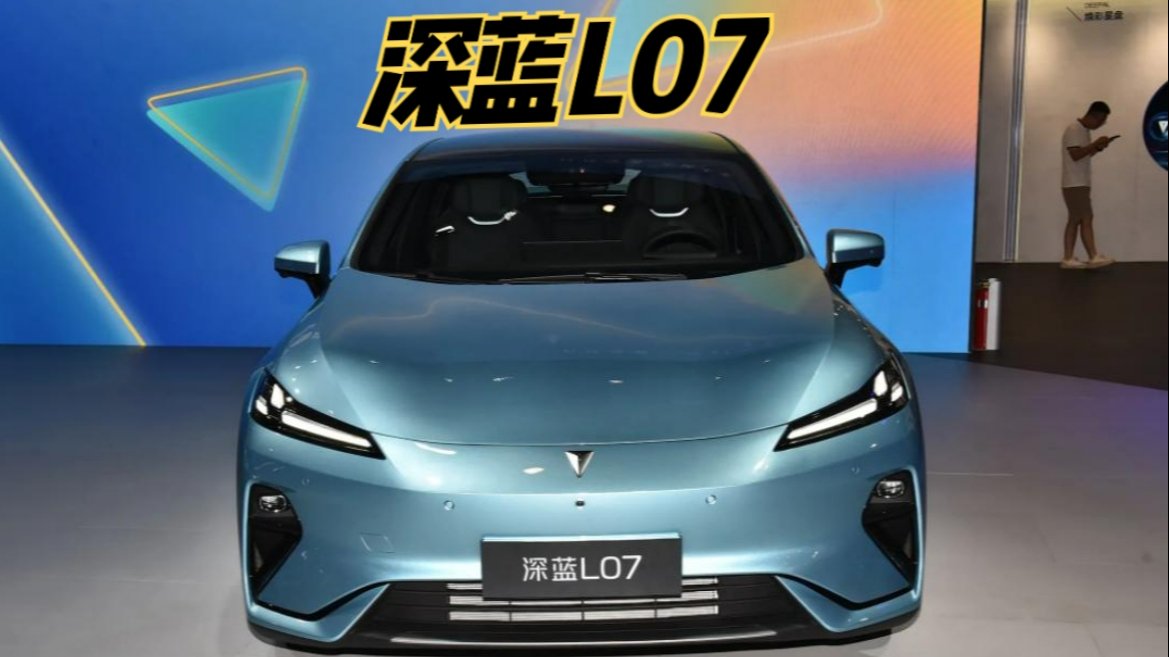
At a time when China's domestic new energy vehicle market continues to heat up, extended-range electric vehicles, with their unique advantage of meeting both daily pure-electric commuting needs and long-distance travel charging needs, have gradually become a key consideration for many consumers when buying a car. In this segment, the Deepal L07 and the Avatr 06 extended-range version are undoubtedly two highly watched models, each occupying a place in the market through differentiated product positioning and technological paths. An in-depth understanding of the characteristics of these two cars is crucial for consumers to make a choice that fits their own needs.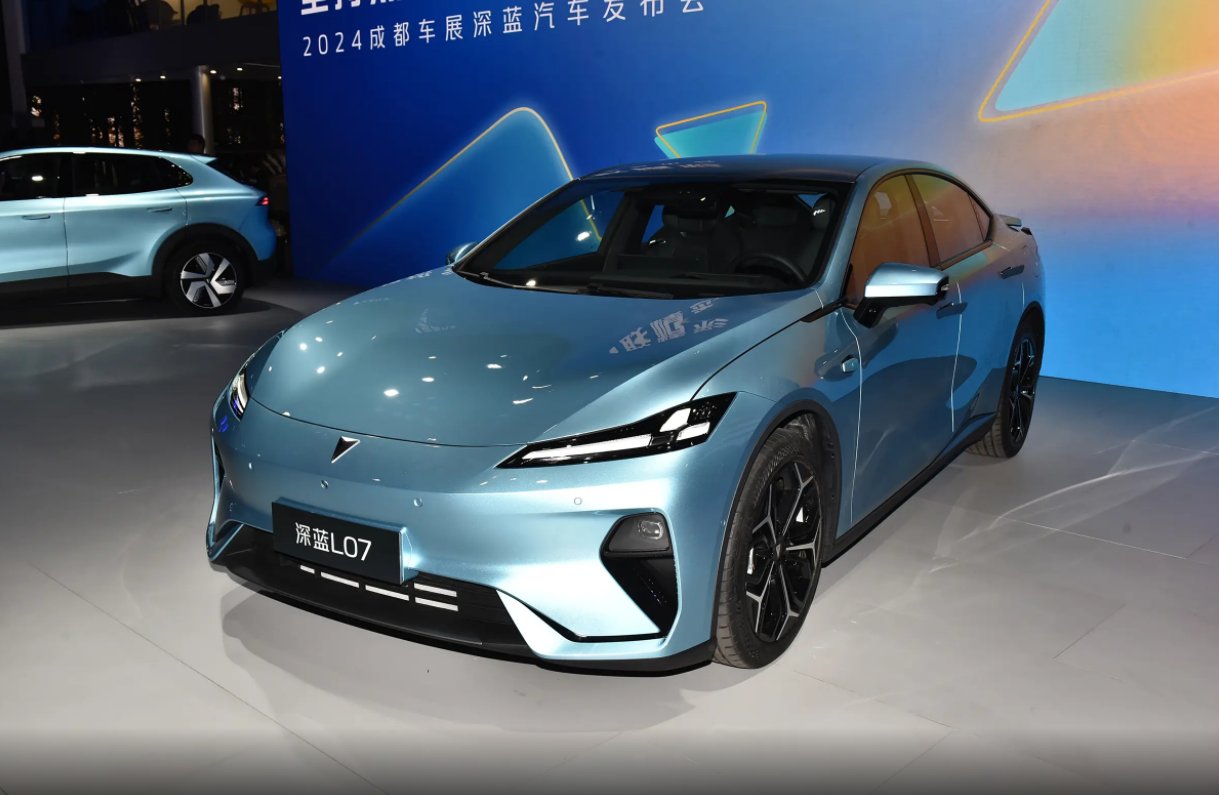
From the perspective of pricing strategy and market positioning, the differences between the two cars clearly outline the different consumer groups they target. The Avatr 06 2025 Pro Extended-Range version starts at 209,900 yuan, with about 15,000 yuan in discounts in the Shandong region, and can also be combined with trade-in subsidies and charging benefits. Such pricing is consistent with its positioning for mid-to-high-end family users. In order to better serve its target customers, the Avatr 06 offers a "Family Car Worry-Free Package," which includes free charging pile installation, an annual charging allowance of 2,000 kWh, and child safety seat adaptation services. These benefits are clearly prepared for consumers who value quality experience and have a certain economic foundation. When buying a car, they not only focus on the vehicle's own performance, but also value the convenience and service quality during subsequent use. The Deepal L07 2025 300Ultra Huawei Qiankun Smart Driving ADS SE version has an official guide price of 170,900 yuan, with cash discounts in the Shandong region reaching about 20,000 yuan, plus trade-in subsidies of 3,000-8,000 yuan and charging subsidies, making its cost-effectiveness advantage obvious at a glance. The pricing strategy of the Deepal L07 points directly at the mainstream family market, especially targeting first-time car buyers or users who are more budget-sensitive. In order to further lower the threshold for car purchase, its financial plan offers a 24-period 0-interest loan, with a minimum down payment ratio of only 30%. For consumers with limited budgets but still in need of a car, this is undoubtedly highly attractive. The core differences between the two are reflected in brand premium, configuration richness, and service benefits. The Deepal L07 actively captures the mass market with the positioning of an "entry-level extended-range coupe," while the Avatr 06 deeply cultivates the mid-to-high-end family field through luxury configurations and precise services. This difference in positioning has drawn different competitive tracks for the two cars from the very beginning.
In terms of design language, the two cars respectively interpret different orientations of sporty aesthetics and future technology, and this difference also directly reflects their precise grasp of target users' preferences. The Avatr 06 adopts the "Symbiotic Aesthetics" design language, presenting an overall minimalist futuristic style. Its body dimensions are 4855×1960×1467mm, with a wheelbase of 2940mm. Such dimensions not only ensure ample interior space but also give the vehicle an elegant stance. At the front, a semi-hidden LiDAR (optional) is cleverly embedded into the front edge of the hood, together with split LED light strips forming an "X"-shaped visual symbol. The 12mm-wide light strip is not only exquisitely shaped but also integrates a sequential turn signal function, creating a smooth dynamic effect when the vehicle turns and enhancing its recognizability. The floating roof on the side forms a 20-degree angle with the body through black trim. The unique angle design creates a light visual impression. The waistline extends from the fender all the way to the taillight, rising at a 15-degree angle, outlining the vehicle's forward-surging dynamism. The hidden electric door handle has a sensing distance of 80cm and a response time of only 0.5 seconds. When the user approaches the vehicle, the door handle pops out quickly, making it convenient to get in and out while maintaining the integrity of the body side. The three-segment through-type taillight at the rear uses OLED material, with a single light group thickness of only 8mm and an illumination delay of less than 0.1 seconds. When lit at night, not only is the lighting effect delicate and uniform, but it also responds quickly, improving driving safety. The electric rear spoiler and trunk lid adopt an integrated design and can automatically deploy during high-speed driving, effectively reducing drag by 5% while also adding a touch of sportiness to the vehicle.
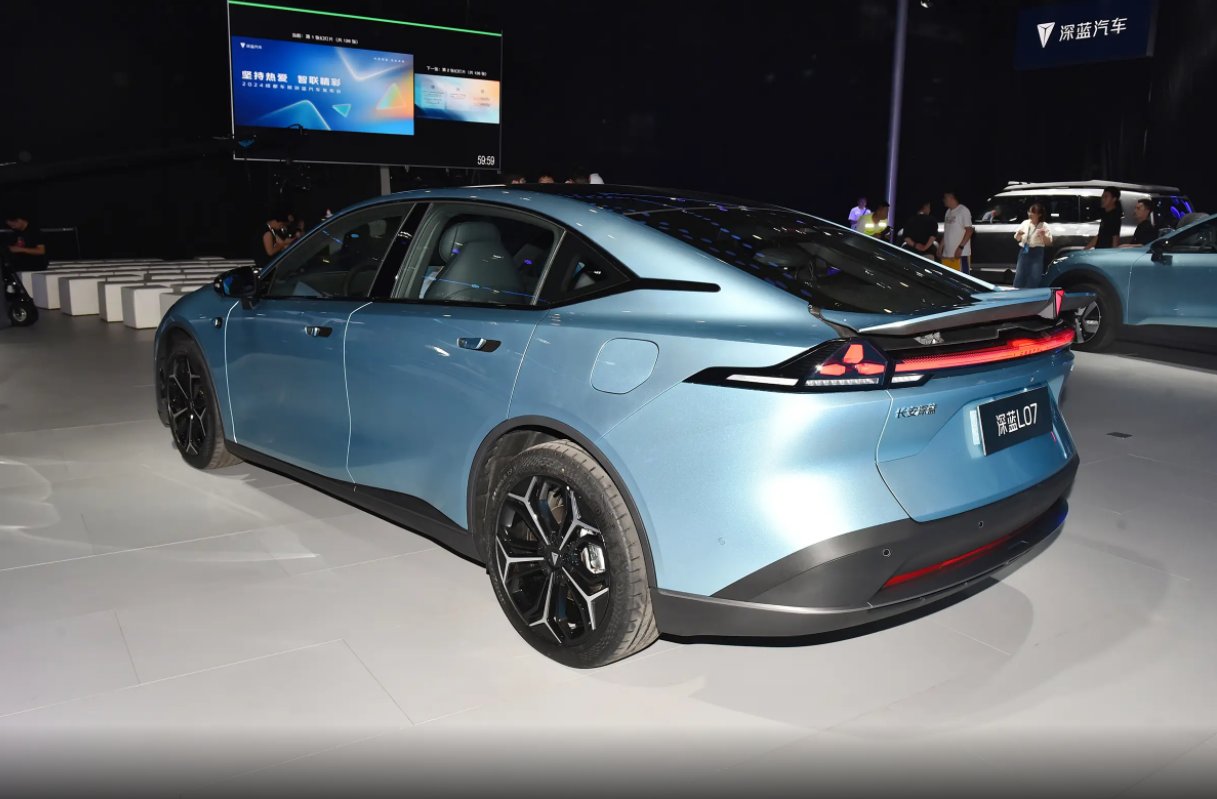
In comparison, the Deepal L07 adopts the "Deep Sea Storm" design concept, placing more emphasis on dynamic fluid design. Its body dimensions are 4875×1890×1480mm, with a wheelbase of 2900mm. The slightly longer body length makes the whole vehicle look more stretched. The "Deep Blue Eye" split daytime running lights at the front have an included angle of 120 degrees. The interior of the light group uses matrix LED light sources, with a low-beam illumination distance of 80 meters and a high beam reaching 150 meters, providing sufficient lighting for nighttime driving and ensuring driving safety. Paired with a honeycomb closed grille, it not only strengthens the sporty feel but also lowers the vehicle's drag coefficient to as low as 0.26Cd, helping to reduce energy consumption. The fastback curve on the side extends smoothly from the A-pillar to the ducktail-style spoiler, with smooth and natural lines, highlighting the coupe's dynamic character. The hidden door handle is flush with the body with an error of less than 1mm, making the gap almost invisible, which both improves aesthetics and reduces drag. The 19-inch star-ray wheels adopt an aerodynamic guide groove design, which can effectively reduce wheel vortex loss and further optimize the vehicle's aerodynamic performance. The through-type taillight at the rear is 1.2 meters wide, with 36 LED beads arranged in a "V" shape inside, delivering strong visual impact when lit. The electric spoiler automatically rises at a speed of 110km/h, providing 28kg of downforce and enhancing the vehicle's stability during high-speed driving. It can be said that through these aggressive sporty elements, the Deepal L07 has successfully attracted the attention of many young consumers, while the Avatr 06, with its minimalist sense of technology, precisely reaches family users who pursue high-end texture.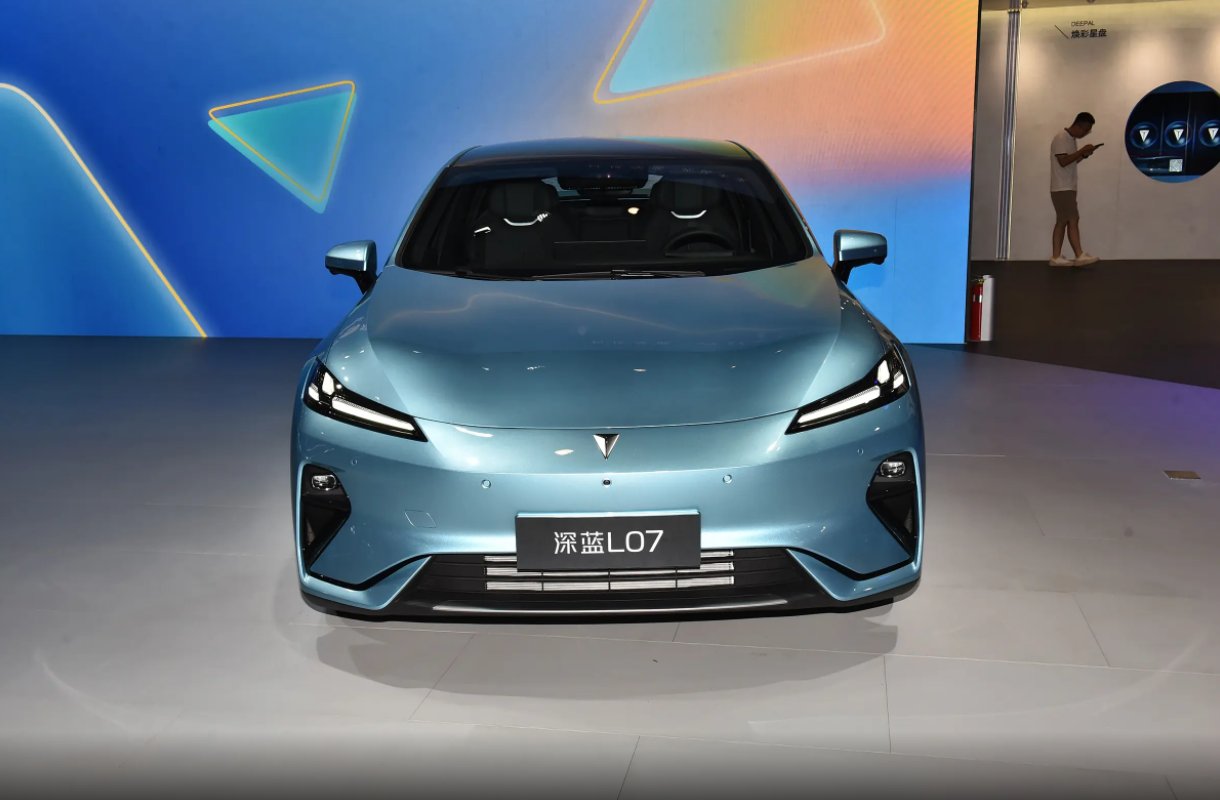
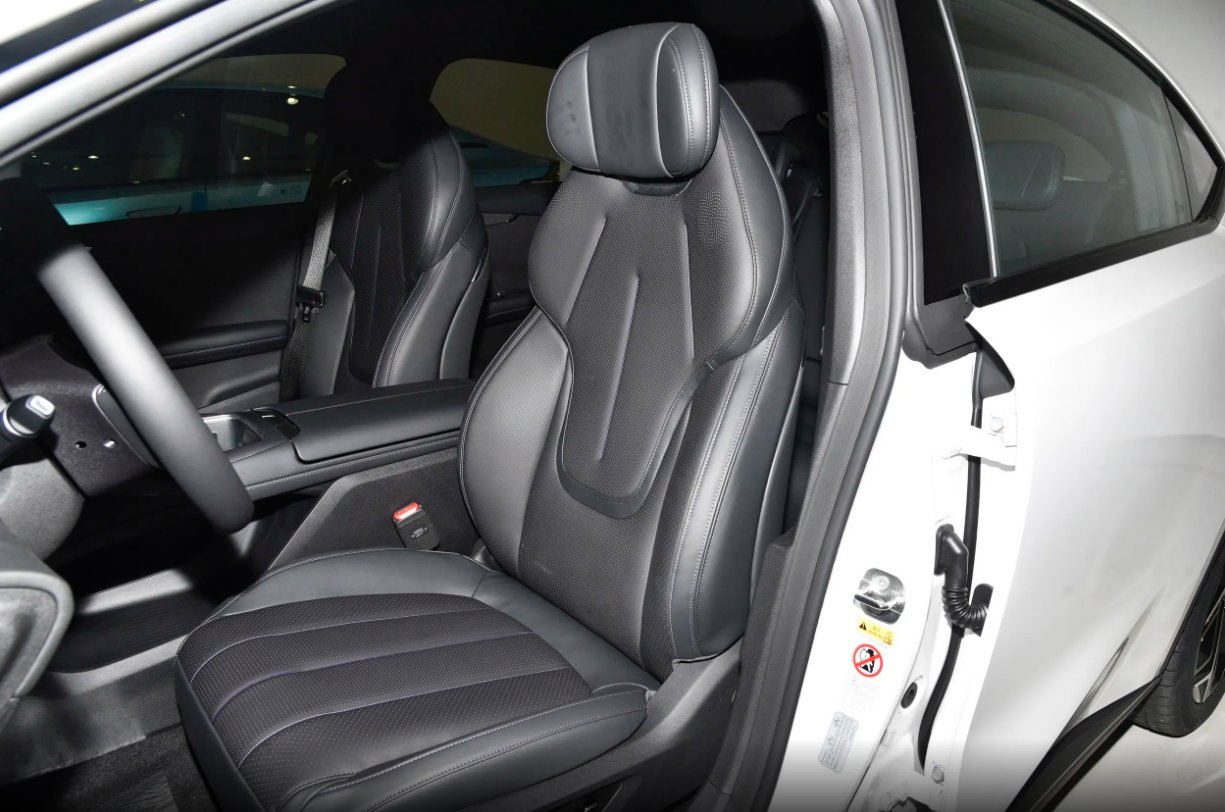
In terms of interior experience, the two cars show different emphases on technological atmosphere and luxury texture, and this difference also echoes their market positioning. The Avatr 06 creates an immersive luxury cockpit. The 35.4-inch 4K full LCD horizontal screen in the cockpit is very eye-catching, with a resolution of 3840×720, a pixel density of 120PPI, and clear and delicate display effects. It supports split-screen display and can simultaneously show navigation, entertainment, and vehicle status information, making it convenient for the driver to quickly obtain the needed content while driving. The equipped HarmonyOS Cockpit 4.0 system has a voice wake-up response time of only 0.6 seconds and supports more than 10 consecutive rounds of dialogue. Whether adjusting the air conditioning temperature, switching music, or setting a navigation destination, it can all be easily done by voice, greatly improving the convenience of operation. The HUD adopts DLP projection technology, with a resolution of 1920×720, and can display lane-level navigation information. The projection distance is 3 meters, so the driver can see the navigation guidance clearly without lowering their head, helping to improve driving safety. The seats are made of Nappa genuine leather, and the surface has been treated with antifouling treatment, with an oil stain residue rate of less than 3%. Even if stains are accidentally picked up, they can be easily wiped clean. The driver's seat is equipped with an 8-point massage function, with 3 adjustable massage intensity levels. Whether for long-distance driving or daily commuting, it can provide comfortable waist and back support for the driver. Seat heating and ventilation are 20% faster than traditional systems. In cold winters or hot summers, the seat temperature can be quickly adjusted, bringing a more comfortable riding experience.
The Deepal L07 is committed to creating a lightweight technological cockpit, and the center console adopts a "wraparound floating design," giving a simple and transparent feeling. The 15.6-inch 2.5K central control screen supports 10-point touch, with a screen brightness of 500nits. Even in sunlight, the viewing angle can still reach 178 degrees, ensuring clear display effects. The equipped Qualcomm 8155 chip has strong performance, with a system startup time of only 4.8 seconds and application switching smoothness of 92 frames/second. There is almost no lag during operation, bringing users a smooth in-car experience. The HUD head-up display has a projection distance of 2.5 meters and a resolution of 854×480. It can display content such as vehicle speed, navigation arrows, and ADAS information. Although the display accuracy is not as good as that of the Avatr 06, it is sufficient to meet daily driving needs. The seats are made of suede-like material, with a surface friction coefficient of 0.35. The anti-slip performance is better than ordinary leather, providing passengers with better support during spirited driving. The driver's seat supports 6-way electric adjustment, and the lumbar support adjustment stroke is 40mm. The driver can easily find a comfortable sitting posture according to their own body shape and driving habits. Overall, the Deepal L07 takes "technology equality" as its concept and meets users' basic needs through cost-effective configurations, while the Avatr 06 pays more attention to the luxury experience of touch and vision, and is closer to its mid-to-high-end positioning in material selection and functional configuration.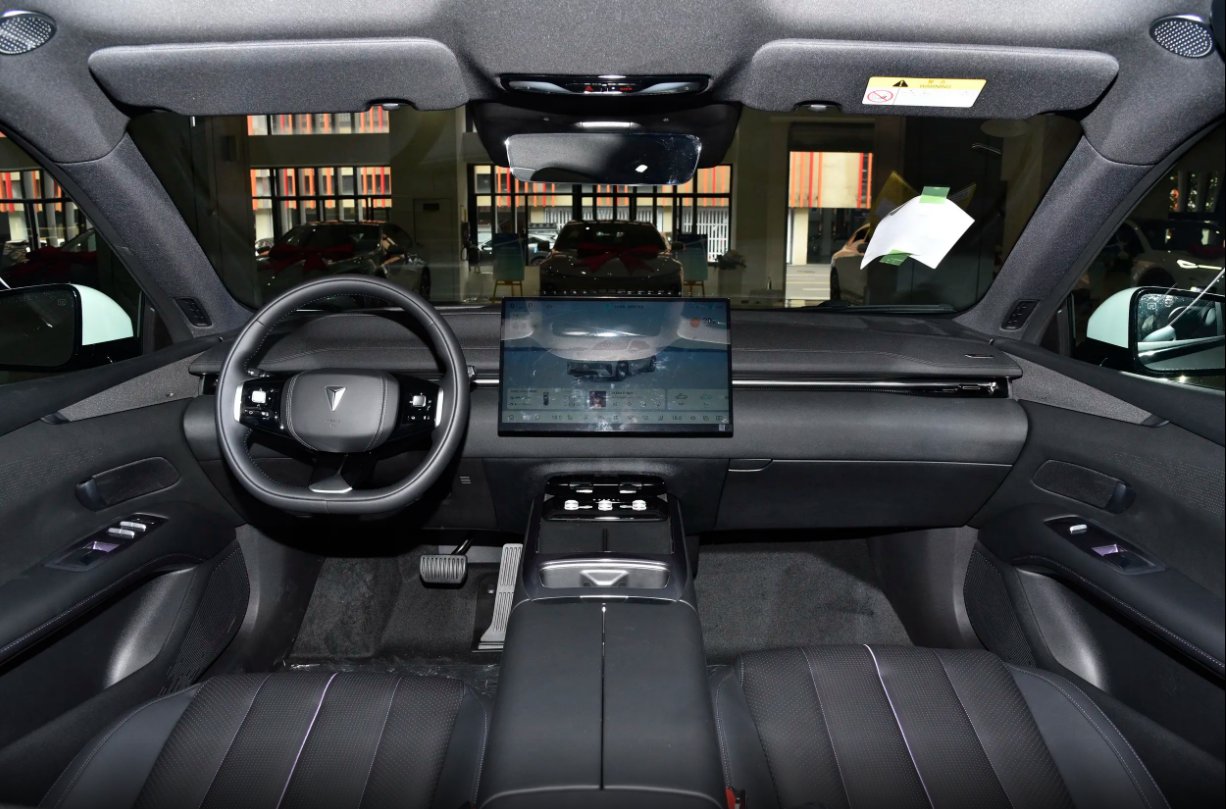
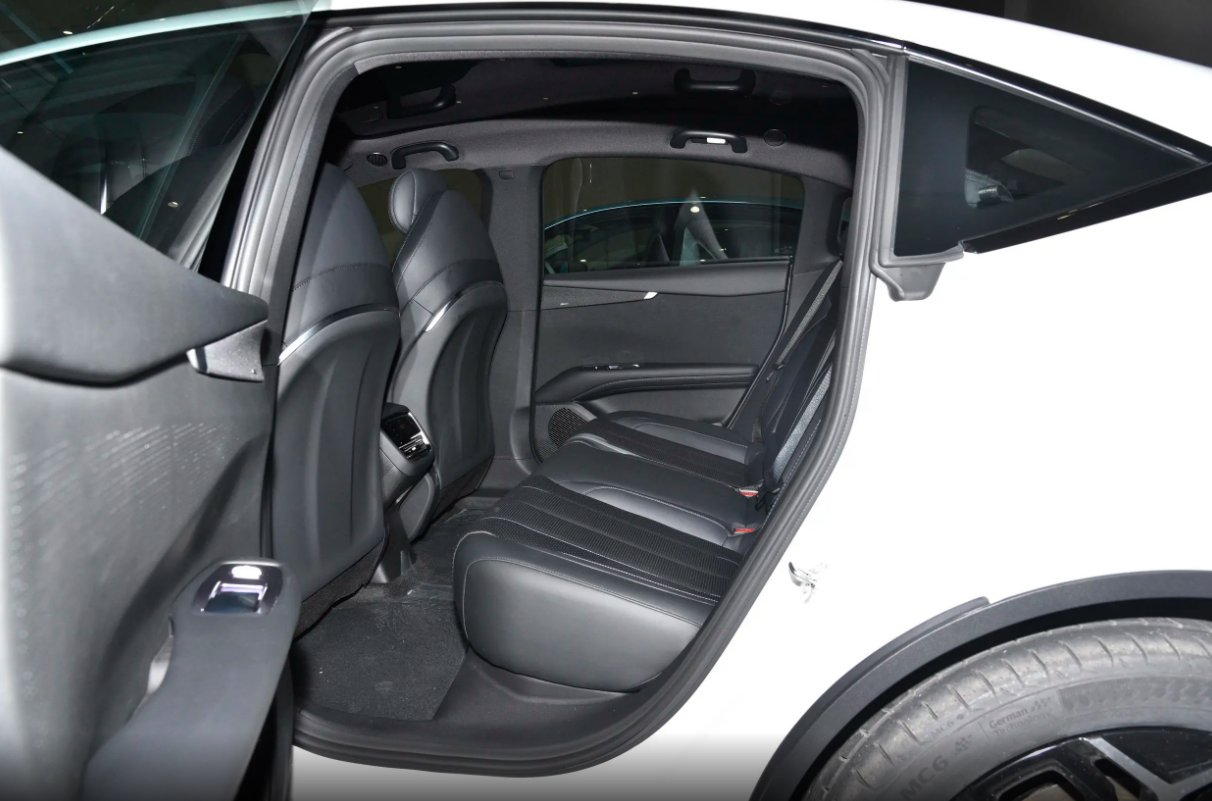
In terms of spatial layout, both cars seek a balance between coupe styling and practicality, but their specific performances each have their own strengths. With a longer wheelbase and optimized seat layout, the Avatr 06 has more advantages in spatial performance. Front-row headroom is 1010mm (measured with passengers of the same height), and knee room is 230mm. Even taller passengers can obtain a comfortable riding experience without feeling oppressed. Rear-row headroom is 950mm, legroom is 300mm, and lateral space is 1480mm, easily accommodating 3 passengers with a height of 180cm. Passengers in the middle rear position also have enough legroom and headroom and will not feel cramped. The trunk has a conventional volume of 416L and is also equipped with a 15L underfloor storage compartment, which can be used to hide valuables and increases storage security. After the rear seats are folded down, the trunk space can be expanded to 1266L. Coupled with a trunk opening width of 1150mm, whether carrying a baby stroller, bicycle, or placing a large amount of luggage during long-distance travel, it can be easily handled. For multi-member families or users with high-frequency long-distance travel needs, such spatial performance is undoubtedly highly attractive.
Although the spatial performance of the Deepal L07 is slightly inferior to that of the Avatr 06, it can still meet the daily use needs of most families. Front-row headroom is 980mm (measured with a 175cm-tall passenger), and knee room is 210mm. For passengers around 175cm tall, it can provide a relatively comfortable riding experience. Rear-row headroom is 920mm, legroom is 280mm, and lateral space is 1430mm, suitable for 3 passengers with a height of 170cm. Although rear space may feel slightly compact for taller passengers, it is completely sufficient for daily urban commuting and short trips. The trunk has a conventional volume of 473L, easily accommodating two 24-inch suitcases and one carry-on box. After the rear seats are folded down, it expands to 1180L. Whether moving house or long-distance camping, it can provide enough storage space. It can be said that the spatial performance of the Avatr 06 is more suitable for multi-member families or high-frequency long-distance travel scenarios, while the Deepal L07 can meet the daily use needs of most mainstream families.
The intelligent driving system is one of the core competitiveness factors of the two cars. Their contest in scenario coverage and functional precision directly affects the user's driving experience. The Avatr 06 comes standard with the AVATRANS intelligent driving system. The hardware configuration includes 12 cameras, 3 millimeter-wave radars, and 12 ultrasonic radars, with computing power reaching 254TOPS. The strong hardware foundation provides strong support for its intelligent driving functions. The system supports urban NOA functions and can recognize complex scenarios such as unprotected left turns, roundabout passage, and detours around construction sections. In actual tests, the average takeover rate on urban roads is only 0.1 times per 100 kilometers, meaning that in most cases, the system can autonomously complete driving operations, greatly reducing the driver's burden. In highway scenarios, the Avatr 06 supports automatic parking functions, including perpendicular, parallel, and angled parking, with an average parking time of 48 seconds and a parking precision error of less than 5cm. Even users who are not very skilled at driving can easily complete parking operations.
The intelligent driving system of the Deepal L07 2025 300Ultra Huawei Qiankun Smart Driving ADS SE version also performs well. Its hardware configuration is 10 cameras, 3 millimeter-wave radars, and 12 ultrasonic radars, with computing power of 200TOPS. The system supports highway NOA (navigation-assisted driving) and can realize functions such as automatic lane changing and ramp entry and exit in closed highway scenarios. The measured success rate of automatic lane changing is 95%, and the average speed through ramps is 65km/h. During long-distance highway driving, it can provide effective assistance to the driver and reduce driving fatigue. Urban L2+ assisted driving supports recognition of pedestrians and electric bicycles, and the AEB emergency braking system can achieve a stop below 40km/h, with braking distance shortened by 30% compared with traditional systems, effectively reducing collision risk in complex urban road conditions. Overall, the Deepal L07, relying on the Huawei ecosystem, has high maturity in highway navigation, while the Avatr 06 focuses more on complex urban road conditions. Its intelligent driving system has better adaptability to China's road environment, especially suitable for commuting users in first-tier cities.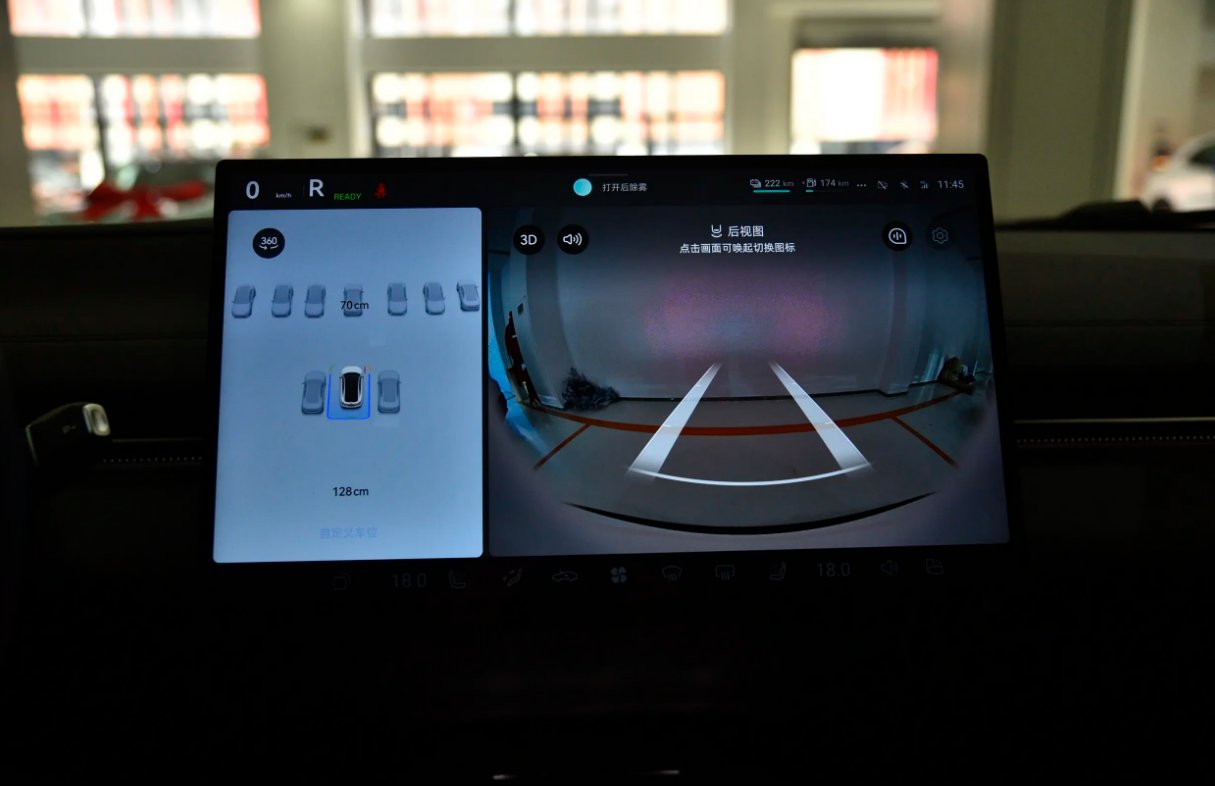
In terms of power performance, the two cars show obvious differences between sporty handling and comfort orientation, meeting the driving preferences of different users. The powertrain of the Avatr 06 extended-range version consists of a 1.5T turbocharged range extender (maximum net power 110kW) and a rear single motor (231kW/367N·m). WLTC fuel consumption at low charge is 6.1L/100km, CLTC pure electric range is 230km, and combined range is 1190km. Such range performance is enough to cope with long-distance travel needs. The suspension system adopts a front double wishbone + rear five-link structure, with spring stiffness of 18N/mm at the front and 22N/mm at the rear, and shock absorber damping of 800N·s/m at the front and 1200N·s/m at the rear. This configuration makes the vehicle's roll angle smaller when cornering. At 60km/h cornering, the steering roll angle is only 6.5 degrees, 1.2 degrees lower than that of the Deepal L07, bringing the driver a more precise handling experience and stronger driving pleasure. 0-100km/h acceleration is 6.6 seconds, and 100-0km/h braking distance is 36.2 meters. Whether it is acceleration explosiveness or braking stability, it performs excellently, suitable for users who pursue driving pleasure.
The powertrain of the Deepal L07 extended-range version consists of a 1.5L naturally aspirated range extender (maximum net power 70kW) and a rear single motor (190kW/320N·m). WLTC fuel consumption at low charge is 4.78L/100km, and CLTC pure electric range is 300km, giving it more advantages in energy consumption control. The suspension system adopts a front MacPherson + rear multi-link structure, with spring stiffness of 16N/mm at the front and 20N/mm at the rear, and shock absorber damping of 700N·s/m at the front and 1000N·s/m at the rear. The suspension vibration filtering efficiency is 82%, and the vehicle's vertical acceleration when passing speed bumps is 2.3g. The overall bias is toward comfort and smoothness, providing passengers with a steadier riding experience. 0-100km/h acceleration is 6.8 seconds, and 100-0km/h braking distance is 38.5 meters. Although acceleration and braking performance are slightly inferior to those of the Avatr 06, they are fully sufficient for daily urban commuting and short trips.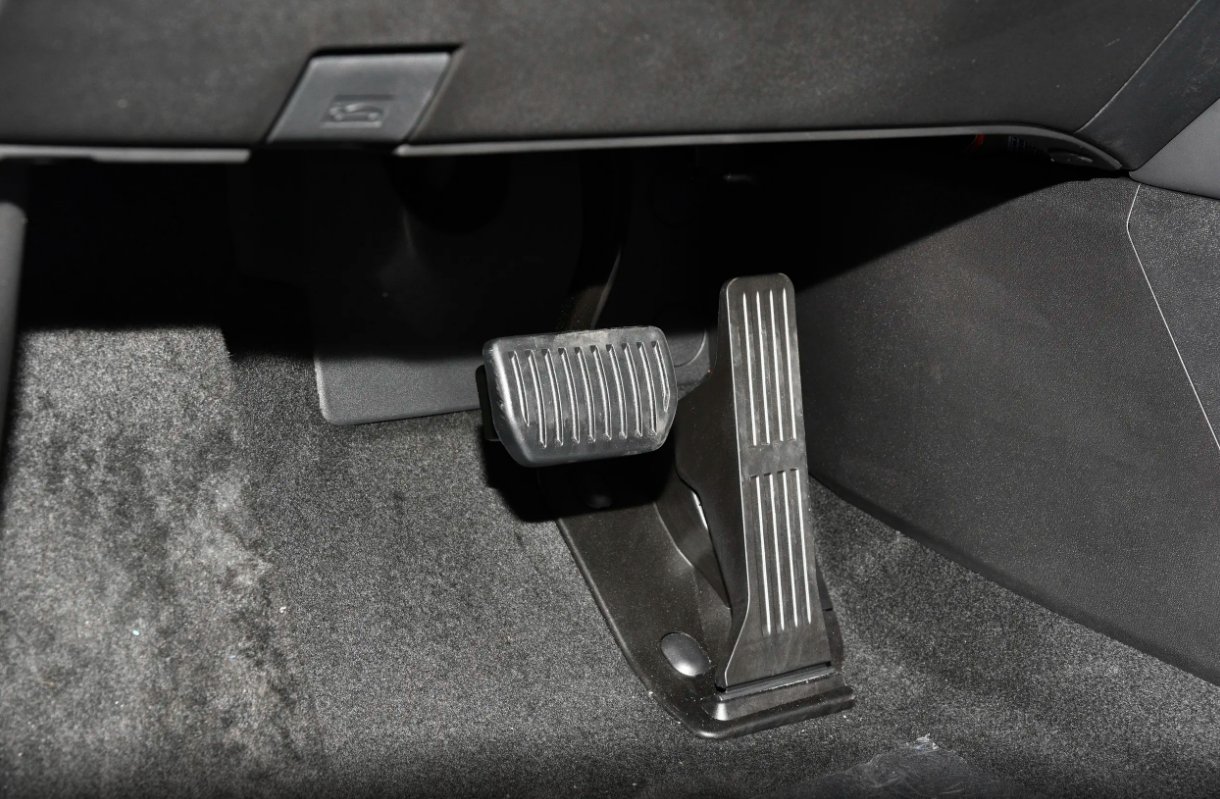
Usage cost is a factor that consumers need to consider key when using a car over the long term. The two cars each have advantages and disadvantages in energy consumption and maintenance. In terms of electricity and fuel costs, the Avatr 06 consumes 17.2kWh per 100 kilometers in pure electric mode, with a cost of about 0.073 yuan per kilometer; in low-charge mode, the fuel cost is 0.45 yuan per kilometer (calculated at 9 yuan/L for 95# gasoline). If driven 20,000 kilometers per year, with pure electric accounting for 70%, the annual cost is about 1,454 yuan. The Deepal L07 consumes 16kWh per 100 kilometers in pure electric mode. Calculated at a residential electricity price of 0.5 yuan/kWh, the cost is 0.066 yuan per kilometer; in low-charge mode, the fuel cost is 0.39 yuan per kilometer (calculated at 8 yuan/L for 92# gasoline). Also driven 20,000 kilometers per year, with pure electric accounting for 70%, the annual cost is about 1,224 yuan. Obviously, the Deepal L07 has more advantages in energy consumption cost.
In terms of maintenance cost, the Avatr 06 range extender maintenance cycle is 12,000 kilometers, with a minor maintenance cost of 400 yuan and a major maintenance (40,000 kilometers) cost of 1,200 yuan; the motor maintenance cycle is 25,000 kilometers, with a cost of 250 yuan, and the average annual maintenance cost is about 610 yuan (driving 20,000 kilometers per year). The Deepal L07 range extender maintenance cycle is 10,000 kilometers, with a minor maintenance cost of 300 yuan and a major maintenance (30,000 kilometers) cost of 800 yuan; the motor maintenance cycle is 20,000 kilometers, with a cost of 200 yuan, and the average annual maintenance cost is about 500 yuan (driving 20,000 kilometers per year). In terms of maintenance cost, the Deepal L07 is also more cost-effective. However, because the Avatr 06 has stronger power performance, slightly higher energy consumption and maintenance costs are also reasonable, and the gap between the two is within an acceptable range.
In terms of safety performance, both cars have made sufficient considerations in passive protection and active intervention, but the Avatr 06 performs better. The Avatr 06 body has a high-strength steel proportion of 78% and a hot-formed steel proportion of 25%. The A-pillar and central tunnel use 2000MPa-grade steel and have passed the C-IASI Good (G) rating. The high-strength body structure provides a solid protective barrier for occupants. In terms of active safety, the upgraded AEB 2.0 system can recognize ghost probe scenarios and is effective below 60km/h. The LKA lane keeping assist deviation correction force is 3.5N·m. It is equipped with 8 airbags (adding rear side airbags), comprehensively improving the vehicle's active safety protection capability, especially suitable for families with children.
The Deepal L07 body has a high-strength steel proportion of 65% and a hot-formed steel proportion of 18%. The A-pillar and rocker beam use 1500MPa-grade steel and have passed the C-NCAP five-star crash test (comprehensive score rate 92%), meeting basic safety needs. In terms of active safety, it integrates AEB (can recognize pedestrians/electric bicycles, effective below 50km/h), LDW lane departure warning, and TSR traffic sign recognition. It is equipped with 6 airbags (driver and front passenger + front side airbags + front and rear head curtains). Although it is slightly inferior to the Avatr 06 in the richness of safety configurations, it can also provide users with reliable safety protection and outstanding cost-effectiveness.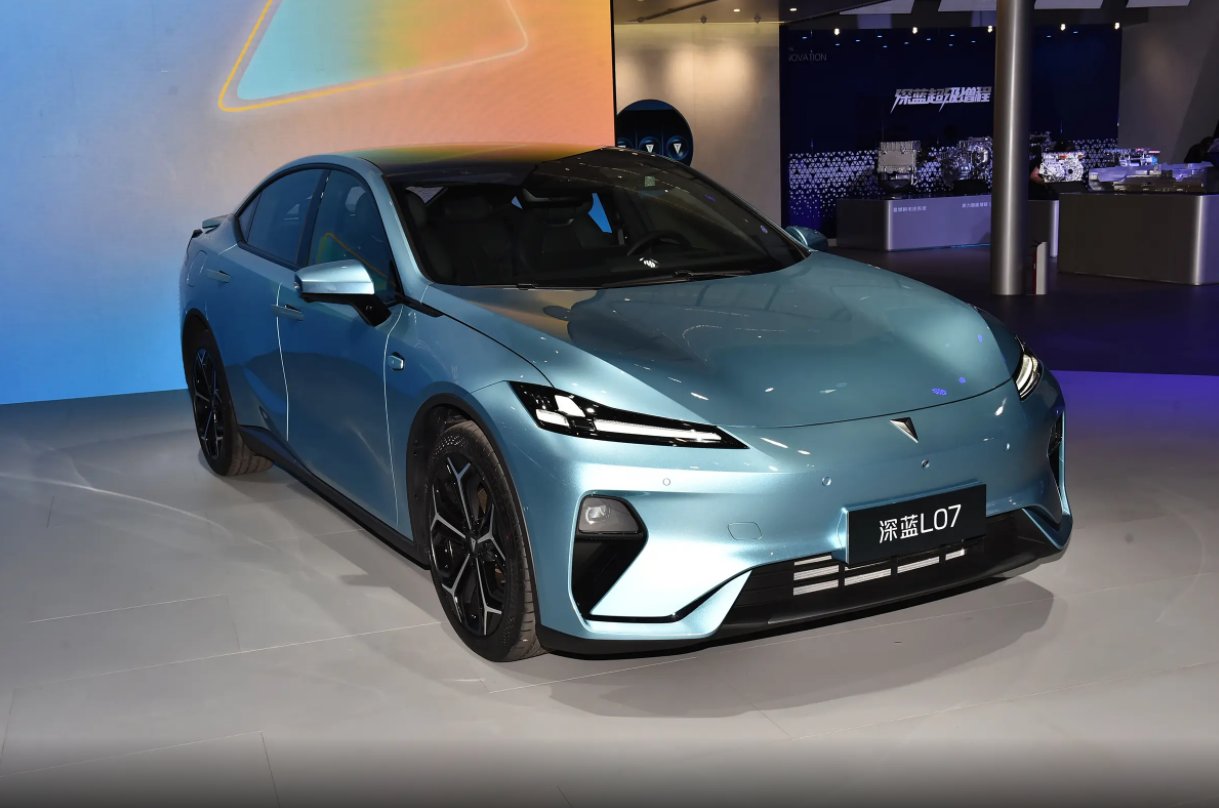
From the perspective of user scenario adaptation, the Avatr 06 is more suitable for high-frequency long-distance travel scenarios for family users. When annual mileage exceeds 30,000 kilometers, its larger space and better quietness (high-speed wind noise 62dB, 3dB lower than the Deepal L07) can bring a more comfortable riding experience; for multi-member families (traveling with 3 children or elderly people), its rear seats have a wider adjustment angle (10-30 degrees, while the Deepal L07 is fixed at 25 degrees), which can meet the riding needs of different passengers; in terms of child safety, ISOFIX interfaces + rear seat anti-pinch function are standard, and a rear child monitoring camera can also be optionally installed, providing more thoughtful protection for families with children.
The Deepal L07 is more suitable for young users' urban commuting scenarios. When daily driving is less than 50 kilometers, its pure electric range can fully meet daily use, and charging convenience is high; for users with limited budgets but pursuing sporty design, its exterior package (such as electric rear spoiler and sporty wheels) has more modification potential and can meet personalized needs; for users who prefer the Huawei ecosystem, its in-car system can seamlessly link with mobile phones, watches, and other devices, supporting functions such as remote vehicle control and sentry mode, bringing a smarter and more convenient car experience.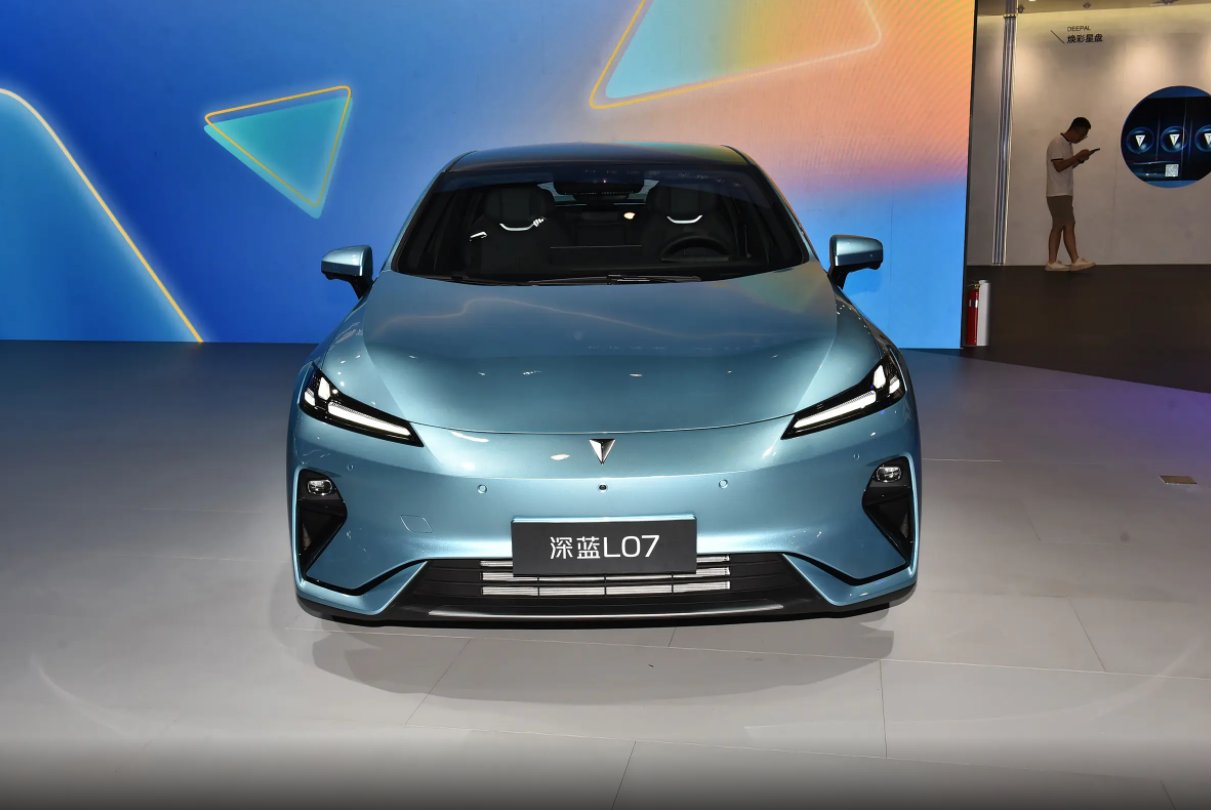
In general, the Deepal L07 and Avatr 06 respectively represent two typical paths in the extended-range sedan market. The Deepal L07 captures the mainstream market with high cost-effectiveness and youthful design, suitable for budget-sensitive and practicality-focused users; the Avatr 06 enters the mid-to-high-end field with luxury configurations and full-scenario intelligent driving, more suitable for consumers with higher requirements for quality experience and family applicability. When purchasing, if highway driving accounts for more than 50% of annual mileage and you often need to take family members on long-distance trips, the Avatr 06's space, quietness, and intelligent driving functions are worth considering; if urban commuting is the main use and there are occasional short trips, the Deepal L07's energy consumption cost and cost-effectiveness advantages are more prominent. Neither car has obvious shortcomings. The key lies in the user's value ranking of "luxury premium" and "practicality." Consumers are advised to combine test-drive experience (focusing on suspension comfort, infotainment smoothness, and space utilization) and their own usage scenarios to make the choice that best suits them.


