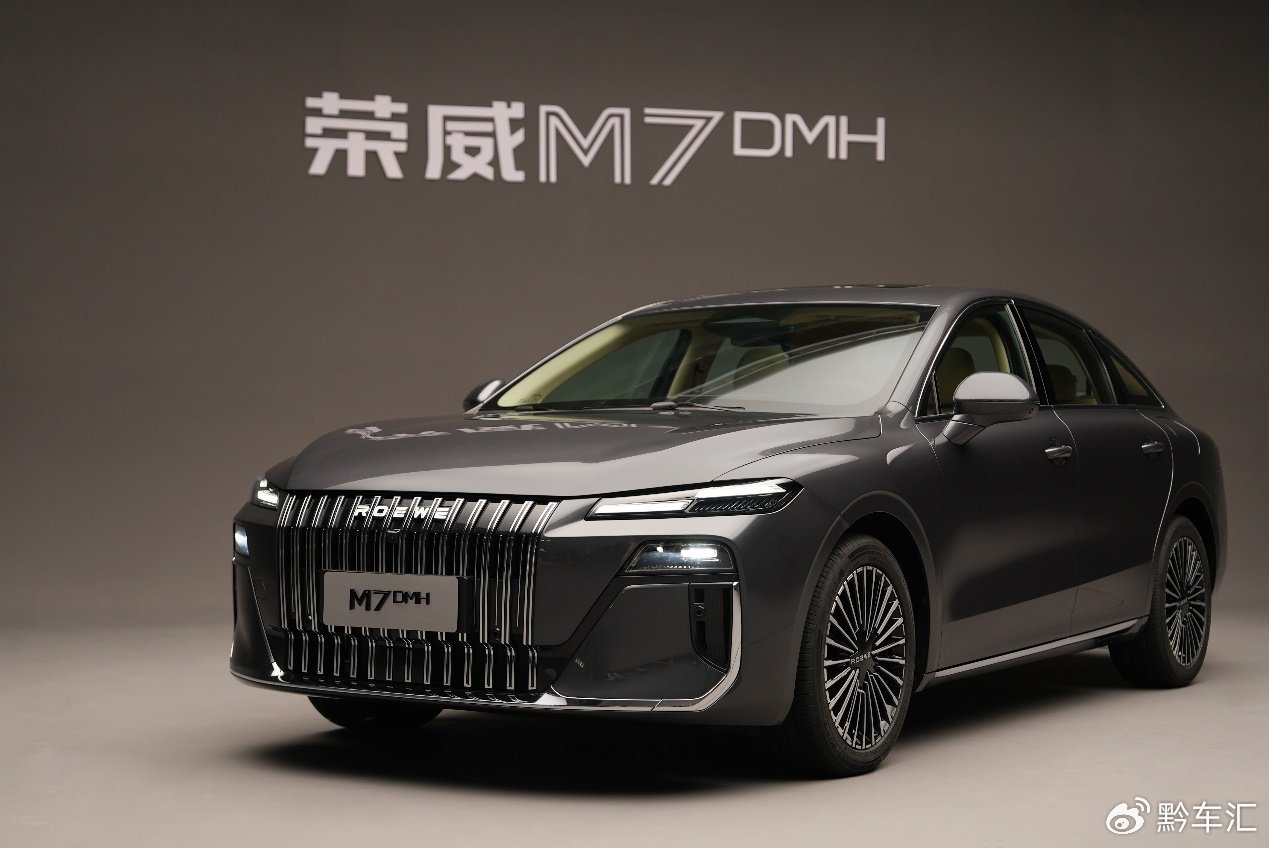
In today's family sedan market, exterior designs are increasingly prone to looking alike, but the recently unveiled Roewe M7 DMH's appearance is truly eye-catching: a vertical waterfall-style majestic front face paired with vector light track crystal diamond daytime running lights, a 3D floating through-type taillight echoing the upright body lines, with a design that breaks out of the cookie-cutter mold. It is equally impressive in capability: a body length of nearly 5 meters brings class-leading space, a 160 km pure electric range is enough for daily commuting, and Class 2L fuel consumption under depleted battery conditions further keeps running costs in check. Judging by hard indicators such as space, range, and energy consumption, it is indeed a top choice among plug-in hybrid family sedans. But in today's rapidly advancing technology, whether the cabin interaction experience while driving is smooth and whether it suits one's preferences has also become a key part of consumers' car-buying decisions.
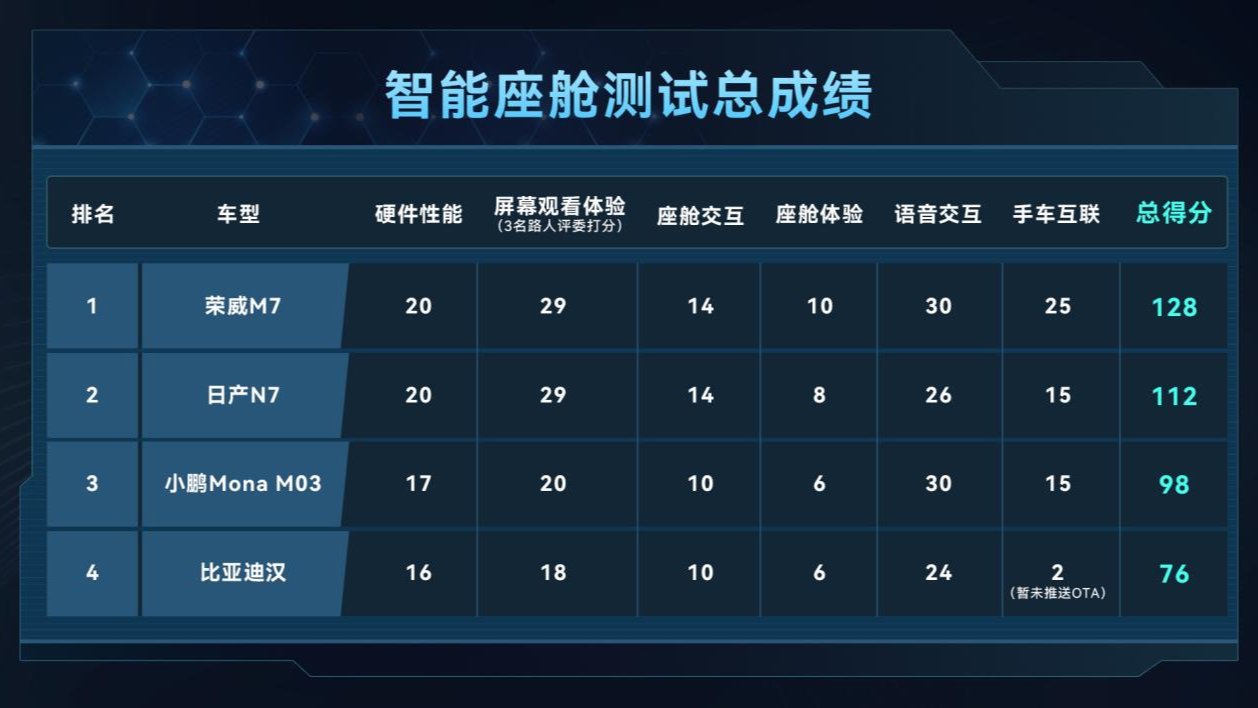
When major automakers are all touting smart cabins, what do consumers really need? A comparative test provided the answer. Recently, Pacific Auto conducted a closed-course in-depth comparative test of four models: the Roewe M7 DMH, XPeng Mona M03 Max, Nissan N7, and BYD Han. The evaluation environment was entirely within a closed and quiet site, with an outside temperature of 28-30°C, the air conditioning uniformly set to 25°C inside the cars, and the same tester conducting three rounds of tests on the four models, with the best results used for scoring.
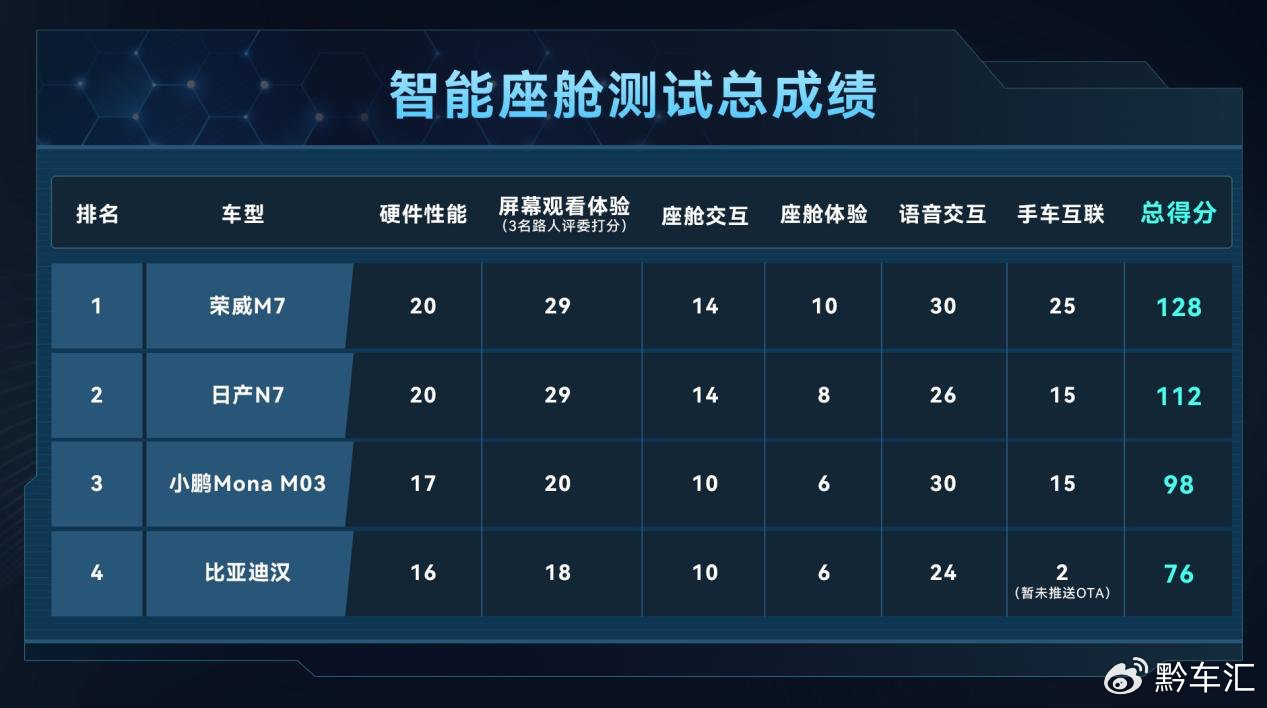
The results showed that the Roewe M7 DMH demonstrated significant advantages across six major dimensions: hardware, screen viewing experience, cabin interaction, cabin functions, voice interaction, and phone-car connectivity. This comparative test not only overturned the industry's perception of the Roewe brand in the smart cabin field, but also showed consumers that true intelligence is not a pile of numbers on a spec sheet, but something hidden in every detail that can precisely reach needs and truly "understand you"!
Hardware configuration in place, performance guaranteed
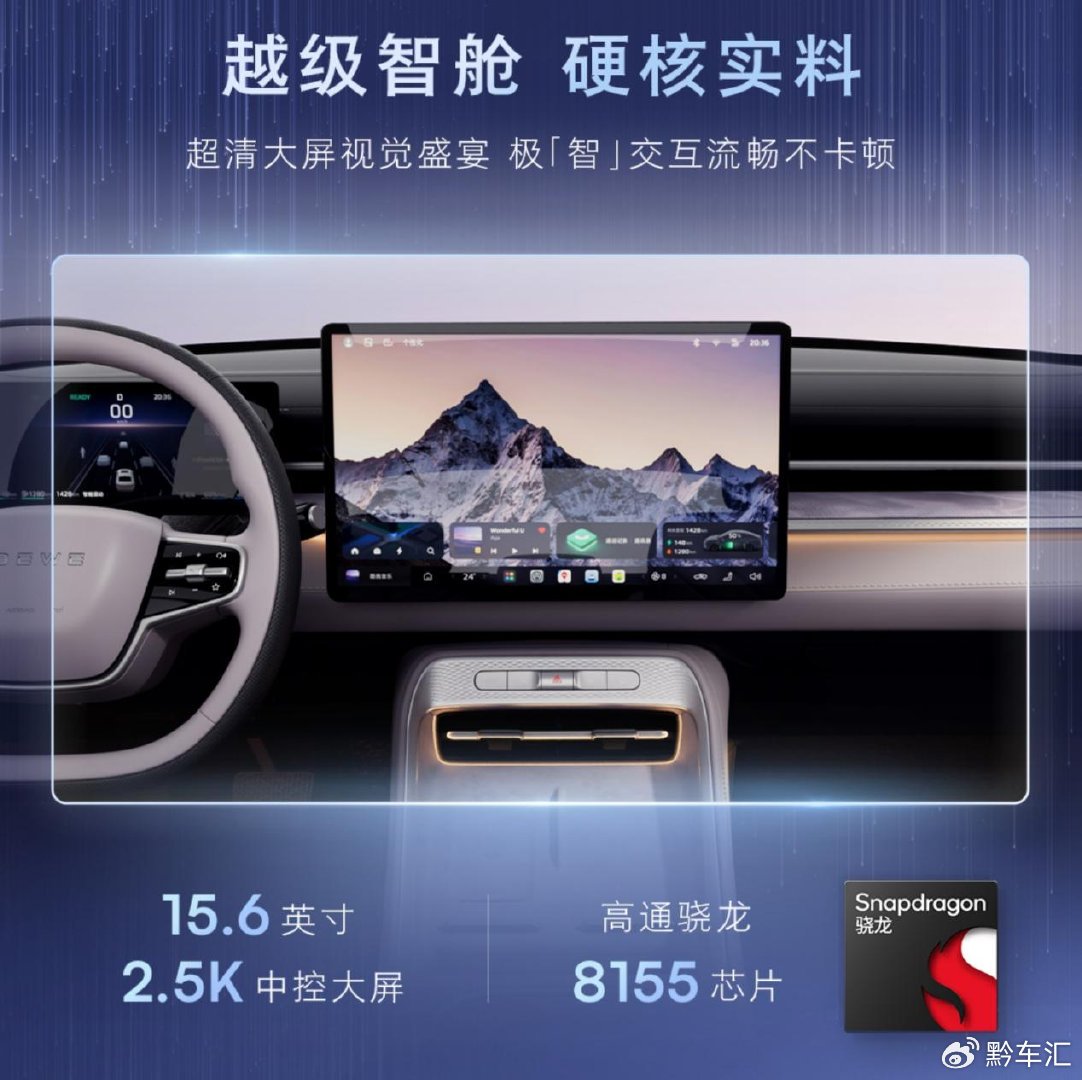
From the perspective of hardware, all four models adopt a combination of a 15.6-inch central control screen and a LCD instrument panel, and all are equipped with automotive-grade cabin chips, providing a solid hardware foundation for the smart cabin and ensuring smooth system operation. Since the hardware configuration levels are comparable, why can the Roewe M7 DMH stand out in actual experience? Next, let us deeply analyze its differentiated advantages.
Screen experience: excellent image quality
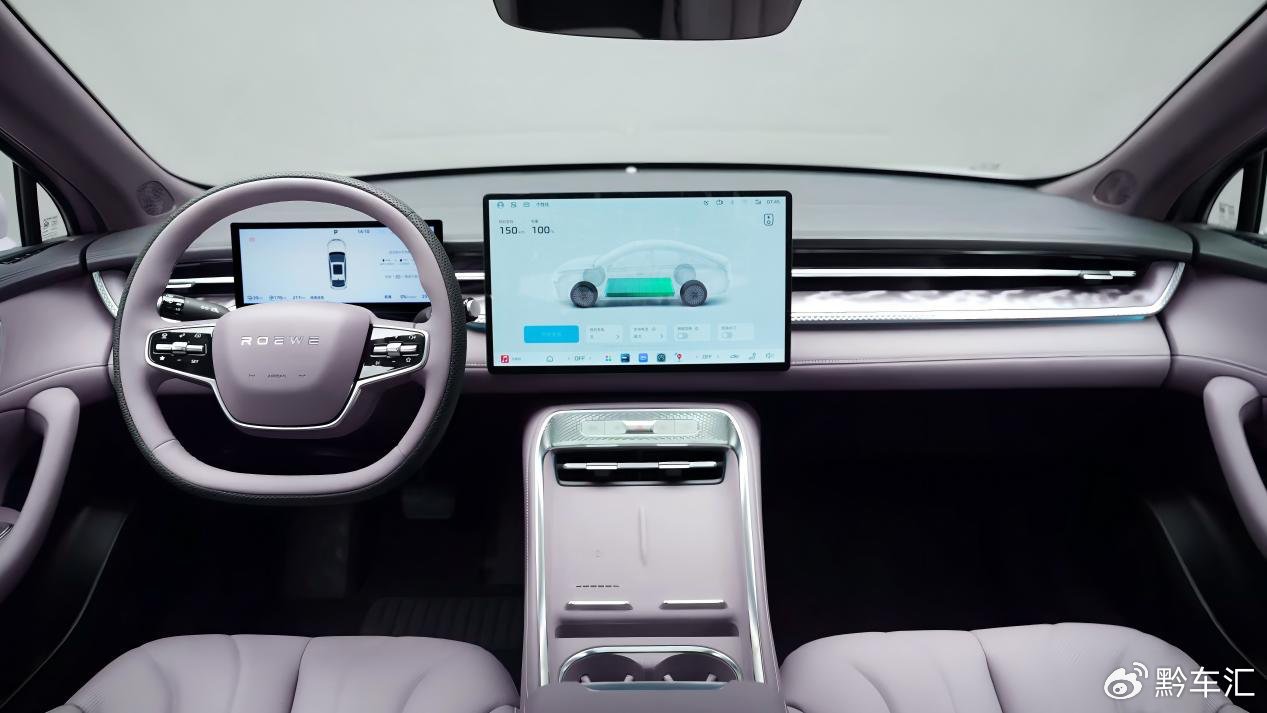
Screen image quality is a key factor affecting the daily user experience. In the image quality comparison, the Roewe M7 DMH and Nissan N7 tied for first place. Both are equipped with 2.5K screens, delivering delicate image quality. Whether watching high-definition videos or browsing complex maps, both provide a comfortable visual experience. By contrast, the XPeng Mona M03 and BYD Han use LCD screens, with relatively ordinary image quality.
Imagine going on a weekend road trip: the Roewe M7 DMH's 2.5K large screen can present every navigation instruction clearly, and even under strong light, the route can be seen clearly, making the entire journey reassuring and enjoyable.
Interaction design: backed by an iF Design Award, simple and easy to use
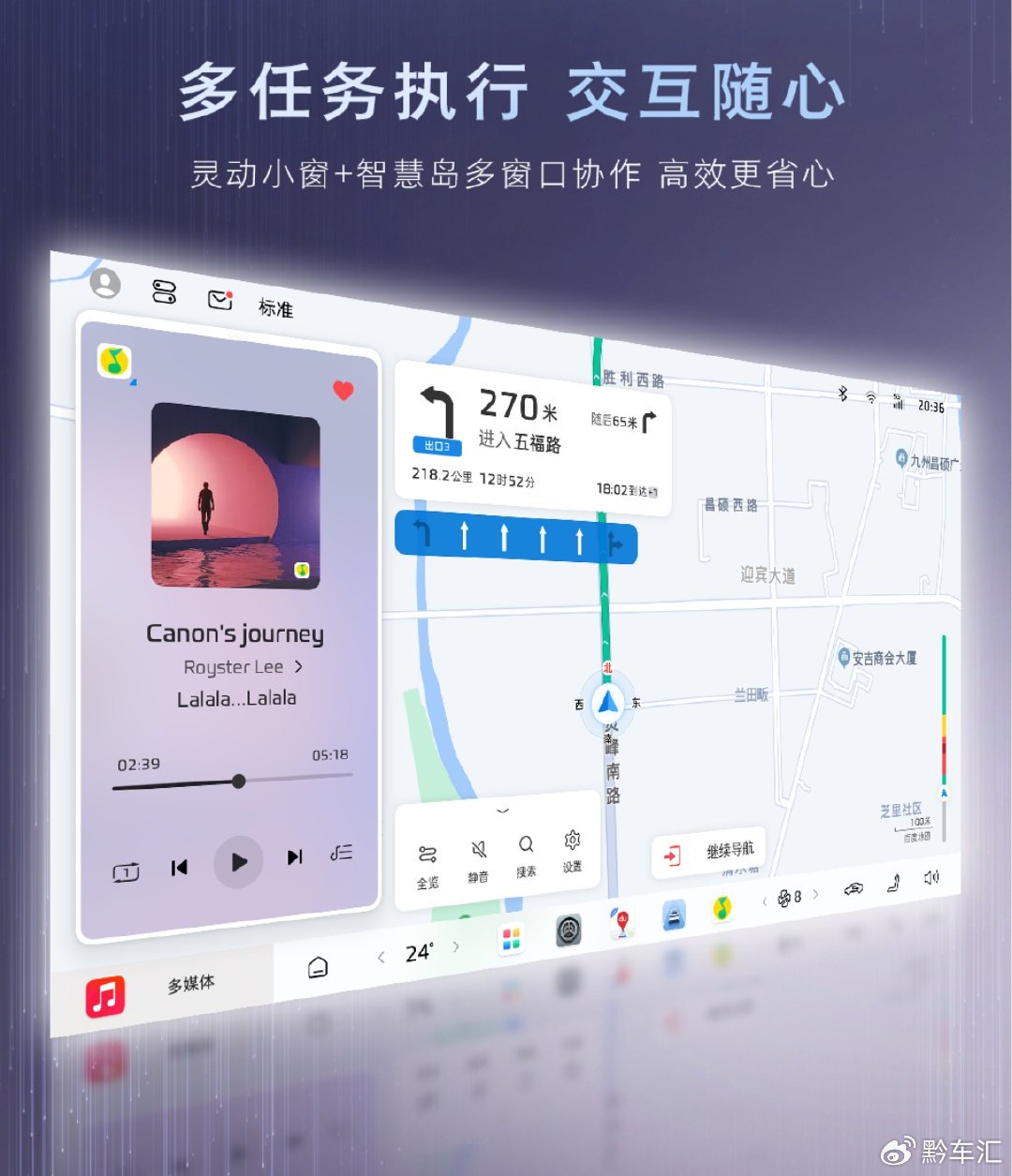
In terms of UI design, the Nissan N7 offers three main interface modes, with smooth and refined animated transitions, allowing users to choose the interface style that best suits their preferences. The Roewe M7 DMH and BYD Han adopt a tablet-like main interface UI design, but the Roewe M7 DMH is more refined in detailed design, for example using more readable font sizes and distinguishing the Dock bar with different colors, making important information clear at a glance, making operation easier, and effectively reducing users' cognitive load. By comparison, the XPeng Mona M03's main interface has the densest information; although feature-rich, it requires more thought.
It is worth mentioning that the Roewe M7 DMH's UX design won the "iF International Design Award." It adopts an interaction logic similar to a mobile phone or tablet, making operation simple, intuitive, and easy to pick up. The addition of flexible small windows and the Smart Island also makes switching functions while driving both safe and convenient.
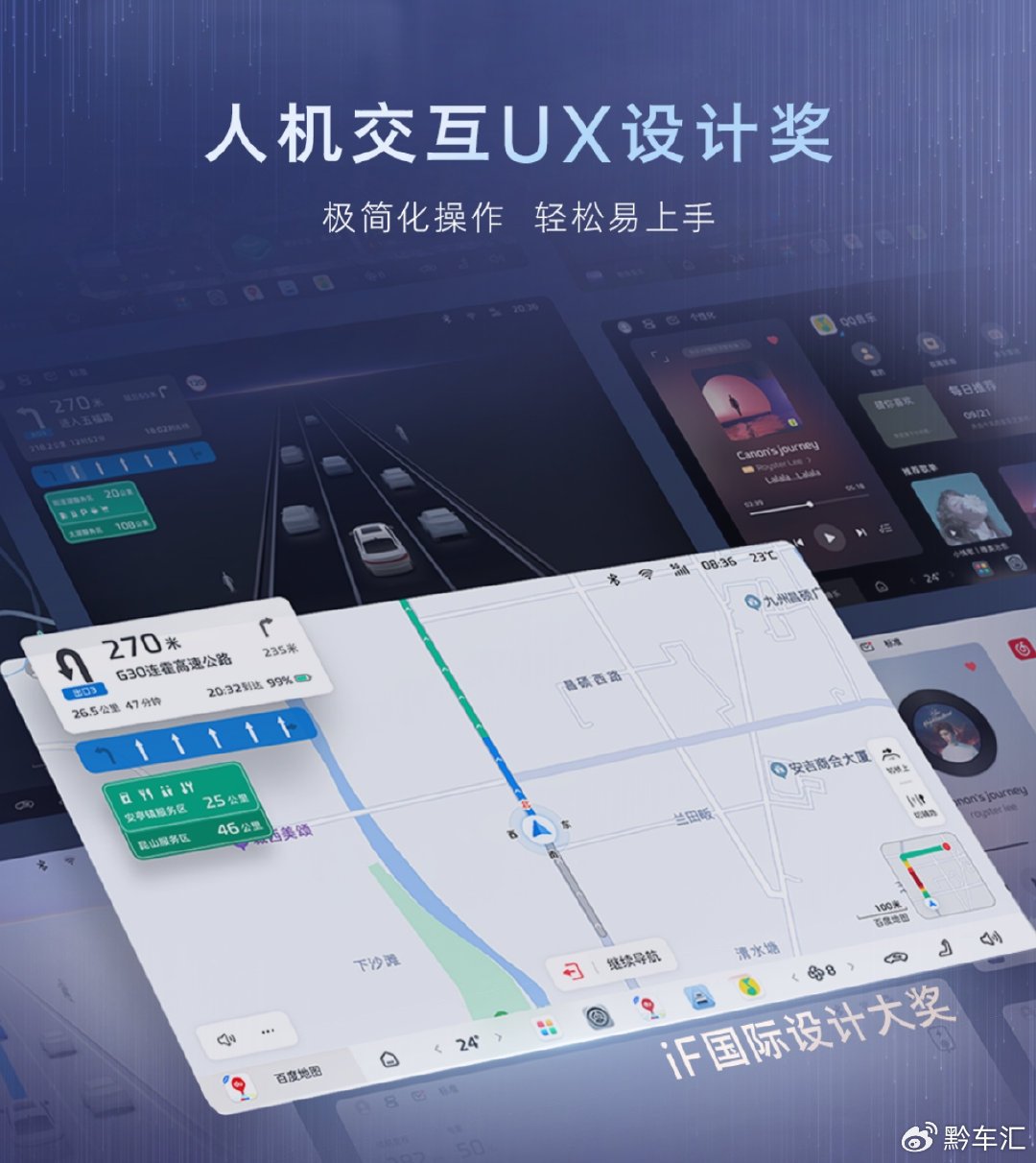
Overall, the practicality and comfort of UI and UX design directly affect the car experience. Although the Nissan N7 is also good, some function settings are slightly cumbersome. The XPeng Mona M03 is more suitable for users who like exploring and trying new features, while the Roewe M7 DMH finds the best balance between usability and good looks.
Cabin functions: comprehensive and rich, creating a comfortable travel experience
In terms of cabin functions, the Roewe M7 DMH firmly tops the list thanks to its richness and practicality. Whether for daily commuting or long-distance travel, it gives users considerate support.
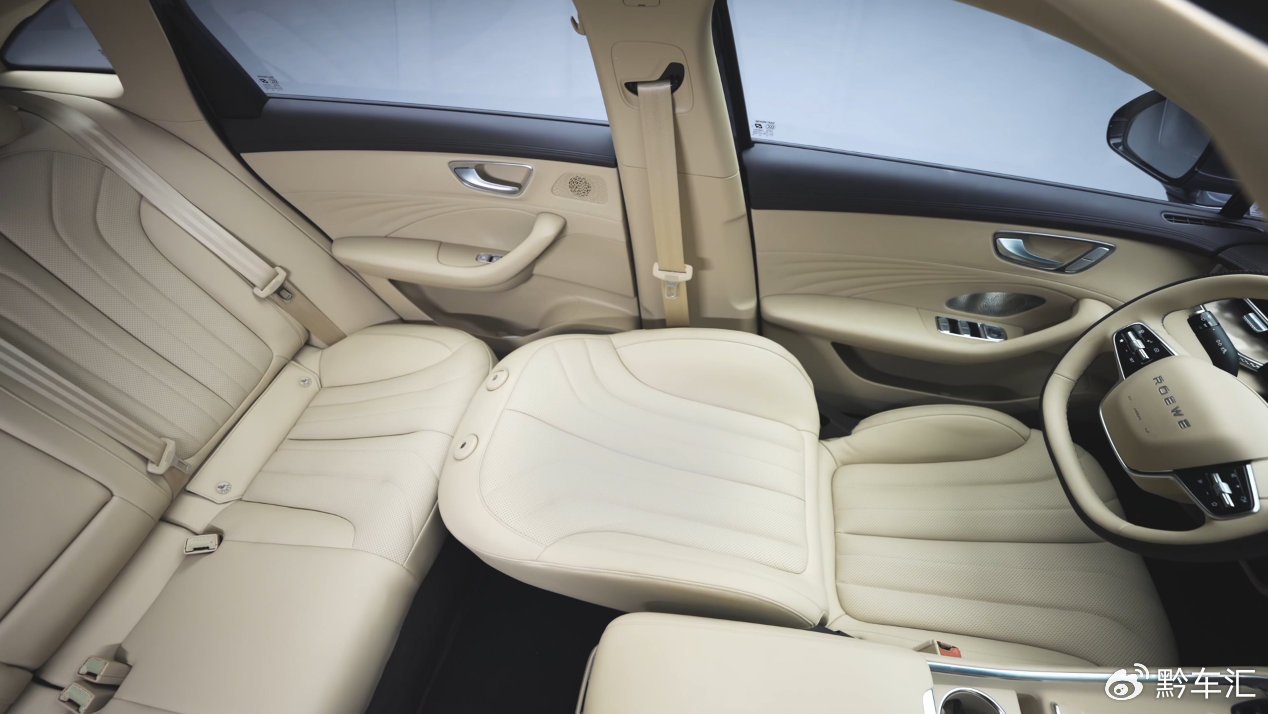
The Roewe M7 DMH's green wave mode can be called good news for commuters, intelligently recommending vehicle speed based on the status of upcoming traffic lights and reducing waiting time. For long-distance driving or during a lunch break, once nap mode is turned on, the seat automatically adjusts to a comfortable angle, and the air conditioning also adjusts to a preset temperature, instantly creating a quiet and comfortable environment and helping the driver quickly relieve fatigue. When driving at night, the Roewe M7 DMH's ambient lighting can link with the wallpaper. This visual echo not only enhances the cabin's style, but also adds a little everyday joy to the car experience.
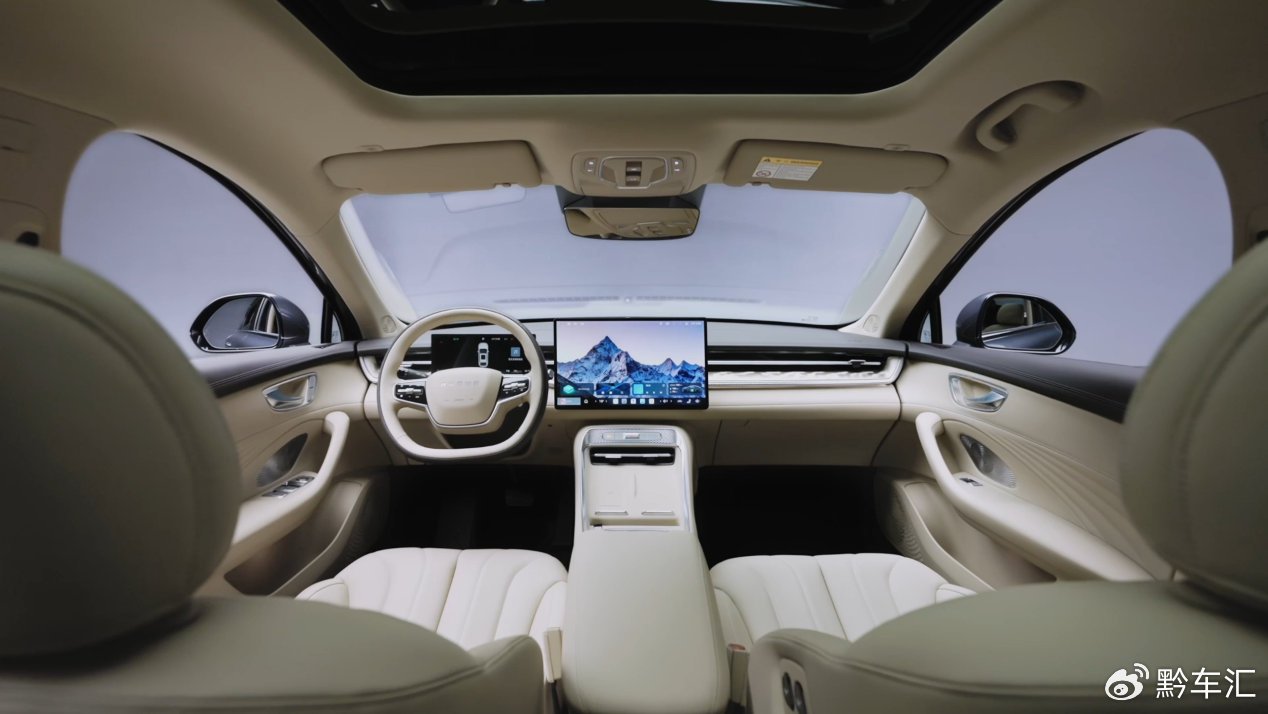
With these meticulous designs, the Roewe M7 DMH blends "practicality" and "comfort" just right, making every trip more pleasant.
Voice interaction: understands what you think and knows what you say
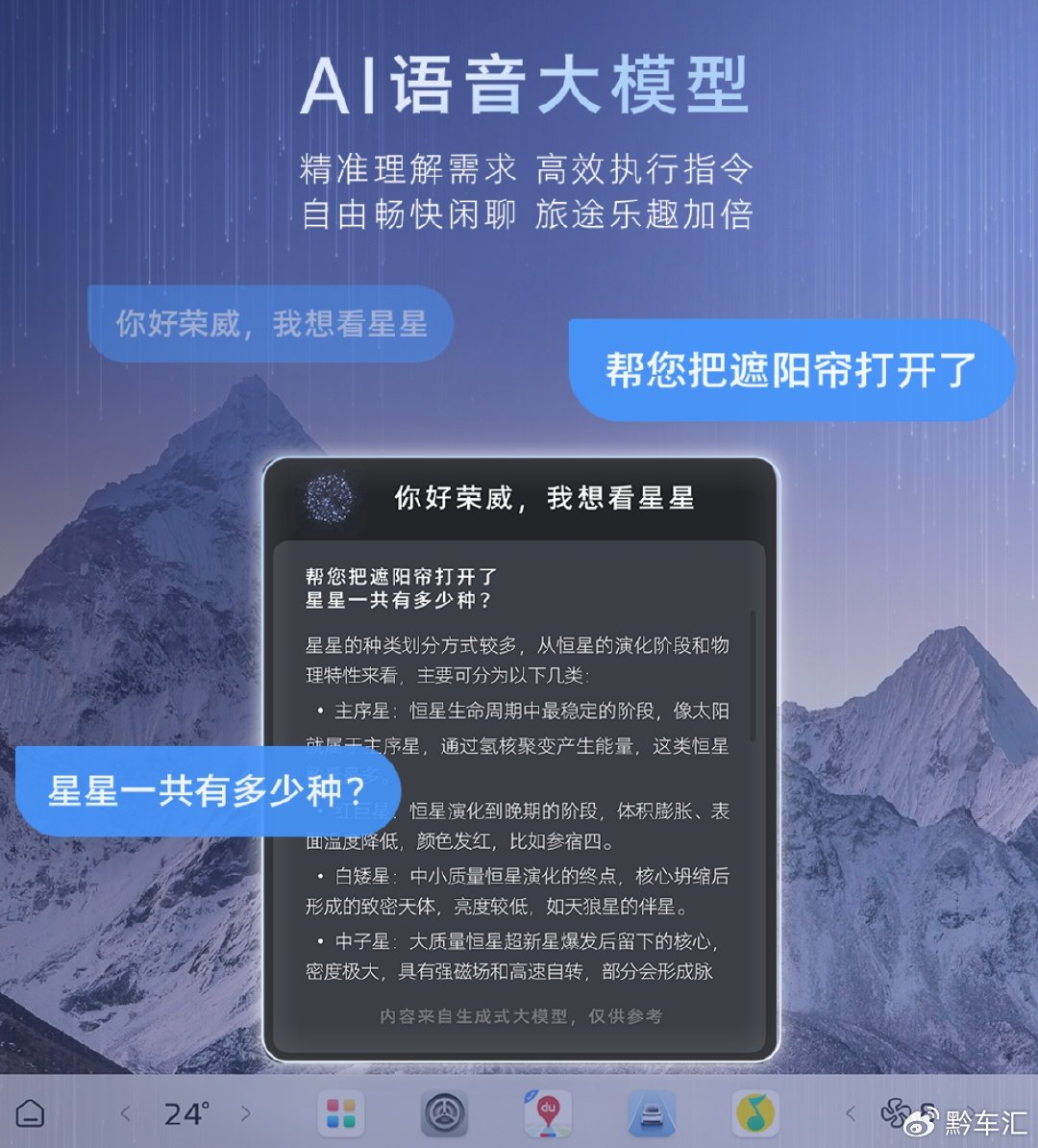
Have you ever tried talking to a car system and after talking for a long time it still looks completely "confused"? The Roewe M7 DMH is truly surprising in voice interaction. Whether it is basic commands like "turn on the air conditioning" or "adjust the volume," or a long string of continuous commands, it can understand instantly and execute them clearly. It is also the only model that passed the five-round free-topic casual chat test. Take listening to music as an example: if you ask, "What was the name of that old song G.E.M. sang at the music festival a while ago?" it immediately gives you the answer; if you casually say, "Let's hear it," without repeating the song title, it knows which one you mean and can accurately find G.E.M.'s live version to play.
Even more impressive is its contextual understanding ability. It not only obediently follows car-control commands, but can also chat with you like a friend. If you say, "I want to find a hot pot restaurant near here suitable for a small gathering with friends, is there one nearby?" it immediately helps you filter reliable options. It truly understands whatever you say, and can even grasp needs you have not explicitly stated. This feeling of "understanding whatever you say" really makes driving worry-free.
Phone-car connectivity: seamless transfer, upgraded experience
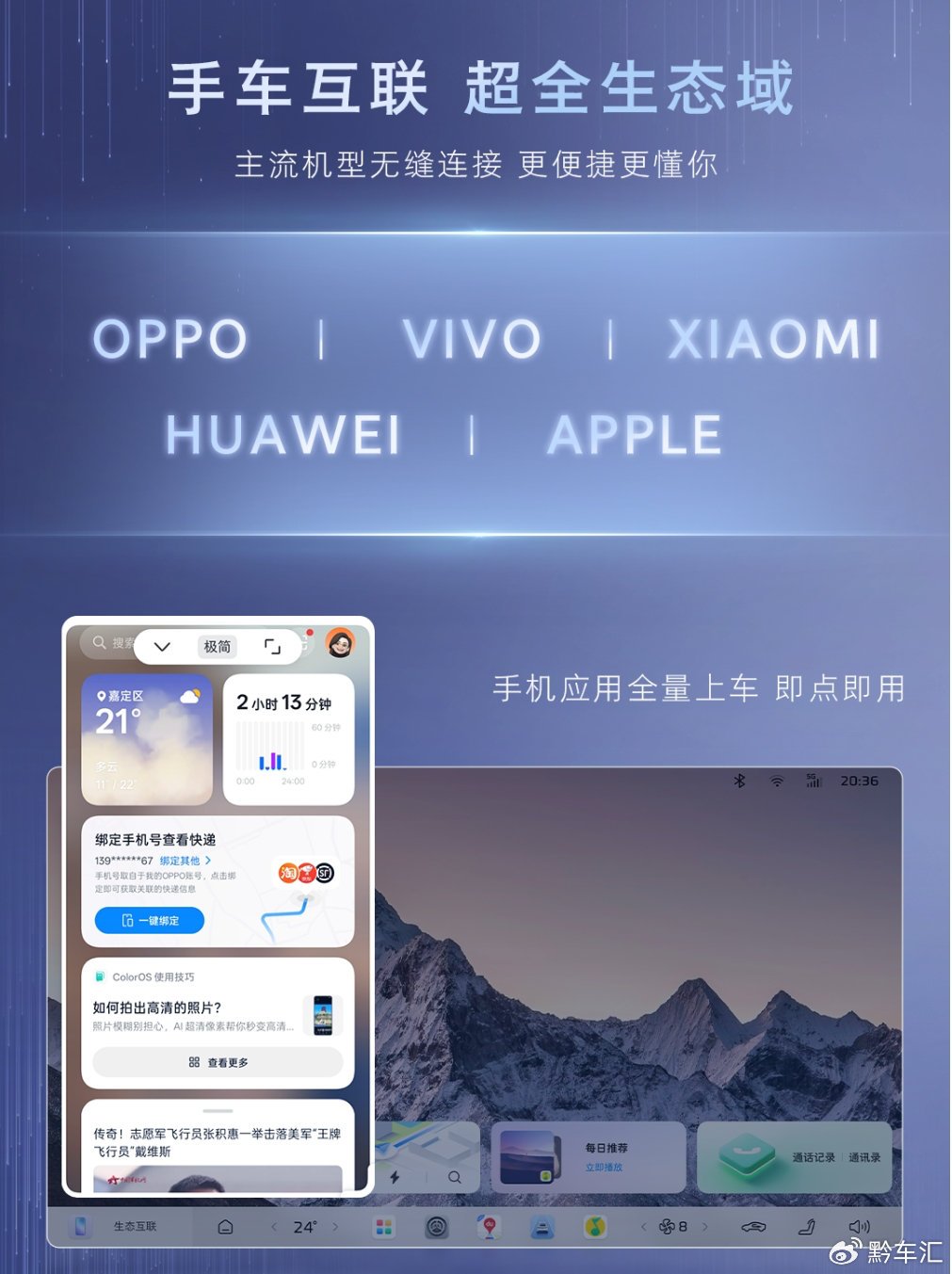
Nowadays, using a phone for navigation and music while driving has become the norm, but using a phone while driving is both inconvenient and unsafe. The phone-car connectivity of many models either favors certain phone brands or has limited functions, making the experience very fragmented. The Roewe M7 DMH completely solves this pain point. It is perfectly compatible with mainstream phone brands such as Huawei, Apple, Xiaomi, OPPO, and vivo. Once you get in the car, it connects automatically and seamlessly, and your phone desktop can be directly "moved" onto the 15.6-inch large screen. The best part is that all mobile phone apps can be operated directly on the car system. A drama you are halfway through or a song you are halfway through listening to automatically resumes playing without interruption when you get in the car. When gathering with friends on weekends, if you find a restaurant you like on Dianping on your phone, with a shake the address is sent to the car system, with no need for manual input, which is simply both convenient and quick.
Final thoughts
Through this professional comparative test, the Roewe M7 DMH, with leading results across all six major dimensions, demonstrates its deep insight into user needs: whether it is the visible 2.5K ultra-clear large screen, the interaction design that won the iF Design Award, the voice interaction that understands whatever you say, or the cross-brand seamless phone-car connectivity, every detail precisely hits users' actual needs. Beyond traditional advantages such as space and range, the Roewe M7 DMH also strongly enters the first tier of smart cabins with its disruptive smart cabin experience, letting consumers truly feel that a car that truly understands you has long gone beyond stacking functions and makes every trip a kind of enjoyment.


