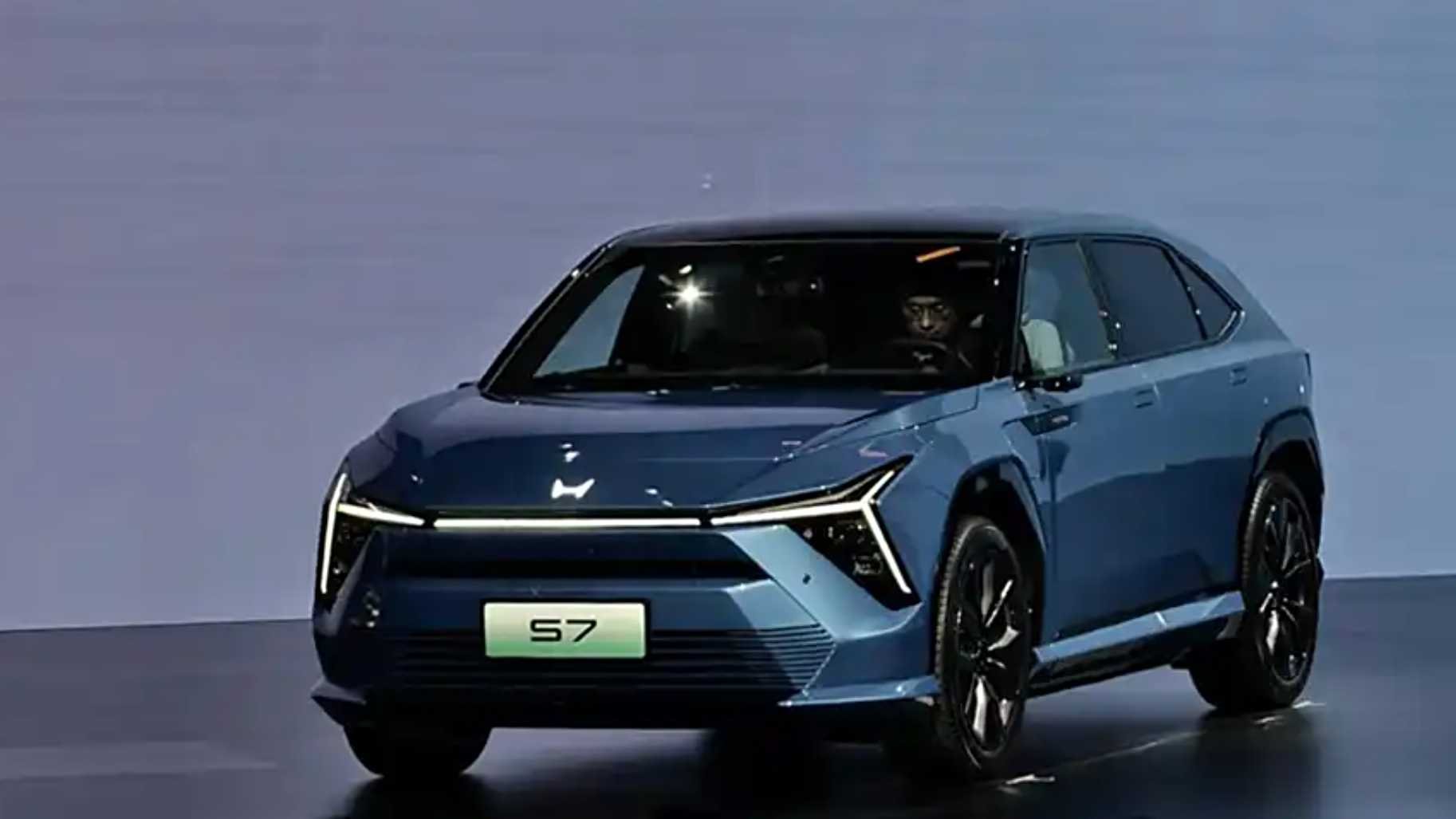
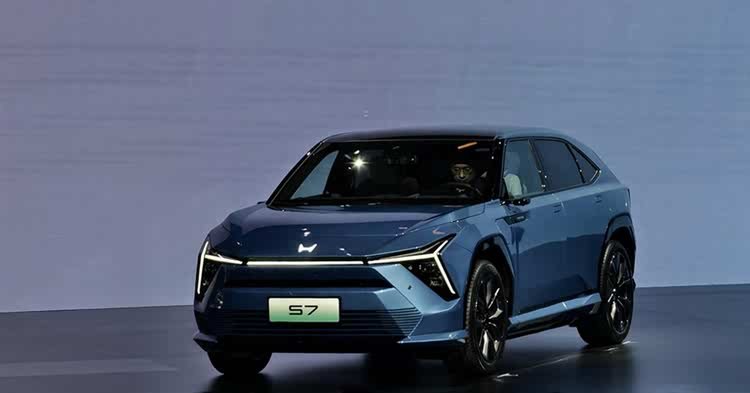
The Dongfeng Honda S7, as a pure electric mid-size SUV, starts at 259,900 yuan, and its market positioning mainly targets models such as the Tesla Model Y, Zeekr 7X, XPeng G6, and IM LS6. From a comprehensive comparison of price and configuration, the S7's pricing appears high in the current competitive environment, especially in terms of intelligence, range, and cost-effectiveness, where it lags behind competitors. The following is a detailed analysis:
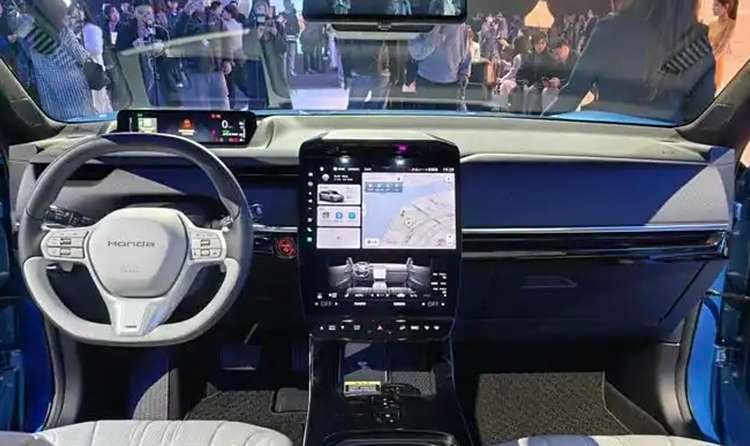
Second, the cabin lacks a sense of technology. Although the S7 is equipped with the 8155 chip and a 12.8-inch central control screen, the interior design has been evaluated as "conservative," with relatively wide bezels and a lack of premium feel, while models such as the Zeekr 7X and XPeng G6 have screen sizes, interaction experiences, and materials that better meet the expectations of new energy users.
Power and range: mediocre
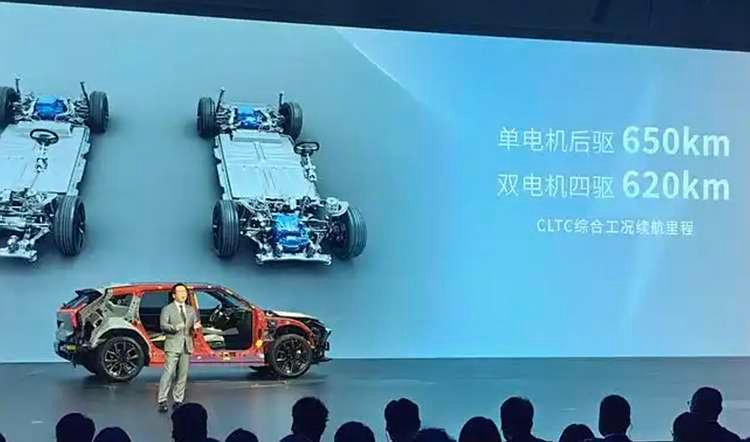
First, its range competitiveness is insufficient. The single-motor version of the S7 has a CLTC range of 650 km, and the dual-motor version has 620 km, while competitors at the same level such as the Model Y (719 km), Zeekr 7X (705 km), and IM LS6 (750 km) all perform better.
Second, its performance parameters are not advantageous. The top-trim dual-motor version accelerates from 0 to 100 km/h in 4.6 seconds, while the Zeekr 7X does so in 3.8 seconds, and the Zeekr 7X also offers a better warranty policy (4 years/100,000 km for the whole vehicle vs. 3 years/100,000 km for the S7).
Disputes over brand premium and market positioning
The premium pricing power of joint venture brands has declined. The current new energy market is dominated by independent brands, and consumers pay more attention to cost-effectiveness and intelligent configurations. Although Honda emphasizes "safety" and "handling" (such as a 50:50 front-to-rear weight distribution and a high-strength body), these traditional selling points are difficult to make up for shortcomings in intelligence.
Sales pressure and transformation difficulties. Honda's sales in China plunged 31% year-on-year in 2024, and the annual sales of the electric vehicles e:NS1 and e:NS2 were only just over a thousand units. The S7's high pricing may further limit its market space, especially compared with GAC Toyota bZ3X's pragmatic strategy, making Honda's "stubbornness" appear riskier.
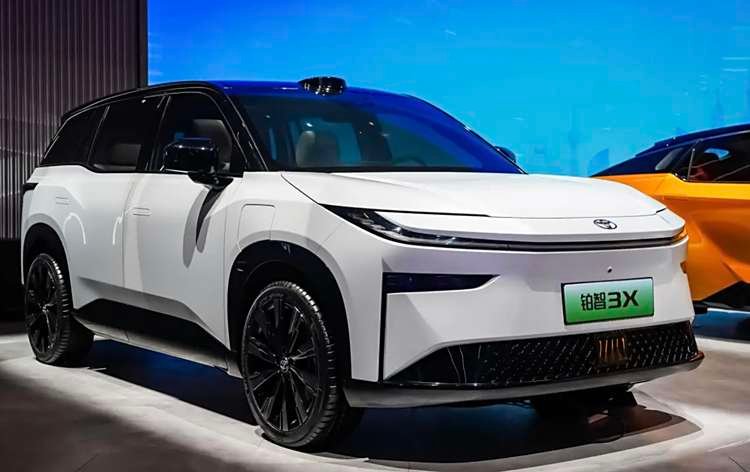
Overall, the pricing is on the high side and competitiveness is insufficient.
The pricing of the Dongfeng Honda S7 in the 250,000 to 300,000 yuan range lacks sufficient persuasiveness. Its core problems include: intelligent configurations lag behind and require additional payment, with an obvious gap compared with independent brands; range and power performance are mediocre, without forming a differentiated advantage; brand premium can hardly support a high price, and consumers are more inclined to choose independent brands or Tesla, which offer better cost-effectiveness.
If Honda hopes to reverse its decline in China's new energy sector, it needs to re-examine its pricing strategy, accelerate the implementation of intelligent technology, and reduce its reliance on traditional brand premium.


