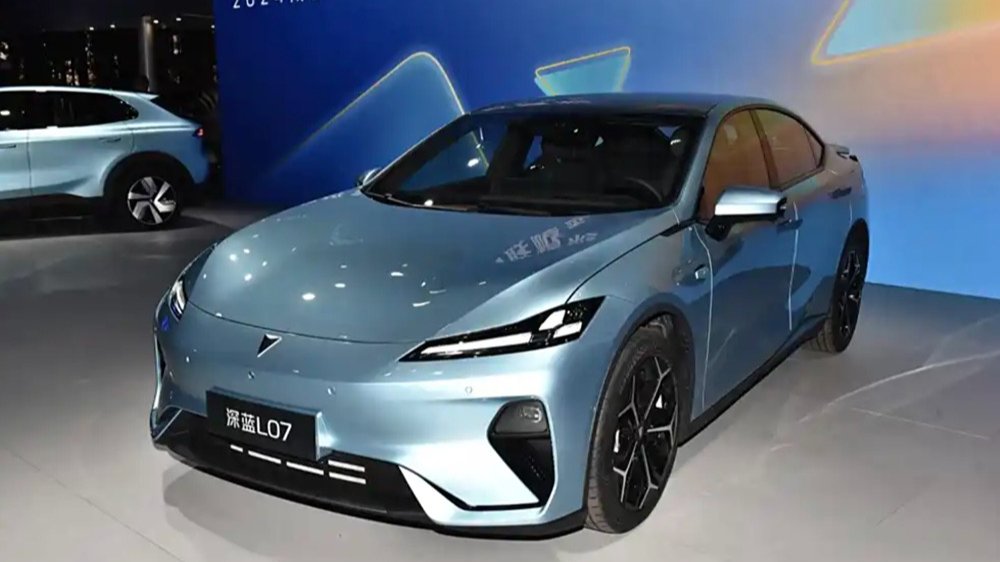
Competition in the new energy vehicle market is intensifying, and major automakers are rolling out innovative technologies to meet consumers' demand for efficient, low-cost vehicles. Against this backdrop, the Seal 07 DM-i and the Deepal L07, as two new energy models with different powertrain types, have naturally become a focus of attention in comparisons. The Seal 07 DM-i, with its plug-in hybrid system, offers decent pure electric range and low fuel consumption. The Deepal L07, on the other hand, uses range-extender technology to ensure stable performance and longer range under various driving conditions. How big is the difference between the two models? Which is more practical? Let's compare them next.
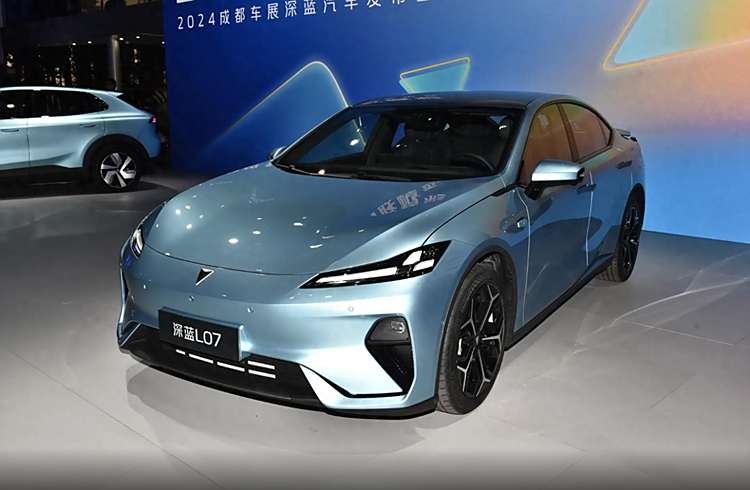
The comparison model, the 230Max Qiankun Smart Driving Edition, also offers range-extender power. It uses a 1.5L internal combustion engine as a range extender, with a maximum power of 72 kW, while the drive motor has a maximum power of 160 kW and a peak torque of 320 N·m. Since the range-extender powertrain relies only on the motor for propulsion, there is no need to worry about the 1.5L engine's power output; the engine merely plays the role of supplying power to the battery. In terms of the battery, it is equipped with a 28.39 kW·h battery pack, and its CLTC pure electric range is 230 kilometers. The advantage of range-extender power is that the engine can be refueled at any time to supply power to the battery, so there is no need to worry about range anxiety.
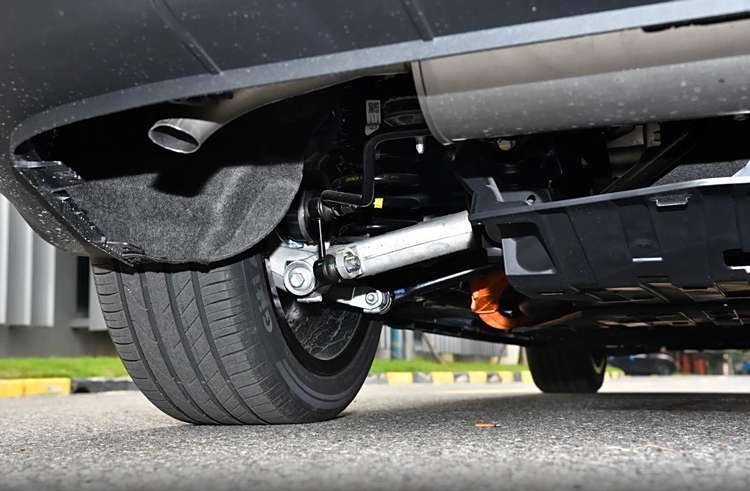
In terms of chassis design, the Deepal L07 is equipped with a front MacPherson and rear multi-link independent suspension system. In addition, its motor layout is rear-mounted rear-wheel drive, a configuration that has advantages in handling performance compared with front-wheel-drive models. At the same time, the application of independent suspension not only improves handling but also enhances the comfort experience of passengers in the cabin.
The BYD Seal 07 DM-i model is equipped with fifth-generation DM hybrid technology, and this powertrain has also gained consumer recognition in terms of sales. However, in the comparison model, its CLTC pure electric range is only 125 kilometers, a figure that is somewhat average for daily use. Especially when frequent long-distance driving is required, the relatively low pure electric range can easily cause the vehicle to enter a depleted-battery state, putting some pressure on owners who are used to low-cost vehicle use. By contrast, the similarly priced Deepal L07 has 230 kilometers, nearly double the range, making it much more forgiving.
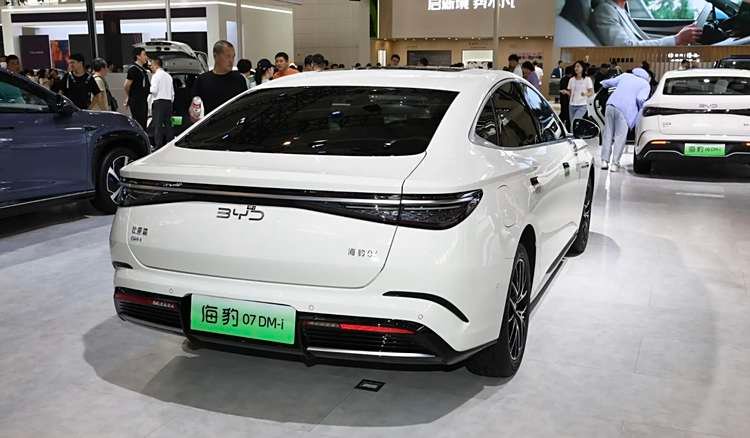
The BYD Seal 07 DM-i 125km Luxury Edition uses a 1.5L engine with a maximum power of 74 kW and a peak torque of 126 N·m, while the electric motor has a maximum power of 160 kW and a peak torque of 260 N·m. As a plug-in hybrid model, the engine's power is relatively important. Because its pure electric range is short, the engine will participate in driving under depleted-battery conditions, and at that time the vehicle's power performance will be discounted. The Seal 07 DM-i's engine performance can only be described as barely adequate, and owners should try not to enter a depleted-battery state on the highway, as fuel consumption will rise noticeably.
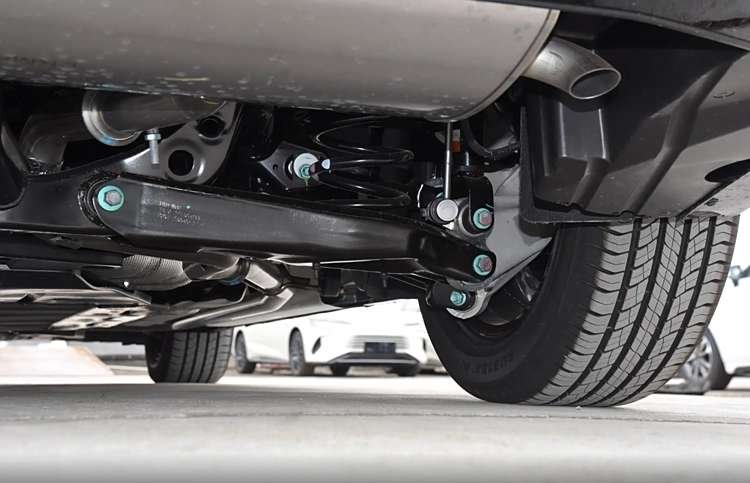
In terms of chassis, the BYD Seal 07 DM-i adopts a front MacPherson and rear five-link suspension, and its motor uses a front-mounted front-wheel-drive layout. It is likewise a chassis structure that combines handling experience and ride comfort.
By comparison, the Deepal L07 is better able to meet the needs of long-distance driving in terms of range, charging speed, and powertrain combination.
Exterior and interior: the two cars have clearly different styles
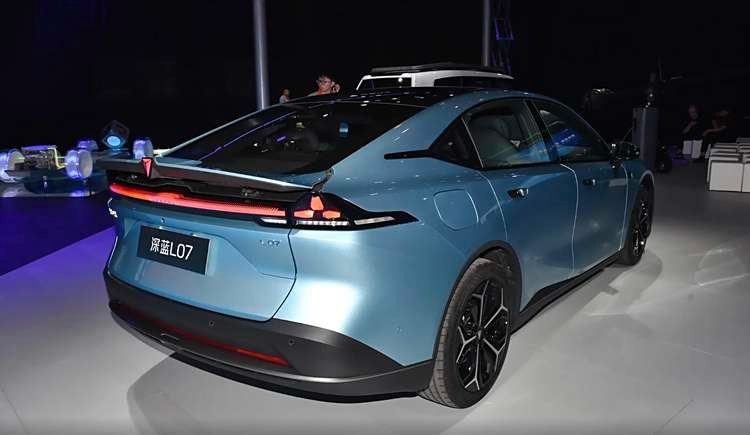
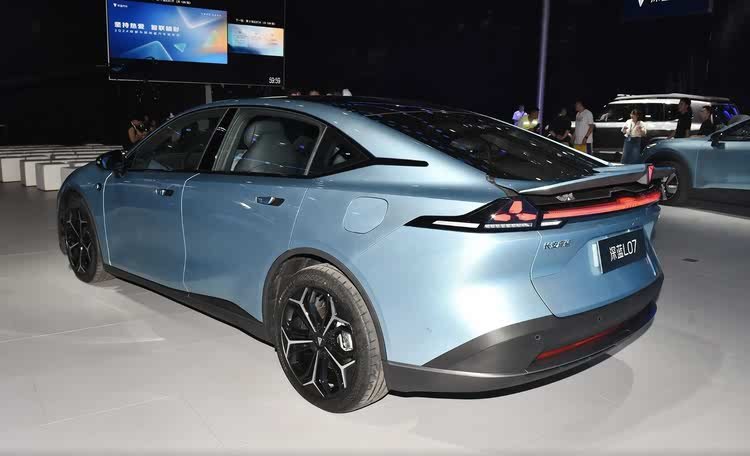
The Deepal L07's exterior design is relatively bold and not conservative, making it suitable for today's young people. Its front face is dynamic and follows the family design style. The entire front shape is horizontally flat and connected, increasing visual width. The raised sides of the engine hood connect seamlessly with the front bumper, enhancing the sense of quality. Together with the forward-leaning side posture, it shows a fashionable and sporty design aesthetic. At the same time, design elements that young people like, such as frameless doors and hidden door handles, have also been retained.
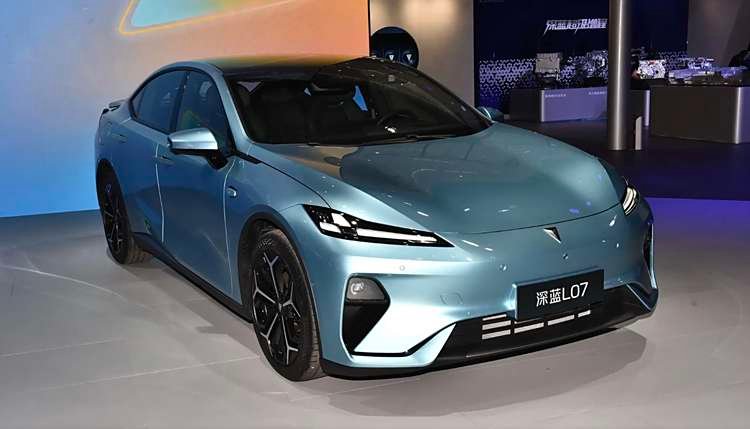
Surprisingly, the Deepal L07 is equipped with an electrically adjustable rear spoiler, which is relatively rare among models in the same class.
The Seal 07 DM-i's exterior also has a family style, with its design following BYD's Ocean family design. Although positioned as a new energy model, the Seal 07 DM-i still retains the design style of traditional fuel vehicles. Its front face adopts a horizontally cut stripe design, which, together with the C-shaped light clusters on both sides, shows a good sense of design. Compared with the Deepal L07's exterior design, the Seal 07 DM-i is relatively more conservative, but its conventional design, though not particularly individual, still has many fans.
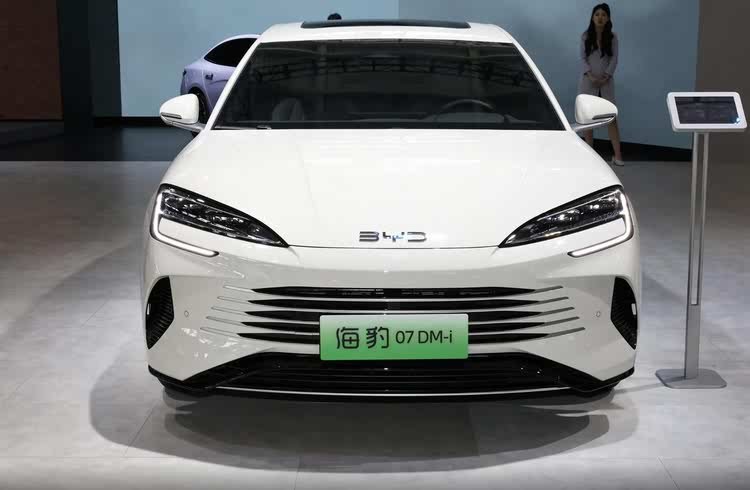
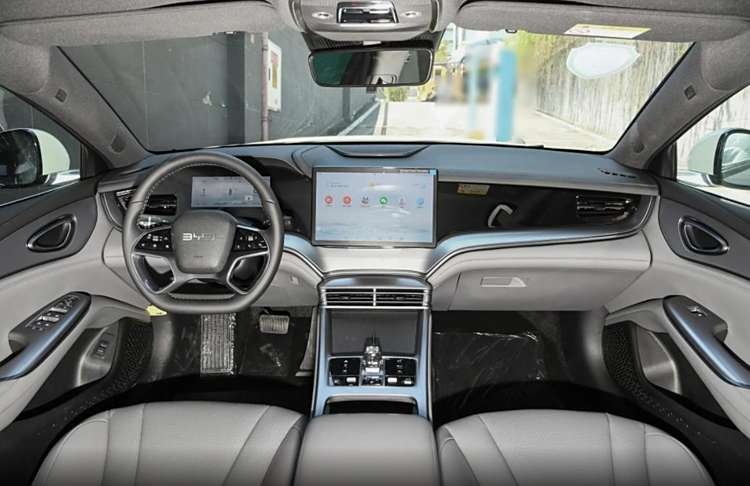
In terms of interior design, both models show a minimalist style. The Seal 07 DM-i is equipped with an embedded instrument panel and a 15.6-inch rotatable central touchscreen. The rotating screen is a signature design of BYD models. A large amount of soft covering material is used in the cabin, enhancing tactile comfort. In addition, the crystal-textured electronic gear shifter not only improves the interior's sense of quality but also adds a unique atmosphere to the cabin.
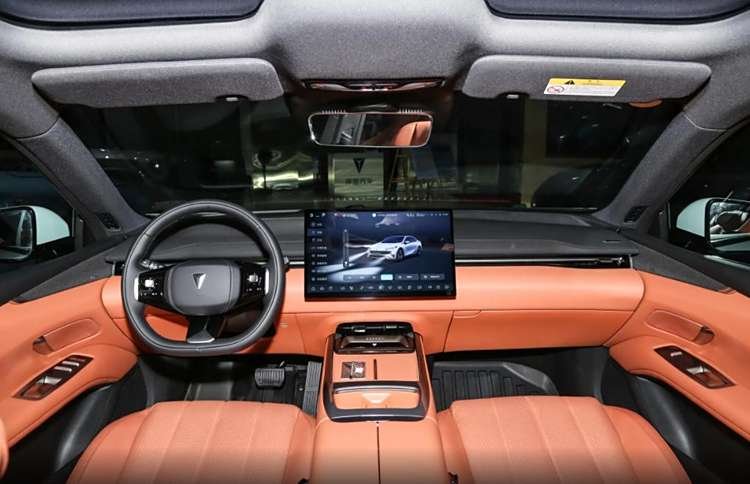
The Deepal L07's central console design is bolder, directly abandoning the traditional instrument screen. In pursuit of an ultimate minimalist style, the cabin is equipped with only a large central screen. Although the screen cannot rotate 180 degrees like the Seal 07, it has a "left-right swinging" function, which is what we call a "sunflower" screen. The instrument function is replaced by a 55-inch AR-HUD head-up display system, which both improves driving safety and adds a sense of technology. In fact, the minimalism of the Deepal L07's central console better demonstrates the designer's design strength. Just as in home decoration, the minimalist style often poses a higher challenge to a designer's skills.
Intelligence: an essential item for new energy vehicles
The application of intelligent technology undoubtedly brings drivers many new driving experiences, and at the same time, the continuous progress of autonomous driving functions has also improved vehicle safety.
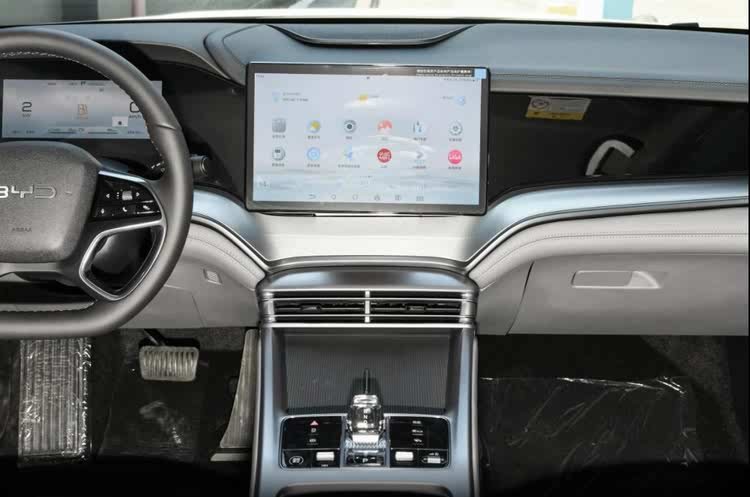
Among the comparison models, the Seal 07 DM-i's intelligent cockpit continues BYD's consistent style, and its large central screen has the BYD Dilink100 operating system built in. However, in terms of chips, many BYD models are not equipped with the mainstream Qualcomm Snapdragon 8155 chip, and the Seal 07 DM-i is no exception. It uses a chip with lower computing power and has not kept up with mainstream standards.
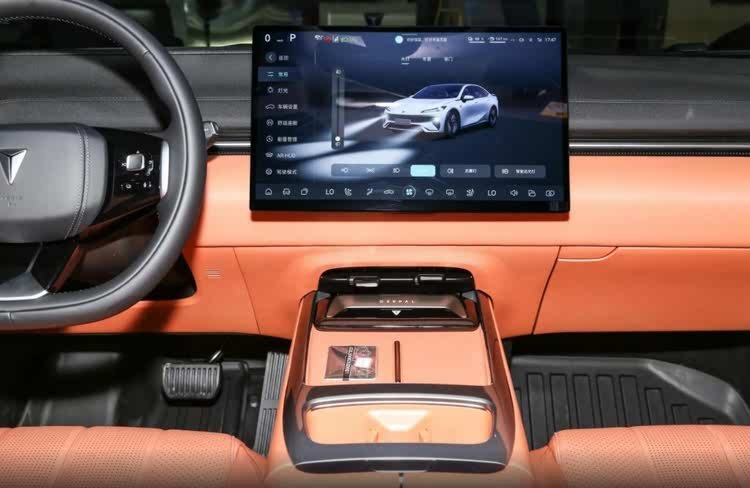
The Deepal L07's intelligent cockpit is more intelligent than the Seal 07 DM's. The comparison model is equipped with a Qualcomm Snapdragon 8155 vehicle chip, and the infotainment system operates smoothly and silkily, without lag when multiple apps are running. The system also supports many voice interaction scenarios, and can even support voice adjustment of the aroma and concentration of the in-car fragrance, among other things.
In terms of intelligent assisted driving, the Seal 07 DM-i uses the DiPilot intelligent driving assistance system. It has basic L2-level assisted driving functions such as ACC adaptive cruise control, AEB automatic emergency braking, and emergency lane keeping assistance, but it does not have higher-order functions such as highway navigation assist or intelligent parking.
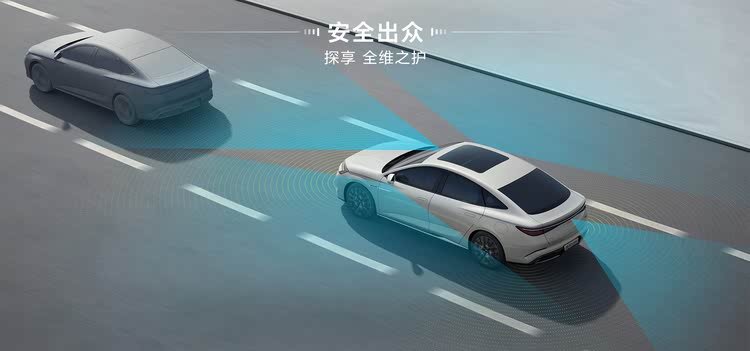
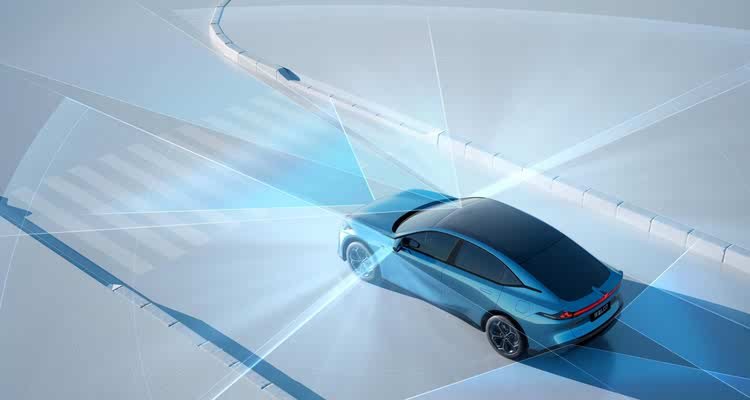
By comparison, the Deepal L07 Qiankun Smart Driving Edition adopts Huawei's Qiankun smart driving, and its hardware is twice that of the Seal 07 DM-i. It has the highway navigation assist NCA function, and its functional coverage is basically nationwide, capable of accurately identifying unconventional roadblocks such as traffic cones used for diversion and lane changes, road closures, and even warning triangles, and ultimately completing avoidance and detours. In addition, this version also supports starting and stopping at traffic lights, allowing the whole journey from point A to point B without takeover, showing a relatively high level of intelligence.
Comparison summary:
It is not hard to see that, at a similar price, the Deepal L07 and the Seal 07 DM-i each have their own advantages. The Seal 07 DM-i's advantage lies in the BYD brand's sufficient influence in the new energy field. Although not all of its models are hits, its reputation is there, and its visibility is high enough. As a latecomer, the Deepal L07 brings consumers a richer experience. In particular, its cooperation with Huawei provides users with more outstanding intelligent functions. In addition, the Deepal L07's exterior and interior design better fit the aesthetic preferences of young consumers. Therefore, the overall differences in strengths and weaknesses between the two cars are quite obvious, and everyone should be better able to make a choice after comparing them in a test drive.


