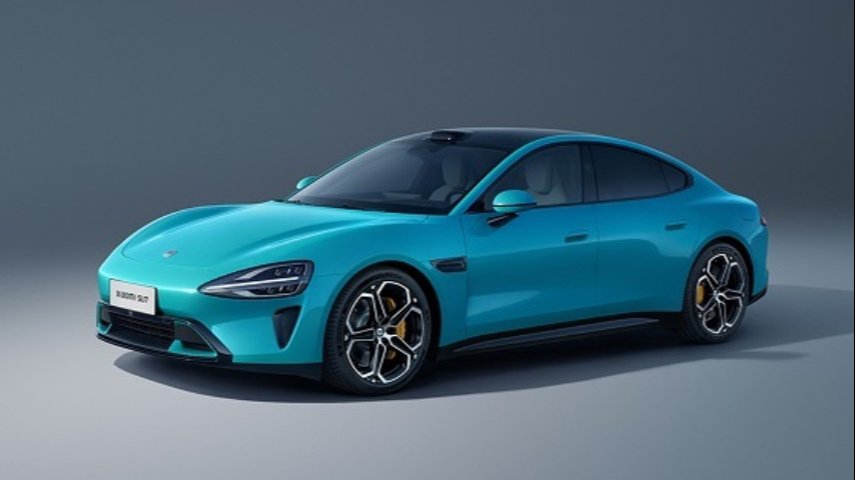
At a recent Xiaomi internal values conference, Lei Jun publicly responded in depth to the SU7 accident for the first time, defining the incident as "the heaviest lesson on Xiaomi's car-making journey." He admitted frankly: "After the accident, the overwhelming doubts left me and the team dazed for a while, but they also made us clearly aware: the public's expectations for Xiaomi are no longer those for a new player, but for an industry leader."

In his speech, Lei Jun combined accident data to analyze Xiaomi's current predicament:
1. Boundary of technical responsibility: Although the NOA system triggered a warning and decelerated, is the human-machine takeover logic sufficiently human-centered?
2. User trust crisis: The accident investigation has not yet concluded, but the public is already examining Xiaomi's technical capabilities with a "magnifying glass";
3. Transformation of the leader's role: "Building compliant cars is far from enough; we must define new industry safety standards."
In response to the lessons of the accident, Lei Jun announced three major actions. 1. Technical reconstruction: invest 1 billion within the year to upgrade the intelligent driving safety redundancy system; 2. Standard upgrade: raise crash test standards from national standards to the "Xiaomi Safety Standard" (higher than EU/US regulations); 3. Transparent communication: release vehicle data within 48 hours for all future accidents (after police permission).

Lei Jun acknowledged that after the accident, Xiaomi fell into the growing pains of the "end of the newcomer phase." First, industry doubts: traditional automakers question whether internet companies "value experience over safety"; then, user expectations: Mi fans both strongly support the brand and worry about insufficient experience in "cross-industry car-making"; third, self-reinvention: from the phone ecosystem to automotive safety, the underlying logic of technology faces reconstruction.
Code Jun's commentary:
The accident will eventually pass, but safety has no finish line. Lei Jun used a "marathon" to describe Xiaomi's car-making: "This accident is not the end, but the starting point of a long safety run."
The candor of this values conference may be more worthy of attention than the accident itself — when a company dares to turn painful lessons into public commitments, that is the true sign of maturity.


