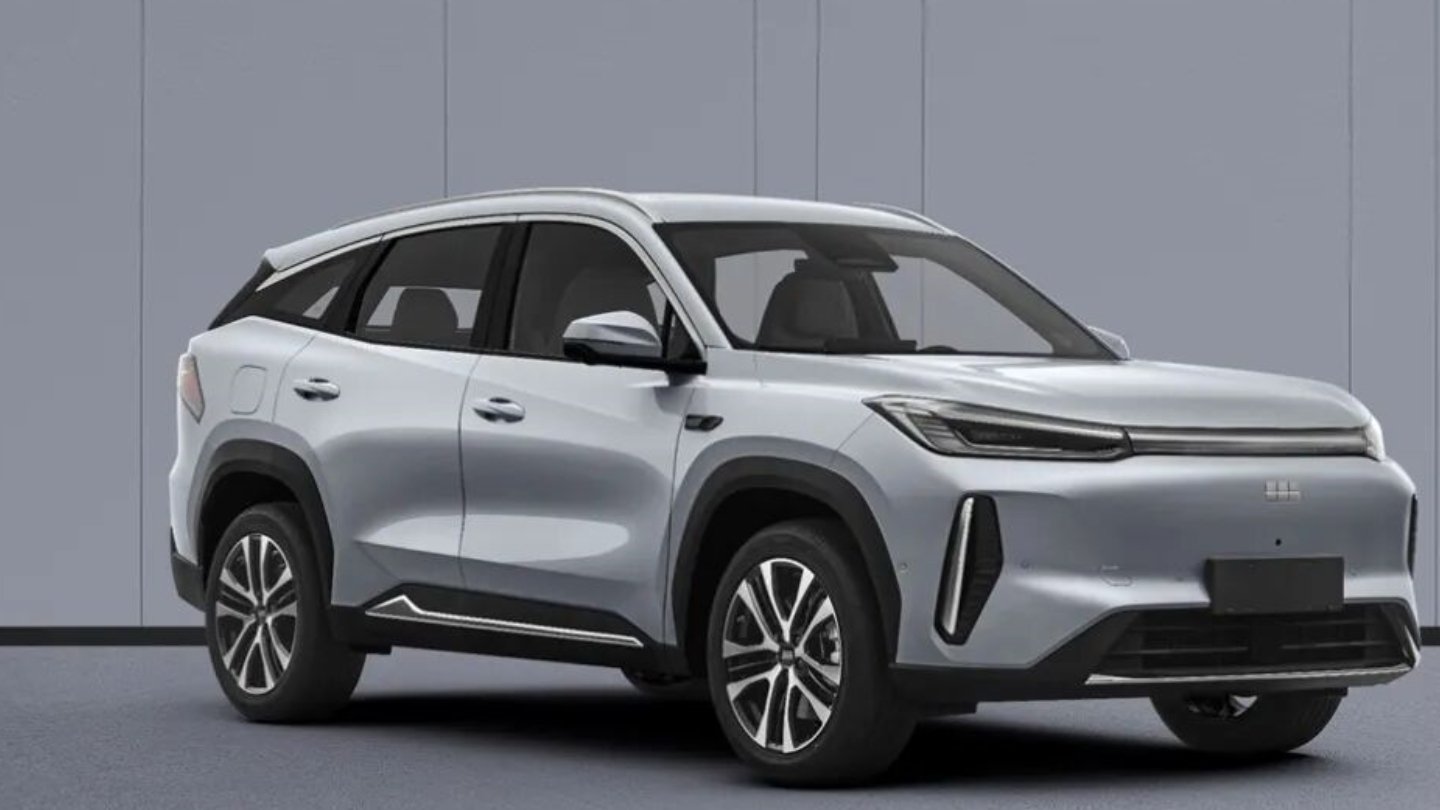
Recently, the Geely Galaxy M7 EM-i appeared in the Ministry of Industry and Information Technology declaration catalog. As another plug-in hybrid SUV under the Geely Galaxy brand, its arrival further improves the brand's layout in the mainstream family SUV market. From the information published so far, this is a 5-seat plug-in hybrid SUV with clear positioning aimed at family users, but in a segment where competition has already become white-hot, can it stand out? We might as well conduct an objective analysis from the three dimensions of product, competitors, and market.
Product positioning: a 5-seat family SUV between compact and mid-size
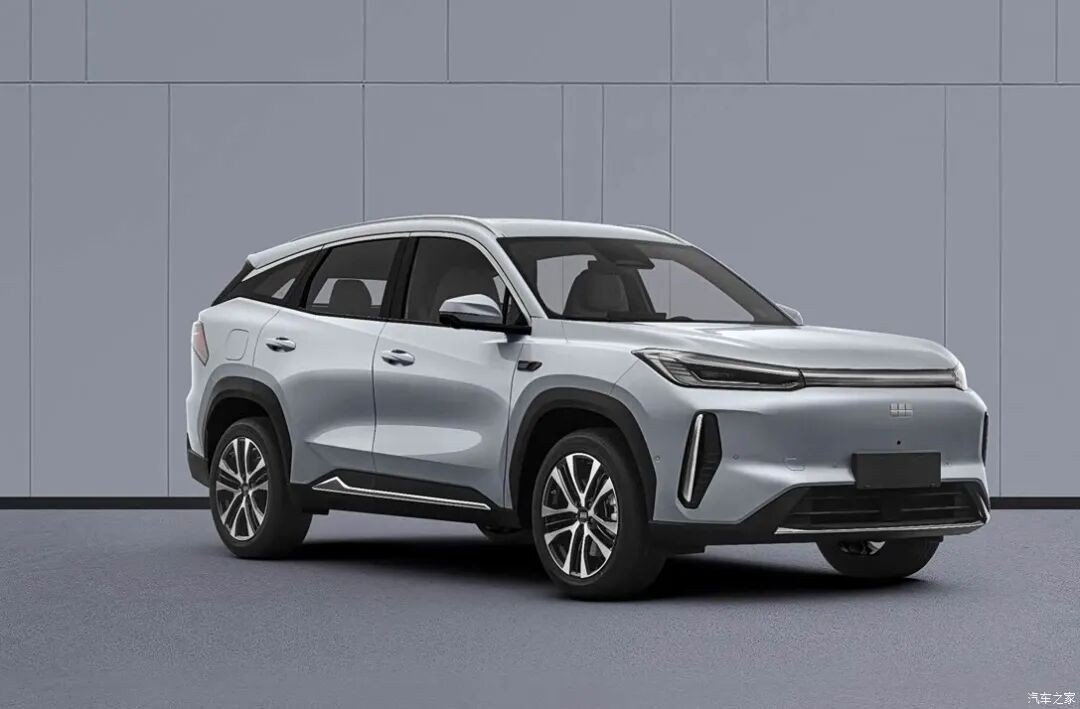
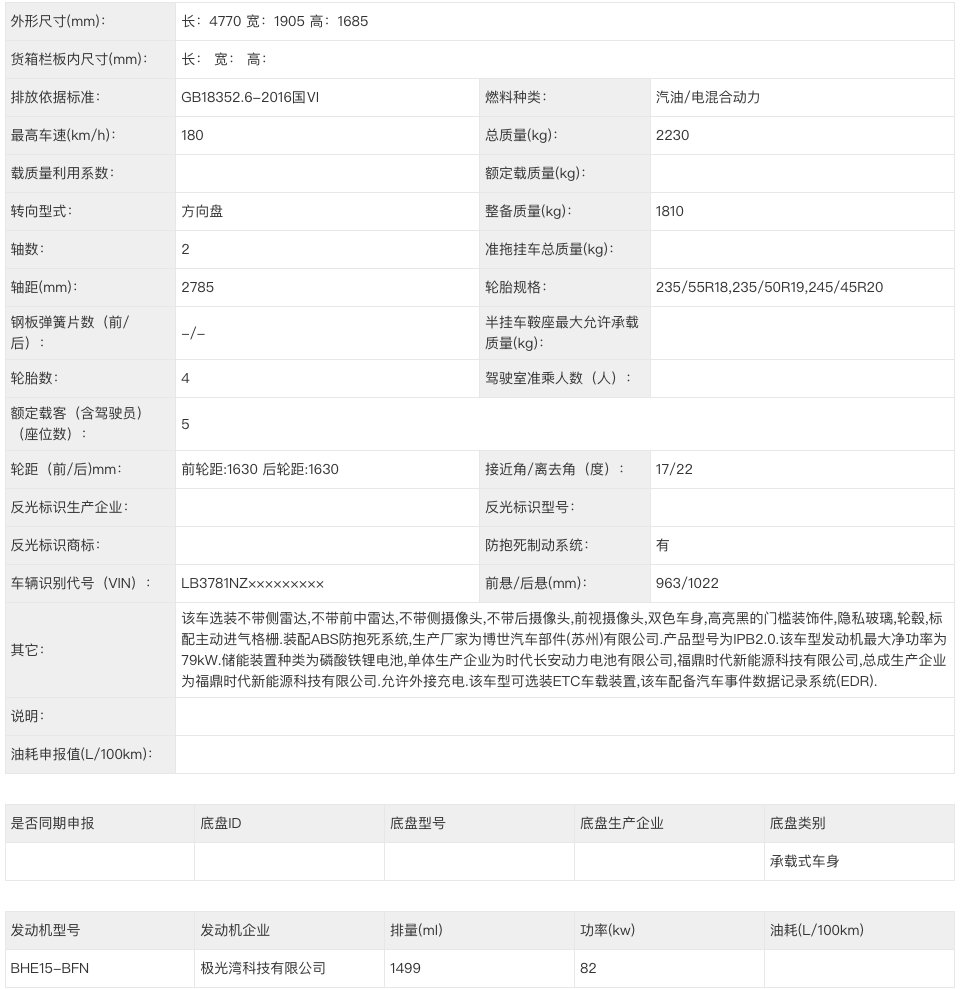
In terms of dimensions, the Galaxy M7 measures 4770/1905/1685mm in length, width, and height respectively, with a wheelbase of 2785mm. Placed in the current market, these figures sit between mainstream compact SUVs and mid-size SUVs, close in size to models such as the BYD Song PLUS DM-i and Deepal S7, and it can be regarded as an "A+" or "large five-seat" compact SUV.
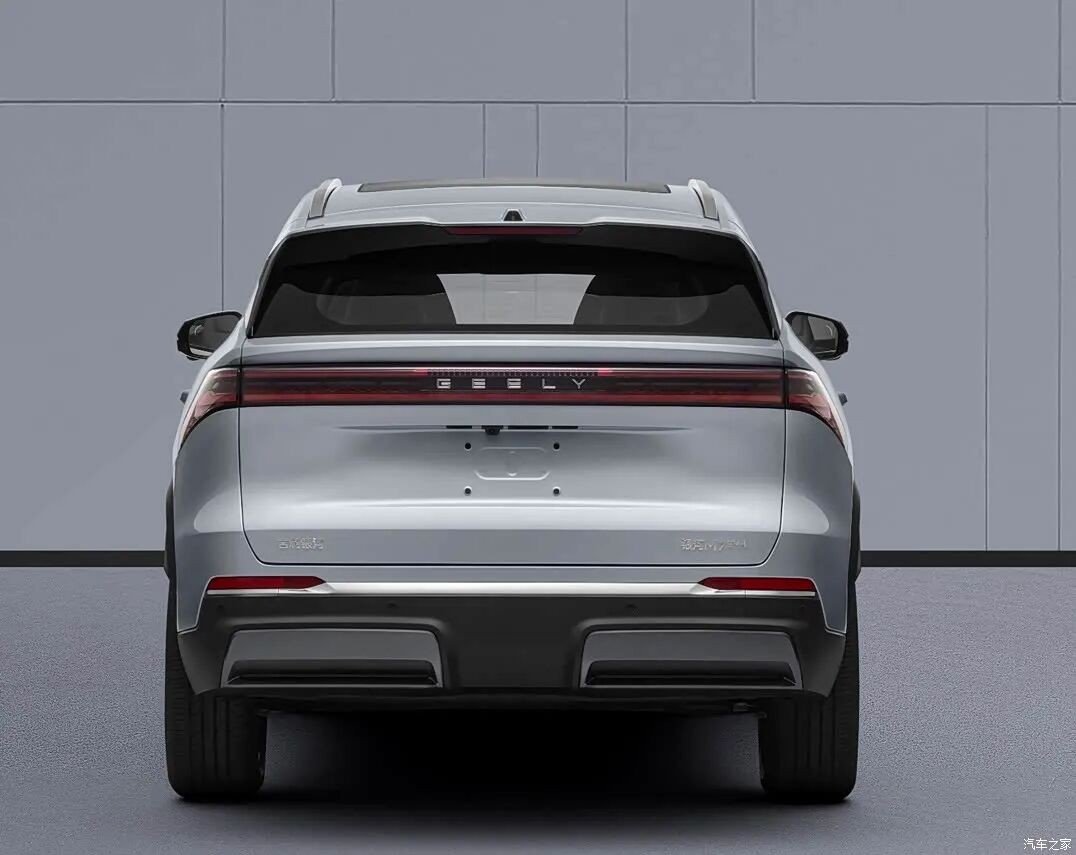
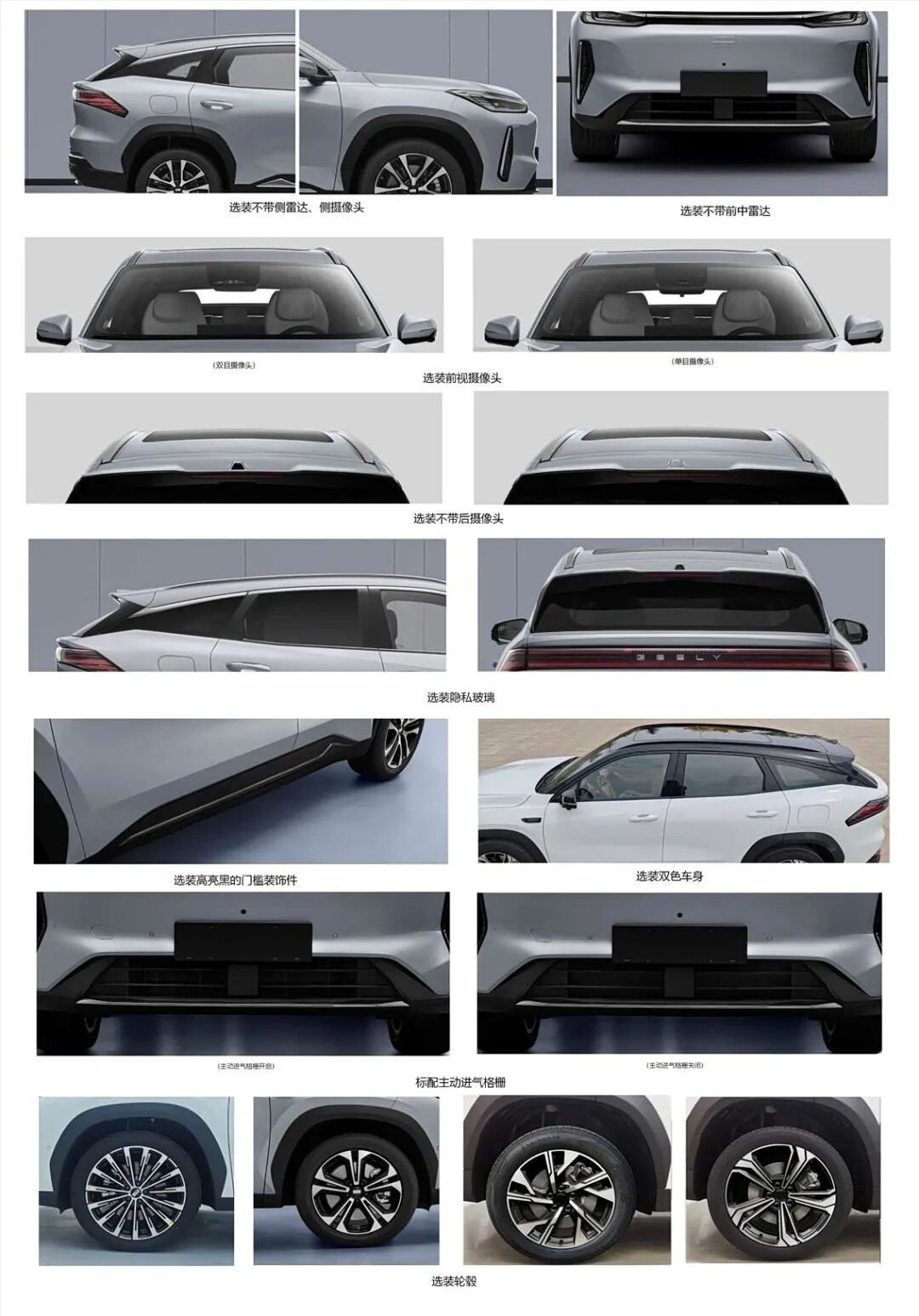
Its styling continues the Galaxy family design language. Elements such as the through-type front and rear light groups, closed front face, and fastback roof are all inherited from the Galaxy M9, and the overall style is youthful and dynamic, in line with the current mainstream aesthetics of new energy SUVs. The retention of traditional door handles also shows that it made a pragmatic trade-off between cost and aerodynamic drag.
In terms of power, it is equipped with a 1.5L plug-in hybrid system, the engine has a maximum power of 82kW, it uses a lithium iron phosphate battery, and the top speed is 180km/h. This powertrain has already been installed in multiple models under Geely, so its maturity and reliability are guaranteed to a certain extent, with the main focus on economy and smoothness.
Summary of core product points
1. Design continues the family style - through-type light groups, closed front face, fastback styling, high recognizability;
2. Relatively large five-seat size - the 2785mm wheelbase ensures rear passenger space, suitable for family use;
3. Mature plug-in hybrid system - 1.5L engine + electric motor combination, balancing fuel consumption and power response;
4. Accelerated brand layout - after the Galaxy brand integrated Geometry and Yizhen, its product line has expanded rapidly, and its service system is gradually improving.
Competitor comparison: advantages and challenges coexist
The most direct competitors of the Galaxy M7 include:
1. BYD Song PLUS DM-i (a sales benchmark in the same class, with high brand recognition)
2. Deepal S7 (radical design, dual routes of pure electric/range extension)
3. Haval Xiaolong MAX (equipped with Hi4 electric four-wheel drive, focusing on all-scenario passability)
4. Leapmotor C11 (extremely aggressive pricing, generous configuration)
Possible advantages of the Galaxy M7:
Stronger sense of refined design: compared with some competitors, the Galaxy M7 is more modern and cohesive in exterior details, light group styling, and other aspects;
Brand integration gains momentum: the Galaxy brand has obvious resource倾斜 within the Geely system, and channels and services are expected to catch up quickly;
Space performance is expected to be good: the wheelbase and vehicle width figures are above average in the same class, and practicality is relatively good under the five-seat layout.
Possible challenges it may face:
The powertrain highlights are not prominent: although the 1.5L plug-in hybrid system is mature, no obvious breakthrough has been seen in parameters or technology, while competitors already have higher thermal efficiency engines or multi-speed DHT;
Intelligent configurations have not been announced: under the current "cockpit-driving integration" involution, whether the infotainment chip and intelligent driving hardware are competitive remains unknown;
Enormous pricing pressure: multiple brands have already launched price wars in this price range. If the Galaxy M7 wants to break through, its pricing must be extremely sincere.
Quick commentary:
The key still lies in two points: first, whether the final pricing is lethal; second, whether intelligent and comfort configurations can bring a class-leading experience. If the Galaxy M7 can maintain a starting price of around 150,000 yuan while offering configurations such as the Qualcomm Snapdragon 8155 chip, L2+ intelligent driving, and a high proportion of soft wrapping, it will still have a good chance to carve out a share in the market.


