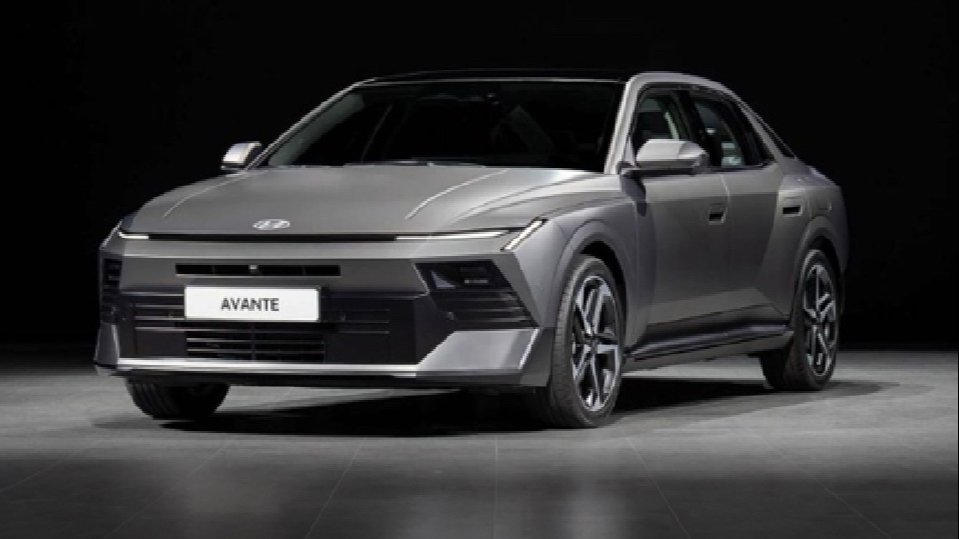
After six years, the Hyundai Elantra welcomes its eighth-generation model. On June 26, the new car made its global debut at the Busan Auto Show in South Korea, going on sale first in its home market of Korea before gradually arriving in other markets. The new car is scheduled to have its price announced in the third quarter.
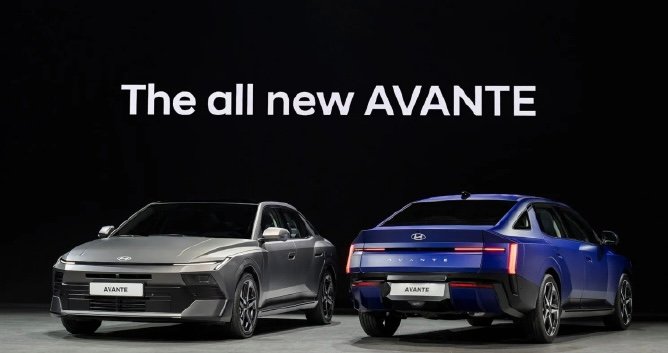
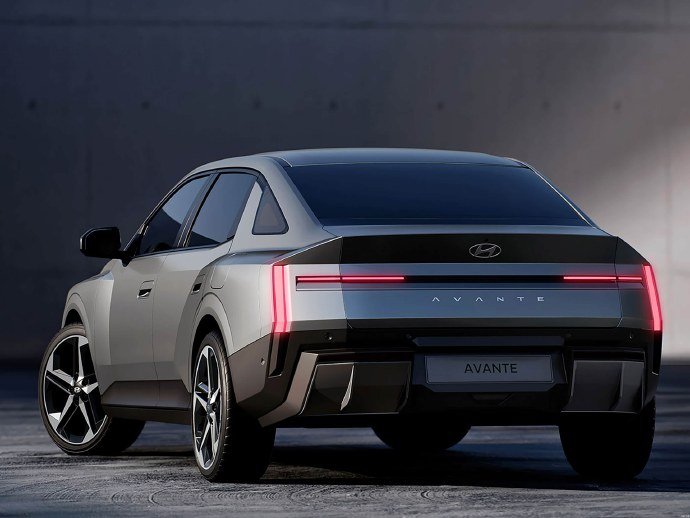
The all-new Elantra adopts the "Steel Art" design language, relying on crisp lines and sculpted three-dimensional surfaces to create a tough stance reminiscent of mecha style.
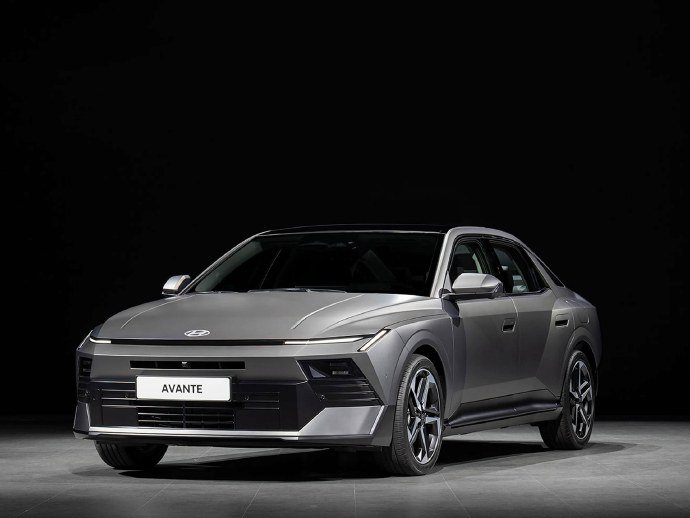
The front end features a wide-body layout paired with slim LED headlight clusters; the side reinforces a sense of layering through flared lines; the rear adopts a full-width LED light bar.
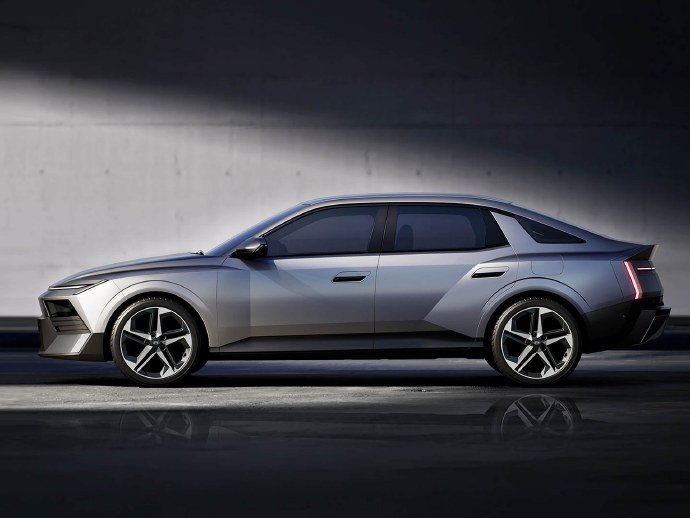
Dimensions have been comprehensively upgraded: length, width, and height are 4765/1855/1425 mm, with a wheelbase of 2750 mm. The vehicle length has increased by 55 mm, the wheelbase has been widened by 30 mm, and the vehicle width has increased by 30 mm.
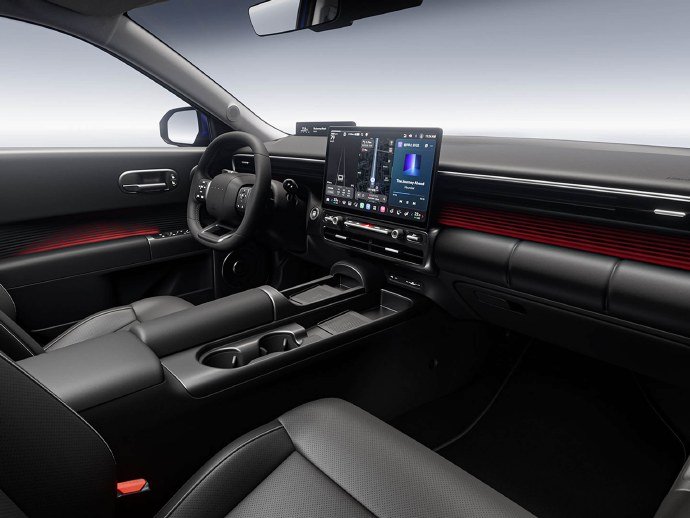
The interior features a 14.6-inch floating central control screen, equipped with the Android-based Playos Connect intelligent infotainment system, introducing for the first time an AI large language model and the Gleo AI voice assistant. It comes with B&O audio, a digital key, OTA upgrades, and other features.
Powertrain options include a 2.0L gasoline version (149 horsepower) and a 1.6L hybrid version (combined 157 horsepower). In addition, the new car is equipped with an advanced driver assistance system, supporting full-scenario driving assistance in urban and highway conditions. Currently, the model still on sale in China is the seventh-generation product, and the Beijing Hyundai version is expected to be introduced in early 2027.
Quick comment:
After six years, it has finally been redesigned, and the all-new Elantra is indeed bold in design—the mecha style is rarely seen among compact sedans. The dimensions have been comprehensively lengthened, and the AI cabin has also kept up with the trend. However, the share of gasoline sedans in the Chinese market continues to shrink, with the Sylphy and Lavida both cutting prices to preserve volume, and Elantra monthly sales have fallen to two to three thousand units. Whether the new generation can bring sales back ultimately depends on the pricing and configuration sincerity of the Beijing Hyundai domestic version.


