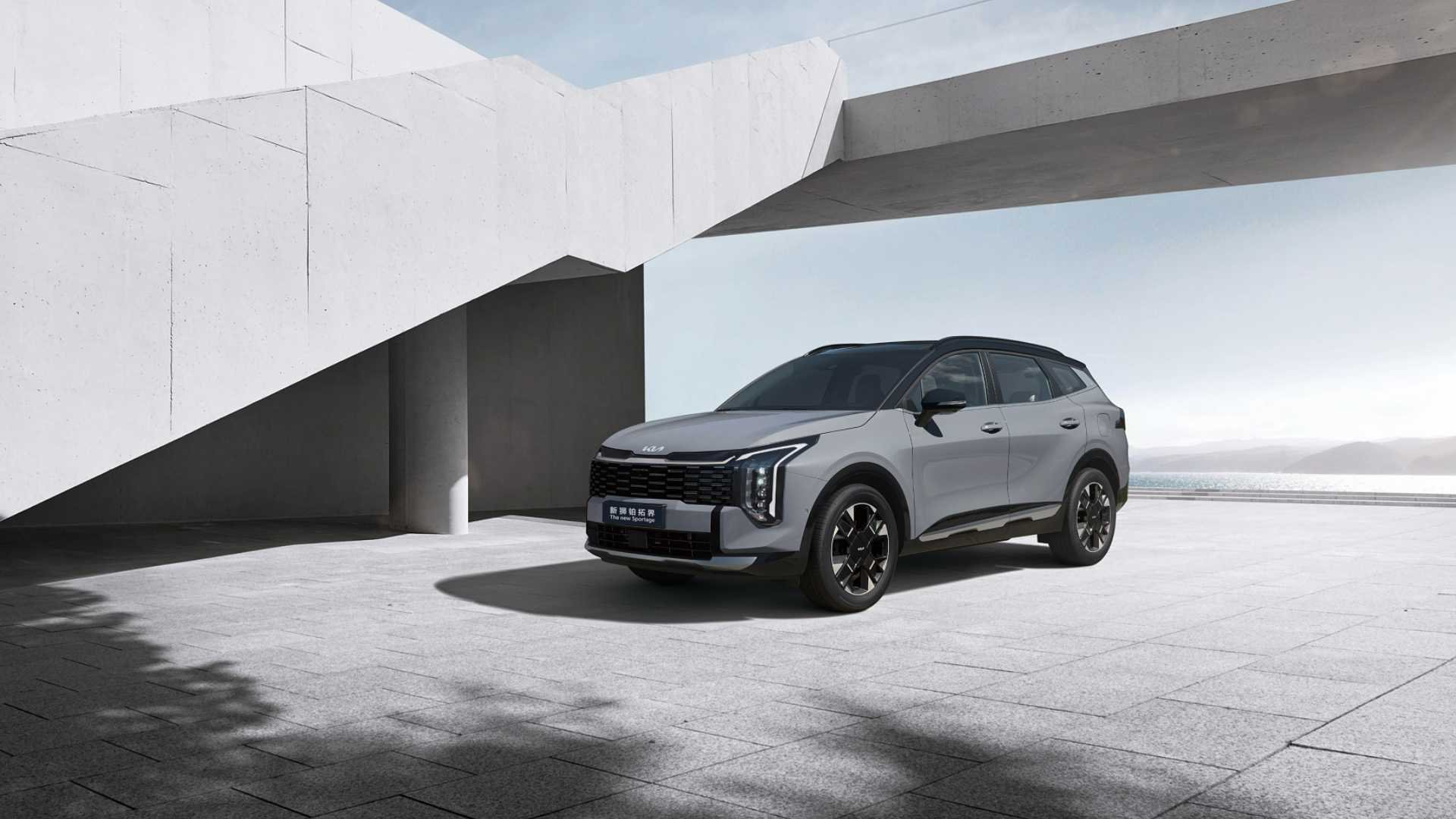
On March 5, 2026, the new Kia Sportage officially launched, with a total of 7 models introduced, including the first-ever X-Line exclusive sport design package, with an official guide price range of 154,900 to 217,900 yuan. A highly sincere policy was also introduced simultaneously: from now until April 30, a nationwide unified "one-price refresh" starting at 109,900 yuan, along with five premium benefits: financial gifts, test-drive gifts, maintenance gifts, lion friend gifts, and optional equipment gifts. This pricing strategy continues the "no-tricks one-price" model Kia promoted earlier this year on the Yipao and K3.
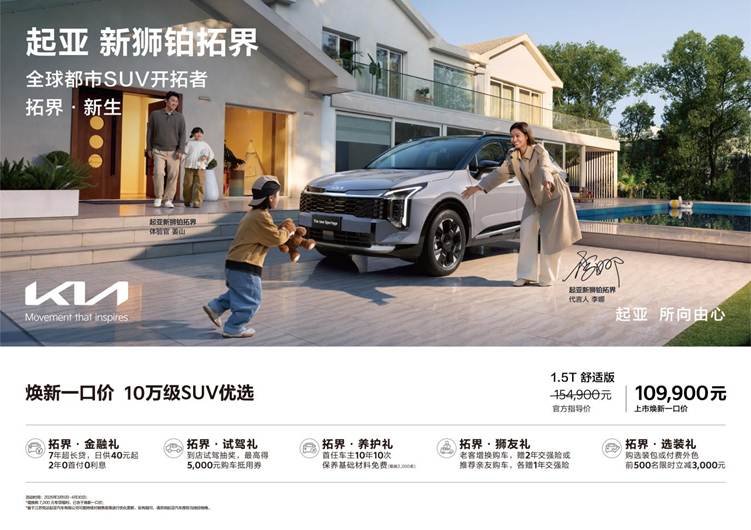
From the consumer's perspective, this "bottom price at launch" approach indeed saves the trouble of repeated bargaining. Taking the 1.5T Luxury version as an example, the official guide price is 159,900 yuan, while the one-price is as low as 114,900 yuan, a reduction of 45,000 yuan; and for the more richly equipped 1.5T Prestige version, the one-price is only 124,900 yuan. In the 100,000-yuan joint-venture SUV market, such a price combination is quite attractive. Especially in the current economic environment, consumers are more sensitive to value for money.
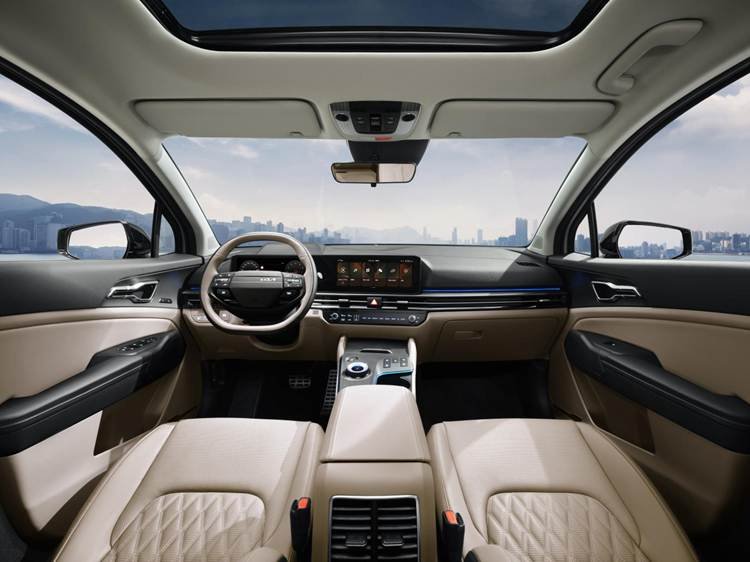
Of course, price is only the敲门砖 — the product itself is the key to long-term reputation. The new Sportage is built on the third-generation i-GMP platform, with a wheelbase of 2,755 mm, rear headroom and legroom of 1,000 mm and 1,050 mm respectively, and a trunk volume of 545 L. The front passenger seat is also equipped with a "boss key," the rear seats support heating and multi-stage backrest adjustment, and a panoramic sunroof and rear independent air-conditioning vents are not absent either, making the overall comfort configuration quite thoughtful.
In terms of power, the new Sportage comes standard across the lineup with an 8AT transmission. The 1.5T model has a maximum horsepower of 200 Ps and peak torque of 253 N·m, equipped with Kia's globally exclusive CVVD technology, with WLTC combined fuel consumption of only 7 L/100 km; the 2.0T model is further upgraded to 245 Ps and 353 N·m, with 0–100 km/h acceleration entering the 7-second range. The transmission is independently developed by Hyundai Kia's Mobis, with maximum transmission efficiency of 91.7%, and durability has also been verified over more than 300,000 kilometers.
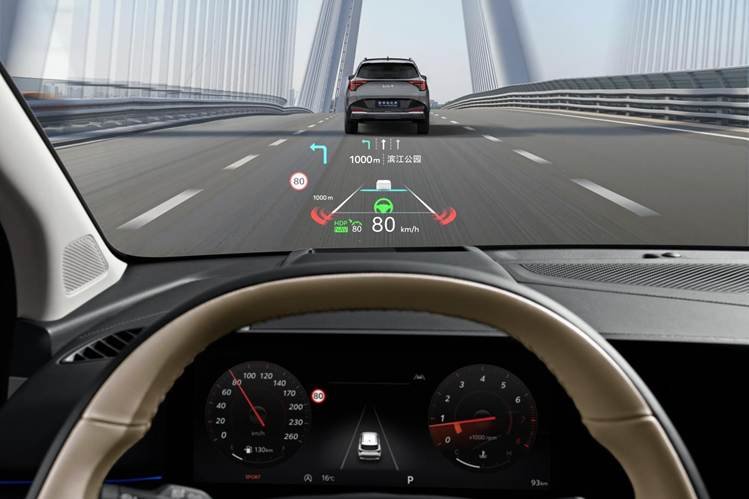
In terms of intelligent configuration, the new car is equipped with a dual 12.3-inch curved screen, supports wireless CarPlay and CarLife, and the infotainment system also introduces more localized applications, such as in-car WeChat, Aiqu Ting, Tencent Mini Scenes, etc., improving the convenience of daily use. The intelligent driving assistance system has been upgraded to L2 level, adding HDA2 highway driving assistance, supporting lane change via turn signal lever, and LFA2 lane keeping has also been optimized to steering angle control with hands-off monitoring added. FCA2 forward collision-avoidance assist covers more complex scenarios, including recognition and avoidance of crossing vehicles, side-approaching vehicles, two-wheelers, and pedestrians. In addition, the availability of configurations such as an 11-inch HUD head-up display, RSPA remote smart parking assist, and SVM surround view monitor also enhances the safety and convenience of daily driving and parking.
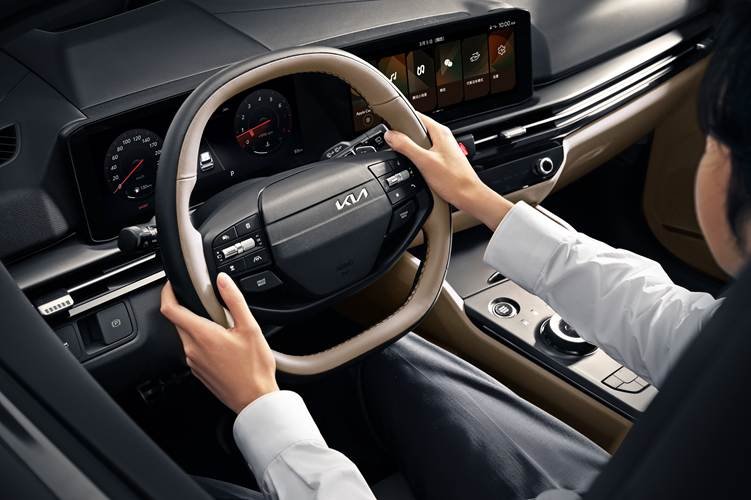
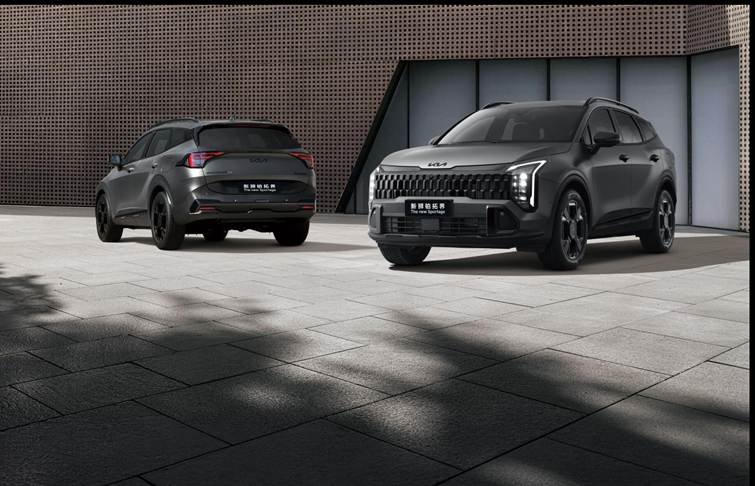
In terms of design, the new Sportage continues the family-style "Tiger Nose" DNA, with two newly added body colors, "Frost Gray" and "Drill Sea Blue," as well as the first-ever X-Line exclusive sport design package, providing more personalized choices. Inside, the dual D-shaped leather steering wheel, the combination of wood grain and brushed metal materials, and multiple color schemes such as black-coffee and black-red can also satisfy the aesthetic preferences of different users.
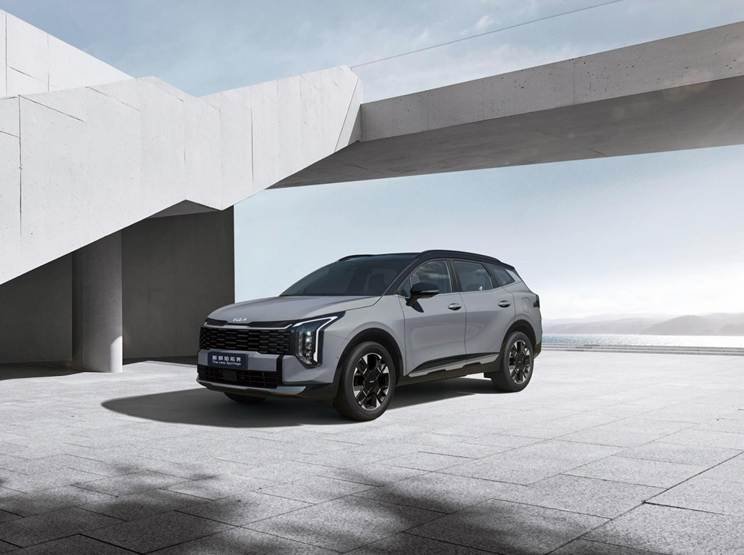
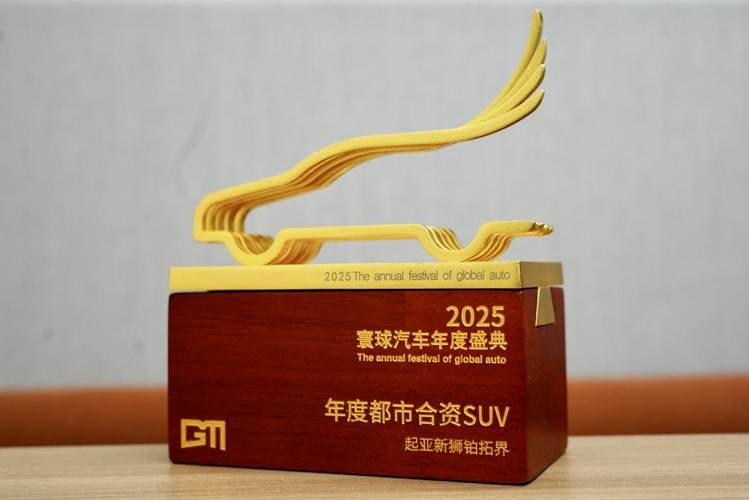
The new Sportage received the highest rating of "Top Safety Pick+" from the U.S. IIHS in 2025, and was also named the 2026 "Best Family SUV" by the UK's What Car?. Recognition from these third-party organizations reflects, to some extent, the comprehensive strength of this car globally.
It cannot be denied that in recent years Korean brands have faced considerable challenges in the Chinese market, and declining share and weakened voice are indisputable facts. But this does not mean the product strength of Korean cars has fallen behind. On the contrary, from the new Sportage one can see that Kia is still insisting on technological investment and localized adaptation: a global platform, self-developed powertrains, intelligent configurations optimized for Chinese users' habits, plus the current transparent pricing strategy, are in fact a more pragmatic way of re-engaging in dialogue with consumers. For users currently shopping for a 100,000-yuan joint-venture SUV, this car is worth putting on the comparison list and taking a serious look at.


