
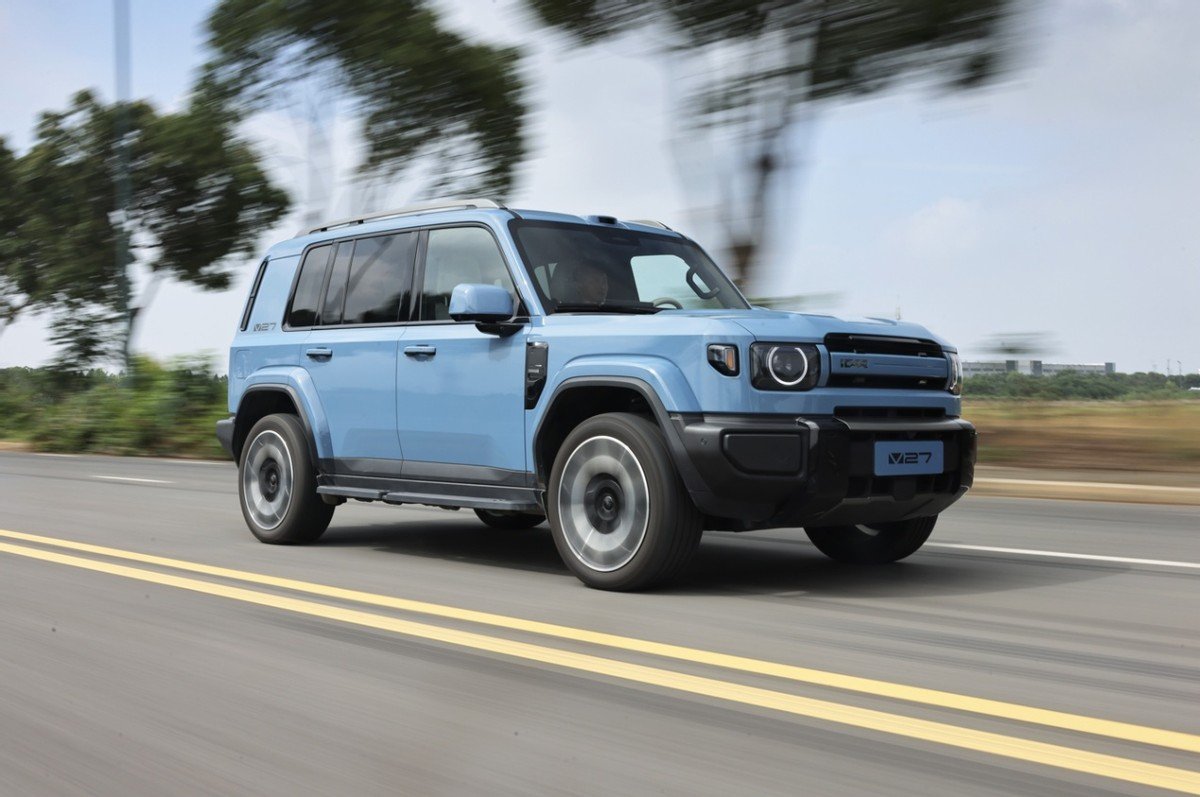
On June 30, the iCAR V27 began rolling out its first major OTA update in batches. This free upgrade is not a pile-up of specs, but a pragmatic set of solutions to the thorny problems that frequently occur in real driving scenarios. From U-turns on narrow roads and escaping dead ends, to sudden evasive maneuvers at highway speeds and low-speed travel through blind spots, and further to voice interaction that is more "down-to-earth" and understands "subtext," the more than 140 optimizations almost all point to one goal: making this boxy vehicle more convenient and reassuring in daily use.

First, look at the changes in advanced driver assistance. Many owners often encounter the awkward situation of insufficient room for U-turns on narrow city roads or in older residential communities, where shuttling back and forth is both time-consuming and prone to scratches. The newly added three-point turn function can automatically plan a reversing and maneuvering path to help the vehicle get out of trouble; and when accidentally driving into a dead end or blind alley, trail reversing of up to 120 meters can return along the original route with one tap, eliminating the tension and bustle of manual reversing. In highway navigation assist, the ETC autonomous passage function allows the vehicle to automatically recognize and pass through toll stations without any takeover throughout the process, avoiding the jerky feeling of driver assistance downgrading or exiting when entering and leaving toll stations. The addition of the roadside start-stop function allows assisted driving to be activated directly after parking in P gear, making the starting action smoother. For parking, unmarked open areas support self-drawn parking spaces, extremely narrow spaces can be parked via remote control, and offsets are allowed to leave room for opening doors. Owners can also choose the parking direction for the front or rear of the vehicle as needed - this design is especially thoughtful when loading or unloading trunk luggage or child safety seats. The three adjustable parking speed levels also accommodate users with different driving habits.
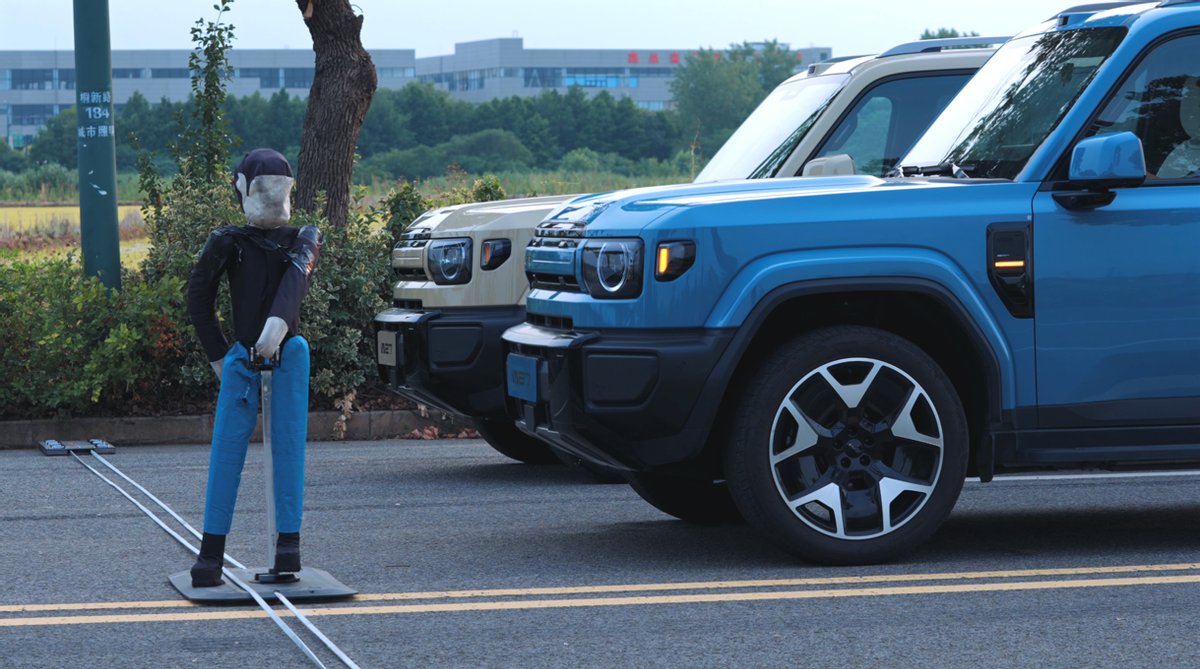
The upgrades to active safety also directly target daily hidden dangers. The maximum stopping speed of AEB forward emergency braking has been increased to 130 km/h, and the recognition range has been expanded to low obstacles such as traffic cones and water barriers, which means that when driving on urban expressways or national roads, the system's ability to perceive stationary foreign objects is significantly enhanced. More importantly, the newly added AES automatic emergency steering and ESA emergency steering assist mean that when encountering sudden situations such as a pedestrian popping out or the vehicle ahead suddenly disappearing, the vehicle can not only brake sharply but also assist in adjusting its trajectory for intelligent avoidance. For scenarios involving traveling with family, this adds another layer of physical avoidance protection. When traveling through low-speed intersections, pulling out of parking spaces, or reversing, the newly added forward/rear cross-traffic warning and braking function can identify pedestrians, non-motor vehicles, and vehicles crossing horizontally, providing audible and visual reminders and automatically braking in emergencies - at garage exits in residential communities or narrow road sections near schools, this function greatly reduces the psychological burden on drivers caused by visual blind spots.
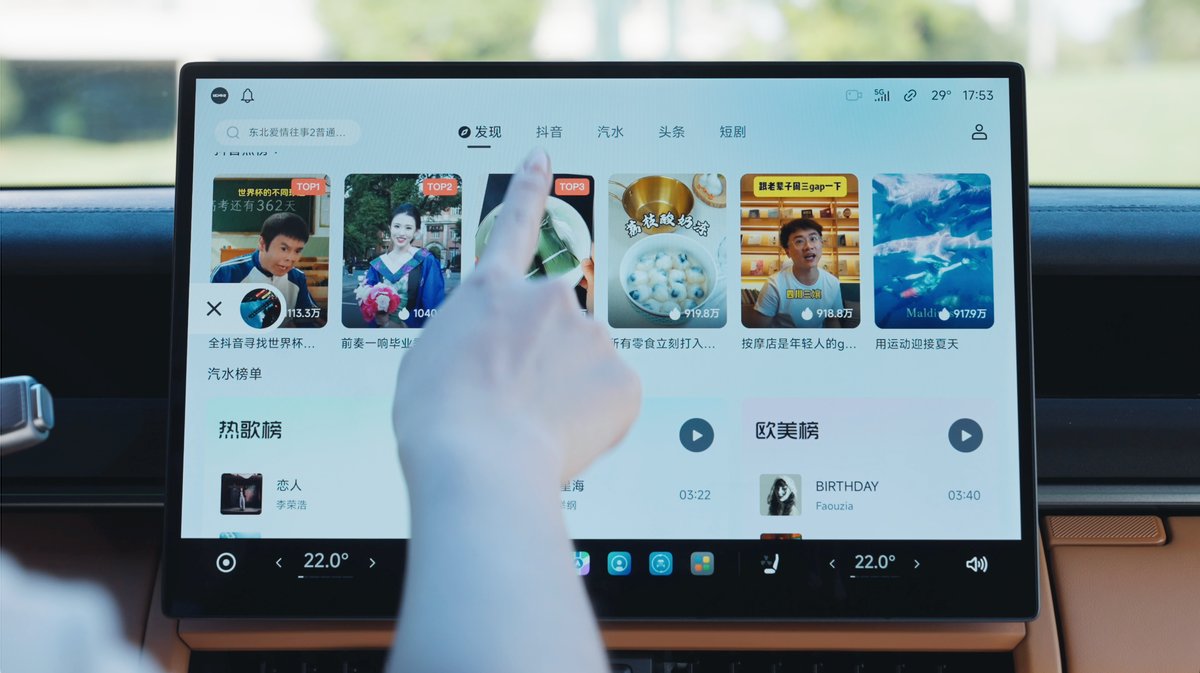
The optimization of cabin interaction is closer to the details of daily use. The voice assistant's ability to understand vague instructions has improved, and there is no longer a need to memorize wake words by rote. For example, saying directly "a bit cold" will make it raise the air conditioning temperature, and "want some air" will make it open the windows. This interaction style, close to natural conversation, can significantly reduce distracting operations while driving. Even in underground garages or remote mountainous areas with weak or no network coverage, offline voice still maintains smooth responses, avoiding the embarrassment of "poor network, please try again." The newly added Scene Master function allows owners to customize linked actions such as navigation, air conditioning, and music, triggering exclusive modes with one tap - for example, setting "commute home" can simultaneously adjust the navigation route, close the sunroof, and play a favorite playlist. The vehicle's Dynamic Island displays high-frequency applications such as navigation, calls, and music at the top, allowing key operations to be reached in one step without repeatedly switching interfaces. On the entertainment side, the 23-speaker audio system links with ambient lighting rhythms, and together with newly launched applications such as Cheyu Audiovisual and Tianyi Cloud Gaming, it makes fragmented time while charging or picking up children more fulfilling; uploading videos through the iCAR APP to customize vehicle Easter eggs adds a sense of ritual to family travel. In addition, after integrating with the "Midea Smart Home" platform, users can remotely control smart home appliances from inside the car, turning on the air conditioner in advance in summer and preheating the water heater in winter, making the connection between car and home more tangible.
Dada's review:
This OTA is a precise repair of high-frequency pain points based on actual driver assistance usage data of more than 3.84 million kilometers. From U-turns on narrow roads to highway obstacle avoidance, from vague voice commands to offline conversations, every addition or optimization reduces driving fatigue and improves family safety. This upgrade brings this family-oriented hardcore SUV one step closer to the expectation of "getting newer the more you drive it and more valuable the more you use it."


