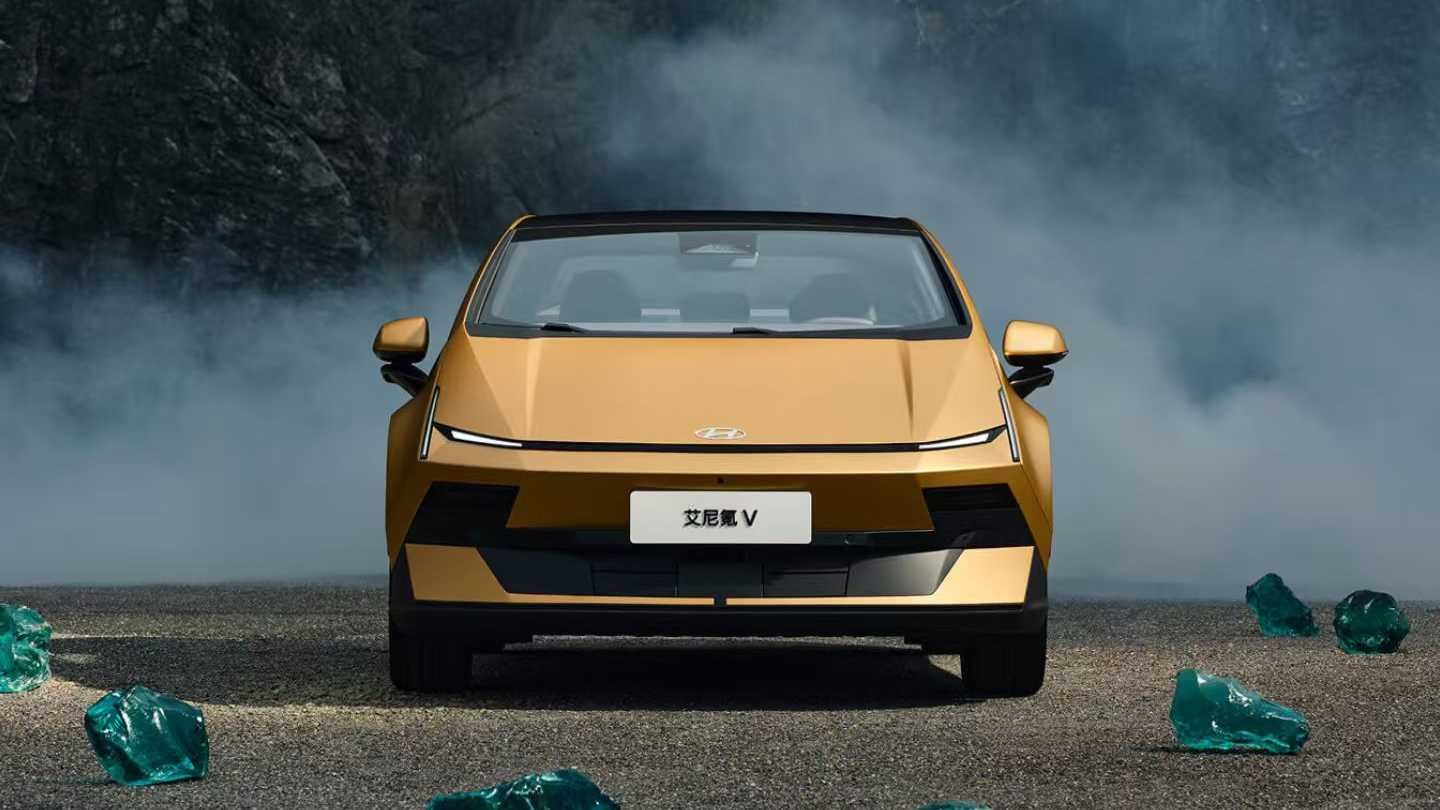
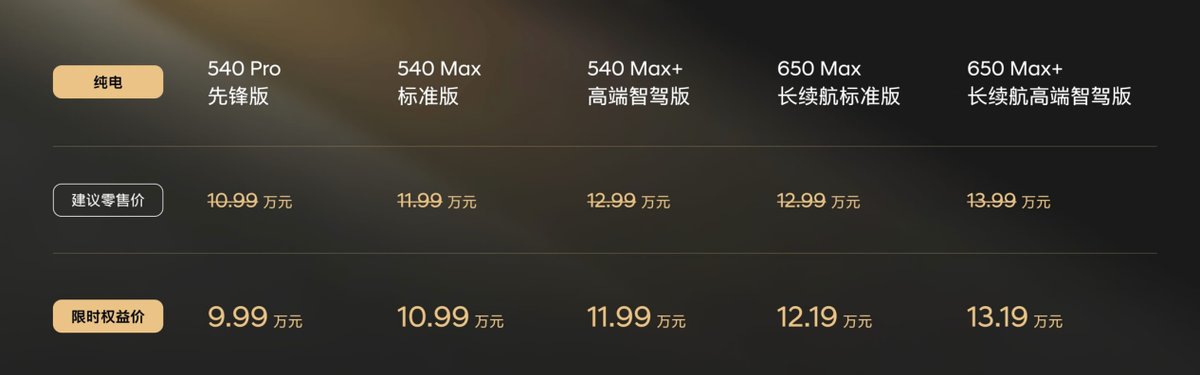
On September 29, Beijing Hyundai Ioniq V was officially launched. Five configurations, limited-time benefit price from 99,900 to 131,900 yuan, simultaneously offering benefits worth up to more than 50,000 yuan.
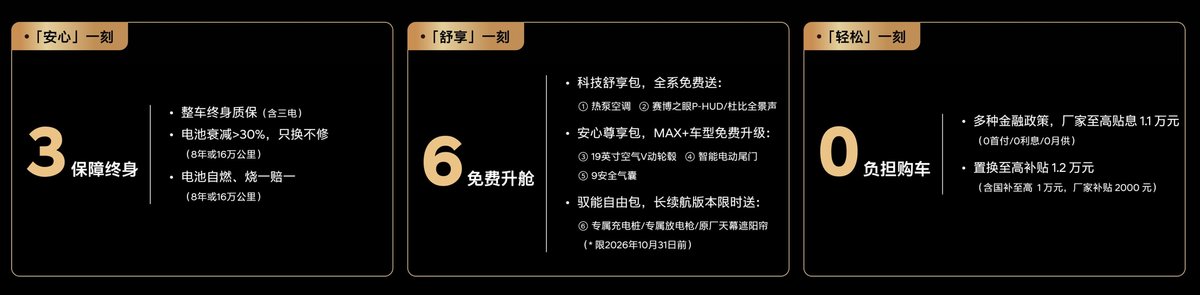
The Ioniq V wrote the word "lifetime" into its list of benefits. Lifetime warranty for the entire vehicle, including the three electric components, and the official statement explicitly says this is the only one in its class. More specifically, there are two commitments: if battery degradation exceeds 30%, it will only be replaced, not repaired, and if the battery spontaneously catches fire, one will be compensated for one. In addition, there are 6 free upgrades, with features such as a heat pump air conditioner, Cyber Eye PHUD, and 9 airbags given directly, as well as a financial plan with 0 down payment, 0 interest, and 0 monthly payment, and a trade-in subsidy of up to 12,000 yuan. The entire benefits package adds up to more than 50,000 yuan. For a car priced just over 100,000, the weight of this benefits package is more worth pondering than the price itself.
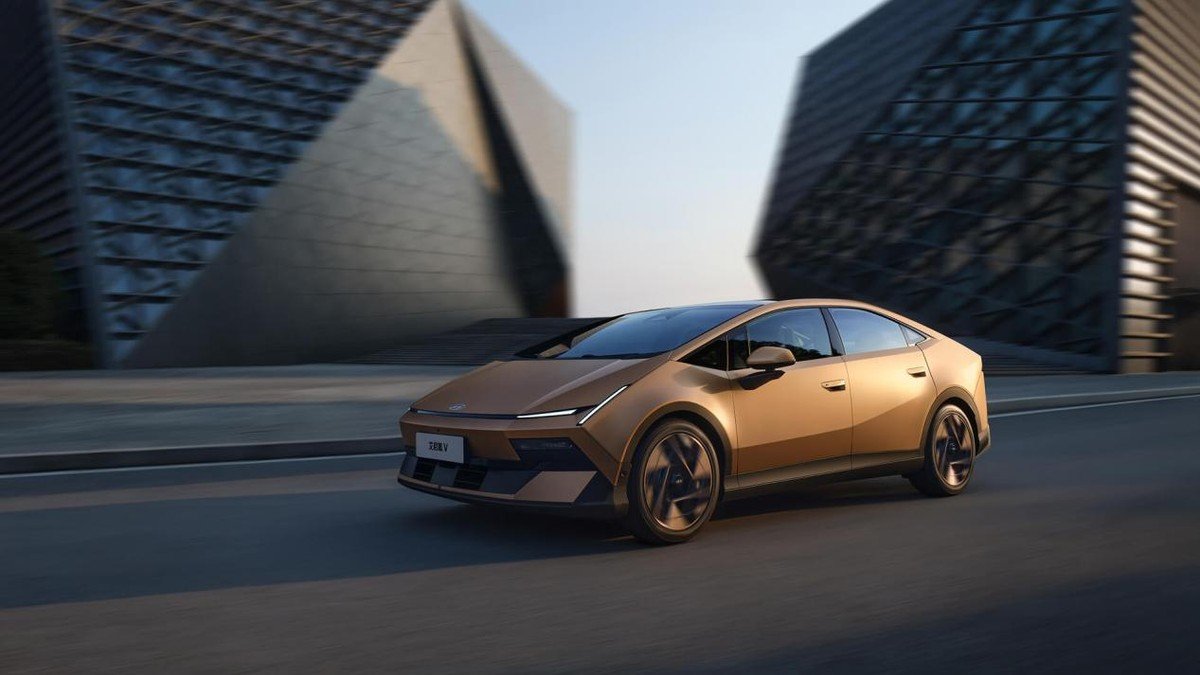
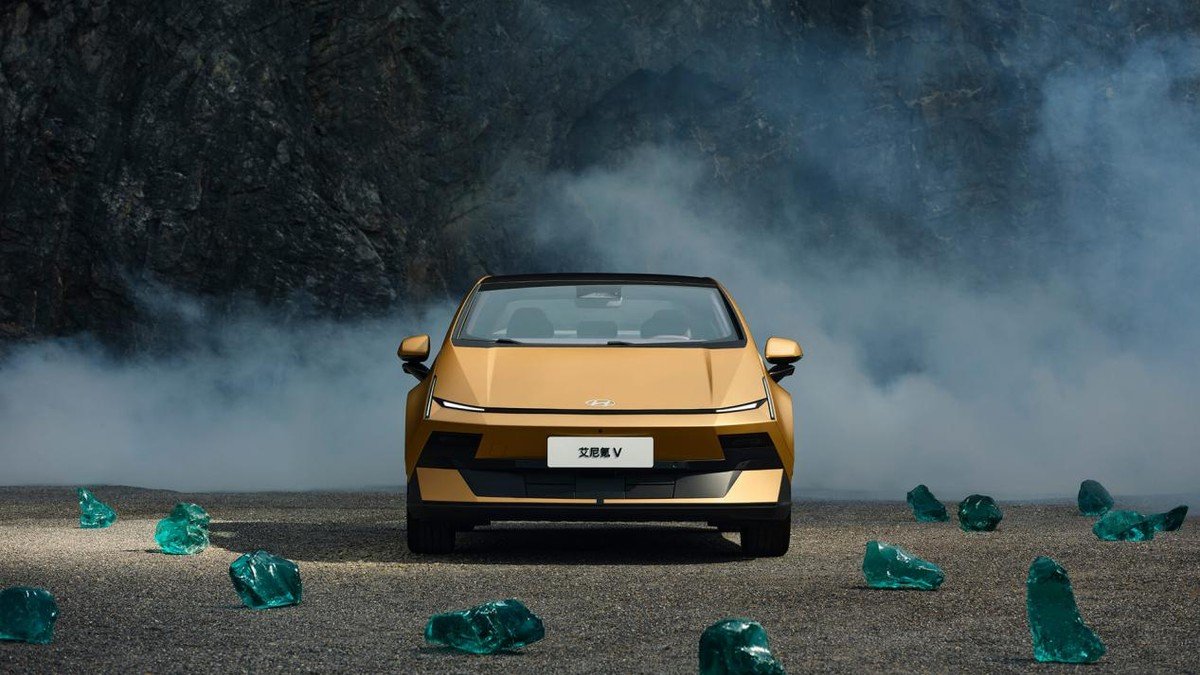
The Ioniq V's styling currently looks a bit too avant-garde, but a few years from now perhaps the streets will be full of similar designs. Tension bow line, dive A-pillar, shark-nose front end, plus frameless doors and floating island rearview mirrors, the overall stance is low and forward-leaning, setting it apart from the rounded, streamlined pure electric cars on the road. Whether it looks good or not is a matter of opinion, but at least it is not a cookie-cutter design.
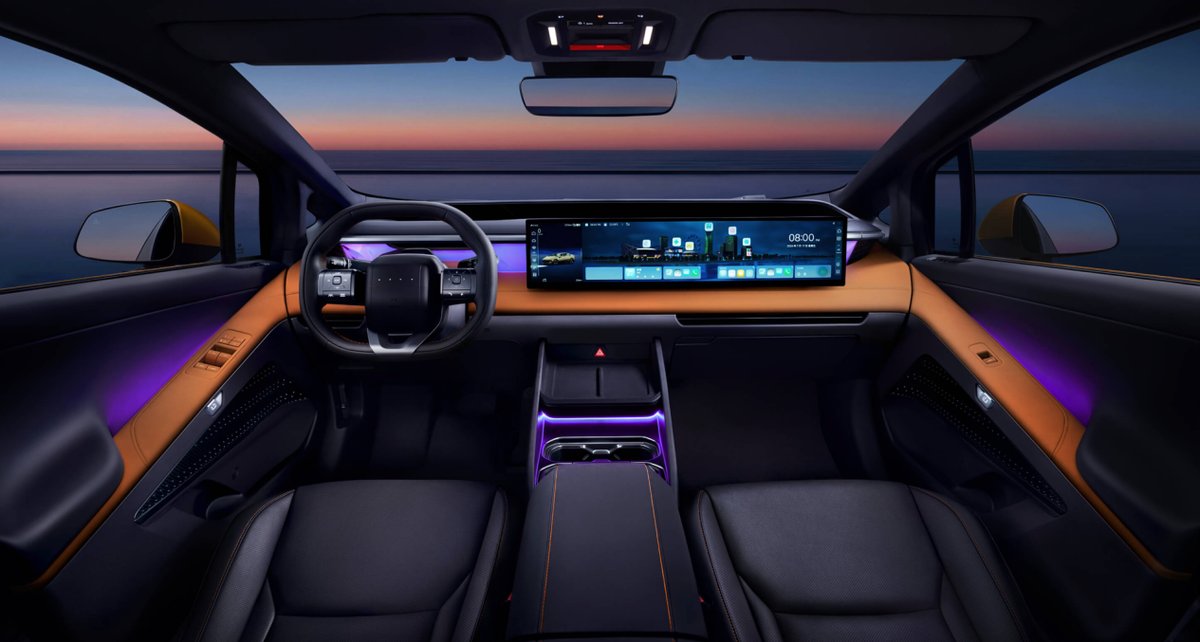
In terms of the cabin, a 27-inch 4K widescreen, 8295P chip, dual AI large models, and Dolby Atmos, the hardware foundation of the smart cockpit is very generous. In terms of intelligent driving, 1 millimeter-wave radar, 7 cameras, and 12 ultrasonic radars, combined with Momenta's data flywheel, the assisted driving capability on highways and in urban areas covers mainstream scenarios.
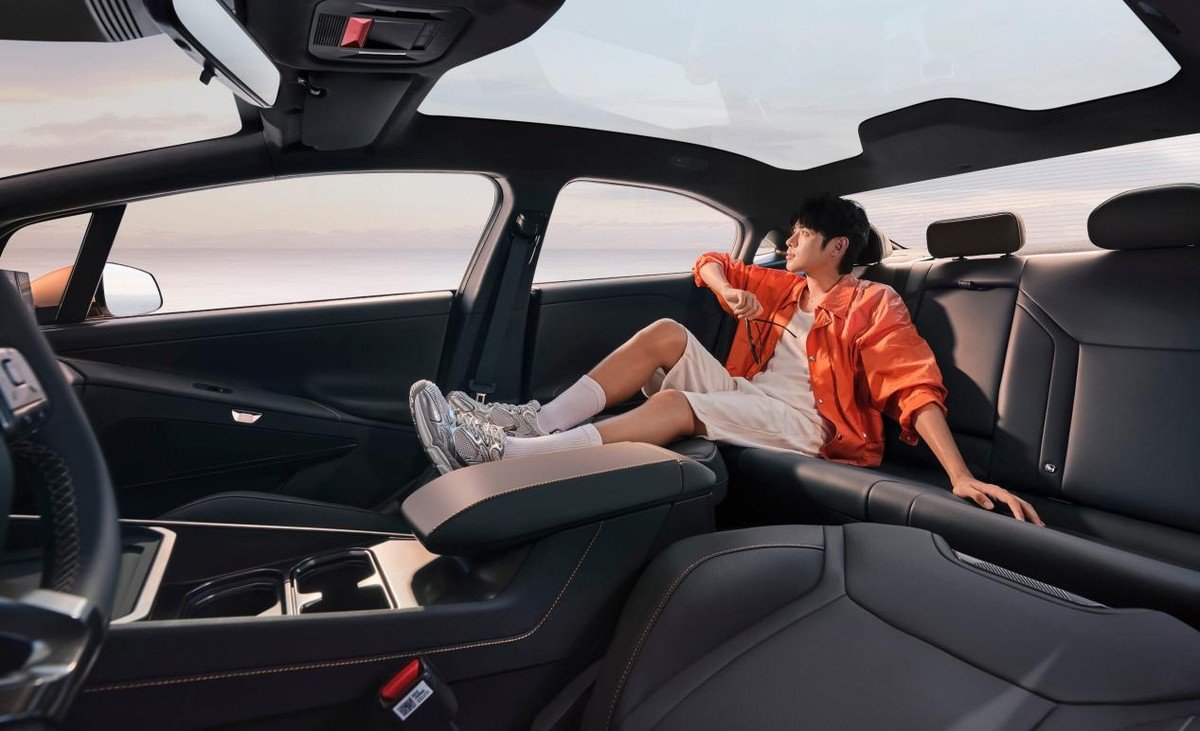
In terms of space, an 86% room utilization rate, rear-row dual one-meter legroom, and a 465-liter trunk. Placing these figures in a car with a coupe-style design shows that it has not sacrificed too much practicality for the sake of looks.
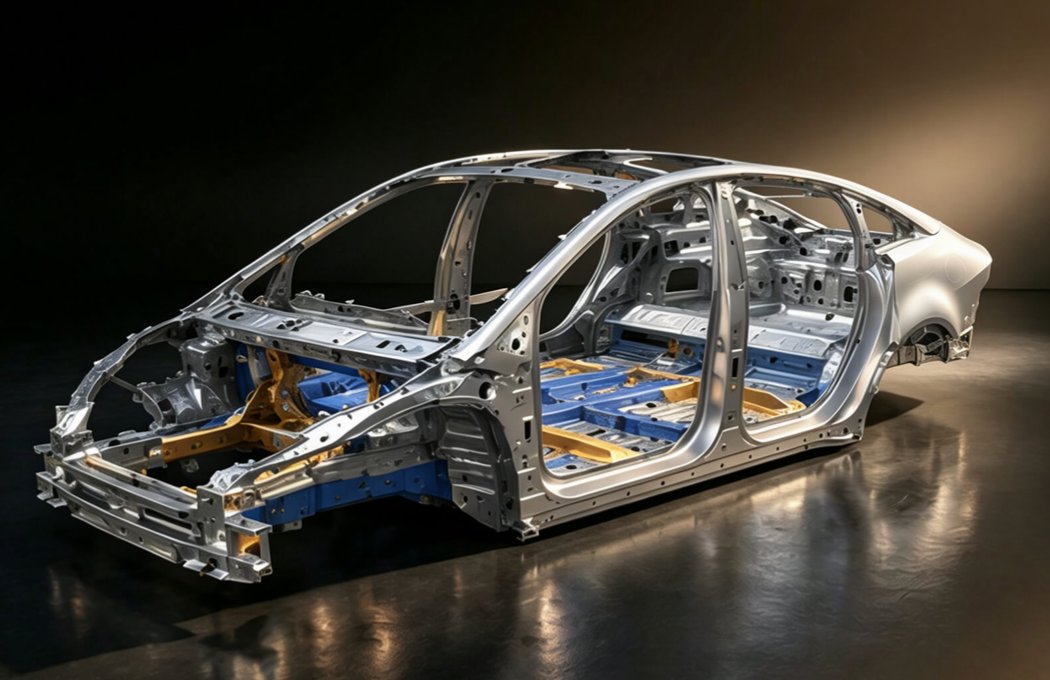
On the safety level, 74% high-strength steel, the only 9 airbags in its class, development to C-NCAP five-star standards, as well as CTP3.0 battery integration and NP3.0 non-power-down technology, can be said to bring out the accumulation of traditional major automakers in structure and redundancy.
Beijing Hyundai's sales performance in the past two years has indeed not been particularly impressive, and the brand perception from the fuel vehicle era is also facing reshaping in the new energy context. The Ioniq V chooses an all-electric approach and plunges directly into China, the world's most competitive new energy market, so the challenges are obvious. But from another perspective, it has actually not taken the most crowded path of "stacking configurations and competing on parameters." It is betting on another thing: in the 100,000-level pure electric market, using "full life cycle warranty" and "global quality standards" to win over consumers who have concerns about long-term reliability. What they care about is not only whether acceleration is fast or whether the screen is large, but also whether the battery will still be okay five years later and whether anyone will take responsibility if a fault occurs. By putting lifetime warranty and battery commitments out in the open, the Ioniq V is essentially using the "sense of trust" that joint venture brands are best at to engage in a differentiated competition.
Dada commentary:
Of course, the challenges will not disappear just because of a benefits list. Reversing brand perception takes time, and the coverage of channels and services also needs to keep up. But at least from the perspective of product definition, the Ioniq V has not drifted with the tide. It knows it is not the one with the greatest traffic, so it chooses to spend its energy on "making people feel reassured." For consumers, having one more choice willing to be rigorous about warranty and quality is never a bad thing. Starting at 99,900, what you buy is not just a car, but also a sense of confidence that "you do not need to worry too much about the future."


