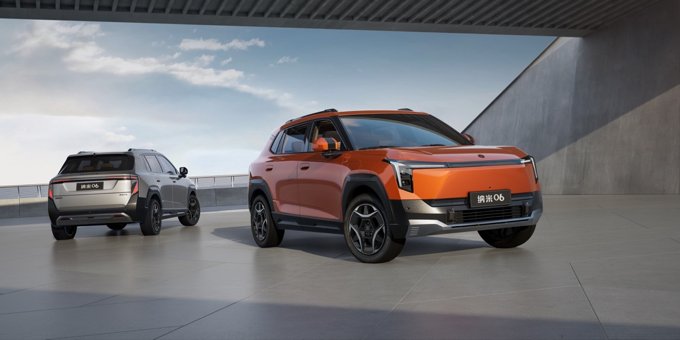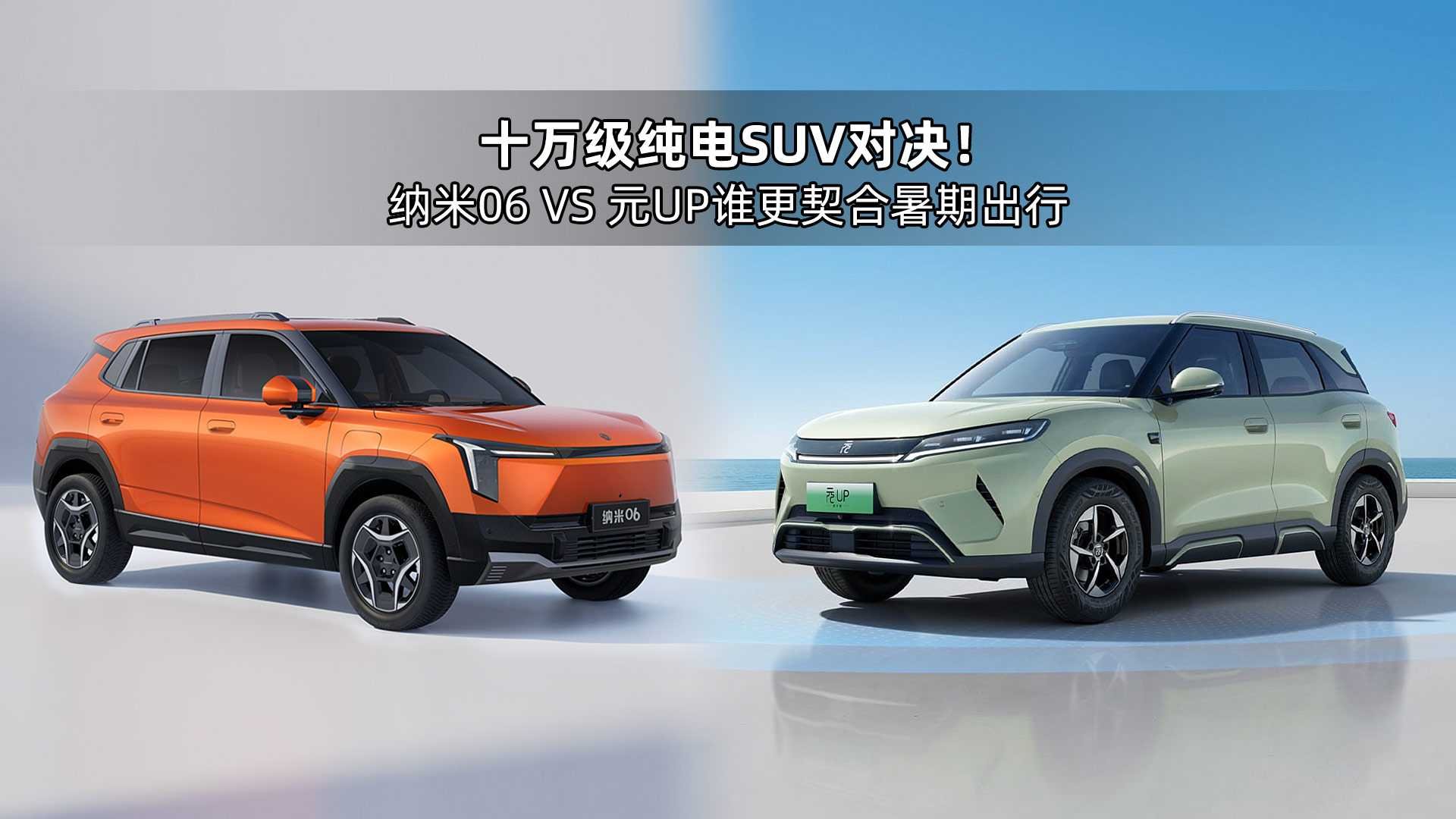
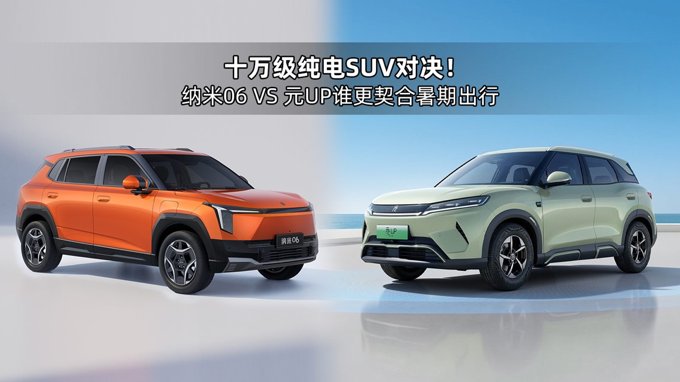
As the summer travel peak arrives, the 100,000-yuan-class all-electric SUV market is heating up. The Dongfeng Nammi 06 471 Ultra Edition (terminal price 109,900 yuan) and the BYD Yuan UP Smart Driving Edition 401km Beyond (terminal price 109,800 yuan) are both popular models that place great emphasis on intelligence, space, and practicality. They are similarly priced but each has its own focus. Which one better fits your travel needs? We analyze the core differences between the two cars from core comparisons such as range, space, and intelligence. (Hereinafter referred to as: Nammi 06, Yuan UP)
I. Exterior and Interior Design: Each Has Its Merits, with Different Emphases
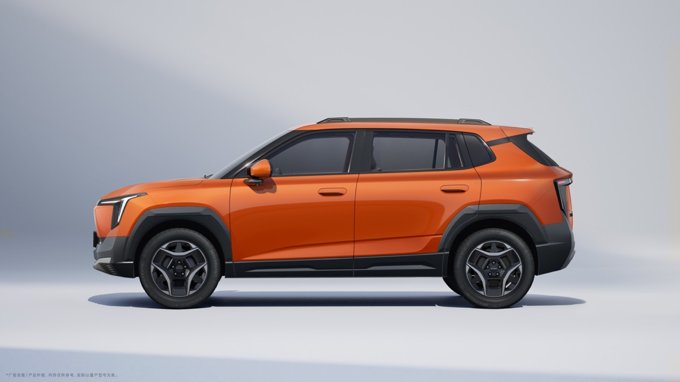
In terms of exterior, the Nammi 06 adopts a "boxy-like" shape, appearing rugged and distinctive. The closed front face paired with a through-type light strip creates a good sense of technology. The black cladding paired with a silver skid plate makes it look full of wildness.
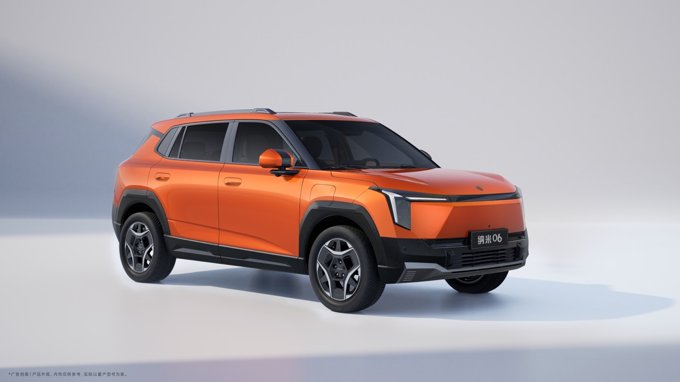
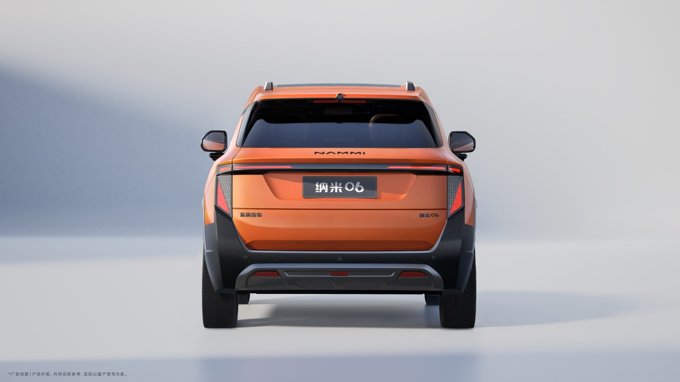
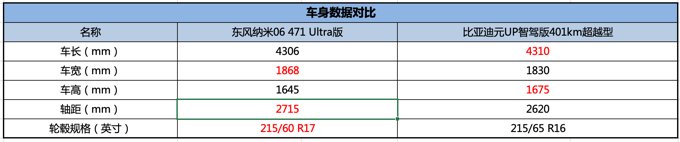
The Nammi 06 adopts a short-overhang, long-wheelbase proportion, achieving a wider and more comfortable cabin space in the same class while ensuring passability. The thick black wheel arches also highlight a good off-road character, and the split tailgate design is rare in its class. In addition, the Nammi 06 is also equipped with rain-sensing wipers. The body dimensions are 4306/1868/1645mm in length x width x height, with a wheelbase of 2715mm.
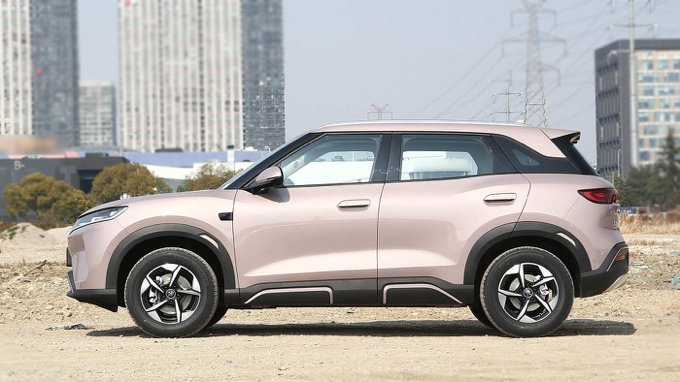
The Yuan UP adopts an urban style, with the body placing more emphasis on a streamlined feel. It continues the "Dragon Face" design, with a closed front face paired with "Full Ring" LED headlights, and the through-type lower grille is more aggressive than the older model.
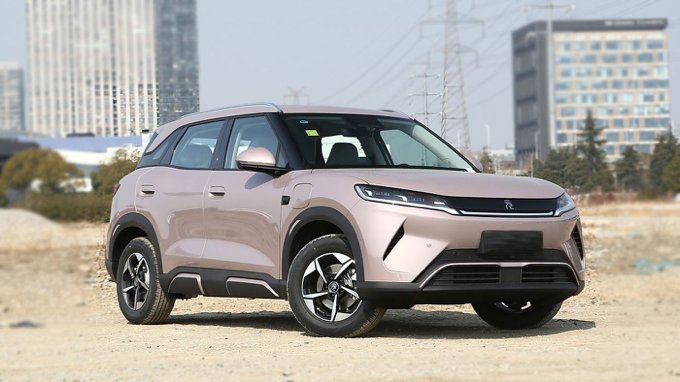
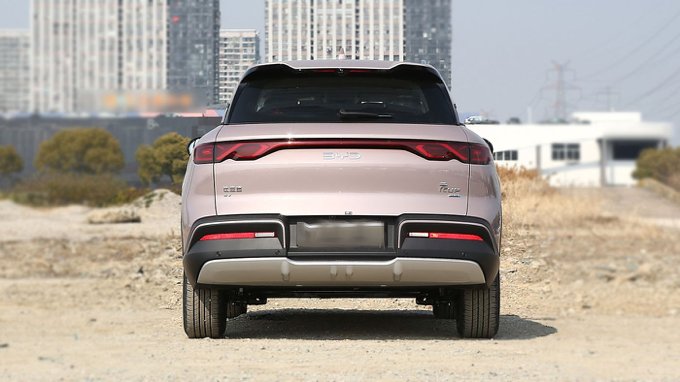
The Yuan UP's floating roof is more prominent, and it is equipped with an NFC key function. The blue "God's Eye" tail badge reveals its assisted-driving identity. The body dimensions are 4310/1830/1675mm in length x width x height, with a wheelbase of 2620mm.
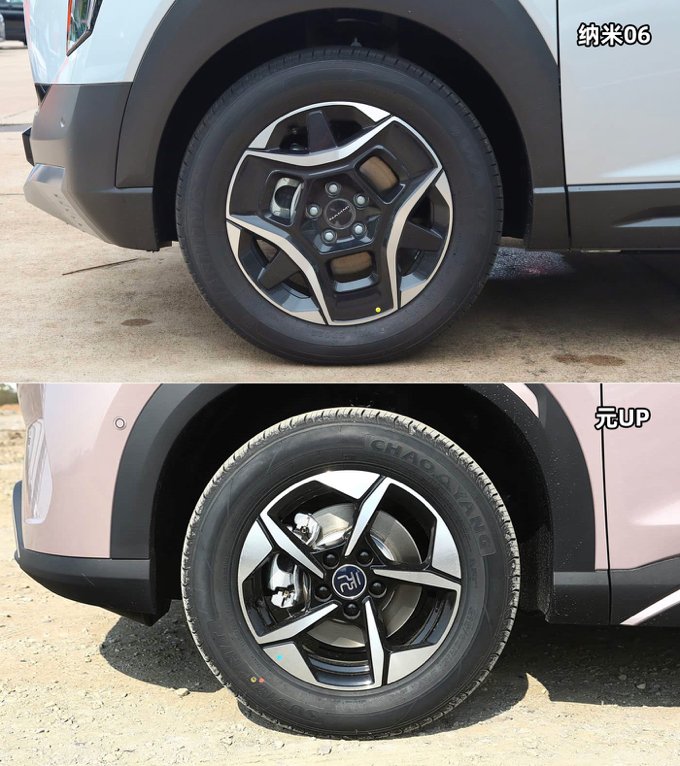
There are differences between the two cars in tire specifications. The Nammi 06 comes standard with 215/60 R17 size, with an optional 215/55 R18 size; the Yuan UP is equipped with a 215/65 R16 size, which looks somewhat more restrained in style.
Summary: There is no beauty or ugliness in exterior design; opinions vary from person to person. Both cars look very clean and appealing at first glance, with slightly different appeal points in configuration.
II. Cabin Experience: Different Choices Between Refinement and Practicality
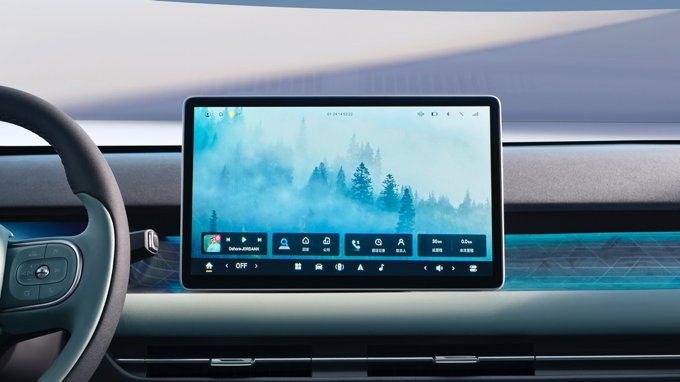
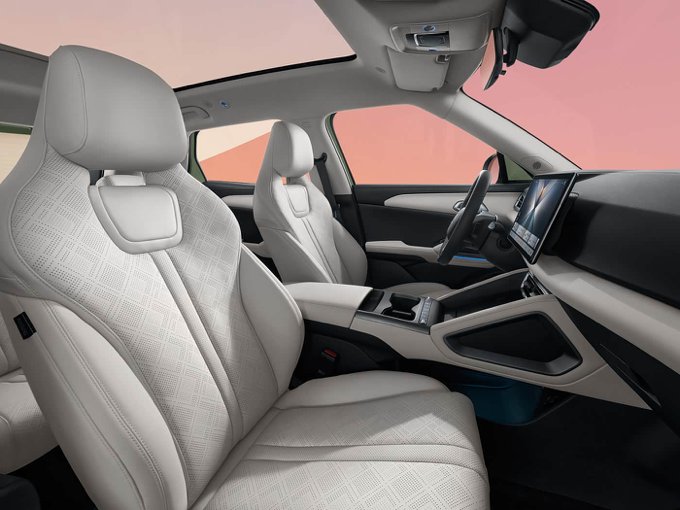
In the interior, the Nammi 06 adopts a minimalist design. The flat instrument panel paired with a floating central control screen looks very concise and clean. 60% soft-touch coverage paired with suede craftsmanship provides a delicate feel; the 256-color rhythmic ambient lighting supports zone adjustment, maxing out the atmosphere when driving at night.
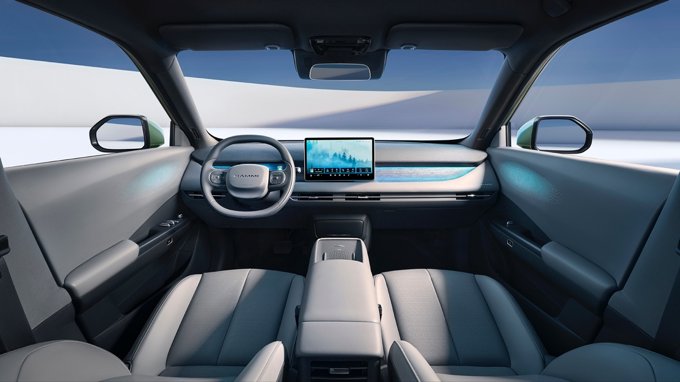
The Nammi 06 is also equipped with the Tianyuan Smart Cabin, featuring a 12.8-inch central control screen and the 8155 chip, and adopts the Taiji large model. Voice interaction can achieve an ultra-fast response of 400ms and a recognition rate of 98%.
Sitting inside the Yuan UP, the simple design of the center console with left-right symmetry and clear color separation appears very capable and tidy. The interior has relatively less soft material coverage, with leather optional on higher trims. The style is simple, and it is equipped with single-color ambient lighting.
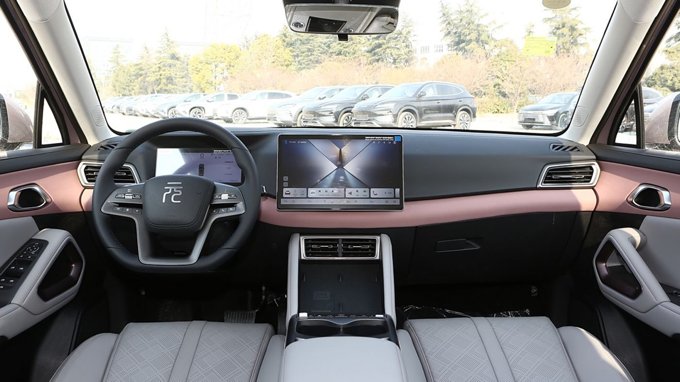
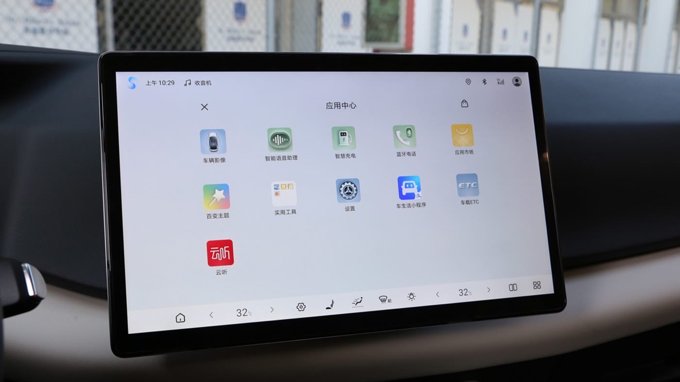
The 12.8-inch central control screen + BYD D100 chip supports the DiLink vehicle system, and it also adopts a column shifter design that frees up the central tunnel. Having a W-HUD head-up display on an A0-class SUV is still very appealing.
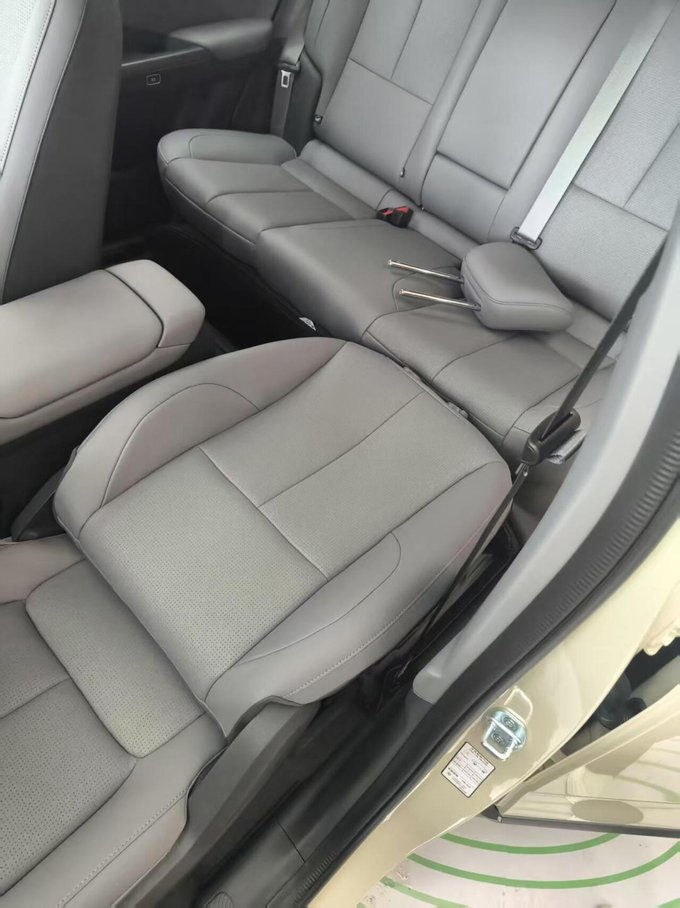
In terms of functions, the Nammi 06's "scenario-based design" is more flexible: only the driver's seat has ventilation/heating functions, and the front passenger seat can fold flat 180°, instantly becoming a 1.8-meter camping bed, convenient for long-distance rest or camping; although both front seats of the Yuan UP are equipped with ventilation/heating, the driver's seat lacks a memory function compared with the Nammi 06.
Both cars have 50W wireless fast charging, but the Nammi 06 adds a 60W charging port for faster charging. The Yuan UP has no problem meeting basic needs, but its expandability is slightly weaker.
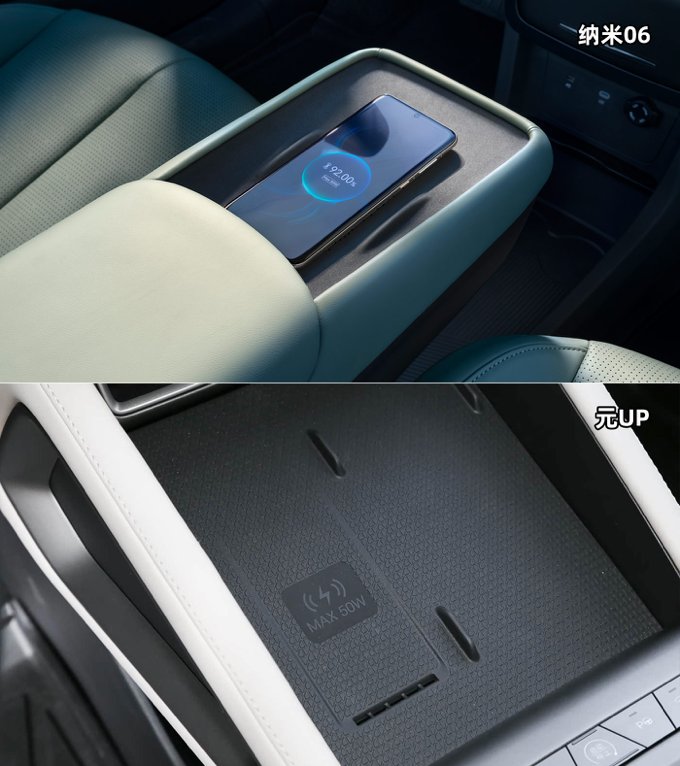
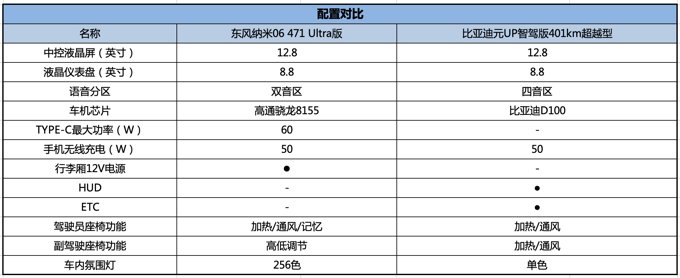
Summary: If you pursue cabin quality and versatile scenarios, choose the Nammi 06; if you prefer practicality and simplicity, the Yuan UP is more to your taste.
III. Actual Space Test: A 95mm Wheelbase Difference Makes a Big Difference in Experience
Space is a key consideration for family users. With the longest wheelbase in its class at 2715mm, the Nammi 06 brings a truly spacious feel: a flat rear floor, and a 1.8-meter-tall passenger still has two fists of legroom (980mm), while the middle passenger does not feel cramped either.
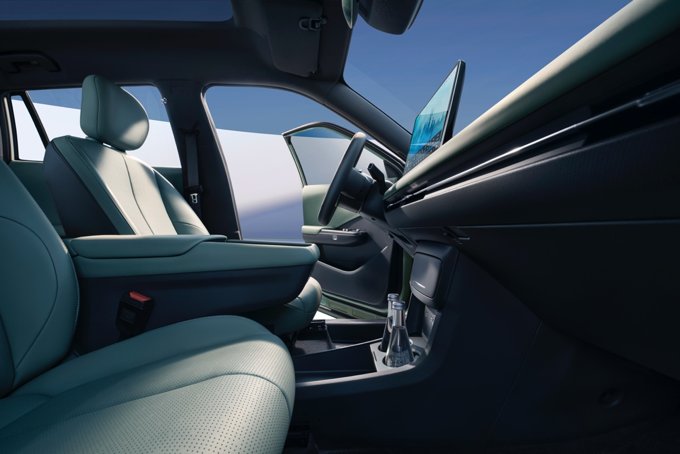
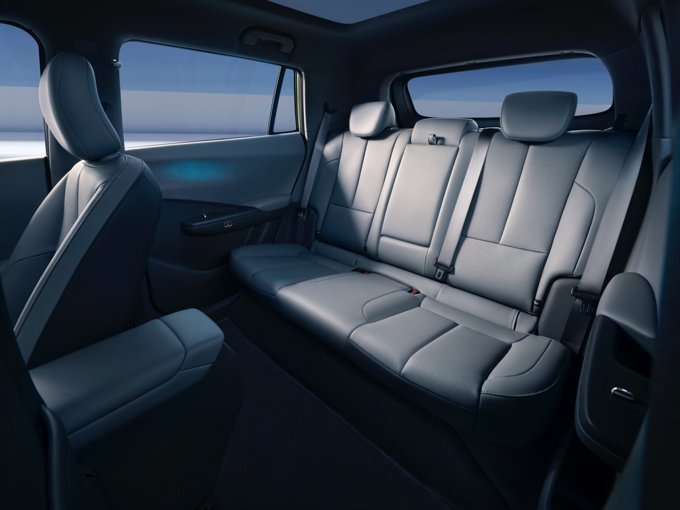
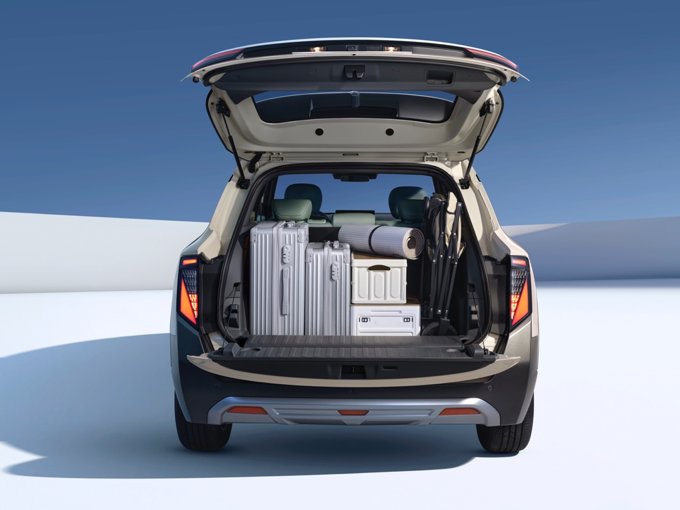
The trunk has a regular volume of 500L, which can expand to 1040L after folding the seats, fitting one more 28-inch suitcase than the Yuan UP. Even more thoughtful is the "split tailgate": the lower gate can bear 150kg, making it very practical as a dining table when camping or a seat when fishing, and it also maxes out emotional value.
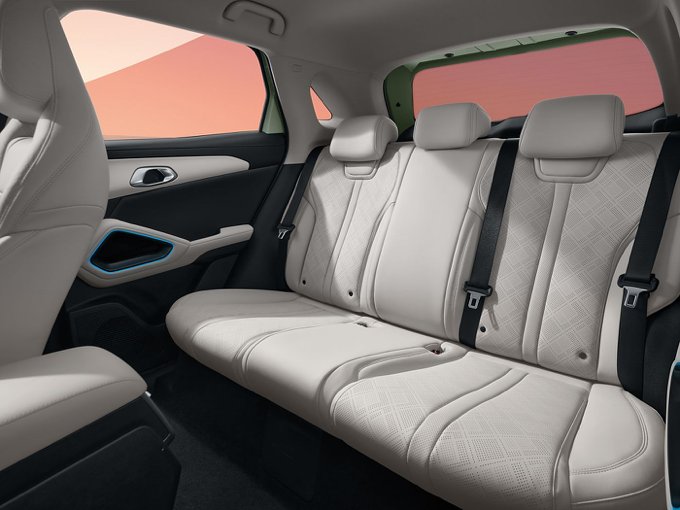
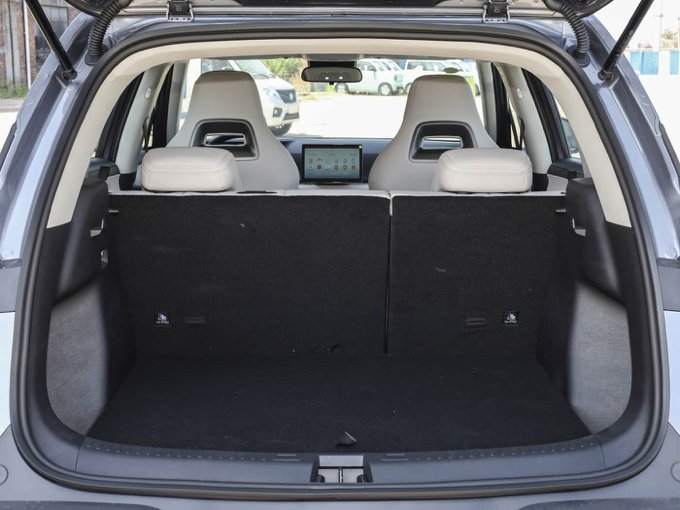
The Yuan UP has a wheelbase of 2620mm. The rear seat cushion angle is comfortable, but legroom is slightly tight, and passengers feel somewhat crowded when fully loaded; the trunk's expansion capability from 380L to 1320L is enough for daily use, but the opening height is only 780mm, making large-item loading slightly less convenient.
Summary: For larger families who often carry bulky luggage, the Nammi 06's space advantages better fit the needs.
IV. Intelligent Assisted Driving: From "Good Enough" to "Full Scenario"
Both cars are at L2-level intelligent assisted driving, but their positioning is slightly different.
The Nammi 06 comes standard across the lineup with the Tianyuan Smart Driving T100 system, which can be used upon delivery for highway/city express NOA, memory navigation assist, and cross-floor memory parking (supporting 20 routes). In actual tests, the success rate of narrow-road track reverse driving is 98%, so even beginners can easily handle complex road conditions.

The Yuan UP Smart Driving Edition is equipped with the DiPilot 100 system, supporting functions such as highway/city express NOA, assisted lane changing, and assisted merging/exit ramps, which can meet daily commuting needs. However, it lacks functions such as memory parking, track reverse driving, and traffic light recognition.

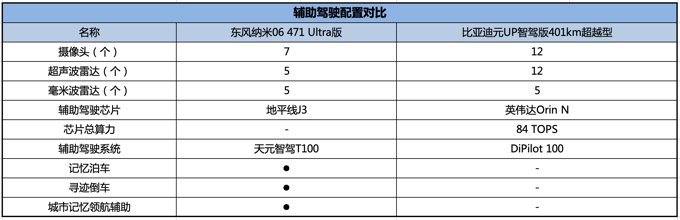
Summary: If you value advanced intelligent driving, the Nammi 06 is a bit "smarter"; if you only need basic assistance, the Yuan UP is sufficient.
V. Range and Recharging: For Long Trips, the Difference Is More Than Just Kilometers
For long trips, range and recharging efficiency are hard indicators. The Nammi 06 471 Ultra Edition is equipped with a 51.87kWh battery and has a CLTC range of 471km, 70km more than the Yuan UP's 401km (45.12kWh), equivalent to one more round trip to the suburbs.

In terms of recharging speed, the Nammi 06's 3C ultra-fast charging technology is very practical. In actual tests, it can charge from 30% to 80% in 18 minutes. In the time it takes to drink a cup of coffee at a highway service area, it can add 100km of range; the Yuan UP needs 30 minutes to complete the same amount of charging, making it suitable for scenarios with a more relaxed charging pace. Both cars have heat pump systems, and both batteries use direct refrigerant cooling, so thermal management is well done on both.

In terms of power, the Dongfeng Nammi 06 is built on the Dongfeng Quantum Architecture No. 3 platform. Its power system is equipped with Mach E electric drive, with a total motor power of 135kW/290N·m, and an official energy consumption of 12.6 kWh per 100 kilometers. The Yuan UP comes from BYD e-Platform 3.0 and adopts CTB body integration technology, with a total motor power of 130kW/290Nm and an official energy consumption of 12.2 kWh per 100 kilometers. Power and energy consumption are similar. Both cars have 3.3kW AC discharge, but the Nammi 06 also adds 6kW DC discharge, giving it an advantage when camping outdoors.
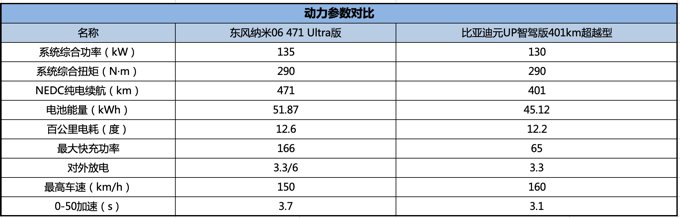
Summary: For frequent intercity or long-distance driving, the Nammi 06's range and ultra-fast charging advantages are more obvious; for pure urban commuting, both can satisfy one charge per week; for camping and external discharge, the Nammi 06 has the advantage.
VI. Objective Shortcomings Analysis
In summary, the editor has compiled the applicable scope of the two cars for everyone.
Choose the Nammi 06 471 Ultra Edition:
1. Suitable for weekly travel mileage exceeding 300km, or frequent highway driving and outings;
2. Meets the needs of families with more than 4 members, valuing passenger and storage space;
3. Advanced intelligent driving functions are "ready to use upon delivery."
Choose the Yuan UP 401km Smart Driving Edition:
1. Daily commuting radius is less than 50km, and charging is convenient;
2. Values BYD's brand reputation and mature service network;
3. Has a hard requirement for CTB technology.