During the 2026 Mid-Autumn Festival and National Day double holiday, "county-level in-depth travel" became the most striking trend in the travel sector. People no longer crowded into popular scenic spots with the "huge crowds," but instead headed to county old streets, mountain villages, and niche ancient towns, immersing themselves in local customs at a slow pace. This is essentially a "reverse herd effect" in consumption: saying goodbye to follow-the-crowd check-ins, no longer paying for "everyone else is going" or "everyone else has it," and instead returning to real experiences, giving a thumbs-up to relaxation and fulfillment.
This wave is also unfolding in the automotive consumption sector. 2019 was the first year refrigerators and color TVs made their way into cars. Now, eight years later, users have gone through a full car-use cycle. They need design at a higher dimension than "stacking configurations" to improve the experience.
The marginal effect of stacking configurations is diminishing, and Geely is going deep into "cockpit order" to start higher-dimensional competition
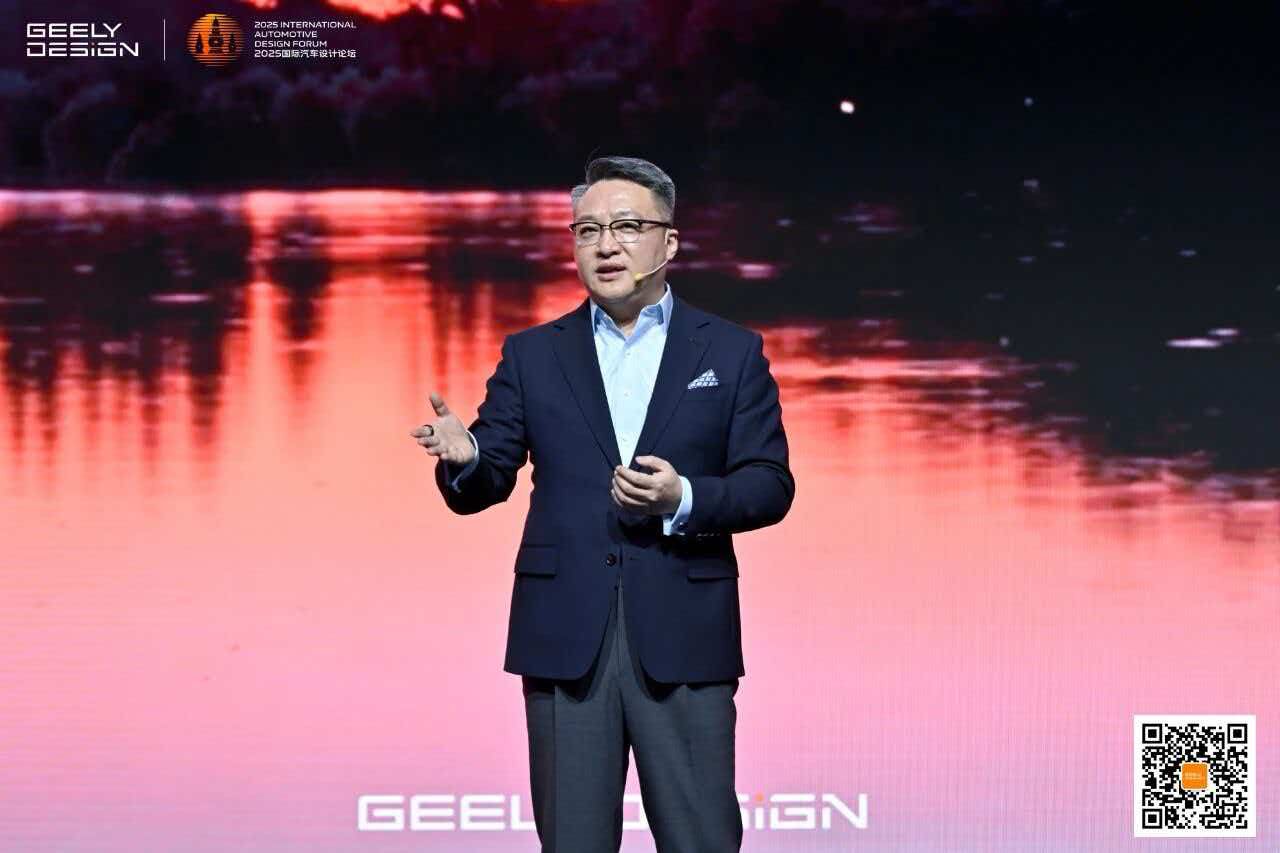
Chen Zheng, vice president of Geely Automobile Group and global head of Geely Design, said: "Chinese users look at configurations when buying cars, with the main idea being 'the more, the better.' Since ancient times, Chinese people have regarded abundance as prosperity, and richness as luxury. But 'more' is not redundant stacking; it is an ultimate response to every kind of need, a high-value sense of fulfillment."
In fact, Geely realized earlier than the entire industry that the marginal effect of "stacking configurations" on experience improvement is diminishing, and the marginal differentiation in product design is also continuing to narrow.
Three years ago, Geely partnered with Hunan University to conduct in-depth research on the cockpit. Hunan University is one of the earliest universities in China to establish an industrial design program and has the most complete Asian anthropometric database and human factors engineering research accumulation in the country. The database is so detailed that it even includes data on the human ear canal.
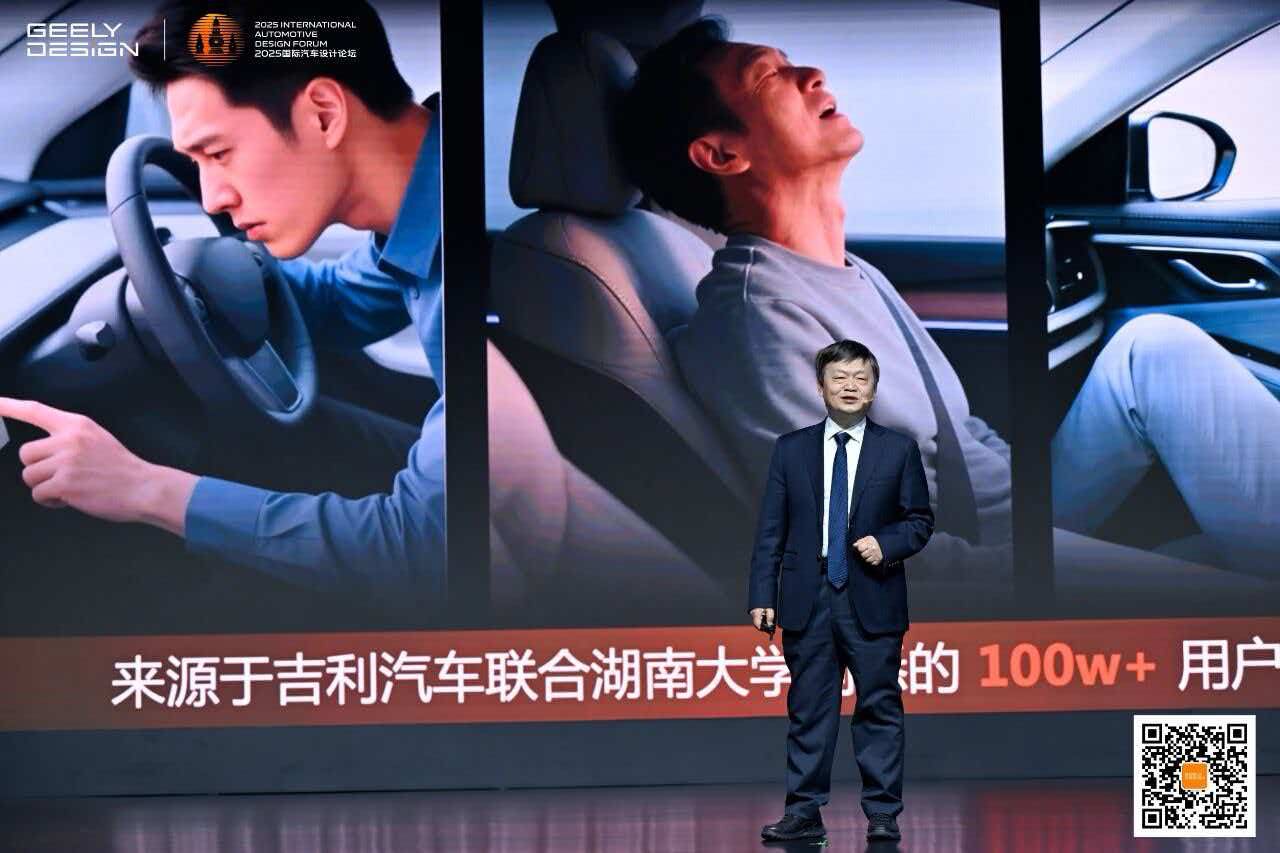
The two sides explored a higher-dimensional path for experience upgrading—building a sense of cockpit order, systematically sorting out the order principles of cockpit design from the three dimensions of visual cognition, operating behavior, and spatial psychology, and breaking down "order" from a vague subjective feeling into quantifiable, implementable full-scenario design standards.
Behind every design is theoretical support and scenario insight
"The ultimate form of a designer is a product manager." This is a view Chen Zheng frequently mentions. To create good design, designers must, on the basis of academic research, go out even more and go into real user scenarios to discover inspiration.
Functional order: fit behavioral intuition, making scenarios more convenient. Another meaning of "embodied cognition" is that a person's bodily sensations directly affect cognition and emotion. Precise, smooth operational feedback brings a sense of control and safety; conversely, inconvenient operation and chaotic logic trigger irritation and anxiety.
During winter testing of the Galaxy Battleship 700, a story like this happened. When the designer got into the car wearing thick gloves, they found they could not reach into the door handle. After getting in, they also found that operating function buttons while wearing gloves did not provide precise feedback. So the team tore down the inconvenient designs and redid them, redesigning every functional detail according to the standard of wearing gloves.
Designs that are inconvenient to operate not only affect mood, but may also affect safety.
One designer on the Galaxy Battleship 700 design team once crossed the Dahai Dao at night. He said that when crawling along a side slope, the sky was gray, the ground was gray, and the person was dazed. In that situation, one could only concentrate on looking ahead, and all controls came from intuition.
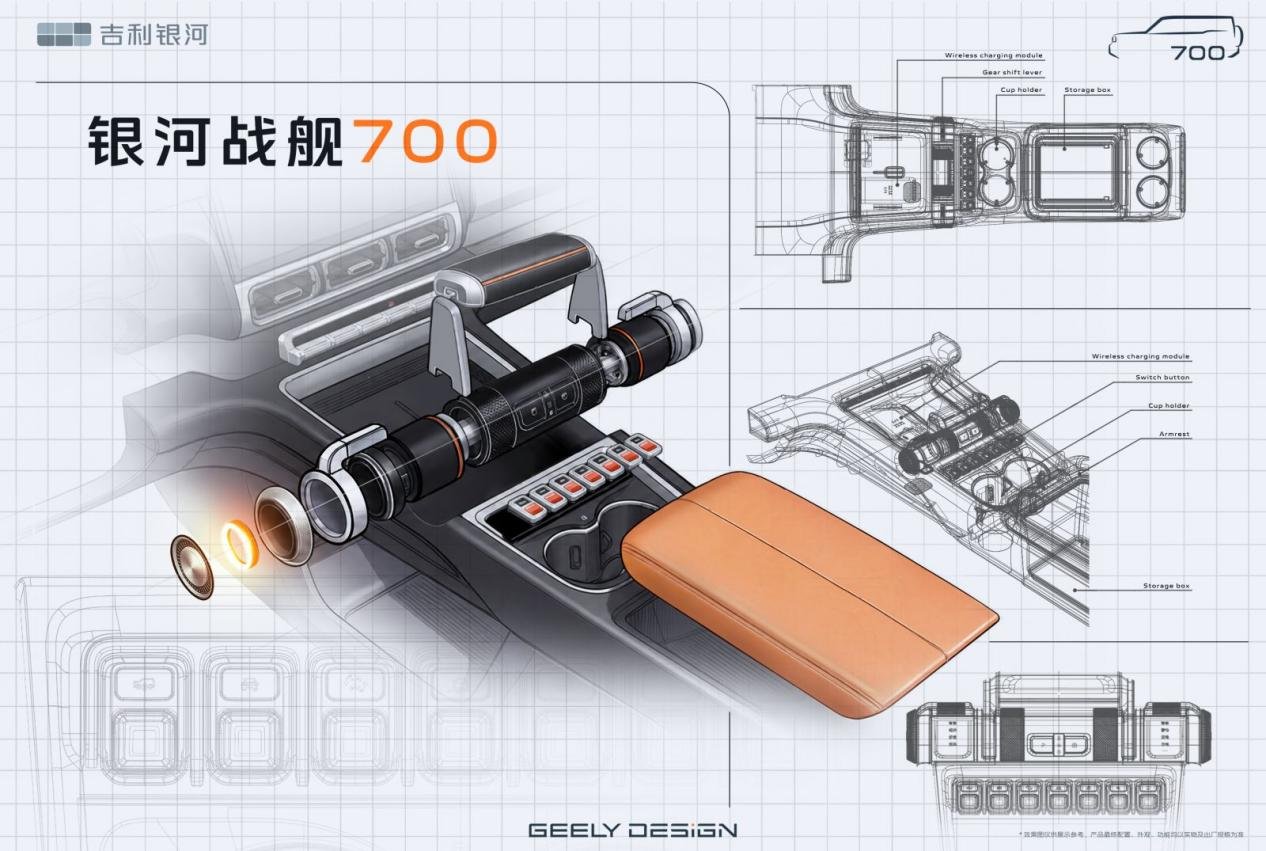
When designers have such profound scenario experiences, the design will certainly revolve around "people's behavioral habits." Every function button layout in the Galaxy Battleship 700 is where it should be, in line with the muscle memory of "off-road veterans." The essence of functional order is to return operation to intuition, so there is no need to deliberately learn and adapt, and it can be used conveniently as soon as one gets in the car.
Visual order: reduce the pressure of enclosed spaces, making long stays more relaxing.
Have you heard of the 20-minute park effect? Modern neuroscience research shows that when people are in a cluttered visual environment, the brain needs to continuously process redundant information, cortisol levels rise rapidly, and fatigue and anxiety are more likely to occur. When people are in an outdoor environment such as a park for more than 20 minutes, cortisol can be effectively reduced. Designers cannot move a park into a car, but they can shorten the distance between passengers and the outdoors. The key lies in a sense of openness.

For example, the Geely Galaxy M9. This car achieves a window-to-body ratio of 1:1.2. The light-transmitting area of the windows on one side reaches 0.7 square meters, directly increasing light intake by more than 20% compared with competitors in the same class. Natural light pours freely into the cabin, and the innate sense of oppression in a sealed cockpit is instantly dissolved, making the entire light-and-shadow atmosphere open and relaxed.
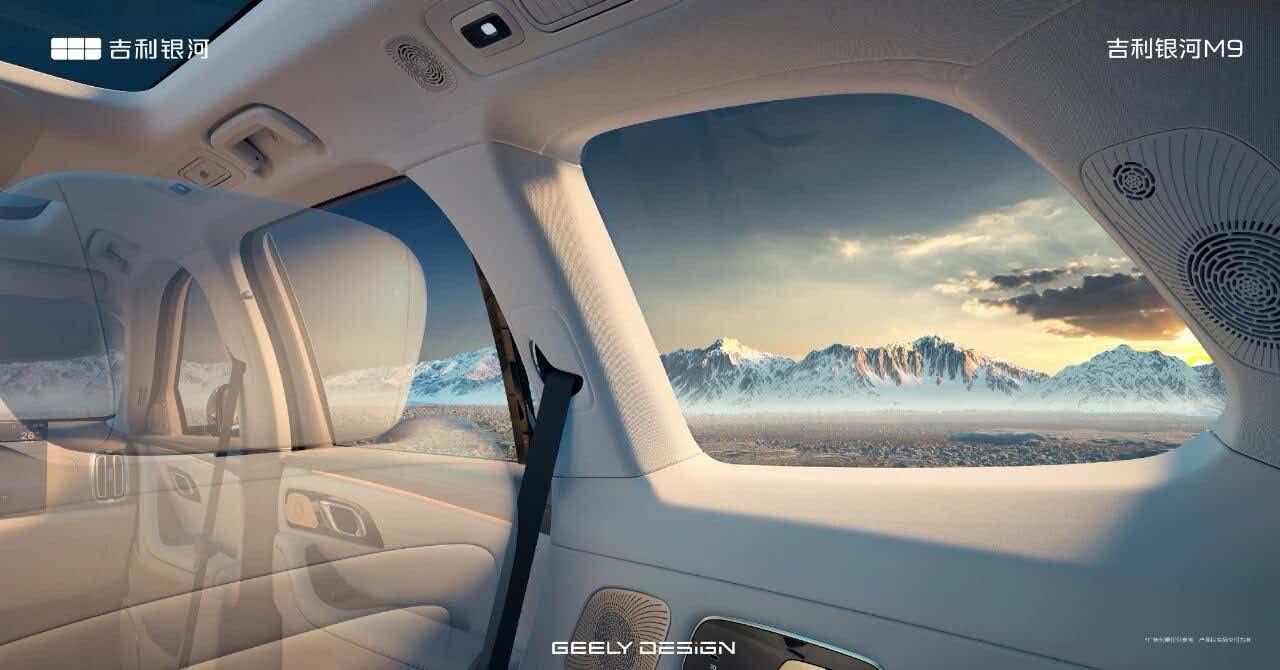
The third row is often the dead corner where light is hardest to reach. But the designers of the Galaxy M9 specifically created a Mont Blanc porthole design, with one-third more light-intake area than six-seat SUVs in the same class. Relying on this extra light, plus the broad field of view, third-row passengers finally say goodbye to the sense of crampedness.
Tactile order: clear hierarchy, consistent feedback.
More than two thousand years ago, The Records of Examination of Craftsmen proposed "fine materials and skillful workmanship," emphasizing making the most of materials' beauty and craftsmanship's skill; modern Bauhaus design principles also advocate "fidelity to the true nature of materials"—the core of both is rejecting excessive decoration and letting the material itself convey value.
Geely's CMF design follows exactly this logic, not engaging in redundant material stacking, but matching materials by zones according to human touch frequency and functional attributes, forming a tactile order with a clear hierarchy.
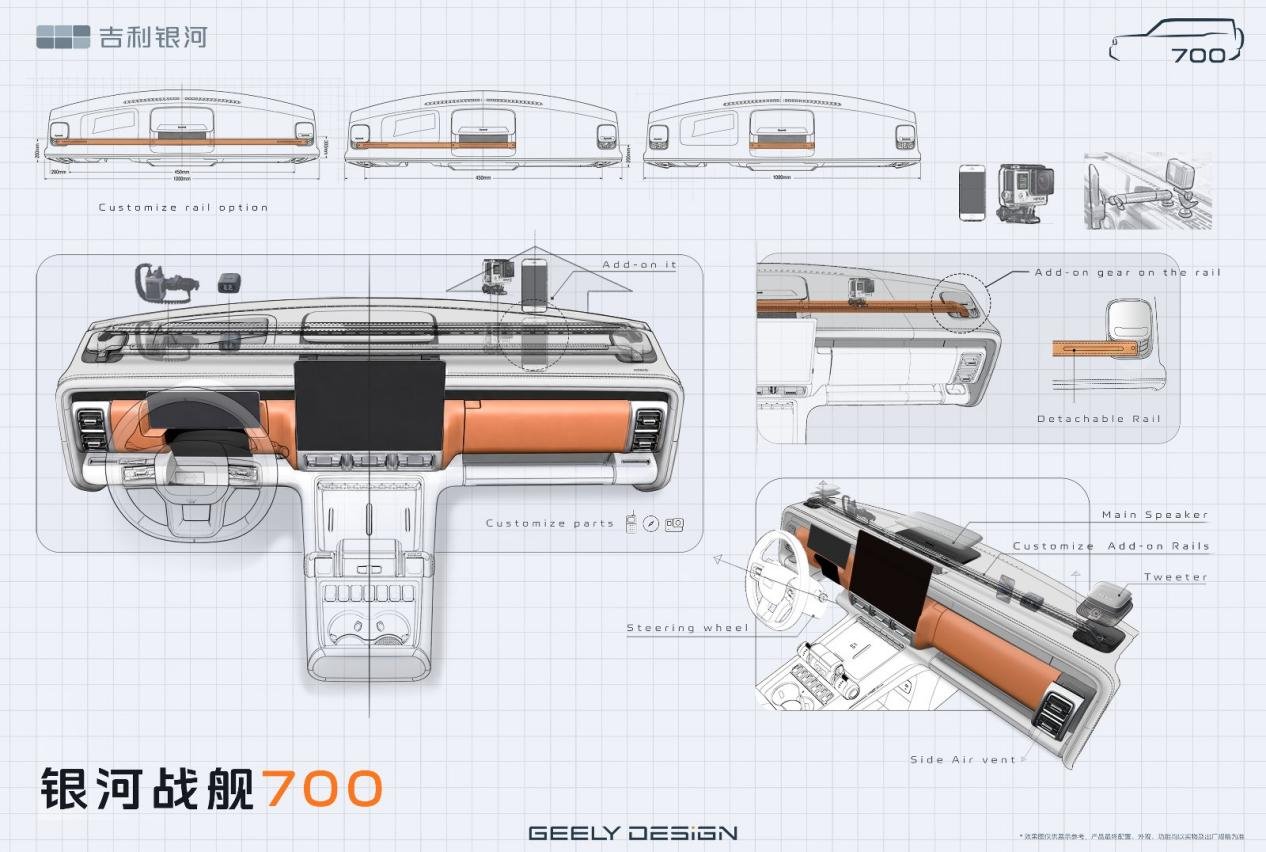
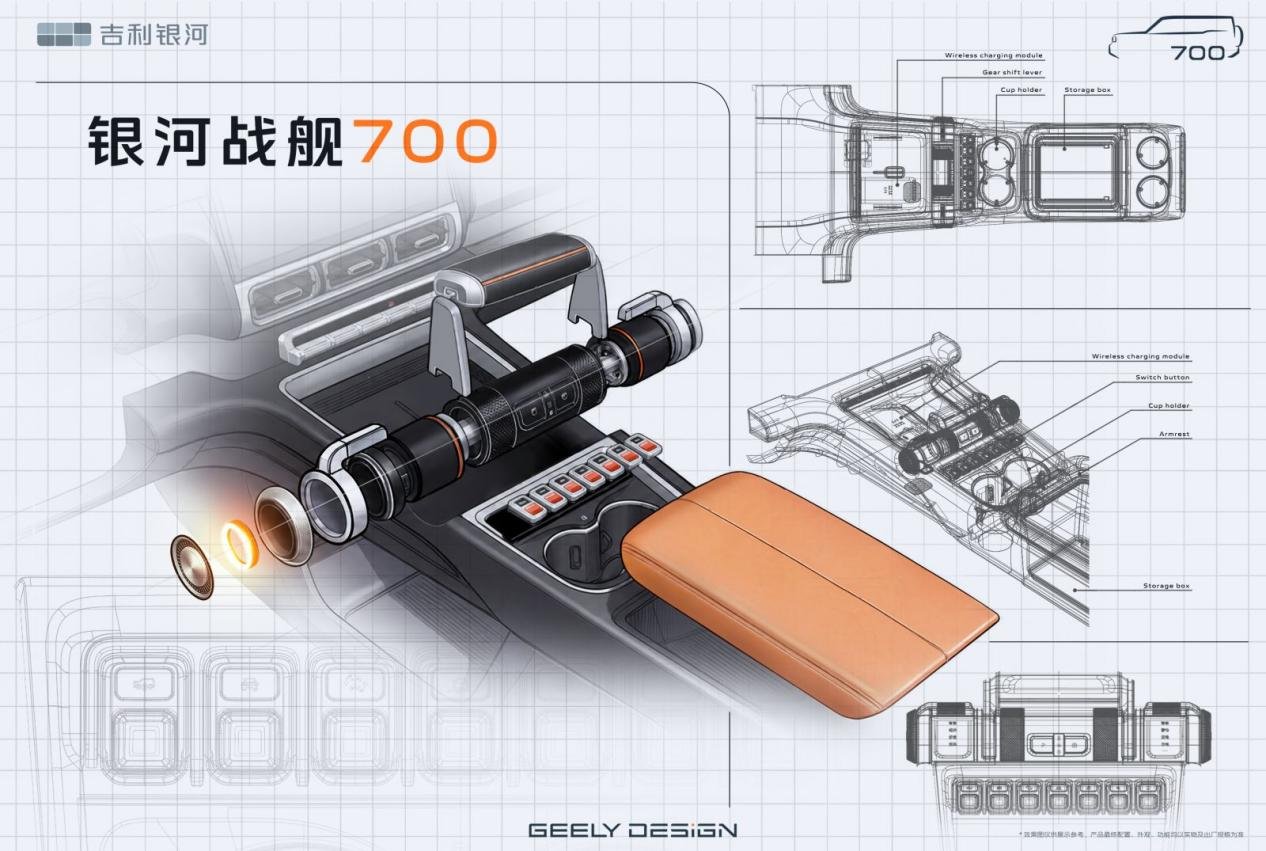
Take the Galaxy Battleship 700 as an example: high-frequency contact areas such as the steering wheel, center armrest, and door elbow rests use delicate soft wrapping, skin-friendly and gentle; operating components such as physical center-console buttons and the yacht-style gear shifter have uniformly tuned damping and detent feedback, with a consistent feel; low-frequency touch areas such as the instrument panel and side trim retain the material's own texture, clean and not cluttered.

This also precisely fits Chinese people's acute perception of "touch." The theory of "embodied cognition" in psychology points out that only real material touch can truly activate the emotional perception of comfort. And an orderly tactile hierarchy can better form a "muscle memory"-style interactive experience—even on bumpy off-road sections, users can distinguish different function buttons by feel alone, operating precisely without looking down, further strengthening the cockpit's sense of control and stability.
Finally
The core of cockpit order is to make design fit people's intuition and real scenarios. It responds to users' shift from "more configurations" to "better experience." Geely makes cockpit design return to a sense of order that is clear, comfortable, and easy to use, which can also cross cultural differences and meet global users' shared expectations for a good experience.


